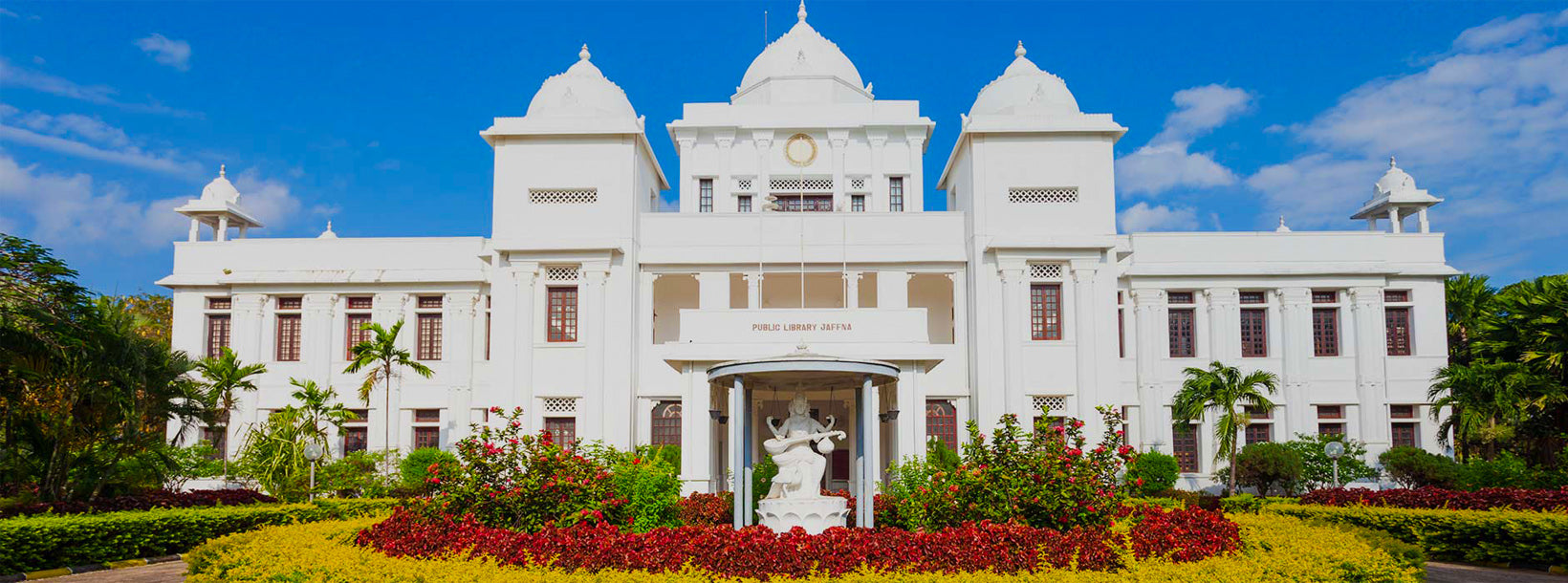
Ville de Mullaitivu


Mullaitivu est la ville principale du district de Mullaitivu, situé sur la côte nord-est de la Province du Nord, Sri Lanka. À l'origine une colonie de pêcheurs, la ville s'est développée au début du XXe siècle pour devenir un port d'ancrage pour les petits voiliers transportant des marchandises entre Colombo et Jaffna. La ville abrite un bureau du secrétaire du district, ainsi que de nombreuses autres institutions gouvernementales et écoles situées dans et autour de la ville.
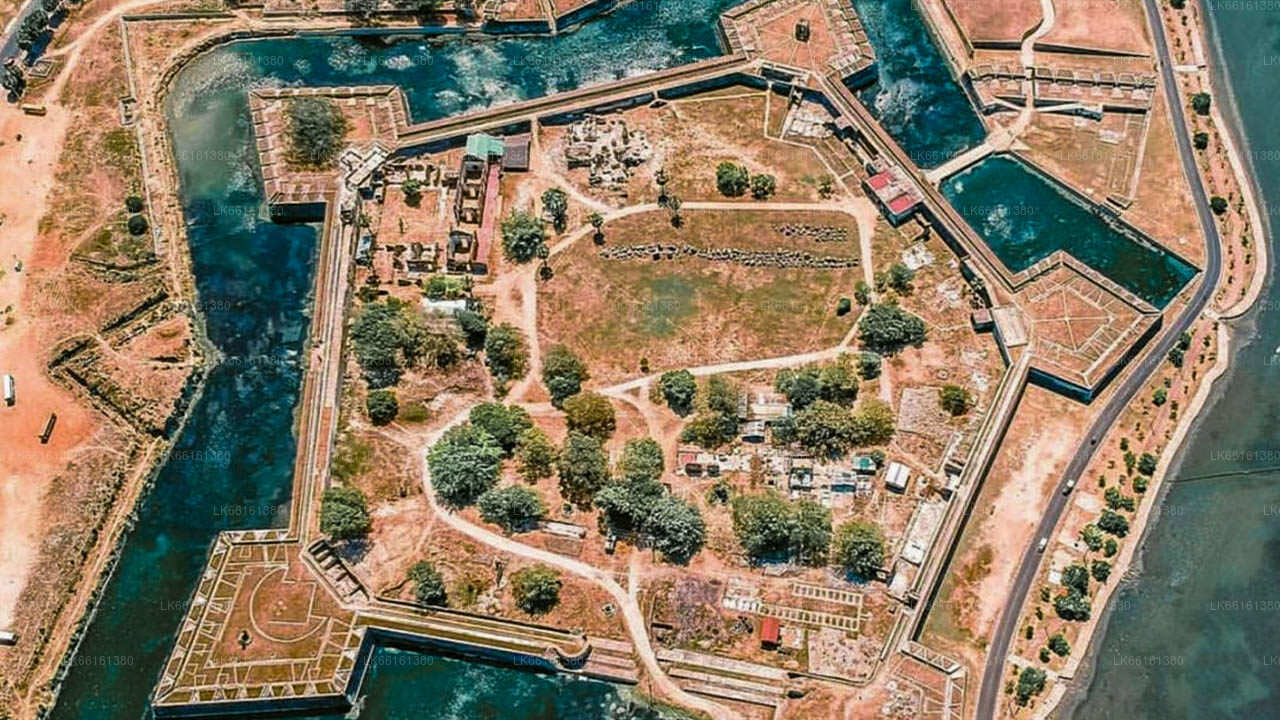
Lors des guerres kandyanes, la maison du gouvernement britannique à Mullaitivu fut attaquée par les forces de Pandara Vanniyan et du Dissava de Nuwara Kalawiya, et assiégée. Le capitaine Drieberg et ses forces malaises s'échappèrent de la forteresse en bateau et atteignirent Jaffna. Pendant la guerre civile du Sri Lanka, Mullaitivu est devenue une base isolée pour les forces armées sri-lankaises. Lors d'une bataille violente, les LTTE ont réussi à envahir la base en 1996. Par la suite, les forces armées sri-lankaises se sont retirées de Mullaitivu, ce qui a permis aux LTTE de prendre le contrôle de la région. La ville a été endommagée par le tsunami de l'océan Indien en 2004, avec une grande perte en vies humaines. L'armée sri-lankaise a pris le contrôle de la ville le 25 janvier 2009 lors de la bataille de Mullaitivu dans son offensive contre les LTTE. Le Quartier Général des Forces de Sécurité – Mullaitivu a été établi le 5 juin 2009 dans la ville.
À propos du district de Mullaitivu
Le district de Mullaitivu est l'un des 25 districts du Sri Lanka, la division administrative de deuxième niveau du pays. Le district est administré par un secrétariat de district dirigé par un secrétaire de district (anciennement connu sous le nom d'agent du gouvernement) nommé par le gouvernement central du Sri Lanka. La capitale du district est la ville de Mullaitivu.
Une partie de l'actuel district de Mullaitivu faisait partie du royaume précolonial de Jaffna. Le district est ensuite passé sous le contrôle des Portugais, des Néerlandais et des Britanniques. En 1815, les Britanniques ont pris le contrôle de l'île entière de Ceylan. Ils ont divisé l'île en trois structures administratives basées sur l'ethnie : les Sinhala des plaines, les Sinhala des montagnes et les Tamouls. Le district, qui faisait alors partie du district de Vanni, faisait partie de l'administration tamoule. En 1833, conformément aux recommandations de la commission Colebrooke-Cameron, les structures administratives basées sur l'ethnie ont été unifiées en une seule administration divisée en cinq provinces géographiques. Le district de Vanni, avec le district de Jaffna et le district de Mannar, a formé la nouvelle Province du Nord.