Matara Fort

Matara Fort Matara Fort Matara Fort

About Matara Fort

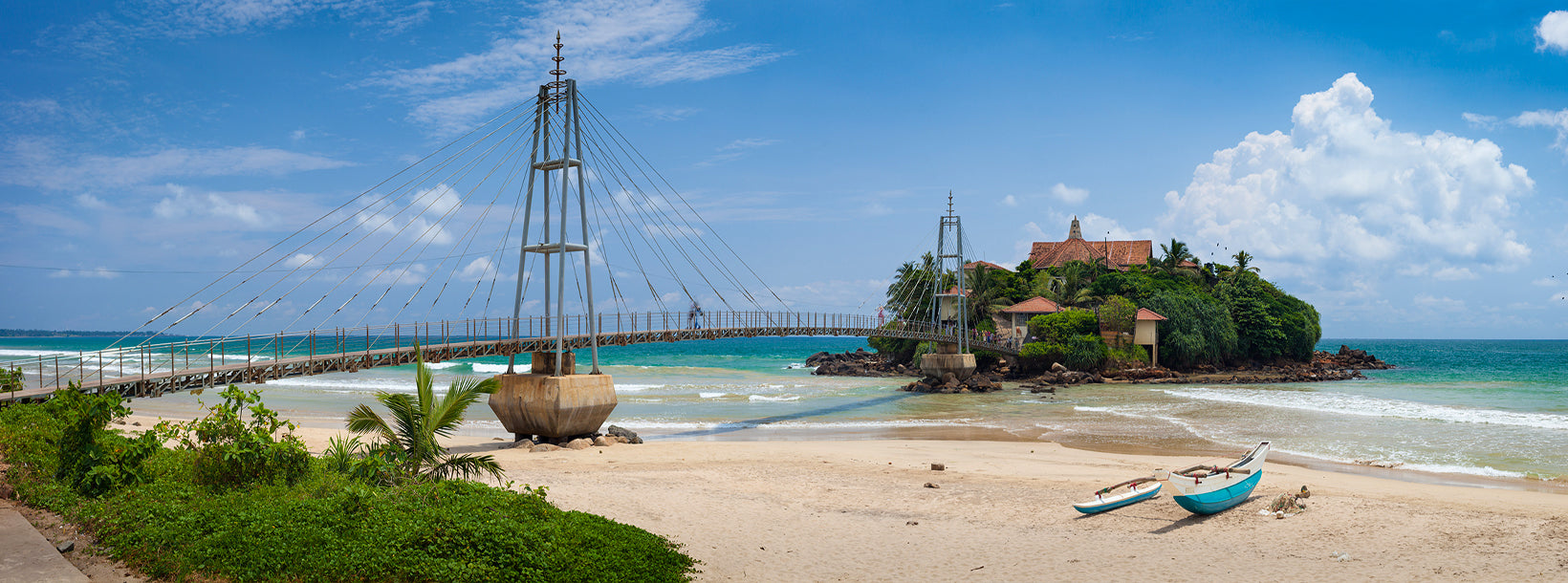
The Matara Fort was built in 1560 by the Portuguese and was substantially re-built by the Dutch in 1640, following the capture of Galle. The fort, which consists of a large stone rampart, occupies the promontory, which separates the Niwala Ganga (River) lagoon and the ocean.

The Portuguese constructed the first fortifications in 1595, with the assistance of Don Juan Dharmapala, the ruler of the Kingdom of Kotte. In 1640 the Dutch captured Matara from the Portuguese, and in 1645 they were responsible for the construction of the current fortifications. The fort consists of a 240 m (790 ft) long, 13 m (43 ft) thick, 5 m (16 ft) high rampart and the gateway constructed from local limestone, granite and coral. The rampart originally had a ditch in front of it, two half bastion projections at each end and a larger projection in the centre close to the gate with a bridge across the ditch.

Presently though, the old Matara Fort area has been restored and has a stark resemblance to that of its Galle counterpart, which further asserts its historical prominence in the island. One of the highlights is the ramparts, as it gives you a panoramic view of the Indian Ocean. The sunsets here are considered to be one of the best in the southern coast of the island. As you explore the fort, you’ll come across several other colonial monuments within the fort that narrate stories of old.

Matara Fort Matara Fort Matara Fort

?LK94007463: Text by Lakpura™. Images by Google, copyright(s) reserved by original authors.?

À propos du district de Matara

Le district de Matara, situé dans la province du Sud du Sri Lanka, est réputé pour la beauté de son littoral, la richesse de son histoire et le dynamisme de sa culture locale. Bordé par l'océan Indien, il abrite de superbes plages comme Polhena et Mirissa, prisées pour la baignade et l'observation des baleines. L'économie du district repose sur l'agriculture, notamment la culture de la noix de coco et du thé, ainsi que sur la pêche. Des sites historiques tels que le fort de Matara et le phare de Dondra Head témoignent du passé colonial de la région. Grâce à son mélange d'attraits naturels et de patrimoine culturel, le district de Matara est une destination captivante pour les locaux comme pour les touristes.

À propos de la province du Sud

La province du Sud du Sri Lanka est une petite région géographique comprenant les districts de Galle, Matara et Hambantota. L'agriculture de subsistance et la pêche constituent la principale source de revenus pour la grande majorité des habitants de cette région.

Parmi les sites importants de la province du Sud figurent les sanctuaires fauniques des parcs nationaux de Yala et d'Udawalawe, la ville sainte de Kataragama et les anciennes cités de Tissamaharama, Kirinda et Galle. (Bien que Galle soit une ville ancienne, il ne reste presque rien d'avant l'invasion portugaise.) Durant la période portugaise, deux célèbres poètes cinghalais, Andare, originaire de Dickwella, et Gajaman Nona, originaire de Denipitiya dans le district de Matara, composaient des poèmes sur le peuple.