Looking for Train Tickets?
Colombo Fort Railway Station


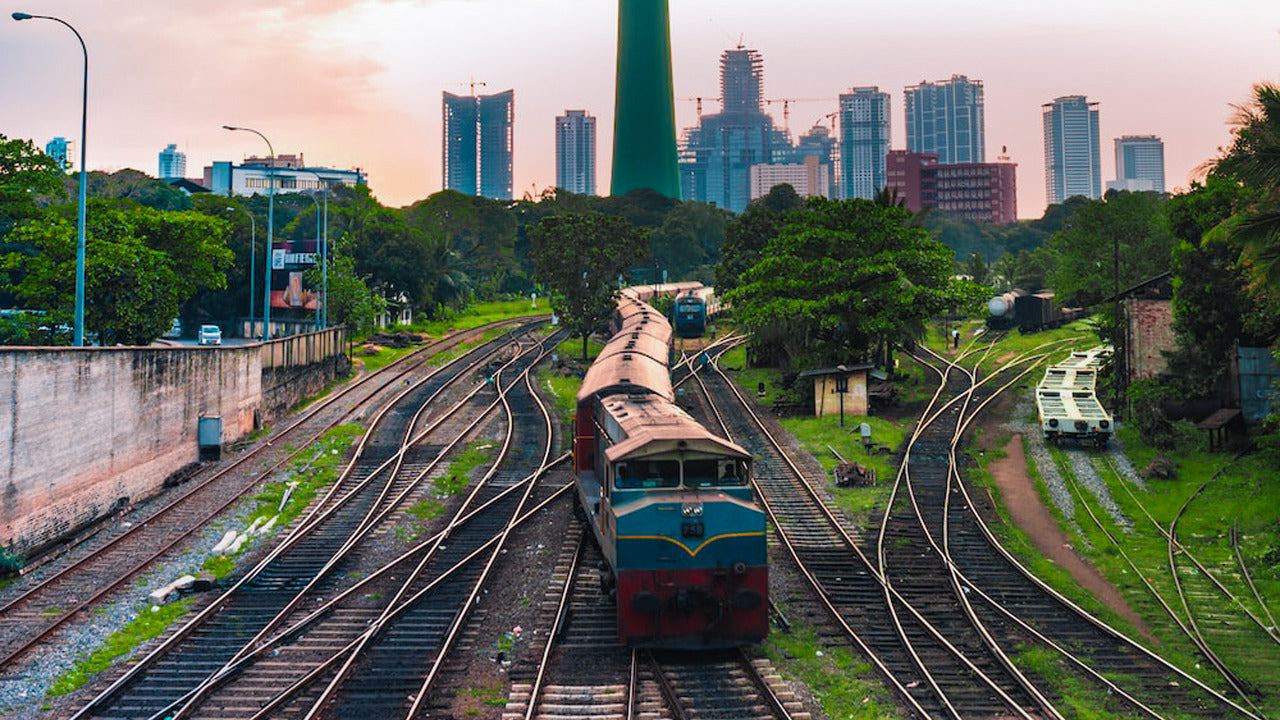
The reason travelers come here is, that this is where the Central Bus Stand, for buses from all the main routes, and also where the Colombo Fort Railway Stationis. This Railway Station is the biggest station in Sri Lanka and has quite a bit of history.
The railway line was started over 150 years ago by the British. At the time, the Central Terminus was in a place near Maradana, The location can still be seen as it is now serving as the Sri Lanka Railway Museum. In 1877 the Coastal Railway Line was created, and that is when the first Fort Station came into use. At the time it was just a small stop located west of where the current station is. It was the terminal just after the Central Terminus, and not at all the same size that it is now. Meanwhile, the Central Terminus was decommissioned in 1906 and a larger railway station in Maradana came into use. But then in 1908, the swiftly growing railway operation started making even the new station defunct. As the space near the Maradana railway station was limited due to the complicated network of railway lines that crisscrossed near the station; plans were made to make the nearby Fort station the main terminal. The construction work began after proper design and took a few years as the structure was quite extensive. It was completed in 1917 and the entire operation was moved to the location where the Colombo Fort Railway Station is today.What you can see now is the original colonial-era structure with just a few changes. These were namely the replacement of rotting wooden boards, which were used for stairs and railings, with cement stairs and stainless steel railings. The many cafeterias, waiting rooms, powder rooms, and bathrooms have received a facelift within the last decade or so, bringing them to the modern era.
However, the slightly dilapidated-looking outer structure, the little booking rooms with their dated wooden booths, the old roof with its black steel girder supports, the old-fashioned wood and steel railway tracks, and the many old trains that pull up in the station along with the new ones; all add to the aura of having traveled backward into time. The platforms are always crowded with the hundreds of thousands of travelers who pass through the station daily. Throughout the day and night, the bustle of the place never ceases. Though many new additions have been made; the beauty of the original station remains eternal and everlasting; a footprint of Sri Lanka’s colonial history.
Things to note:
- If you are on holiday in Sri Lanka during one of the peak tourist seasons; make sure to book over a month in advance to get even the most basic seat. During this time, the trains are so full that even the first-class cabins are jam-packed like a sardine can.
- The station bathrooms are quite filthy, de