Maradana sits at the geographic and logistical centre of Colombo, functioning as one of the city's most active inner districts. It is not a tourist showpiece in the traditional sense — you won't find manicured promenades or heritage museums on every corner — but it offers an unfiltered window into how Colombo actually works: crowded pavements, layered communities, and a railway station that ties the Western Province to the rest of the island.
Where exactly is Maradana in Colombo?
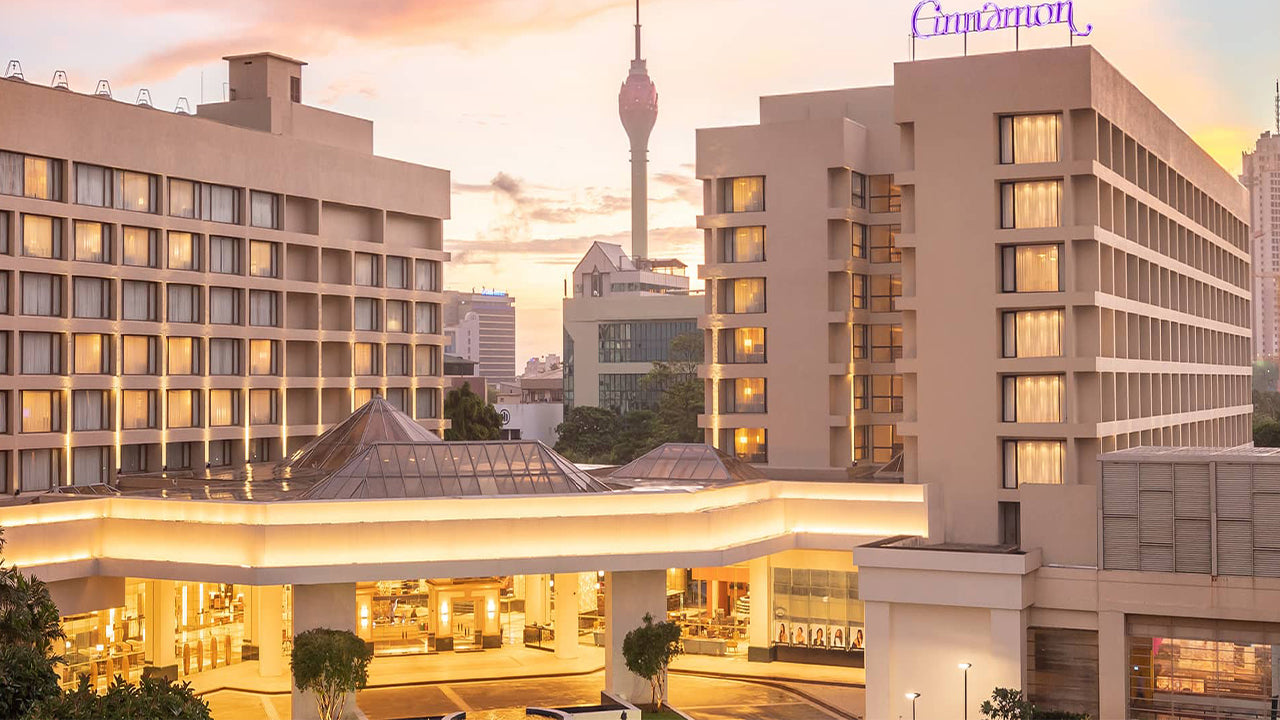
Maradana occupies a position just east of Colombo Fort, the city's administrative and financial core, and directly north of Borella. It sits within the Colombo Municipal Council area and is generally classified as part of the broader Colombo 10 postal zone. The district borders several other inner suburbs — Grandpass to the north, Slave Island and Union Place to the west, and Cinnamon Gardens to the south — making it one of the most centrally connected parts of the city.
The Colombo city tour route typically passes through or near Maradana, and many visitors transit the area without realising it.
What makes Maradana a significant transport hub?
Maradana Railway Station is one of two principal rail terminals in Colombo, alongside Fort Station a short distance to the west. Trains departing from Maradana serve routes toward Kandy, Avissawella, and several suburban stops along the Kelani Valley line. For travellers heading inland, it is often the practical starting point for scenic rail journeys through the hill country.
Beyond the railway, Maradana is threaded by several of Colombo's main arterial roads and serves as an interchange for the city's public bus network. Three-wheelers and taxis are easy to flag down at any hour, and the district connects efficiently with the wider Western Province road grid.
| Detail | Information |
|---|---|
| Postal zone | Colombo 10 |
| Province | Western |
| Key transport link | Maradana Railway Station (Kelani Valley & Main Line) |
| Nearest major landmark | Colombo Fort (~1 km west) |
| Notable institutions | Multiple national schools, vocational colleges, and hospitals |
What is the cultural character of Maradana?
Maradana has long been one of Colombo's most religiously and ethnically mixed neighbourhoods. Walking through its streets, you pass Buddhist temples, Hindu kovils, mosques, and Christian churches within a short radius of each other — a spatial arrangement that reflects Sri Lanka's broader pluralism. The district has a particularly notable Muslim community presence, and several of its mosques are architecturally distinctive.
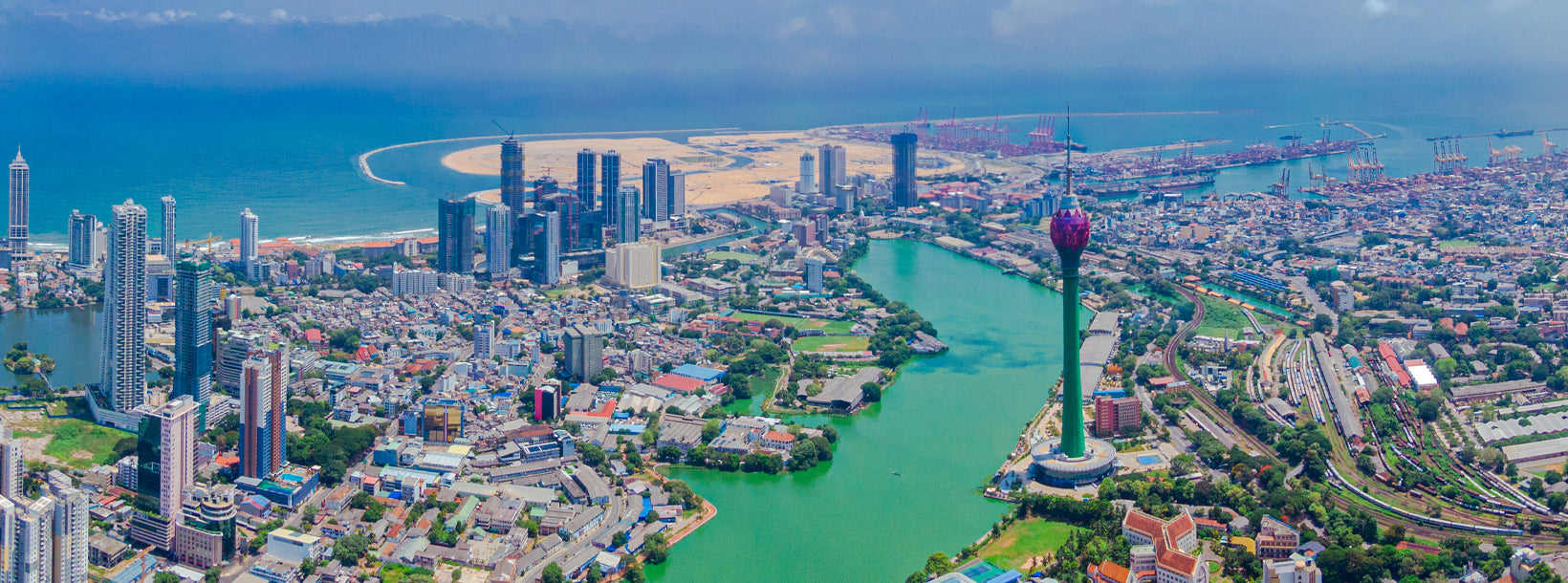
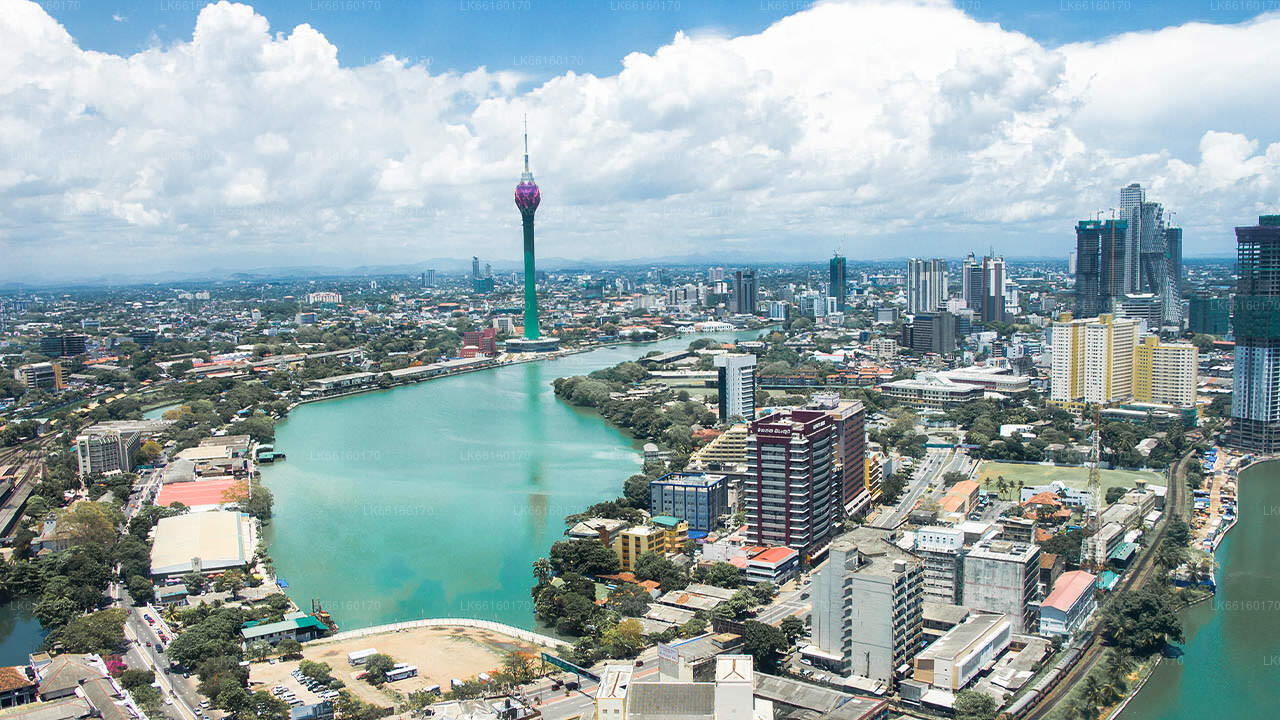
The Colombo Lotus Tower, visible from much of central Colombo, can be seen from elevated vantage points in Maradana, adding a contemporary landmark to a neighbourhood that otherwise wears its history in older building stock and narrow lanes.
Markets and street vendors operate throughout the day, selling everything from electronic components and spare parts to fresh produce and street food. The commercial texture here is practical rather than curated — a working city district, not a sanitised version of one.
What educational institutions are based in Maradana?
Education has historically been a defining feature of Maradana's identity. Several of Sri Lanka's older national schools are located here or in immediately adjacent areas, drawing students from across Colombo and beyond. Vocational training institutes, technical colleges, and a number of government offices occupy the district's larger buildings, contributing to the constant flow of young people through the area during weekday mornings and afternoons.
This concentration of schools and colleges partly explains Maradana's lively, youthful atmosphere — it is a district shaped as much by students and daily commuters as by permanent residents.
How do I get to Maradana from the airport or other parts of Sri Lanka?
From Bandaranaike International Airport in Katunayake, the most straightforward route into Maradana is by taxi or private car along the E03 expressway and then via Colombo's inner road network — a journey that typically takes between 45 minutes and an hour and a half depending on traffic. Pre-booked private transfers are far more predictable than metered taxis during peak hours.
From Kandy, Galle, or other provincial cities, the train to Maradana or Fort Station is a practical and economical option. Services on the main line and the Kelani Valley line run frequently during daytime hours. Intercity buses also terminate near the area. If you prefer a private arrangement, Lakpura's taxi and private driver service covers transfers across the island.
What can visitors do in and around Maradana?
Maradana itself rewards the kind of traveller who finds interest in urban texture rather than heritage sites with admission gates. An hour's walk through the district covers mosques with ornate facades, busy market lanes, colonial-era buildings in varying states of repair, and the controlled chaos of the bus stands near the railway station.
The district's central location also makes it a convenient staging point for exploring Colombo more broadly. Pettah, the city's main bazaar quarter, is a short walk or three-wheeler ride away to the west. The National Museum, Viharamahadevi Park, and the Gangaramaya Temple are all accessible within 15 to 20 minutes by road.
- Maradana Railway Station — worth visiting simply to observe the organised bustle of intercity and suburban rail departures
- Neighbourhood mosques and temples — several are open to respectful visitors outside prayer times
- Street markets — the electronics and hardware lanes near the station are particular to Maradana and unlike anywhere else in Colombo
- Pettah bazaar — immediately adjacent; one of South Asia's more energetic street markets
Is Maradana safe for travellers?
Maradana is a busy, populated urban district and is broadly safe during daylight hours for visitors who take standard city precautions — keeping an eye on bags, being aware of surroundings in crowded areas, and avoiding poorly lit lanes after dark. As with any dense urban environment, common sense is the most useful tool. The area is heavily policed and sees constant foot traffic throughout the day.
Visitors who are unfamiliar with Colombo's layout may find it easiest to explore Maradana as part of an organised city tour rather than independently, since the street grid can be disorienting without local knowledge.
When is the best time to visit Maradana?
As an urban district, Maradana does not have a meaningful tourist season in the way coastal or highland destinations do. That said, Colombo is generally more comfortable between December and April, when the southwest monsoon has passed and humidity is somewhat lower. The city's inter-monsoon and northeast monsoon periods (October to January) bring occasional heavy afternoon rain, which can make street exploration less pleasant.
Weekday mornings give the clearest picture of the district's working character. Public holidays quiet the streets considerably, which can be a relief for some visitors but removes the bustle that makes Maradana interesting in the first place.