Sigiriya Sanctuary

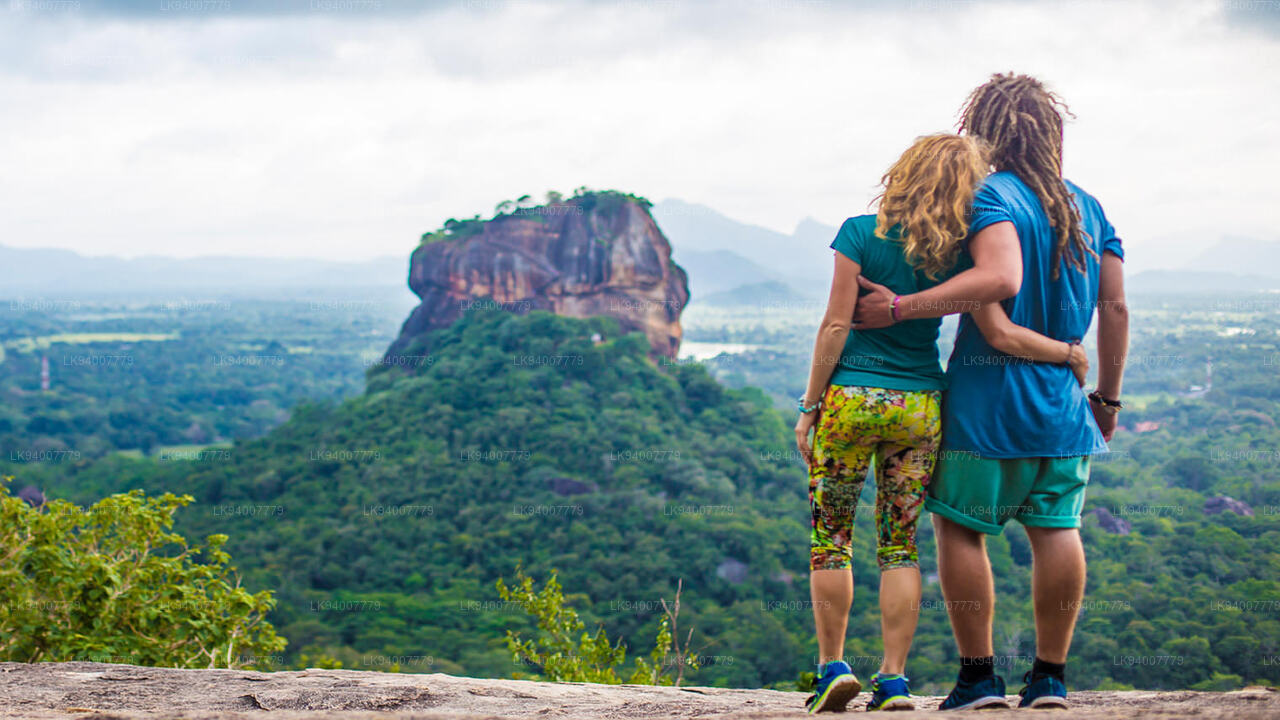
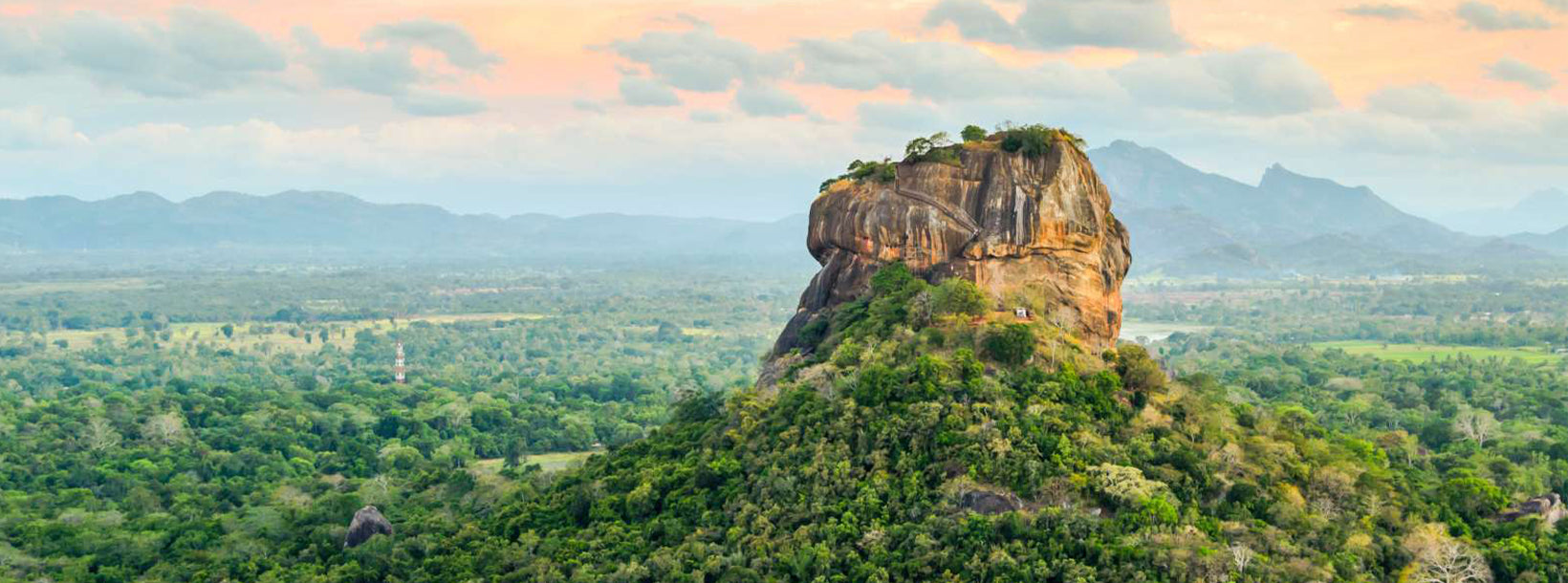
The Sigiriya Sanctuary lies at the heart of Sri Lanka’s Cultural Triangle and is populated with ancient monuments dating back thousands of years. Located in the Northern part of the Matale District of the Central Province, named as Sigiriya Sanctuary on 26.01.1990, this area consists of 5,099 hectares of forests and water bodies inclusive of Sigiriya and Pidurangala rocks and surrounding area.
The forest at the foot of the Sigiriya Rock is a favorite habitat for a large number of endemic, resident and migratory bird species. The Sigiriya Sanctuary consists of forests, lakes, canals and a surrounding road system that helps the pilgrims walk to the ancient Pidurangala temple.
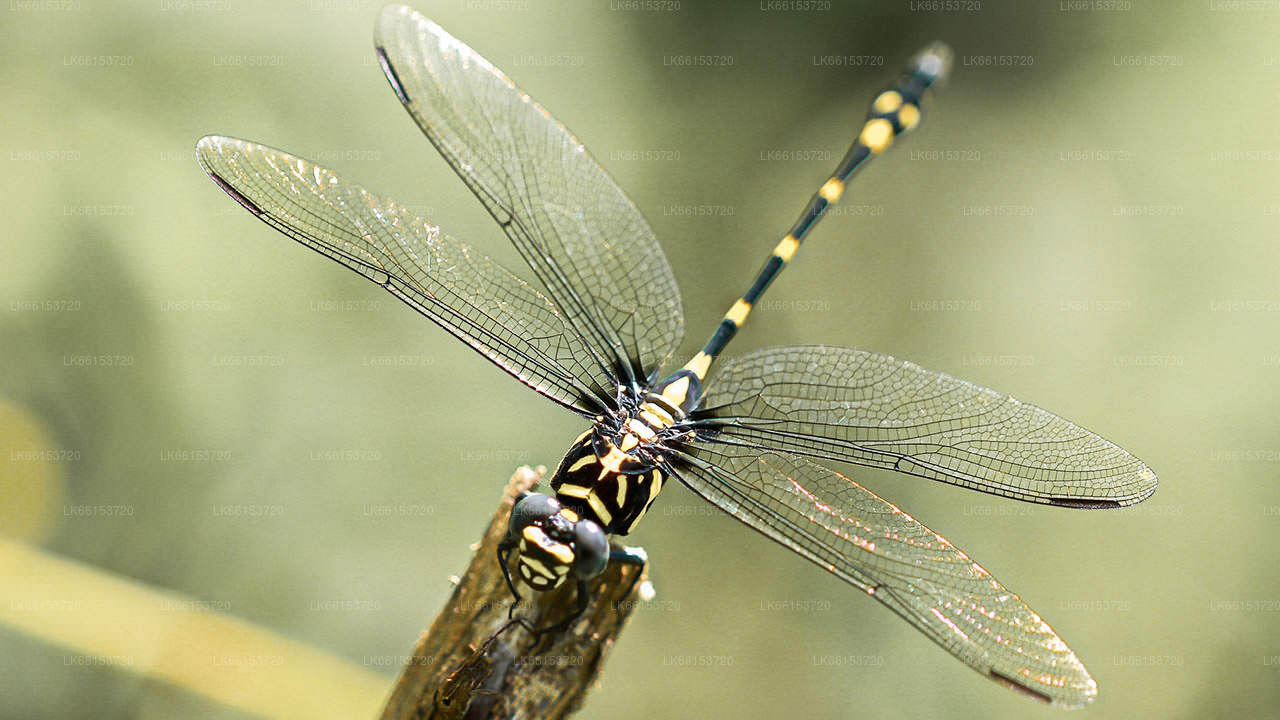
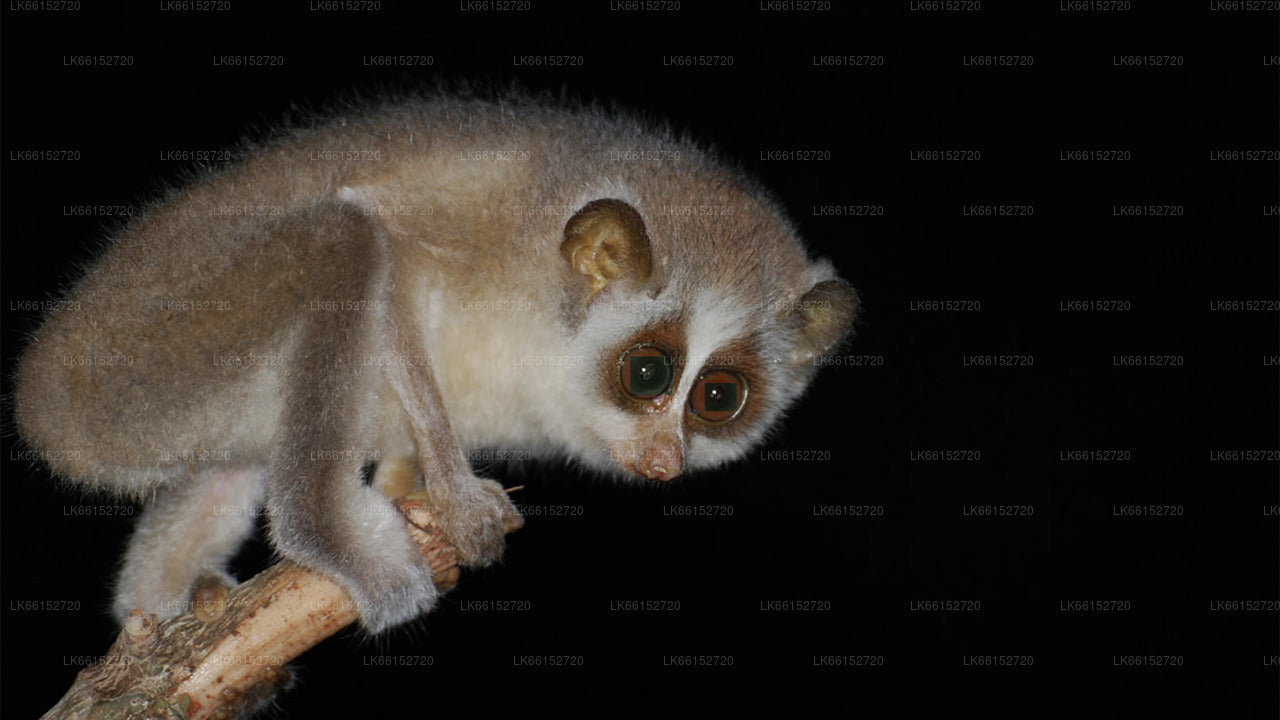
A large part of the Sigiriya Sanctuary is still intact and the rugged terrain at the foot of the Sigiriya Rock is still home to a large number of wildlife.
Sinharaja Rainforest is one of the best places for bird watching in Sri Lanka, with thick foliage with dense canopy, high canopy and undergrowth. The specialty of Sigiri forest, which is not as thick as Sinharaja rainforest, is that it is much easier to spot birds than in Sinharaja. Some of the birds found in Sigiriya, a dry zone forest, cannot be found in the Sinharajarainforest. The Sigiri jungle trek lasts for about three hours during which visitors can spot dozens of bird species. Sigiriya Sanctuary is home to around 120 bird species, both common and rare as well as endemic, resident and migratory. Due to this diversity, the importance of Sigiriya Sanctuary has increased greatly.
The Sigiriya bird watching tour lasts around five hours and covers a large area around the Sigiriya rock fort. The bird watching tour starts from Sigiriya lake which is the best place to see a large number of birds.Some of the common birds seen here are Cattle Egret (Bubulcus ibis), Red-wattled Lapwing (Vanellus indicus), Pale-billed Flowerpecker (Dicaeum erythrorynchos), Common Iora (Aegithina tiphia), Scaly-breasted Munia (Lonchura punctulata), Pheasant- tailed Jacana (Hydrophasianus chirurgus), Oriental Darter (Anhinga melanogaster pennant), Common Kingfisher (Alcedo atthis), Indian Robin (Saxicoloides fulicatus), Woolly-necked Stork (Ciconia episcopus), Brahminy Kite (Haliastur indus) etc.
Sigiriya Sanctuary is high in ecological diversity but with low in plant diversity. The plant community here is semi-evergreen forests. Longan,Dragons eye (Dimocarpns lorgan), Bastard Ebony (Diospyros ovalifolia), Jodpakli (Dimorphocalyx glabellus), Rox burgh’s cherry (Eugenia bracteata), Thwaites (Diplodiscusverrucosus), shrubs like Fishing rod tree (Pterospermum sulerifolium), Karana (Tarenna asiatica), Hedge Box wood (Drypetes sepiaria) and shrubs like Glycosmis mauritiana, Dunal (Polyalthia korinti), Iron wood tree (Memecylon umbellatum), Oblong leaf salacia (Salacia oblonga), and Croton oil tree (Croton laccifer) are common. Other trees like Milla (Vitex altissima), Halmilla (Berrya cordifohia), Ceylon oak (Schleichera oleosa), Palu (Marilkara hexandra) etc., are also available. Gudance for jungle trekking and bird watching tours can be obtained from tour guides. If you are planning to spend a few days in Sigiriya, it is important to set aside some time to explore the Sigiri Forest and experience the wildlife and flora. Visiting Sigiriya Rock, Pidurangala Rock Temple, exploring Sigiriya Lake and introduction to its ecological approach is beneficial for you. The Sigiri Rock Fort was a well-planned city with a landscaped garden dating back to the 5th century AD. Today it is one of the most visited places in the island. It is advisable to start the hike early in the morning or in the evening to enjoy the view of the sunrise or sunset. You canvisit the Sigiriya Sanctuary, which is famous among local and foreign environmentalists and has aesthetic and historical value as well.
The forest area around Sigiriya has been extensively