Sella Kataragama


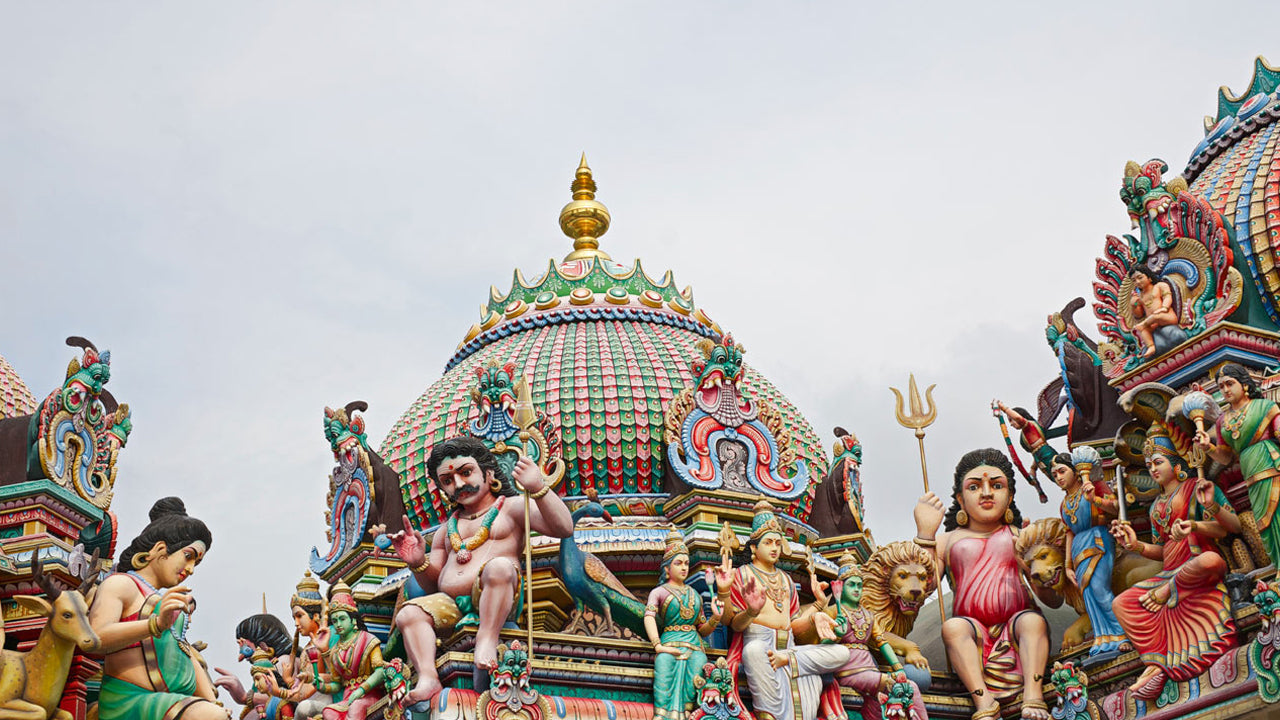
The history of Kataragama goes back to pre Christian era and both Buddhist and Hindu literature have identified this place in various ways. According to chronicles some of the people who accompanied Vijaya from India in 543 BC established a village called Kajara-Gama which is thought to be current Kataragama. Sella Kataragama is a small town lying on the banks of Menik Ganga about 4 kilometers north -west of Kataragama which has been weaved in to the legends of deity Kataragama ( Skanda Kumaraya) as much as Kataragama itself. According to Hindu beliefs god Skanda is also known as Murugan, Arumugam, Kandasami (Skanda Swami), Subrahmanya, etc. Many legends describes the birth of this deity and according to Hindu legends God Skanda came to Sri Lanka after a row with his wife Thevani and landed in the southern part of the island. He made Wedihiti Kanda near Kataragama his adobe. One day he saw a beautiful 16 year old local girl called Valli who was adapted by the veddha chieftain of the tribe who lived in the area.
Skanda unable to win her love consulted his brother god Ganesh to help him. Finding out that Valli feared elephants, a plan was devised for Ganesh to appear as a Elephant and Skanda to come to her rescue. Before turning in to the elephant, Ganesh gave a pot of water to Skanda and asked him to pore the water on to him after the planed attack so he would turn back to the Human form. When Skanda approached Valli in form of a old man at Sella Kataragama, she was chocking on some food and in the eagerness to help her, he dropped all the water. At the same time Ganesh appears in form of a elephant and scares her. Skanda offered her to help with the condition of marring him. Valli having no choice consents to marry him and then he appear in his true form. But unfortunate Ganesh, has to stay with a elephant head since Skanda has dropped the water. And later it is believed that the newly wedded couple lived at Sella Kataragama.
Present Sella Kataragama
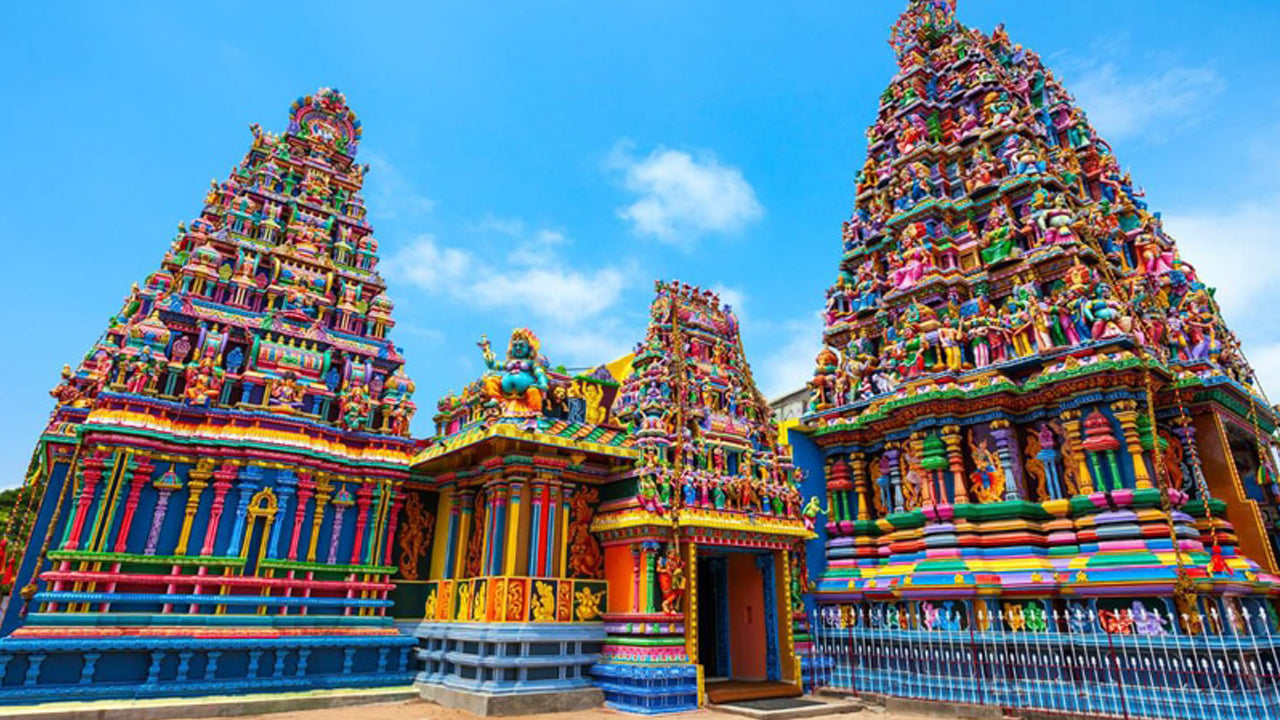
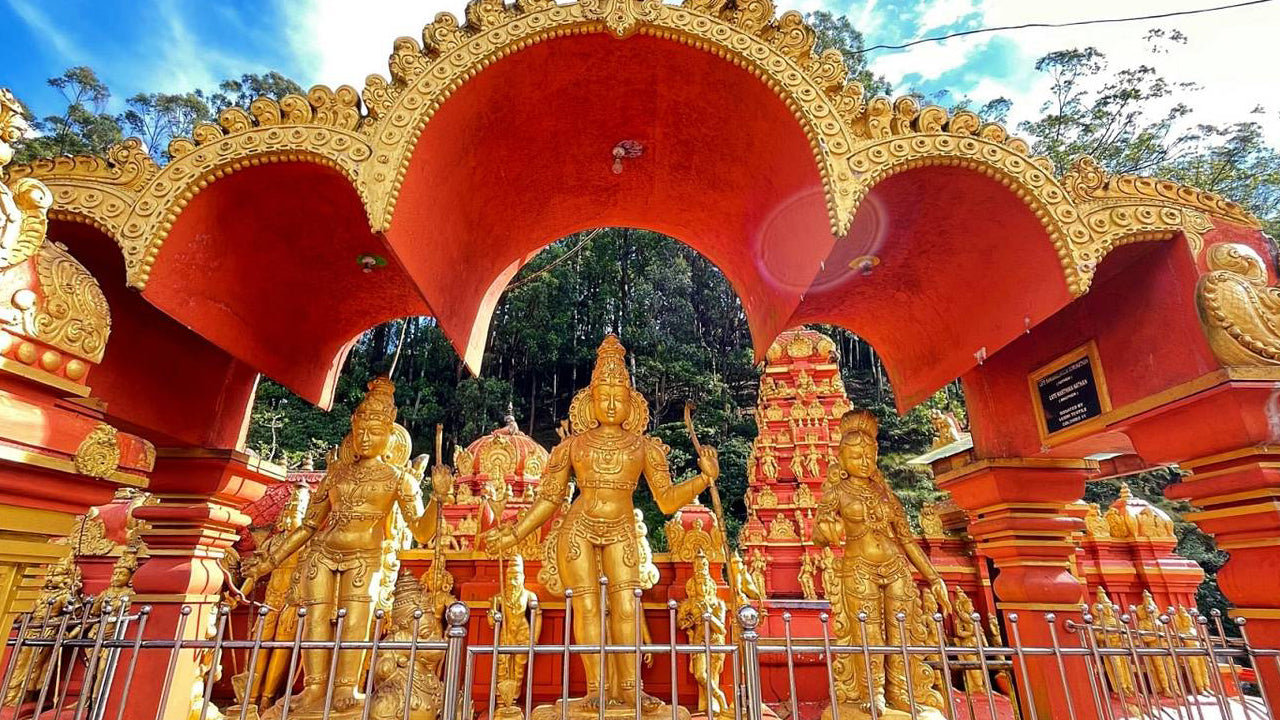
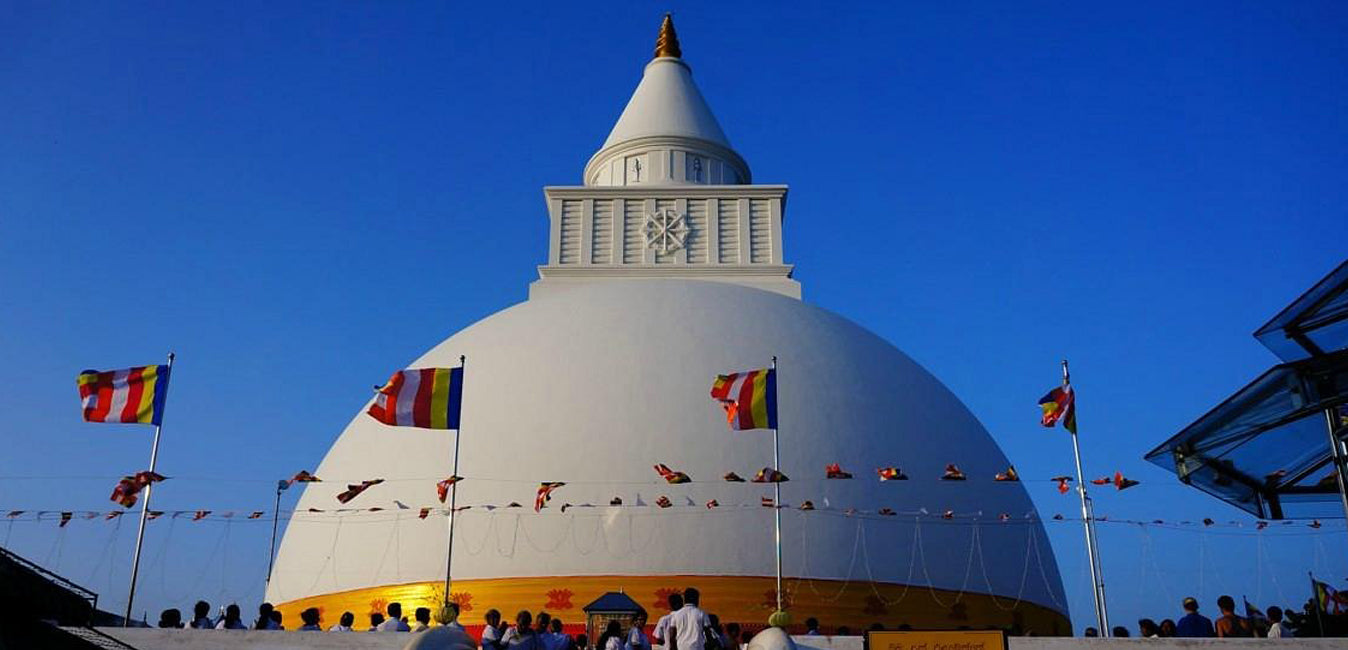
Sella Kataragama area has been developed as an another multi cultural area attracting all walks of life from Buddhists, Hindus and the indigenous Veddas. To enter the sacred area you need to cross the Menik Ganga ( river ). The walk from the car park to the river is lined with shops selling sweetmeats to toys to memorabilia. On the other side of the river lies a plethora of kovils and devales including a Ganapathi Kovil, a Siva Kovil, a Kataragama Kovil, a Valliamma Kovil, a Lakshmi Kovil and Saman Devalaya and a temple dedicated to king Mahasen called Mahasen Vih