Namal Uyana


Jathika Namal Uyana en Sri Lanka es el mayor bosque de hierro y montaña de cuarzo rosa en Asia. El árbol de hierro es endémico de Sri Lanka y el bosque replantado se extiende por más de 260 acres. Según los hallazgos de los arqueólogos, el cuarzo rosa en este lugar histórico tiene más de 550 millones de años. Namal Uyana es un bosque extremadamente raro que fue replantado con árboles de hierro en el siglo VIII d.C., comenzando con el rey Devanampiyatissa y terminando con el rey Dappula IV. Namal Uyana fue un refugio para los monjes budistas durante el reinado del rey Devanampiyatissa en el siglo VIII. Más tarde, se utilizó como campo de prisioneros, donde el castigo era plantar árboles de Na. Durante el reinado del rey Dappula, fue declarado un santuario humano. Este lugar natural único fue presentado al mundo hace casi 15 años por un monje budista, el venerable Wanawasi Rahula Thero.
Jathika Namal Uyana está ubicado a 7 km del cruce de Madatugama en la carretera Colombo-Anuradhapura en Sri Lanka. El bosque de hierro es un bosque único en Sri Lanka donde los árboles de hierro dominan la vegetación en los 260 acres de bosque. Namal Uyana está ubicado en la zona seca de Sri Lanka. En el bosque de árboles de Na o Namal Uyana, el árbol protege la luz solar caliente y da sombra a todas las pequeñas plantas medicinales que viven en su sombra, lo que hace que los visitantes sientan que están en un área fresca, como el lugar más fresco de Sri Lanka. Botánicamente, el árbol Na se llama Mesua Ferara y en inglés se llama Iron Wood Tree (Árbol de Hierro). Toda la parte del árbol de Na también se utiliza para la meditación herbal en Sri Lanka. Este árbol significativo es nativo de Sri Lanka, India, Malasia, Birmania, Tailandia y Papúa Nueva Guinea. Fue nombrado el árbol nacional de Sri Lanka. Los budistas y otras religiones tienen un gran valor religioso por el árbol de Na.
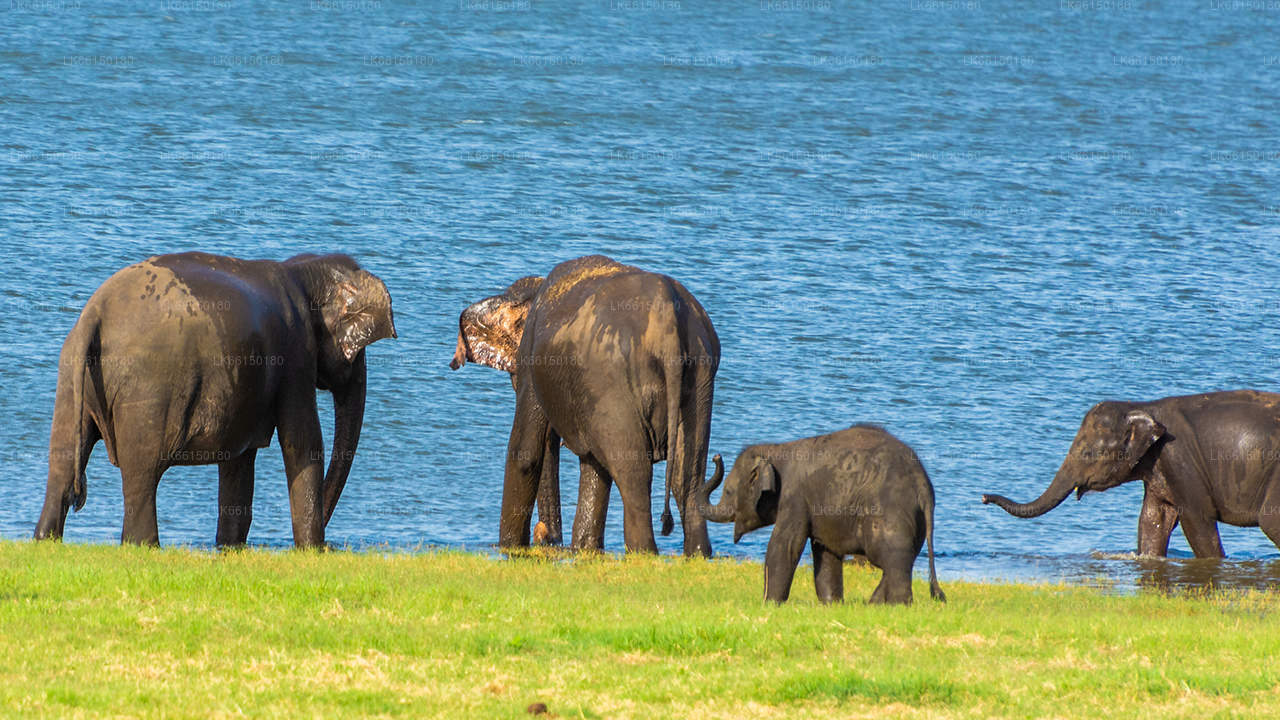
Según los biólogos, la importancia de Namal Uyana es que tiene 102 especies de plantas tropicales, de las cuales 82 son plantas medicinales, dentro de los 260 acres de jardín y el bosque que lo rodea. También habitan en el parque y sus proximidades 18 especies de aves y varios mamíferos, incluidos elefantes, leopardos, monos y ciervos.
El bosque de Na y la biodiversidad no son la única distinción de este lugar. La cadena montañosa de cuarzo rosa en Namal Uyana es la mayor cadena montañosa de cuarzo rosa en Asia. Aunque Namal Uyana, recientemente declarado un sitio de Patrimonio Nacional bajo el Departamento de Conservación de Vida Silvestre (DWLC), ha ganado popularidad entre los sri lankanos en los últimos años. La fila de 7 montañas se encuentra entre 180 y 300 metros sobre el nivel del mar. Según los hallazgos arqueológicos, el cuarzo rosa tiene una historia de más de 550 millones de años. Desde una vista general, la parte superior parece neblinosa, y con su color rosa mezclado con la niebla blanca, te dará una vista impresionante que diferencia esta montaña de las demás. Y si te adentras más para explorar las diversidades que tiene esta cadena montañosa, será una experiencia increíble.
Existen algunos lugares antiguos que muestran la larga historia de Jathika Namal Uyana.
- Purana Namal Seya.
- Bodhigaraya.
- Pilimageya.
- Awasageya.
- Simamalakaya.
- Padhanagara.
- Galphana.
- Galpath