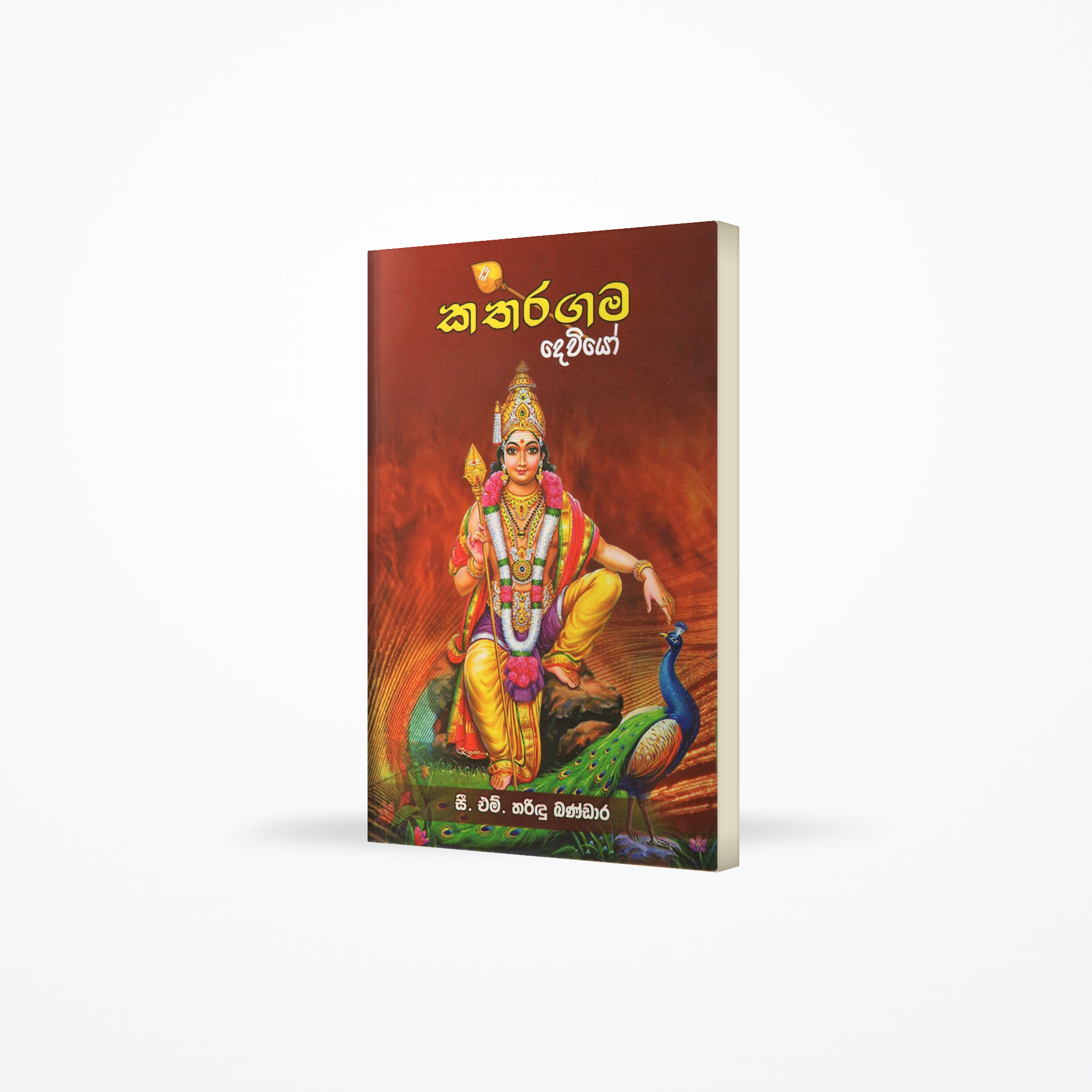
Shankari Devi Shakthi Peetam is one of Sri Lanka's most venerated Hindu temples, dedicated to Goddess Shankari — a form of the Divine Mother (Shakti) associated with power, compassion, and spiritual liberation. As a recognised Shakthi Peetam, the temple occupies a significant place in both the island's Hindu religious tradition and the broader Shakta pilgrimage circuit that spans South Asia. Devotees travel from across Sri Lanka and from South India to seek the goddess's blessings for protection, prosperity, and inner peace.
What is the significance of Shankari Devi Shakthi Peetam?
In Hindu tradition, Shakthi Peetams are sacred sites believed to be imbued with the concentrated energy of the Divine Feminine. Goddess Shankari is understood as a benevolent yet powerful aspect of Parvati (or Durga), revered for bestowing balance and wisdom on her followers. The temple's consecration as a Peetam means it is considered a living centre of Shakti energy — not simply a monument, but an active site of divine presence.
For devotees, a visit here is less a tourist excursion and more an act of pilgrimage. Offerings of flowers, fruits, and oil lamps are made during daily rituals conducted by the temple priests, following traditions that have been maintained across generations.
What rituals and practices can visitors observe?
The temple follows a structured schedule of daily worship (puja), including morning and evening rituals that involve the lighting of lamps, chanting of mantras, and the offering of sacred items to the deity. Visitors are welcome to attend these ceremonies, though modest dress and respectful conduct are expected at all times.
- Abhishekam: a ritual bathing of the deity's image with milk, rosewater, and other sacred liquids, typically performed during special occasions.
- Archana: a personalised prayer ceremony conducted by priests on behalf of devotees, reciting the 108 names of the goddess.
- Deepa Aradhana: the waving of oil lamps before the deity at dusk, one of the most visually affecting moments of the temple's daily cycle.
Non-Hindu visitors who approach the temple with sincerity and respect are generally welcome to observe these practices.
When is the best time to visit Shankari Devi Shakthi Peetam?
The temple is most alive during its main festival season, which typically falls between October and November — a period aligned with the Tamil month of Aippasi and the broader Navaratri and Karthigai festival calendar. During these weeks, the temple holds extended puja sessions, processions, and community gatherings that draw large numbers of pilgrims.
Visiting during festival season offers the richest cultural experience, though the temple can be crowded. Those who prefer a quieter, more contemplative visit may find the early morning puja on ordinary weekdays more conducive to personal reflection. The dry inter-monsoon months of January to April also offer reliable travel conditions across much of the island.
How do I get to Shankari Devi Shakthi Peetam?
The temple is accessible from nearby towns by road. Sri Lanka's network of private taxis and hired drivers makes reaching rural and semi-urban temple sites straightforward for visitors without their own transport. Arranging a private vehicle through a reputable operator is the most comfortable option, particularly if you plan to combine the visit with other sites in the region.
For those planning a broader itinerary, Sri Lanka's Hindu temples are often visited alongside Buddhist heritage sites such as those found in and around Polonnaruwa, offering a rounded picture of the island's extraordinary religious landscape.
What should visitors know before going?
- Dress modestly: shoulders and knees should be covered; some temples provide wraps at the entrance.
- Remove footwear before entering the temple premises.
- Photography: always ask before photographing rituals or the inner sanctum; many temples restrict or prohibit this.
- Offerings: flowers, coconuts, and incense are typically available from vendors near the temple entrance.
- Timing: arrive at least 15–20 minutes before a scheduled puja to find a respectful position and settle before the ceremony begins.
How does Shankari Devi Shakthi Peetam fit into Sri Lanka's Hindu heritage?
Sri Lanka has a long and layered Hindu tradition, shaped by Tamil communities who have lived on the island for over two millennia. The island is home to several major Shaiva and Shakta pilgrimage sites, from the towering gopurams of Nainativu and Munneswaram to the sacred complex at Katharagama — a site that draws Hindus, Buddhists, and Muslims alike. Shankari Devi Shakthi Peetam belongs to this living tradition, representing the Shakta strand of worship that centres on the goddess as the supreme force of the cosmos.
For travellers interested in the intersection of religion, culture, and history, Sri Lanka's Hindu temples offer a dimension of the island that goes far beyond beaches and wildlife. Combining a temple visit with cultural experiences — such as attending the Esala Perahera Festival in Kandy — reveals the remarkable co-existence and occasional interweaving of Sri Lanka's diverse faith traditions.
Practical tips for planning your visit
| Detail | Information |
|---|---|
| Best months to visit | October–November (festival season); January–April (dry weather) |
| Dress code | Modest clothing covering shoulders and knees; remove footwear at entrance |
| Photography | Seek permission before photographing rituals or the inner sanctum |
| Nearest transport | Private vehicle or hired taxi recommended |
| Entry | Typically open to all visitors; no fixed entry fee at most Hindu temples |
Related reading
2 pages on closely related subjects.