Embekka-Tempel (Devalaya)

Embekke-Tempel Embekke-Tempel Embekke-Tempel

Embekke-Tempel in Sri Lanka: Ein Ort mit einigen der besten Holzschnitzereien der Welt

Im Gebiet Udu Nuwara im Bezirk Kandy befindet sich ein Tempel mit einer über sechs Jahrhunderte alten Geschichte. Erbaut während der Herrschaft von König Wickremabahu III. (1371-1394 n. Chr.), der im Königreich Gampola regierte, ist der Tempel praktisch mit Holzschnitzereien überzogen. Die Holzarbeiten werden von der UNESCO als einige der besten und detailliertesten der Welt bestätigt. Der Tempel ist dem Gott gewidmet, der von den Hindus als 'Murugan' und von den Buddhisten als 'Katharagama-Gottheit' bekannt ist.

Die Geschichte

Der Legende nach erwachte die Gemahlin von König Vickramabahu III., Henakanda Biso Bandara, aus einem seltsamen Traum, in dem der Gott erschien und sie bat, einen Tempel für ihn zu bauen. Als sie erfuhr, dass ein Trommler namens Rangama denselben Traum hatte, betrachteten sie dies als ein Omen und bauten gemeinsam einen Tempel. Der ursprüngliche Tempel sollte ein dreistöckiges Gebäude gewesen sein, das die Zerstörungen der Zeit leider nicht überstand.

Die Struktur

Der Tempel besteht aus drei Hauptbereichen. Der erste ist das Heiligtum von Garagha, das innere Heiligtum, in dem sich die Statuen des Gottes befinden. Als nächstes folgt der Tanzsaal oder Digge, der die Gemahlin des Königs, Henakanda Bandara, repräsentiert und in dem zu Zeiten der Könige Tanzveranstaltungen stattfanden. Der letzte Abschnitt ist die Trommlerhalle, die den Trommler Rangama repräsentiert und in der einst Musikveranstaltungen abgehalten wurden.

Die Holzschnitzereien

Mit Ausnahme des Heiligtums besteht der Rest des Tempels fast vollständig aus Holz. Von geschnitzten Holzsäulen in den Hallen mit offenen Seiten bis hin zum wunderschön gestalteten Dach ist der gesamte Bereich mit Schnitzereien bedeckt. Die Säulenbasen sind achteckig, während ihre Spitzen in Form von vier Blättern enden, die zu einem Quadrat gestapelt sind. Die Säulen haben verschiedene Bilder, die in die Seiten der Basen geschnitzt sind. Darüber hinaus zieren Schnitzereien die Balken, Sparren und Türrahmen.

Bemerkenswerte Schnitzereien unter diesen Meisterwerken sind ineinander verschlungene Schwäne, doppelköpfige Adler, ineinander verschlungene Seilmuster, ein stillendes Bild, ein auf einem Pferd kämpfender Soldat, weibliche Tänzer, Wrestler, aus einer Ader hervortretende Frauen, Vogel-Mensch-Hybriden, Elefant-Stier-Hybriden, Elefant-Löwe-Hybriden und vieles mehr. Die Schnitzereien des gesamten Tempels umfassen 125 Dekorationsserien, 256 Liyawela-Designs, 64 Lotus-Designs, 30 dekorative Muster und Dachdesigns, was insgesamt 514 einzigartige Designs ergibt.

Das Dach des Tempels ist ein hervorragendes Beispiel für antike Holzarchitektur, bei dem die 26 Sparren von einem einzigen Holzstift getragen werden.

Verwandte Ruinen

Etwa eine Achtelmeile vom Tempel entfernt befinden sich einige Ruinen mit einer Gruppe von Steinsäulen. Die Schnitzereien an den Säulen sind identisch mit denen des Embekke-Tempels. Es wird gesagt, dass einst ein Holzdach auf diesen Säulen ruhte, aber heute sind sie verfallen.

Sowohl der Embekke-Tempel als auch die nahe gelegenen Ruinen sind für Liebhaber der Geschichte und der Kunst gleichermaßen einen Besuch wert.

Embekke-Tempel Embekke-Tempel Embekke-Tempel

About Kandy District

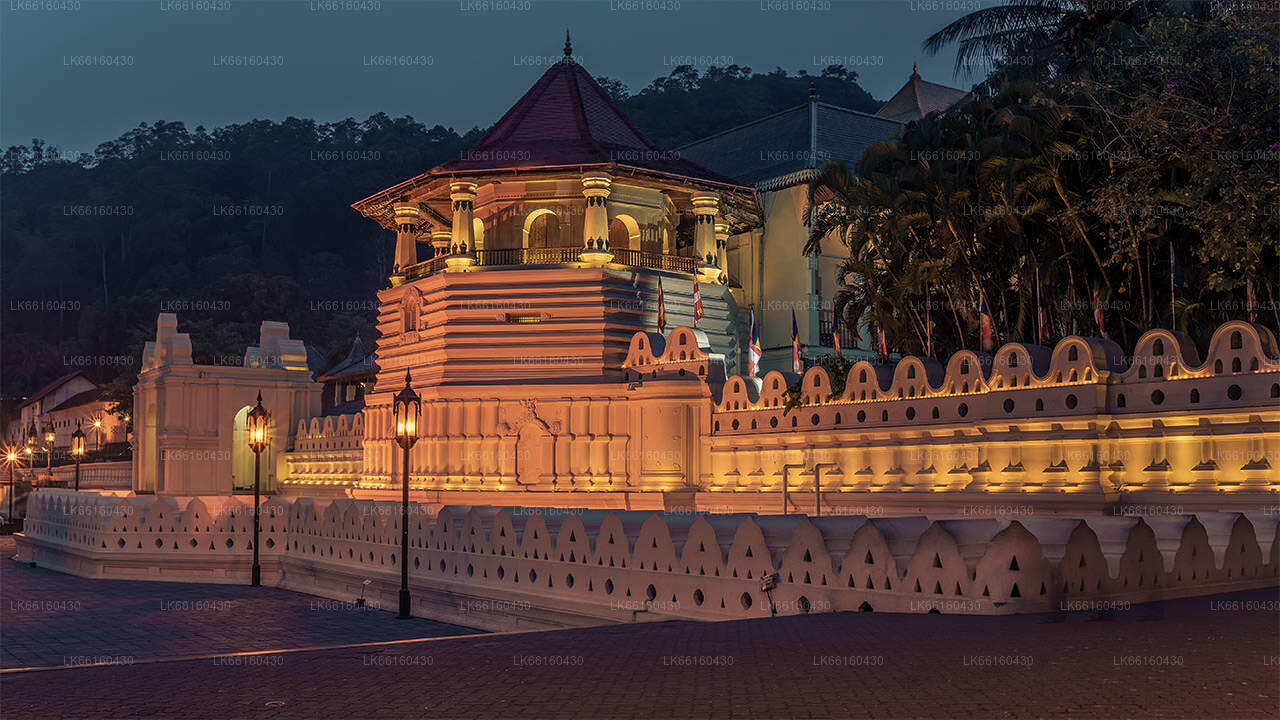
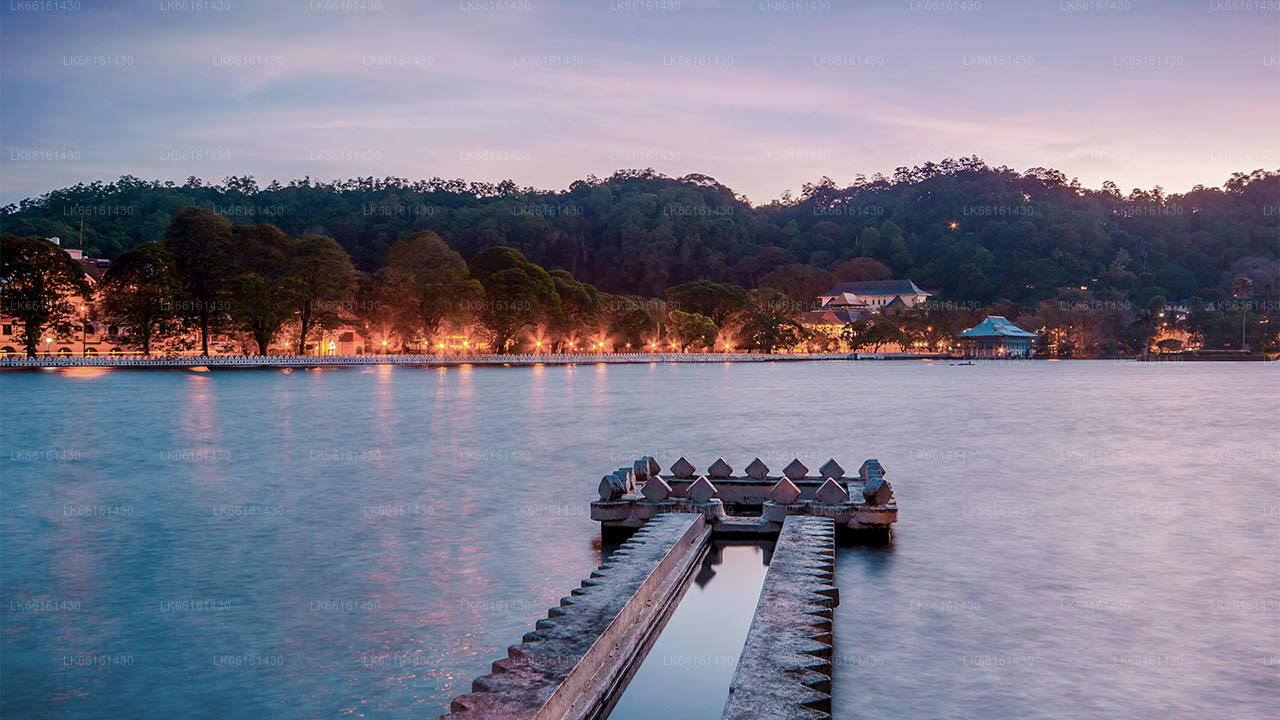
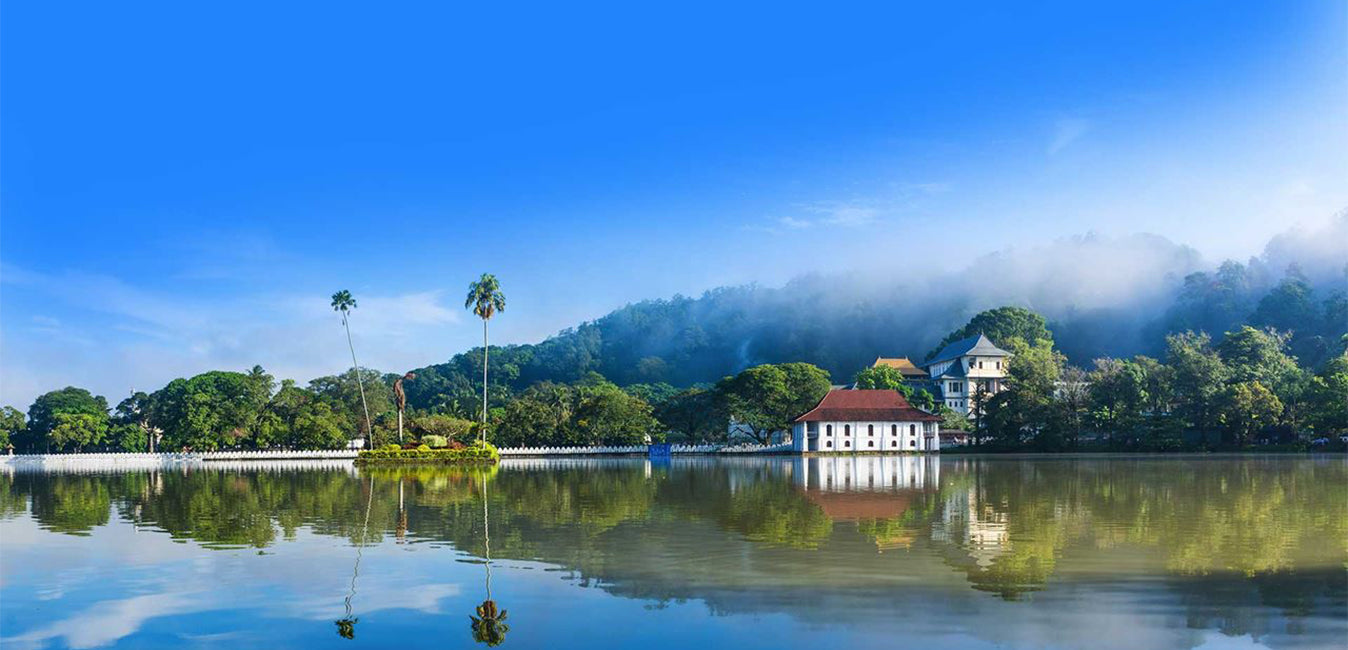
Kandy district is situated in the centrel province of Sri Lanka. One of the seven World Heritage Sites in Sri Lanka, Kandy was once home to the Kandyan Kings of yore in the 16th-century and a fountainhead for all the music, arts, crafts and culture in the country. About 129 km away from Colombo, Kandy is ensconced amongst a hilly terrain and all eyes are drawn to the centre of the city, where the Kandy Lake forms a charming feature. Kandy retains great religious significance for Sri Lanka, because it is in this charming city that the Dalada Maligawa or "Temple of the Tooth" is located, within which the sacred tooth relic of Lord Buddha lies well guarded.

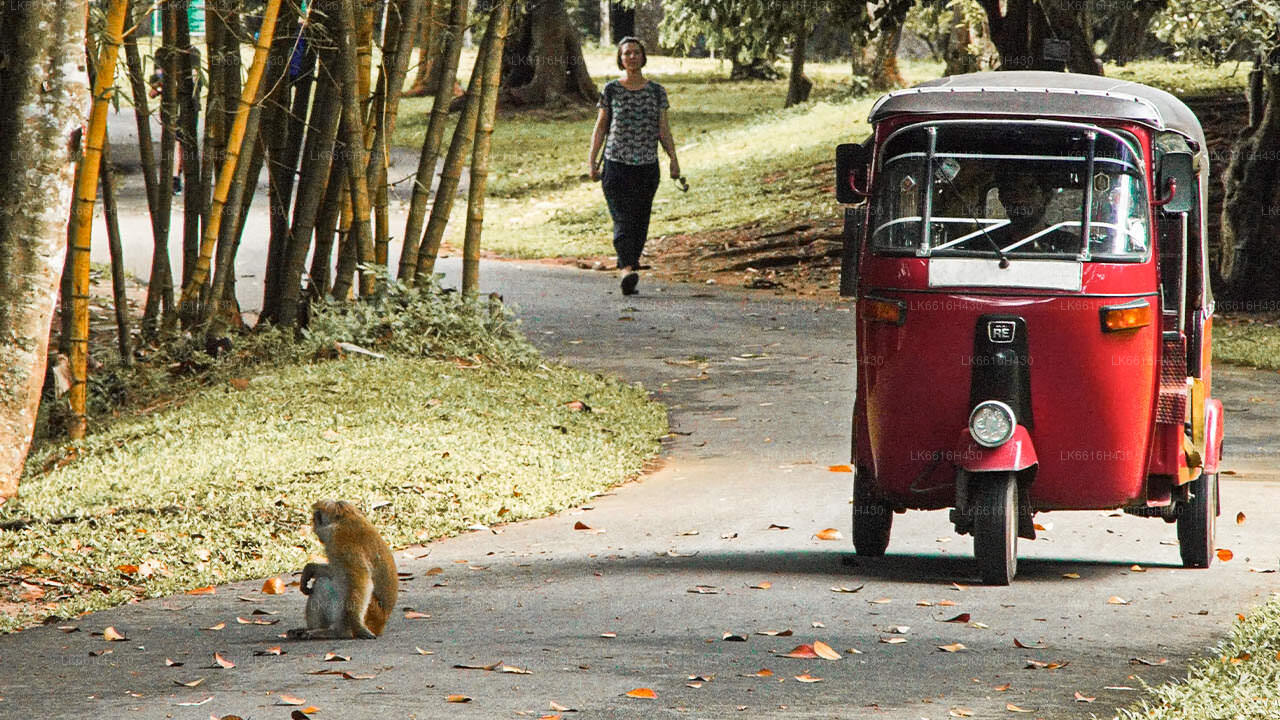
The Royal Botanical Garden, Peradeniya is situated about 5 km to the west of the city centre at Peradeniya and is visited by 1.2 million people per year. It is the largest botanical garden on the island. The Udawatta Kele (Udawatta Forest) is a protected sanctuary situated in the heart of the city, just north of Temple of the Tooth.

Kandy is a Sinhala majority city; there are sizeable communities belonging to other ethnic groups, such as Moors and Tamils. Kandy is second only to Colombo the center of the Sri Lankan Economy. Many major co operations have large branch officers in Kandy and many industries include textiles, furniture, Information Technology and jewellery are found here. Many agriculture research centers are located in the city.

And a fountainhead for all the music, arts, crafts and culture in the country. About 129 km away from Colombo, Kandy is ensconced amongst a hilly terrain and all eyes are drawn to the centre of the city, where the Kandy Lake forms a charming feature. Kandy retains great religious significance for Sri Lanka , because it is in this charming city that the Dalada Maligawa or Temple of the Toothis located, within which the sacred tooth relic of Lord Buddha lies well guarded.

About Central Provincce

The Central Province of Sri Lanka consists primarily of mountainous terrain. The province has an area of 5,674 km², and a population of 2,421,148. Some major towns include Kandy, Gampola (24,730), Nuwara Eliya and Bandarawela. The population is a mixture of Sinhalese, Tamil and the Moors.

Both the hill capital Kandy and the city of Nuwara Eliya are located within the Central Province as well as Sri Pada. The province produces much of the famous Ceylon tea, planted by the British in the 1860s after a devastating disease killed all the coffee plantations in the province. Central Province attracts many tourists, with hill station towns such as Kandy, Gampola, Hatton and Nuwara Eliya. Temple tooth or Dalada maligawa is the main sacred place in Centrel province.

The climate is cool, and many areas about 1500 meters often have chilly nights. The western slopes are very wet, some places having almost 7000 mm of rain per year. The eastern slopes are parts of the mid-dry zone as it is receiving rain only from North-Eastern monsoon. The Temperatures range from 24°C at Kandy to just 16°C in Nuwara Eliya, which is located 1,889 m above sea level. The highest mountains in Sri Lanka are located in the Central Province. The terrain is mostly mountainous, with deep valleys cutting into it. The two main mountain regions are the central massif and the Knuckles range to the east of Kandy.