Gampola ගම්පොල

Gampola Gampola Gampola

Gampola ist eine Stadt im Distrikt Kandy in der Zentralprovinz von Sri Lanka , die von einem Stadtrat regiert wird. König Buwanekabahu IV . machte Gampola Mitte des 14. Jahrhunderts zur Hauptstadt der Insel. Er regierte vier Jahre lang. Der letzte König von Gampola war Buwanekabahu V., der die Insel 29 Jahre lang regierte. In dieser Zeit erbaute ein Adliger namens Alagakkonara in Kotte eine eigene Stadt. Die am längsten schlafende Buddha-Statue Südasiens befindet sich im Saliyalapura-Tempel in Gampola.

Zu den berühmtesten Überresten der Gampola-Ära zählen Lankathilaka , Gadaladeniya und Embekka Devalaya . Die alten Steinschriften (Shila Lekhana) des Lankathilaka-Tempels liefern wichtige Informationen über die Gampola-Ära. Die Buddhastatue des Tempels ist ein Zeugnis südindischer Kunst. Ambekka Devalaya besitzt eine große Sammlung von Holzschnitzereien – kein anderer Tempel in Sri Lanka besitzt eine vergleichbare Sammlung.

Die Stadt liegt im zentralen Hochland Sri Lankas, daher ist das Klima das ganze Jahr über mild. Der 1.087 m über dem Meeresspiegel gelegene Berg Ambuluwawa beherbergt eine Touristenattraktion mit einem Biodiversitätskomplex, der Umweltschutz sowie kulturelle und religiöse Vielfalt fördert. Ein bemerkenswertes Merkmal dieses Komplexes ist ein großer Förderturm, der an eine buddhistische Stupa erinnert und sich auf dem Berggipfel befindet. Gampola bietet viele Geschäfte und ein riesiges Wohngebiet.

Die prähistorischen Studien Sri Lankas begannen um 1885 mit oberflächlichen Sammlungen von Quarz- und Hornsteinartefakten, die von John Pole (vom Scarborough-Anwesen in Maskeliya ) und E. Ernest Green sichergestellt wurden. Letzterer hatte einige Beobachtungen in Peradeniya und Nawalapitiya (in der Nähe von Gampola) gemacht und einige Steinfragmente gefunden, die er für Steinwerkzeuge hielt, die von prähistorischen Sri Lankern verwendet wurden. Zeitgleich mit diesen Studien konnte Mr. Robert Bruce Foote ein umfangreiches Werk über die indische Vorgeschichte verfassen, der wahrscheinlich als Erster Steinwerkzeuge aus Gampola entdeckte. Er untersuchte den Atgalle-Hügel in der Nähe von Gampola und brachte einige Steine mit nach Indien. Schließlich schickte er diese Überreste und Poles Sammlung an das Madras Museum, da sie als „neolithische“ Steinwerkzeuge Sri Lankas eingestuft wurden.

Einige Jahre später erklärte Sarasins jedoch, dass es sich bei den Nawalapitiya-Artefakten von Green zweifellos um Artefakte handele, und auch Alchin konnte einige Überreste aus Nawalapitiya finden. Vor kurzem hat Siran Deraniyagala Sri Lanka in sechs große Ökozonen eingeteilt, und unser Untersuchungsgebiet wurde der Zone D 2 oder Feuchtzone unter 900 m zugeordnet und gilt mit seinen spezifischen Merkmalen als besondere prähistorische Zone des Landes. Das Interesse am prähistorischen Gampola ist jedoch im Vergleich zu anderen Regionen Sri Lankas deutlich geringer, obwohl es dort ebenso viele Beweise geben kann wie in anderen Gebieten.

Gampola Gampola Gampola
【Text von Lakpura™. Bilder von Google, Urheberrechte liegen bei den ursprünglichen Autoren.】

About Kandy District

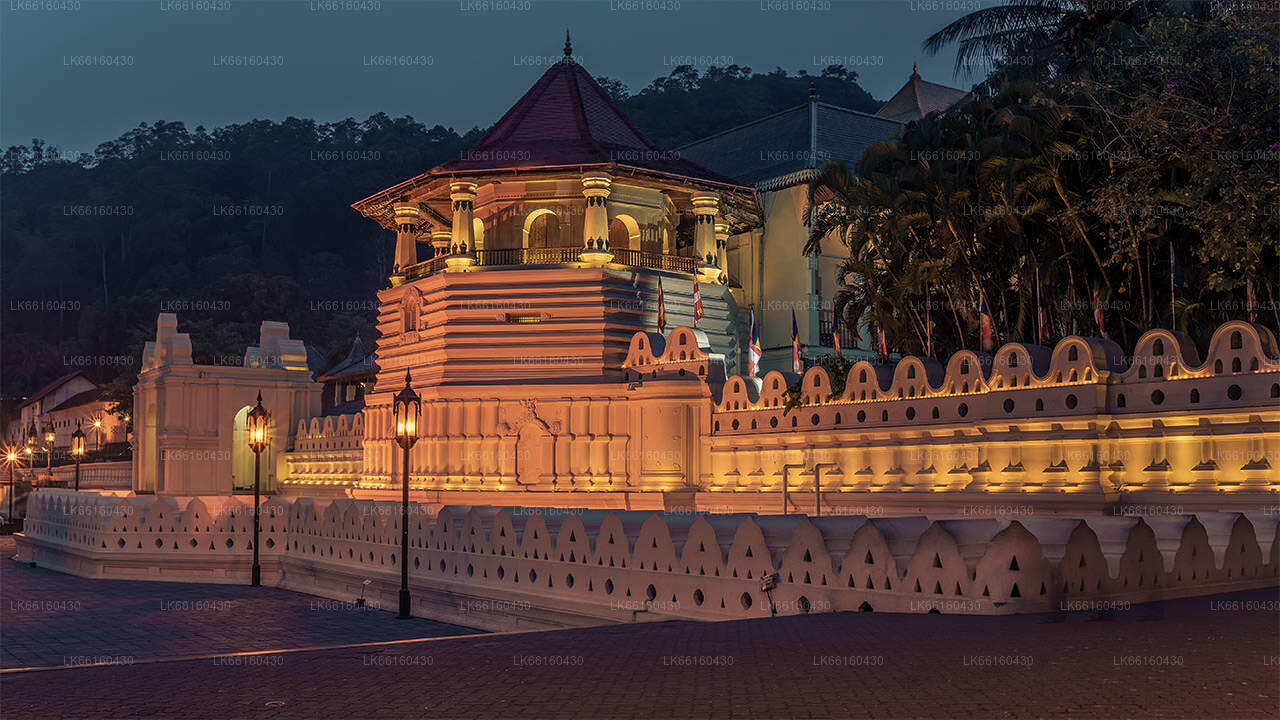
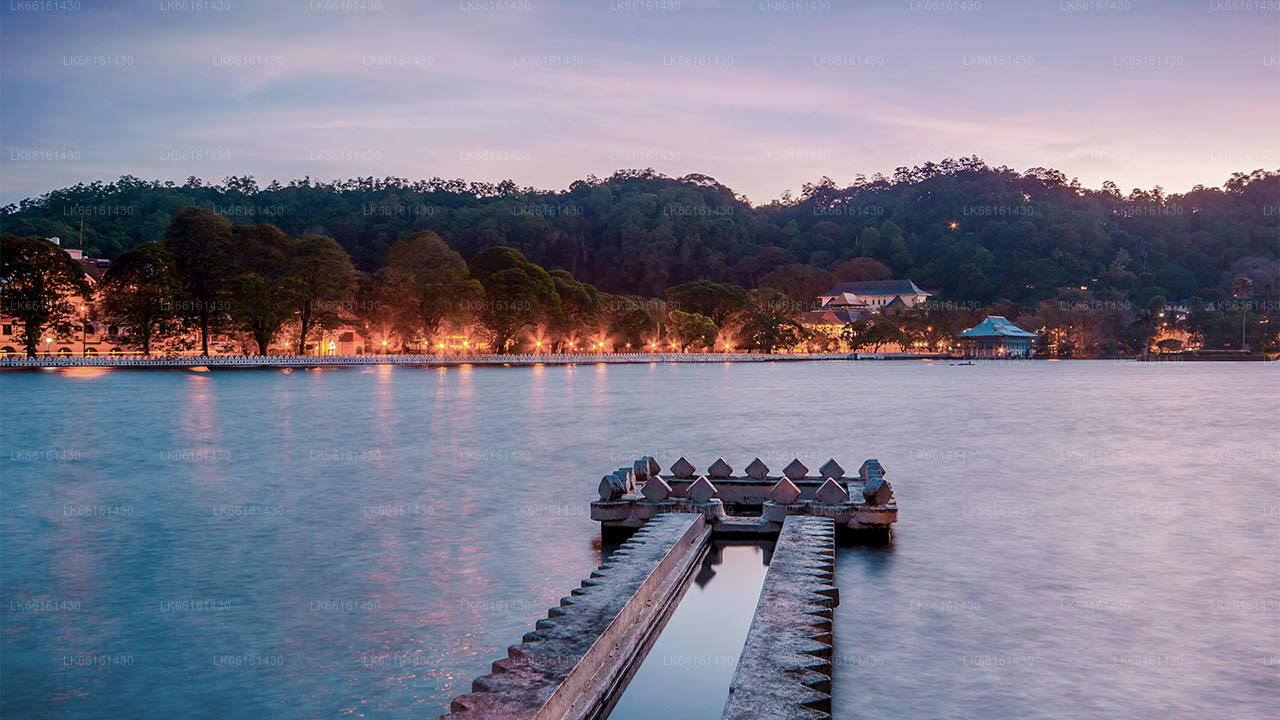
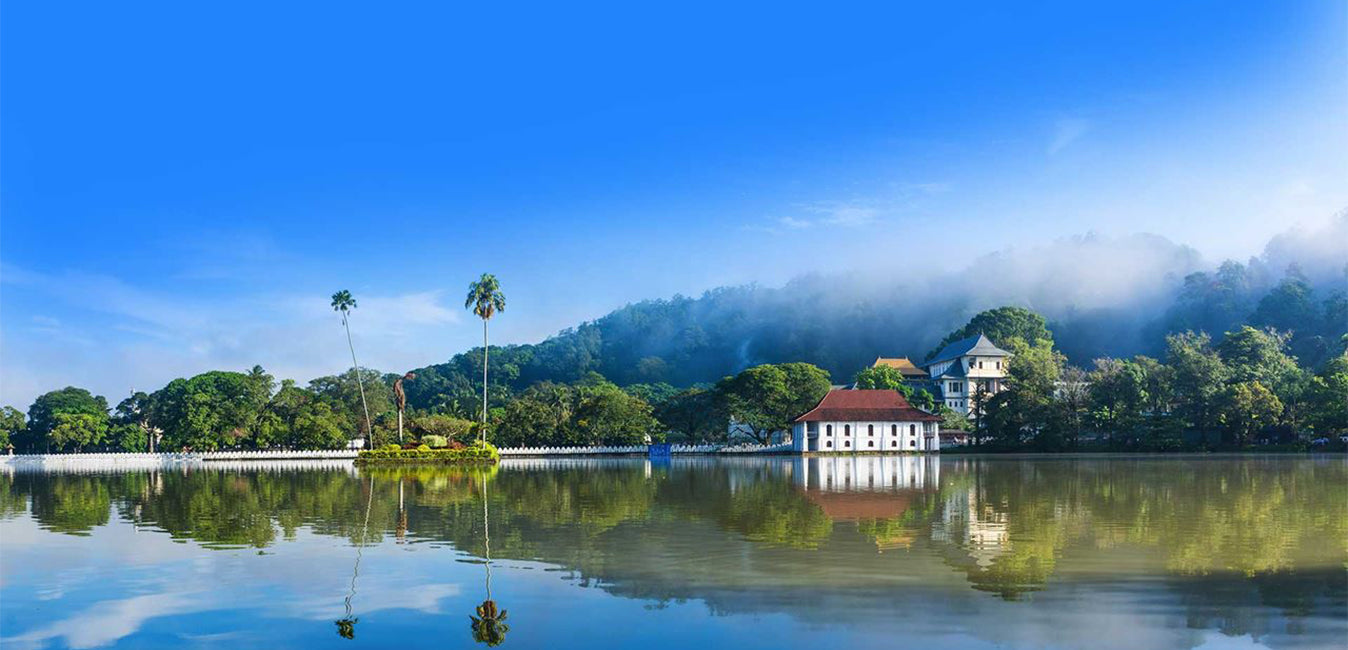
Kandy district is situated in the centrel province of Sri Lanka. One of the seven World Heritage Sites in Sri Lanka, Kandy was once home to the Kandyan Kings of yore in the 16th-century and a fountainhead for all the music, arts, crafts and culture in the country. About 129 km away from Colombo, Kandy is ensconced amongst a hilly terrain and all eyes are drawn to the centre of the city, where the Kandy Lake forms a charming feature. Kandy retains great religious significance for Sri Lanka, because it is in this charming city that the Dalada Maligawa or "Temple of the Tooth" is located, within which the sacred tooth relic of Lord Buddha lies well guarded.

The Royal Botanical Garden, Peradeniya is situated about 5 km to the west of the city centre at Peradeniya and is visited by 1.2 million people per year. It is the largest botanical garden on the island. The Udawatta Kele (Udawatta Forest) is a protected sanctuary situated in the heart of the city, just north of Temple of the Tooth.

Kandy is a Sinhala majority city; there are sizeable communities belonging to other ethnic groups, such as Moors and Tamils. Kandy is second only to Colombo the center of the Sri Lankan Economy. Many major co operations have large branch officers in Kandy and many industries include textiles, furniture, Information Technology and jewellery are found here. Many agriculture research centers are located in the city.

And a fountainhead for all the music, arts, crafts and culture in the country. About 129 km away from Colombo, Kandy is ensconced amongst a hilly terrain and all eyes are drawn to the centre of the city, where the Kandy Lake forms a charming feature. Kandy retains great religious significance for Sri Lanka , because it is in this charming city that the Dalada Maligawa or Temple of the Toothis located, within which the sacred tooth relic of Lord Buddha lies well guarded.

About Central Provincce

The Central Province of Sri Lanka consists primarily of mountainous terrain. The province has an area of 5,674 km², and a population of 2,421,148. Some major towns include Kandy, Gampola (24,730), Nuwara Eliya and Bandarawela. The population is a mixture of Sinhalese, Tamil and the Moors.

Both the hill capital Kandy and the city of Nuwara Eliya are located within the Central Province as well as Sri Pada. The province produces much of the famous Ceylon tea, planted by the British in the 1860s after a devastating disease killed all the coffee plantations in the province. Central Province attracts many tourists, with hill station towns such as Kandy, Gampola, Hatton and Nuwara Eliya. Temple tooth or Dalada maligawa is the main sacred place in Centrel province.

The climate is cool, and many areas about 1500 meters often have chilly nights. The western slopes are very wet, some places having almost 7000 mm of rain per year. The eastern slopes are parts of the mid-dry zone as it is receiving rain only from North-Eastern monsoon. The Temperatures range from 24°C at Kandy to just 16°C in Nuwara Eliya, which is located 1,889 m above sea level. The highest mountains in Sri Lanka are located in the Central Province. The terrain is mostly mountainous, with deep valleys cutting into it. The two main mountain regions are the central massif and the Knuckles range to the east of Kandy.