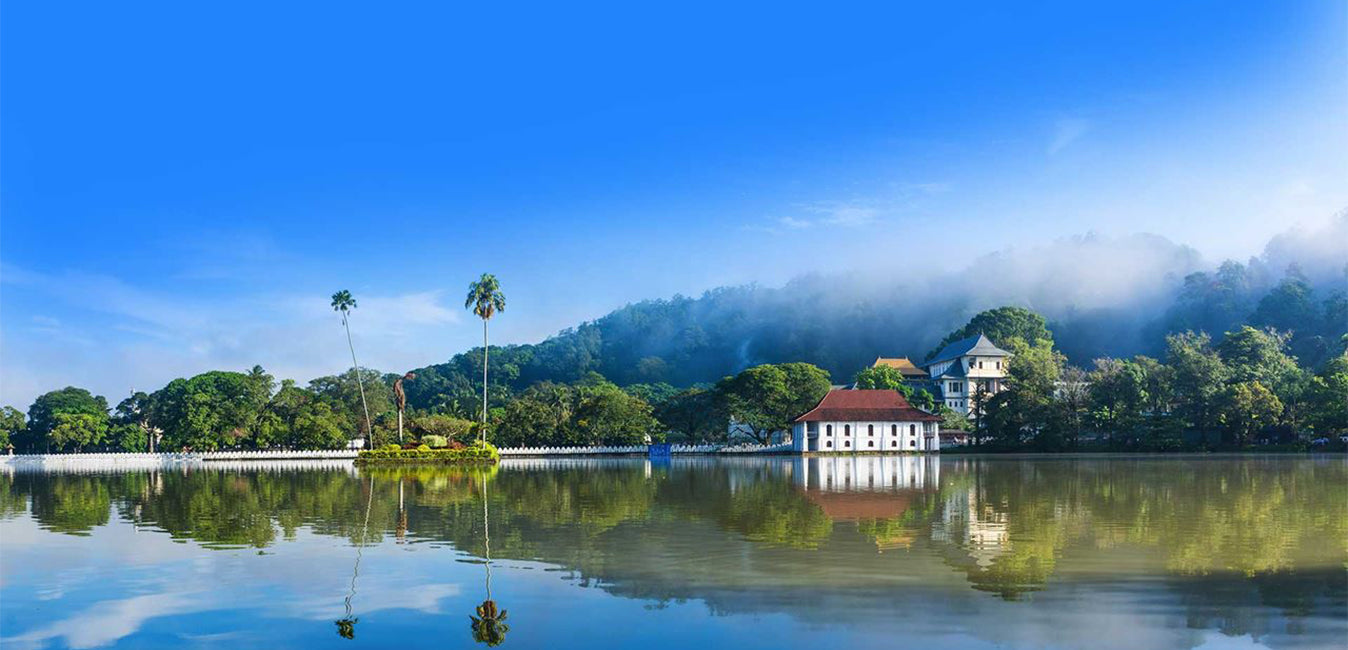
Kandy City
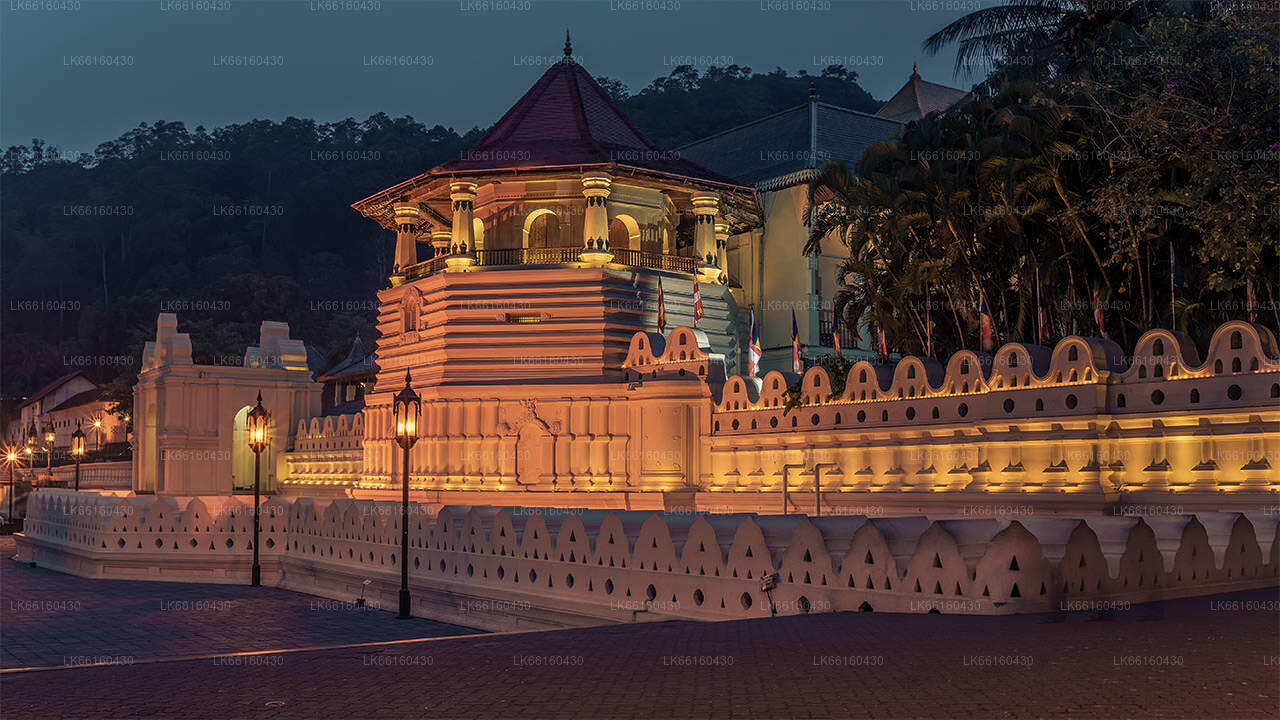
Kandy, a picturesque city in central Sri Lanka, is renowned for its rich cultural heritage, vibrant festivals, and scenic beauty. Nestled amidst lush hills, it is home to the Temple of the Tooth Relic, a UNESCO World Heritage Site, and offers a captivating blend of history and natural splendor.
Bambaragala Purana Rajamaha Viharaya
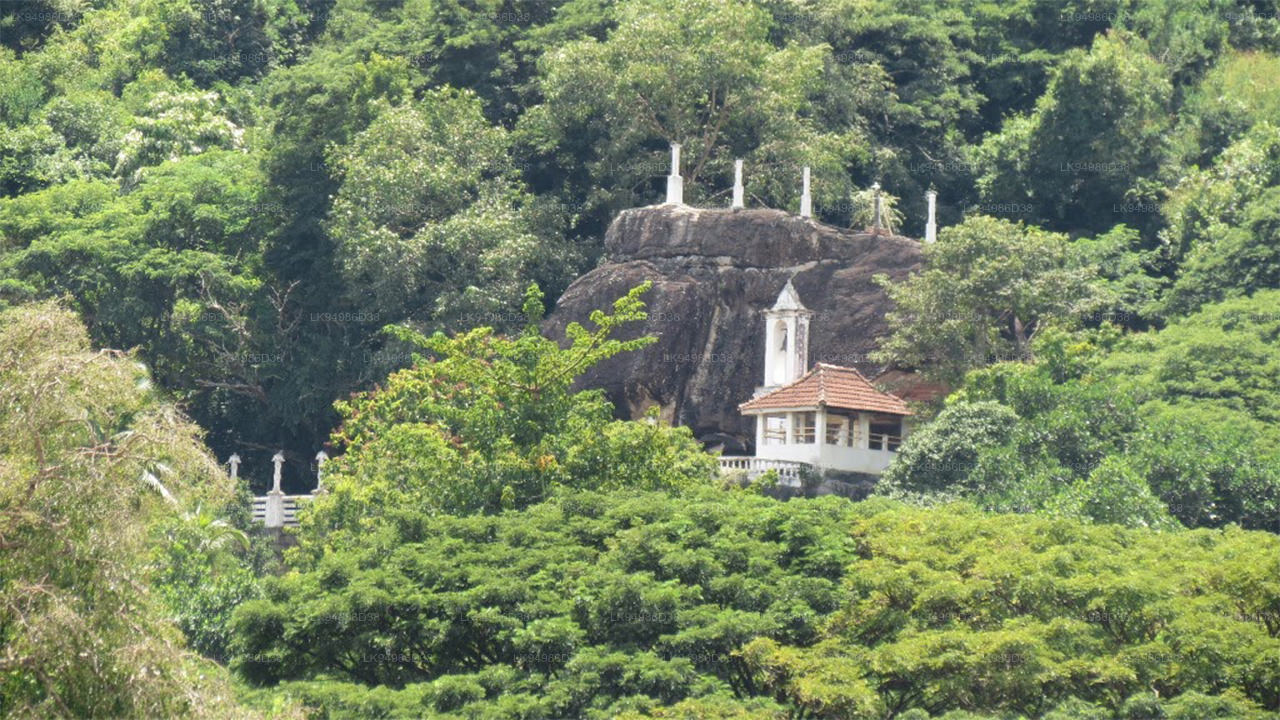
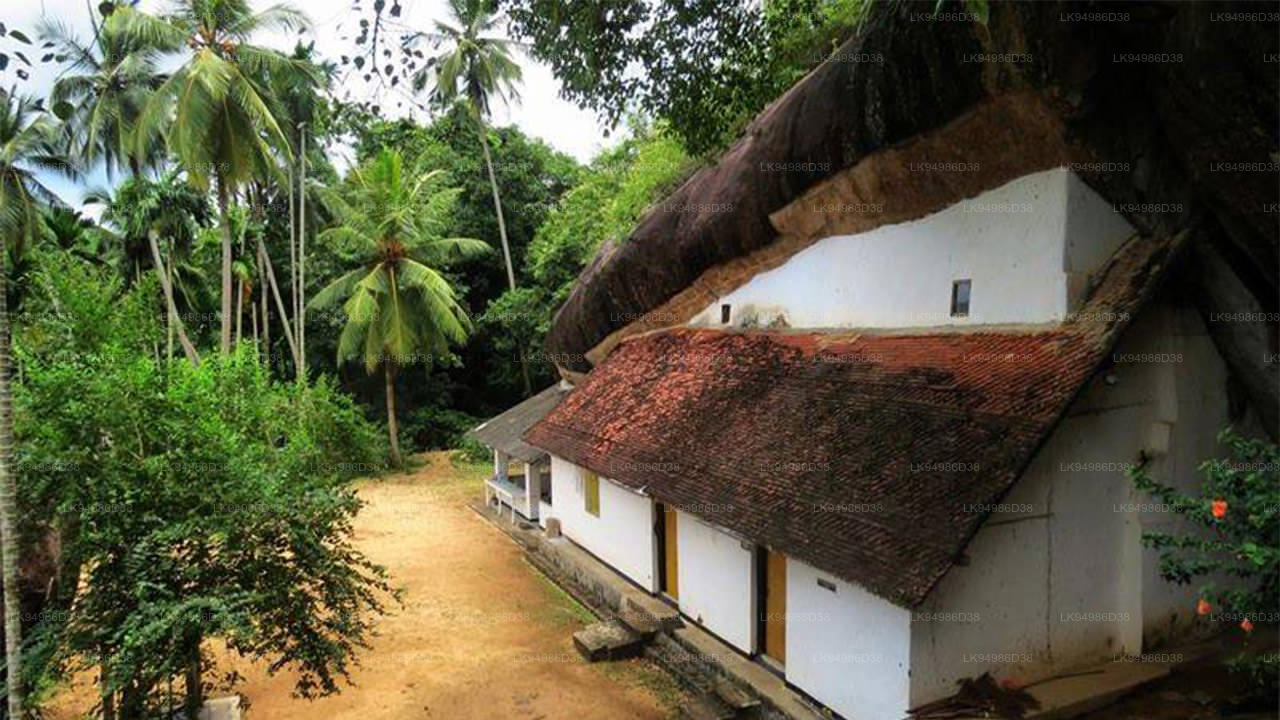
Das Bambaragala Rajamaha Viharaya liegt im Dorf Henagahawela, Teldeniya, im Dumbara-Tal in Zentral-Sri Lanka und ist so etwas wie ein verstecktes Juwel. Umgeben vom Victoria-Stausee und der Knuckles-Bergkette ist es ein oft übersehener Ort neben beliebten Touristenzielen wie der Felsenfestung Sigiriya oder dem Dambulla-Tempel , aber nicht weniger historisch wichtig oder faszinierend.
Das Dumbara-Tal war in der Antike so etwas wie eine beliebte religiöse Stätte voller alter Tempel, Raja Maha Viharas und Felsenhöhlen-Einsiedeleien (Aranne), in denen Buddha-Statuen untergebracht waren. Viele historische Informationen rund um die Stätte stammen aus den Memoiren von Dr. John Davy, als er um 1817 mit seinen Sänftentouren durch das Land reiste. Davy schrieb in seinen Memoiren recht beschreibend über das Kloster, und obwohl es viele Dinge leicht zu erkennen ist Wie er beschreibt, haben Schatzsucher, Plünderer und der Zahn der Zeit ihren Tribut gefordert.
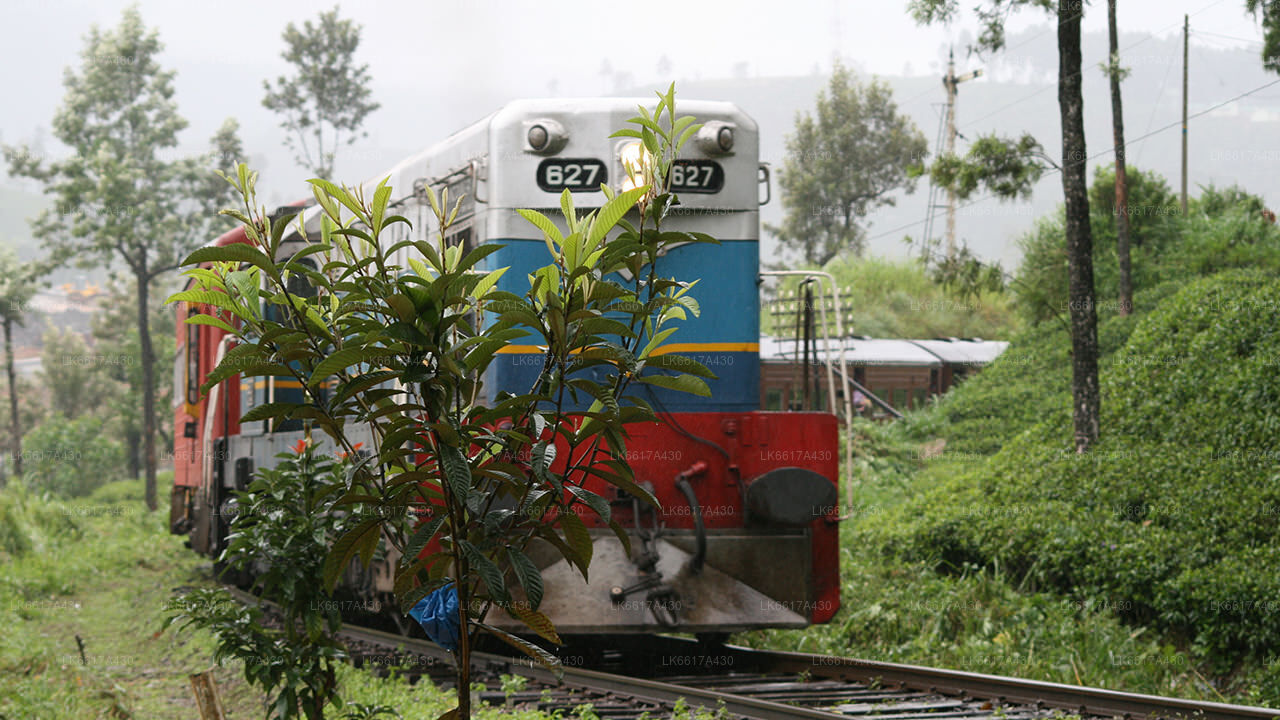
Der Tempel ist von einer Reihe beliebter Hotspot-Städte wie Hatton , Nuwara Eliya und Kandy aus leicht zu erreichen. Für diese Reise begann die Reise in Kandy und führte durch Thalathuoya und Digana, bevor sie über einige Nebenstraßen in der Nähe des Victoria Golf Club zum Höhlentempel führte. Mir wurde gesagt, dass es früher eine alte Straße gab, die durch Henagahawela zum Tempel führte, aber sie wurde vom Victoria-Stausee überschwemmt – heutzutage erfolgt der Zugang über Tennekumbura auf der Mahiyangana-Straße, die zum Victoria-Staudamm führt. Der Standort liegt etwa 135 Kilometer von Colombo entfernt und die Fahrt dorthin dauert je nach Verkehr etwa 4,5 bis 5,5 Stunden mit dem Bus. Auch eine Zugfahrt nach Kandy ist sehr angenehm, auch wenn sie nicht bis nach Teldeniya führt.
Um den Gipfel des Felsentempels zu erreichen, müssen Sie eine außergewöhnlich steile Treppe hinaufsteigen. Viele raten dazu, sich vor dem letzten Abschnitt des Aufstiegs von einem Führer eine Wegbeschreibung einholen zu lassen, aber es ist nicht unmöglich, es auf eigene Faust zu versuchen. Auf halber Höhe der Treppe treffen Sie auf die Priesterunterkünfte, Avasa, und ganz oben befindet sich eine Ansammlung alter Felshöhlen namens Lenas. Eines der auffälligsten Merkmale der Lenas sind die sorgfältig eingearbeiteten „Tropfleisten“, um das Regenwasser umzuleiten, höchstwahrscheinlich in bereitstehende Gefäße, die die Mönche später sammeln und zum Trinken verwenden konnten.
Wenn Sie sich in diese Höhlen wagen, werden Sie die mit Kunst geschmückten Wände vorfinden, von denen die meisten den Test der Zeit bestanden haben und ihre Lebendigkeit bewahrt haben. Während die gemalten Wandgemälde wahrscheinlich nicht mit den Fresken von Sigiriya mithalten können, faszinieren sie dennoch mit ihren Geschichten – viele der Wandgemälde stellen einige der epischeren Jataka-Geschichten mit einer Fülle buddhistischer und kultureller Motive der Zeit dar, darunter Weinreben und Blätter und die ikonische Lotusblume in voller Blüte
Die Hauptbesucher des Tempels sind Gläubige und auf dem Gelände wurde eine kleinere Dagaba für alle errichtet, die beten oder einfach einen Moment der Besinnung verbringen möchten. Die eigentliche Reise beginnt jedoch am Fuße des Felsens mit Ihrem ersten Schritt über eine Reihe von Treppen, die Sie durch die vielen Ebenen des Tempels führen, einschließlich der Höhle, in der sich die liegende Buddha-Statue befindet – und bietet Ihnen auch die Möglichkeit, zurückgebracht zu werden rechtzeitig und treten Sie in die Fußstapfen der Alten.
About Kandy District
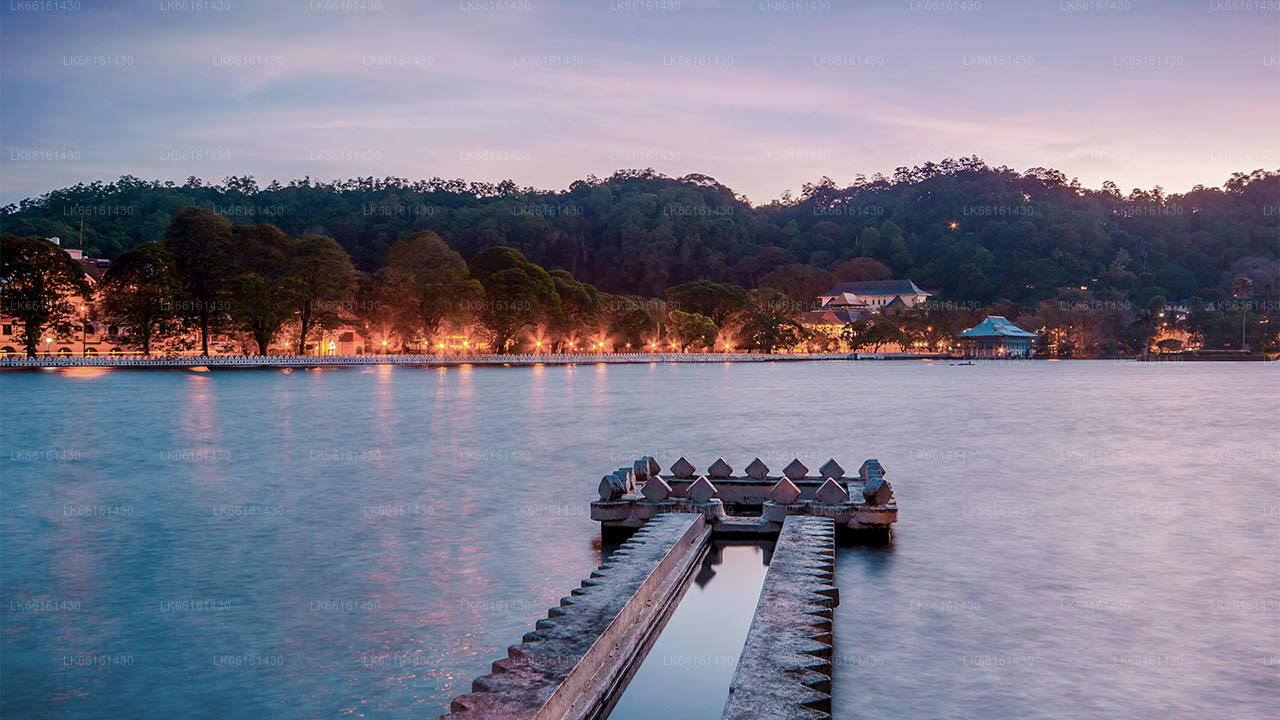
Kandy district is situated in the centrel province of Sri Lanka. One of the seven World Heritage Sites in Sri Lanka, Kandy was once home to the Kandyan Kings of yore in the 16th-century and a fountainhead for all the music, arts, crafts and culture in the country. About 129 km away from Colombo, Kandy is ensconced amongst a hilly terrain and all eyes are drawn to the centre of the city, where the Kandy Lake forms a charming feature. Kandy retains great religious significance for Sri Lanka, because it is in this charming city that the Dalada Maligawa or "Temple of the Tooth" is located, within which the sacred tooth relic of Lord Buddha lies well guarded.
The Royal Botanical Garden, Peradeniya is situated about 5 km to the west of the city centre at Peradeniya and is visited by 1.2 million people per year. It is the largest botanical garden on the island. The Udawatta Kele (Udawatta Forest) is a protected sanctuary situated in the heart of the city, just north of Temple of the Tooth.
Kandy is a Sinhala majority city; there are sizeable communities belonging to other ethnic groups, such as Moors and Tamils. Kandy is second only to Colombo the center of the Sri Lankan Economy. Many major co operations have large branch officers in Kandy and many industries include textiles, furniture, Information Technology and jewellery are found here. Many agriculture research centers are located in the city.
And a fountainhead for all the music, arts, crafts and culture in the country. About 129 km away from Colombo, Kandy is ensconced amongst a hilly terrain and all eyes are drawn to the centre of the city, where the Kandy Lake forms a charming feature. Kandy retains great religious significance for Sri Lanka , because it is in this charming city that the Dalada Maligawa or Temple of the Toothis located, within which the sacred tooth relic of Lord Buddha lies well guarded.
About Central Provincce
The Central Province of Sri Lanka consists primarily of mountainous terrain. The province has an area of 5,674 km², and a population of 2,421,148. Some major towns include Kandy, Gampola (24,730), Nuwara Eliya and Bandarawela. The population is a mixture of Sinhalese, Tamil and the Moors.
Both the hill capital Kandy and the city of Nuwara Eliya are located within the Central Province as well as Sri Pada. The province produces much of the famous Ceylon tea, planted by the British in the 1860s after a devastating disease killed all the coffee plantations in the province. Central Province attracts many tourists, with hill station towns such as Kandy, Gampola, Hatton and Nuwara Eliya. Temple tooth or Dalada maligawa is the main sacred place in Centrel province.
The climate is cool, and many areas about 1500 meters often have chilly nights. The western slopes are very wet, some places having almost 7000 mm of rain per year. The eastern slopes are parts of the mid-dry zone as it is receiving rain only from North-Eastern monsoon. The Temperatures range from 24°C at Kandy to just 16°C in Nuwara Eliya, which is located 1,889 m above sea level. The highest mountains in Sri Lanka are located in the Central Province. The terrain is mostly mountainous, with deep valleys cutting into it. The two main mountain regions are the central massif and the Knuckles range to the east of Kandy.