Muthiyangana Raja Maha Vihara


Muthiyanganaya Raja Maha Viharaya ligger i centrum af byen Badulla. Historien om dette tempel går tilbage til Buddha-tiden, men dette område omkring Badulla (især Uva-provinsen) går helt tilbage til det 19.-18. århundrede f.Kr. Kejser Rawana regerede dette land med Badulla som hovedstad. Det siges også, at krigen mellem Rama og Rawana fandt sted i dette område. Der er mange steder og navne, der identificerer dette område som et af Rawanas hovedstæder; Seetha Eliya, Seetha Kotuwa og Rawana Ella, som beskrevet i Ramayana. Det siges, at Rawana til sidst tabte krigen, og hans forræderiske bror Vibishana tog hovedstaden til Kelaniya, og Uva forsvandt gradvist i historien indtil det 5. århundrede.
Buddha og 500 Arhanti besøgte denne ø for tredje gang på invitation af Naga King Maniakkhitha til Kelaniya. Ved denne lejlighed kom Buddha til Badulla på invitation af Kong Indaka (nu ophøjet til guddommelig status), hersker over Namunukula-bjergkæden. Kong Indaka byggede en stupa, der indeholdt noget af Buddhas hår og Mukthaka Dathu (dråber af sved, der blev til perler) på stedet, hvor Buddha prædikede. Dette er begyndelsen på Muthiyanganaya Stupa. Siden da er denne stupa og tempel blevet udvidet, rekonstrueret og renoveret af mange konger.
Thorana med et unikt design af seks niveauer ved templets indgang stammer fra en ukendt periode. Første niveau inkluderer hovedindgangen, og over det på andet niveau er et typisk Makara (drage) hoved. På siderne af hovedet er to vagter og på hjørnerne er to løvefigurer. På tredje niveau er der to Vamana figurer, og på kanten er der to dyr, sandsynligvis løver. Disse figurer er ikke så klare som løvefigurerne på andet niveau. I midten af tredje niveau er der en høj stand, der går helt op til fjerde niveau, på den står to tyre, og de specielle træk ved disse tyre er, at de er dekoreret og har store hump. Sådanne tyre er et træk ved hinduismen, og dette træk indikerer en vis indflydelse fra hinduismen i konstruktionen af denne struktur. Til sidst, og på toppen af femte niveau, er der en siddende Buddha-statue. Femte niveau er dedikeret til Buddha-statuen. På den sjette niveau afsluttes strukturen af påfuglene. Ved indgangen er en farverig Makara Thorana. Lige over indgangen og under dragehovedet er en figur af Maitre Bodhisattva. På højre side af billedhuset er der en statue af Gud Indaka, beskytteren af Muthiyanganaya Helligdommen og Namunukula-bjergkæden. På højre side er statuen af Maitre Bodhisattva. Efter at have passeret billedhuset kommer man til den helligste struktur i templet, stupaen, som indeholder Buddhas hår og Mukthaka Dathu. Den oprindelige stupa, bygget af Gud Indaka i det 5. århundrede f.Kr., blev udvidet af Kong Devanampiyatissa (150-210 f.Kr.) fra Anuradhapura Era.


Special places in Badulla
-
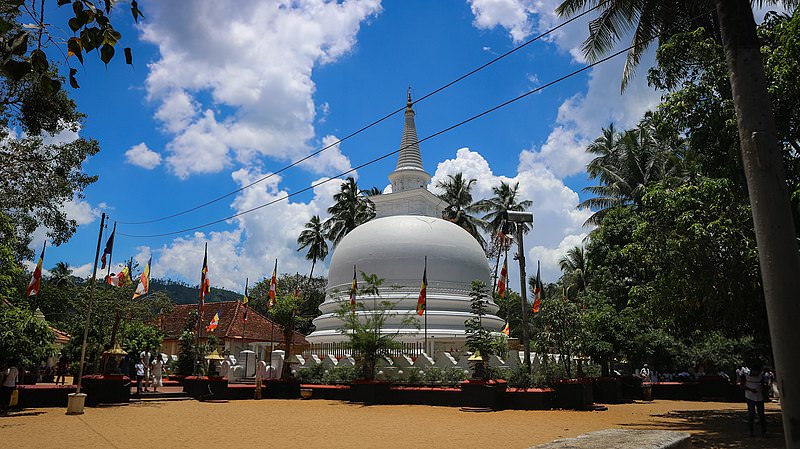 Muthiyangana Raja Maha Vihara
Muthiyanganaya Raja Maha Viharaya lies in the centre of the city of Badulla. The History of this temple goes back to the time of Buddha but this area around Badulla goes way back in to the time of 19th -18th century BCE.
-
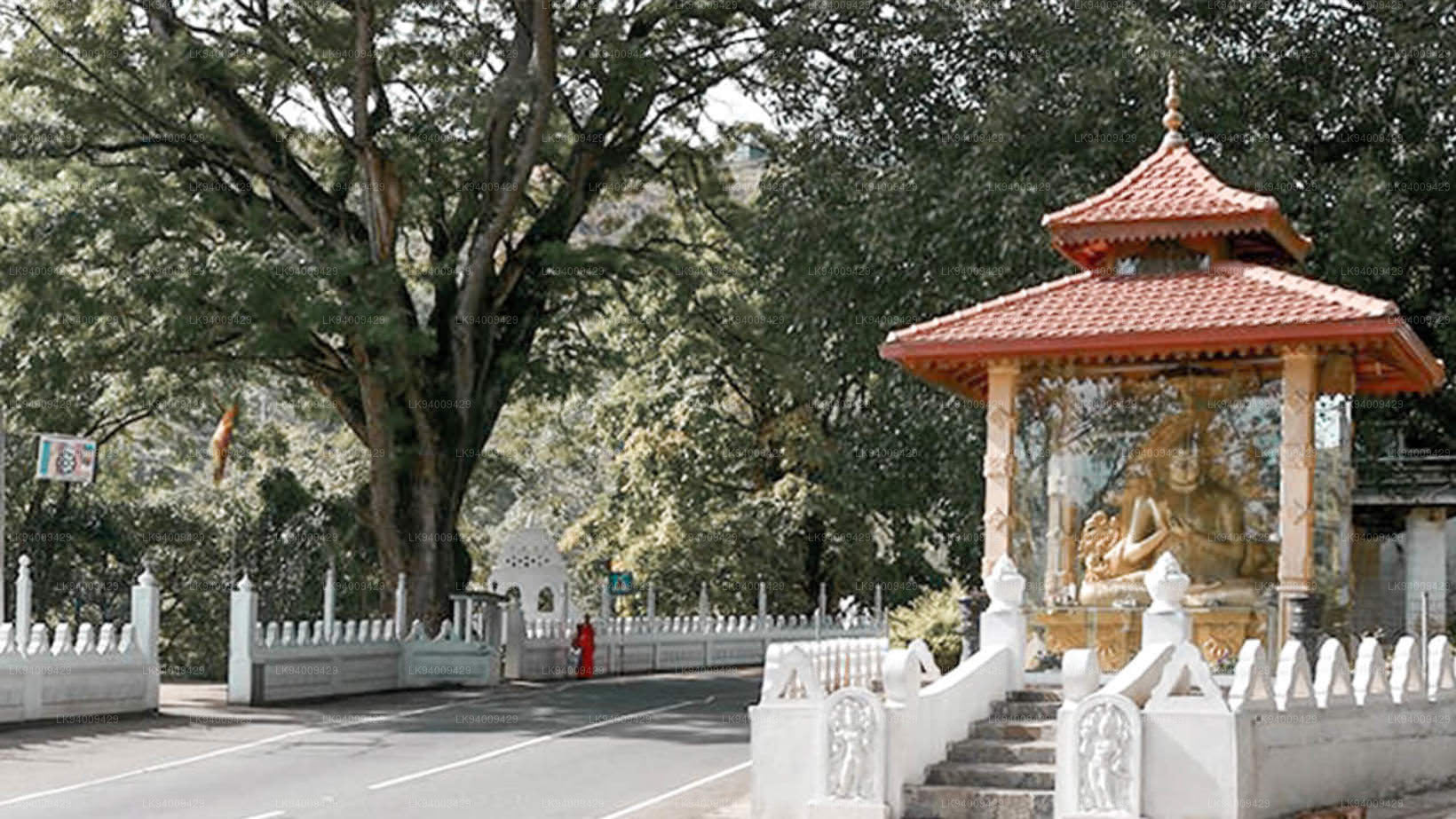 Dowa Raja Maha Viharaya
Dowa Raja Maha Viharaya (Dowa Cape Temple) lies few kilometres away from the Bandarawela town on the Bandarawela – Badulla Road. This temple is thought to be done by King Walagamba in the in first century BC.
-
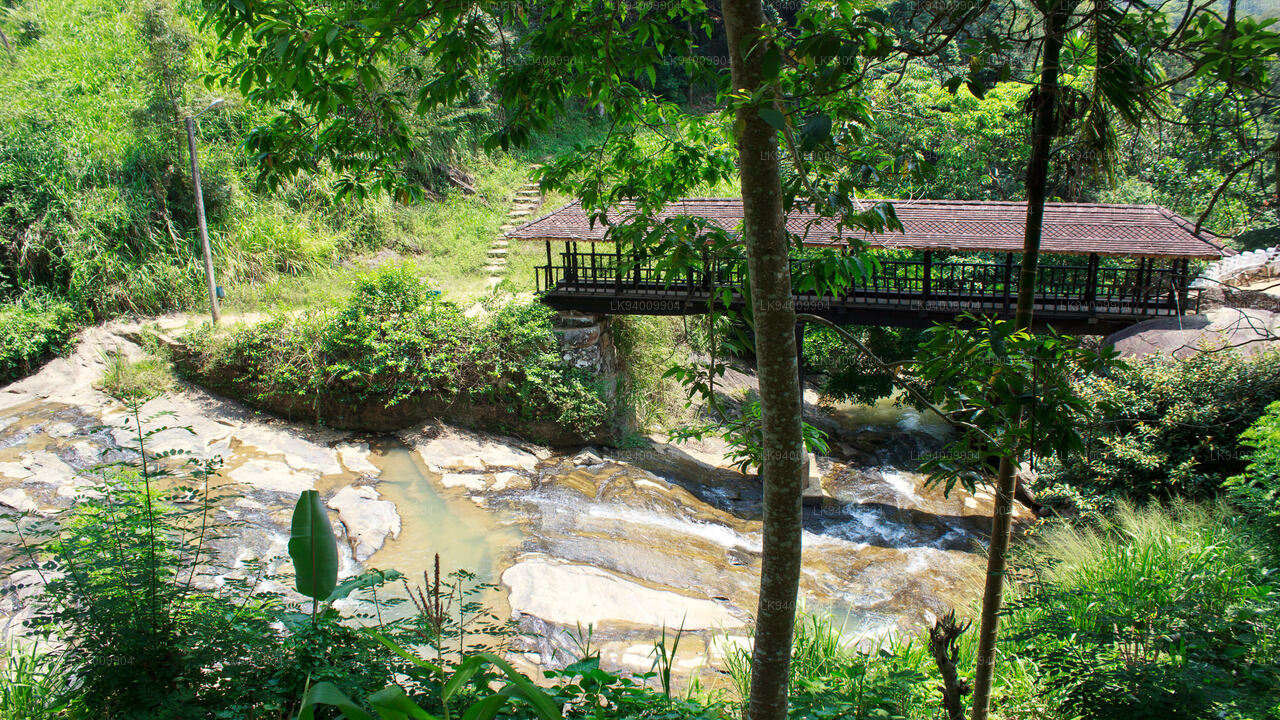 Bogoda Wooden Bridge
The Bogoda Wooden Bridge was built in the 16th century during the Dambadeniya era. This is said to be the oldest surviving wooden bridge in Sri Lanka. The bridge is situated at 7 kilometres (4.3 mi) west of Badulla.
-
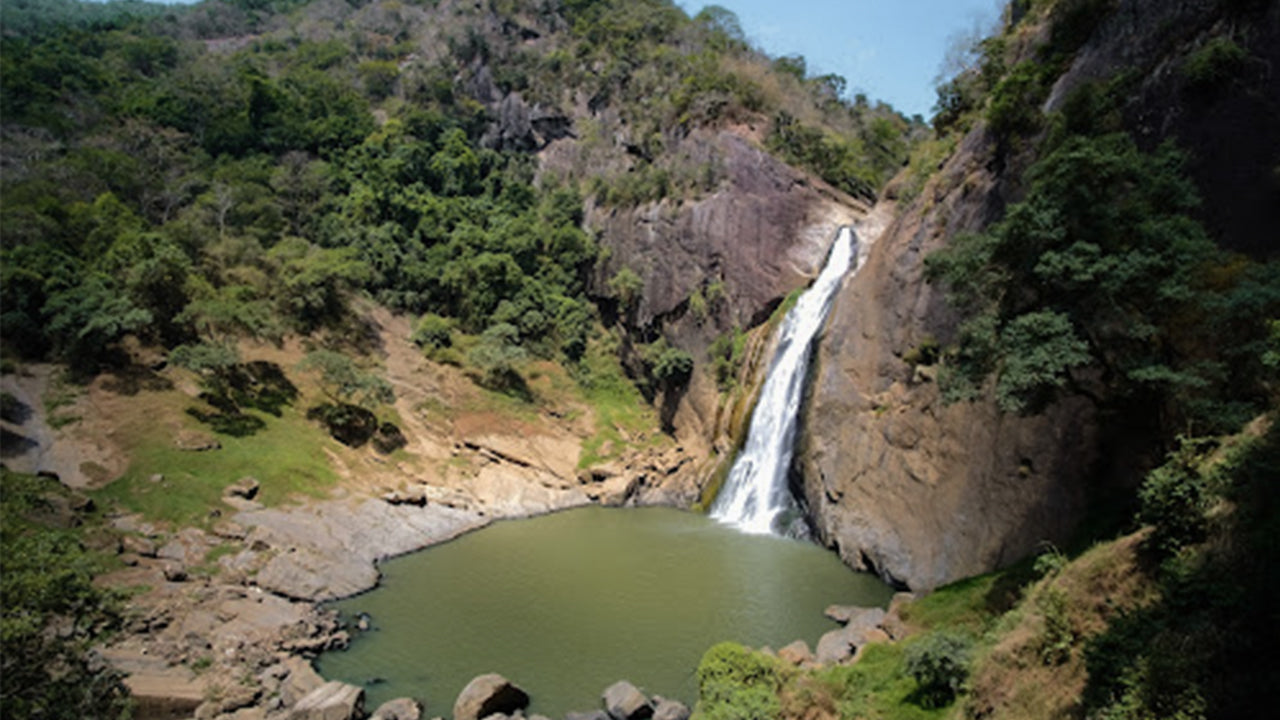 Dunhinda Falls
Dunhinda Falls is situated about 5 km away from Badulla town. It is 63 meters high and is considered to be one of the most beautiful waterfalls in Sri Lanka. The falls gets its name dew to the smoky dew drops spray.