Džaja Šrí Mahá Bódhija


Jaya Sri Maha Bodhiya je historický posvátný strom bo (Ficus religiosa) v Mahamewuna Garden ve městě Anuradhapura, Anuradhapura, Srí Lanka. Předpokládá se, že tento strom vyrostl z řízku jižního větve historického posvátného stromu, Sri Maha Bodhi, který byl zničen v době císaře Ashoky Velikého v Bodhgaya v Indii, pod nímž Siddhartha Gautama (Buddha) dosáhl osvícení. Buddhistická jeptiška Sangamitta Maha Theri, dcera indického císaře Ashoky, přinesla řízek tohoto stromu do Srí Lanky v roce 288 př. n. l. během vlády sinhálského krále Devanampiya Tissy. S více než 2 300 lety je to nejstarší žijící strom zasazený člověkem na světě s datem zasazení, které je známé. Mahavamsa, nebo Velká kronika Sinhalců, poskytuje podrobný popis založení Jaya Sri Maha Bodhiya na ostrově a následný vývoj místa jako hlavního buddhistického poutního místa.
Dnes se Jaya Sri Maha Bodhiya nachází na vysoké terase, přibližně 6,5 metru nad zemí, a je obklopena čtyřmi dalšími nižšími terasami s bo stromy zvanými „Parivara Bodhi“, které byly zasazeny na ochranu. Místo je v současnosti spravováno hlavním vysokým knězem Atamasthana a správní radou Atamasthana Palakasabha, správními orgány Atamasthana, a každoročně přijímá miliony poutníků. Místo je otevřeno návštěvníkům a po celý rok se zde konají četné náboženské obřady. Přístup na nejvyšší terasu, kde se nachází strom bo, je však omezen kvůli stáří stromu a různým aktům vandalismu, které zažil během historie, včetně teroristického útoku ze strany LTTE v roce 1985, při kterém bylo zabito přibližně 146 poutníků.
Historie
Jaya Sri Maha Bodhiya je posvátný strom bo, který stojí v zahradách Mahamewna v Anuradhapura, Srí Lanka. Není to jen nejbližší autentický živý odkaz na Gautamu Buddhu, ale je to také nejstarší strom zasazený člověkem na světě s datem zasazení, které je známé, a s zaznamenanou historií. Před asi 2600 lety seděl Pán Gautama Buddha s hřbetem opřeným o Esathu (Asvattha) strom na březích řeky Neranjana v Bodhgaye v Indii. V tuto chvíli, když seděl opřený o strom, se říká, že Buddha dosáhl osvícení. Tím, že to udělal, strom také získal uctívaný status. Stal se známým jako strom Bodhi a poutníci ho přišli vidět i za života Buddhy.
Později, v roce 236 př. n. l., byla buddhistická jeptiška Sanghamitta Maha Theri poslána císařem Ashokou z Indie do Srí Lanky. S sebou přinesla jižní větev původního posvátného fíku. Tento větvič byl slavnostně předán Devanampiya Tisse, jednomu z prvních králů Srí Lanky, jehož vláda byla významná příchodem buddhismu. V roce 288 př. n. l. Tissa zasadil větev stromu Bodhi do svého královského parku v Anuradhapura.
Jaya Sri Maha Bodhiya, jak se začalo nazývat, byla od té doby chráněna a ošetřována buddhistickými mnichy a oddanými králi. Byly postaveny sochy, vodní kanály, zlaté


-
 Sri Maha Bodhiya
Jaya Sri Maha Bodhi is a sacred bo tree in the Mahamewna Gardens, Anuradhapura, Sri Lanka. It is the southern branch from the historical Sri Maha Bodhi at Buddha Gaya in India under which Buddha attained Enlightenment. It was planted in 288 BC, and is the oldest living human-planted tree in the world with a known planting date.
-
 Ruwanweliseya
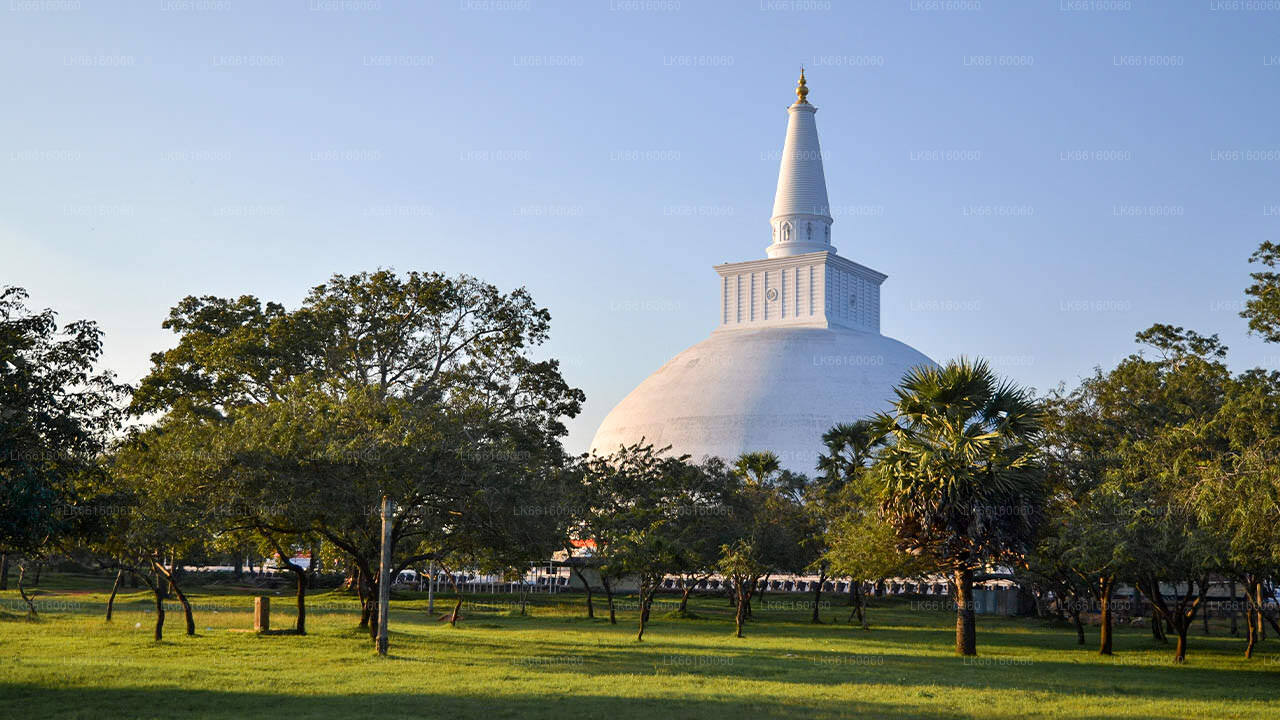
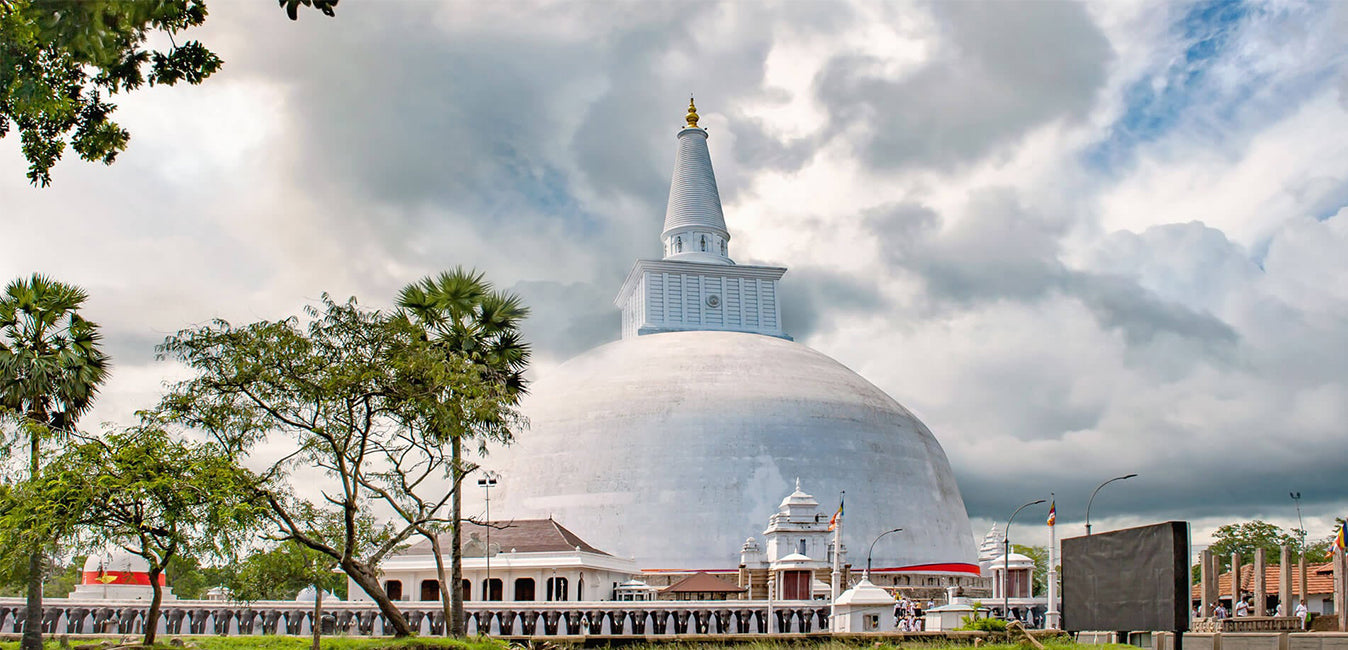
The Ruwanweli Maha Seya, also known as the Mahathupa (the Great Thupa) is a stupa (a hemispherical structure containing relics) in Anuradhapura, Sri Lanka. Two quarts or one Dona of the Buddha's relics are enshrined in the stupa, making it the largest collection of his relics anywhere. It was built by Sinhalese King Dutugemunu in c. 140 B.C., who became king of Sri Lanka after a war in which the Chola King Elāra (Ellalan) was defeated.
-
 Thuparamaya
Thuparamaya is the first Buddhist temple that was constructed, after the arrival of mahinda thero(mahindagamanaya) in Sri Lanka. Located in the sacred area of Mahamewna park, the Thuparamaya Stupa is the earliest Dagoba to be constructed in the island, dating back to the reign of King Devanampiya Tissa (247-207 BC). The temple has been formally recognised by the Government as an archaeological site in Sri Lanka.
-
 Lovamahapaya
Lovamahapaya is a building situated between Ruwanweliseya and Sri Mahabodiya in the ancient city of Anuradhapura, Sri Lanka. It is also known as the Brazen Palace or Lohaprasadaya because the roof was covered with bronze tiles. In ancient times, the building included the refectory and the uposathagara (Uposatha house).
-
 Abhayagiri Stupa
Abhayagiri Vihāra was a major monastery site of Mahayana, Theravada and Vajrayana Buddhism that was situated in Anuradhapura, Sri Lanka. It is one of the most extensive ruins in the world and one of the most sacred Buddhist pilgrimage cities in the nation.
-
 Jetavanaramaya
The Jetavanarama stupa or Jetavanaramaya is a stupa, or Buddhist reliquary monument, located in the ruins of Jetavana monastery in the UNESCO world heritage city of Anuradhapura, Sri Lanka. At 122 metres (400 ft), it was the world's tallest stupa, and the third tallest structure in the world when it was built by King Mahasena of Anuradhapura (273–301).
-
 Mirisawetiya Stupa
The Mirisaweti Stupa is a memorial building, a stupa, situated in the ancient city of Anuradhapura, Sri Lanka. King Dutugamunu (161 BC to 137 BC) built the Mirisaveti Stupa after defeating King Elara. After placing the Buddha relics in the sceptre, he had gone to Tissa Wewa for a bath leaving the sceptre.
-
 Lankarama
Lankarama is a stupa built by King Valagamba, in an ancient place at Galhebakada in the ancient kingdom of Anuradhapura, Sri Lanka. Nothing is known about the ancient form of the stupa, and later this was renovated. The ruins show that there are rows of stone pillars and it is no doubt that there has been a house built encircling the stupa (vatadage) to cover it.
-
 Isurumuniya
Isurumuniya is a Buddhist temple situated near to the Tissa Wewa (Tisa tank) in Anuradhapura, Sri Lanka. There are four carvings of special interest in this Vihara. They are the Isurumuniya Lovers, Elephant Pond and The Royal Family. The ancient Meghagiri Vihara or Meygiri Vihara is presently identified as the Isurumuni Vihara.