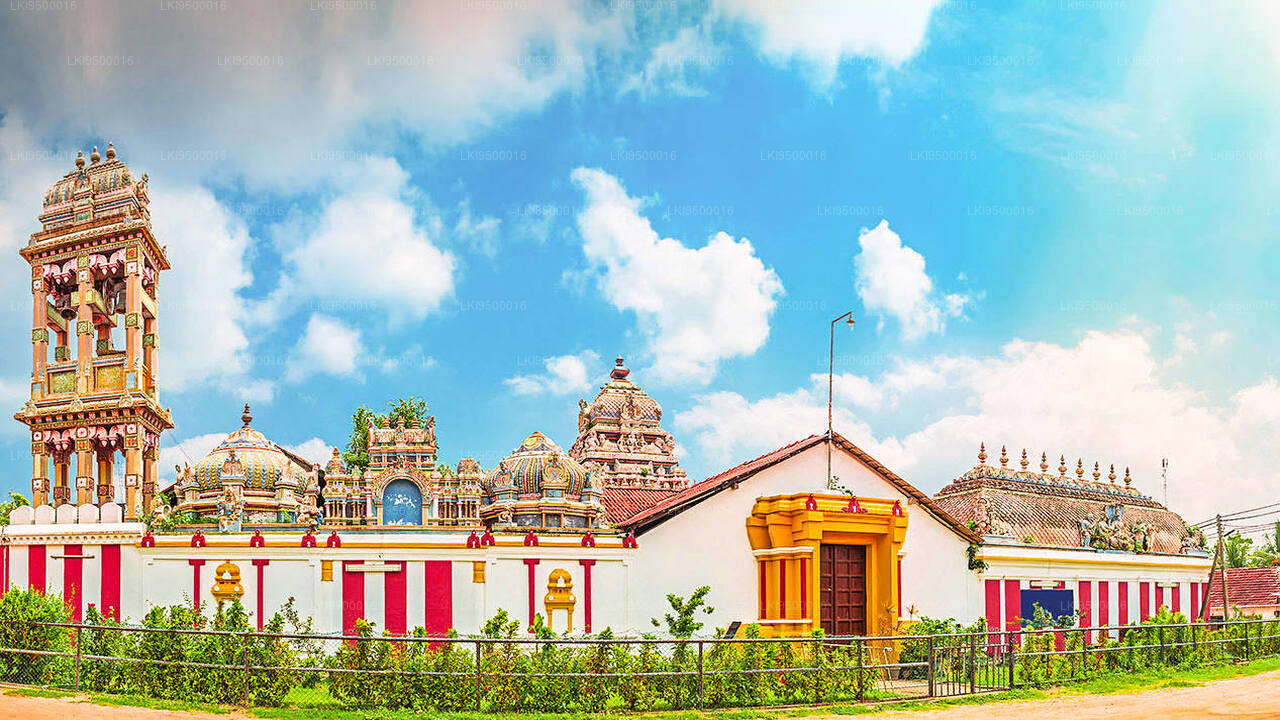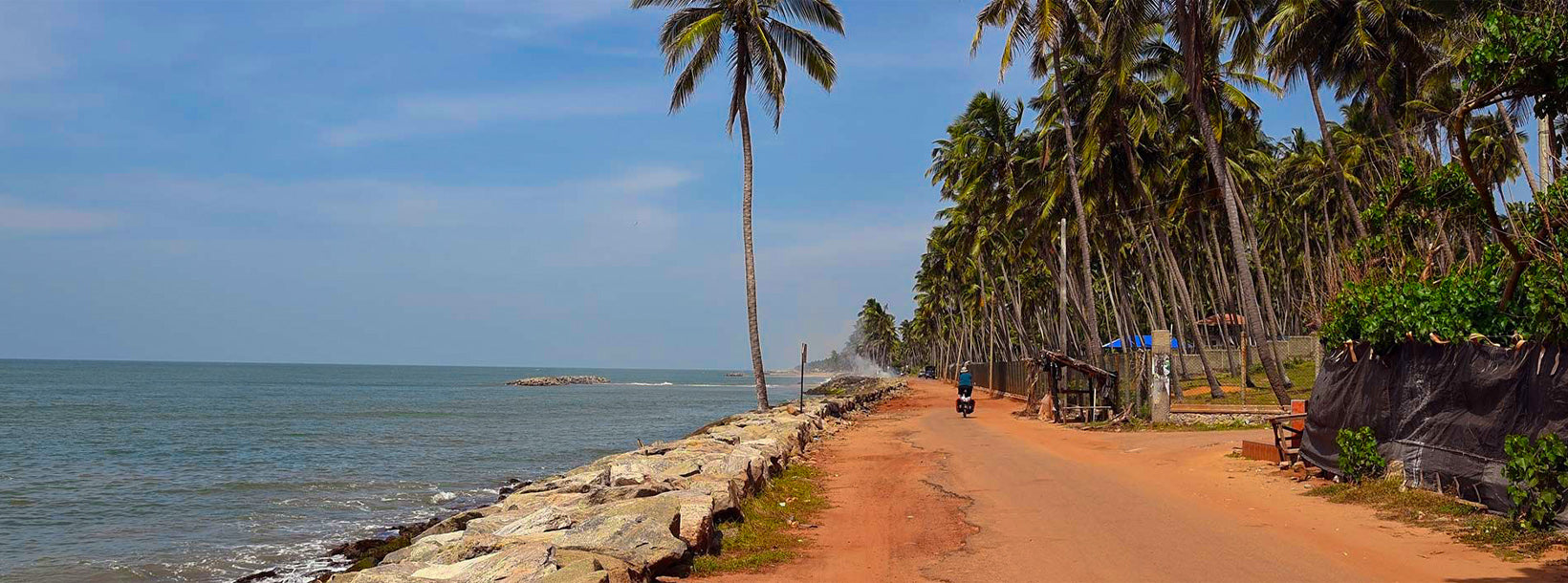
Chilaw sits quietly on Sri Lanka's western coast, roughly midway between Colombo and Puttalam, where the land narrows into a ribbon of coconut palms, lagoons, and sea-facing fishing villages. It is not a resort town, and that is precisely the point. What Chilaw offers is an unfiltered look at coastal Sri Lankan life — the morning bustle of a working harbour, the smell of dried fish at the market, the sonorous bells of a Hindu temple beside a Buddhist shrine. For travellers who want texture over polish, Chilaw rewards a half-day stop or an overnight stay.
What makes Chilaw different from other coastal towns?
Unlike the heavily touristed beaches further south, Chilaw retains the rhythms of a working port city. The Iranawila stretch of coast just north of town sees far fewer visitors than Negombo or Bentota, giving the beaches a genuinely local feel. The lagoon system that borders the town supports brackish-water fisheries and provides habitat for wading birds including herons, egrets, and migratory shorebirds during the northeast monsoon months. Coconut cultivation dominates the hinterland — the towering palms that line almost every road in this district have fed the local economy for generations.
Chilaw also sits at a cultural crossroads. The city's population includes Sinhalese, Tamil, and Malay communities, each contributing to a religious landscape of Buddhist viharas, Hindu kovils, mosques, and Catholic churches — sometimes within the same street. The Munneswaram temple complex, one of the most significant Hindu pilgrimage sites in Sri Lanka, lies just a few kilometres east of the town centre and draws devotees from across the island, particularly during its August festival season.
What are the main things to see and do in Chilaw?
- Chilaw Lagoon and fishing harbour: The lagoon is the city's working heart. Early mornings bring outrigger canoes and mechanised fishing boats returning with the night's catch. Watching the fish auction at the harbour is an experience that no brochure quite prepares you for.
- Munneswaram Kovil: Dating to at least the medieval period, this complex of five temples dedicated to Shiva is considered one of the Pancha Ishwarams — sacred Shaivite sites of the island. The main temple's fire-walking ceremony (Thimithi) in October draws large crowds.
- Iranawila Beach: A quieter coastal strip a short drive north, popular with local families on weekends and largely undiscovered by international tourists. The beach is broad and sandy, with calm water during the dry season.
- Maradanmadum Bird Sanctuary: A small wetland sanctuary near the lagoon fringe that supports resident and migratory waterbirds.
- Local markets: The central market sells fresh seafood, dried fish, tropical produce, and everyday goods. It offers a genuine window into the daily commerce of a mid-sized Sri Lankan coastal town.
- Wilpattu National Park day trip: Chilaw is one of the closest major towns to the southern entrance of Wilpattu National Park, Sri Lanka's largest national park and one of the best places on the island to spot leopards in their natural habitat. A dawn departure from Chilaw can get you into the park gates well before the heat builds.
When is the best time to visit Chilaw?
The western coast enjoys its driest, sunniest weather from December through April, making this the recommended window for visiting Chilaw. Sea conditions are calm, the beaches are clean, and the lagoon is at its most navigable. May and June bring the southwest monsoon, which delivers heavy rain and rough seas along this coastline — not ideal for beach visits, though the landscape turns lush and the lagoon fills with birdlife. July to November can see intermittent rain but is generally manageable, and the town is quieter and more affordable during this period.
How do I get to Chilaw from Colombo?
The most practical route is by road along the A3 coastal highway heading north from Colombo. The drive takes roughly two to two and a half hours depending on traffic, passing through Negombo and a series of fishing villages before reaching Chilaw. Air-conditioned intercity buses run this route regularly from the Colombo Central Bus Stand. By train, the Northern Line from Colombo Fort stops at Chilaw station, with several departures daily — the journey takes around two and a half to three hours and offers scenic lagoon views as the line tracks close to the coast. If you are arriving directly from Bandaranaike International Airport in Katunayake, Chilaw is approximately 70 kilometres north, making a private transfer a straightforward and time-efficient option.
Is Chilaw a good base for exploring the North Western Province?
Chilaw works well as a quiet base for exploring a broader coastal circuit. The town sits within comfortable day-trip range of Negombo to the south, whose city tour includes the Dutch Fort, fish market, and lagoon boat rides. To the north, the road continues through Puttalam toward the Kalpitiya Peninsula, a growing destination for dolphin watching and kitesurfing. Inland, the dry-zone forests and ancient tank systems of the North Western Province hold their own appeal for travellers interested in Sri Lanka beyond the standard tourist circuit. Chilaw itself is not large, and most visitors combine it with a wider northwest itinerary rather than treating it as a standalone destination.
What local food is worth trying in Chilaw?
Seafood is the cornerstone of Chilaw's food culture. Freshly caught prawns, cuttlefish, and snapper prepared in coastal Sri Lankan style — often with coconut milk and a heavy hand of spice — appear on tables at small local restaurants and in the homes of fishing families. Dried fish (jaadi) is a regional staple used as a flavouring agent in rice-and-curry meals. The Malay-Sri Lankan community in the district also contributes distinct dishes to the local repertoire, including rice-based preparations and spiced meat curries that reflect centuries of trade and cultural exchange along this coastline.
What is the cultural significance of the Munneswaram temple?
Munneswaram is among the oldest continuously active temple complexes in Sri Lanka, with references to a shrine at this site appearing in historical chronicles and Ramayana-related oral traditions. The complex comprises five temples, the main one dedicated to Lord Shiva in the form of Munneswaram, alongside shrines to Ganesha, Kali, and the Buddha — a configuration that underlines the syncretic religious culture of coastal Sri Lanka. The annual festival in August draws pilgrims from across the island and includes kavadi processions, fire-walking (Thimithi), and vel ceremonies that can last several weeks. Visitors are welcome outside of festival periods; modest dress and removal of footwear at the entrance are expected.