Jaffna sits at the northern tip of Sri Lanka, separated from the rest of the island by lagoons, causeways, and centuries of a distinct cultural identity. The peninsula and its surrounding islands form a world shaped by Tamil heritage, Dutch colonial history, Hindu devotion, and one of the most individual cuisines on the island. For travellers who have seen the south and the hill country, Jaffna offers something genuinely different.
How do I get to Jaffna from Colombo?
The most comfortable overland option is the train. The Yal Devi express runs daily from Colombo Fort to Jaffna, covering the roughly 400 km journey in around eight to nine hours — scenic, air-conditioned, and the preferred choice of most independent travellers. Long-distance intercity buses also operate the route, typically taking ten to twelve hours depending on stops and traffic.
Those short on time can fly. Sri Lankan Airlines and FitsAir operate domestic flights between Colombo's Ratmalana Airport and Jaffna's Palaly Airport, cutting travel time to under an hour. Hiring a private car and driver is a popular option for groups, as it allows detours to sites along the A9 highway — the main artery that runs through the Vanni region before reaching the peninsula.
What is the best time to visit Jaffna?
Jaffna follows the northeast monsoon pattern. The driest and most pleasant period runs from May to September, when the southwest monsoon that drenches the south and west of Sri Lanka largely bypasses the north. The northeast monsoon brings rain between October and January, though short-stay visits are still manageable outside of peak storm weeks.
The most atmospheric time to visit is late July or August, when the Esala Perahera season coincides with Jaffna's own major festival calendar. The Nallur Festival at Nallur Kandaswamy Temple draws hundreds of thousands of pilgrims over 25 days, typically peaking in August. Accommodation books out weeks in advance during this period.
What can I see at Jaffna Fort?
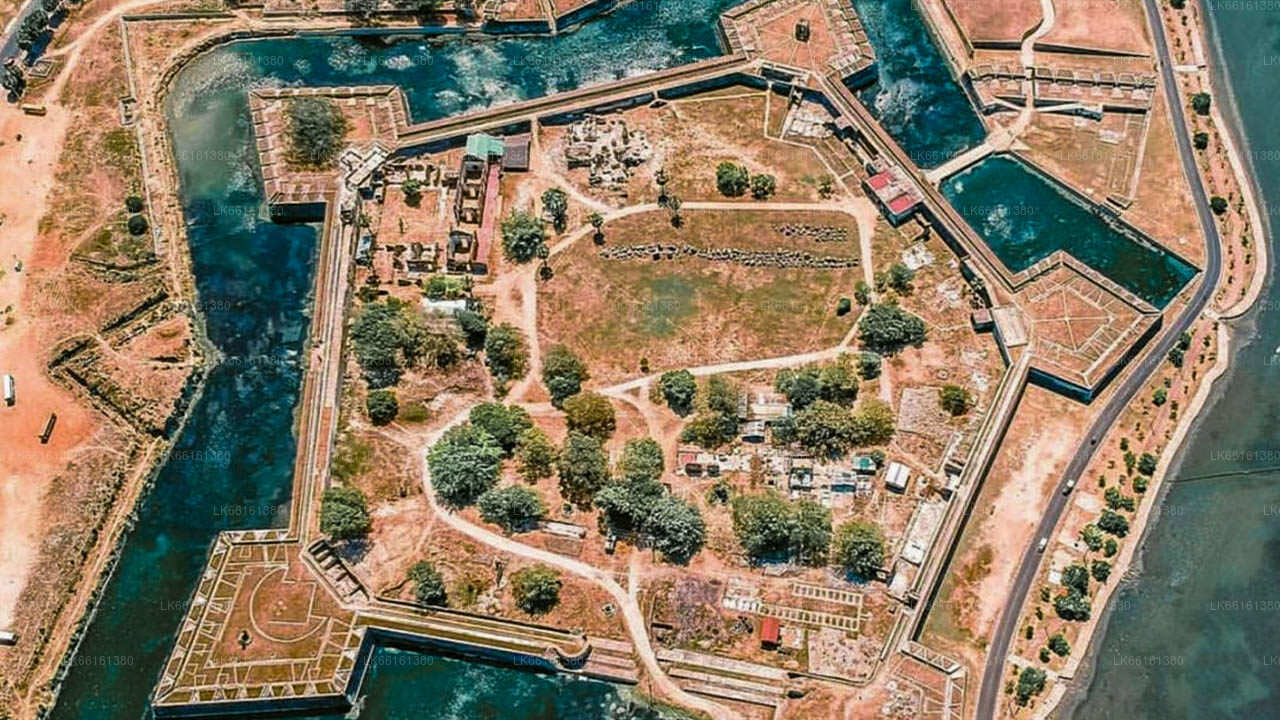
Jaffna Fort is one of the largest and best-preserved Dutch colonial fortifications in Asia. Originally built by the Portuguese in 1618 and substantially expanded by the Dutch after they captured the peninsula in 1658, the star-shaped fort dominates the southern seafront of Jaffna town. Visitors can walk sections of the ramparts, explore the interior grounds, and view the Groote Kerk — a Dutch Reformed church dating to the 17th century — within the fort complex.
Entry to the fort is managed by the Sri Lanka Army, which controls parts of the site. The publicly accessible sections are generally open during daylight hours. The views across the lagoon toward Kayts Island from the outer walls are worth the short walk.
What temples and religious sites should I visit in Jaffna?
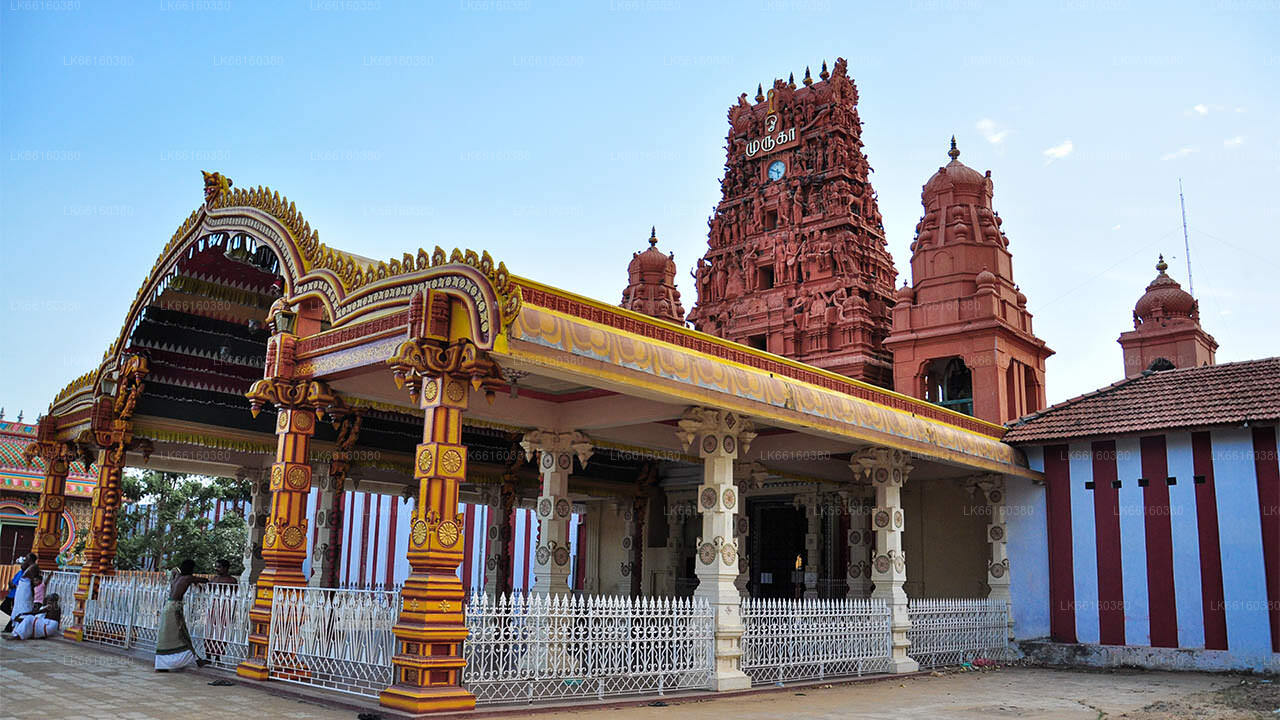
Nallur Kandaswamy Kovil is the spiritual and cultural heart of the Jaffna peninsula. Dedicated to Murugan (Skanda), the temple's distinctive gopuram — the painted gateway tower — rises above the surrounding streets and is visible across much of central Jaffna. Non-Hindu visitors are welcome at most times, though they are required to remove footwear and men must remove shirts before entering the inner sanctum.
Beyond Nallur, the peninsula and nearby islands hold dozens of smaller kovils. Nagadeepa Purana Vihara on Nainativu Island is significant to both Buddhists and Hindus — the Buddhist temple here is among the oldest in Sri Lanka, and the Sri Lanka Navy operates a passenger ferry from the Kurikadduwan jetty on Punguduthivu Island to reach it. Plan for a half-day excursion including the boat crossing.
Which islands near Jaffna are worth visiting?
The Jaffna peninsula is surrounded by dozens of islands, several of which are accessible and rewarding to visit. Nainativu (Nagadeepa) carries the most religious weight, with its Buddhist temple and the Nainai Amman Hindu shrine both drawing pilgrims. The island is small enough to walk across in under an hour.
Delft Island, known locally as Neduntheevu, is the most remote of the accessible islands and arguably the most atmospheric. Wild ponies — believed to be descendants of Dutch-era stock — roam freely across the flat, scrubby terrain. The island also holds the ruins of a Dutch fort, a Portuguese-era dovecote, and a remarkable ancient baobab tree. The ferry from Kurikadduwan takes around 90 minutes each way; day trips are feasible but require an early start.
Kayts and Karaitivu are closer to Jaffna town and reachable by causeway, making them straightforward half-day excursions for travellers who want to see traditional fishing communities and quieter stretches of coastline.
What is Jaffna cuisine and what should I eat?
Jaffna's food is one of its most compelling reasons to visit. The cuisine sits within the Tamil culinary tradition but with its own character: coconut milk is used heavily, palmyrah (a native palm) features in multiple forms from flour to toddy to sweet treats, and the seafood — crab curry in particular — has a reputation that reaches across the island.
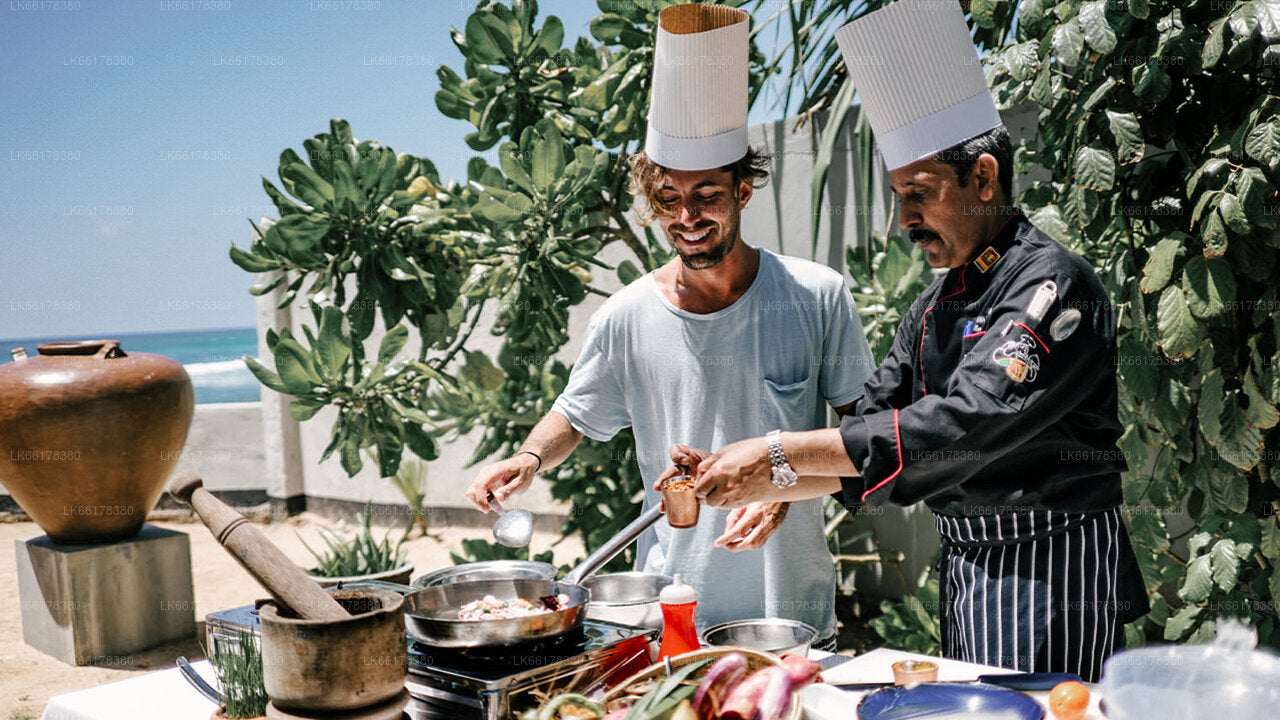
Jaffna curry powder is ground fresh with a unique combination of spices roasted at higher temperatures than southern blends, giving dishes a distinctively darker, smokier depth. Kothu roti, string hoppers with coconut milk gravy, and vadai (lentil fritters) are everyday staples. For those wanting a structured introduction to the kitchen, a hands-on cookery class in Jaffna offers both context and a meal.
Where should I stay in Jaffna?
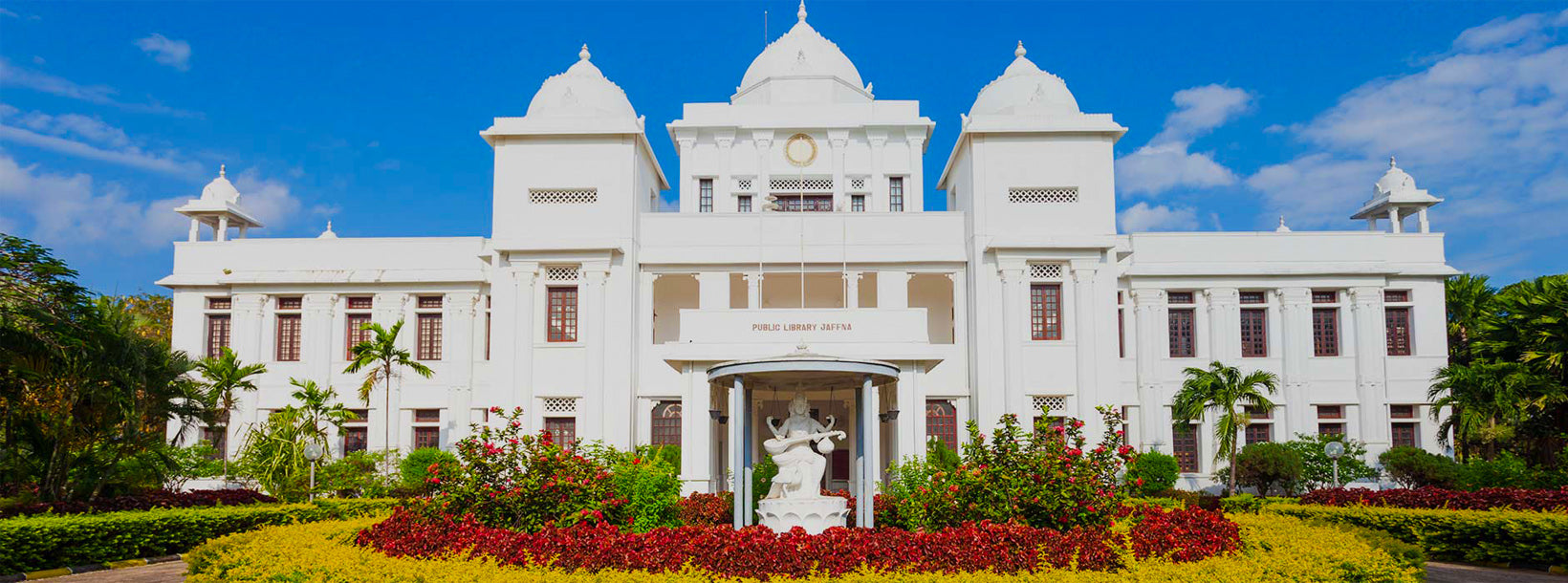
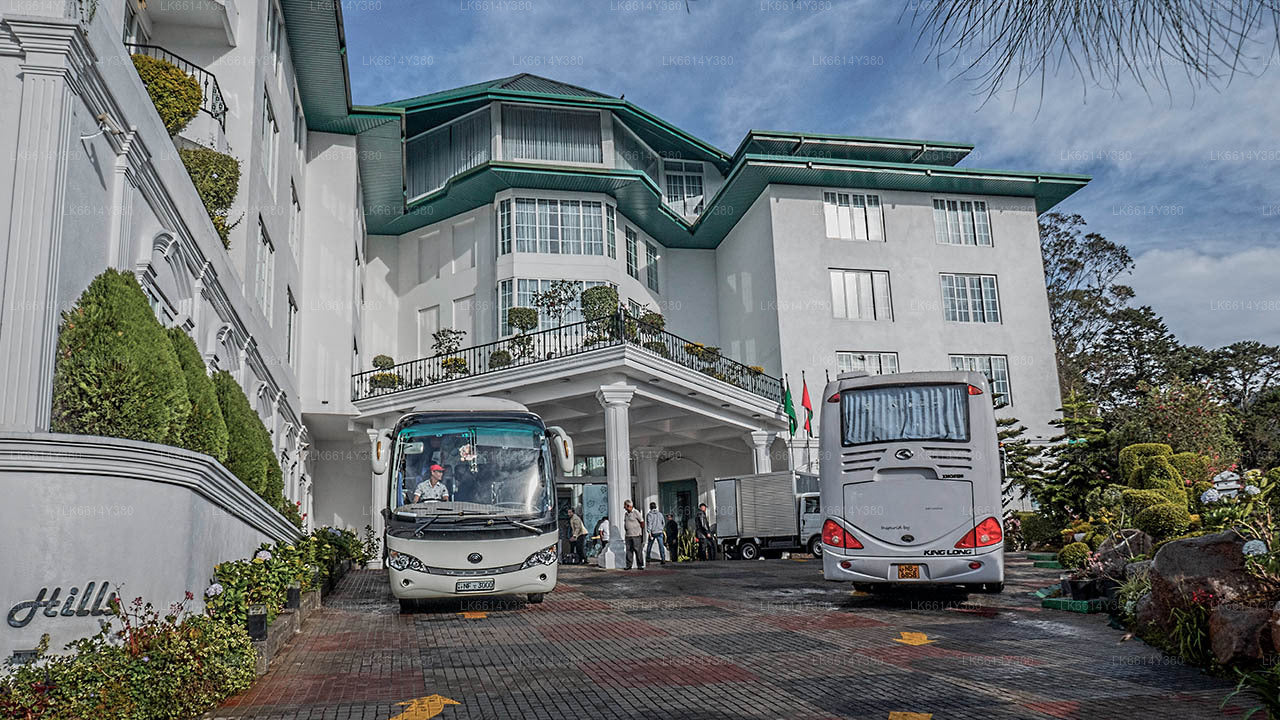
Accommodation in Jaffna has expanded considerably since the end of the civil conflict in 2009. The city now offers a range of options from simple guesthouses run by local families to mid-range hotels with modern facilities. Staying in or close to Jaffna town puts most of the major sites — the fort, Nallur Kovil, the public library, and the central market — within easy reach on foot or by tuk-tuk. For visitors combining Jaffna with island excursions, some guesthouses in outlying areas closer to the ferry points offer a quieter base.
Is Jaffna safe for tourists?
Jaffna has been open to tourism since 2009 and is considered safe for visitors. The city and peninsula have seen significant reconstruction and infrastructure investment over the past decade. Sri Lanka's Foreign Ministry and most Western governments classify the north as a normal travel zone without specific advisories beyond the standard guidance that applies island-wide. Travellers should be mindful that some restricted military areas remain around former conflict sites; these are clearly signed.