Lakpura
Lakpura®

Trincomalee City

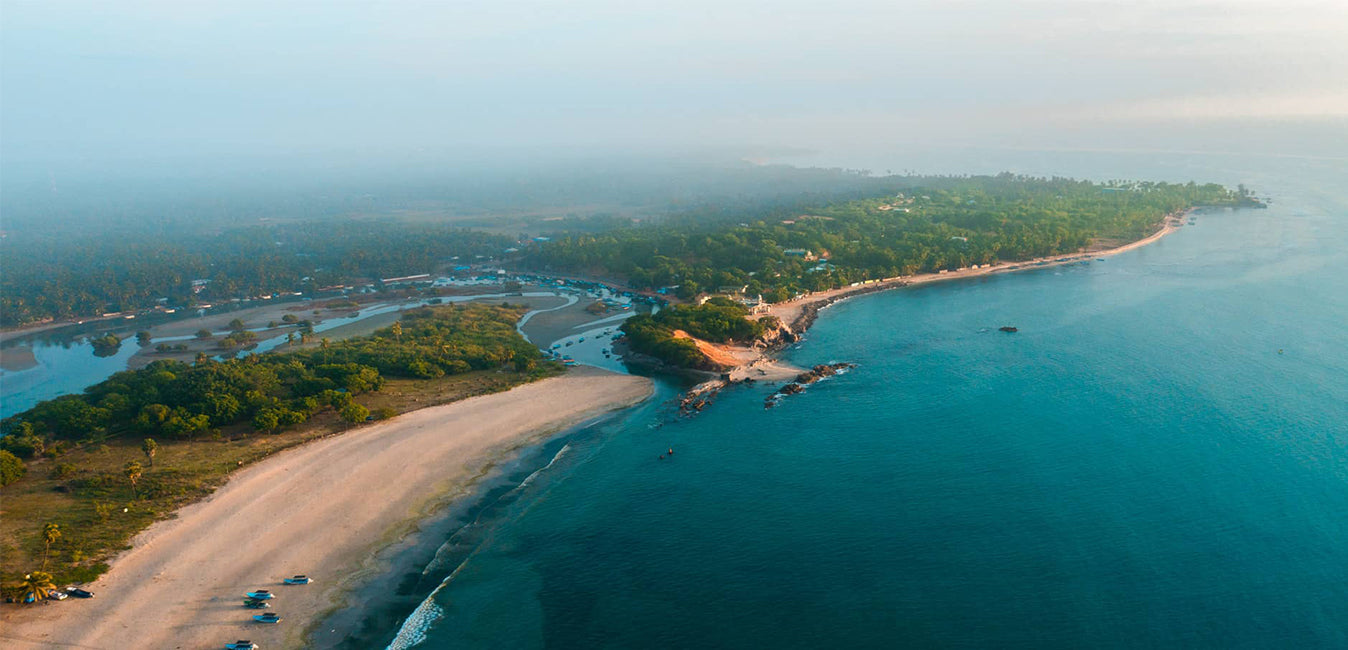
Trincomalee — known in antiquity as Gokanna — sits on a slender peninsula jutting into one of the world's great natural harbours on Sri Lanka's northeastern coast. Few Sri Lankan cities carry as many layers of history: it has been a sacred Hindu pilgrimage site, a coveted colonial prize, and a key Allied naval base during the Second World War. Today it is better known for the calm blue waters of Nilaveli, thriving coral reefs, and the spectacle of blue whales surfacing offshore in the early months of the year.

What is the history of Trincomalee?

The town's recorded past stretches back more than two thousand years, when it was a major settlement of Indo-Aryan immigrants. Its most important monument, the Koneswaram Temple — popularly called the Temple of a Thousand Columns — stands at the very tip of the peninsula and was an active Hindu shrine by at least the 7th century CE. Portuguese colonisers arrived in the early 17th century, demolished the temple, and used its stones to construct Fort Frederick. The harbour then passed between Dutch, French, and British hands until Britain secured permanent control in 1795.

During the Second World War, Trincomalee took on strategic significance as the primary Allied naval base in South Asia after the fall of Singapore. Japanese aircraft bombed the town in April 1942. Britain retained the harbour after Sri Lankan independence in 1948 and finally handed it over in 1957. In December 2004, the Indian Ocean tsunami caused severe destruction across the coastline and claimed hundreds of lives here.

What can you see and do in Trincomalee?

Koneswaram Temple

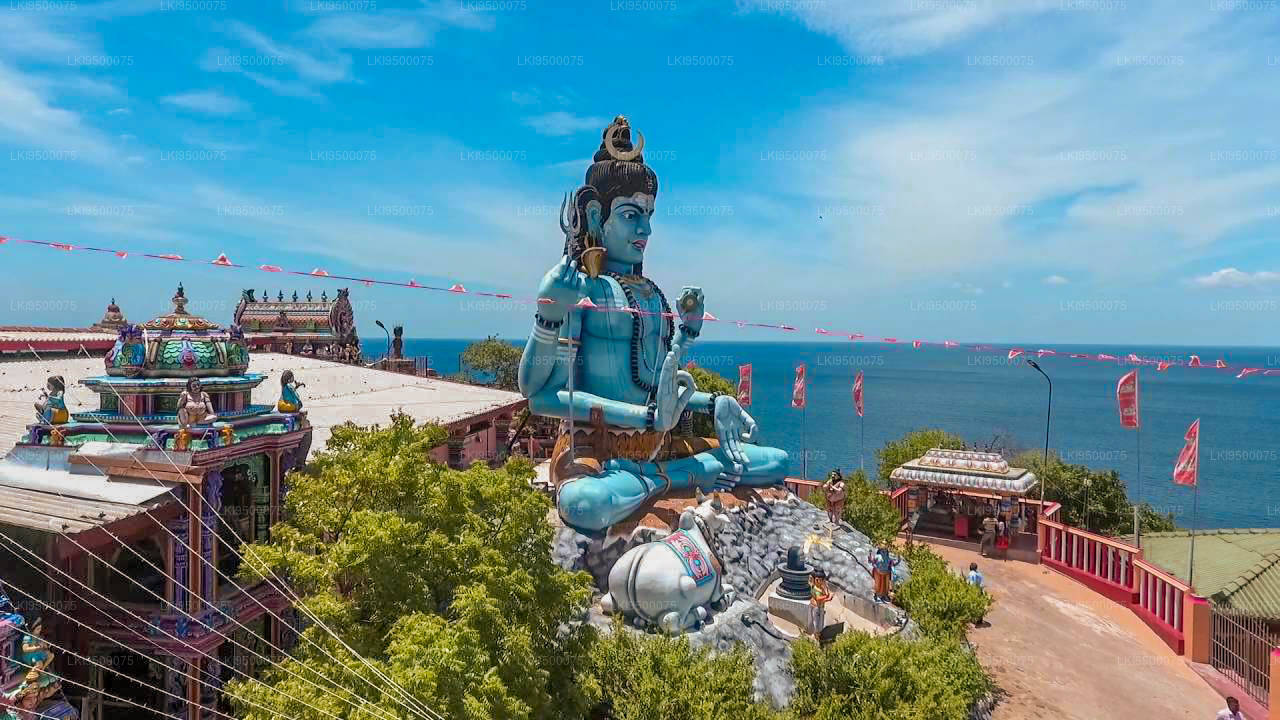
Rebuilt on the clifftop above Fort Frederick after centuries of neglect, Koneswaram is one of Sri Lanka's holiest Shaivite shrines. Fragments of the original structure were recovered from the sea below the cliff. The setting — temple spires above sheer rock, sea on three sides — is as dramatic as any in the country. The annual Thirukon festival draws large numbers of Tamil Hindu pilgrims from across the island.

Fort Frederick

The Portuguese-built fort, later reinforced by the Dutch and British, occupies the same peninsula as Koneswaram. A herd of spotted deer roams freely within its walls, an unexpected detail that delights most visitors. The fort is still partially used by the Sri Lanka Army, so access to some areas is restricted, but the main gate and surrounding grounds are open to the public.

Nilaveli and Uppuveli Beaches

Nilaveli, roughly 16 km north of town, is widely regarded as one of the finest beaches on the island's east coast — a long arc of pale sand with water calm enough for swimming from roughly April through September. Uppuveli, closer to the city, is a quieter alternative with a cluster of guesthouses and restaurants behind the beach. Both beaches see far fewer visitors than the south-coast strips, which gives them a more relaxed character.

Pigeon Island National Park

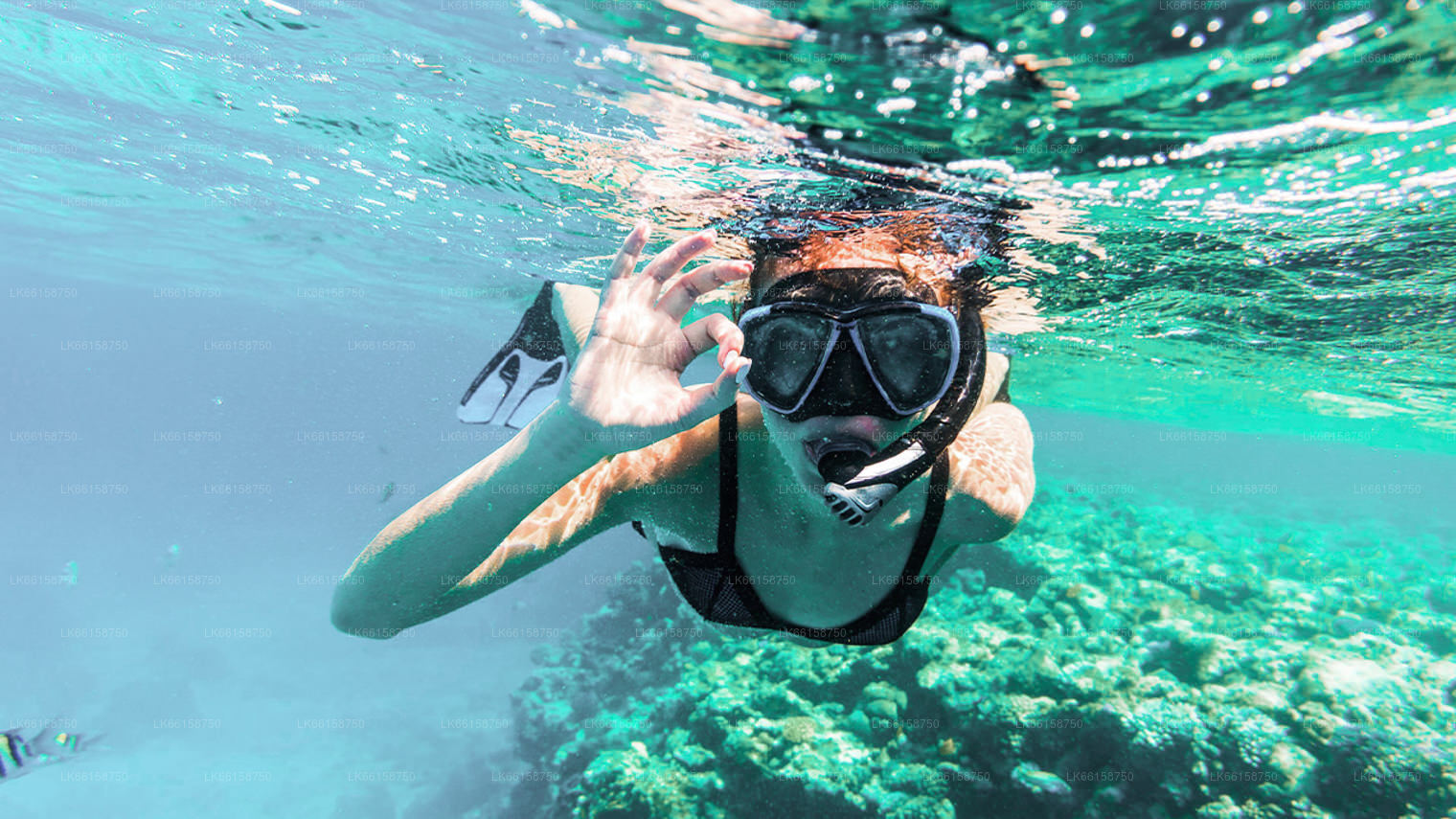
A short boat ride from Nilaveli beach, Pigeon Island is one of Sri Lanka's smallest national parks and one of its best snorkelling and diving destinations. The reef surrounding the island hosts blacktip reef sharks, hawksbill turtles, and a variety of hard and soft corals. Visitor numbers are managed to protect the reef, so booking in advance during peak season is advisable.

Whale and Dolphin Watching

The deep water off Trincomalee is a reliable area for blue whale sightings, particularly between January and April when the animals feed close to the surface. Spinner dolphins are common year-round. Boat tours depart from the Nilaveli beach area and typically last three to five hours. The season is weather-dependent, so flexibility in your itinerary helps.

Scuba Diving

The reefs around Pigeon Island and several shipwrecks in the bay — including Second World War wrecks — make Trincomalee one of the better dive destinations in Sri Lanka. The water is generally clear between May and October, with visibility often exceeding 20 metres. Dive centres operate along Nilaveli and Uppuveli beaches and cater to both beginners and qualified divers.

What is the best time to visit Trincomalee?

The east coast follows a different monsoon pattern from the west and south. Trincomalee's main dry season runs from roughly April to September, when the sea is calm, beaches are accessible, and whale watching and diving are at their best. The northeast monsoon brings heavy rain from around October through January. Visiting outside the peak dry window is possible — accommodation is cheaper and crowds thinner — but water activities may be curtailed.

MonthWeatherBest For
January – MarchTransitional; some rainWhale watching (peak Jan–Apr)
April – SeptemberDry, calm seasBeaches, diving, snorkelling
October – DecemberNortheast monsoonFewer crowds; inland sightseeing

How do I get to Trincomalee from Colombo?

Trincomalee is approximately 260 km from Colombo by road, typically a five-to-six-hour drive depending on traffic and route. A private car is the most flexible option and allows stops at places such as Polonnaruwa, the ancient capital of medieval Sri Lanka, which lies directly en route. An overnight train service also connects Colombo Fort station with Trincomalee, departing in the evening and arriving the following morning — a comfortable way to cover the distance without losing a day.

From the south coast or the Hill Country, journey times are longer. Building Trincomalee into a circular itinerary that enters via the Cultural Triangle and exits toward the west coast is a common approach for visitors with a week or more.

What day trips can I take from Trincomalee?

  • Polonnaruwa Ancient City — around 100 km southwest, a UNESCO World Heritage Site with well-preserved dagobas, royal gardens, and the famous Gal Vihara rock sculptures. Most organised tours can cover the site in a half day.
  • Anuradhapura — Sri Lanka's oldest capital, roughly 140 km west. The sacred Bo tree, Ruwanwelisaya dagoba, and Jetavanaramaya stupa are the main draws.
  • Kanniya Hot Springs — a set of seven brackish-water wells a few kilometres from the city centre, considered sacred and a popular local bathing spot.
  • Marble Beach — a sheltered cove operated by the navy, offering calm swimming and a quieter atmosphere than the busier tourist beaches.

Where should I stay in Trincomalee?

Accommodation is spread between the town itself, Uppuveli (around 4 km north), and Nilaveli (around 16 km north). Budget guesthouses and mid-range boutique hotels cluster along Uppuveli and Nilaveli beaches. International-brand properties operate in the area for those wanting a higher level of service. Staying along the Nilaveli strip gives the easiest access to Pigeon Island and whale-watching departures.

Book this experience with Lakpura

Curated by our local team. Direct booking, instant confirmation.

Ask Lakpura® Agent