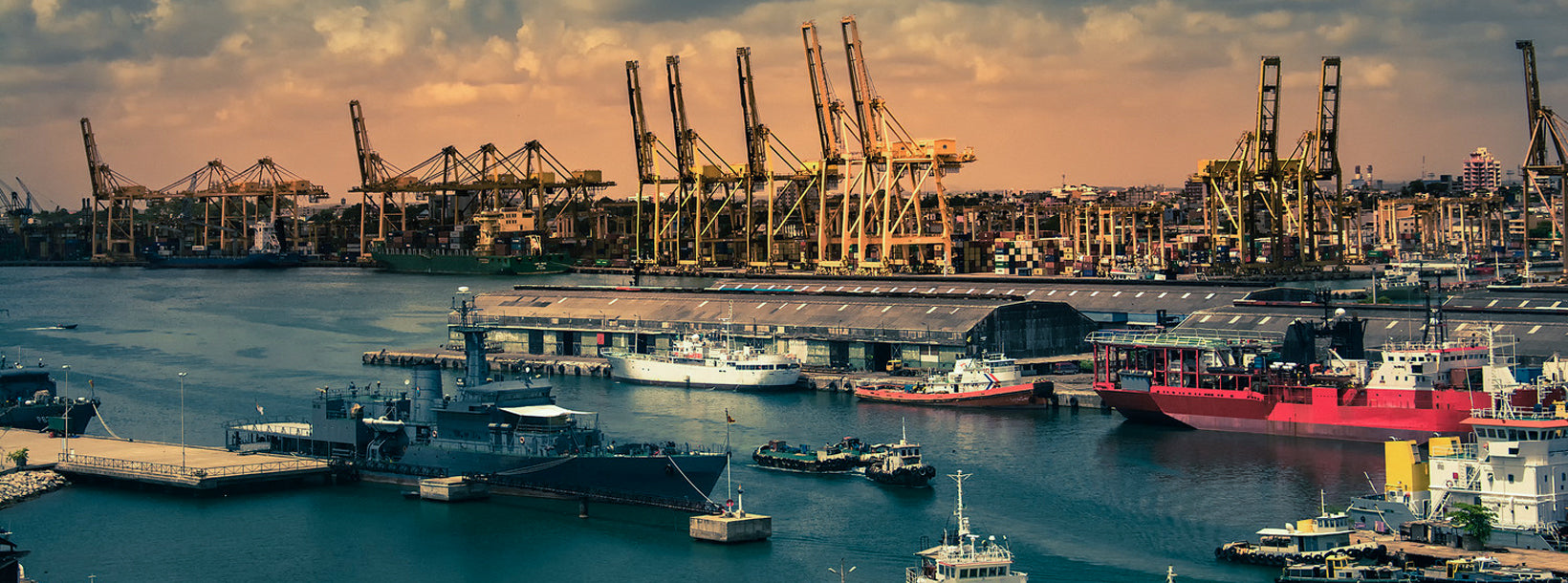
The Port of Colombo is the largest and busiest seaport in Sri Lanka and one of the most significant transshipment hubs in the Indian Ocean. Positioned on the southwestern coast of the island near the mouth of the Kelani River, it sits at a natural crossroads for maritime traffic moving between Europe, the Middle East, and East Asia. That geography has made it a commercial anchor for Sri Lanka for more than seven centuries.
What is the history of the Port of Colombo?
The harbour traces its recorded origins to the early 14th century, when it was known as the Port of Kolomtota during the reign of the Kotte Kingdom. Arab, Chinese, and later Portuguese and Dutch traders all recognised its value as a sheltered anchorage on the Indian Ocean trade routes. Under British colonial administration the port was formalised and expanded, cementing Colombo's role as the commercial heart of Ceylon.
The most dramatic physical transformation came in the 1980s, when a programme of rapid modernisation introduced container-handling cranes, gantries, and deep-water berths. That investment repositioned Colombo from a regional feeder port into a global transshipment player capable of handling the largest container vessels afloat.
How big is the Port of Colombo today?
With a current capacity of around 7 million TEUs (twenty-foot equivalent units) and a dredged depth of over 15 metres, the port consistently ranks among the world's top 25 container ports. Annual cargo tonnage stands at approximately 30.9 million tons, representing the vast majority of Sri Lanka's total foreign trade by volume. The harbour itself is one of the largest artificial harbours in the world — an engineering achievement that complements the natural shelter of the bay.
The port complex also serves as the home base for the Sri Lanka Navy's Western Fleet, operating under the Commander Western Naval Area (COMWEST), which adds a significant naval-operations dimension to what is primarily a commercial facility.
What landmarks are inside or near the port?
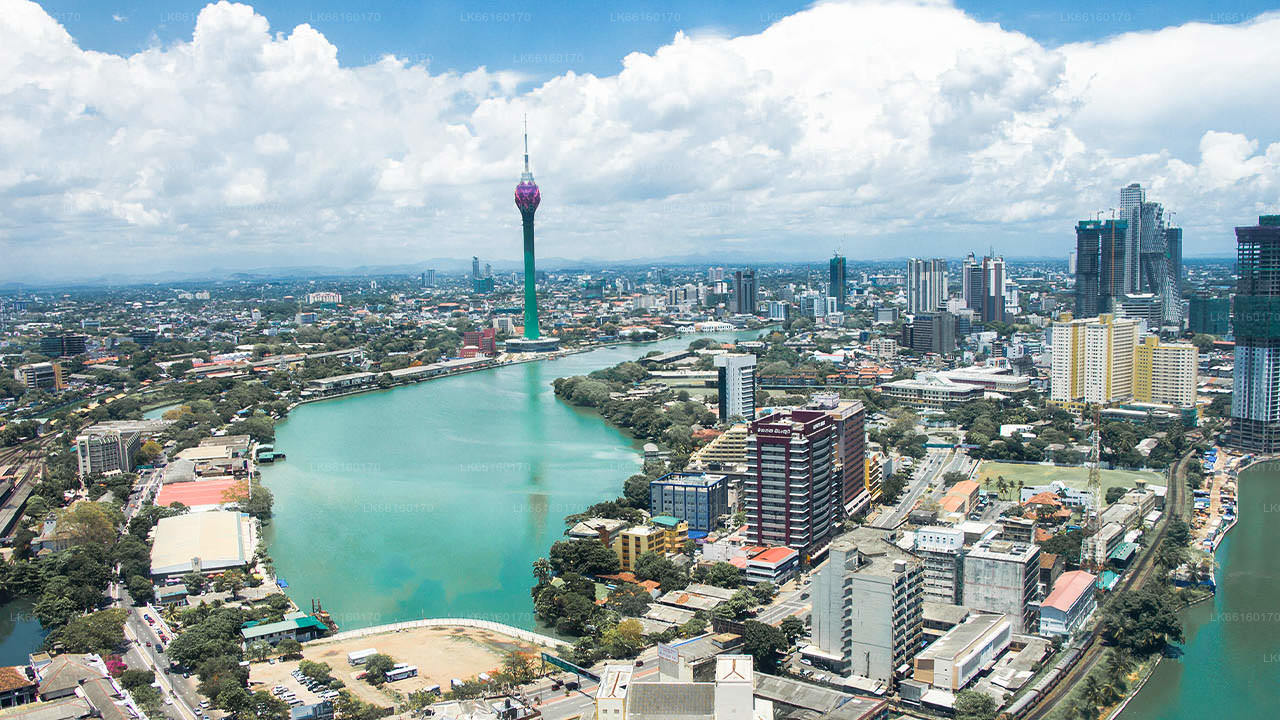
The Port of Colombo's waterfront precinct has evolved into more than a working harbour. The Colombo Lotus Tower — visible from the port approach — is one of South Asia's tallest structures and a symbol of the city's modern ambitions. Within the port's wider business district, high-rise commercial towers have reshaped the skyline, with one building recognised as the second tallest in South Asia at the time of its completion.
The adjacent Colombo Fort neighbourhood retains colonial-era architecture alongside contemporary finance and retail, making the port precinct a useful orientation point for first-time visitors arriving by sea.
What can cruise passengers do when docking at Colombo?
Cruise ships calling at Colombo typically berth at the Jaye Container Terminal or the dedicated cruise facility within the port. The city centre is within easy reach, and a Colombo city tour is by far the most popular excursion — covering landmarks such as the Dutch Hospital, Gangaramaya Temple, Pettah Market, and the Galle Face Green promenade.
Passengers with a full day ashore can venture beyond the capital. The historic Dutch-colonial town of Negombo lies roughly 35 kilometres north of the port; a Negombo city tour pairs well with a morning visit to the fish market on the lagoon. Alternatively, the old Portuguese and Dutch fortifications at Dutch Fort Negombo offer a compact heritage experience within the same day-trip radius.
For travellers with overnight time in port, the ancient city of Polonnaruwa — a UNESCO World Heritage Site — is reachable by road or rail from Colombo, though it suits those with at least a full day to spare.
How does the Port of Colombo function as a transshipment hub?
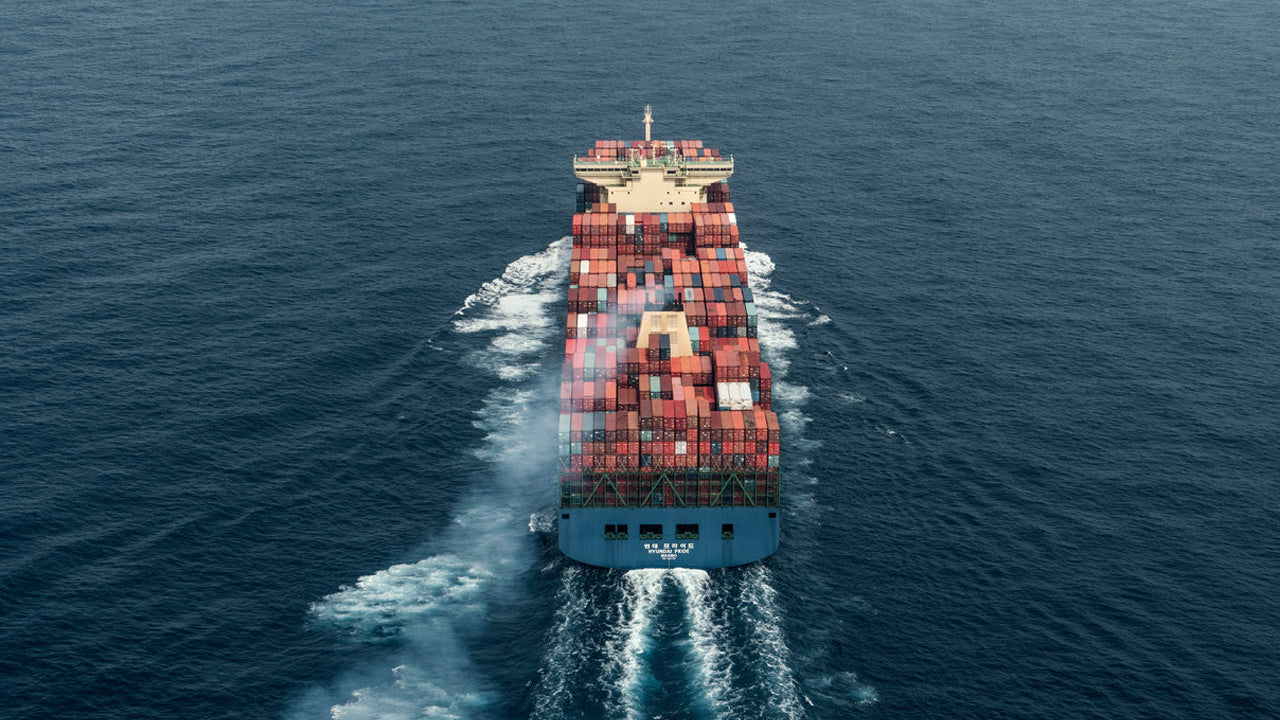
Colombo's defining commercial role is as a transshipment port — a point where goods from large ocean-going vessels are transferred onto smaller feeder ships serving regional destinations such as India, Bangladesh, and the Maldives. Around 70–75% of container throughput at Colombo is transshipment cargo, which means the port's activity is tied closely to global shipping volumes rather than to Sri Lanka's domestic import-export balance alone.
Major terminal operators including global port groups have invested in Colombo's facilities, and a deep-water terminal project on the western side of the harbour has expanded capacity further. This sustained investment reflects Colombo's strategic position: ships passing through the Suez Canal en route between Europe and Asia pass within a few hundred nautical miles of the port.
Is the Port of Colombo open to independent visitors?
The working port is a restricted-access facility and is not open to general tourists for independent exploration. Security protocols reflect both its commercial importance and its naval functions. Cruise passengers disembark through a designated terminal with customs and immigration facilities; independent travellers are not permitted to walk the cargo quays.
The surrounding Colombo Fort and Pettah districts, however, are fully accessible and offer rich street-level experiences — from the Dutch-period Wolvendaal Church to the bustling wholesale markets of Pettah. A guided Colombo city tour arranged through a local operator is the most efficient way to cover these areas, particularly for visitors with limited time between ship calls.
How do I get from the Port of Colombo to the city and beyond?
Taxis and ride-hailing services are available immediately outside the cruise terminal. The Colombo Fort railway station — the national rail hub — is approximately 1.5 kilometres from the port entrance, giving access to intercity trains heading to Kandy, Galle, and the Hill Country. Private transfers arranged in advance provide the most reliable option for passengers catching connecting flights at Bandaranaike International Airport, which lies around 35 kilometres north.
What makes Colombo an important Indian Ocean gateway?
Geography is the primary factor: Sri Lanka sits at the southern tip of the Indian subcontinent, directly on the east-west shipping lane that carries an estimated 60% of global container traffic. Colombo's natural harbour, combined with decades of infrastructure investment and competitive port tariffs, has allowed it to compete with larger regional hubs. For travellers, this means the port is increasingly a stop on major cruise itineraries covering the Indian Ocean, Arabian Sea, and Southeast Asia circuits.