Vanilla fragrans (Vanilla)


Vanilla is an economically important crop as it is the source of natural vanillin. It is believed that vanilla is indigenous to northeastern Mexico. It is ancient Totonaco Indians of Mexico who were the first keepers of the secrets of vanilla. When they were defeated by the Aztecs they were demanded to relinquish their exotic fruit, vanilla pods. Later Aztecs were defeated by the Spanish and Spaniard Hernando Cortez, the Spanish mariner, returned to Spain with the precious plunder vanilla beans which were combined with cacao to make an unusual and pleasing drink. For eighty years this special beverage was only enjoyed by the nobility and the very rich. Then in 1602 Hugh Morgan, Apothecary to Queen Elizabeth I, suggested that vanilla could be used as a flavoring all by itself and versatility of the exotic bean was finally uncovered. However, only in 1858, Gobley was able to isolate vanillin from vanilla pods. Today vanilla is grown by Madagascar, Indonesia, Mexico, Tahiti and few other countries including Sri Lanka as a commercial crop.
Products and Uses
Vanillin is the main product extracted from vanilla. It is used as a flavor ingredient in the confectionery industry, perfumery, and pharmaceutical industries.
Major Growing Areas
In Sri Lanka vanilla is mainly confined as a home garden crop grown in mid and low country wet zone. Total extent is less than 100ha. and the main growing areas are Kandy, Nuwara Eliya, Matale, and Kegalle districts.
Varieties
No specific varieties have been identified in Sri Lanka and planting material is taken from traditionally grown vines.
Soils and Climatic needs
Soil
High fertile well-drained loamy soils are preferable. Soils should be rich in organic matter.
Climate
Altitude – Vanilla performs well up to 1000m above the mean sea level. Temperature – 21-32 0C is suitable. But Vanilla performs well at 27 0C
Rainfall – 2000-2500 mm. But 2-3 months dry spell is needed for flower initiation.
Standard quality Specifications
- Length of pods – between 17-25cm Smell – Inherited vanilla smell
- Color – Dark brown or black color Appearance – Shiny oily surface
- Lack of insect attacks or other patches
- Cleanness – Lack of extraneous matter, animal o plant parts or insects Moisture – around 25%-30%
Medicinal and chemical properties
Though there are many compounds presents in the extracts of vanilla, Vanillin (4-hydroxy-3-methoxybenzaldehyde) is primarily responsible for the characteristic flavor and smell of vanilla. However, there are hundreds of minor compounds in vanilla extract. The main compound in vanilla oil is piperonal (heliotropin)
-
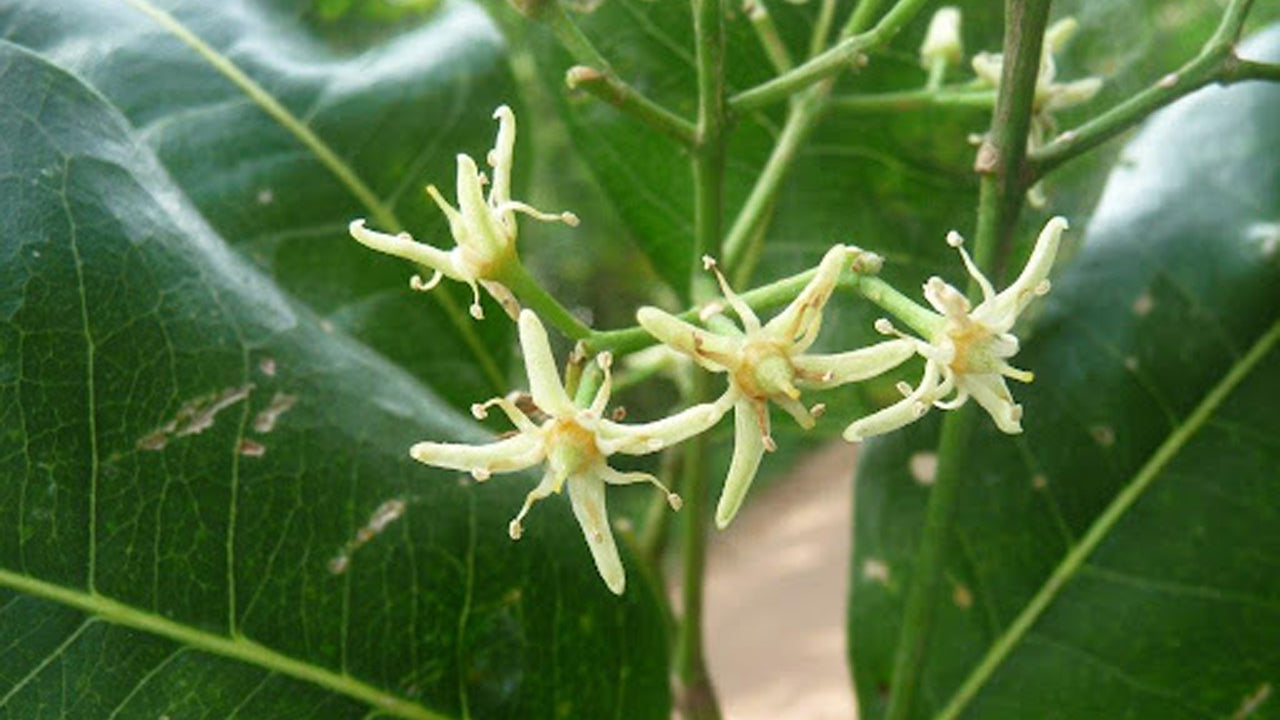
Claw-flowered laurel
Acronychia pedunculata -
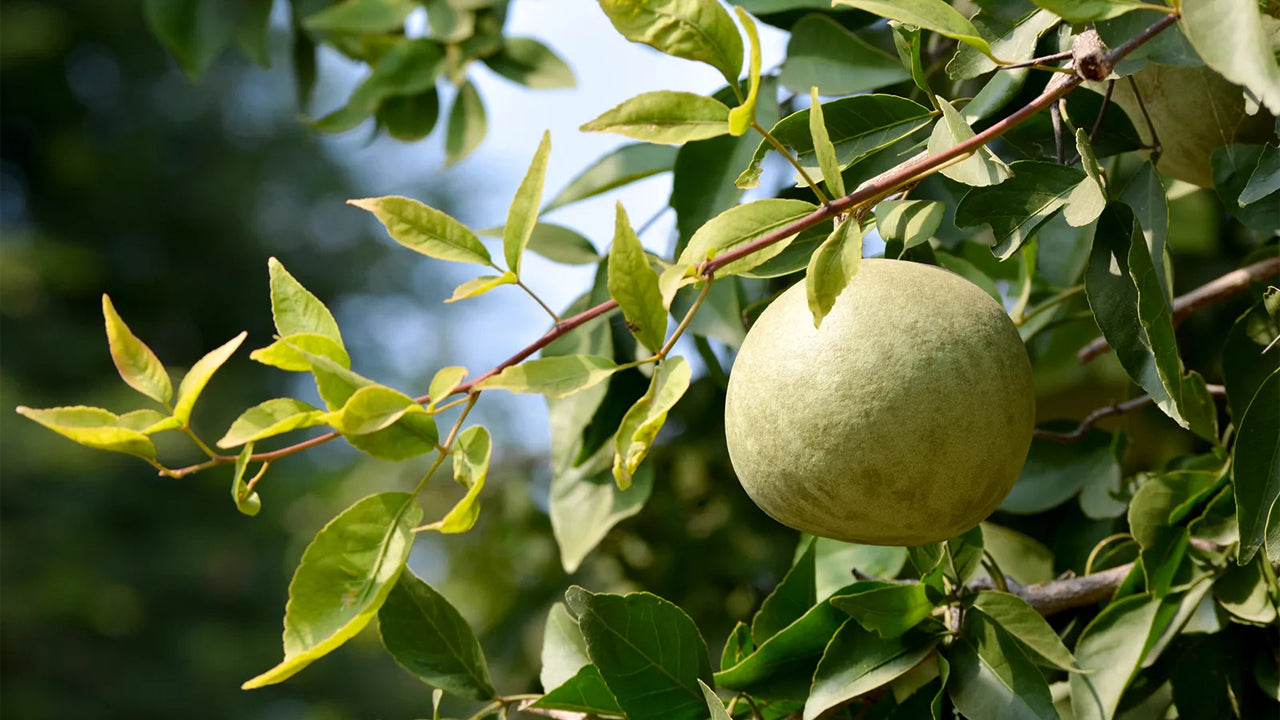
Bael
Aegle marmelos -
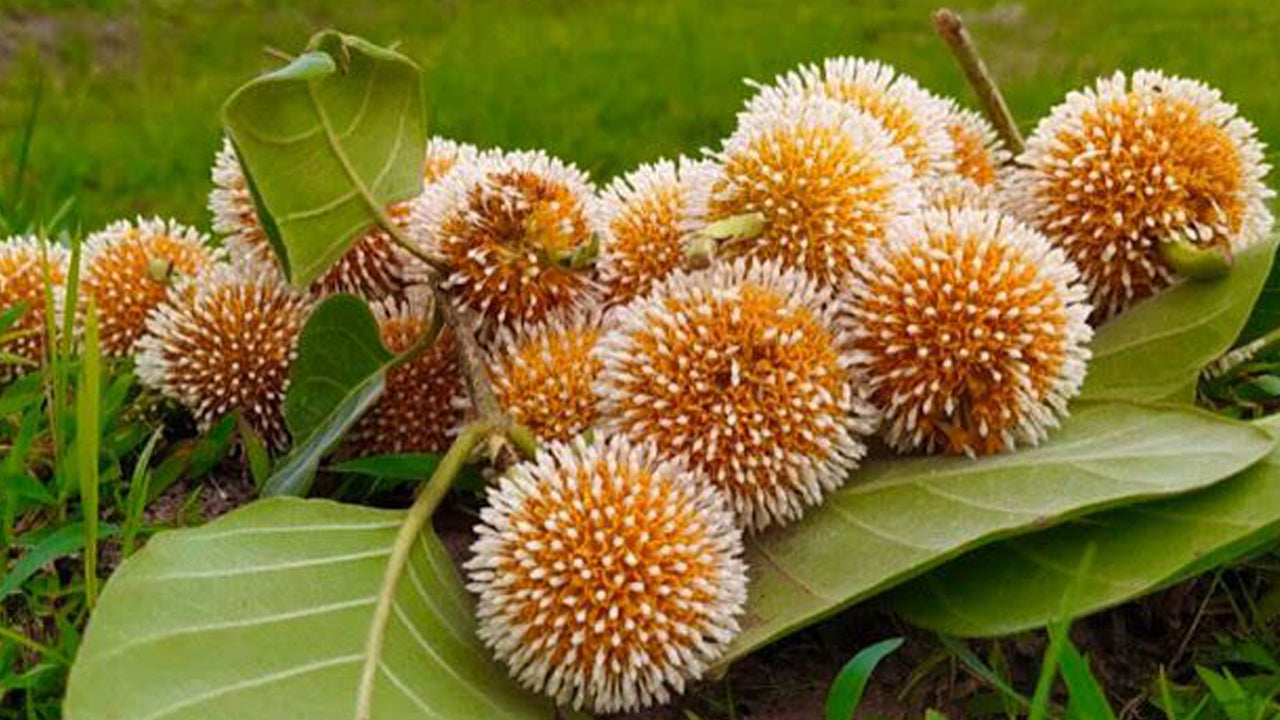
Leichhardt tree
Nauclea orientalis -
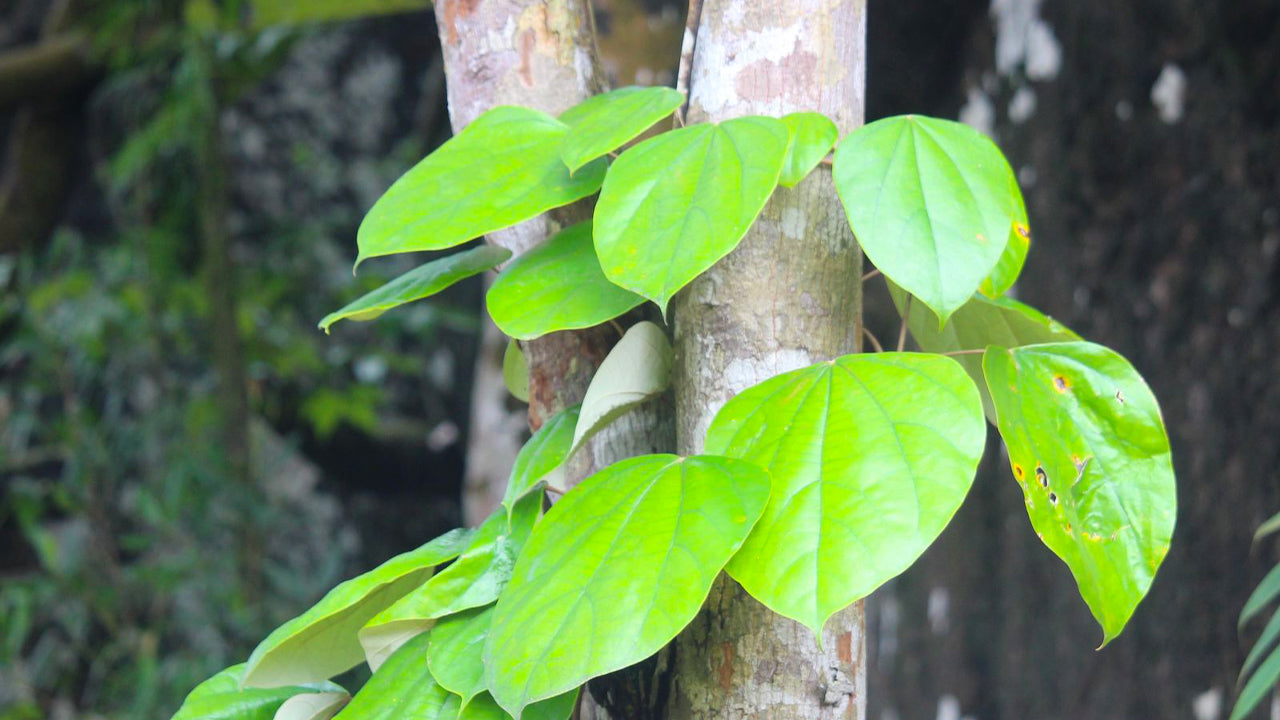
False Calumba
Coscinium fenestratum -

Malabar Gulbel
Tinospora malabarica -
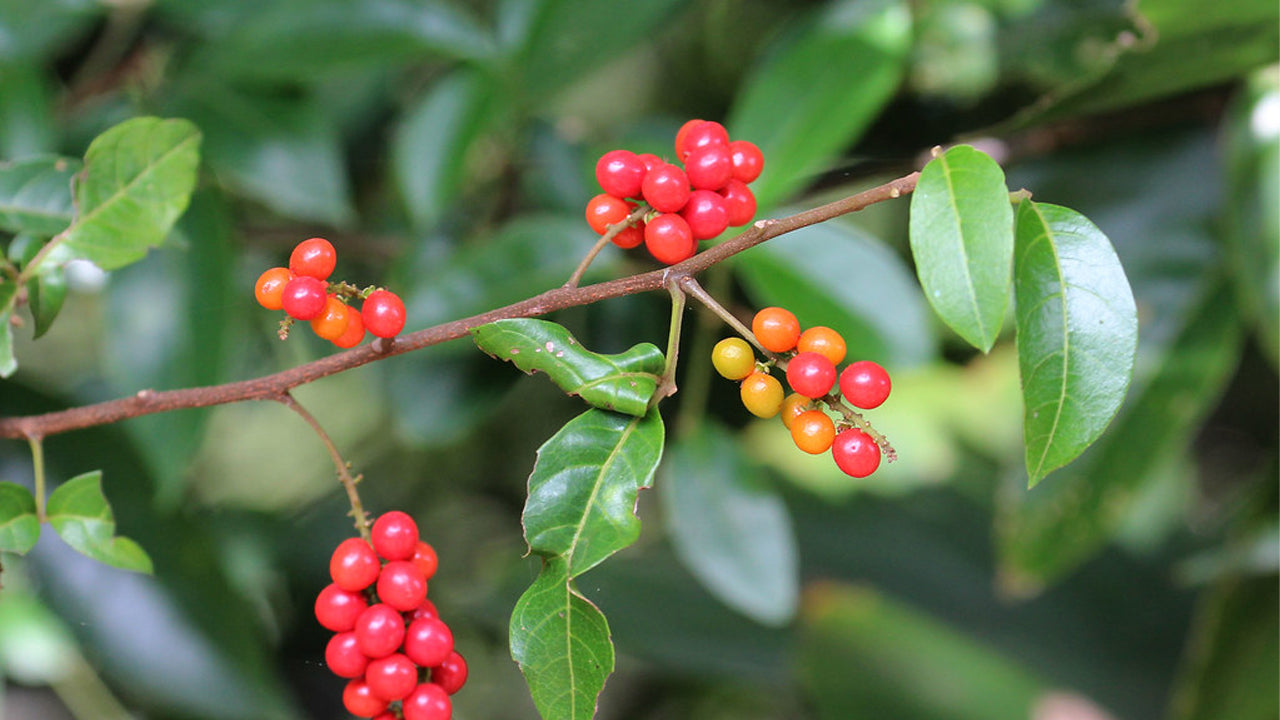
Titberry
Allophylus cobbe -
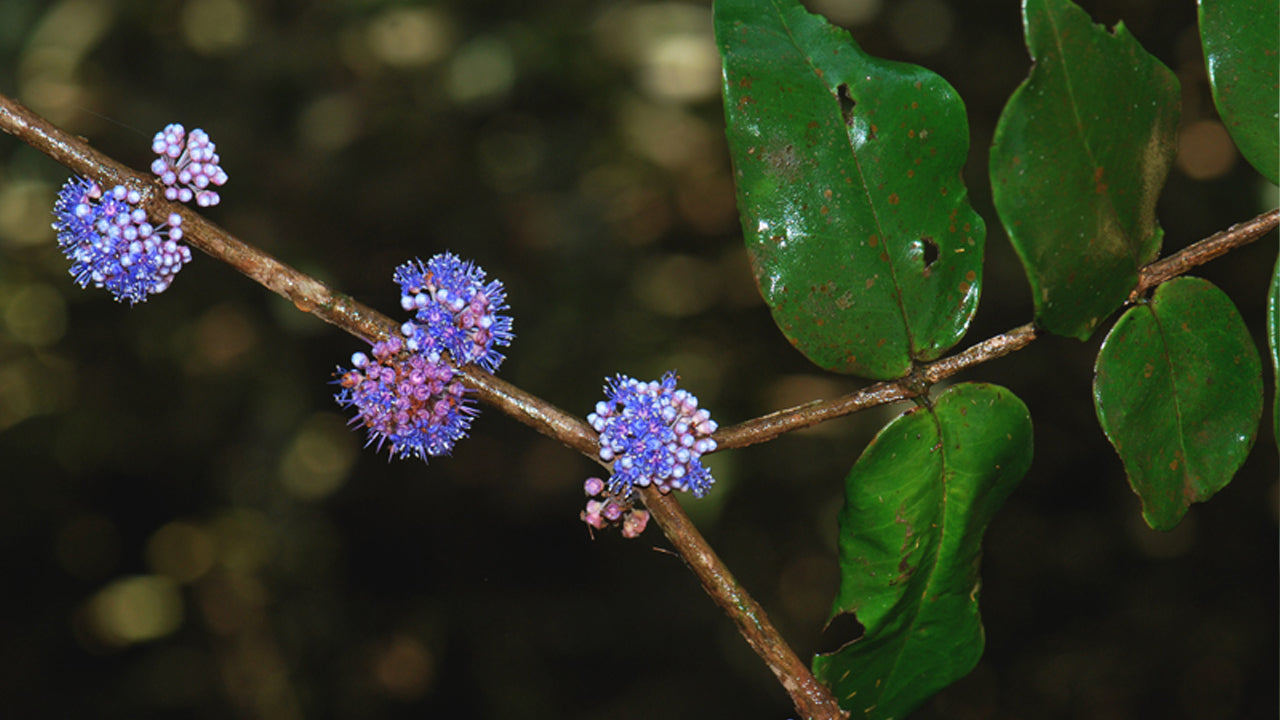
Ironwood Tree
Memecylon capitellatum -
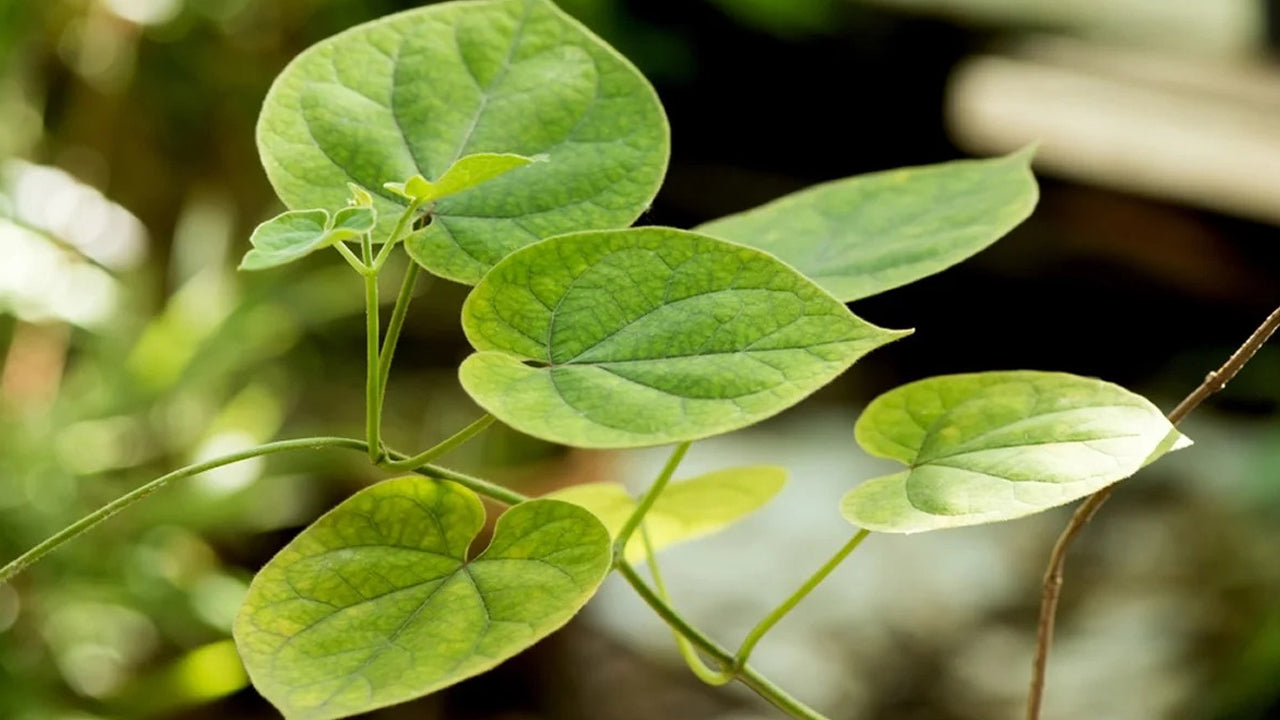
Velvet Leaf
Cissampelos pareira -
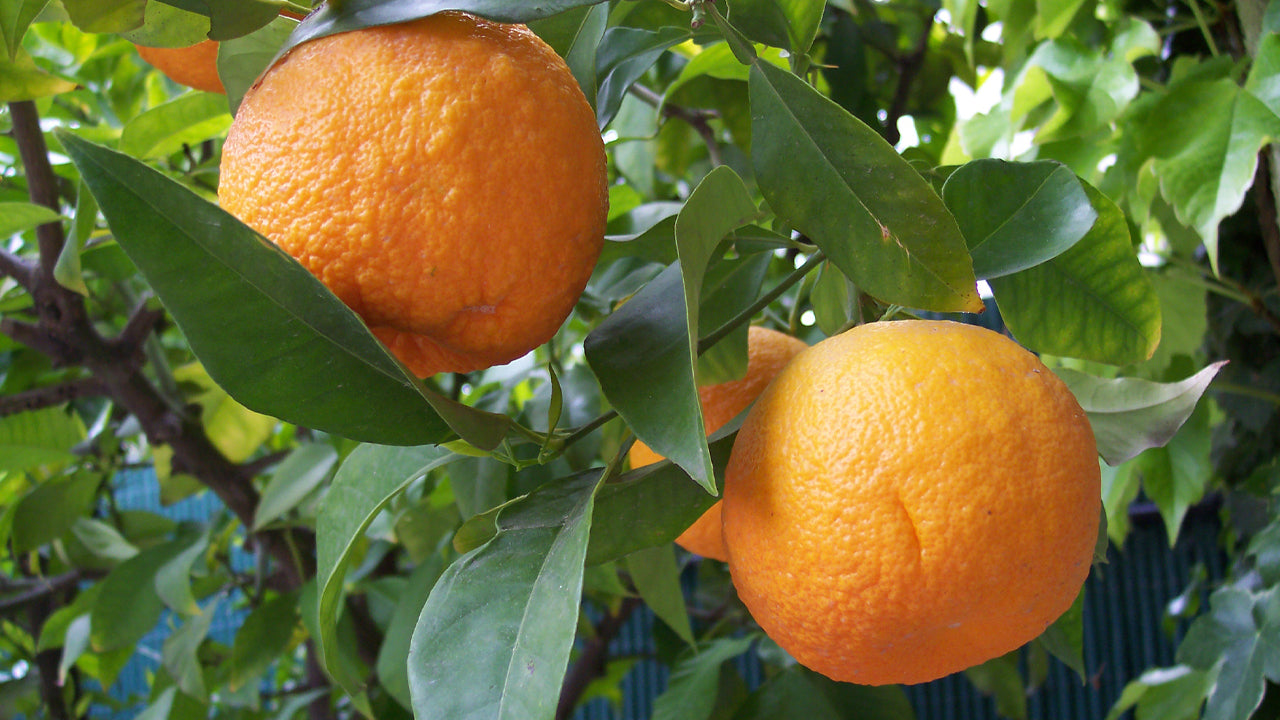
Bitter orange
Citrus aurantium -

Reinwardt's Tree Plant
Biophytun reinward -
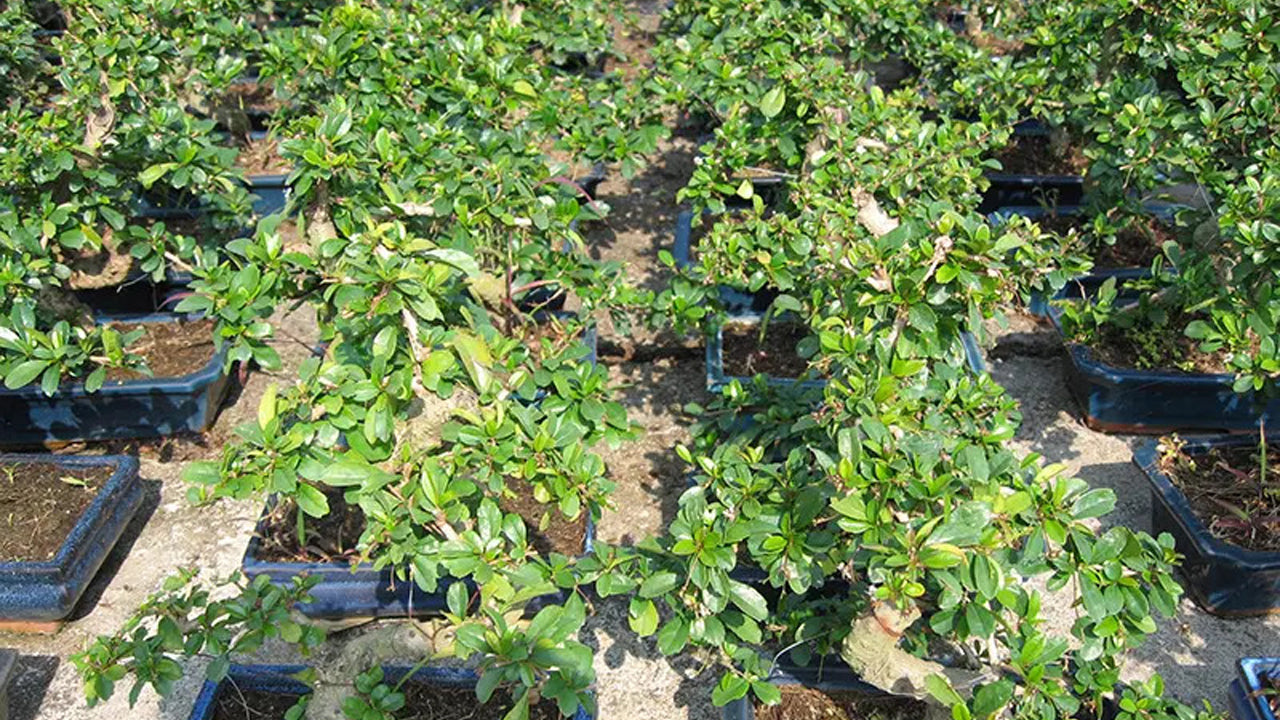
Fukien tea
Carmona microphylla -
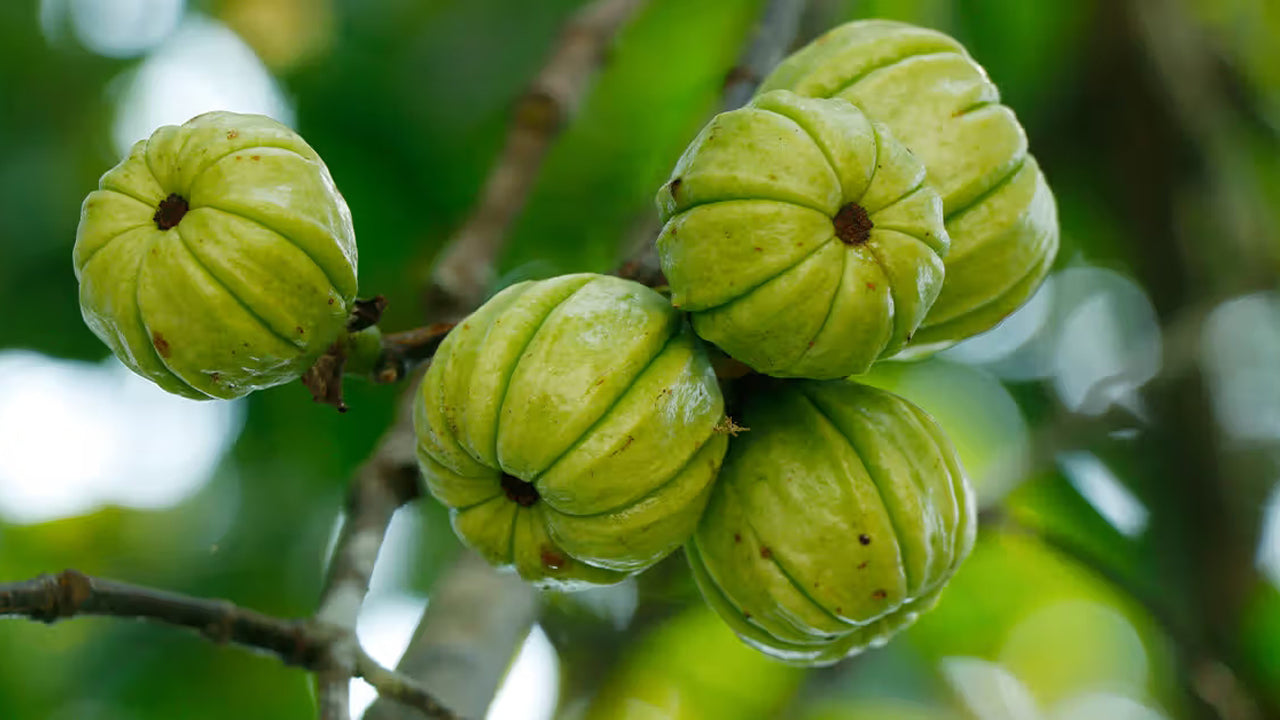
Malabar tamarind
Garcinia cambogia -
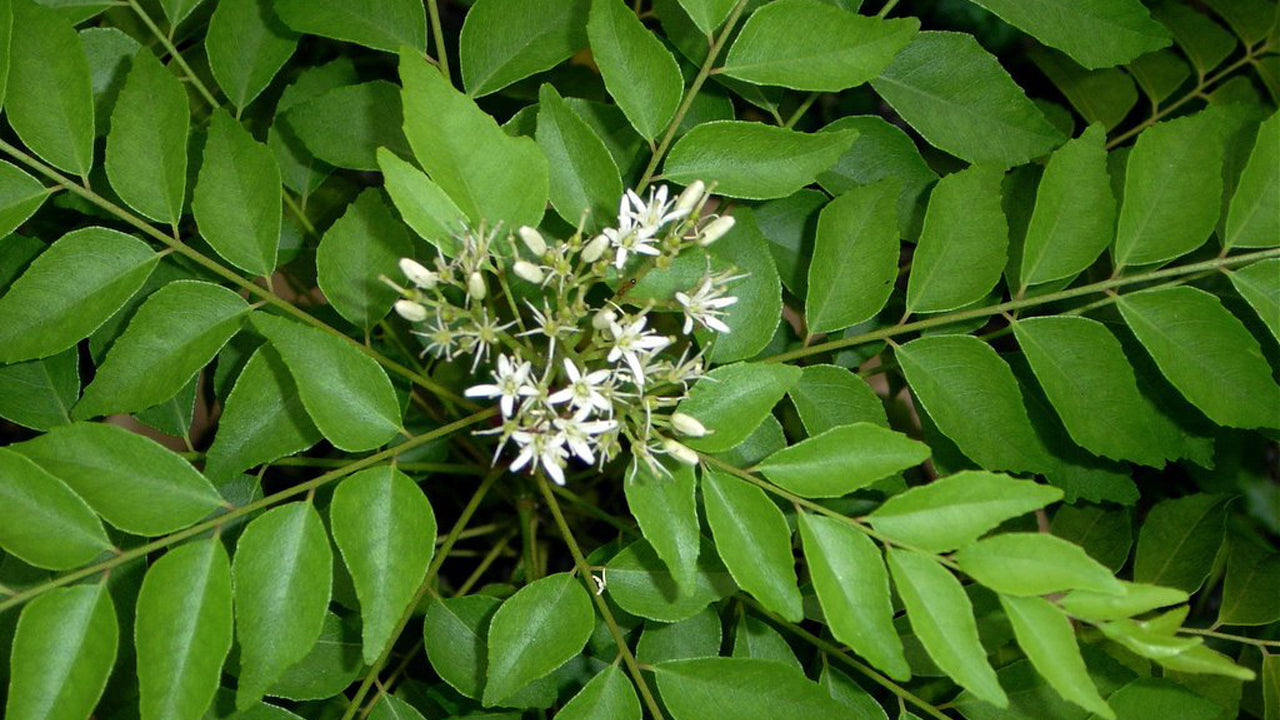
Curry leaf tree
Murraya koenigii -
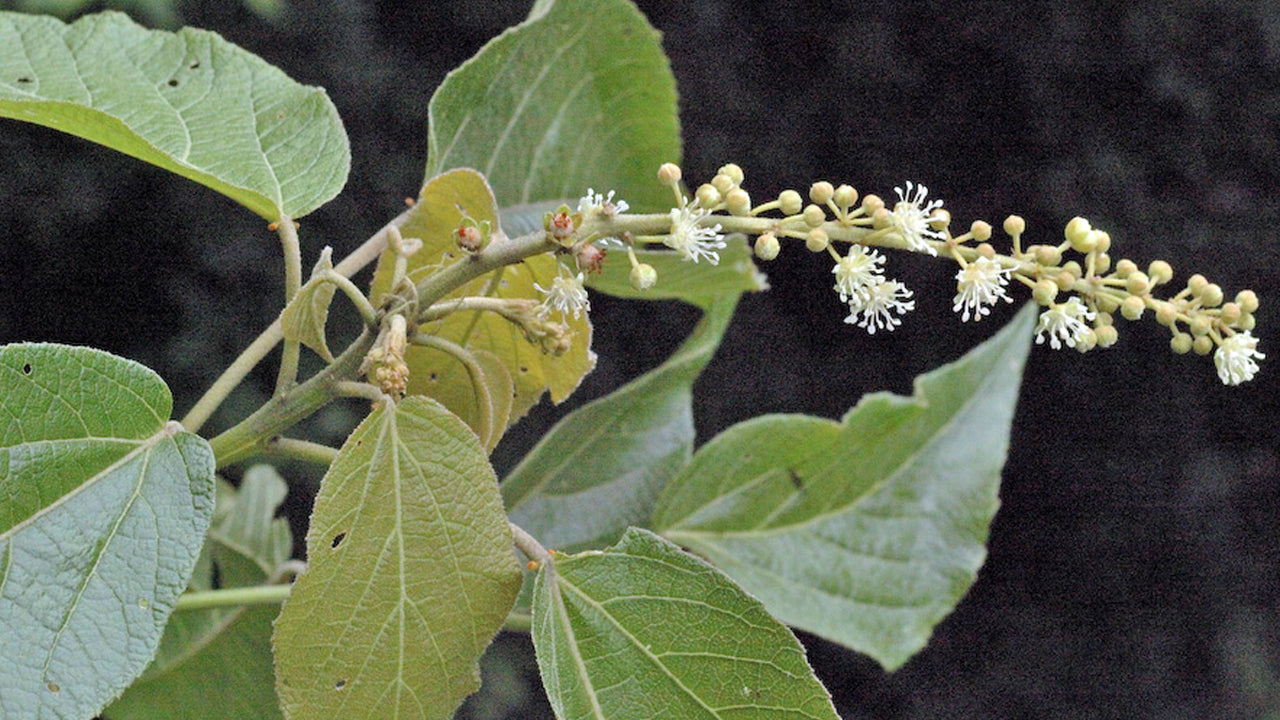
Kappetiya
Croton laccifer -
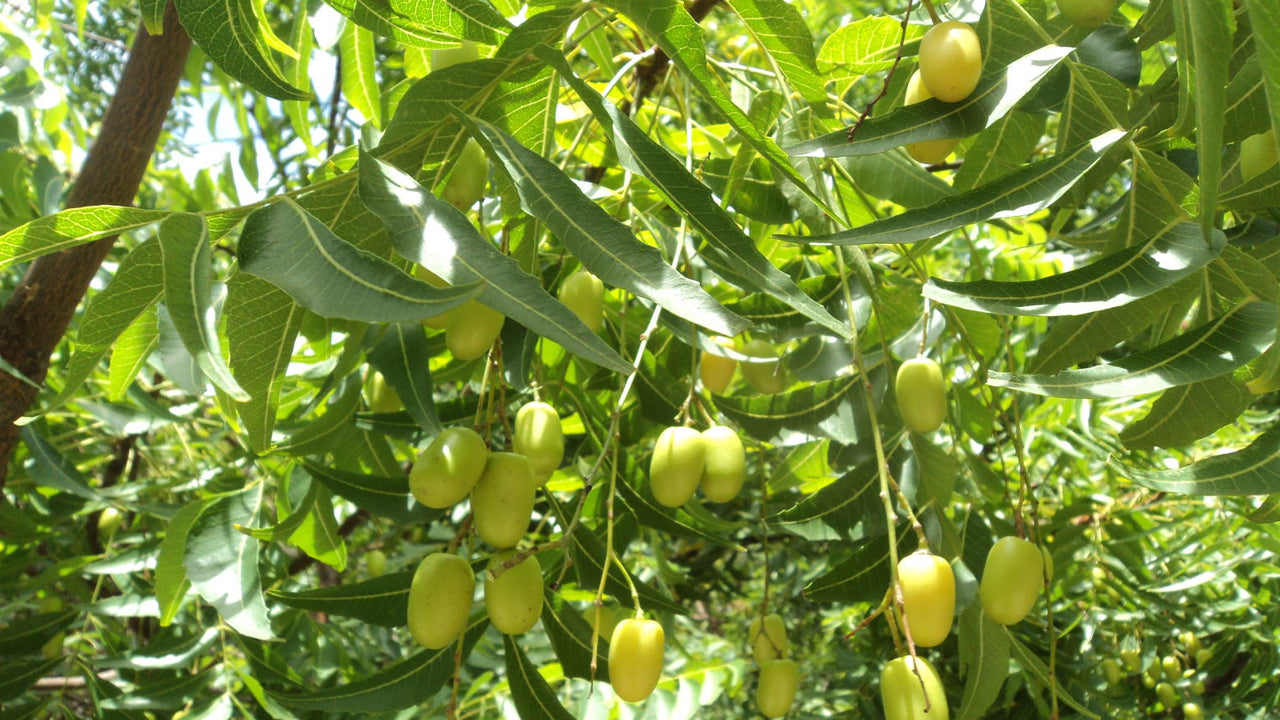
Indian lilac
Azadirachta indica -
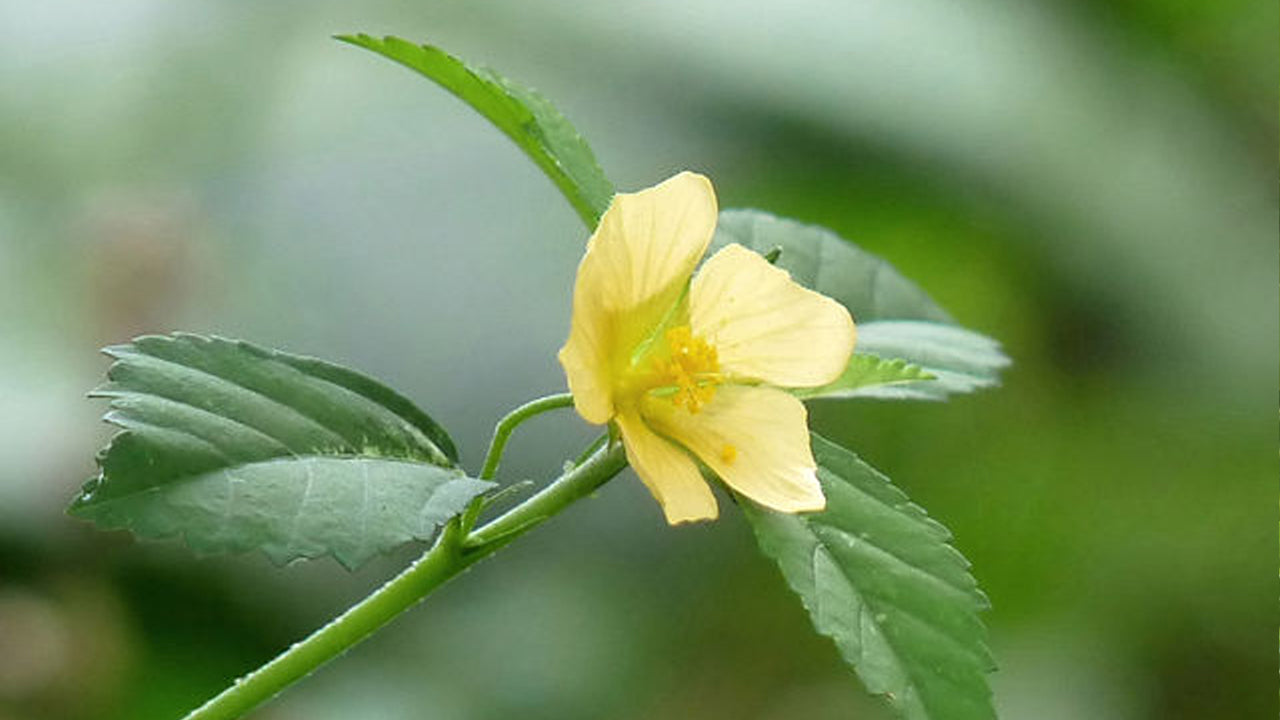
Spiny sida
Sida alba -
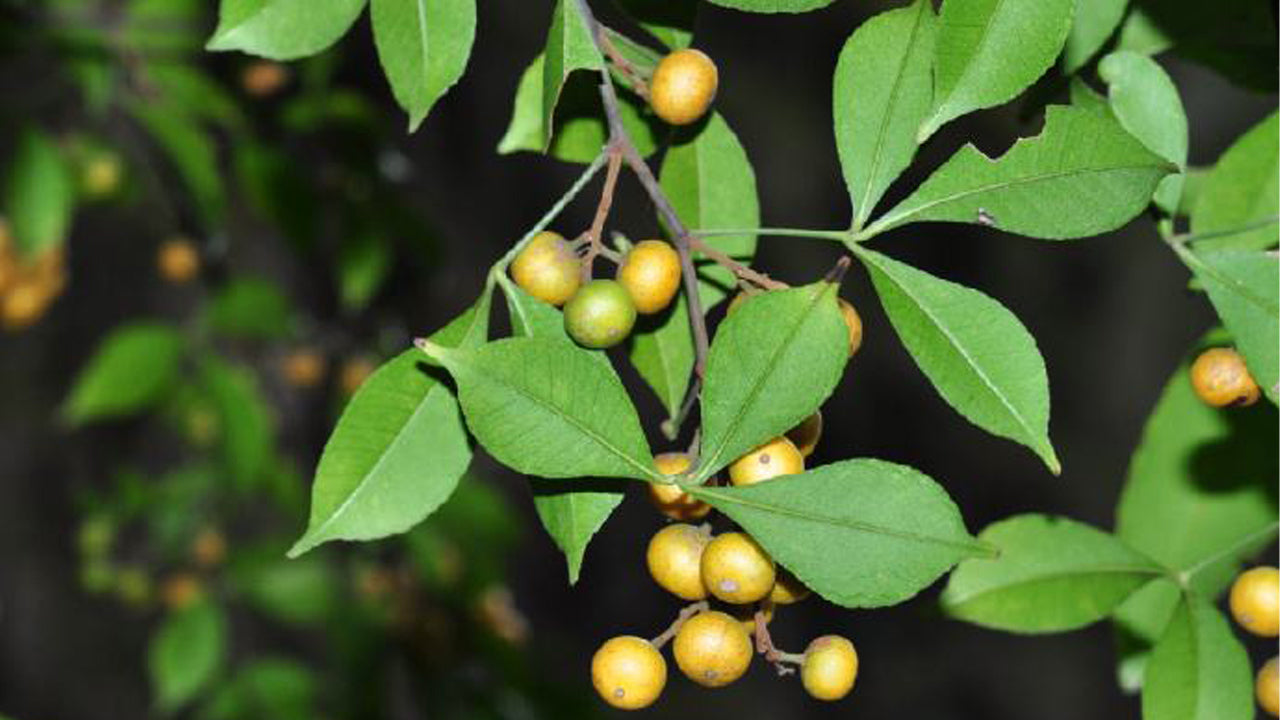
Orange climber
Toddlia asiatica -
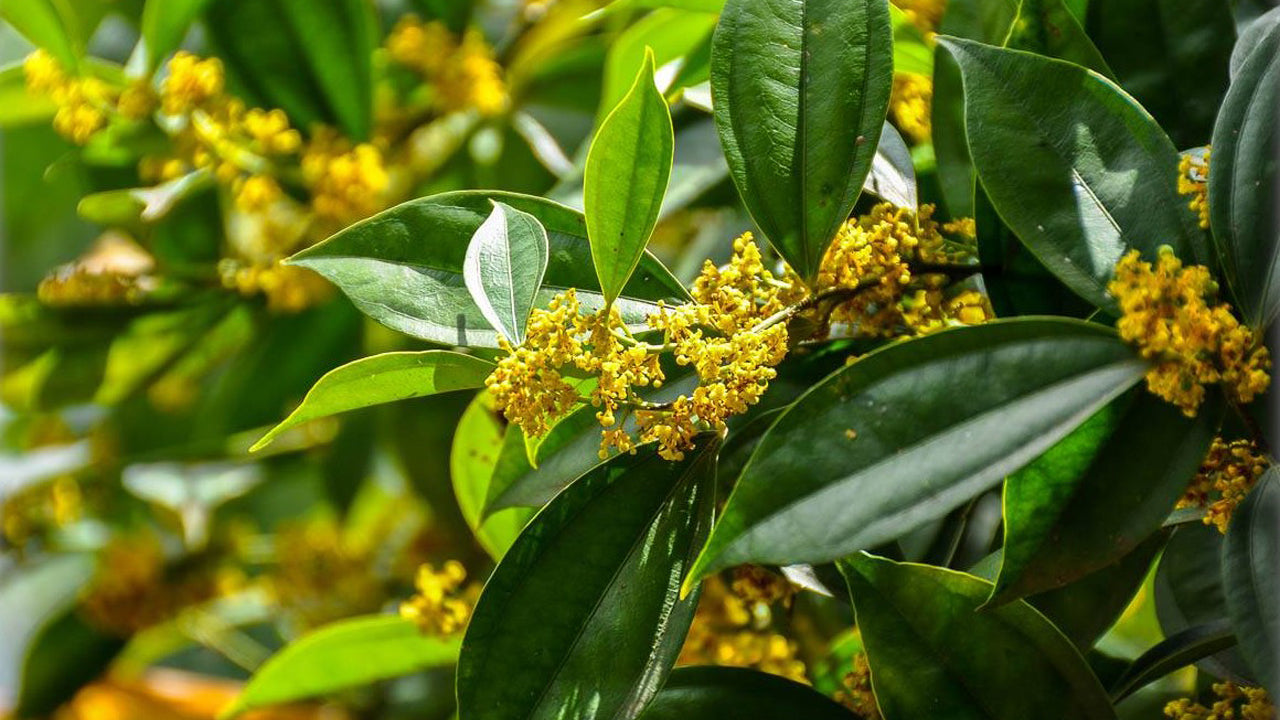
Ceylon cinnamon
Cinnamomum zeylanicum -
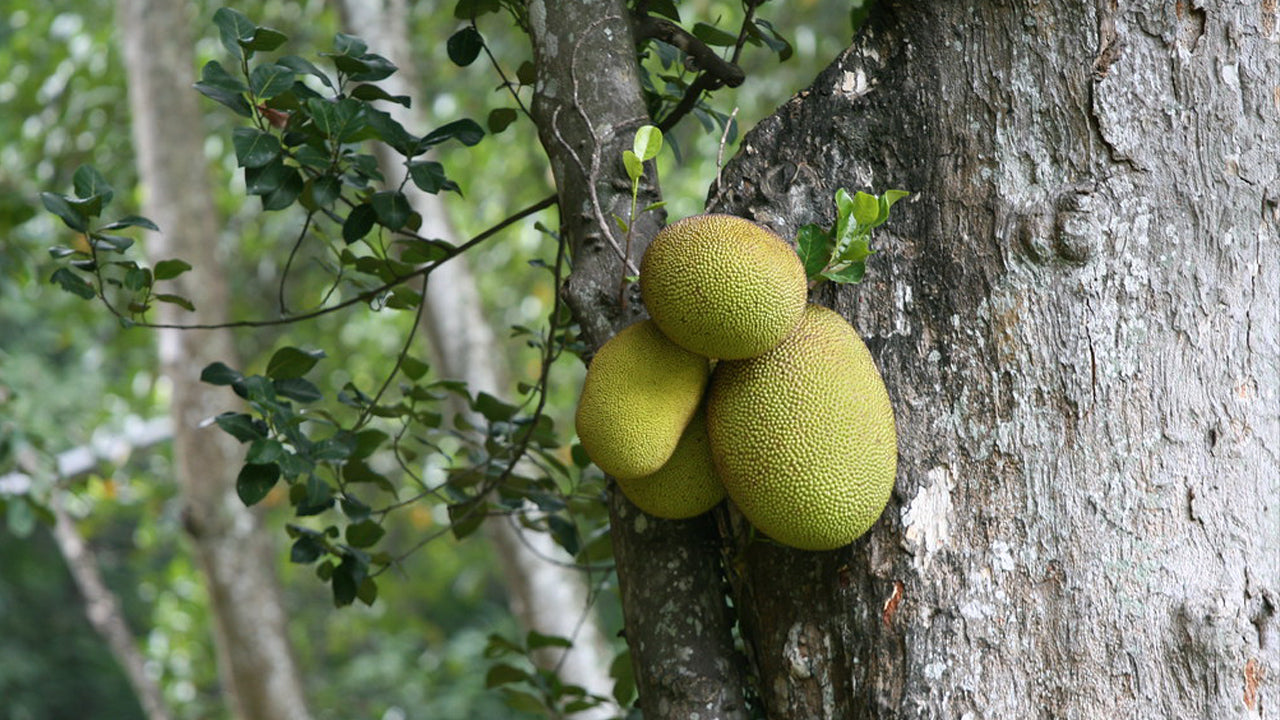
Jackfruit
Artocarpus heterophyllus -
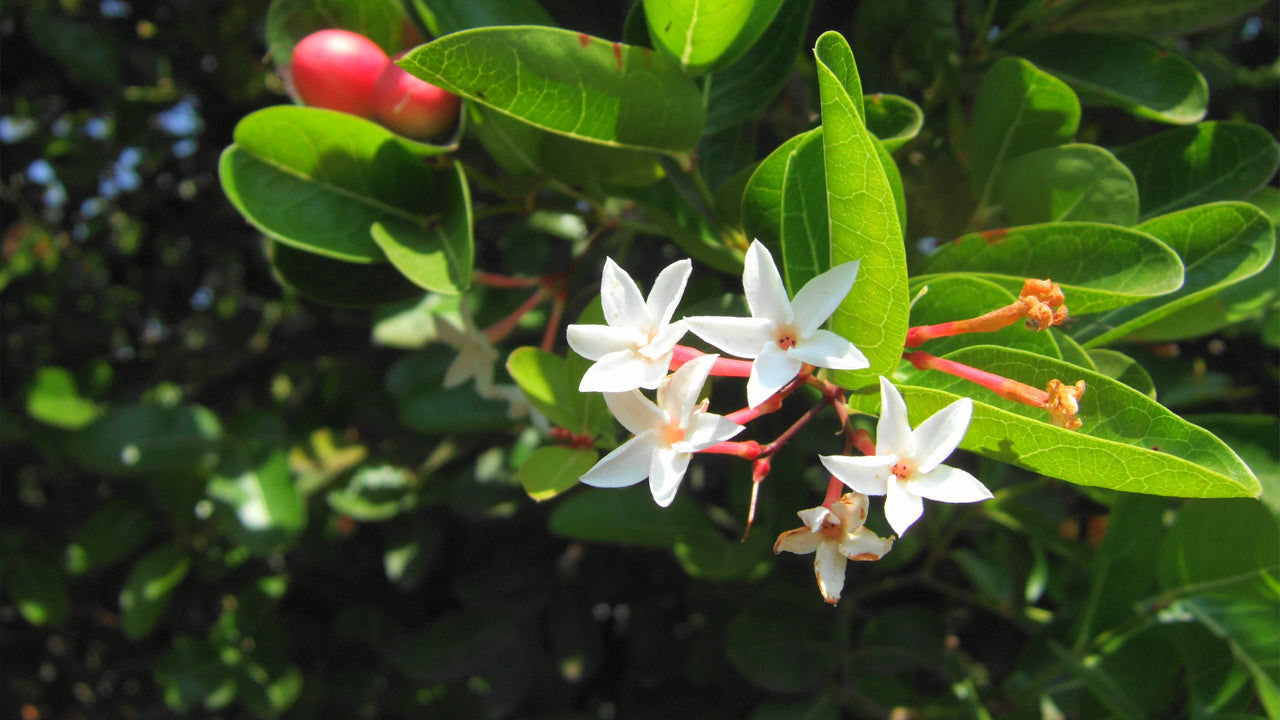
Karonda
Carissa carandas -
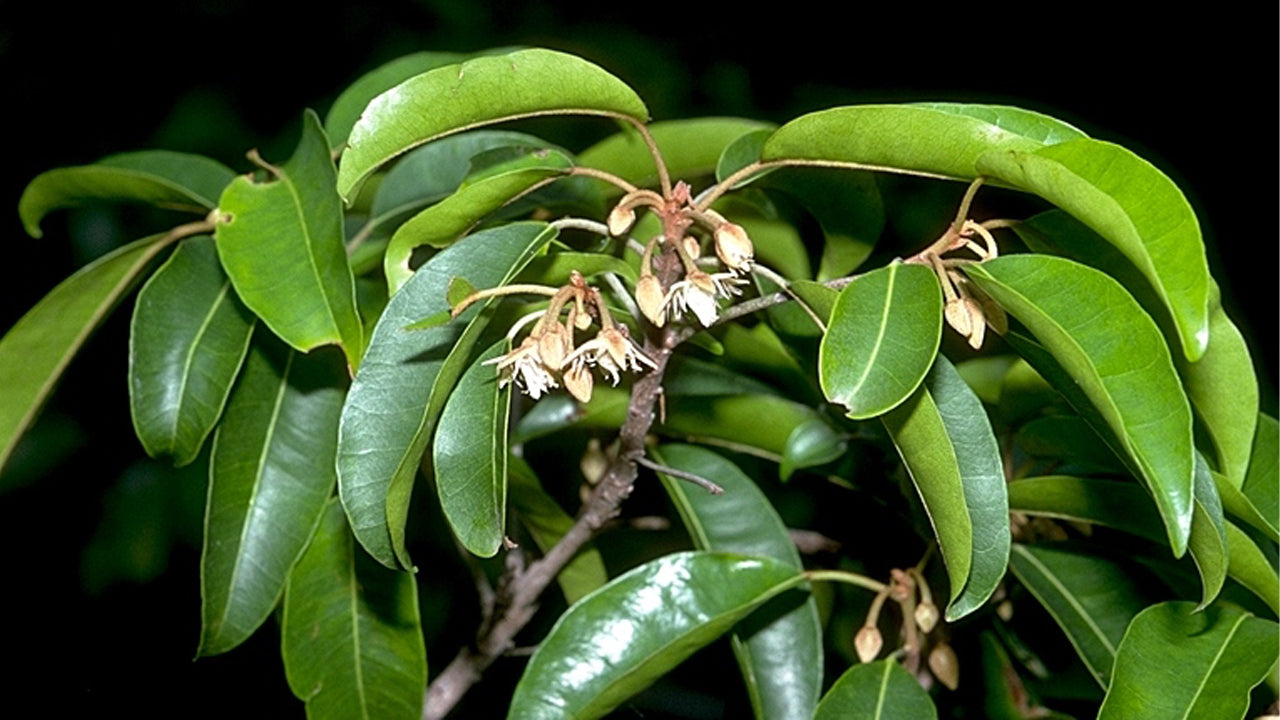
Spanish cherry
Mimusops elengi -
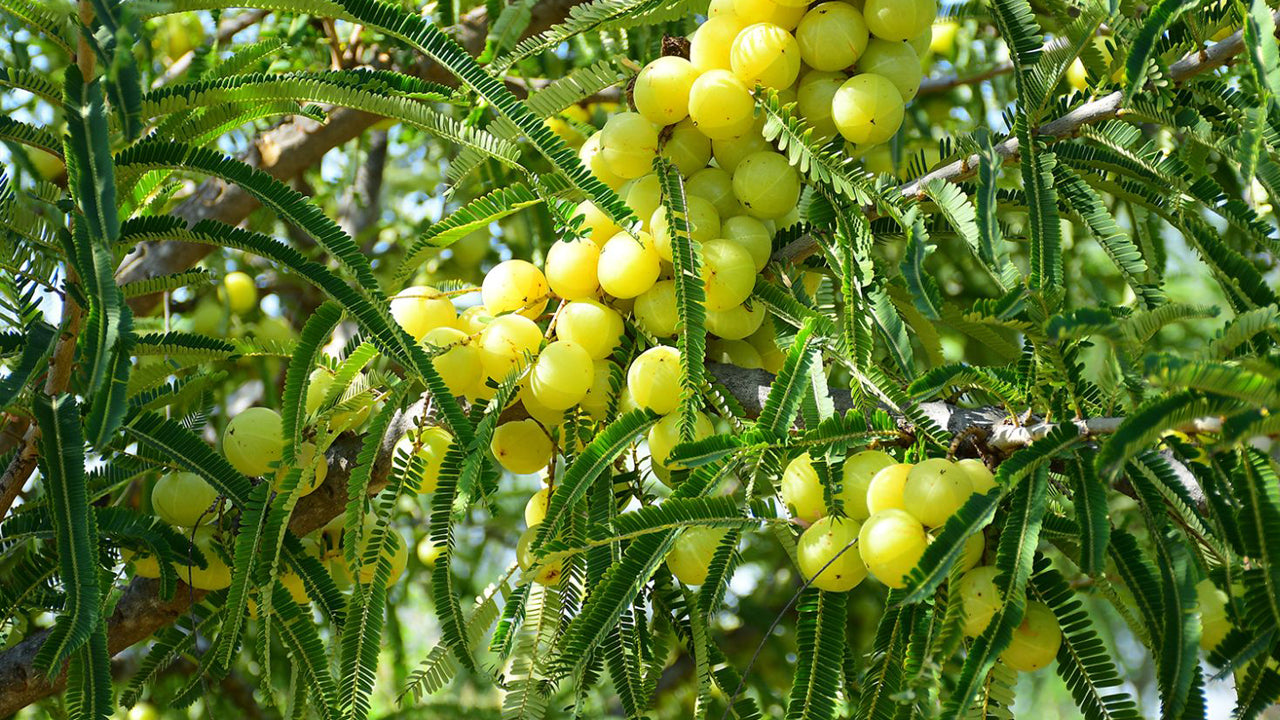
Indian gooseberry
Phyltanthus emblica -
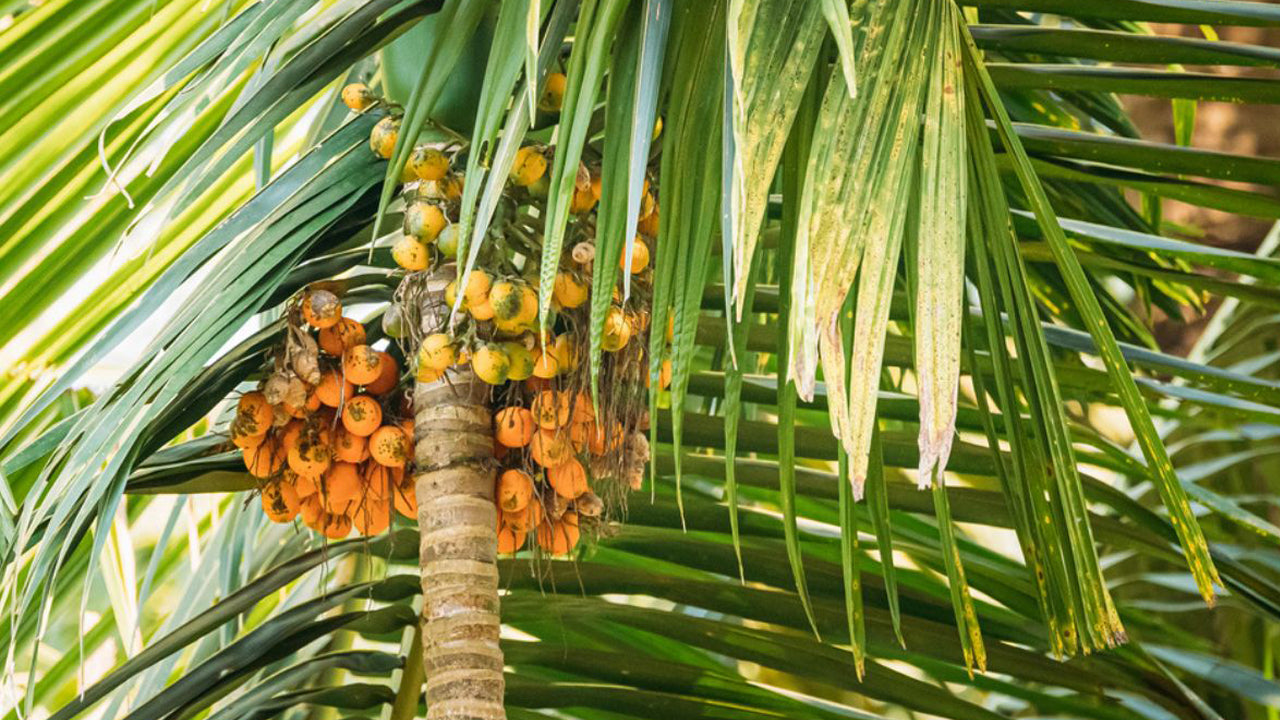
Betel palm
Areca catechu -
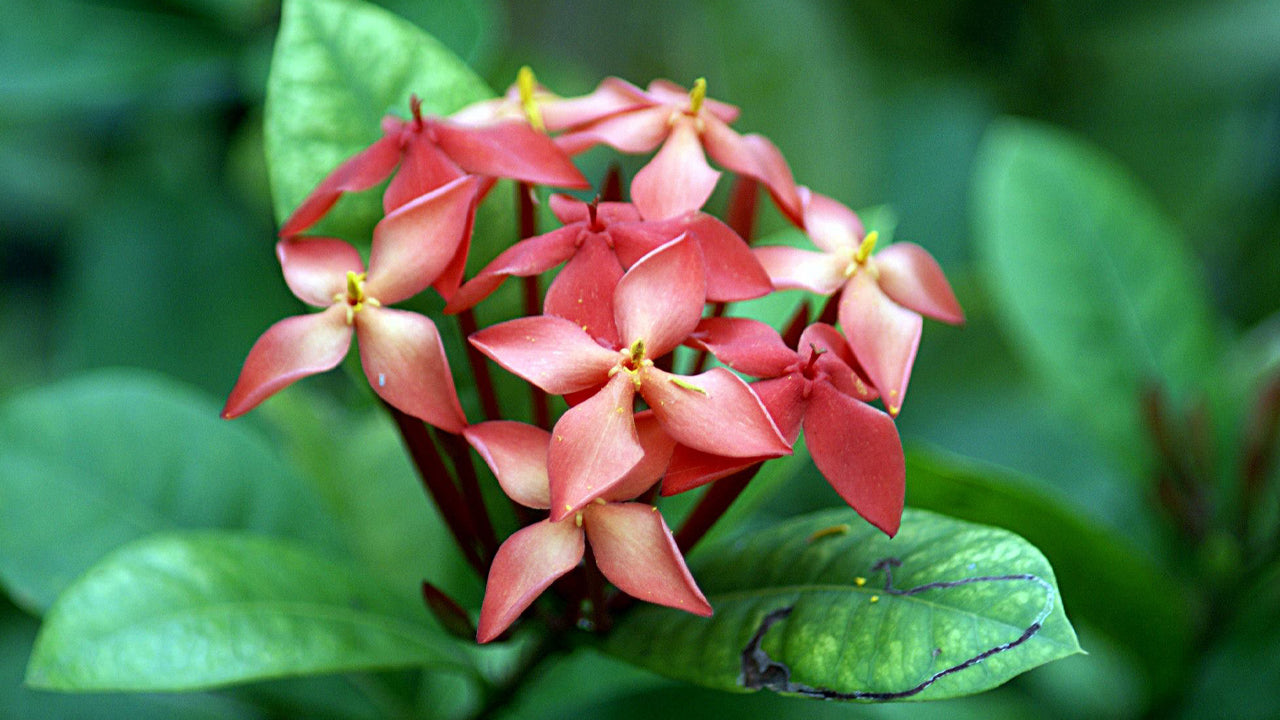
Jungle geranium
Ixora coccinea -
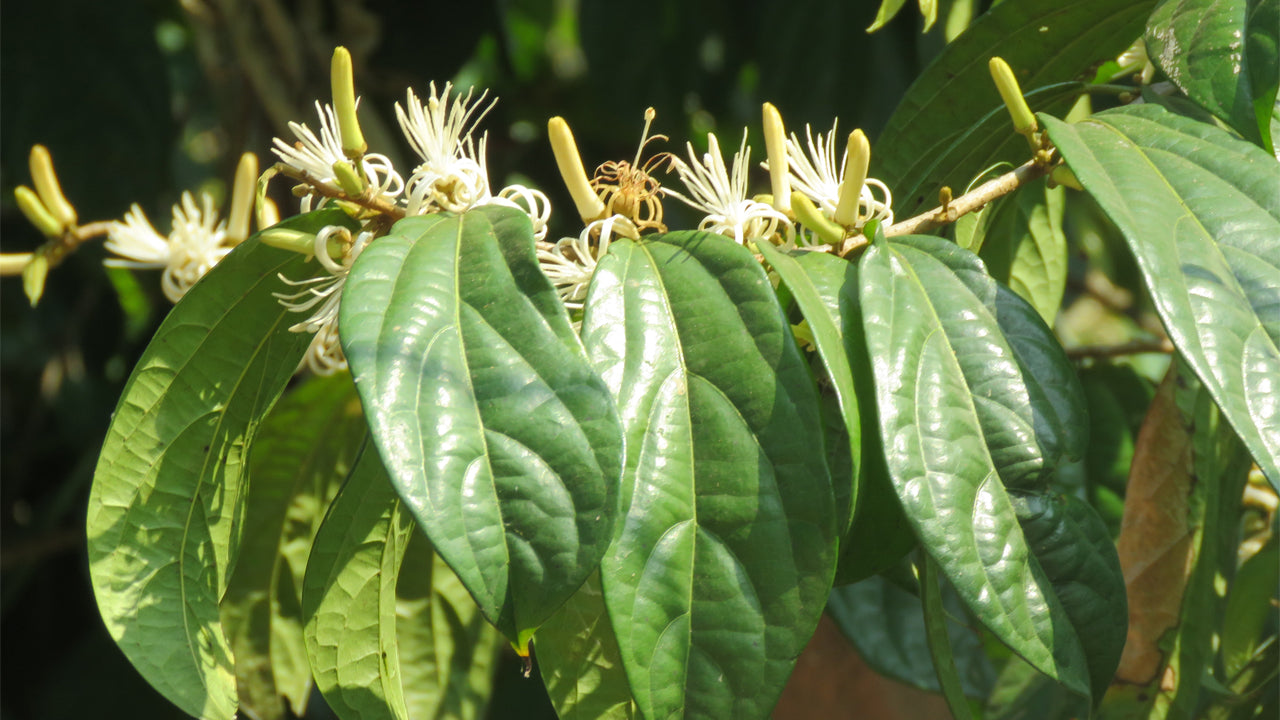
Sage-leaved alangium
Alangium salviifolium -
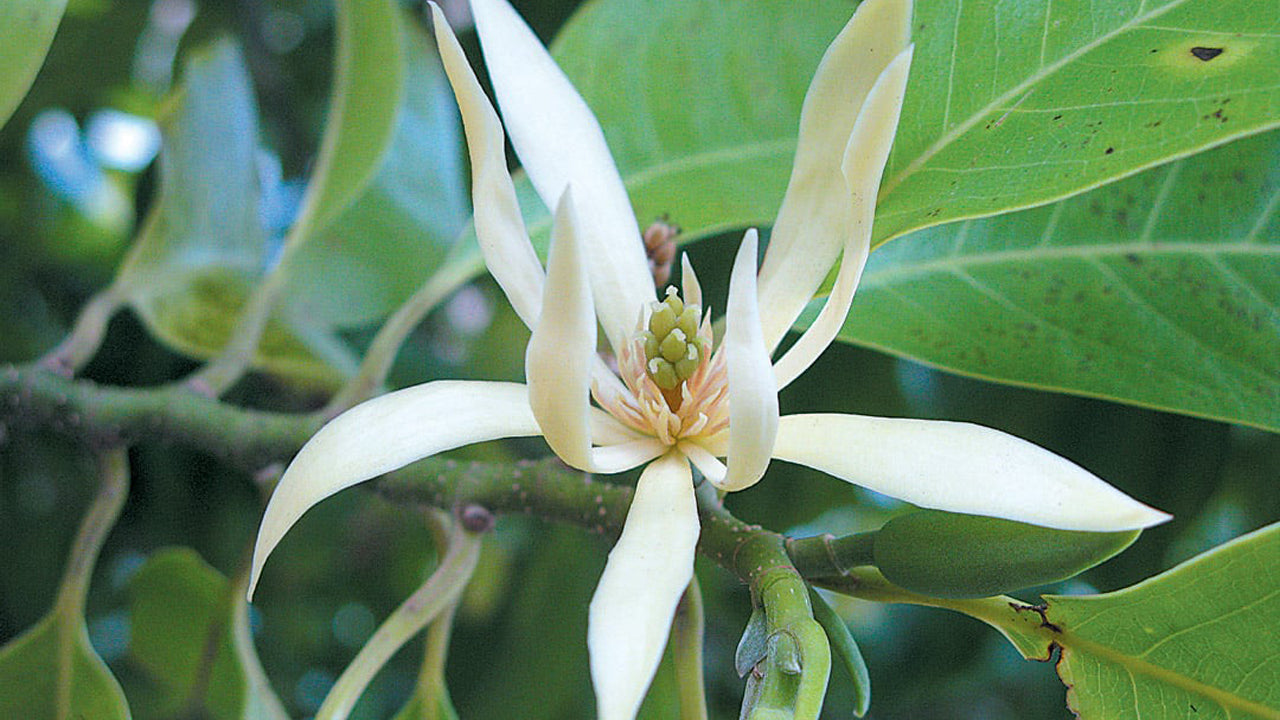
Champak
Michelia champaca -
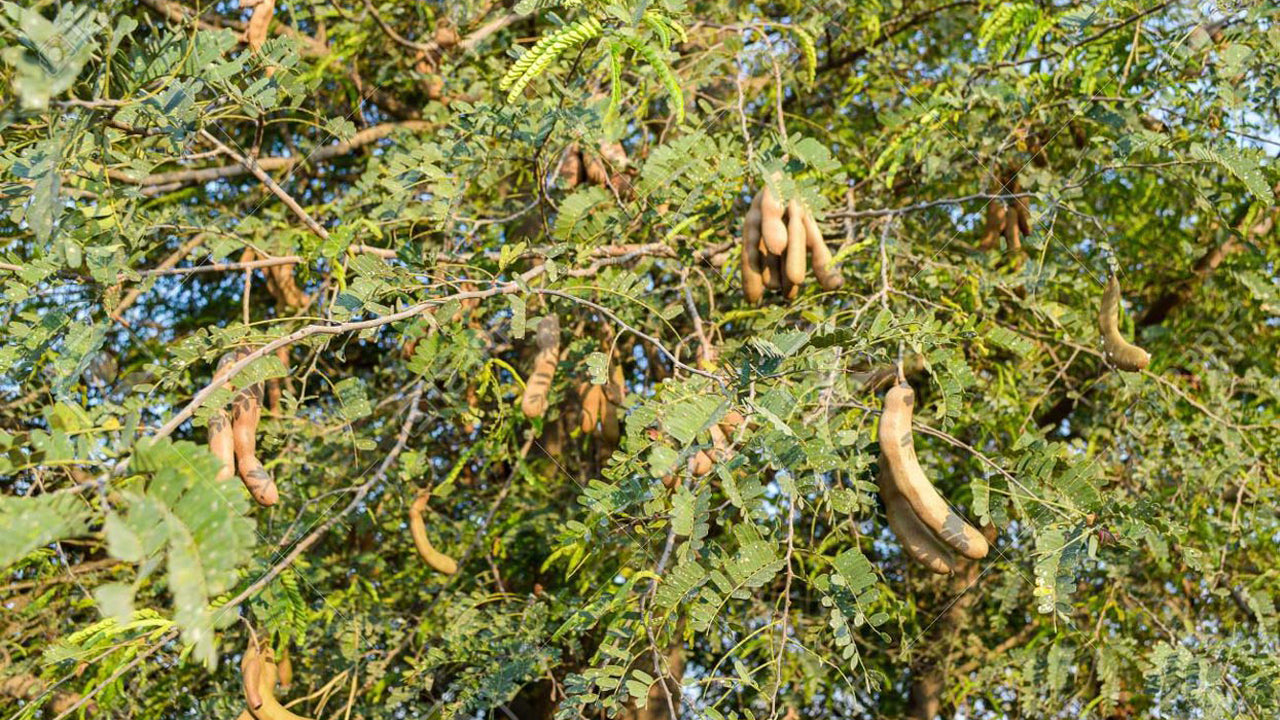
Tamarind
Tamarindus indica -
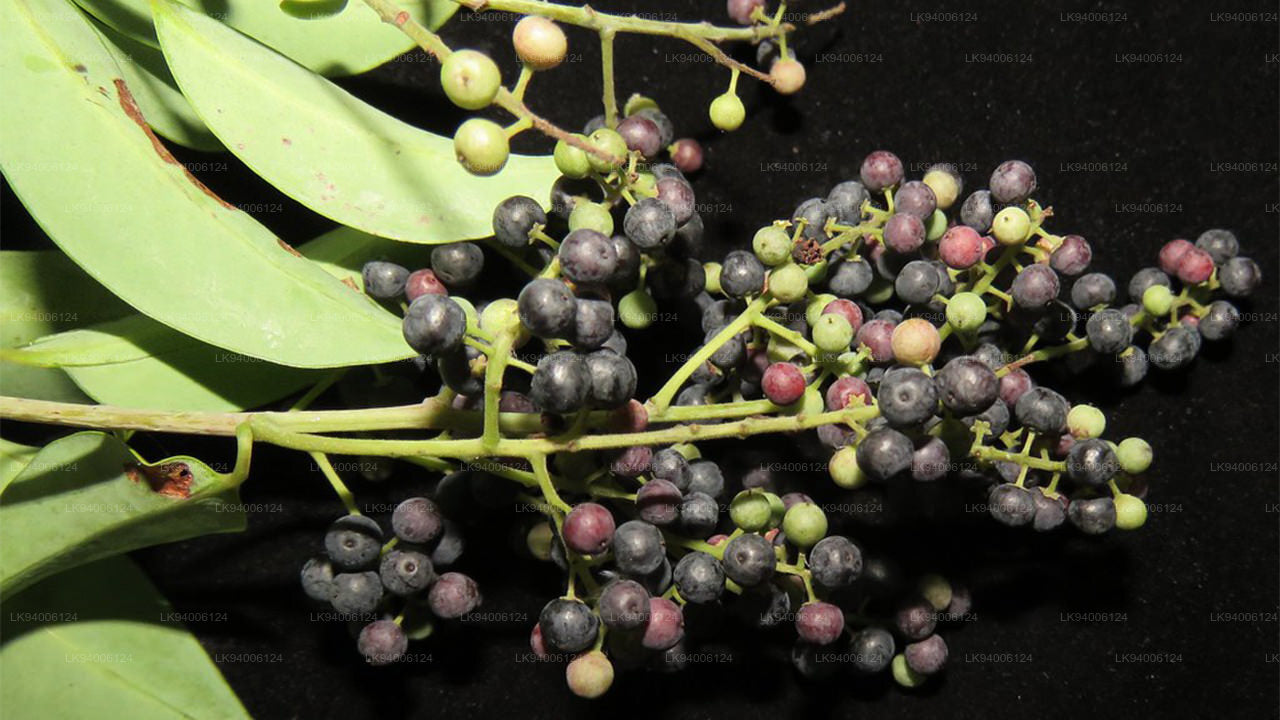
False Black Pepper
Embelia ribes -
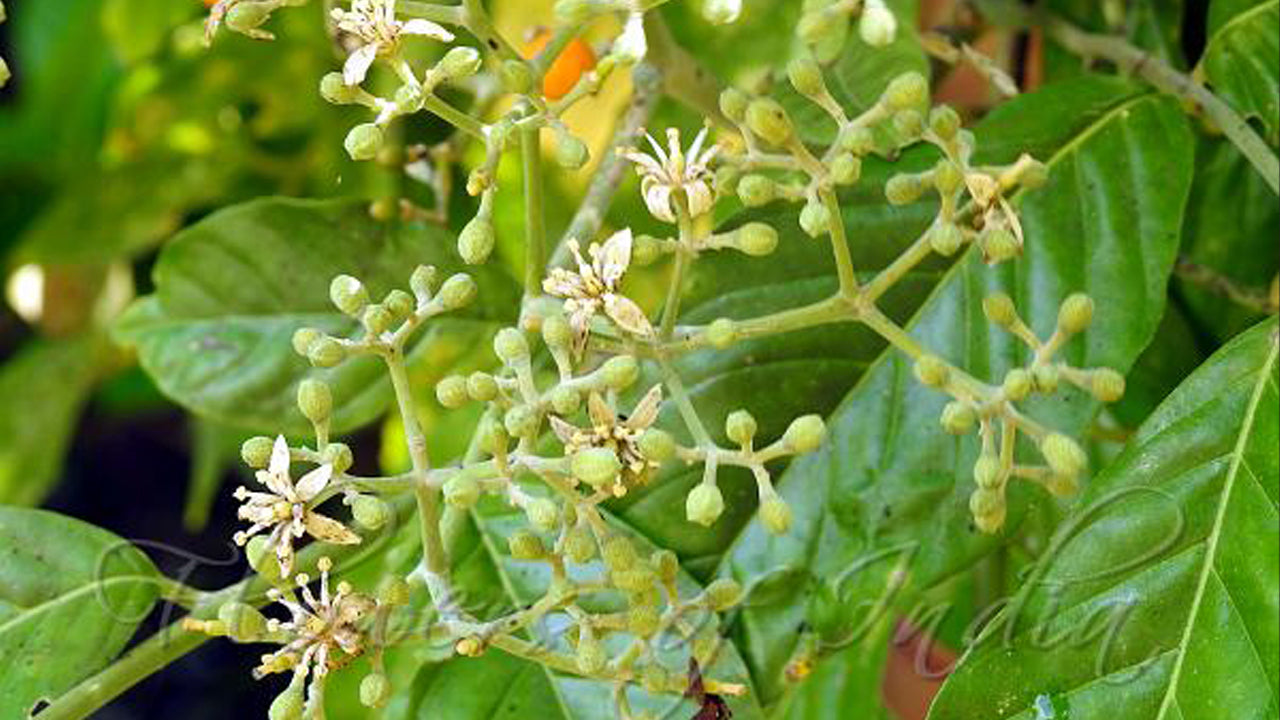
Limeberry
Micromelum ceylanicum -
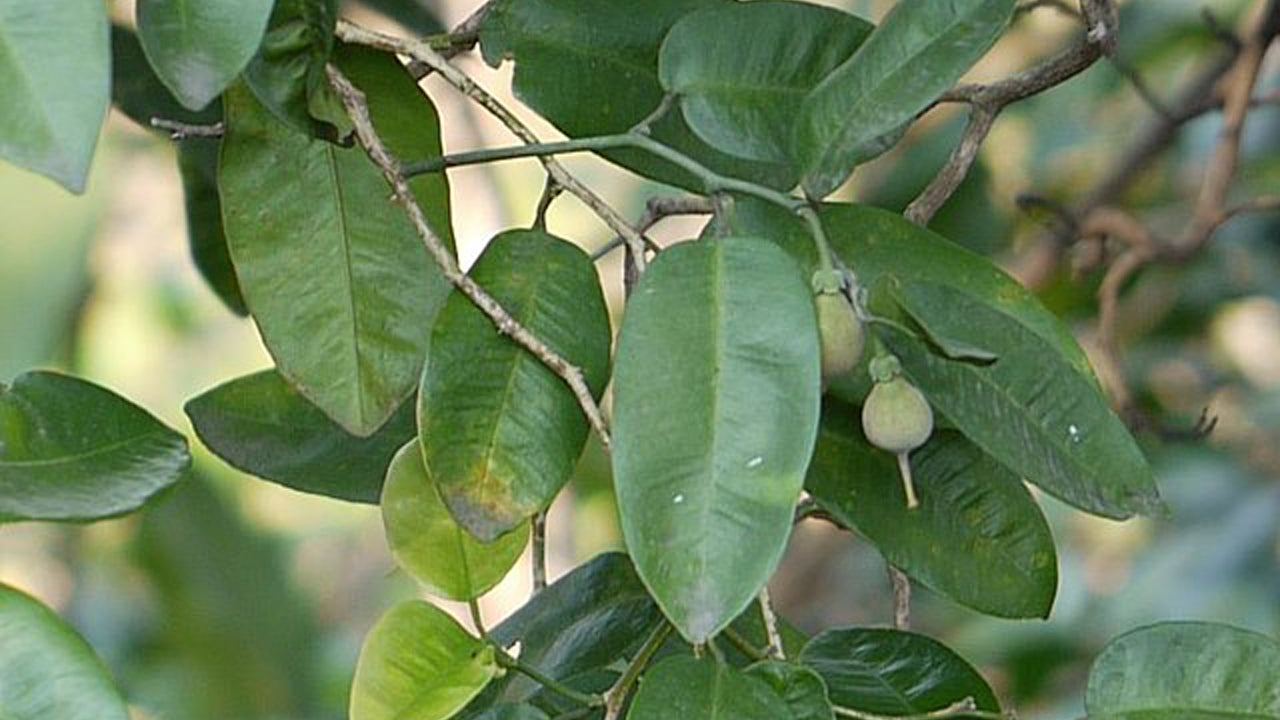
Climbing Atalantia
Paramignya monophylla




Ayurvedic and Herbal
-
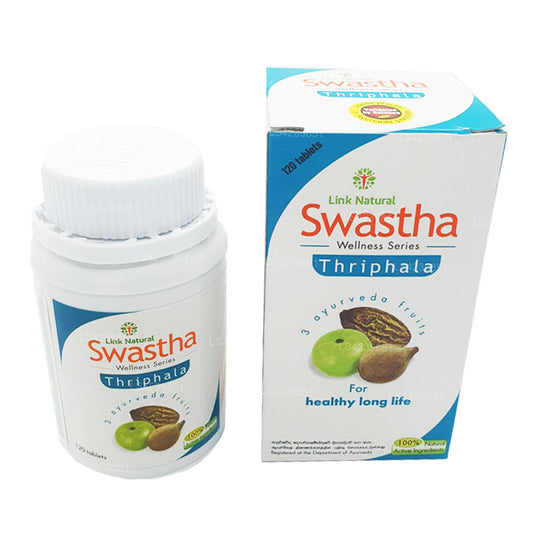
لينك سواسثا ثريفالا (30 حبة)
Regular price From $1.74 USDRegular price$1.93 USDSale price From $1.74 USDSale -
 Sale
Saleزيت سيتسوا برانجيفا
Regular price From $3.85 USDRegular price$4.28 USDSale price From $3.85 USDSale -
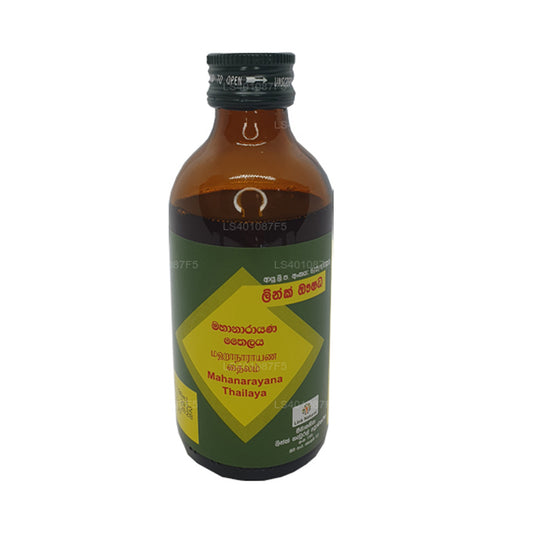
زيت لينك ماهانارايانا
Regular price From $0.93 USDRegular price$1.11 USDSale price From $0.93 USDSale -
أقراص سودارشانا الرابطة
Regular price From $3.70 USDRegular price$4.11 USDSale price From $3.70 USDSale