Lakpura
Lakpura®

Mesua ferrea

Mesua ferrea, commonly known as the Na tree (නා) in Sinhala, is one of the most revered trees in Sri Lanka — culturally, ecologically, and medicinally. Declared the national tree of Sri Lanka in 1986, it stands as a living symbol of the island's deep connection between nature and Buddhist tradition.

What does the Mesua ferrea tree look like?

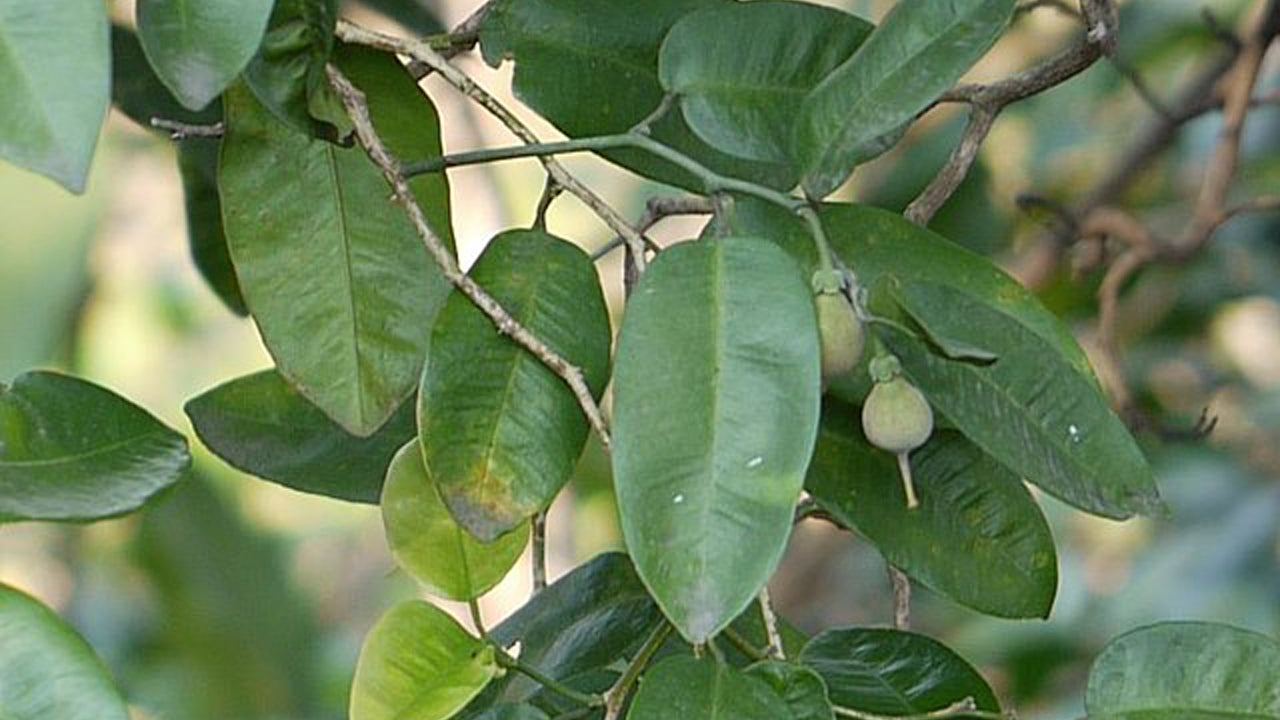
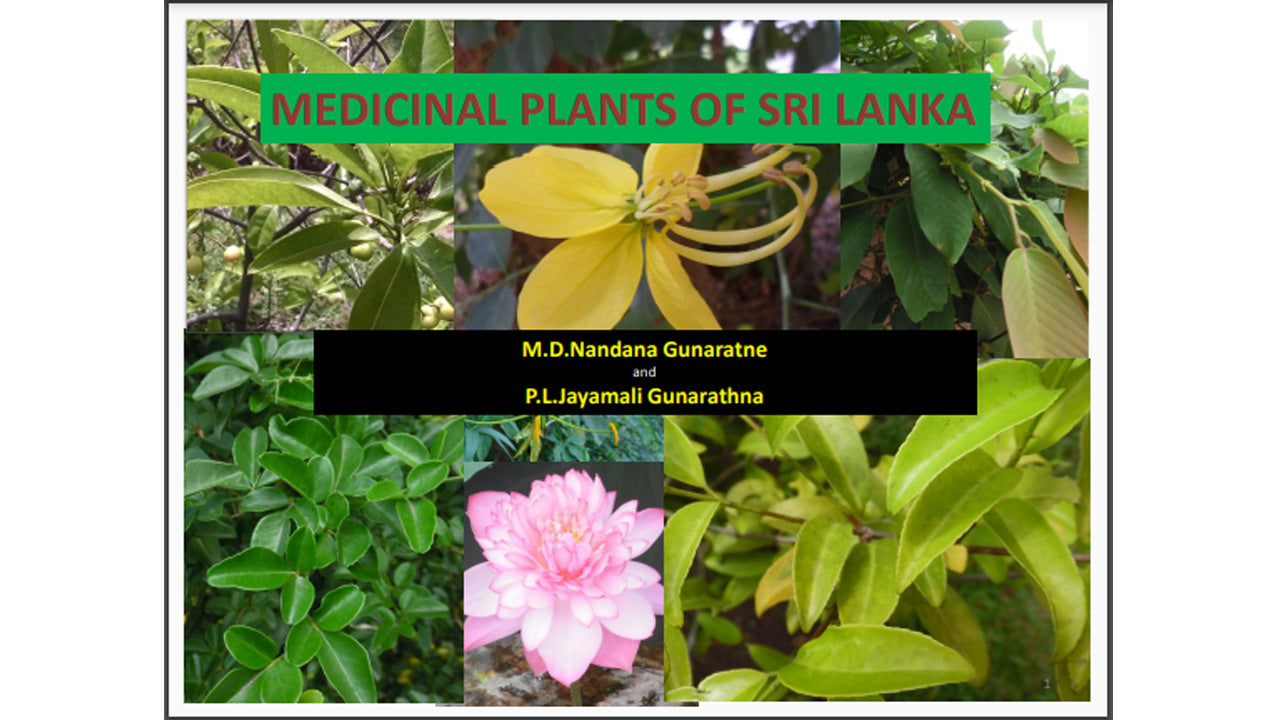
A mature Na tree typically reaches around 30 metres in height, though specimens in undisturbed forest can grow taller. Its most distinctive visual feature is the foliage: new leaves emerge a vivid scarlet or crimson-red before gradually deepening to a rich, glossy green as they mature. This flush of red new growth makes the tree immediately recognisable even at a distance.

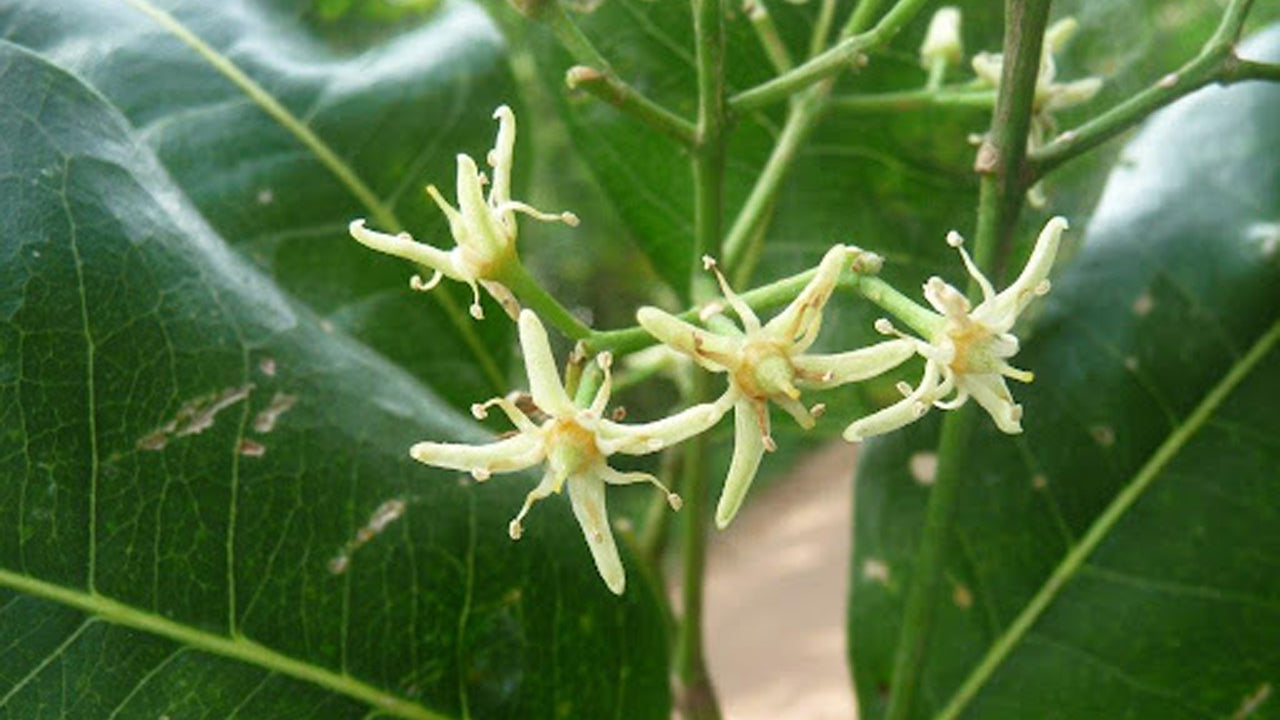
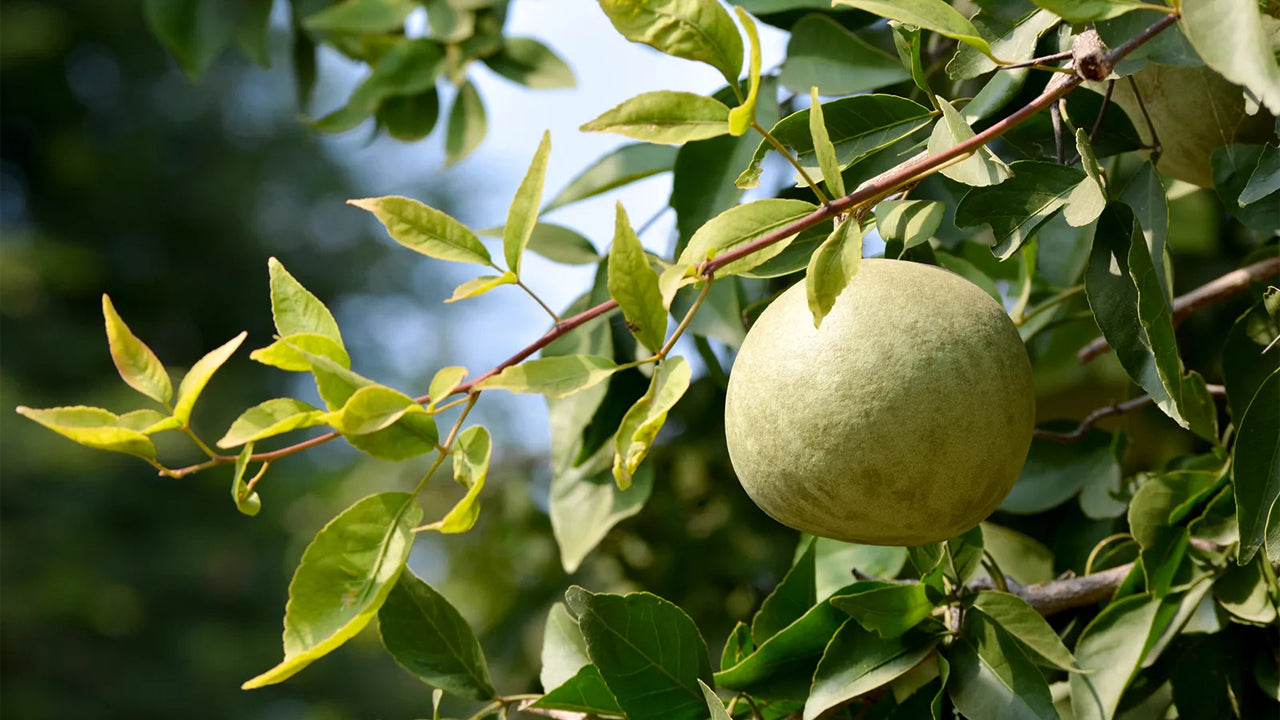
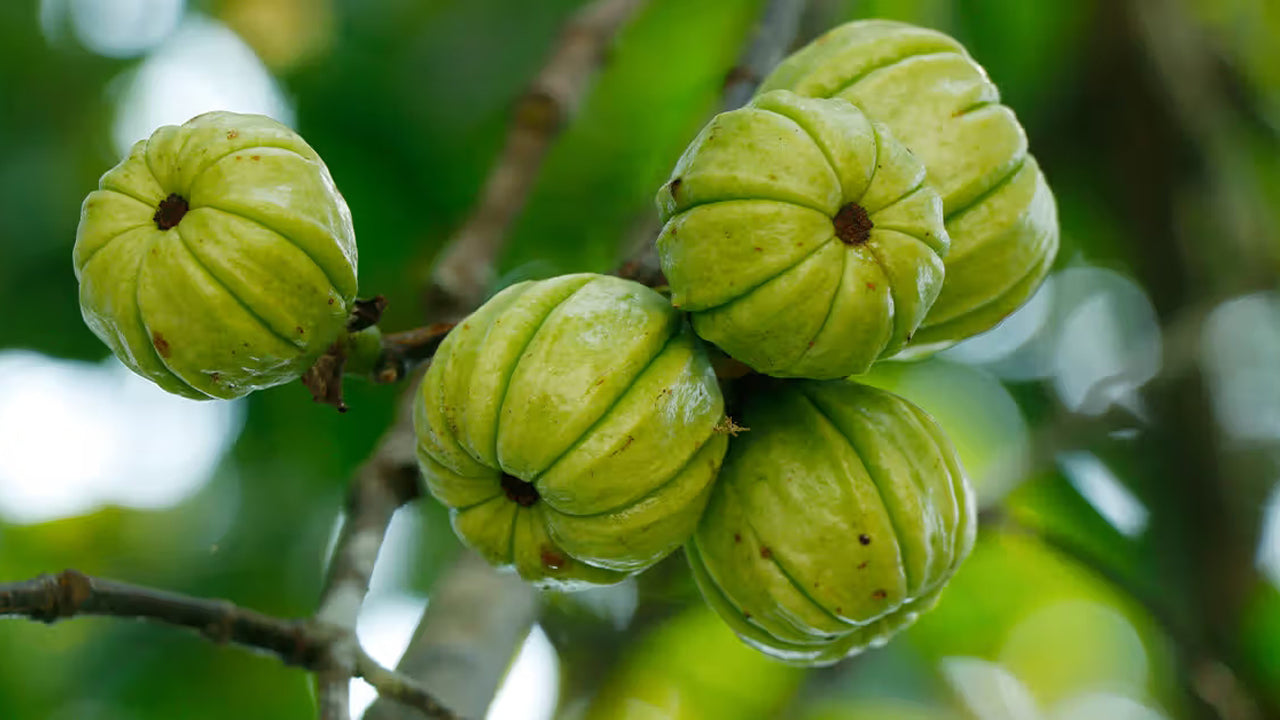
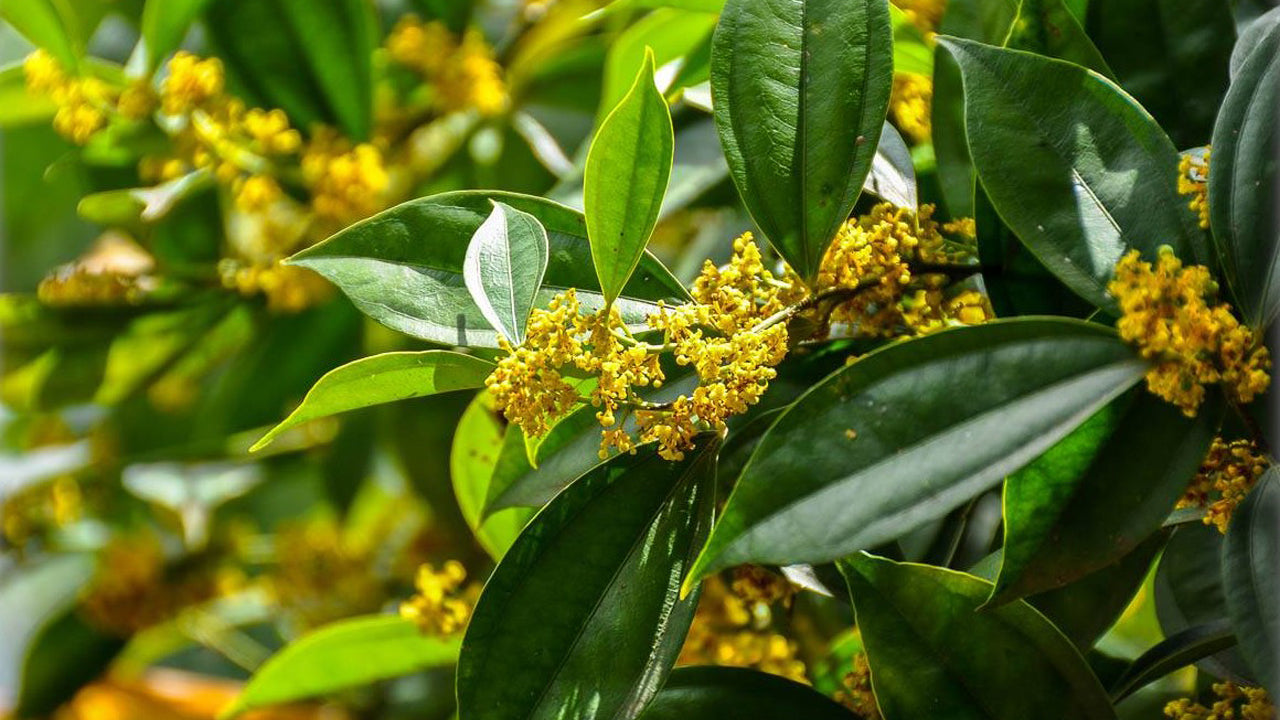
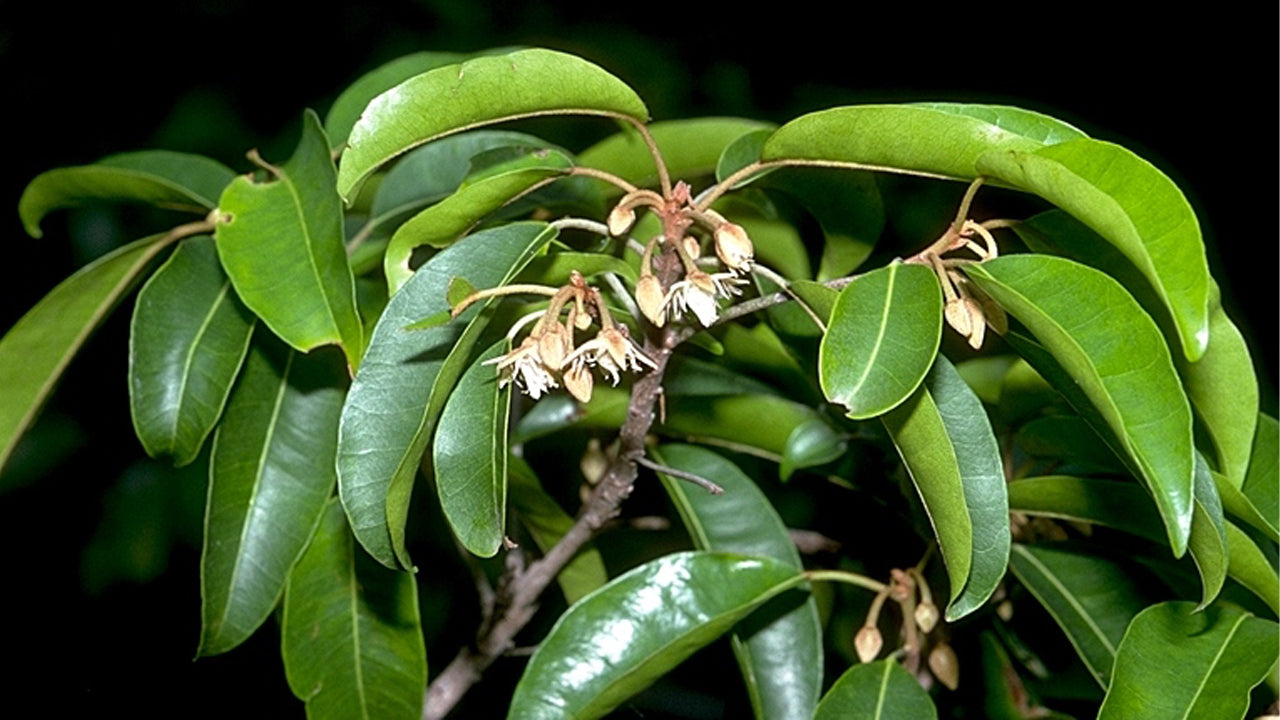
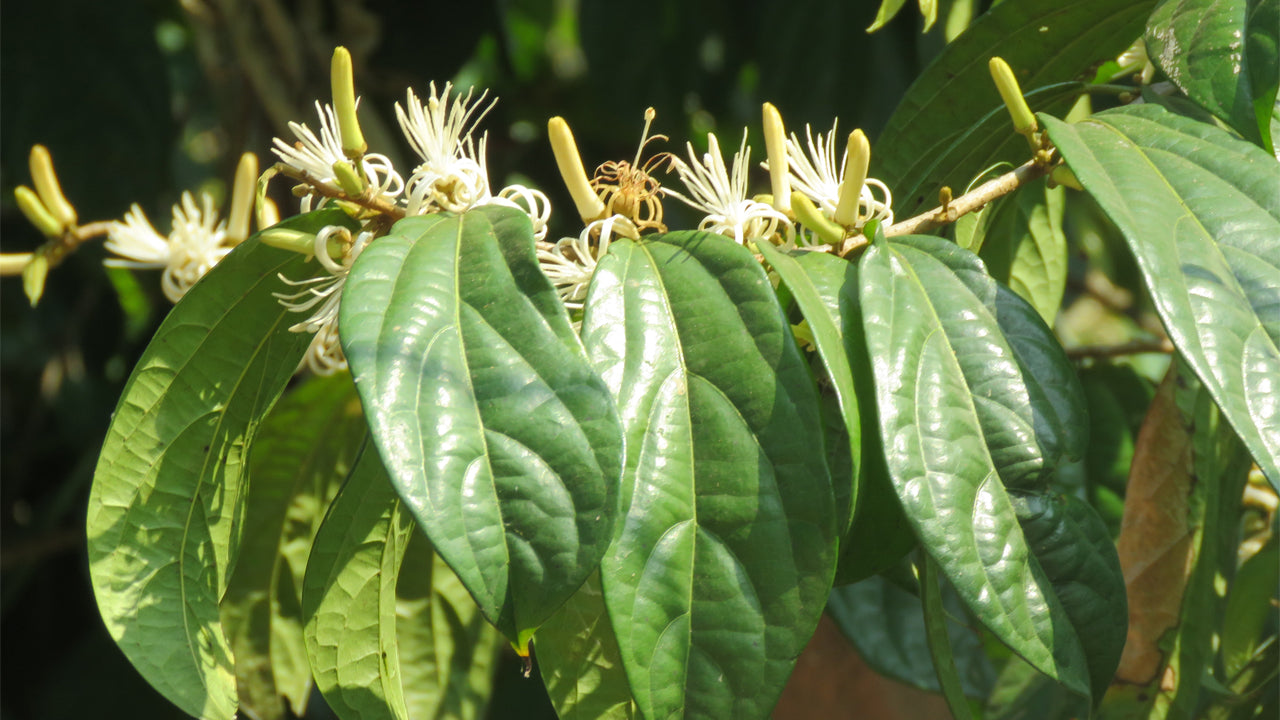
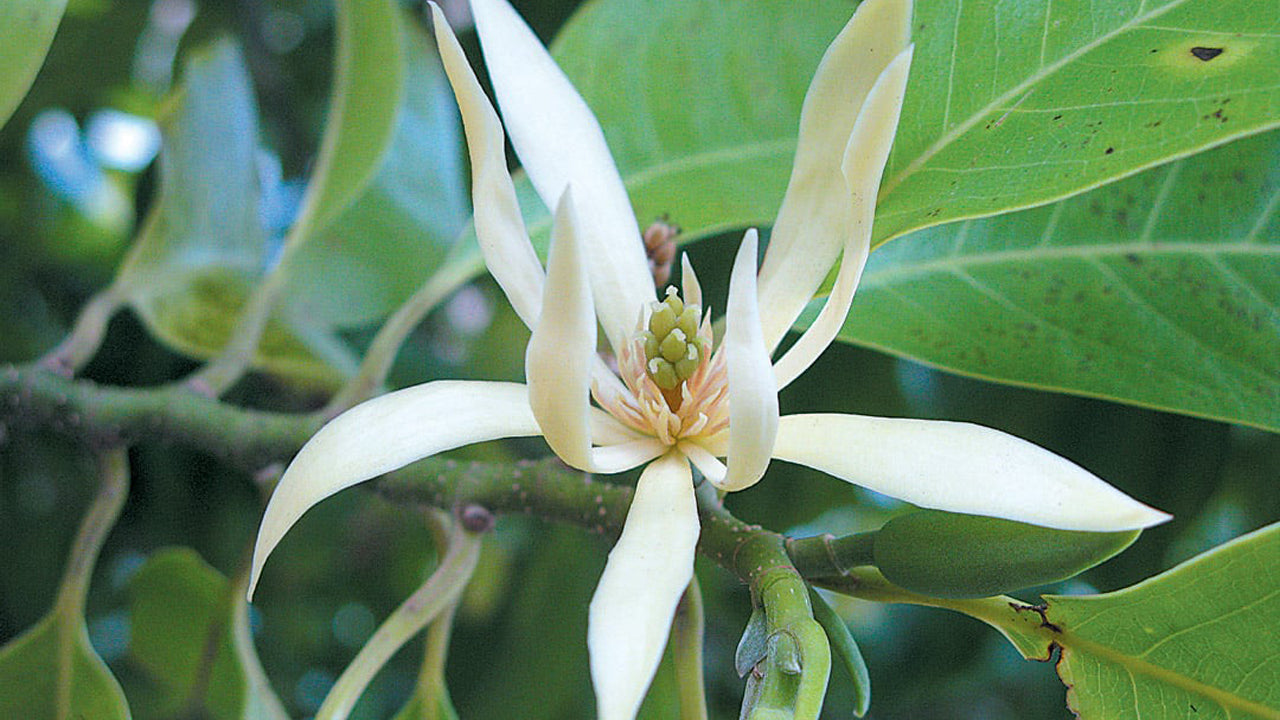
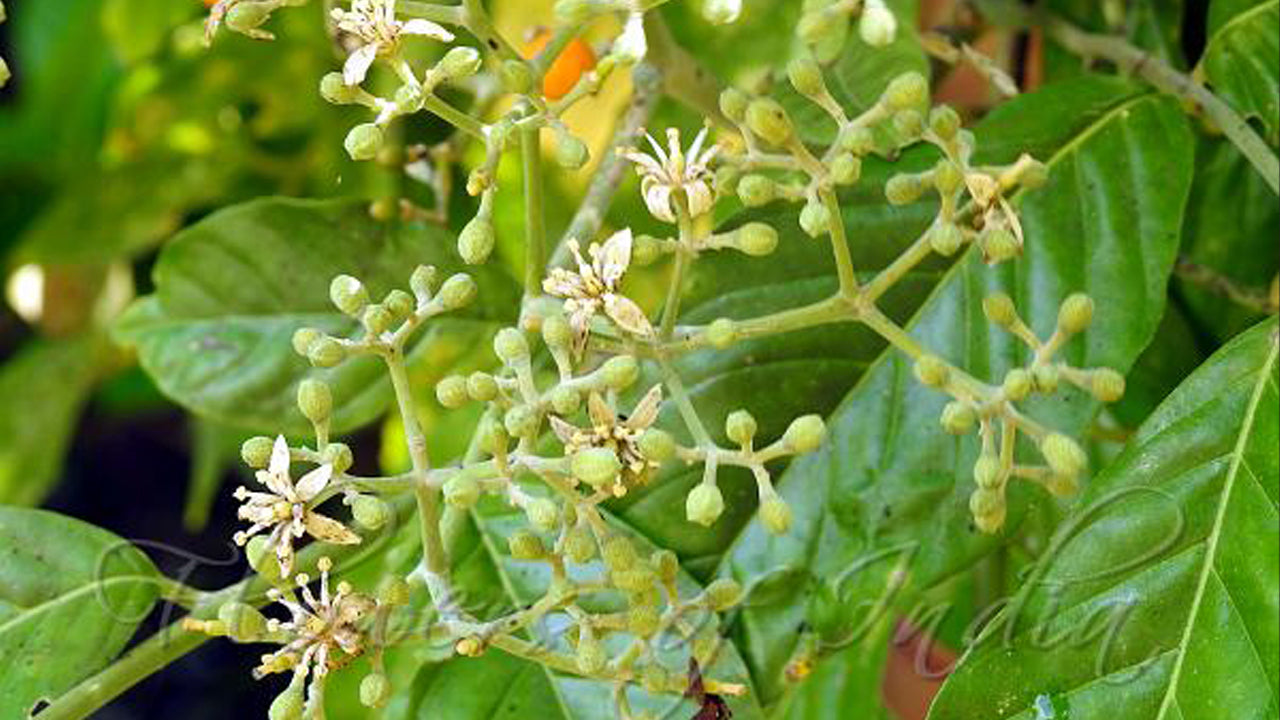
The flowers are fragrant, white, and typically 7–8 cm across, with four broad petals surrounding a dense cluster of yellow stamens. They appear in small numbers but are highly conspicuous against the dark canopy. The fruit is a woody, wrinkled capsule that typically contains one or two seeds.

Where does Mesua ferrea grow in Sri Lanka?

The Na tree is indigenous to Sri Lanka's lower wet zone — the humid southwestern lowlands that receive heavy rainfall year-round. It thrives in tropical rainforest conditions and is particularly associated with mature, undisturbed forest patches. Pockets of old-growth Na forest survive within protected areas such as the Sinharaja Forest Reserve, one of the island's last significant areas of primary lowland rainforest.

Outside protected areas, Na trees are commonly planted in temple grounds and monastery gardens across the island, where their religious significance ensures they are carefully tended and rarely felled.

Why is the Na tree sacred in Sri Lankan Buddhism?

The spiritual importance of Mesua ferrea runs deep in Theravada Buddhist tradition. According to Pali chronicle accounts, the first visit of the Gautama Buddha to Sri Lanka took place at Miyanganaya, in a grove of Na trees — a site that remains an active place of pilgrimage today. Even more significantly, the tradition holds that Maitreya, the future Buddha, will attain enlightenment beneath a Na tree, giving the species an enduring eschatological importance.

This religious status has acted as a powerful conservation mechanism. Despite the exceptional hardness and durability of Na timber — historically used in bridge construction — the felling of Na trees is now deeply discouraged on both religious and legal grounds. Most Sri Lankans would consider cutting one an act of profound disrespect.

What are the medicinal uses of Mesua ferrea?

Traditional Ayurvedic and indigenous Sri Lankan medicine (Deshiya Chikitsa) make extensive use of different parts of the Na tree. The flowers, flower buds, flower stems, roots, bark, fruits, and seeds each have recorded therapeutic applications:

  • Flowers and flower buds: used in formulations addressing haemorrhoids (piles), pruritus, and skin conditions including eczema
  • Bark and roots: applied in preparations for blood dysentery and intestinal worm infections
  • Seed oil: used externally for cracked heels and certain dermatological complaints

Beyond traditional medicine, the fragrant flowers of Mesua ferrea are used as a source material in the preparation of perfumes, cosmetics, and soaps — a practice with a long history across South and Southeast Asia.

How is the Na flower used in perfumery and cosmetics?

The white flowers of the Na tree produce a delicate, sweet fragrance that has been valued in South Asian perfumery for centuries. In Sri Lanka and India, the petals and stamens are incorporated into oil-based attars (natural perfumes) and scented preparations. At a smaller scale, dried flowers are sometimes placed among linens or within temple offerings as a natural aromatic. The cosmetic industry has shown renewed interest in Na flower extracts, particularly in formulations targeting skin inflammation, given the flower's established phytochemical profile.

What is the timber of Mesua ferrea like?

Na wood is exceptionally dense, hard, and resistant to decay — properties that made it highly valued as a structural timber in pre-colonial and early colonial Sri Lanka. It was used in the construction of bridges, heavy-duty furniture, and railway sleepers. Today, commercial felling is effectively prohibited not only by the tree's protected status but by the social and religious weight attached to it. The timber is occasionally worked from naturally fallen specimens, where it is prized by craftspeople for carving and fine joinery.

What is the ecological role of the Na tree?

As a canopy species of the wet zone tropical rainforest, Mesua ferrea plays a significant role in forest structure and biodiversity. Its flowers attract a range of pollinators, while its seeds provide food for forest birds and small mammals. In plantation and agroforestry contexts, the tree's deep root system and dense canopy are valued for soil stabilisation and shade. Given its status as a slow-growing, long-lived species, old Na trees in temple grounds and remnant forest patches are important biodiversity nodes in increasingly fragmented landscapes.

How does Mesua ferrea compare with other Sri Lankan native trees?

Feature Mesua ferrea (Na) Pongamia pinnata (Magul Karanda) Acacia chundra (Rata Kihiri)
Typical height Up to 30 m+ Up to 15 m Up to 12 m
Primary habitat Wet zone lowland rainforest Coastal and riverine margins Dry zone scrub forest
Timber quality Very high (restricted) Moderate High (hard)
Religious/cultural status National tree; Buddhist sacred species Used in traditional ceremonies Medicinal, minor cultural use
Medicinal uses Extensive (flowers, bark, seed oil) Seed oil, bark Bark tannins, gum

Where can travellers see Na trees in Sri Lanka?

Na trees are most reliably seen in two settings: the grounds of Buddhist temples and monasteries, where they are often planted near shrines and bo-tree enclosures, and within protected forest reserves in the wet zone. Visitors exploring the Sinharaja Forest Reserve with a certified guide are likely to encounter mature specimens along the main trails. Temple gardens in Kandy and the surrounding hill country also feature Na trees, frequently identifiable by their scarlet young foliage. The Miyanganaya Raja Maha Viharaya in Uva Province, traditionally associated with the Buddha's first visit to Sri Lanka, is particularly significant for anyone interested in the tree's religious heritage.

Ask Lakpura® Agent