كالانتشو بيناتا (أكابانا)


نبات كلانشو بيناتا (أكابانا؛ ???????)، المعروف سابقًا باسم بريوفيلوم بيناتوم، والمعروف أيضًا باسم نبات الهواء، أجراس الكاتدرائية، نبات الحياة، الورقة المعجزة، ونبات غوته، هو نبات عصاري موطنه مدغشقر، وهو نبات منزلي شائع وقد أصبح متجنسًا في المناطق الاستوائية وشبه الاستوائية. يستخدم الأكابانا على نطاق واسع في طب الأيورفيدا كعلاج لحصوات المسالك البولية. ومع ذلك، تستخدم أوراق الأكابانا كدواء للعديد من الأمراض. وهي أن نبات الأكابانا يحتوي على عدد من العناصر الغذائية مثل الكبريتات، الأوكسالات، الكالسيوم، البوتاسيوم وغيرها. أيضًا، وفقًا لـ الأيورفيدا، فإن طعمه يشبه المغلي والحامض. يُقال إنه بحكم كونه قصيرًا وخشنًا، فإن النتيجة هي الحلاوة والبرودة بالجهد. لذلك، يستخدم نبات الأكابانا لعلاج أمراض مختلفة. وهذا يعني، بالإضافة إلى استخدام الأدوية، فإن استهلاك أوراق الأكابانا المحضرة كسامبول يمكنه أيضًا علاج هذه الأمراض.
الخصائص الطبية لنبات الأكابانا:
- يخفف آلام الظهر.
يمكن لاستخدام أوراق الأكابانا أن يخفف الألم في منطقة الظهر والعمود الفقري. أي أنه يجب غلي أوراق الأكابانا وفركها على الأماكن المؤلمة.
- يخفف الجروح والإسهال.
يمكن استخدام أوراق الأكابانا لتهدئة الجروح والإسهال ونزيف اللثة. أي أنه يمكن طحن أوراق الأكابانا جيدًا مع الزيت النباتي ووضعها على الجرح لشفاء الجرح. يمكن أيضًا إزالة القيح بوضع المرهم على المنطقة المصابة.
- يخفف الألم الناتج عن التسنين.
من المفيد خلط أوراق الأكابانا مع العسل وتطبيقه لتهدئة نزيف اللثة والألم الناتج عنه.
- يدمر الخلايا السرطانية.
أظهرت الأبحاث الحديثة أن الأكابانا يمكن استخدامه كعقار لقتل الخلايا السرطانية. أي أن المركبات العضوية الموجودة في الأكابانا تساعد في تدمير الخلايا السرطانية. لذلك، من المفيد تناول أوراق الأكابانا للوقاية من السرطان.
- يخفف مضاعفات مثل الكدمات والالتواءات والتهاب المفاصل.
يمكن أيضًا استخدام الأكابانا كدواء لعلاج الكسور، وكذلك الأمراض الجسدية الناجمة عن أمراض مثل التهاب المفاصل. أي أنه يمكنك تناول حفنة من أوراق الأكابانا، وطحنها في الماء البارد، وتطبيقها على المناطق المصابة لتخفيف التورم.
- يذيب حصوات المسالك البولية.
يشتهر نبات الأكابانا منذ العصور القديمة كدواء يمكن استخدامه لإذابة حصوات المسالك البولية. أي أن المرضى الذين يعانون من حصوات المسالك البولية يمكنهم تناول بضع أوراق من الأكابانا، ووضعها في الماء الساخن، وتغطيتها حتى تغلي قليلاً، ثم إذابتها وشربها. أوراق الأكابانا المسلوقة مفيدة أيضًا لهذا المرض.
- يمنع الشيب المبكر للشعر.
الشيب المبكر هو أحد أكثر مشاكل تساقط الشعر شيوعًا. أي أنه يمكن استخدام أوراق الأكابانا كدواء لمنع الشيب المبكر للشعر. أي أن الزيت المصنوع بخلط عصير أوراق الأكابانا مع زيت السمسم مفيد. أي أن تطبيق
-
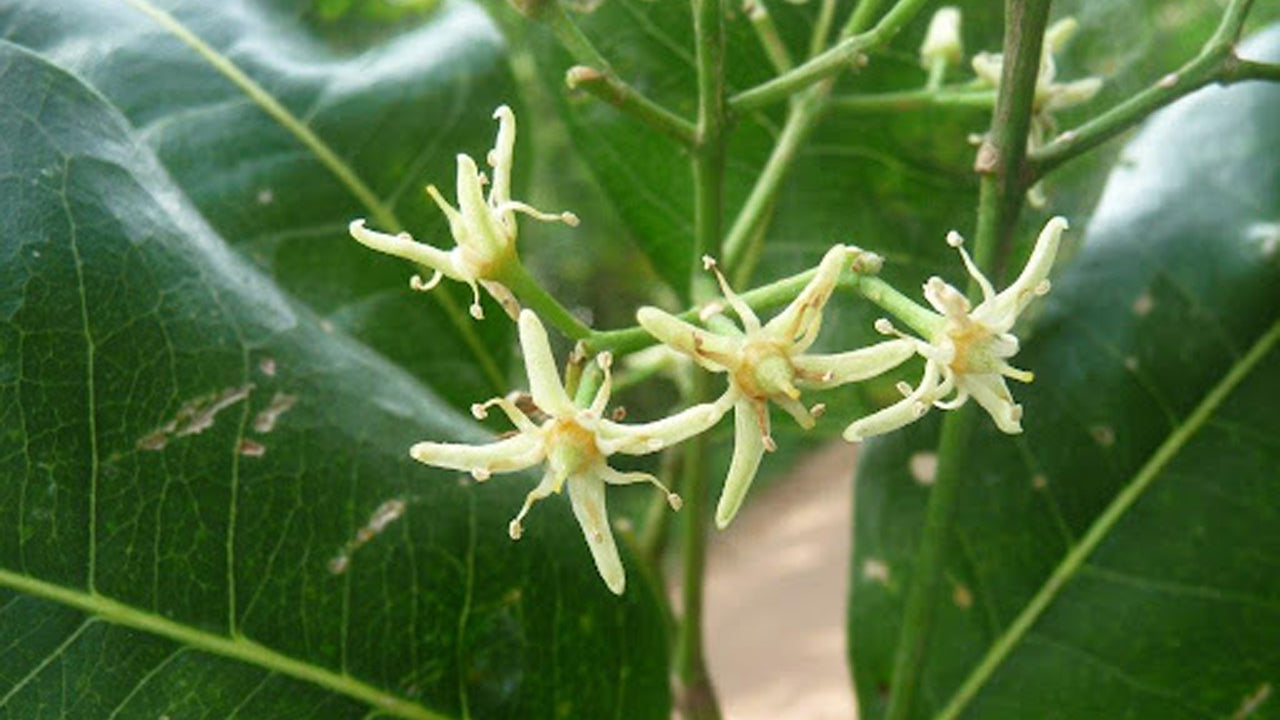
Claw-flowered laurel
Acronychia pedunculata -
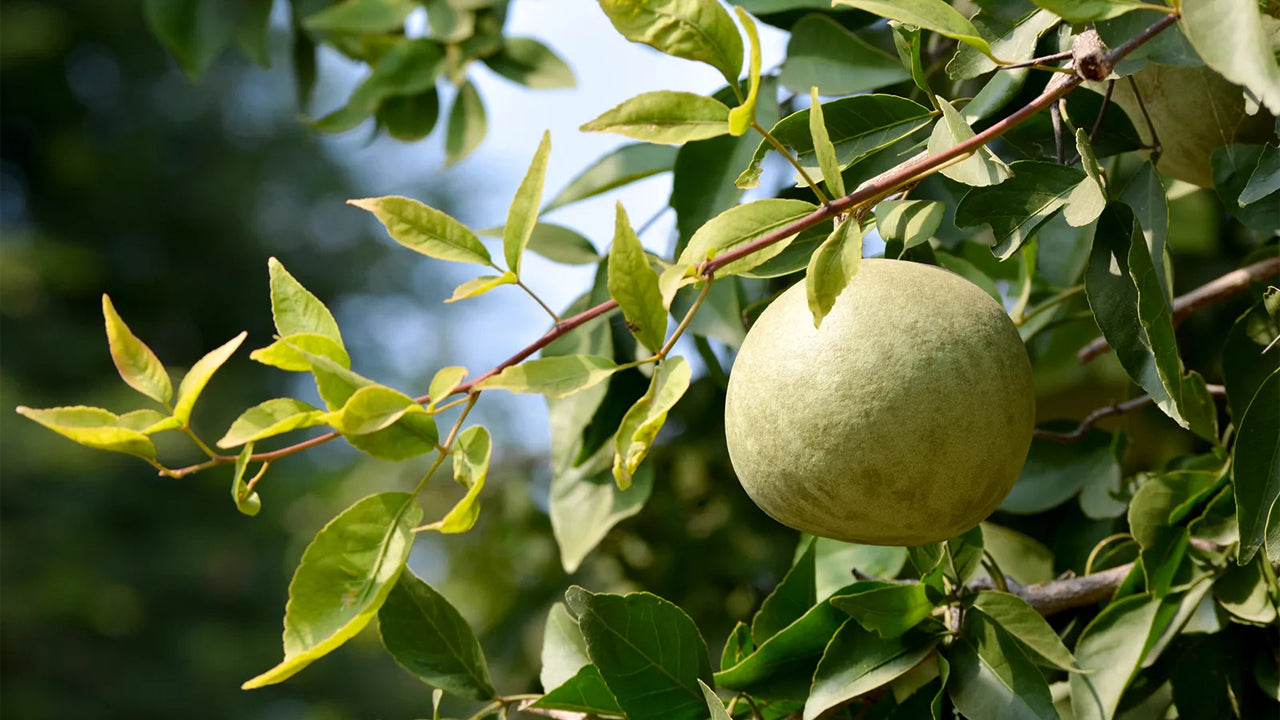
Bael
Aegle marmelos -
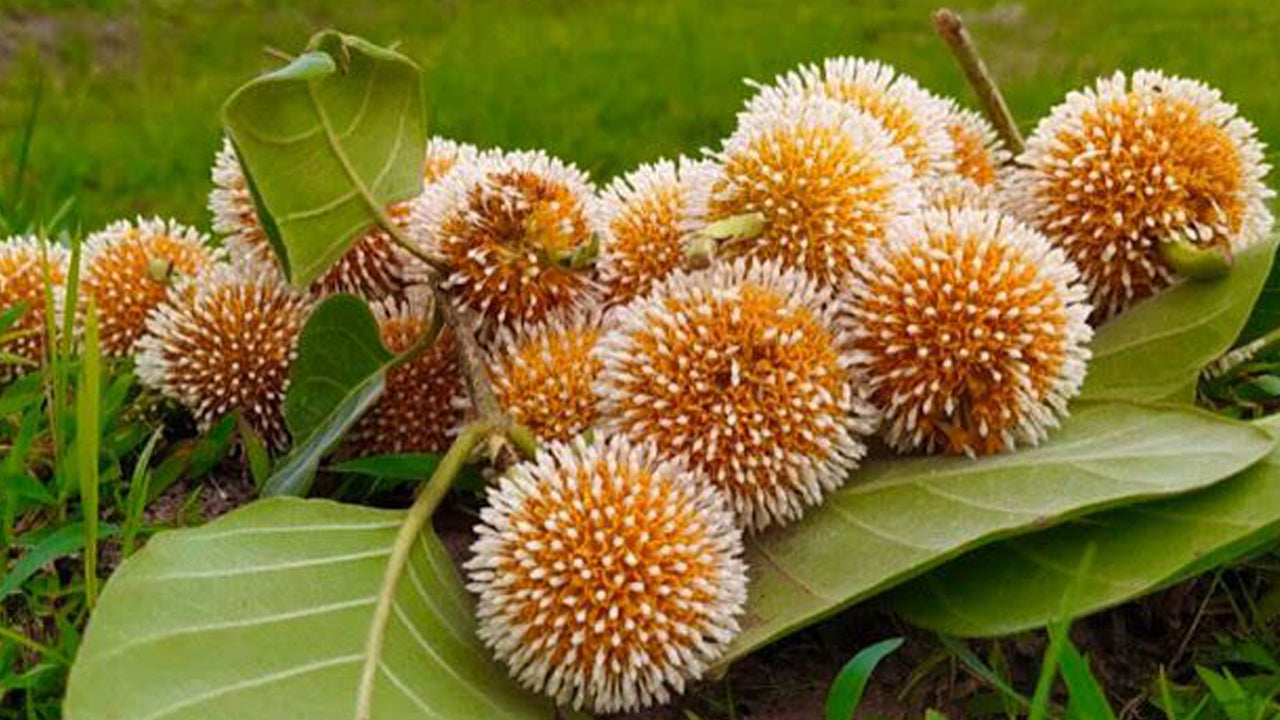
Leichhardt tree
Nauclea orientalis -
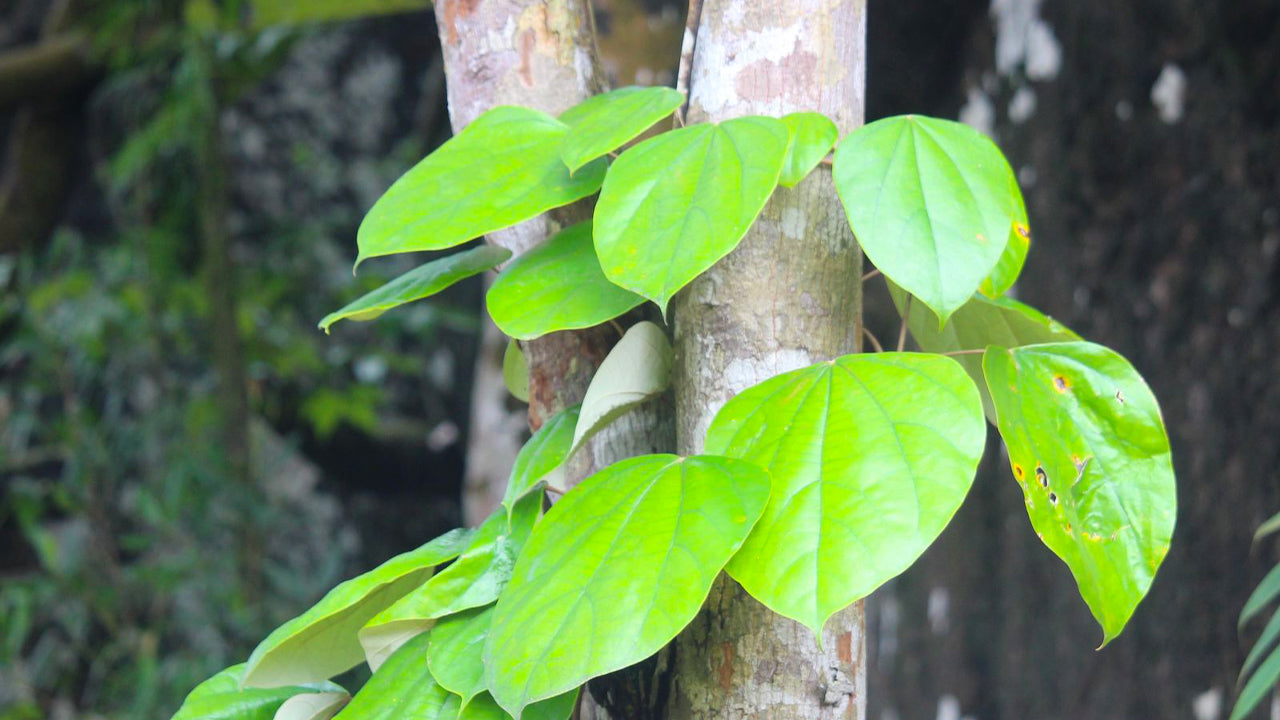
False Calumba
Coscinium fenestratum -

Malabar Gulbel
Tinospora malabarica -
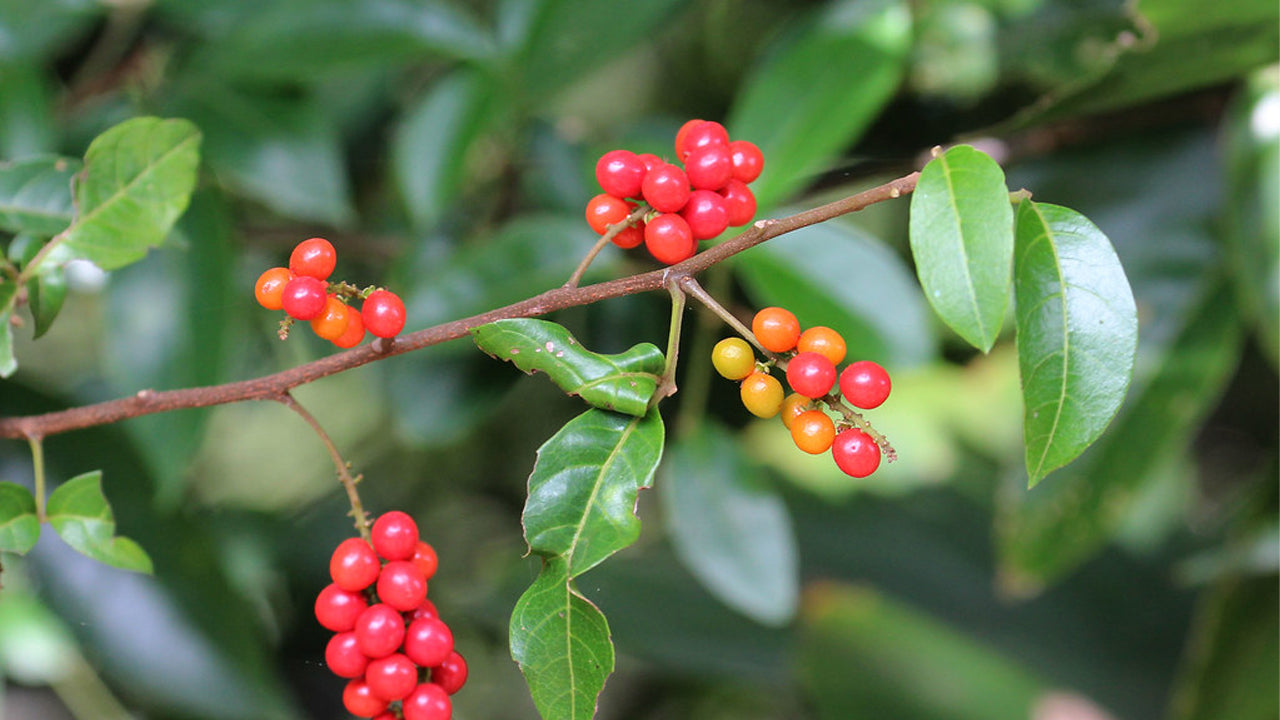
Titberry
Allophylus cobbe -
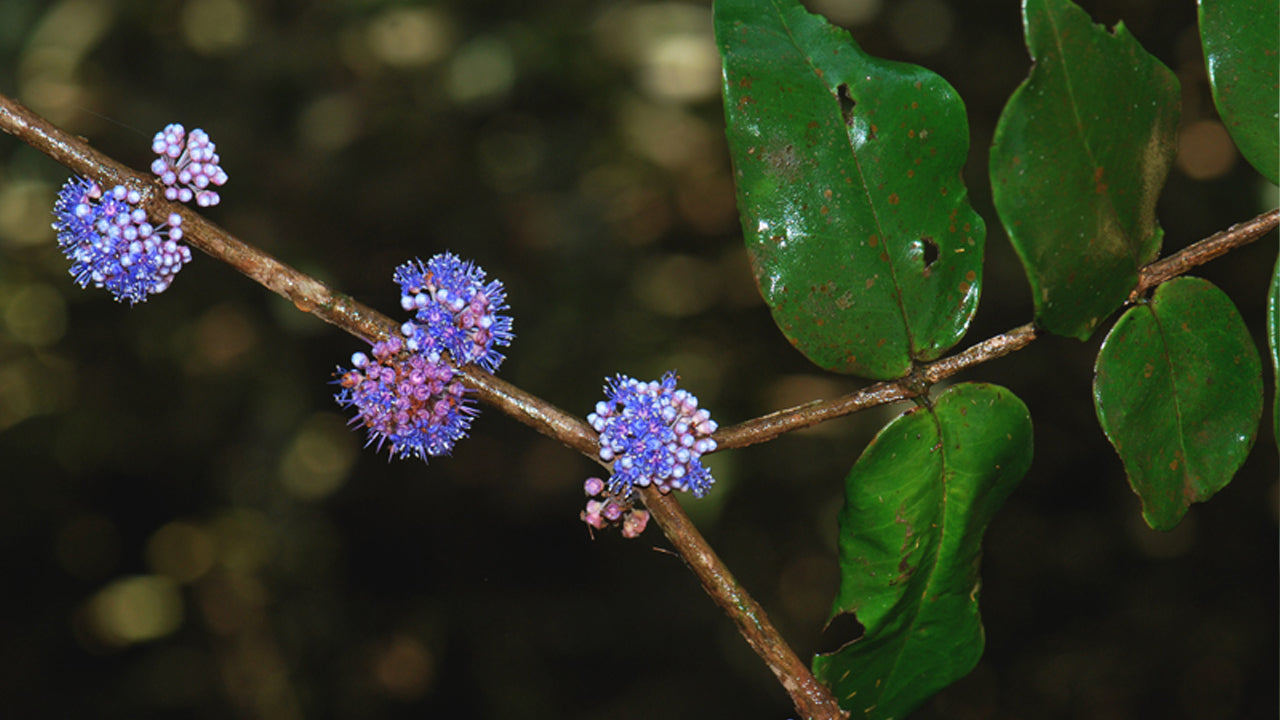
Ironwood Tree
Memecylon capitellatum -
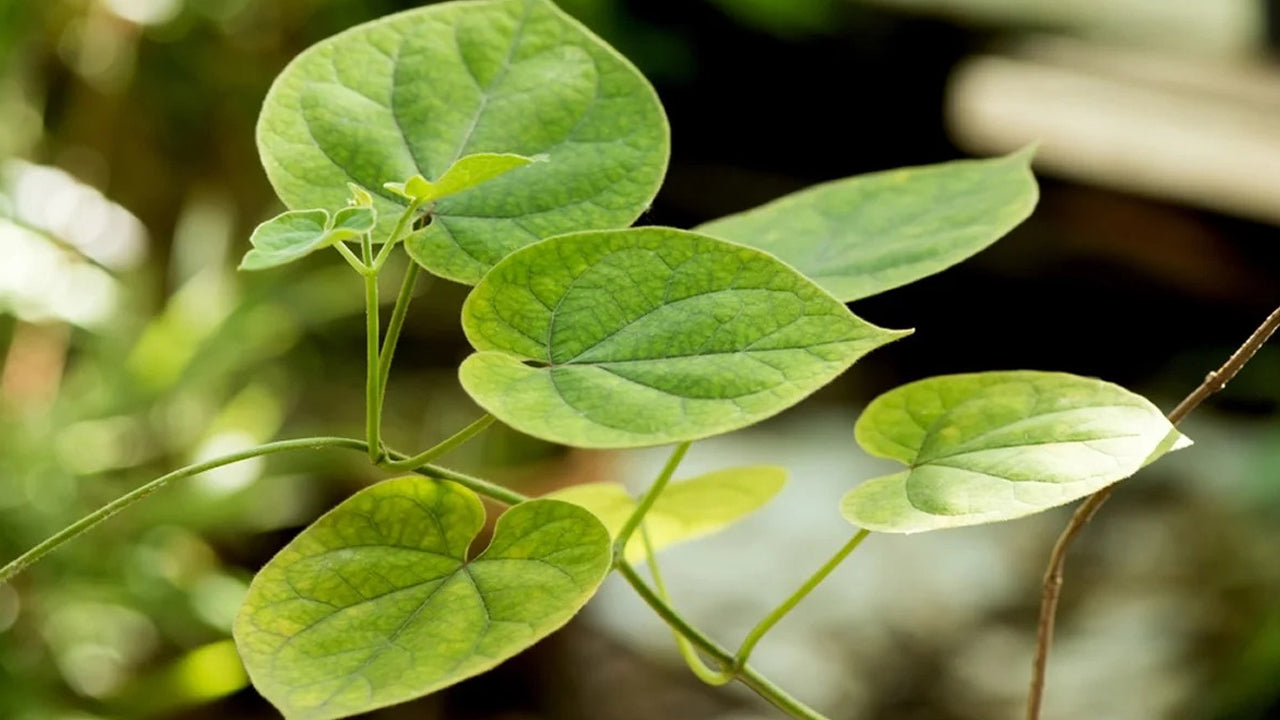
Velvet Leaf
Cissampelos pareira -
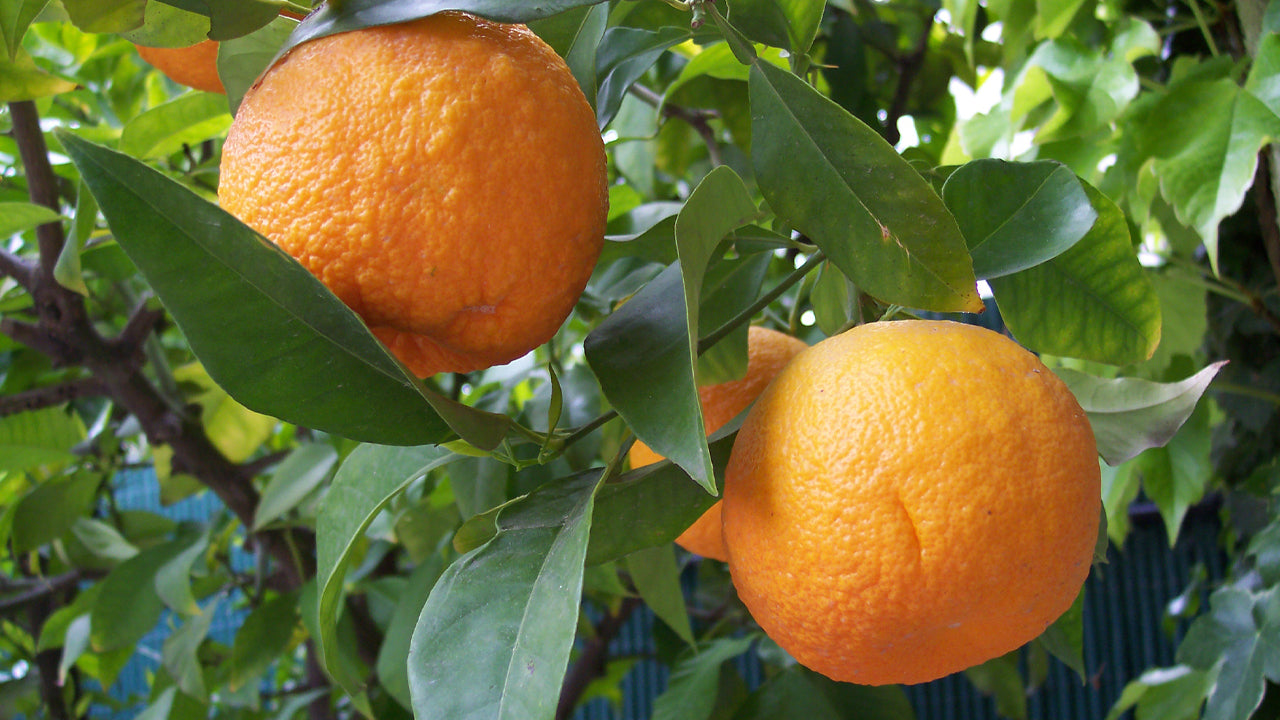
Bitter orange
Citrus aurantium -

Reinwardt's Tree Plant
Biophytun reinward -
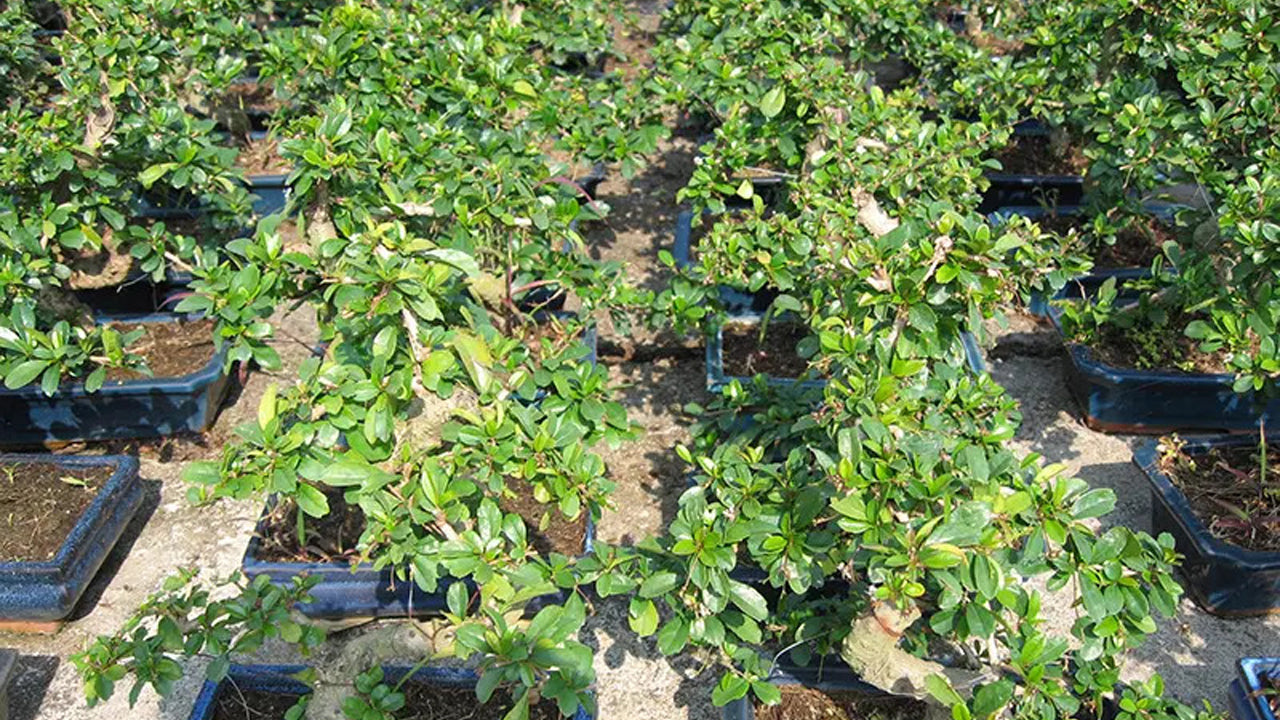
Fukien tea
Carmona microphylla -
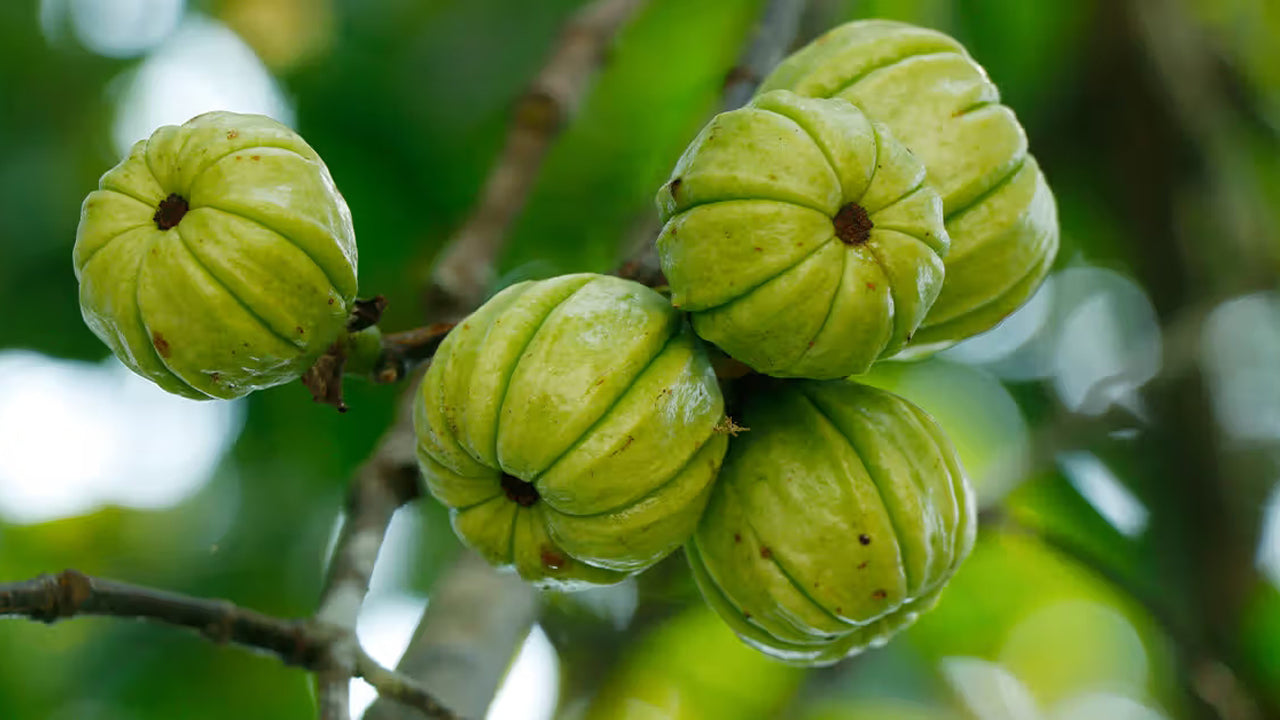
Malabar tamarind
Garcinia cambogia -
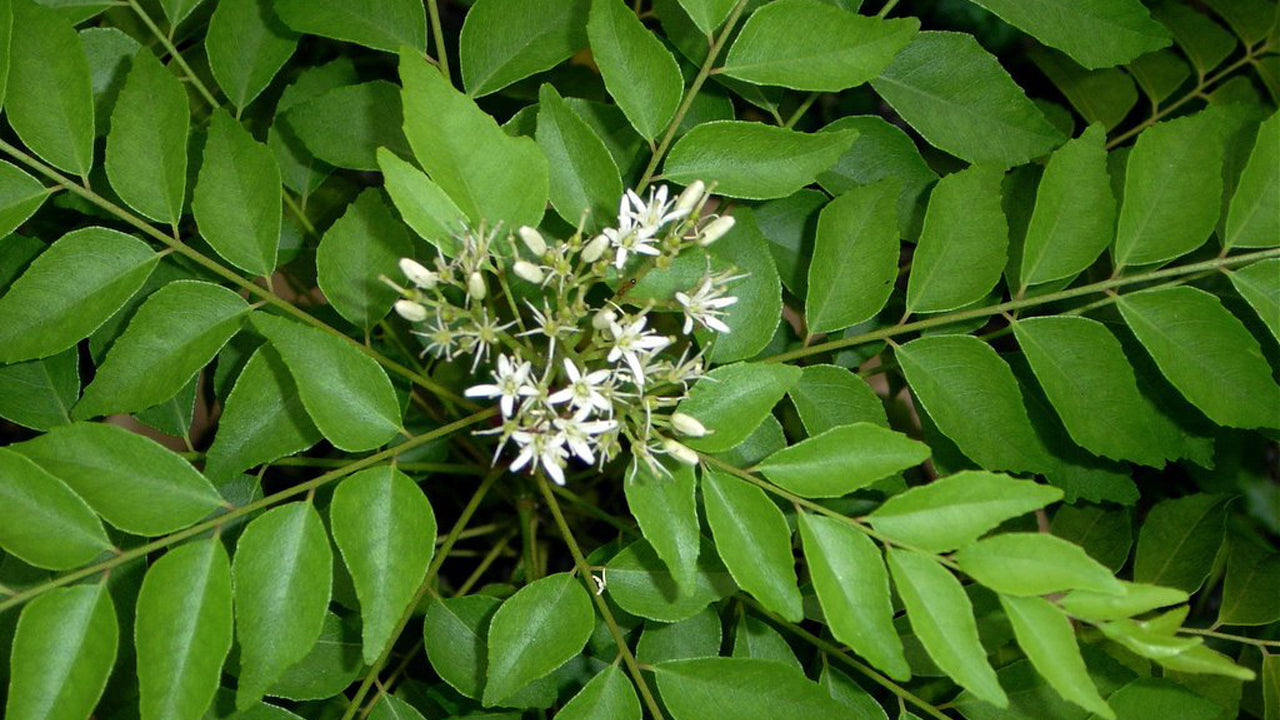
Curry leaf tree
Murraya koenigii -
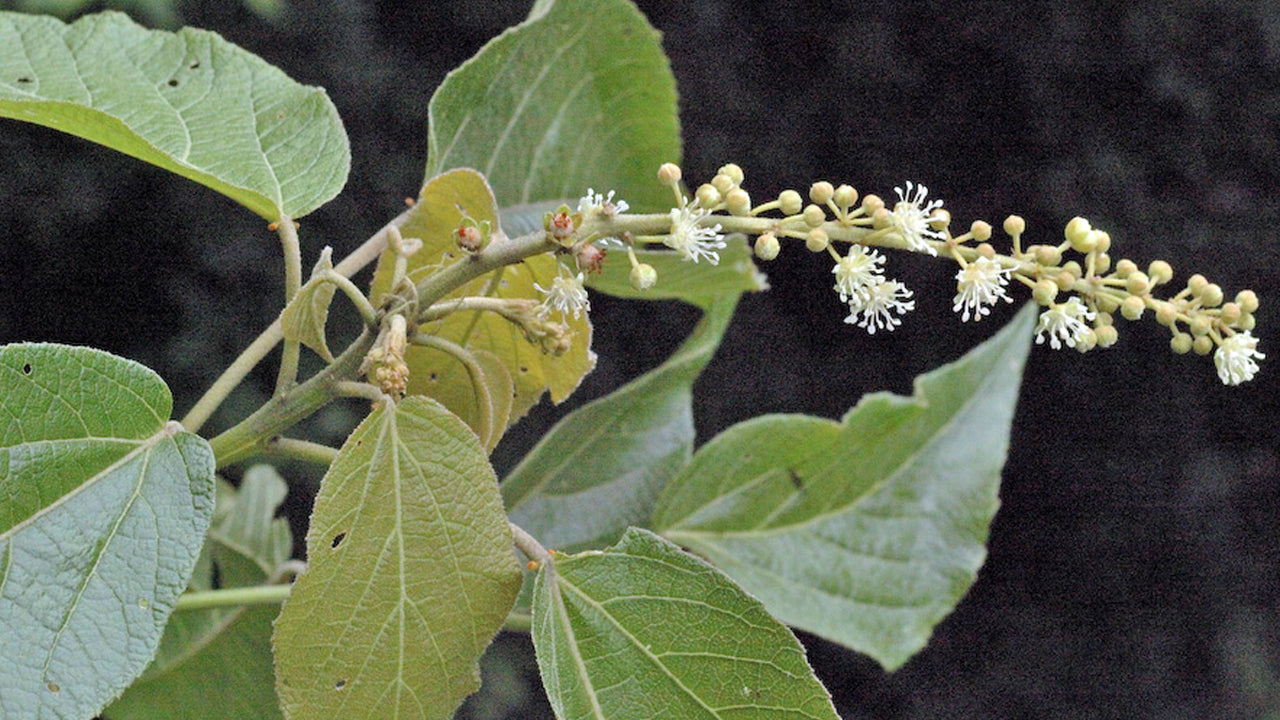
Kappetiya
Croton laccifer -
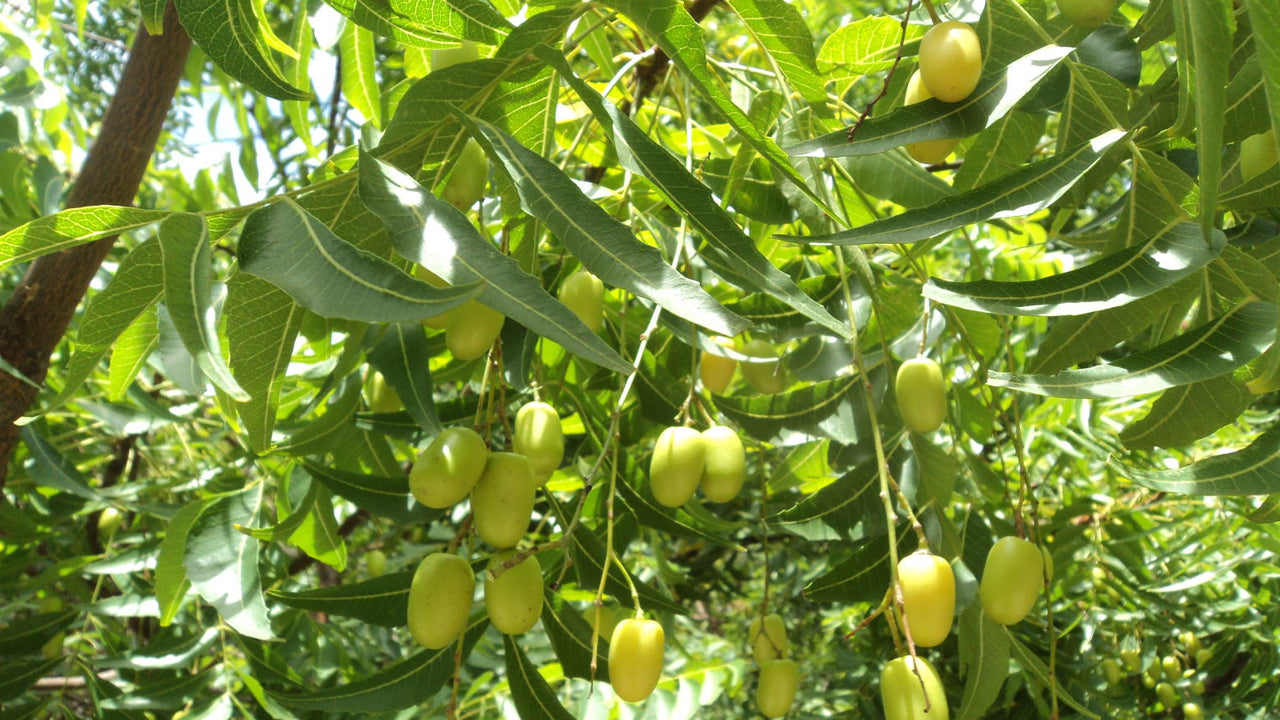
Indian lilac
Azadirachta indica -
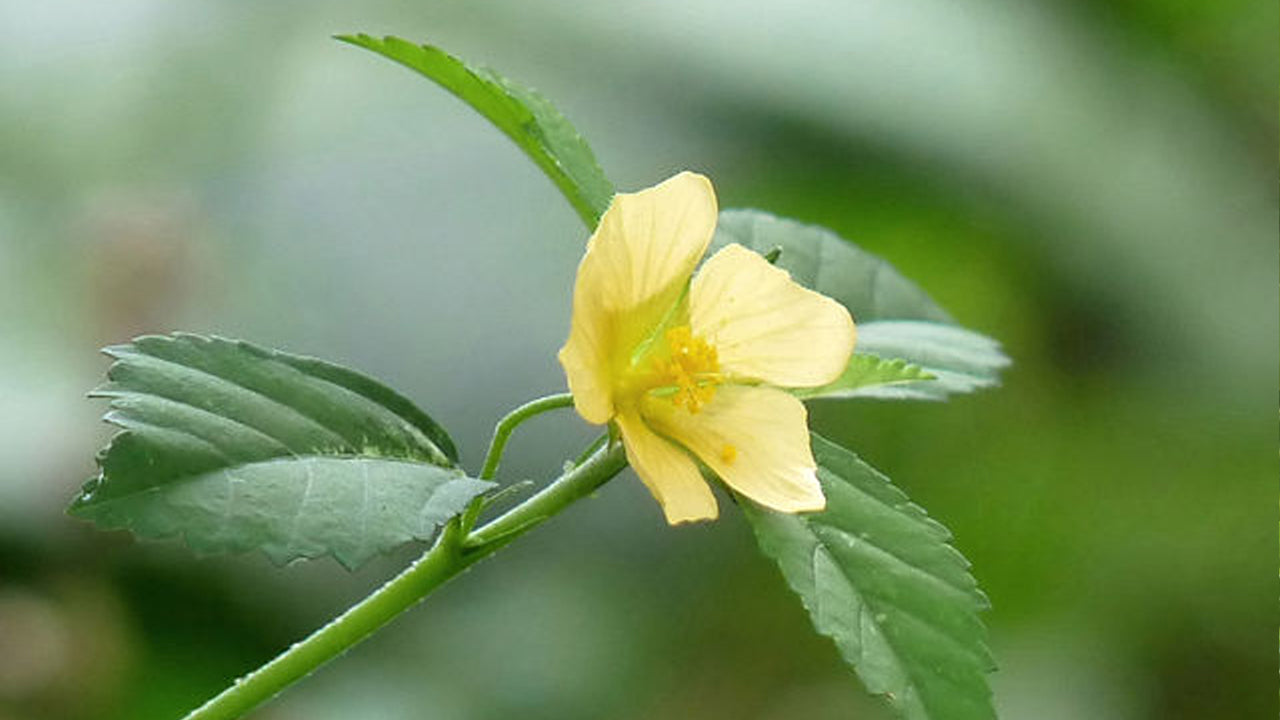
Spiny sida
Sida alba -
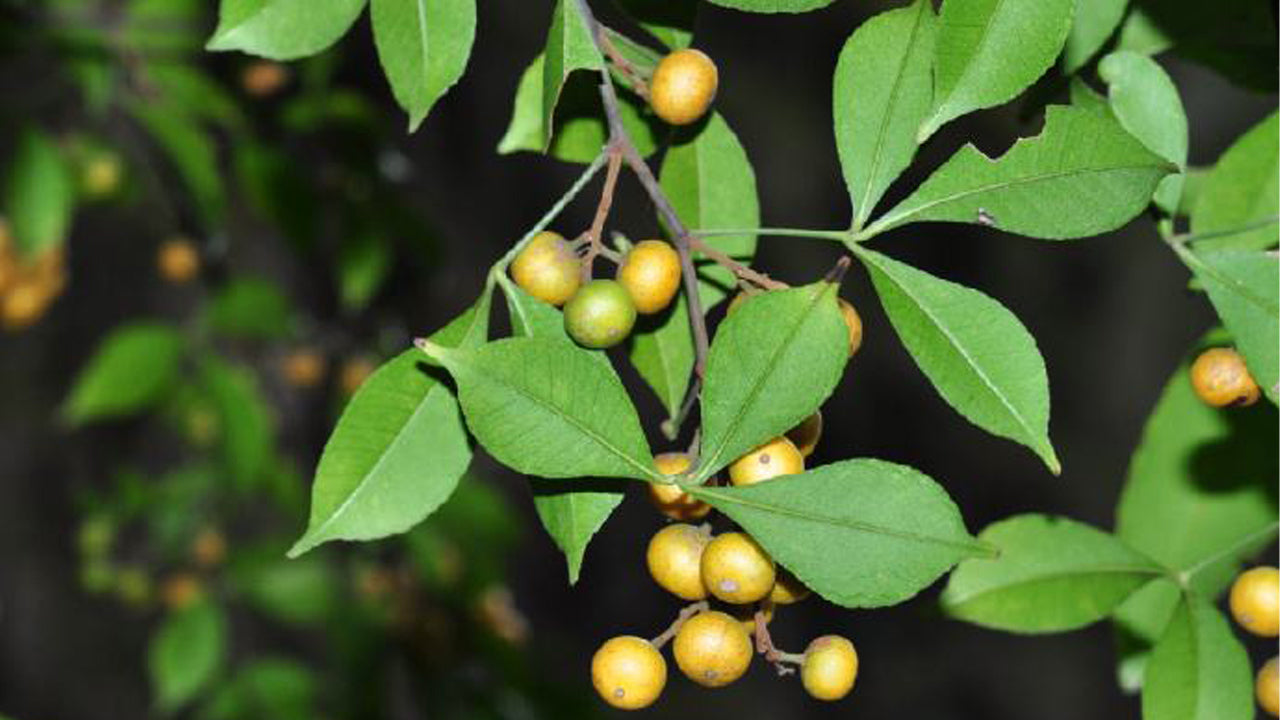
Orange climber
Toddlia asiatica -
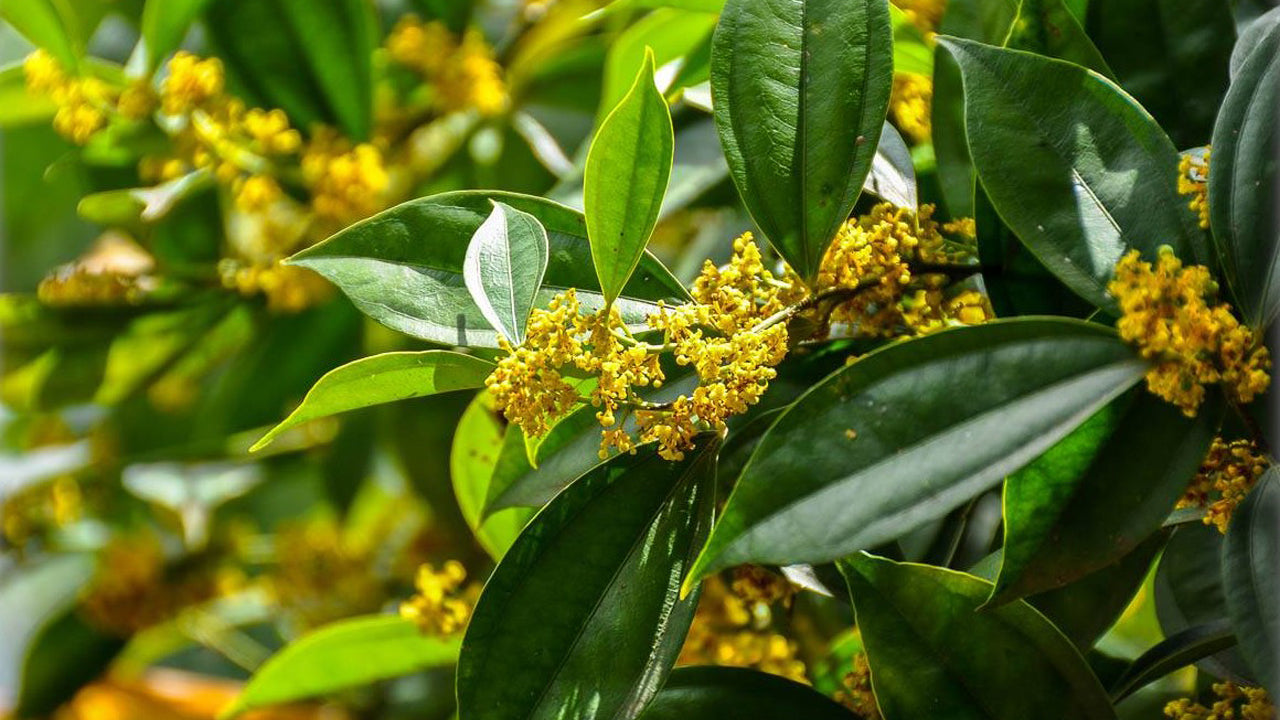
Ceylon cinnamon
Cinnamomum zeylanicum -
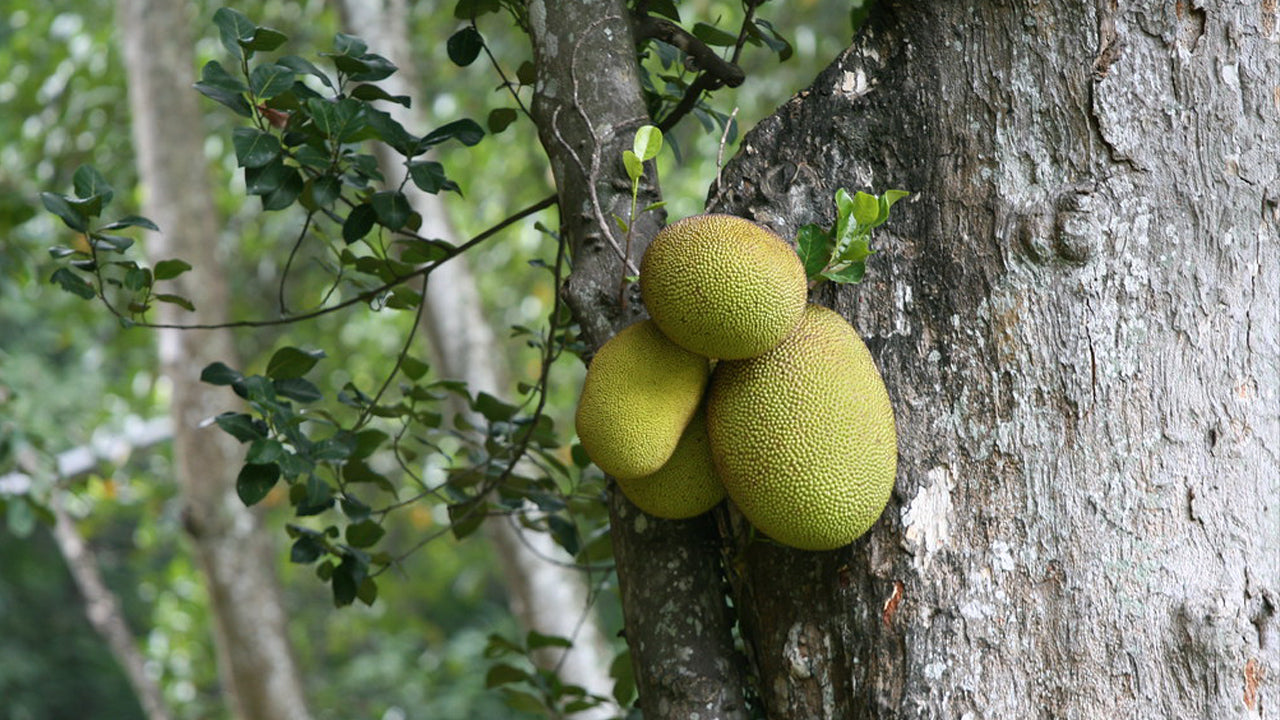
Jackfruit
Artocarpus heterophyllus -
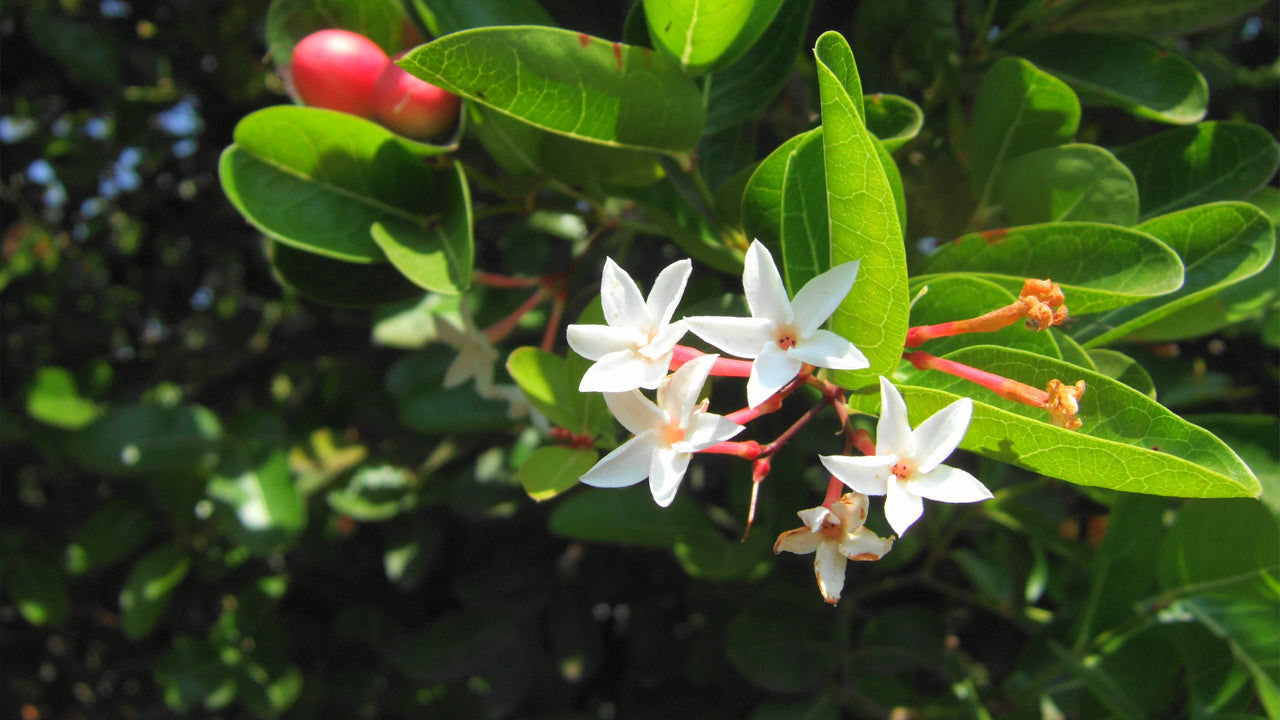
Karonda
Carissa carandas -
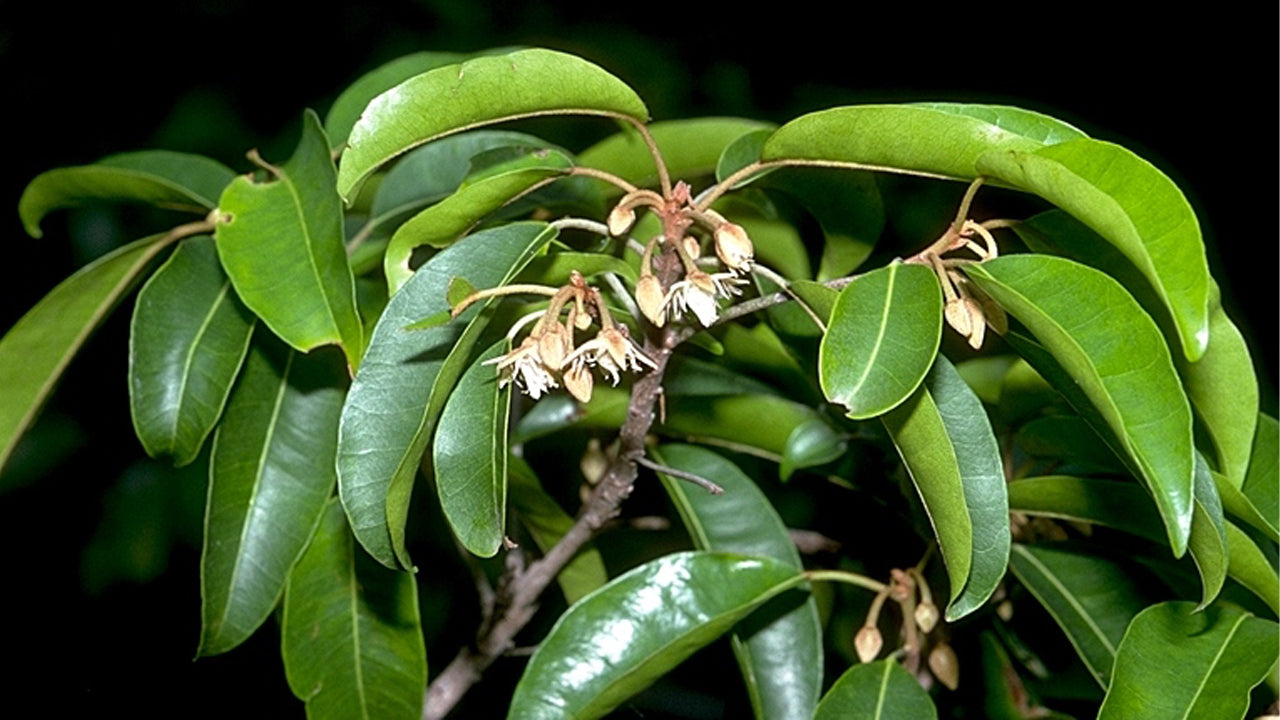
Spanish cherry
Mimusops elengi -
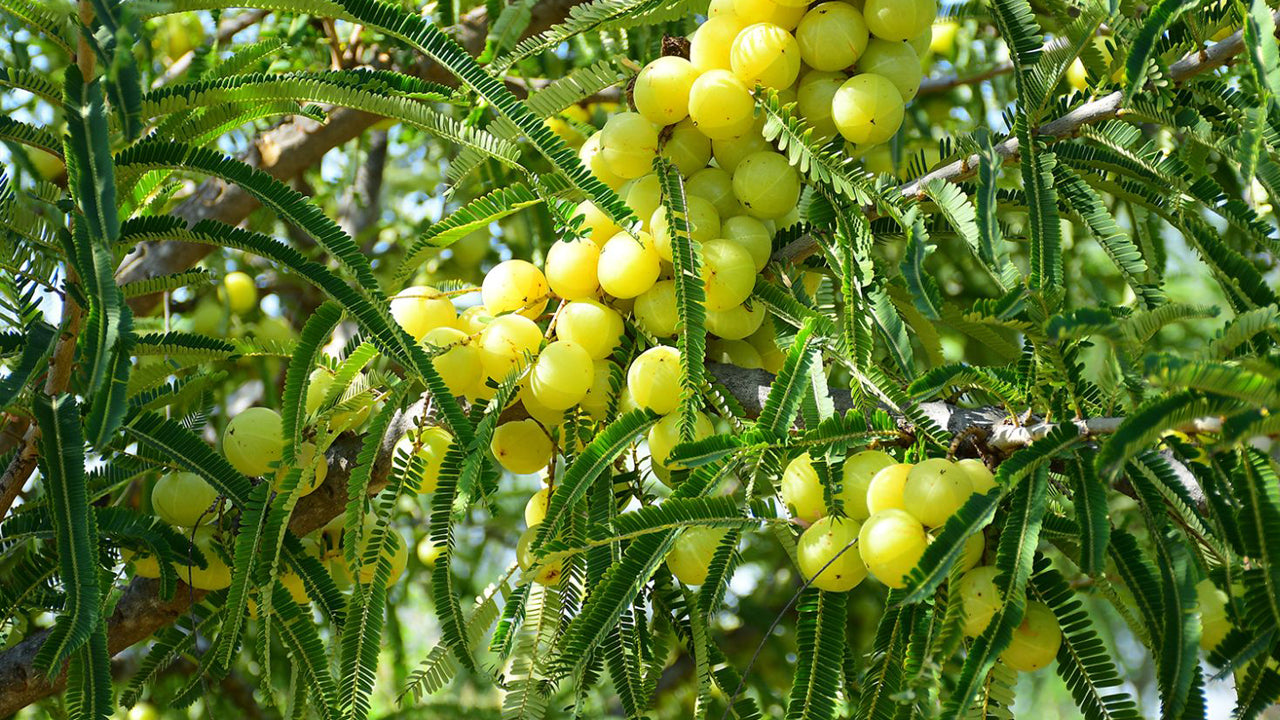
Indian gooseberry
Phyltanthus emblica -
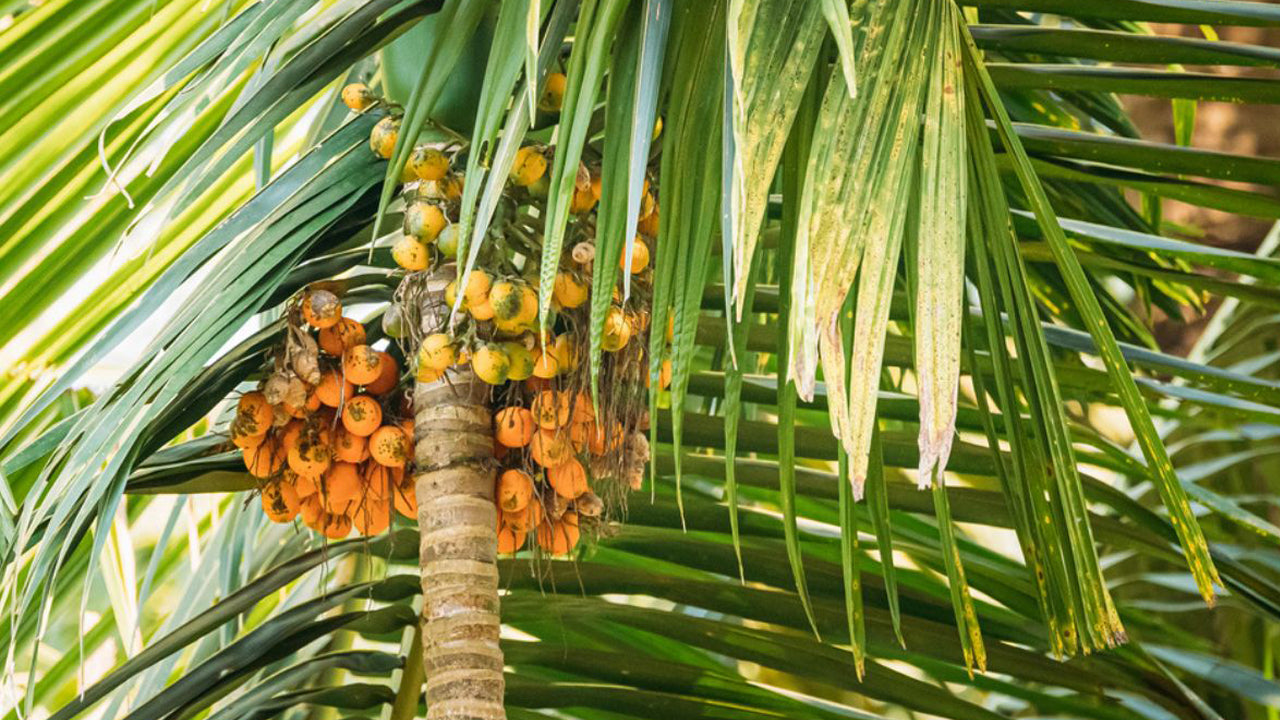
Betel palm
Areca catechu -
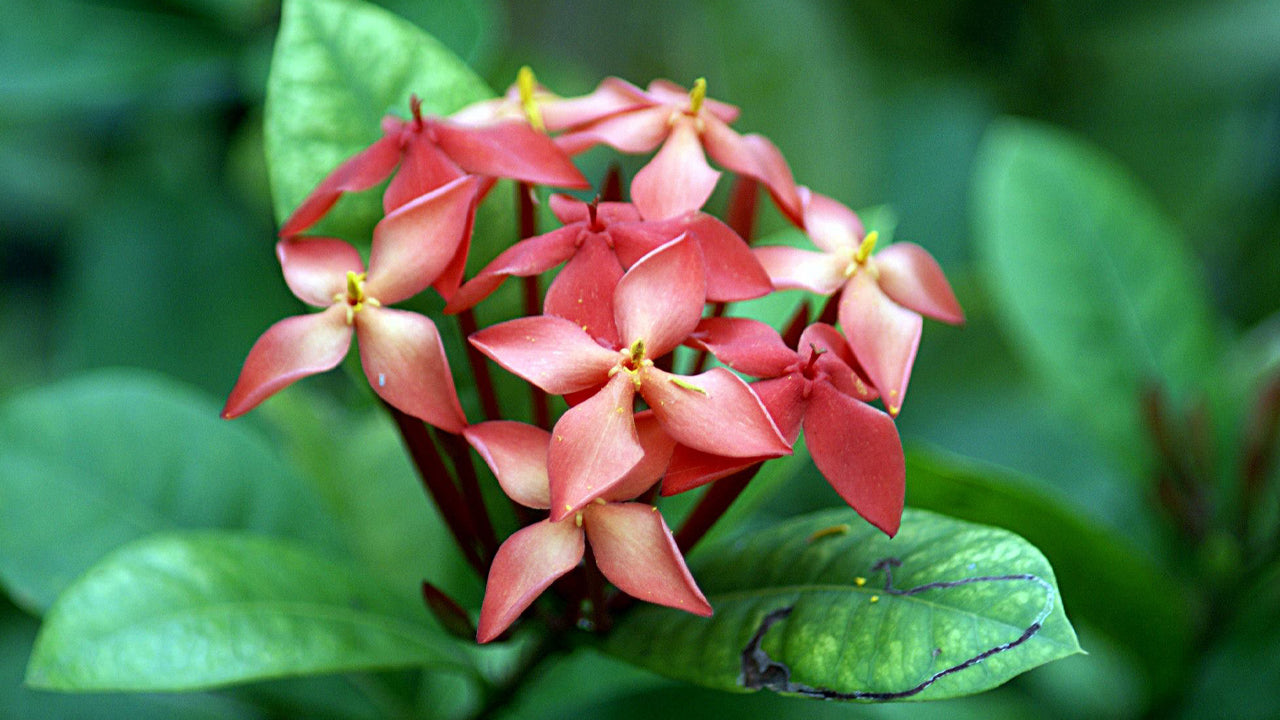
Jungle geranium
Ixora coccinea -
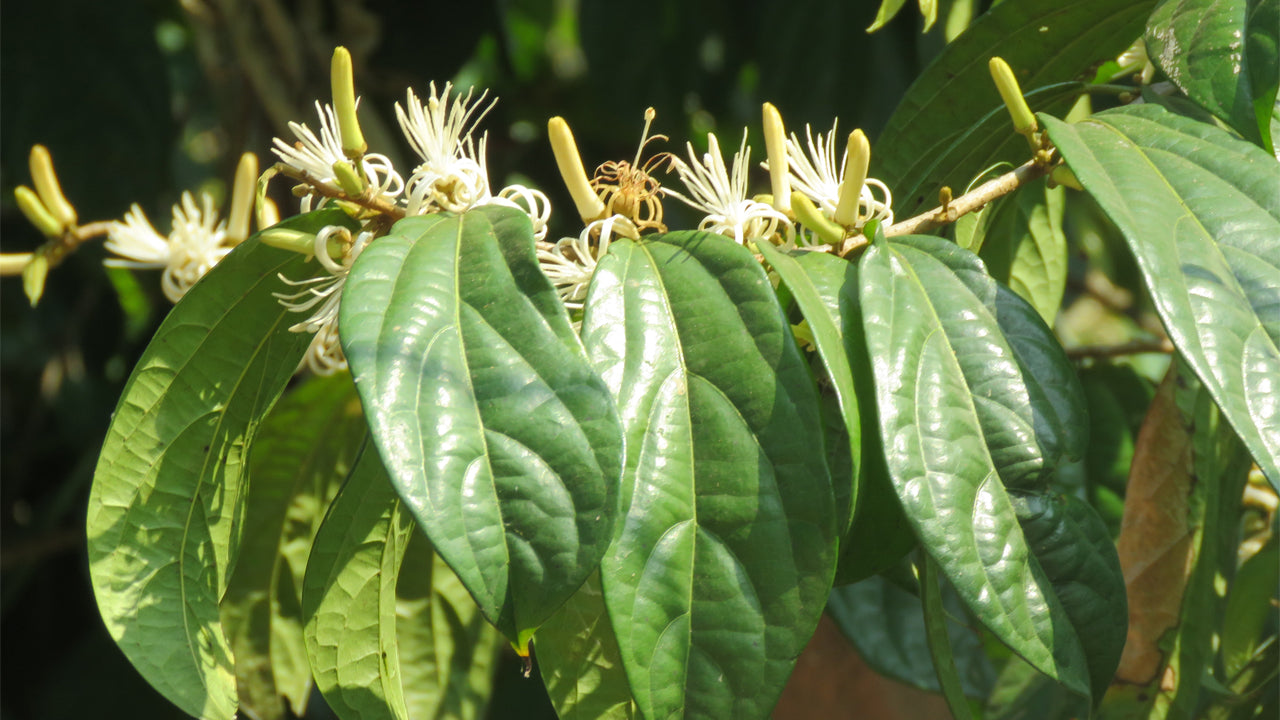
Sage-leaved alangium
Alangium salviifolium -
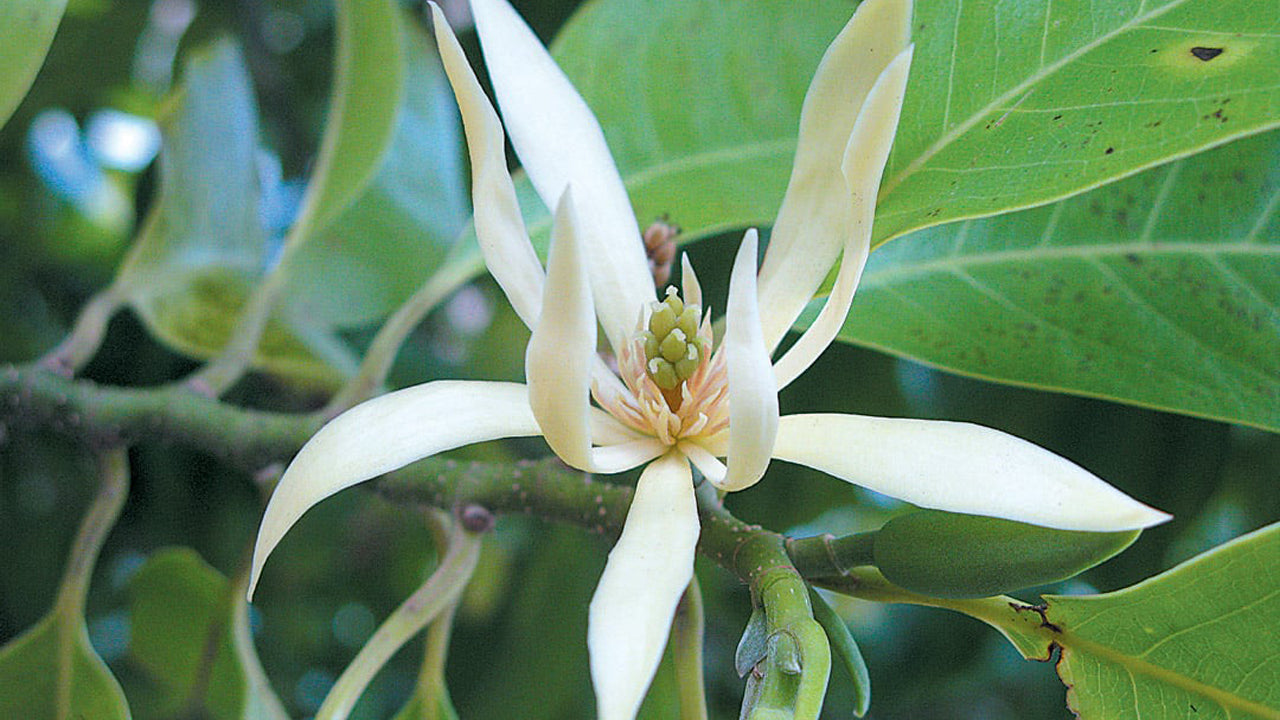
Champak
Michelia champaca -
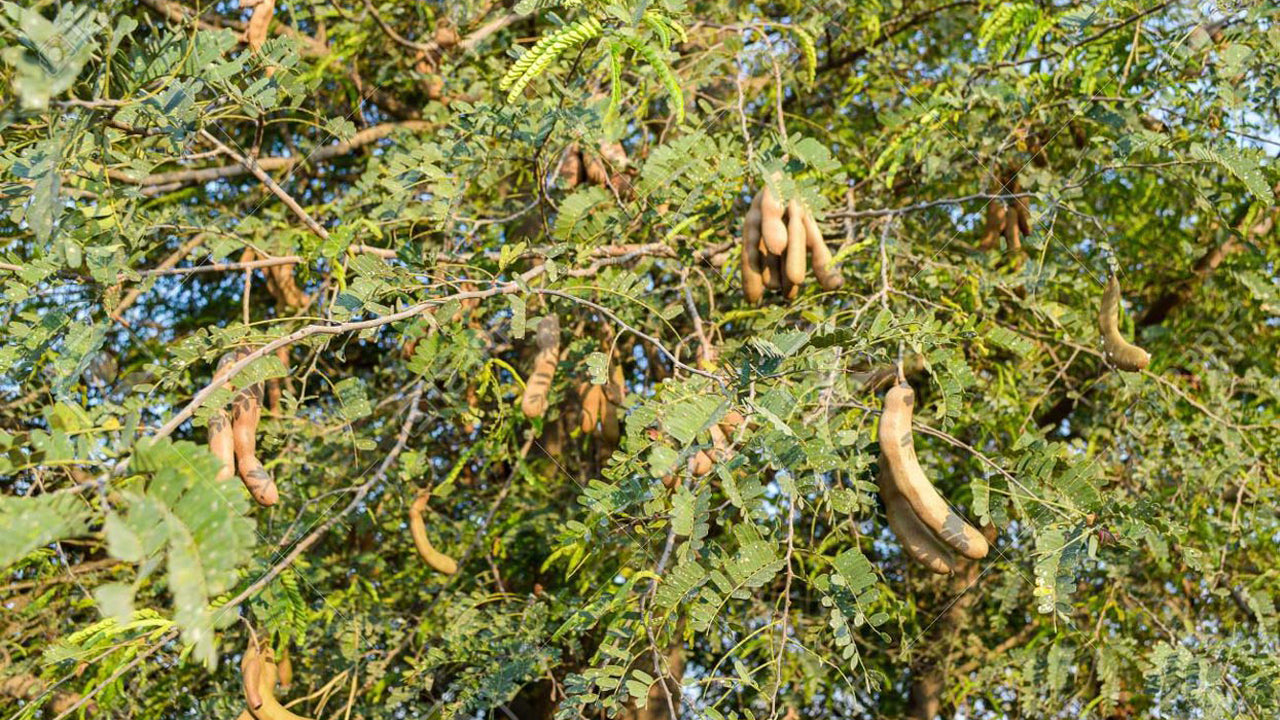
Tamarind
Tamarindus indica -
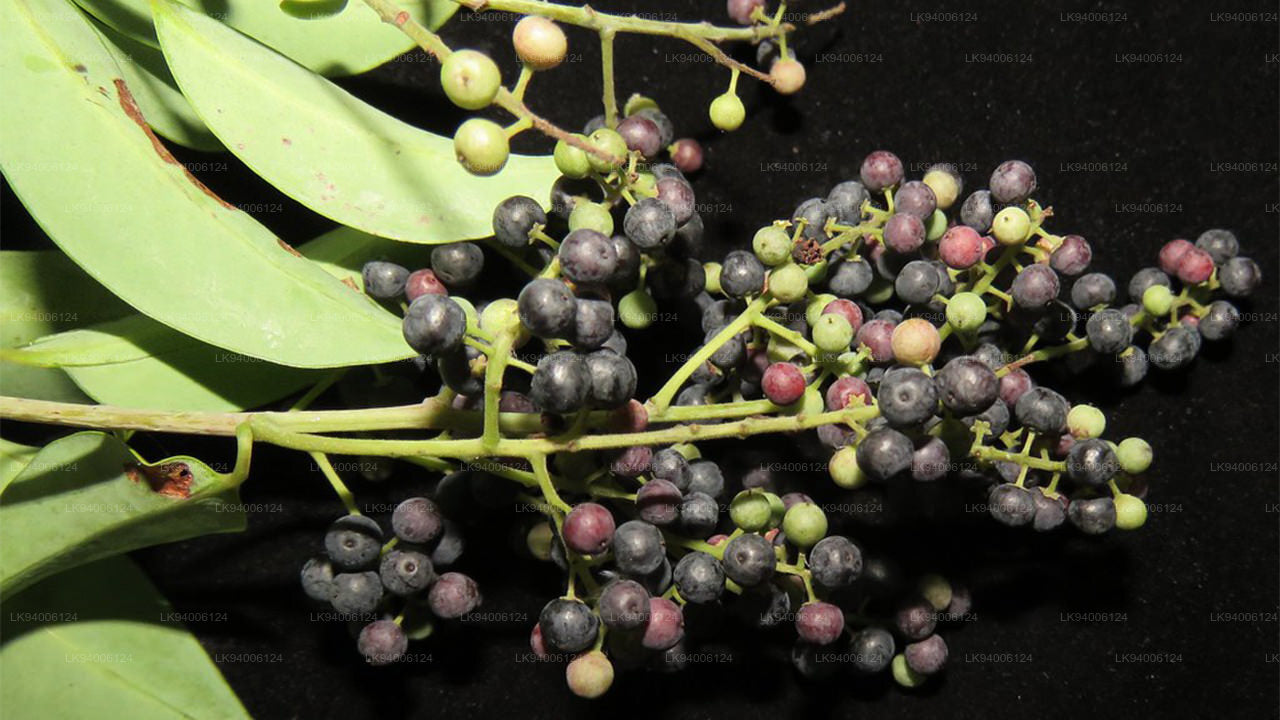
False Black Pepper
Embelia ribes -
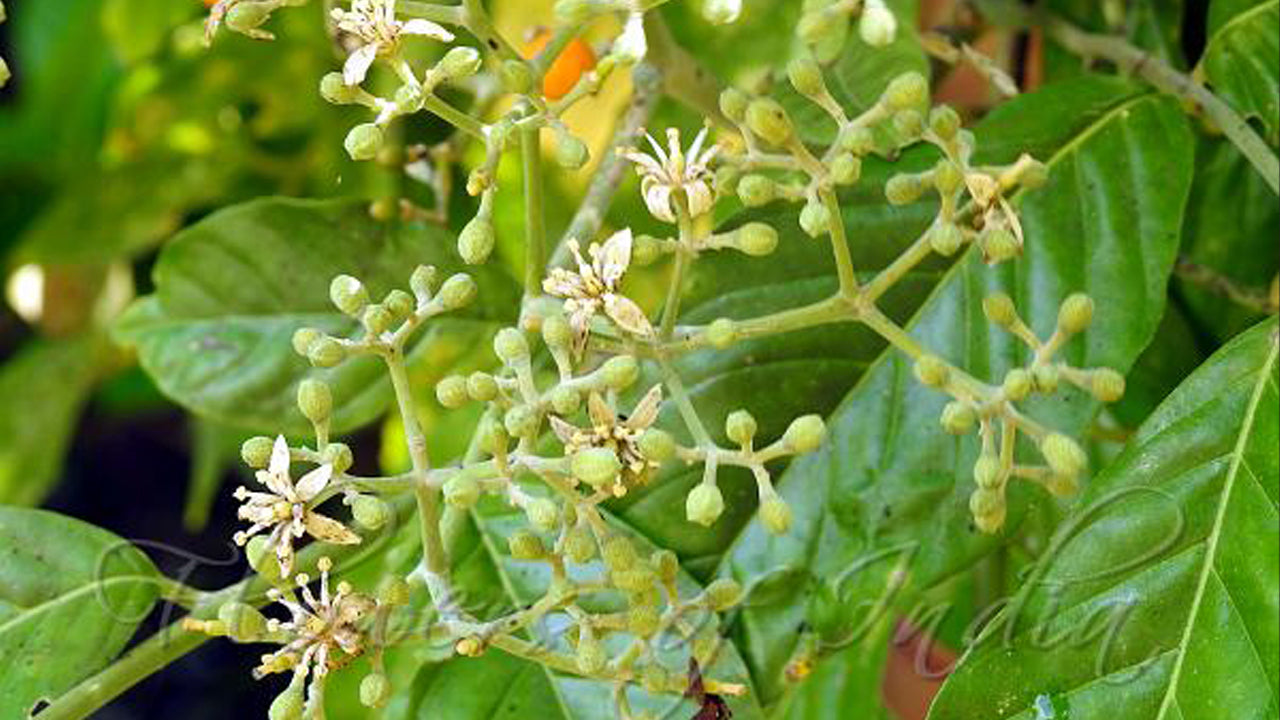
Limeberry
Micromelum ceylanicum -
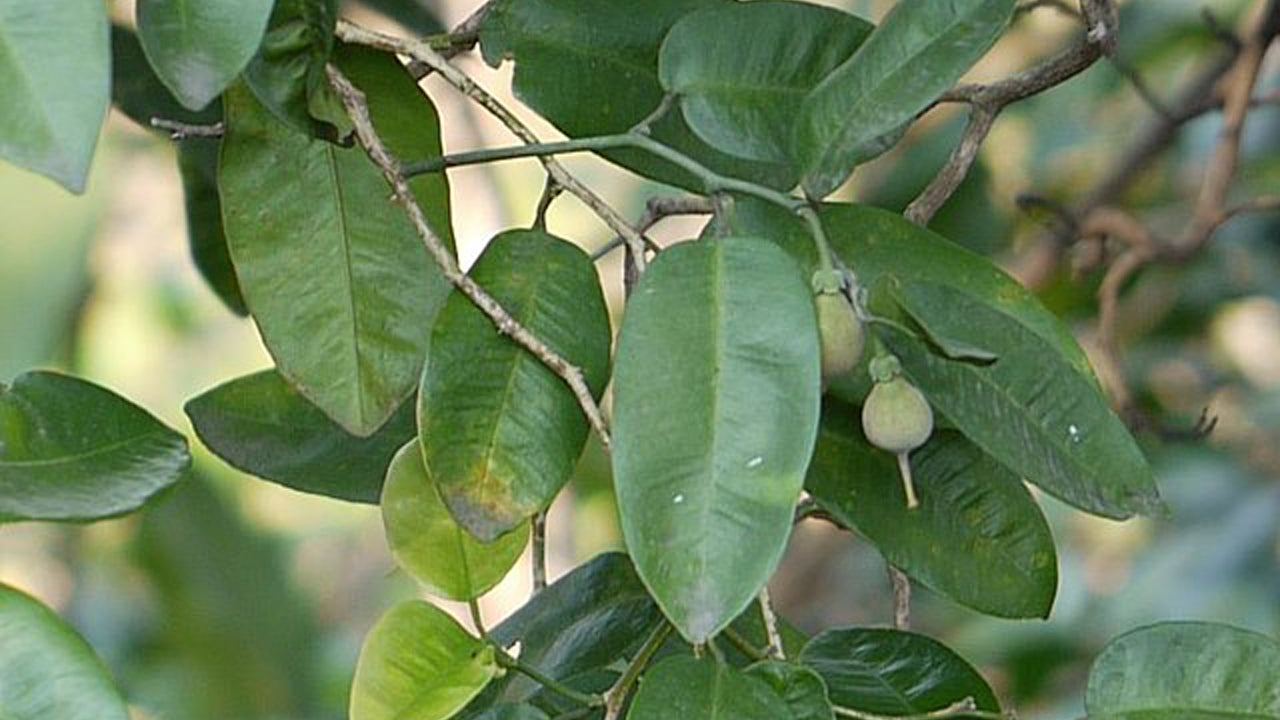
Climbing Atalantia
Paramignya monophylla



Ayurvedic and Herbal
-
بلسم الأعشاب سيدهاليبا أيورفيدابلسم عشبي سيدهاليبا أيورفيدا
Regular price From $0.48 USDRegular price$0.54 USDSale price From $0.48 USDSale -
لينك سواسثا ثريفالا (30 حبة)
Regular price From $1.74 USDRegular price$1.93 USDSale price From $1.74 USDSale -
أوراق قشطة لامبورا المجففة (جوانابانا، جرافيولا، جويابانو)
Regular price From $0.72 USDRegular price$0.81 USDSale price From $0.72 USDSale -
 Sale
Saleزيت سيتسوا برانجيفا
Regular price From $3.85 USDRegular price$4.28 USDSale price From $3.85 USDSale