Carica papaya (Gas Labu)


Native to the tropics of the Americas, papaya belongs to the genus Caricase. Carica papaya (Gas Labu) ?????? is the botanical name of this fruit which is known for its taste, quality as well as nutrition. Not only nutritious but also medicinal, this papaya can be grown in a variety of temperatures and can be easily grown in any area. It is also known as a by-product of a crop such as coconut or pineapple and is an effective economic crop that can be grown. There are several types of papaya. Among them are Red Red, Lead, Solo Hawaii, and Ratna Papal. There are also fruitless papaya trees, also known as flowering papayas and night papayas. Papaya, a fruit rich in vitamin C, also contains sucrose, dextrose, malic acid, citrate and pectin. It is also rich in vitamins A, B, B2 and nutrients such as iron and calcium.
Also great for making ripe papaya jams that are indispensable for fruit salads. When buying papayas for fruit salads, be sure to choose semi-ripe ones rather than well-ripened ones. This is because even though half-ripe papayas can be cut into pieces, well-ripened ones are difficult to cut into pieces. The taste of a salad is best felt when it is crushed into pieces. When making these salads, jams and drinks from papaya, be sure to use less sugar.
Both ripe and raw papayas are eaten. Raw papaya is generally used to facilitate digestion and to soften hard foods. Moreover, raw papaya is an indispensable ingredient in local pickles. Finely chopped and half-boiled papaya is added to the vinegar to give it a deliciously sensual, delicate, flower-fruity scent. In addition, its aroma stimulates appetite. More delicious as a condiment and as a condiment, it often gives you a fresh taste instead of the mouth-watering taste.
Medicinal properties:
Papaya is also known as a starving fruit. Papaya is used as a remedy for diseases of the digestive system and provides quick relief from constipation. In addition, the root of the papaya tree is used as a medicine for snake bites and the leaves, roots, fruits and milk are also used as medicines.
- Regulates the digestive system.
Papaya contains two proteolytic enzymes, papain and chymopapain, which improve digestion. These enzymes help to break down and digest proteins, and thus known as powerful digestive aids. Apart from this, papaya also eases constipation.
- Improves heart health.
Papaya is a powerhouse for vitamins and minerals that support the functioning of the cardiovascular system. This fruit also helps to reduce the risk of a heart attack, and it’s fiber, potassium, and vitamin content promotes good heart health.
- Can reduce your risk of cancer.
Some studies suggest that papaya has anti-cancer properties that can protect against different types of cancers including that of the cervix, breast, liver, lung, and pancreas. Rich in antioxidants like lycopene, beta-carotenes, and carotenoids, this fruit works reducing the damage caused by free radicals in the body.
- Helps with weight loss.
This low-calorie fruit is excellent for weight loss. I
-
Claw-flowered laurel
Acronychia pedunculata -
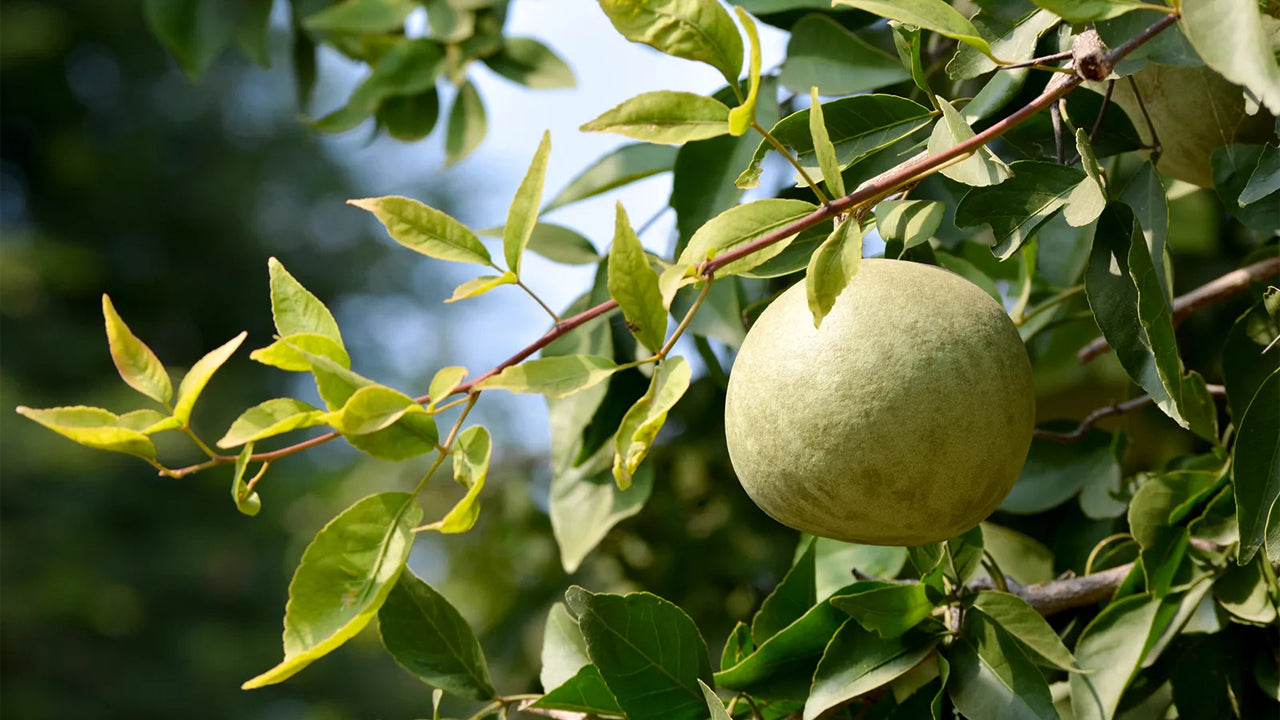
Bael
Aegle marmelos -
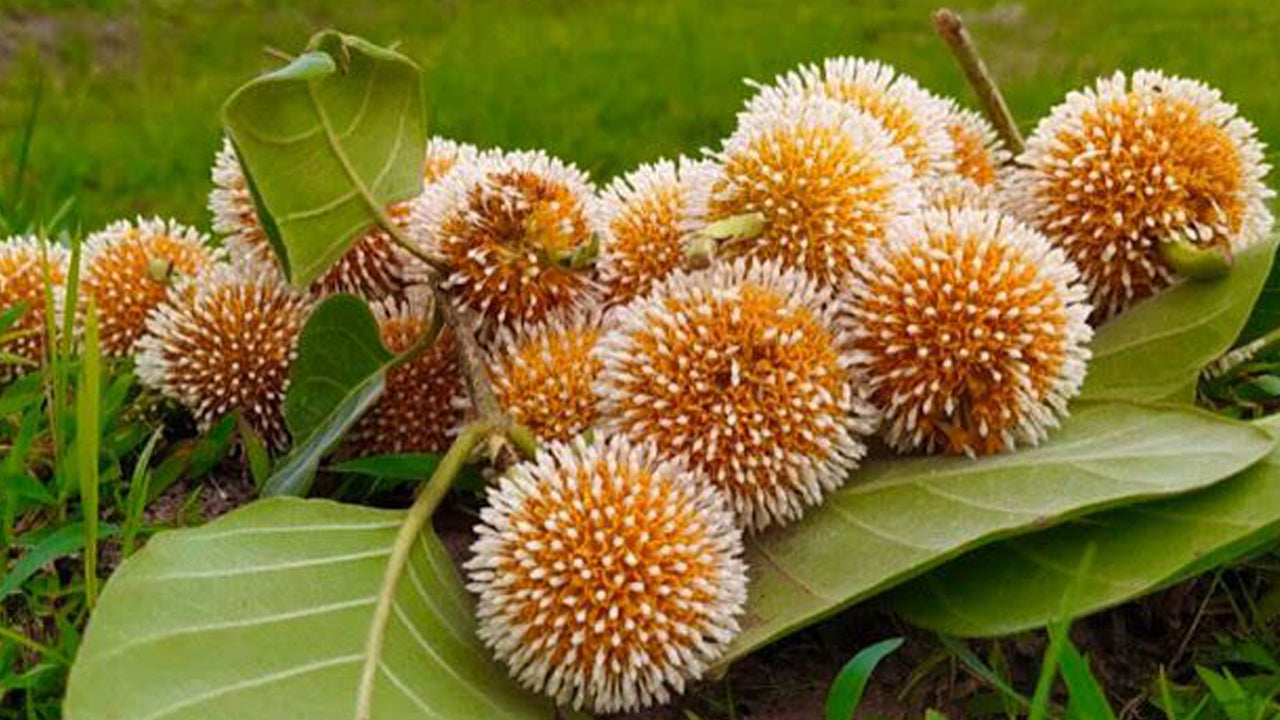
Leichhardt tree
Nauclea orientalis -
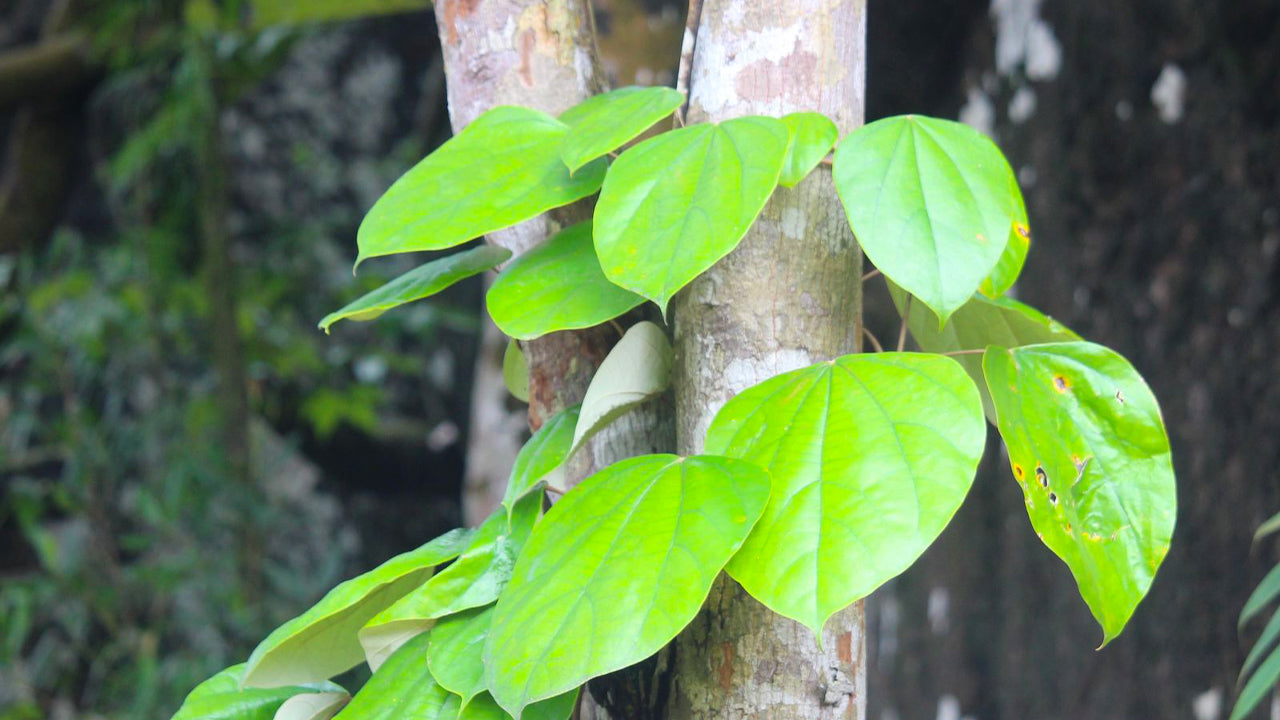
False Calumba
Coscinium fenestratum -

Malabar Gulbel
Tinospora malabarica -
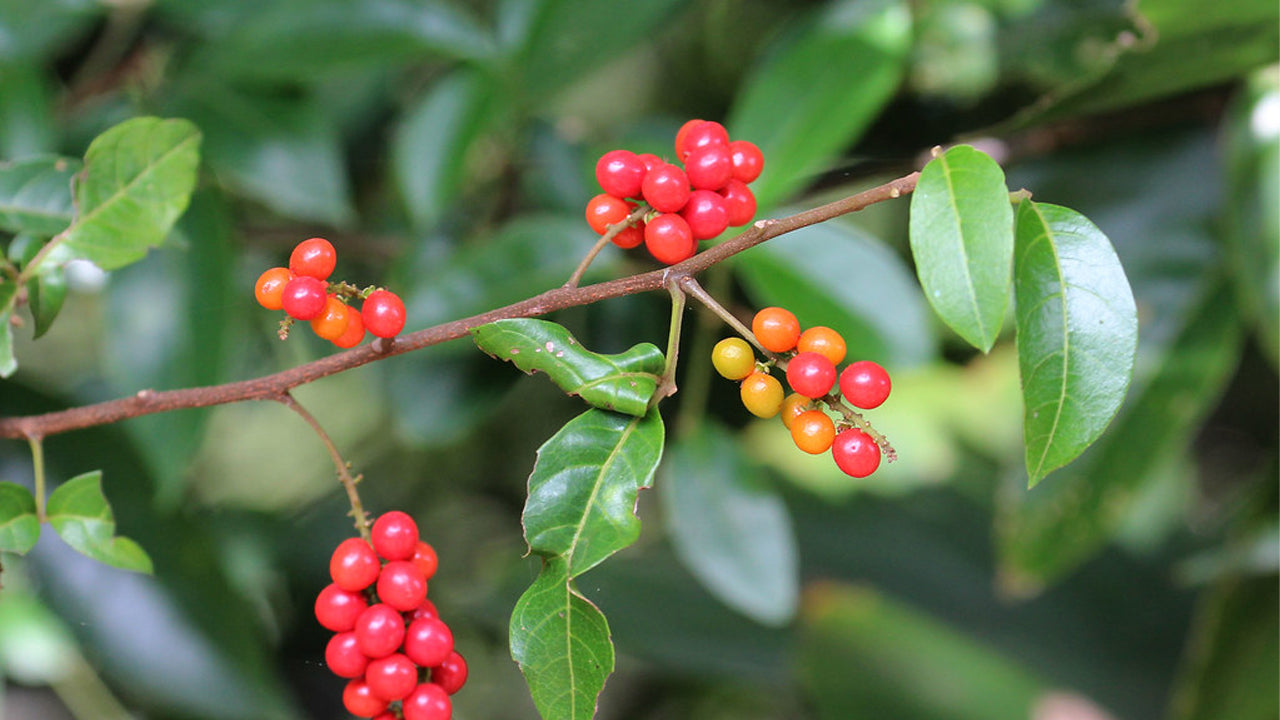
Titberry
Allophylus cobbe -
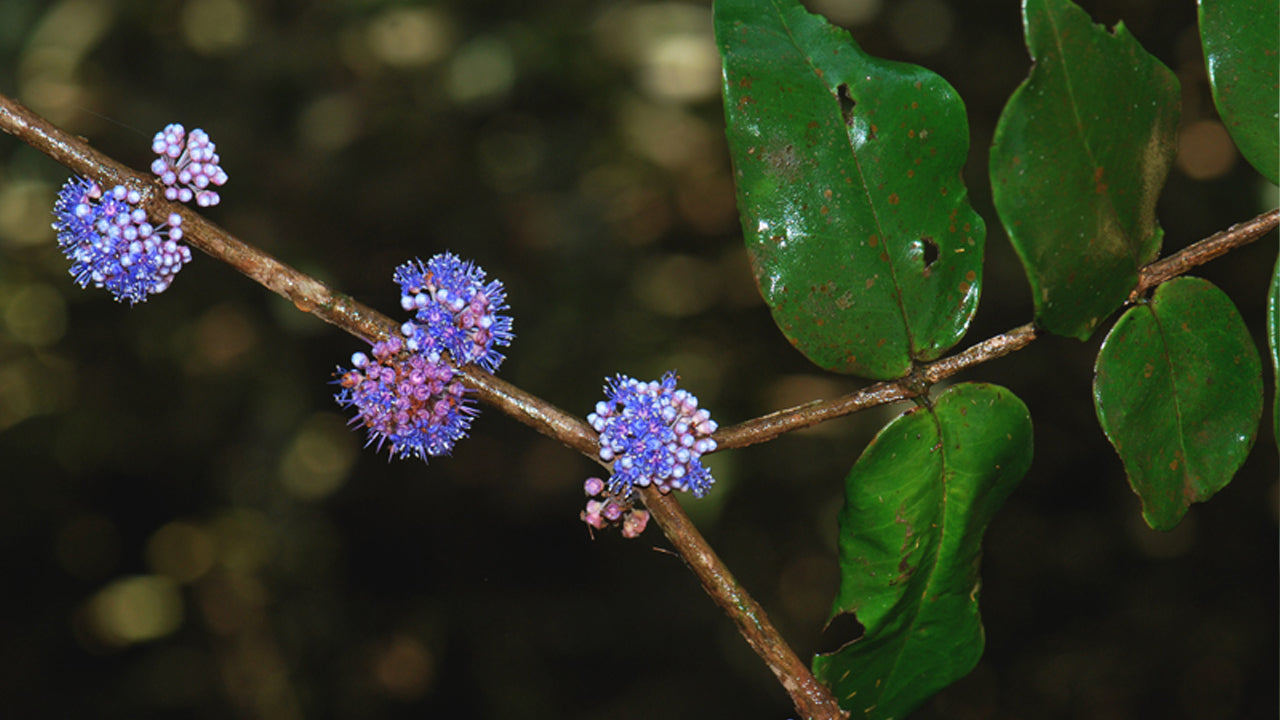
Ironwood Tree
Memecylon capitellatum -
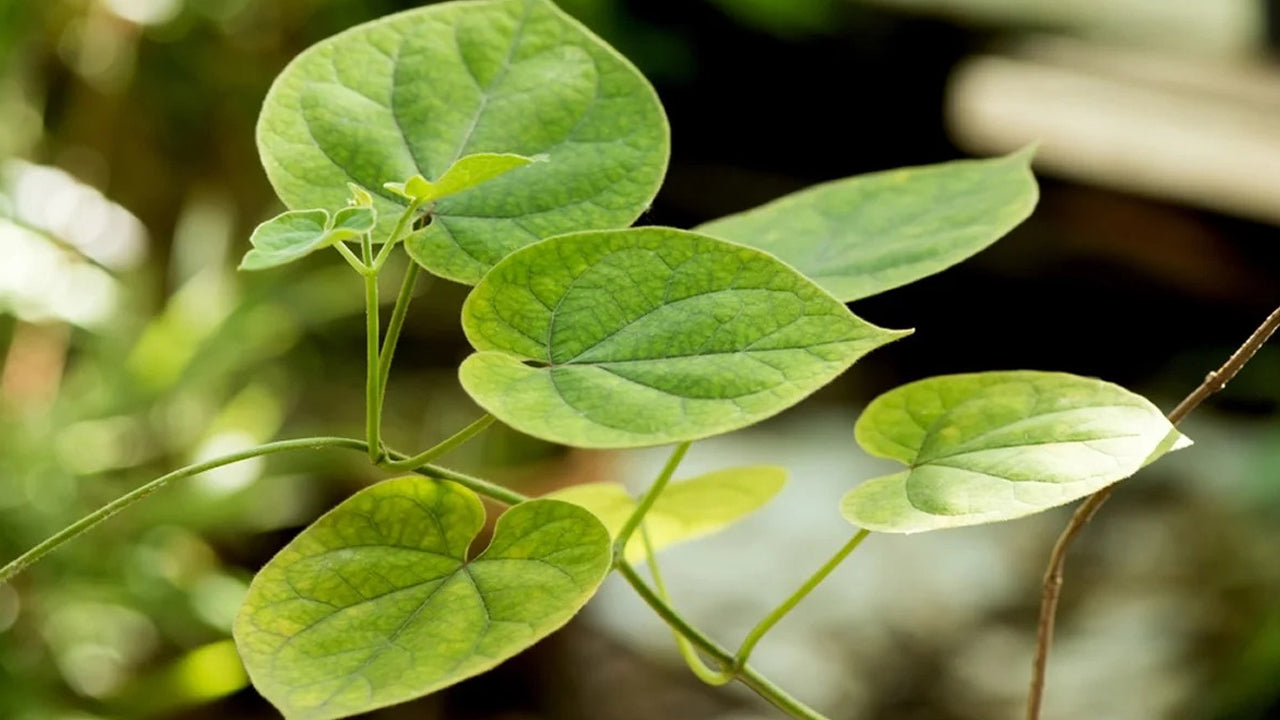
Velvet Leaf
Cissampelos pareira -
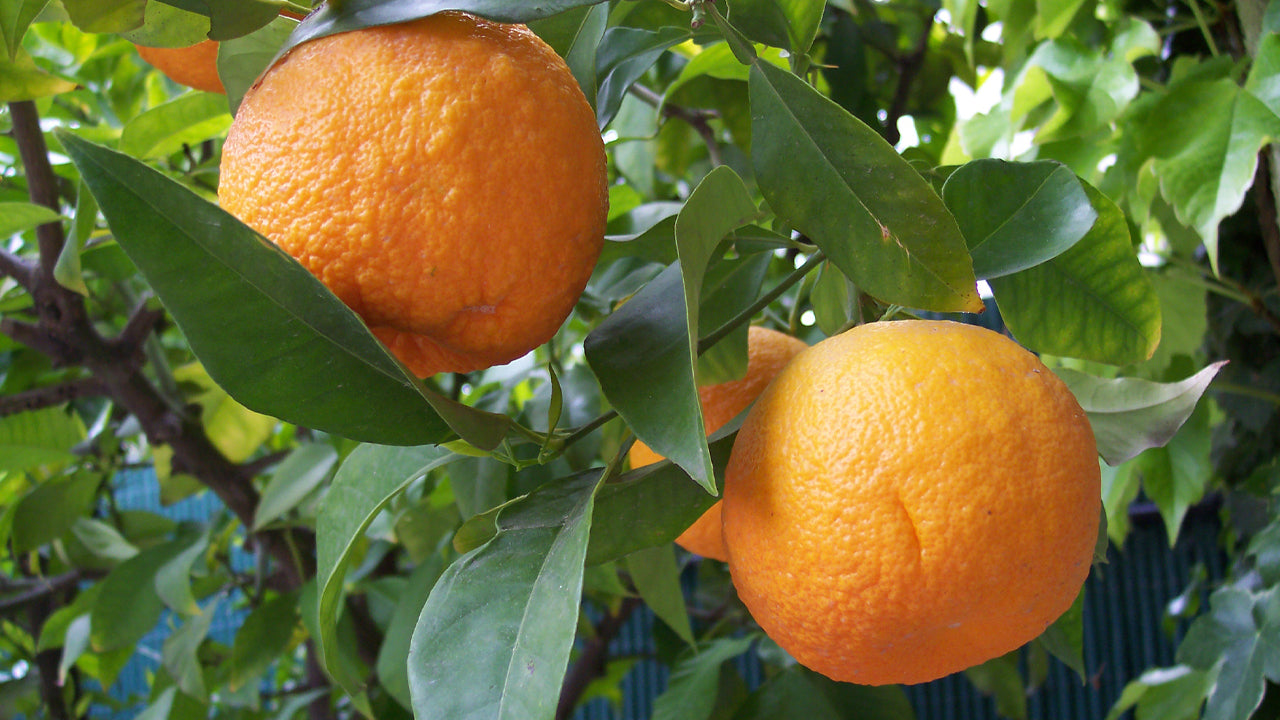
Bitter orange
Citrus aurantium -

Reinwardt's Tree Plant
Biophytun reinward -
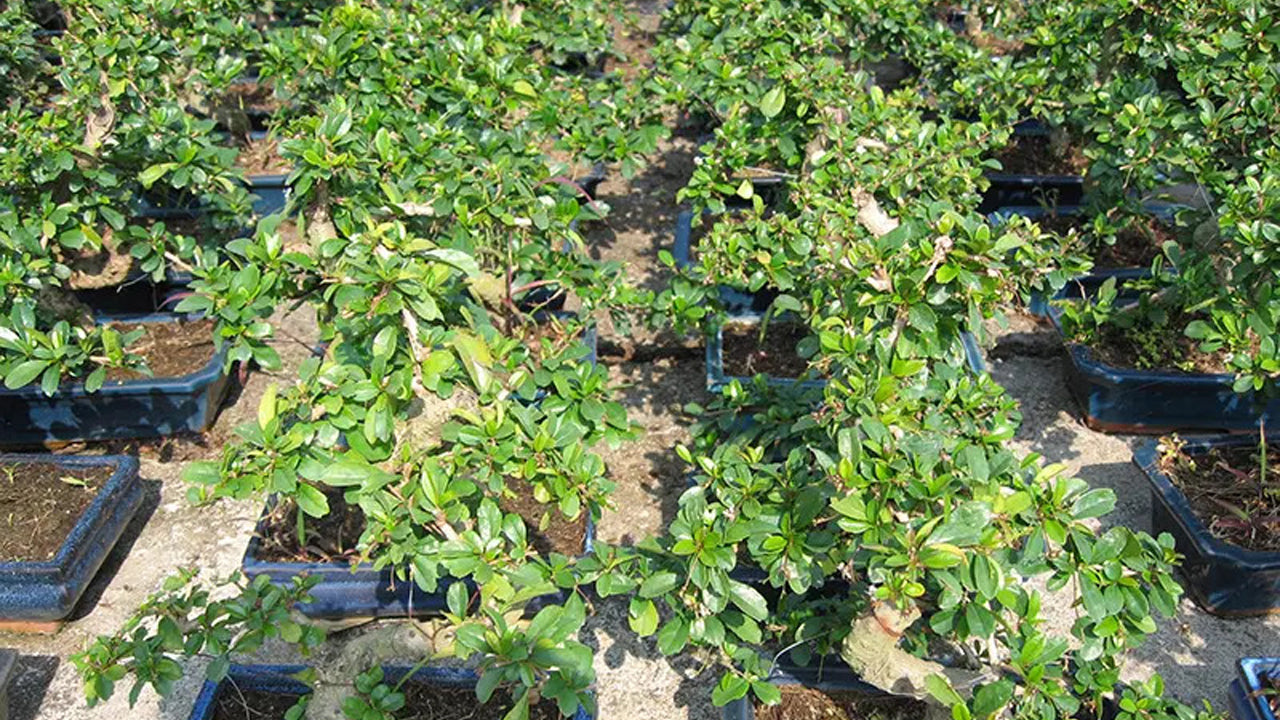
Fukien tea
Carmona microphylla -
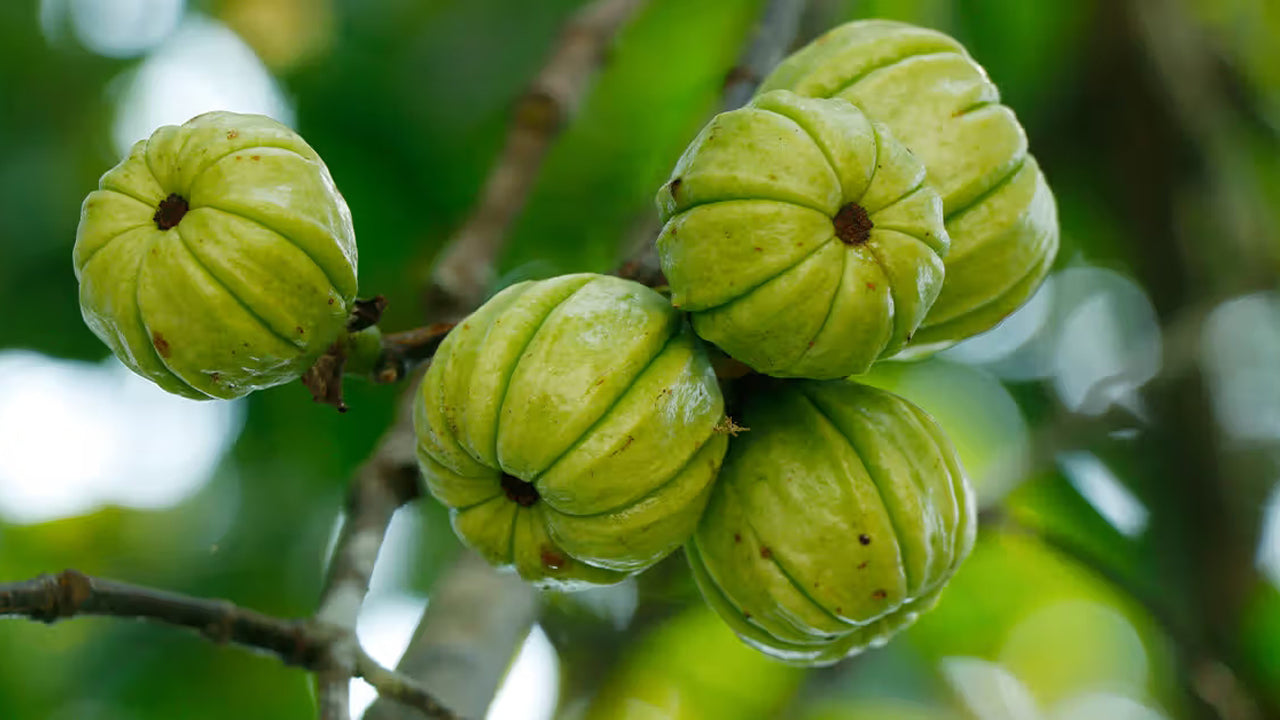
Malabar tamarind
Garcinia cambogia -
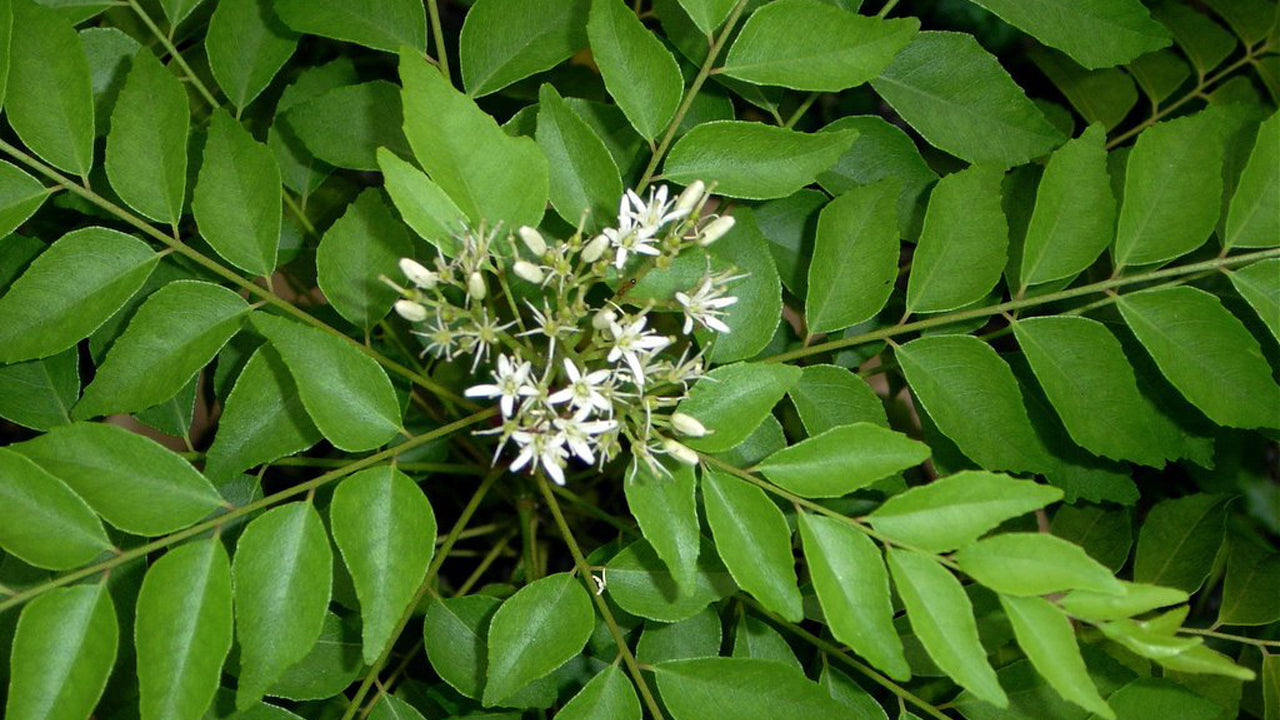
Curry leaf tree
Murraya koenigii -
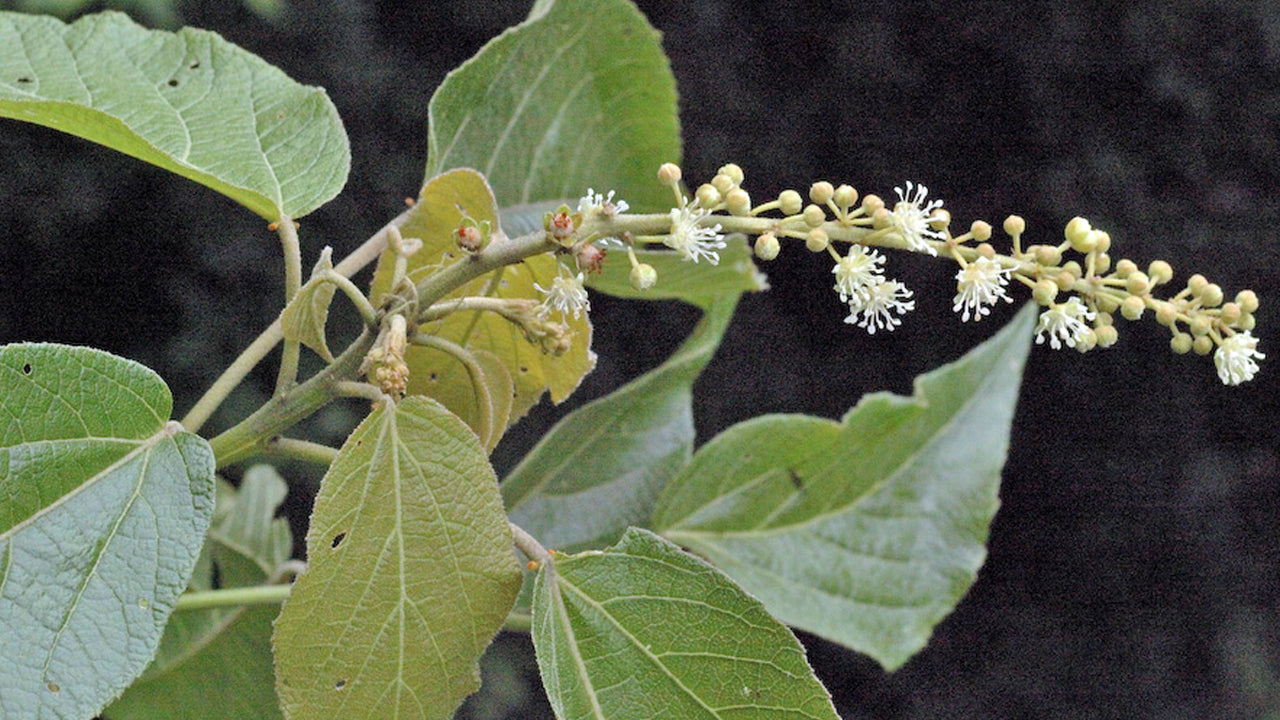
Kappetiya
Croton laccifer -
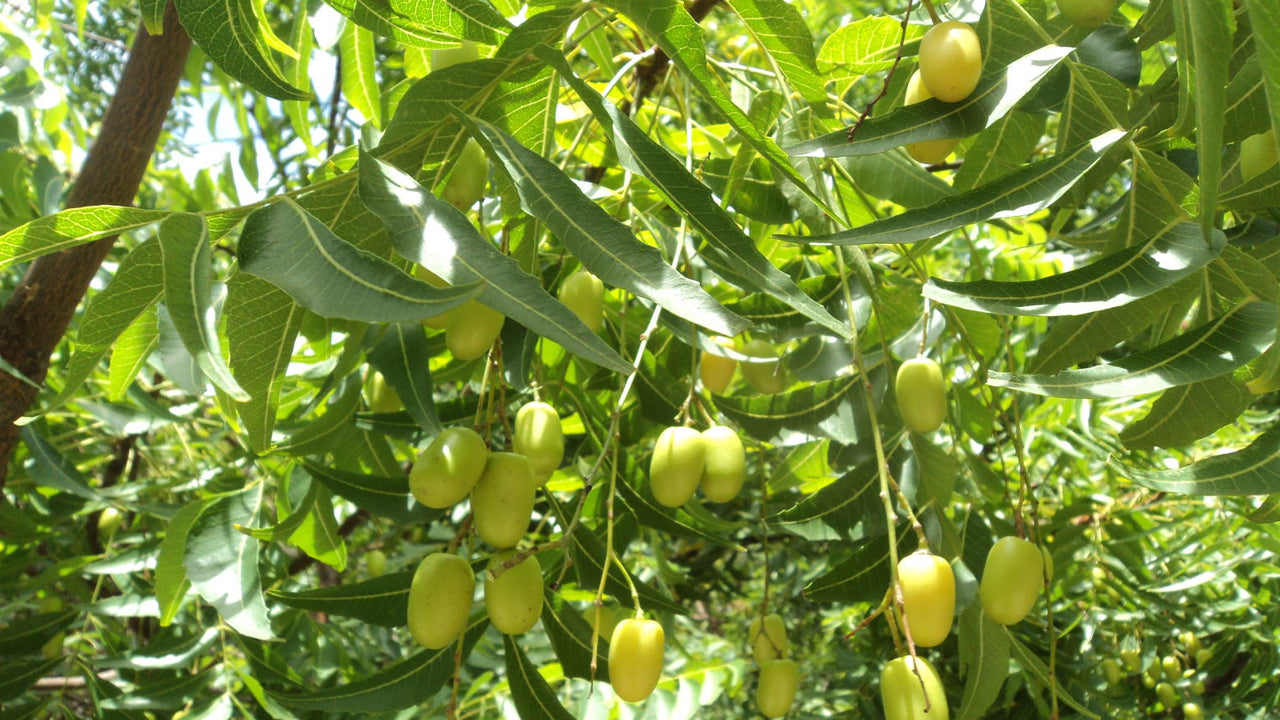
Indian lilac
Azadirachta indica -
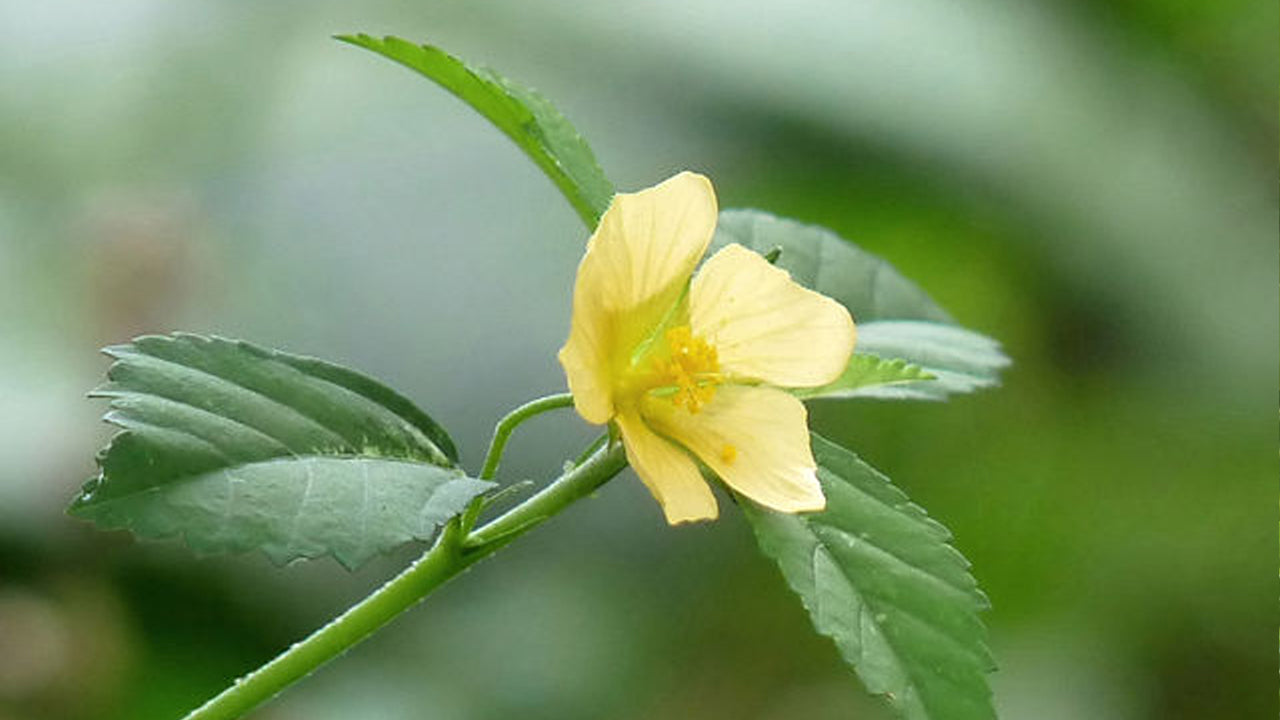
Spiny sida
Sida alba -
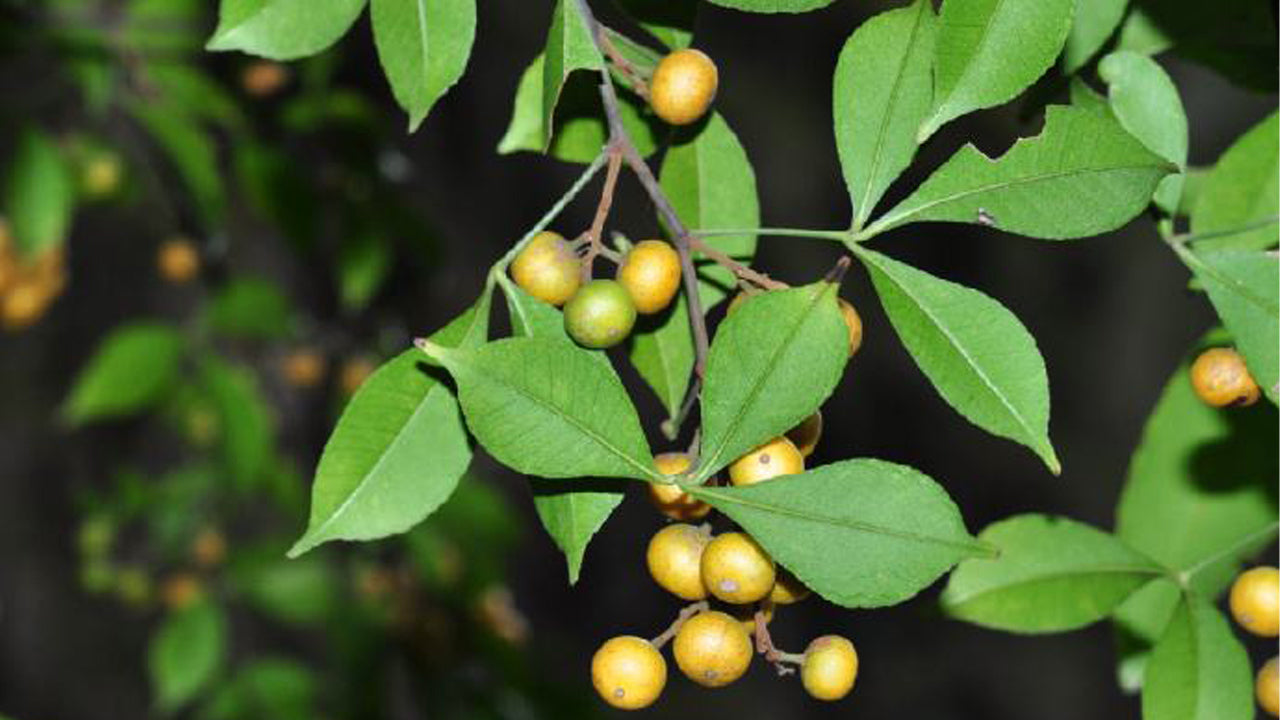
Orange climber
Toddlia asiatica -
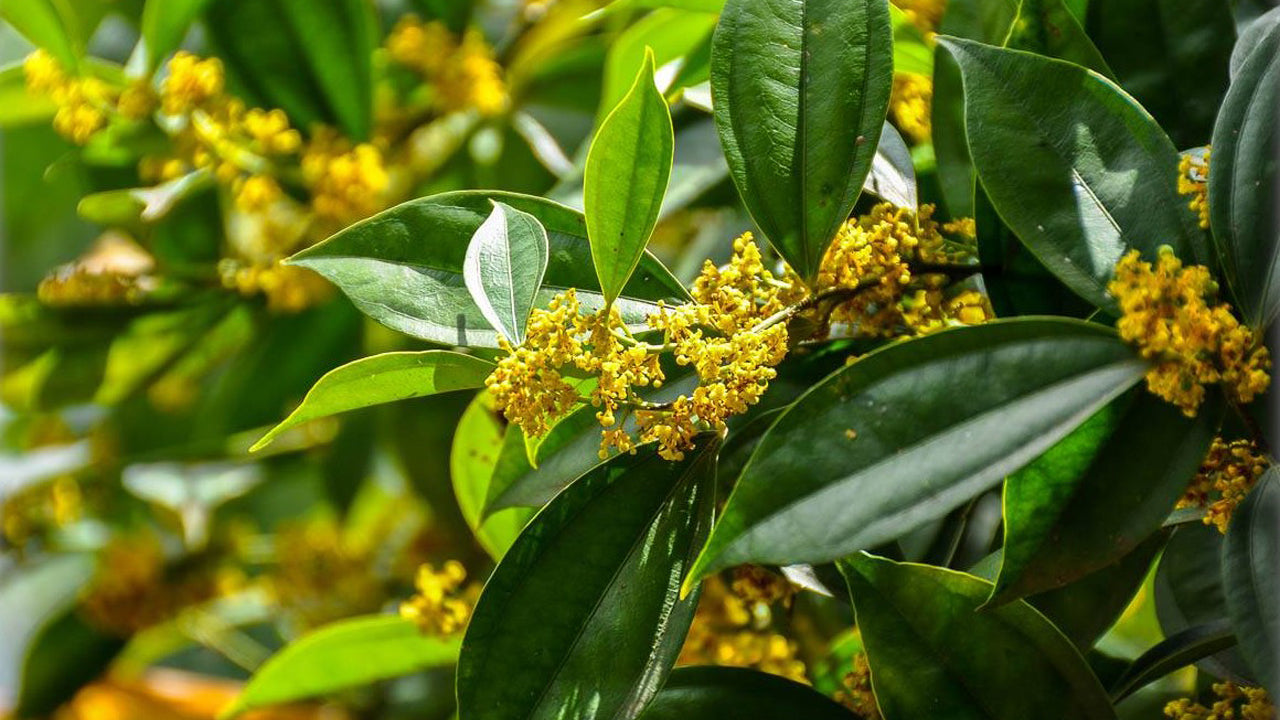
Ceylon cinnamon
Cinnamomum zeylanicum -
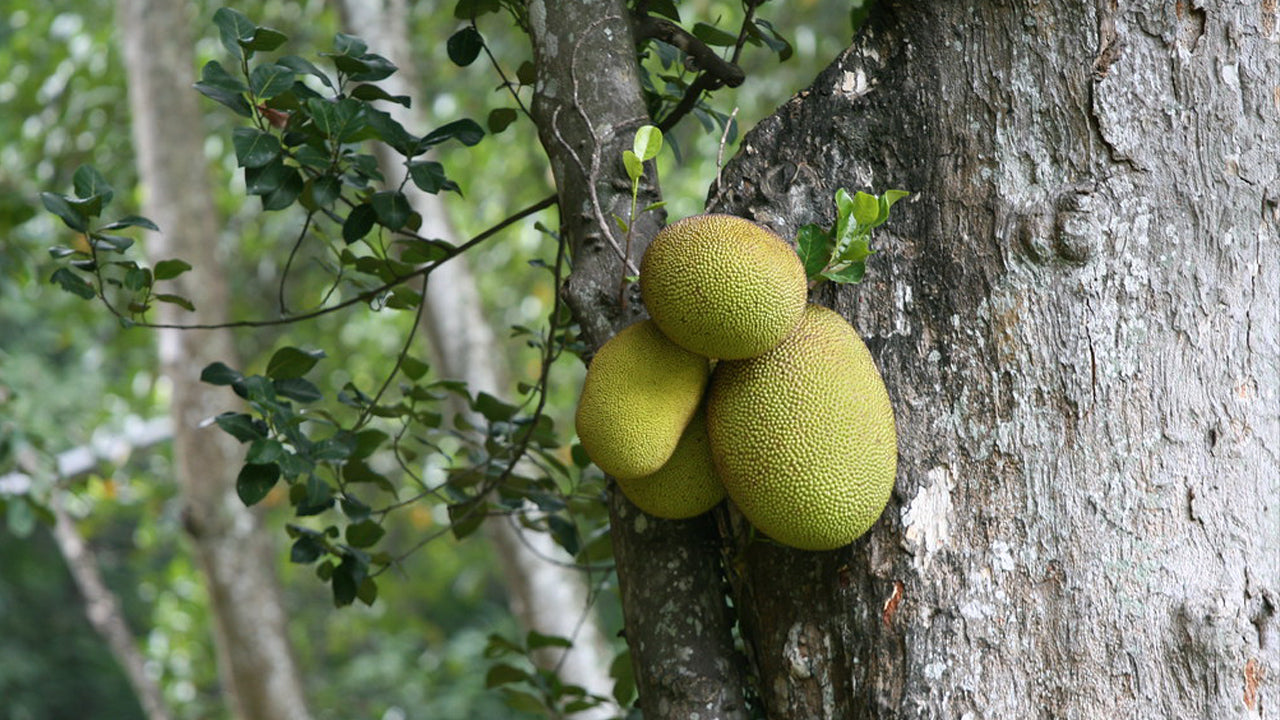
Jackfruit
Artocarpus heterophyllus -
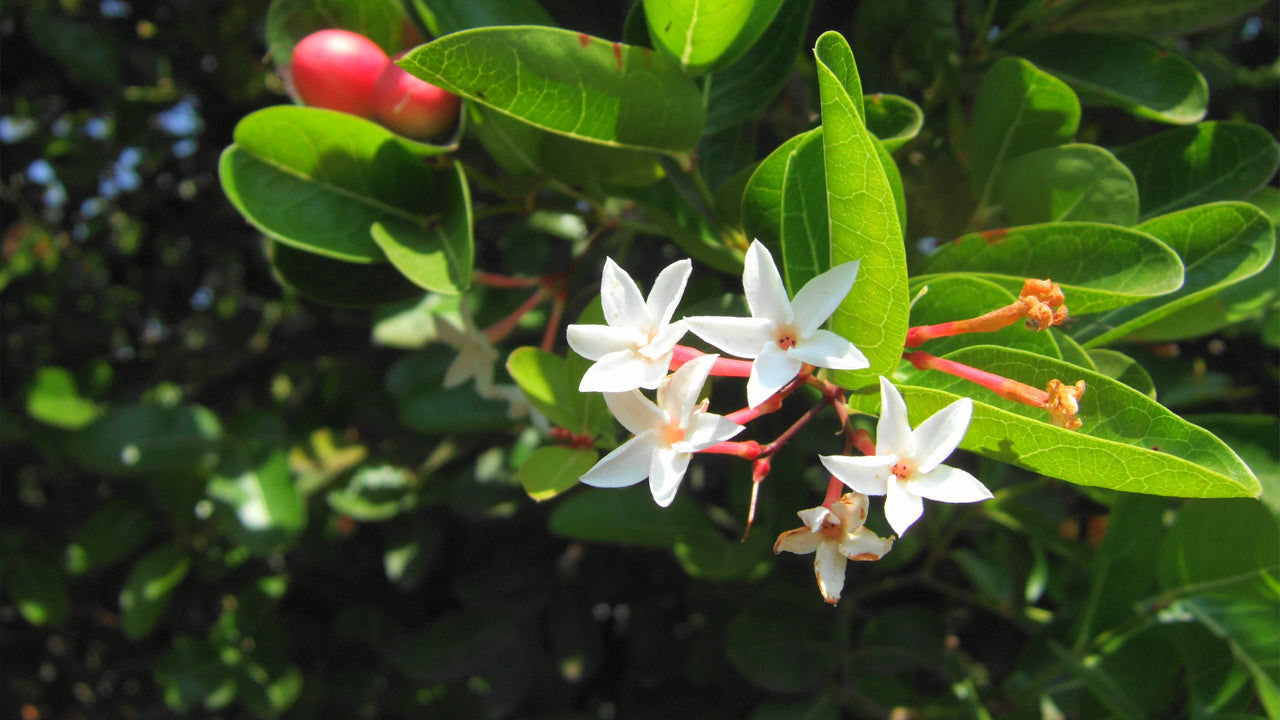
Karonda
Carissa carandas -
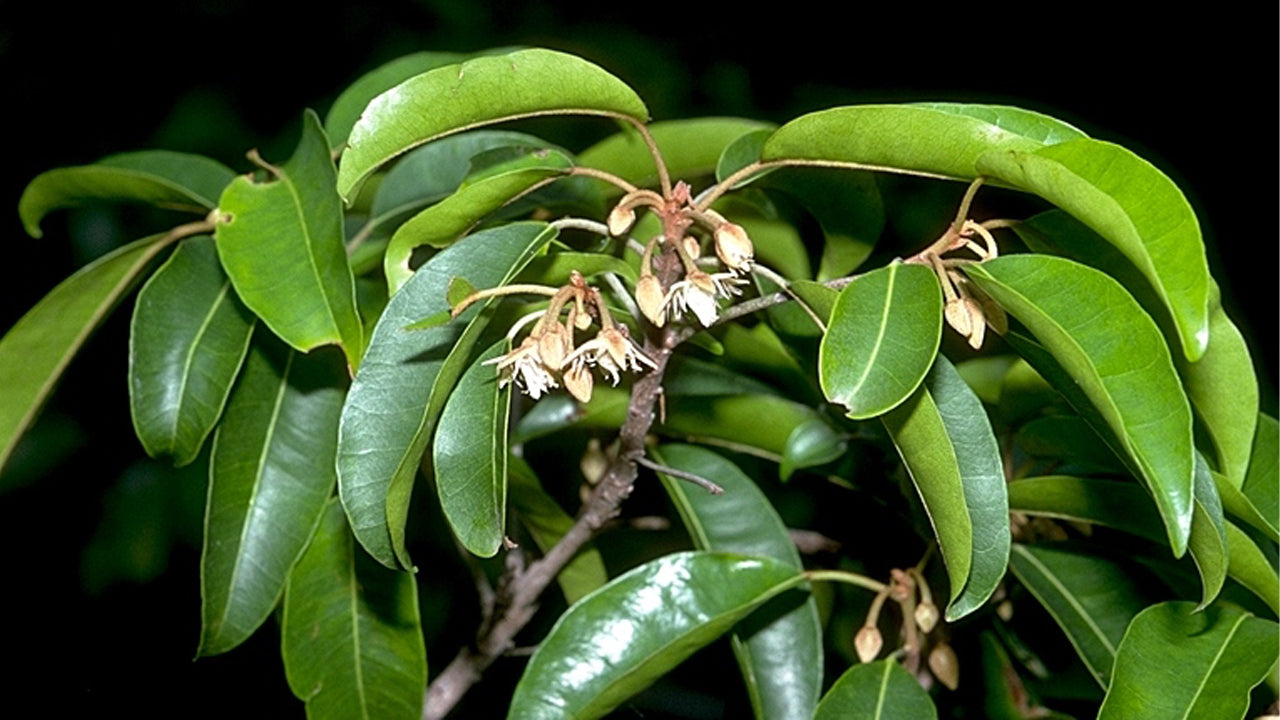
Spanish cherry
Mimusops elengi -
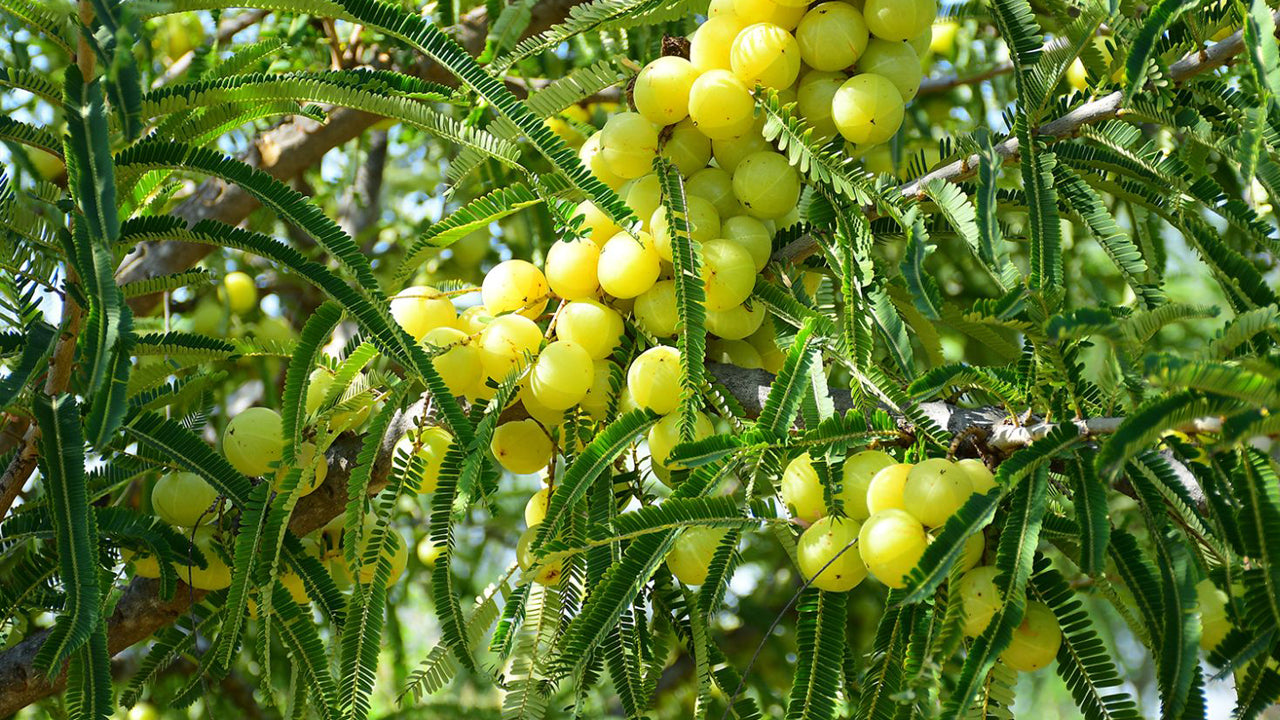
Indian gooseberry
Phyltanthus emblica -
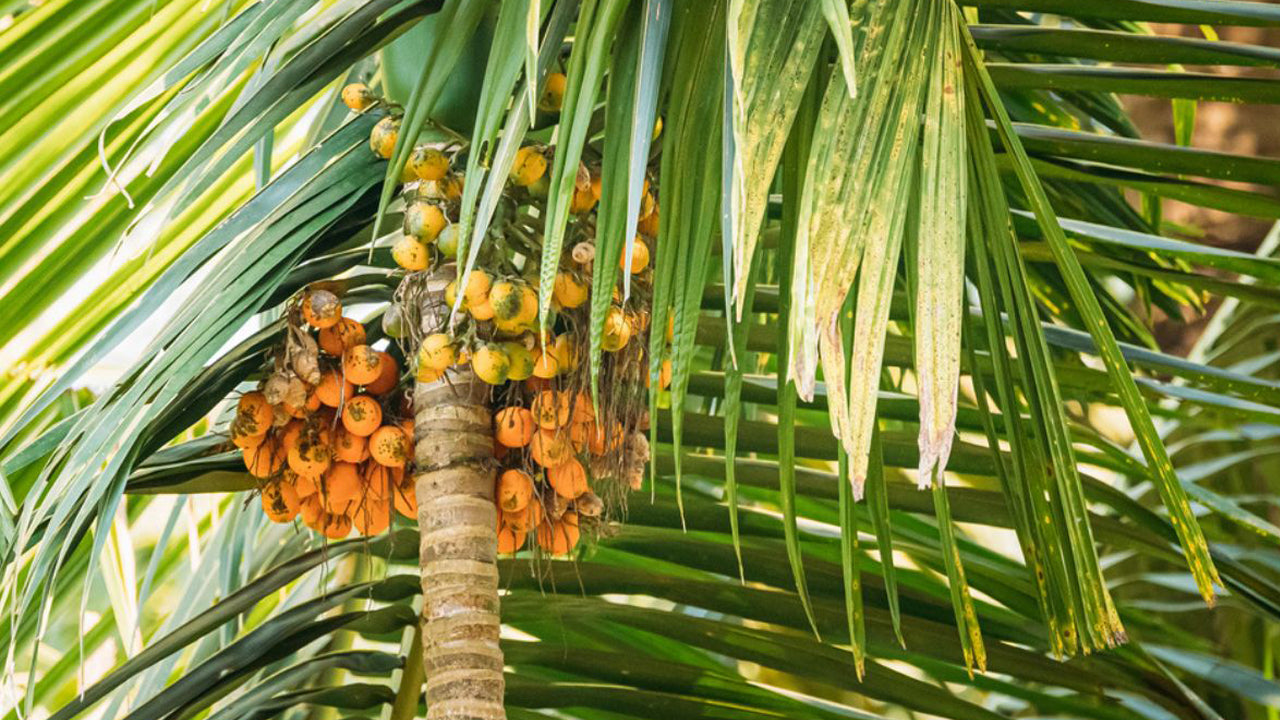
Betel palm
Areca catechu -
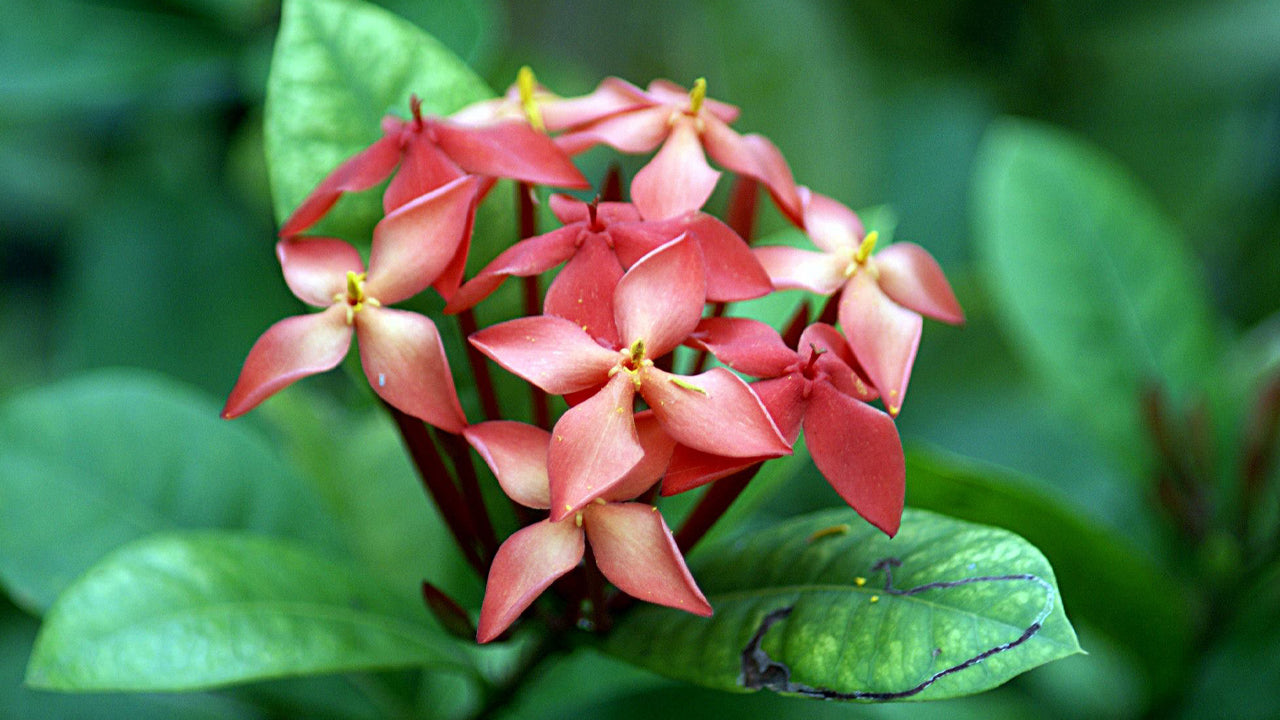
Jungle geranium
Ixora coccinea -
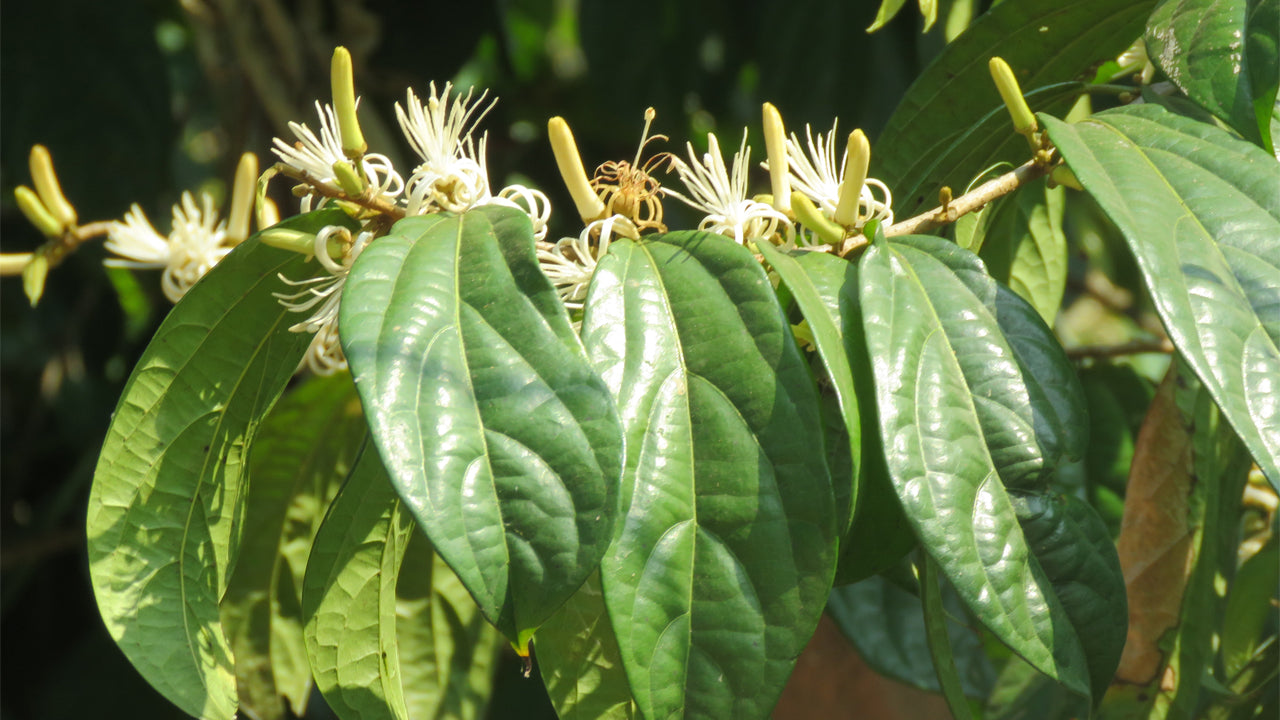
Sage-leaved alangium
Alangium salviifolium -
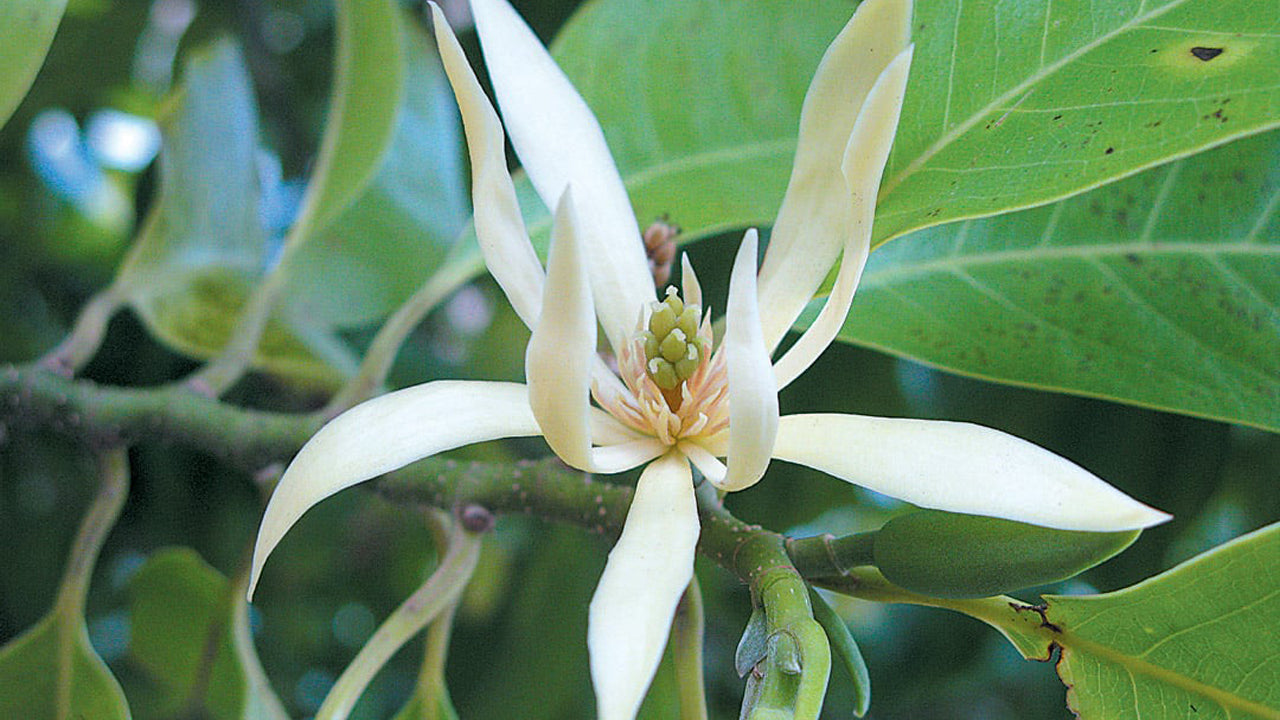
Champak
Michelia champaca -
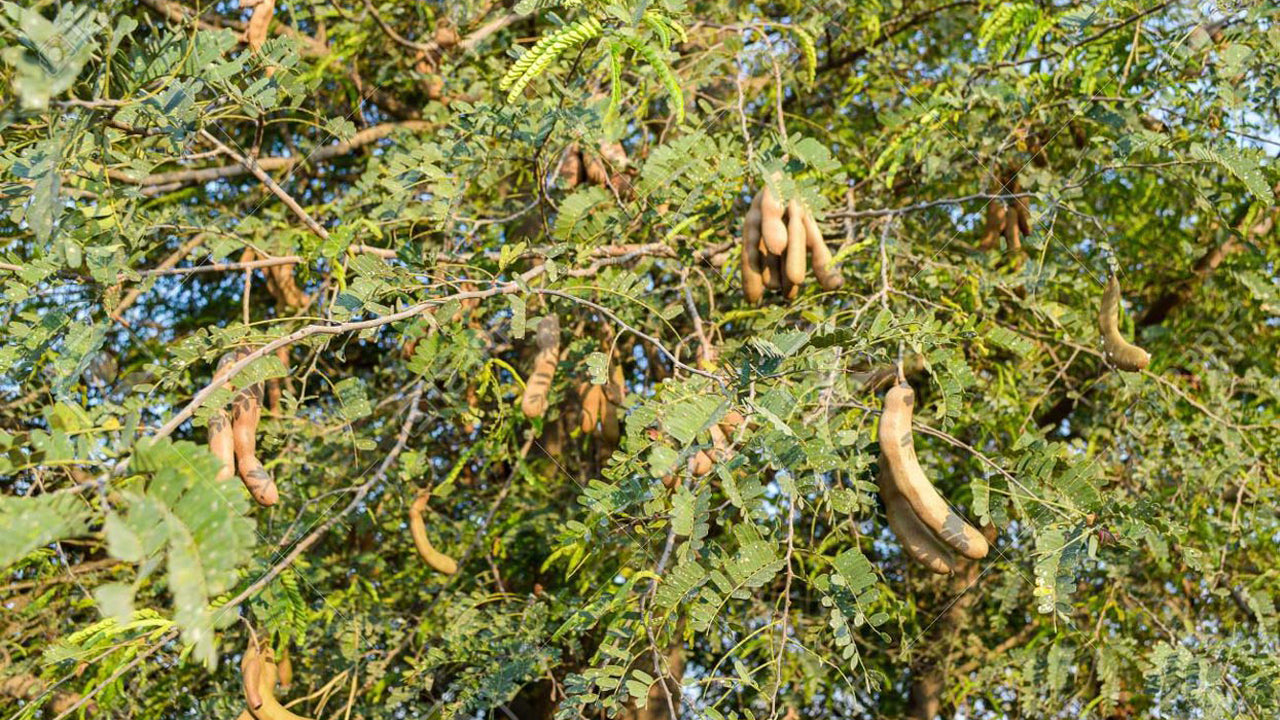
Tamarind
Tamarindus indica -
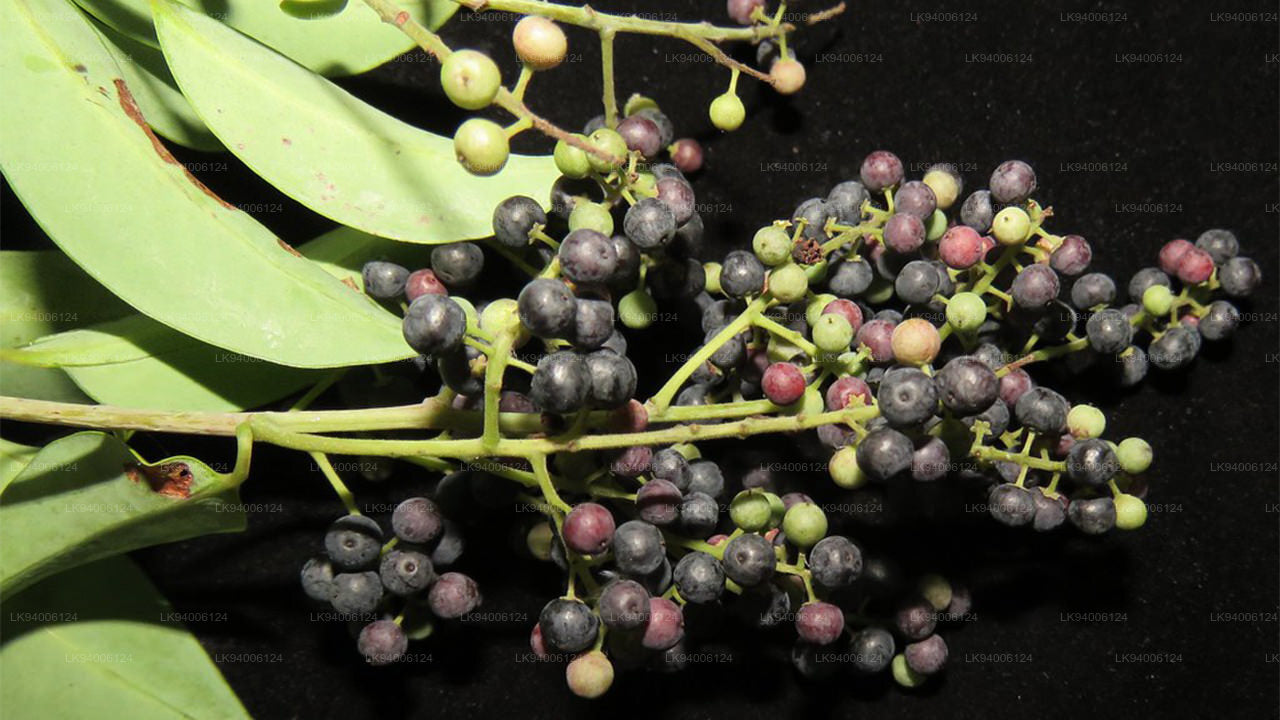
False Black Pepper
Embelia ribes -
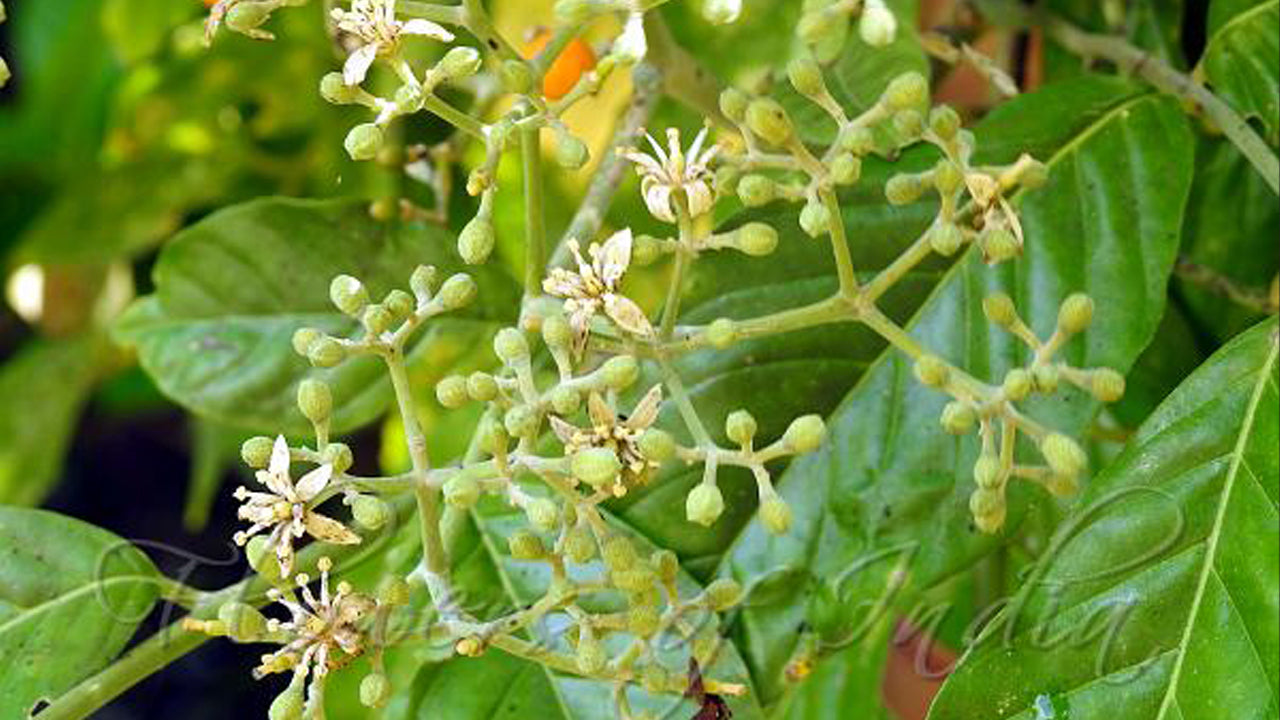
Limeberry
Micromelum ceylanicum -
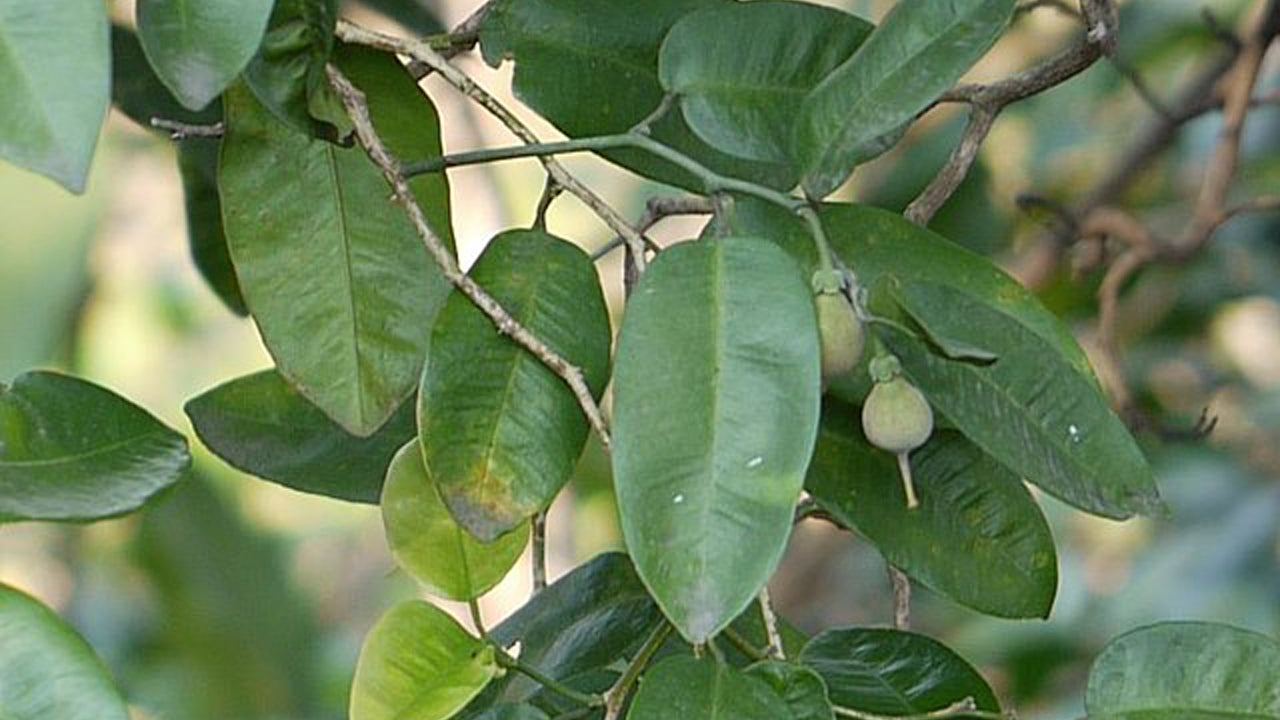
Climbing Atalantia
Paramignya monophylla