Saliyapura


Saliyapura är en liten men betydelsefull stad som ligger i Nordcentrala provinsen i Sri Lanka, en region känd för sina djupa historiska rötter, jordbrukslandskap samt rik kultur och arv. Den ligger nära den antika staden Anuradhapura och fungerar som ett bostads- och handelscentrum för människor i de omgivande landsbygdsbyarna. Dess läge i den torra zonen i Sri Lanka innebär att området har ett varmt klimat större delen av året, med säsongsregn som stödjer traditionellt jordbruk.
En av de mest framträdande egenskaperna hos Saliyapura är dess nära koppling till jordbruket. Många invånare är beroende av jordbruk som sin huvudsakliga försörjning och odlar ris, grönsaker och andra produkter från den torra zonen. Bevattningssystem, inklusive reservoarer och kanaler med ursprung i gamla hydrauliska ingenjörstraditioner, spelar en viktig roll i att upprätthålla jordbruksaktiviteter i regionen. Dessa vattenhanteringssystem återspeglar den långa historien av avancerad bevattning i Sri Lanka, som i århundraden har stött samhällen i Nordcentrala provinsen.
Saliyapura är också känt för sin koppling till Sri Lankas militär eftersom området rymmer ett stort arméläger. Närvaron av denna militära anläggning har påverkat stadens utveckling och bidragit till lokal handel, bostäder och infrastruktur. Små butiker, restauranger och serviceföretag betjänar både lokala invånare samt militär personal och besökare som passerar genom området.
Förutom sin praktiska betydelse som bostads- och militärstad drar Saliyapura nytta av sin närhet till den historiska staden Anuradhapura, ett av de viktigaste kulturella och religiösa centren i Sri Lanka. Invånare och besökare kan enkelt nå heliga buddhistiska platser, gamla stupor och arkeologiska monument som lockar pilgrimer och turister från hela världen. Denna koppling placerar Saliyapura i ett bredare kulturellt landskap som speglar den gamla civilisationen i Sri Lanka.
Trots sin relativt lilla storlek representerar Saliyapura den dagliga livsrytmen i Nordcentrala provinsen. Staden kombinerar traditionella landsbygdsförsörjningar med moderna tjänster och infrastruktur. Skolor, lokala marknader, tempel och samhällsinstitutioner bidrar till regionens sociala struktur och gör den till en livlig men samtidigt lugn plats att bo på. När utvecklingen gradvis sprider sig över regionen fortsätter Saliyapura att växa samtidigt som den bevarar den kulturella och jordbruksmässiga identiteten som kännetecknar hjärtat av Sri Lankas torra zon.


-
 Sri Maha Bodhiya
Jaya Sri Maha Bodhi is a sacred bo tree in the Mahamewna Gardens, Anuradhapura, Sri Lanka. It is the southern branch from the historical Sri Maha Bodhi at Buddha Gaya in India under which Buddha attained Enlightenment. It was planted in 288 BC, and is the oldest living human-planted tree in the world with a known planting date.
-
 Ruwanweliseya
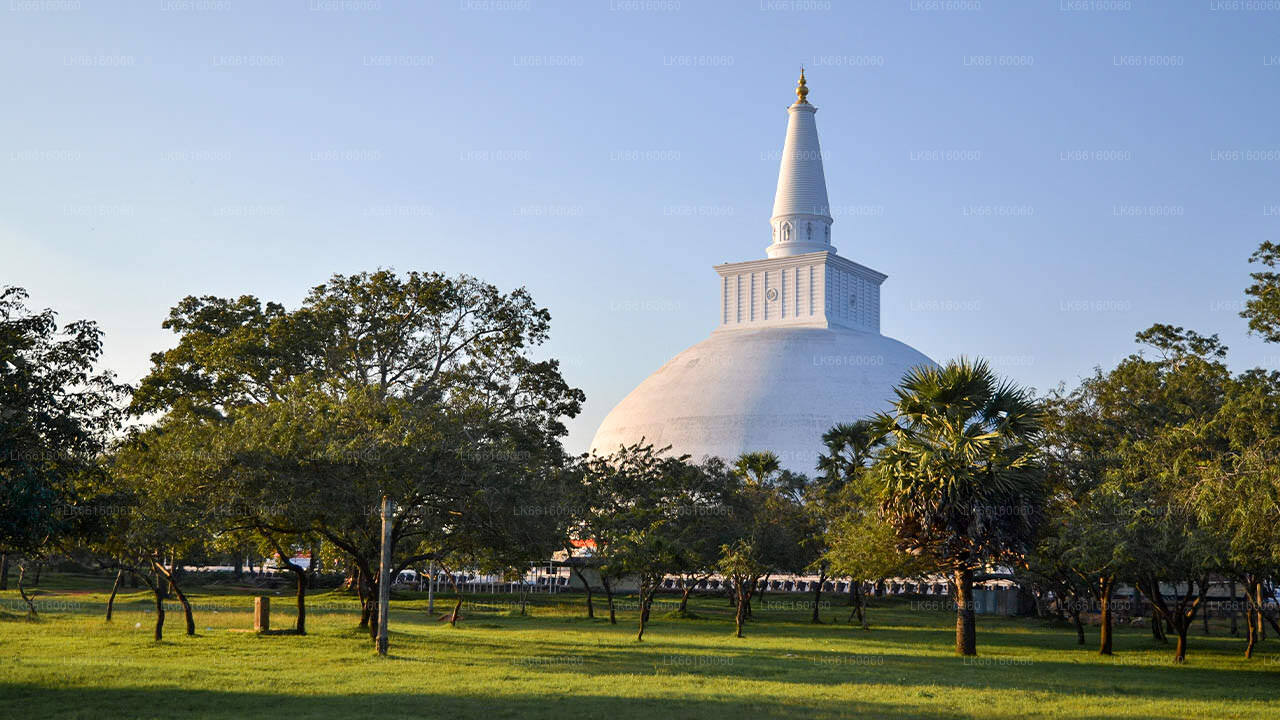
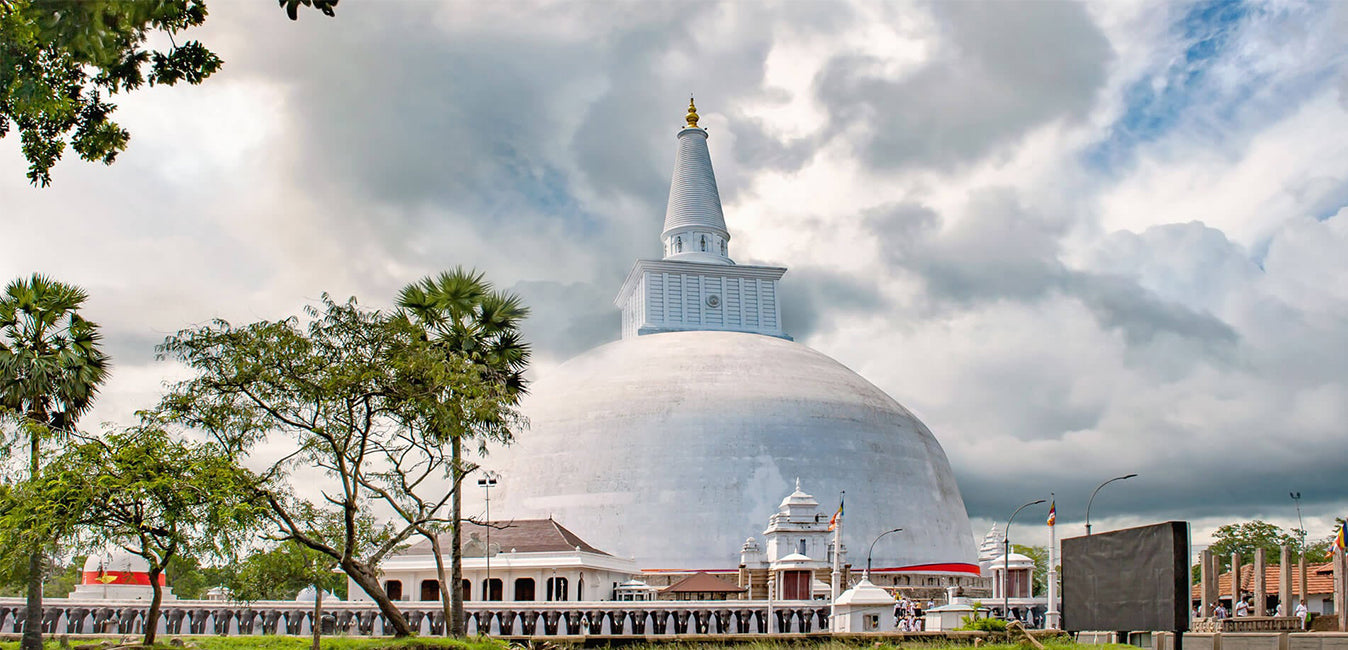
The Ruwanweli Maha Seya, also known as the Mahathupa (the Great Thupa) is a stupa (a hemispherical structure containing relics) in Anuradhapura, Sri Lanka. Two quarts or one Dona of the Buddha's relics are enshrined in the stupa, making it the largest collection of his relics anywhere. It was built by Sinhalese King Dutugemunu in c. 140 B.C., who became king of Sri Lanka after a war in which the Chola King Elāra (Ellalan) was defeated.
-
 Thuparamaya
Thuparamaya is the first Buddhist temple that was constructed, after the arrival of mahinda thero(mahindagamanaya) in Sri Lanka. Located in the sacred area of Mahamewna park, the Thuparamaya Stupa is the earliest Dagoba to be constructed in the island, dating back to the reign of King Devanampiya Tissa (247-207 BC). The temple has been formally recognised by the Government as an archaeological site in Sri Lanka.
-
 Lovamahapaya
Lovamahapaya is a building situated between Ruwanweliseya and Sri Mahabodiya in the ancient city of Anuradhapura, Sri Lanka. It is also known as the Brazen Palace or Lohaprasadaya because the roof was covered with bronze tiles. In ancient times, the building included the refectory and the uposathagara (Uposatha house).
-
 Abhayagiri Stupa
Abhayagiri Vihāra was a major monastery site of Mahayana, Theravada and Vajrayana Buddhism that was situated in Anuradhapura, Sri Lanka. It is one of the most extensive ruins in the world and one of the most sacred Buddhist pilgrimage cities in the nation.
-
 Jetavanaramaya
The Jetavanarama stupa or Jetavanaramaya is a stupa, or Buddhist reliquary monument, located in the ruins of Jetavana monastery in the UNESCO world heritage city of Anuradhapura, Sri Lanka. At 122 metres (400 ft), it was the world's tallest stupa, and the third tallest structure in the world when it was built by King Mahasena of Anuradhapura (273–301).
-
 Mirisawetiya Stupa
The Mirisaweti Stupa is a memorial building, a stupa, situated in the ancient city of Anuradhapura, Sri Lanka. King Dutugamunu (161 BC to 137 BC) built the Mirisaveti Stupa after defeating King Elara. After placing the Buddha relics in the sceptre, he had gone to Tissa Wewa for a bath leaving the sceptre.
-
 Lankarama
Lankarama is a stupa built by King Valagamba, in an ancient place at Galhebakada in the ancient kingdom of Anuradhapura, Sri Lanka. Nothing is known about the ancient form of the stupa, and later this was renovated. The ruins show that there are rows of stone pillars and it is no doubt that there has been a house built encircling the stupa (vatadage) to cover it.
-
 Isurumuniya
Isurumuniya is a Buddhist temple situated near to the Tissa Wewa (Tisa tank) in Anuradhapura, Sri Lanka. There are four carvings of special interest in this Vihara. They are the Isurumuniya Lovers, Elephant Pond and The Royal Family. The ancient Meghagiri Vihara or Meygiri Vihara is presently identified as the Isurumuni Vihara.