Gems and Jewellery


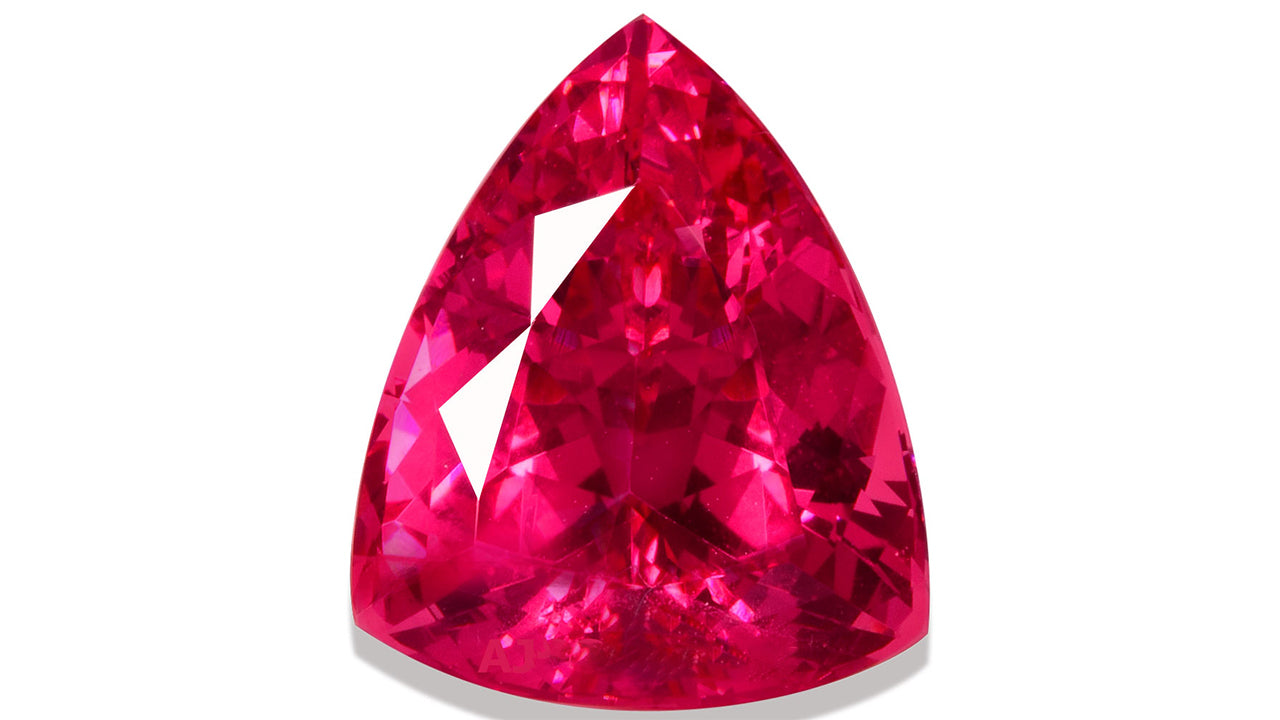
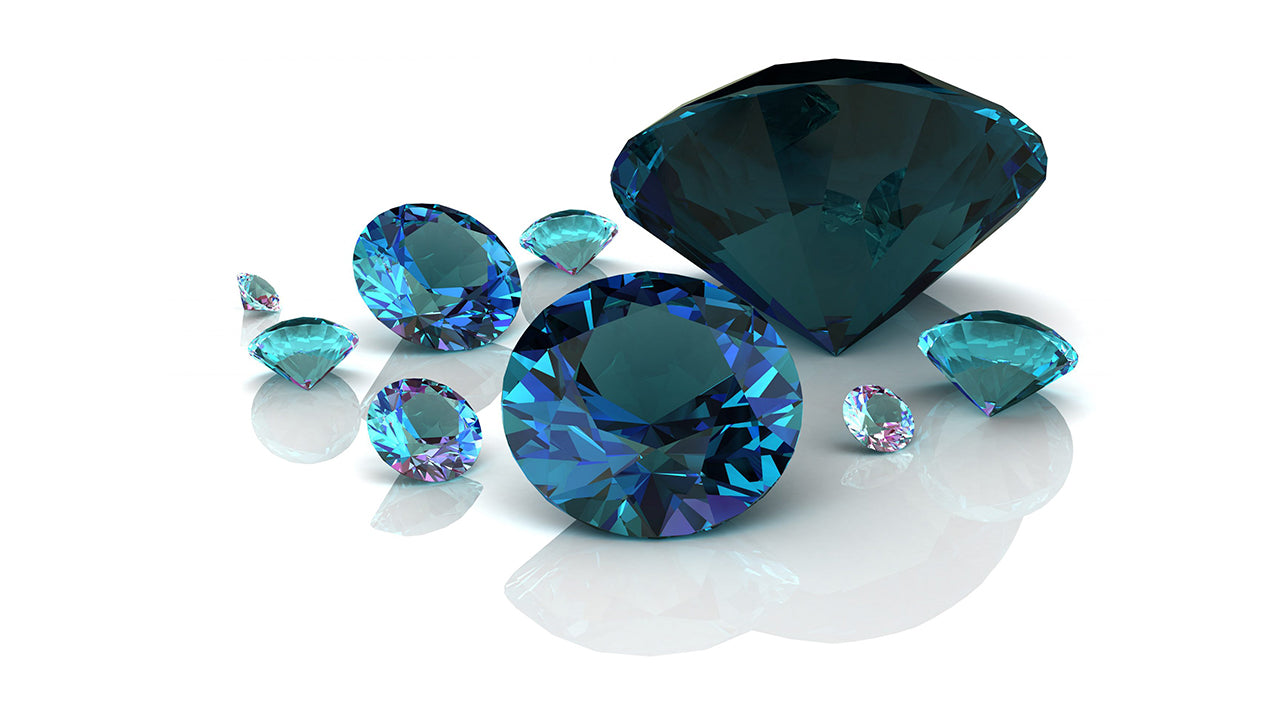
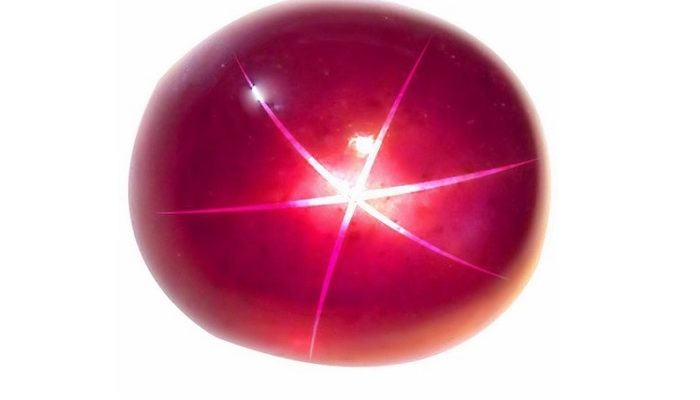
Sri Lanka has long been renowned for its exceptional gems and jewellery, making it one of the world's leading producers and exporters of precious stones. The island is home to a diverse range of gemstones, including sapphires, rubies, topaz, and tourmaline, with the famous Ceylon sapphire being particularly prized for its vibrant blue hue. Sri Lanka's gem trade dates back over two thousand years, with ancient records suggesting that the island has been a major hub for gemstone mining and trading since the time of the ancient kings. The country's rich geological resources continue to make it a top destination for gem collectors and jewellery enthusiasts.
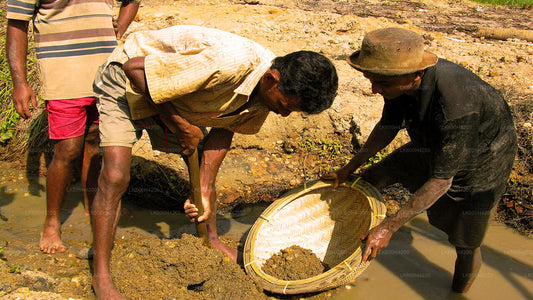
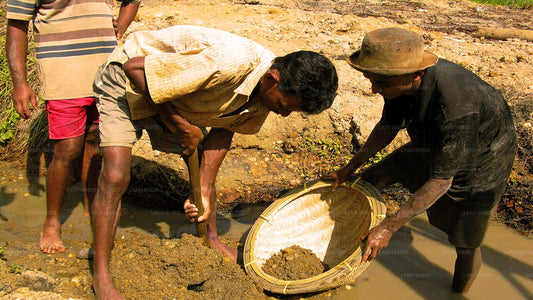
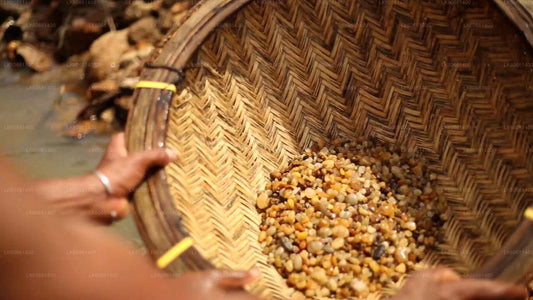
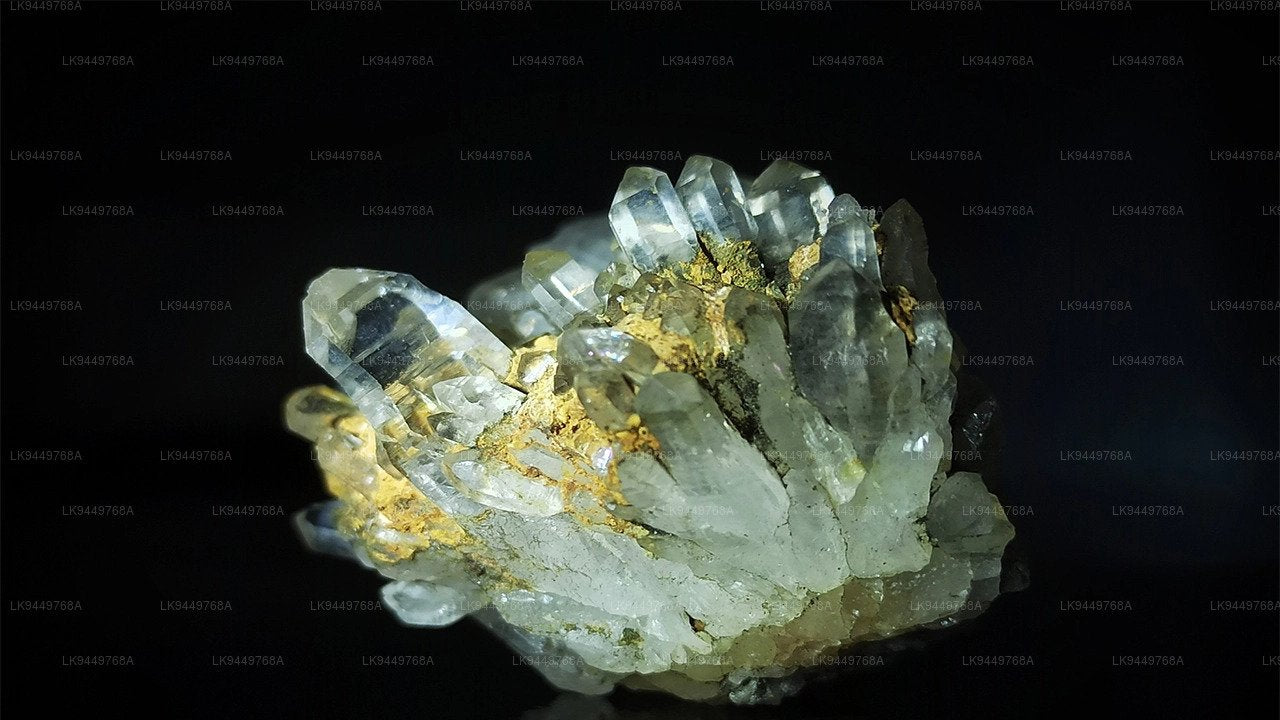
Gem mining in Sri Lanka is primarily concentrated in the central and southern regions, particularly around Ratnapura, often referred to as the "City of Gems." The island's gem-bearing deposits are found in alluvial riverbeds and require traditional, labor-intensive mining methods. Local artisans and craftsmen have perfected the art of gem cutting and jewellery making over centuries, creating exquisite pieces that showcase the brilliance and natural beauty of Sri Lanka's gemstones. These skills have been passed down through generations, contributing to the country's rich jewellery-making heritage.
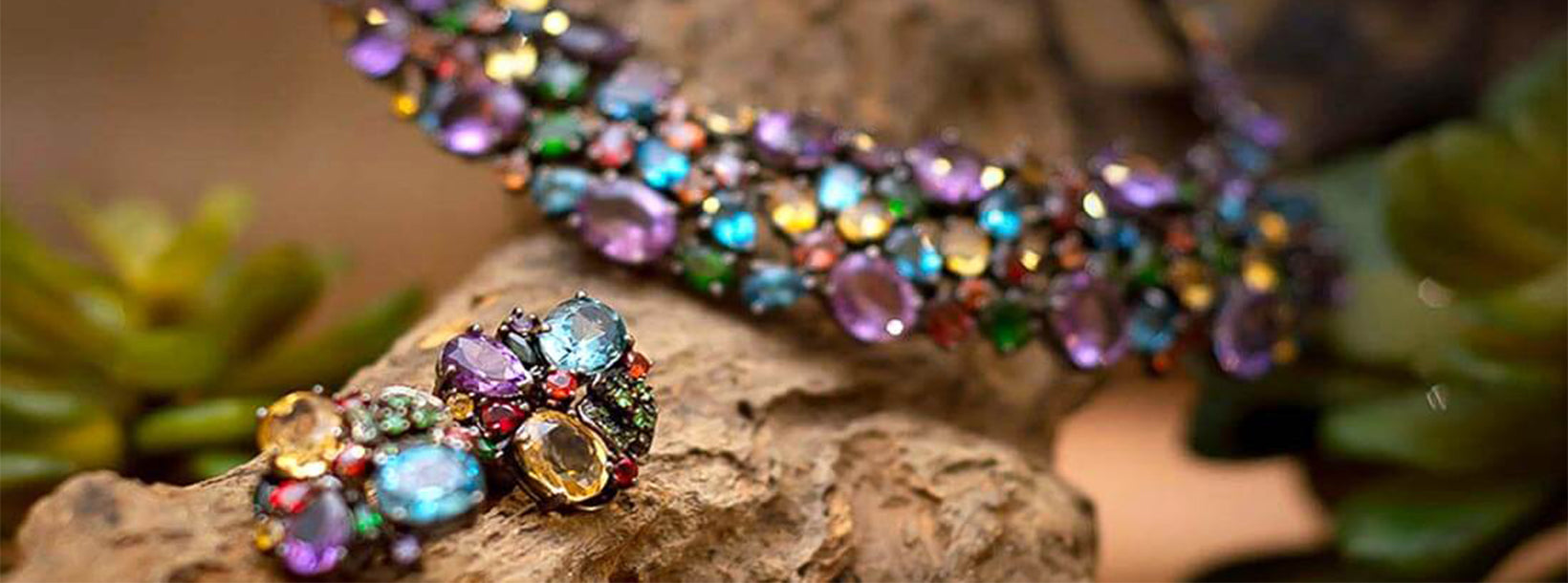
The jewellery industry in Sri Lanka is renowned for its high-quality craftsmanship, blending ancient techniques with modern styles. Sri Lankan jewellers create stunning pieces that range from traditional designs to contemporary works of art. The country's gems are often set in gold or silver, and intricate designs featuring floral patterns, animals, and symbolic motifs are common. Sri Lankan gemstones and jewellery are highly sought after on the international market, and the island's jewellery shops and markets are a popular destination for tourists looking to purchase unique and beautiful pieces.
The best time to explore Sri Lanka's gems and jewellery scene is during the island's dry season from December to April when many tourists visit to explore cultural landmarks, visit gem mines, and shop for jewellery. Whether you are interested in learning about the gem mining process, purchasing a piece of high-quality jewellery, or experiencing Sri Lanka's cultural and artisanal heritage, the island offers a wealth of opportunities to connect with its gem and jewellery tradition. Sri Lanka's gems remain a symbol of luxury and natural beauty, providing visitors with an unforgettable experience in one of the world's most fascinating gemstone markets.






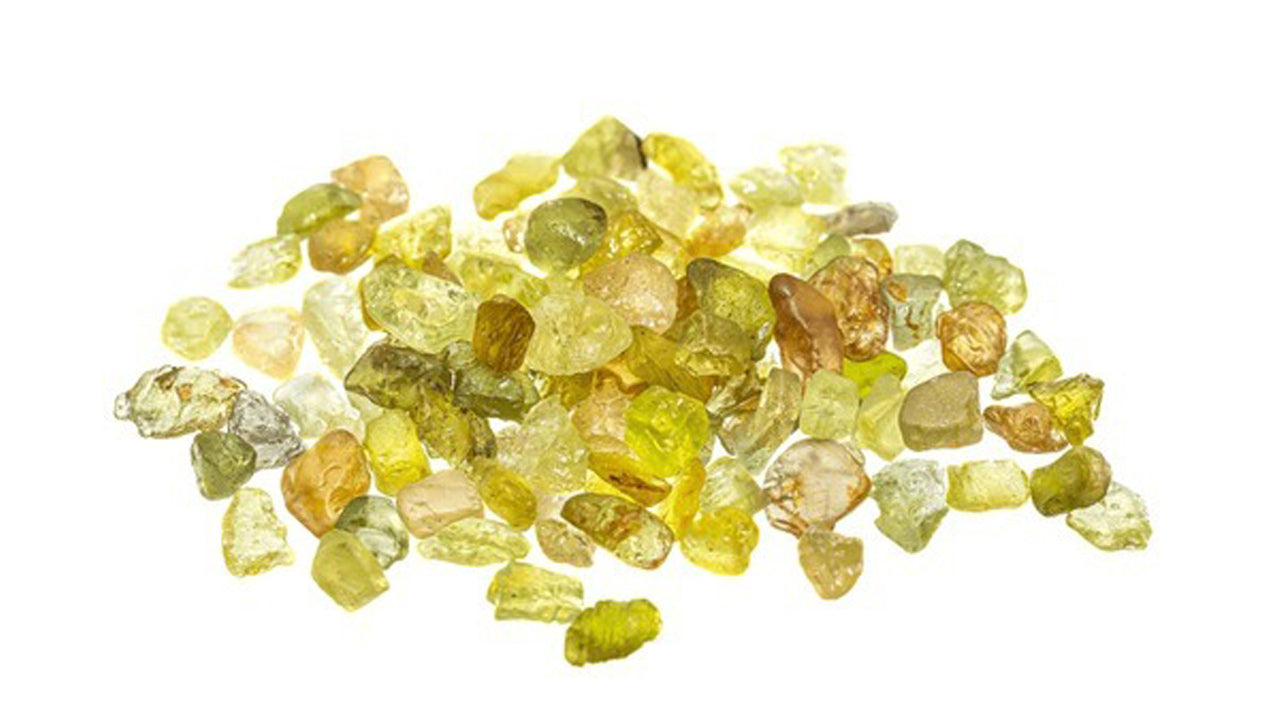
Explore Gem Mines
-
Explore Gem Mines in Ratnapura from Negombo
Ordinarie pris Från $49.60 USDOrdinarie pris$52.91 USDFörsäljningspris Från $49.60 USDRea -
Utforska ädelstensgruvor i Ratnapura från Colombo
Ordinarie pris Från $184.77 USDOrdinarie pris$197.09 USDFörsäljningspris Från $184.77 USDRea -
Utforska ädelgruvor i Rathnapura från Kalutara
Ordinarie pris Från $137.14 USDOrdinarie pris$146.28 USDFörsäljningspris Från $137.14 USDRea -
Utforska Gem Mines i Ratnapura från Mount Lavinia
Ordinarie pris Från $56.34 USDOrdinarie pris$60.10 USDFörsäljningspris Från $56.34 USDRea