Galle International Cricket Stadium


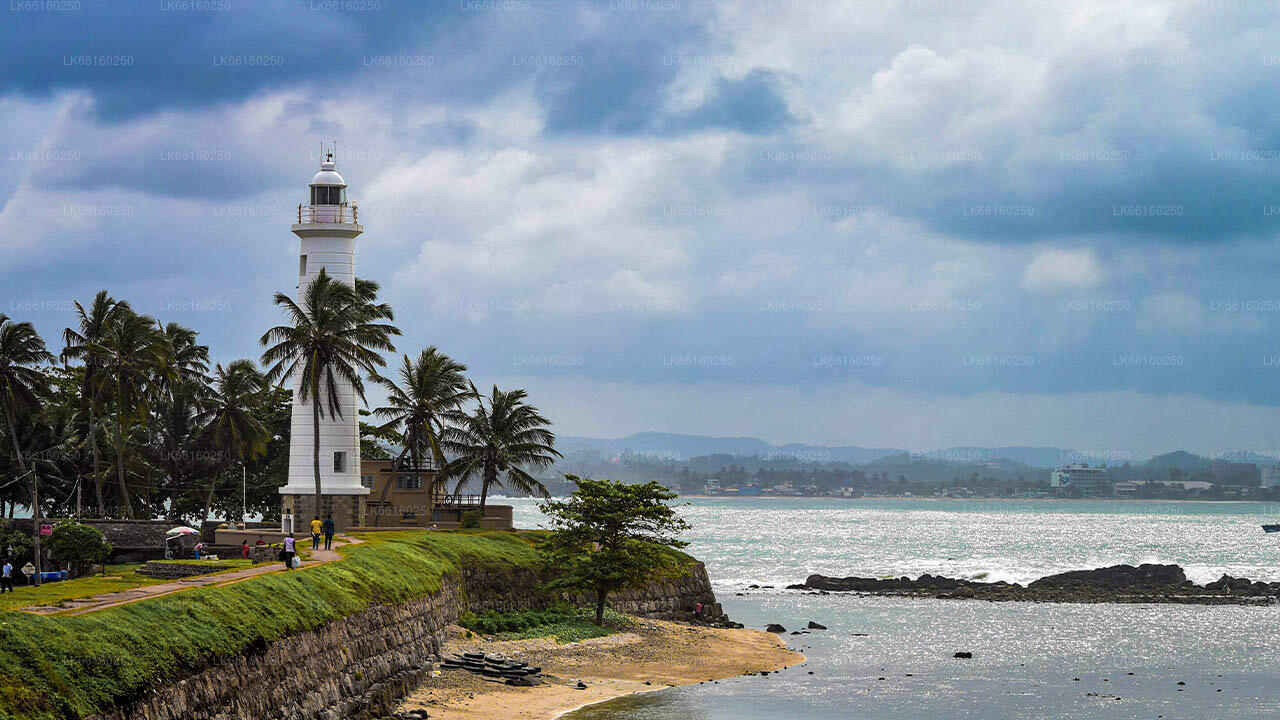
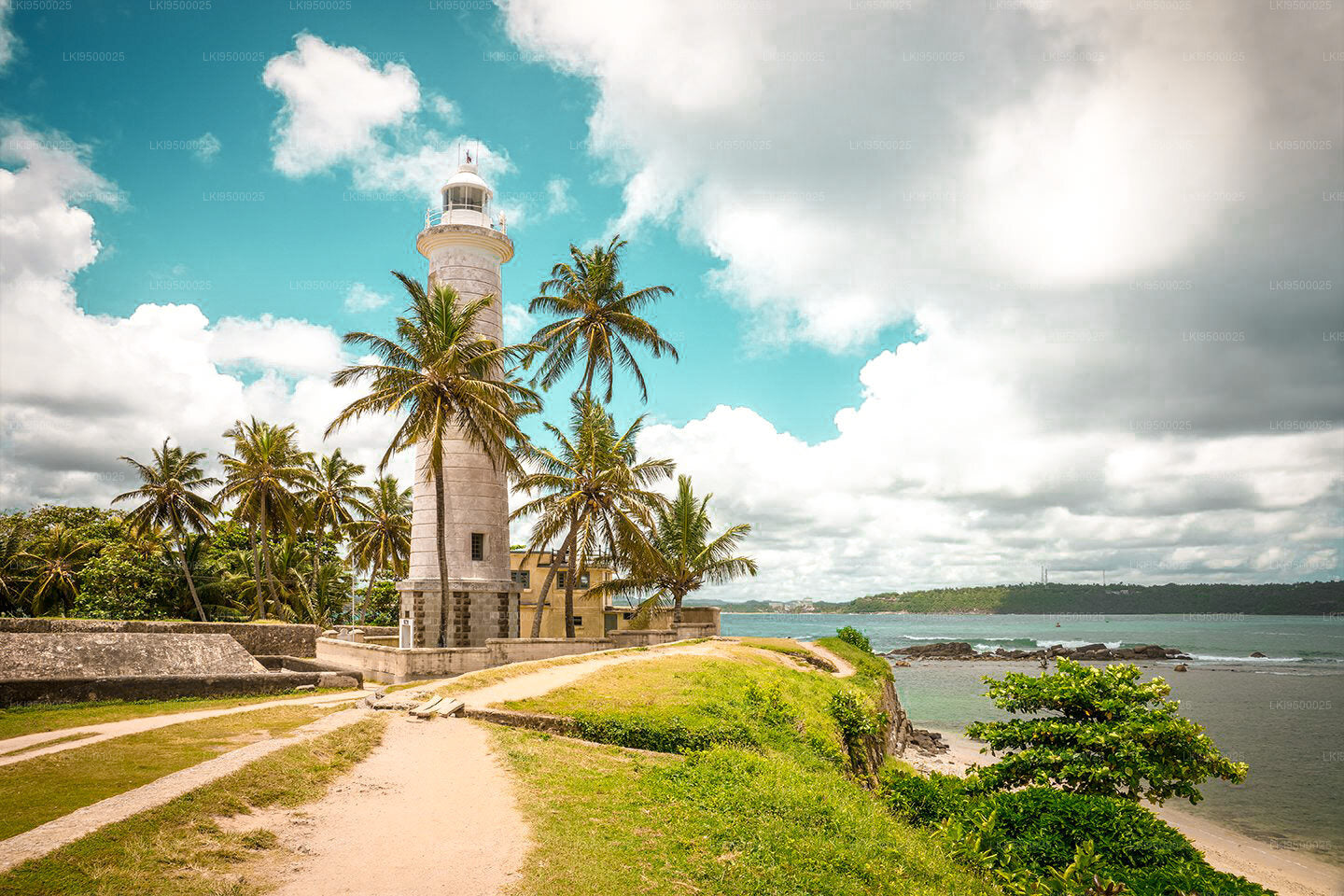
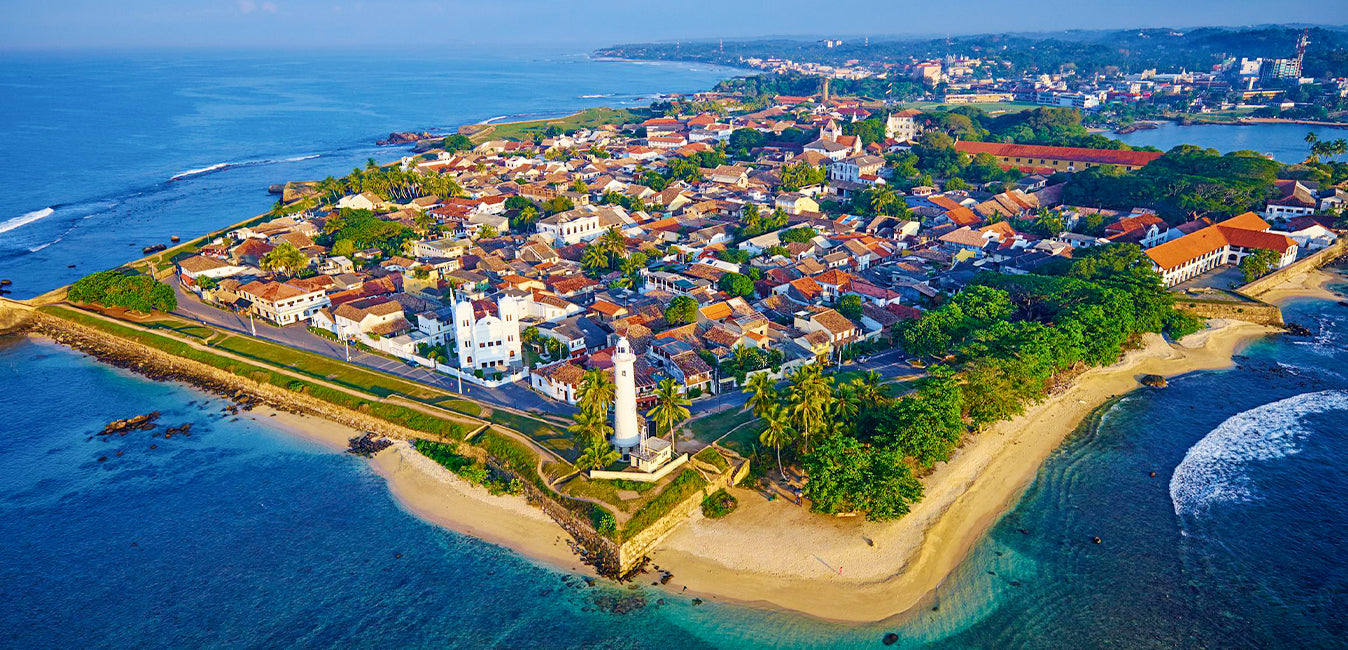
Galle International Stadium is a cricket stadium in Galle, Sri Lanka, situated near the Galle fort and fringed on two sides by the Indian Ocean. It is considered to be one of the most picturesque cricket grounds in the world. Before being brought up to international cricket standards, it was known as ‘The Esplanade’, and is the home ground of the Galle Cricket Club. This Stadium is identified as one of the luckiest venues for the Sri Lankan national cricket team.
The ground was built in 1876 as a race course. There was no permanent pavilion until 1892, when a ‘grand stand’ was built according to a suggestion of Mr. P A Templer, the then Secretary of the Galle Municipal Council. Eventually the racing ceased and the ground was used for cricket matches more than races. In 1927, the ground was officially declared as a cricket stadium.
The ground hosted its first first-class match on 29 February 1984. A turf wicket was introduced to the stadium in 1945 under the guidance of Mr. Dhanapala Lorensu Hewa who was then secretary of the Galle Cricket Ground. The assistance of the Colombo Cricket Club was also taken for this.
The ground was later upgraded to international cricket standards, and became the seventh international cricket stadium in Sri Lanka able to host Test matches. The first test match was played on the ground on 3 June 1998. It was played between Sri Lanka and New Zealand, resulting in a win for Sri Lanka by an innings and 16 runs. The first ODI match was scheduled to be held on 25 June 1998 between India and Sri Lanka, but was abandoned due to the ground being waterlogged from overnight rain and heavy raining in the morning.
On 26 December, the ground was devastated by the tsunami resulting from the 2004 Indian Ocean earthquake. Most of the buildings in the stadium were damaged, and the ground was damaged substantially. In the weeks that followed, the stadium became a temporary shelter for hundreds of people displaced from the tsunami. A temporary camp and a helipad were constructed there in order to assist the survivors.
Renovation of the Galle International Stadium began on 8 May 2006. The renovation included several new buildings including a new pavilion and a media centre. The seating capacity was also increased. The re-constructed stadium was opened by His Excellency Mr. Mahinda Rajapakse, the Sri Lankan President on 17 December 2007. After the reopening of the stadium, the first Test match was held between Sri Lanka and England on the same day, which resulted in a draw.
The Galle stadium is also noted for the fact that in 2010