Lakpura
Lakpura®

Coconut Sambol

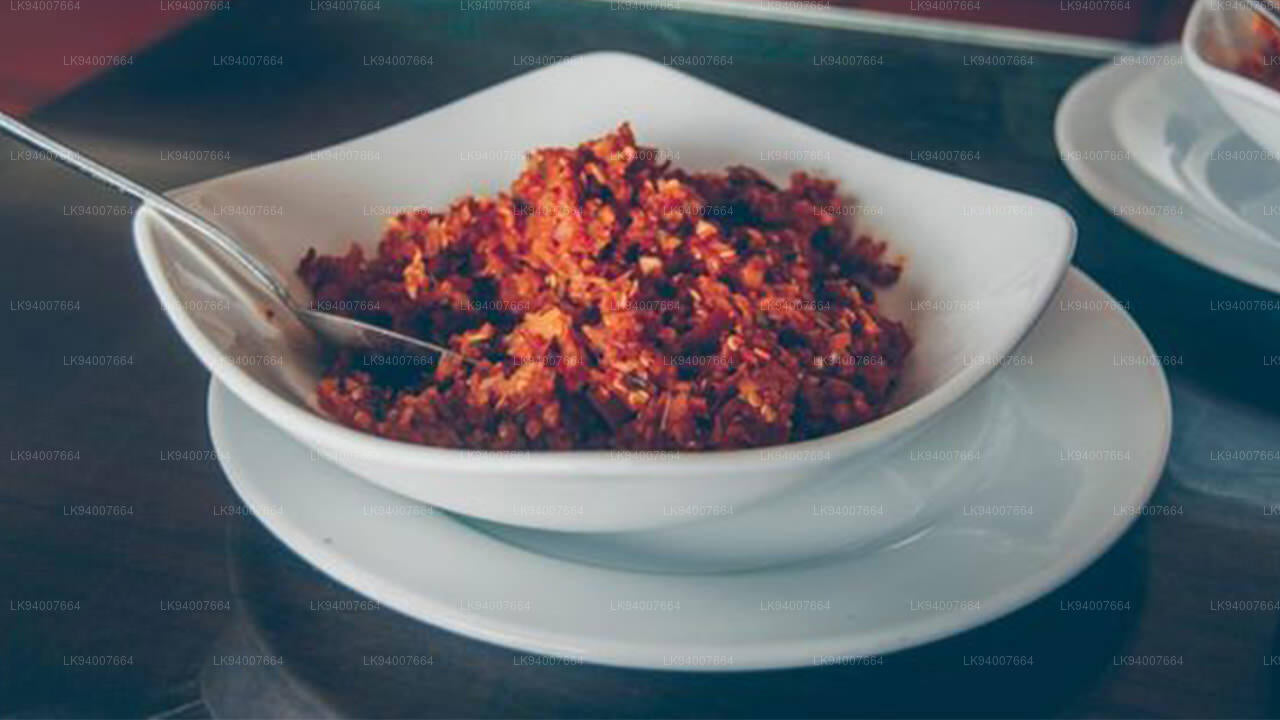
Pol sambol (පොල් සම්බෝල) is one of Sri Lanka's most universal condiments — found on breakfast tables from Jaffna to Galle, served beside rice and curry at lunch, and spooned onto traditional snacks at festive gatherings. It takes minutes to prepare, uses just a handful of ingredients, and delivers a sharp, layered hit of coconut richness, chilli heat, citrus tang, and salt in every mouthful.

What is pol sambol and why is it so central to Sri Lankan food?

The word pol simply means coconut in Sinhala, and sambol refers to a class of Sri Lankan side relishes prepared by pounding or mixing raw ingredients — never cooked. Unlike chutneys, sambols are not slow-simmered; the freshness of the raw coconut and the sharpness of the lime are essential to their character.

Sri Lanka grows an extraordinary range of coconut varieties, many of them harvested in the island's North Western Province and along the coastal lowlands. The coconut palm (Cocos nucifera) has shaped Sri Lankan cuisine, economy, and daily life for centuries, and pol sambol is perhaps the purest expression of that relationship. You will find it at a roadside kade alongside a cup of tea just as readily as on the table of a luxury hotel.

What ingredients do you need for a traditional pol sambol?

The ingredient list is deliberately short. Quality of the coconut matters more than technique.

  • 1.5 cups freshly grated coconut (fresh is strongly preferred over desiccated)
  • 2 tsp chilli flakes
  • ½ tsp chilli powder
  • ½ tsp salt, adjusted to taste
  • 1 medium red onion, finely chopped
  • 2 tsp fresh lime juice
  • Maldives fish chips (umbalakada) — optional, but traditional and recommended

Maldives fish is a sun-dried, cured tuna that adds a deep umami backbone to the sambol. It is available at most Sri Lankan grocery stores and is worth seeking out if you can find it. For a fully plant-based version, simply omit it — the sambol holds up well without it.

What equipment gives the best results?

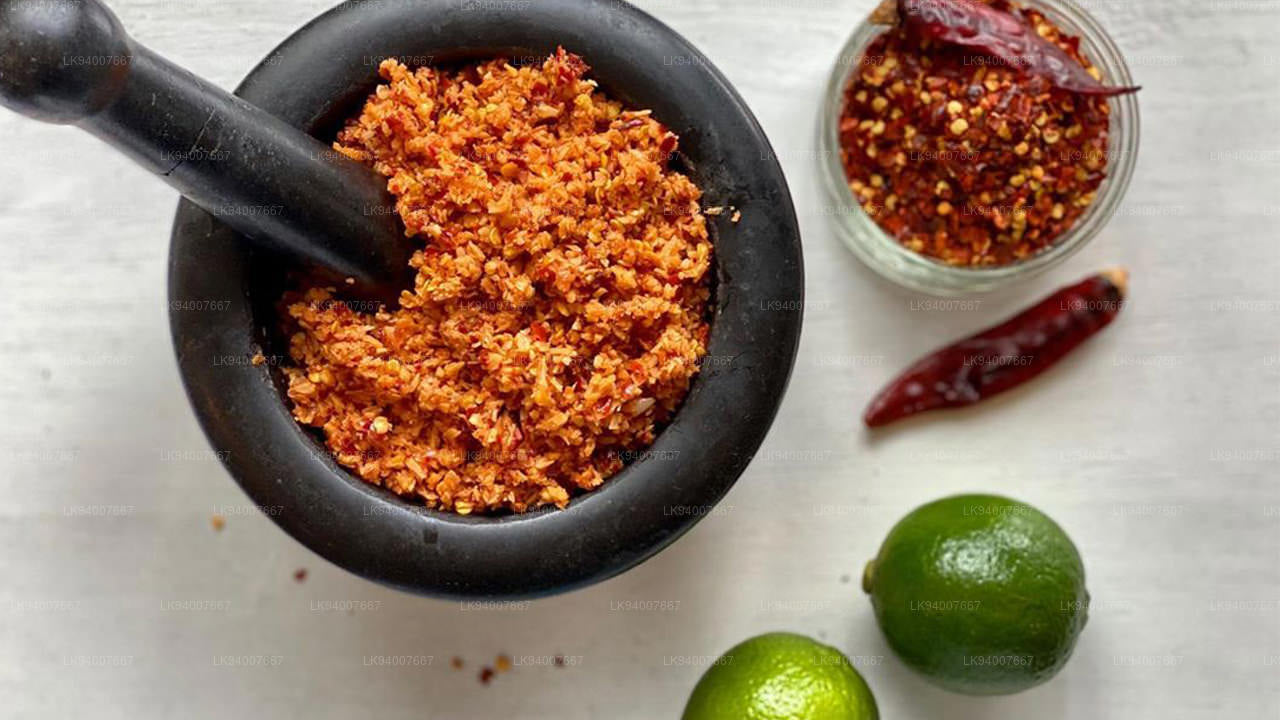
Sri Lankan home cooks have traditionally used a flat granite grinding stone called a miris gala (literally "chilli stone") paired with a cylindrical roller. The friction of stone against stone bruises the fibres rather than cutting them, releasing essential oils and producing a coarser, more textured result than a blender ever could.

A heavy mortar and pestle is an excellent substitute. Avoid a food processor entirely — it will over-process the onion, making it bitter, and will turn the coconut paste rather than keeping the pleasant shredded texture that defines good pol sambol.

How do you make pol sambol step by step?

  1. Pound the dry spices first. Place the chilli flakes, chilli powder, and salt into the mortar. Pound briefly until you have a coarse, fragrant mixture. If using Maldives fish chips, add them at this stage and pound until broken down.
  2. Add the onion. Add the chopped red onion and pound the mixture into a rough paste. Stop before it becomes smooth — over-worked onion turns acrid and overwhelms the coconut.
  3. Incorporate the coconut. Add the freshly grated coconut and continue pounding, turning the mixture with a spoon between strokes, until all ingredients are well combined. The coconut should absorb the colour of the chilli and the moisture of the onion.
  4. Finish with lime. Add the lime juice and mix thoroughly. Taste and adjust — more salt if flat, more lime if the coconut sweetness dominates, more chilli if you want extra heat.

The whole process takes around ten minutes. Pol sambol is best eaten fresh, but it will keep in a sealed container in the refrigerator for a day or two. The colour deepens and the flavours meld slightly on standing.

What do you eat pol sambol with?

Pol sambol is one of the most versatile condiments in the Sri Lankan kitchen. Common pairings include:

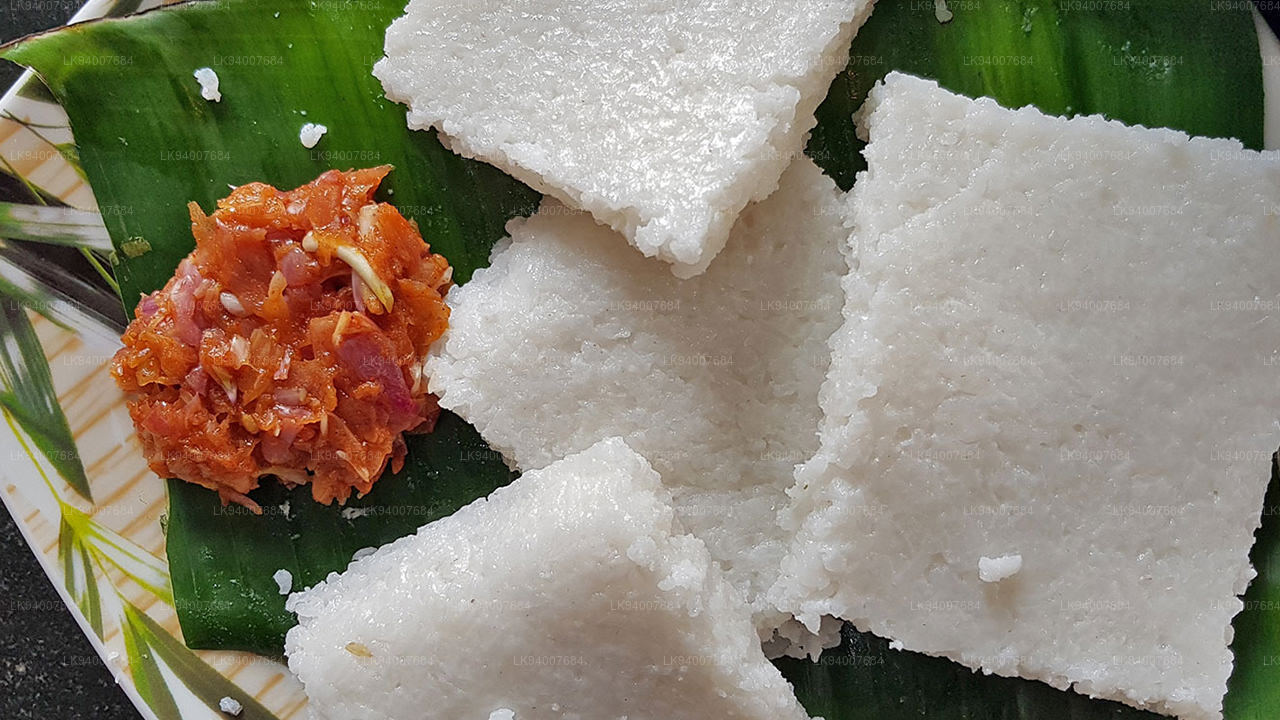
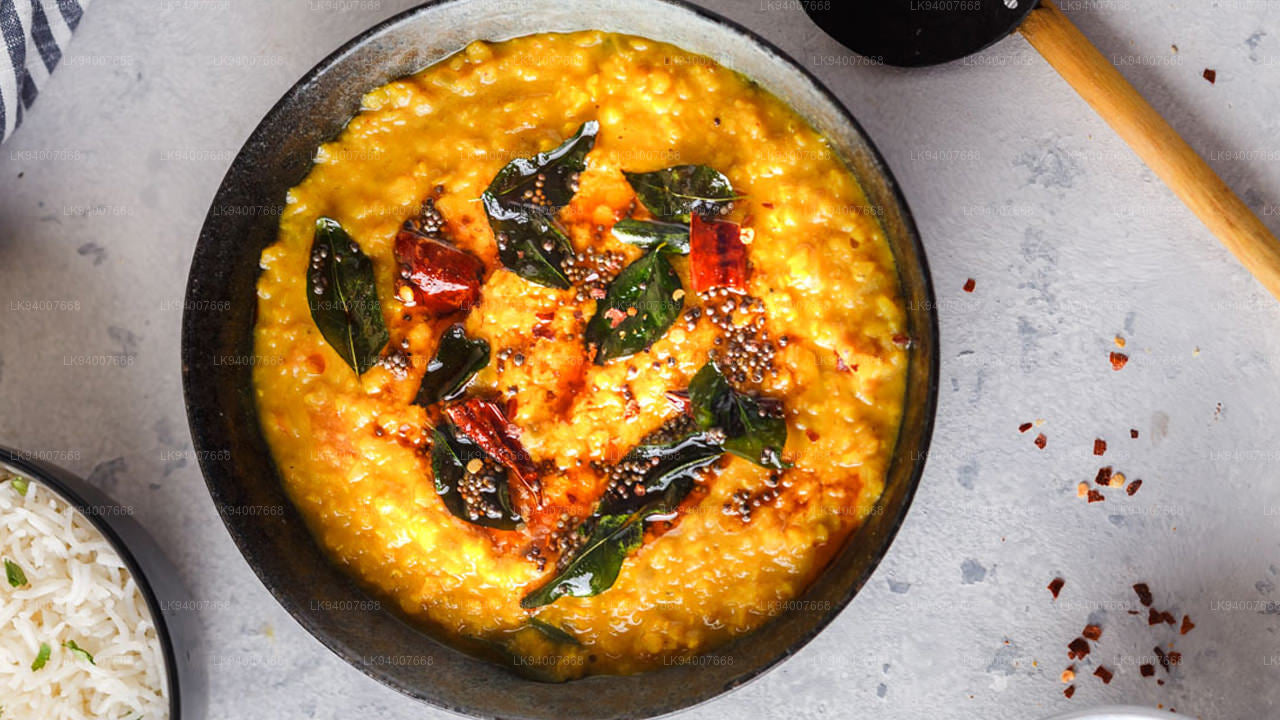
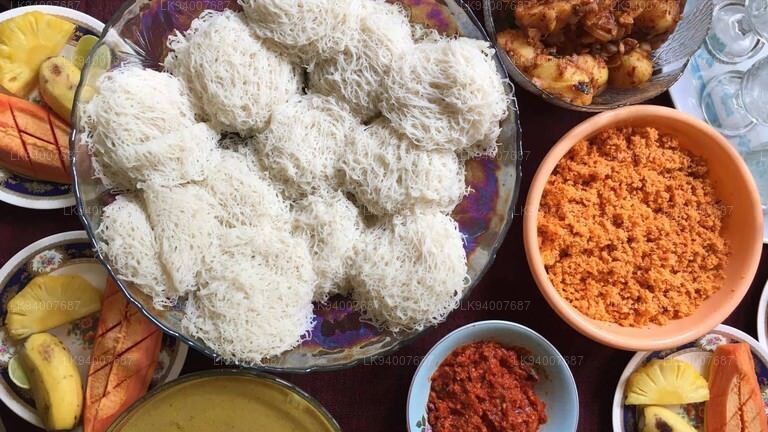
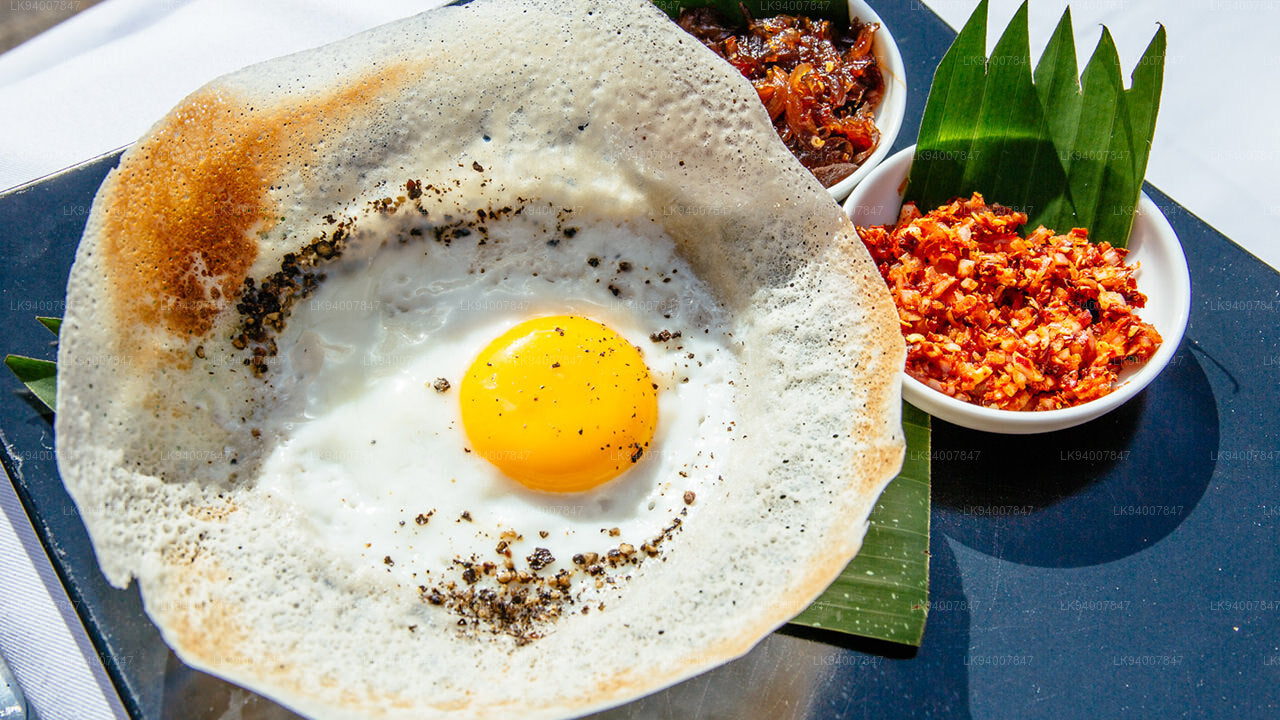
  • String hoppers (indi appa): Steamed rice-flour noodle discs — the classic breakfast combination, often accompanied by dhal curry and coconut milk gravy.
  • Pol roti: A thick, pan-cooked flatbread made with grated coconut and wheat flour. The sambol acts almost as a filling.
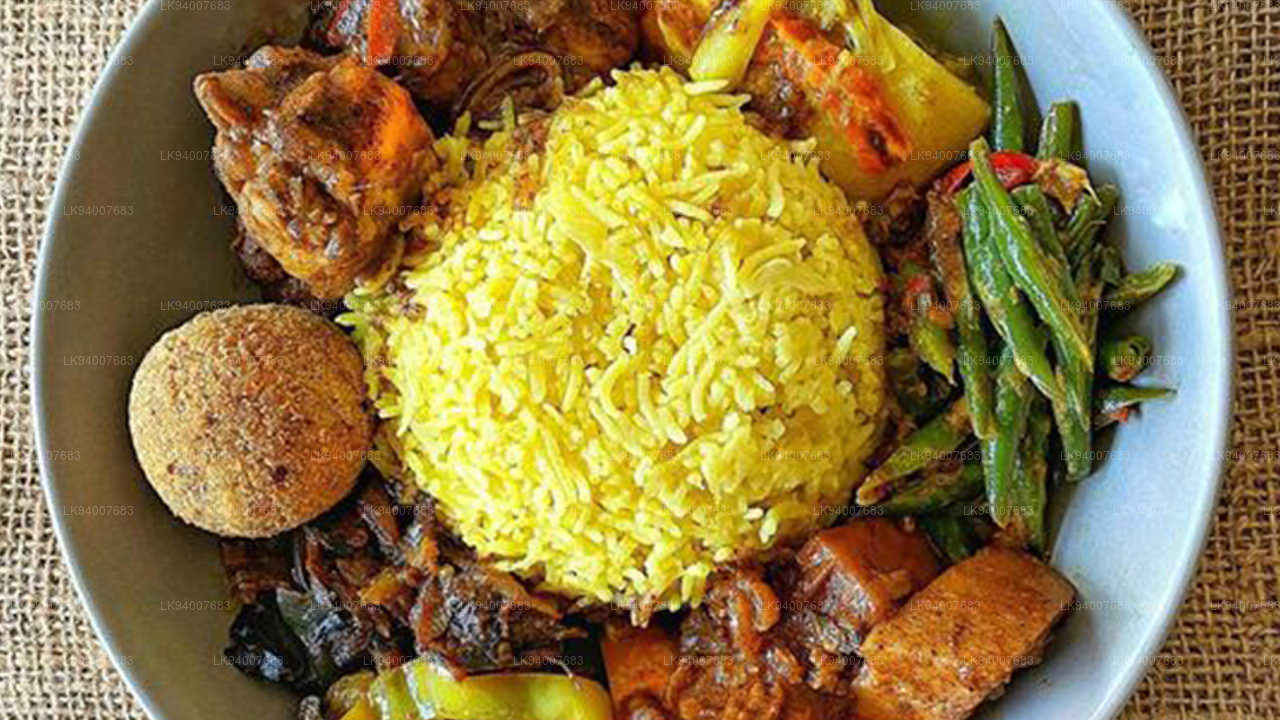
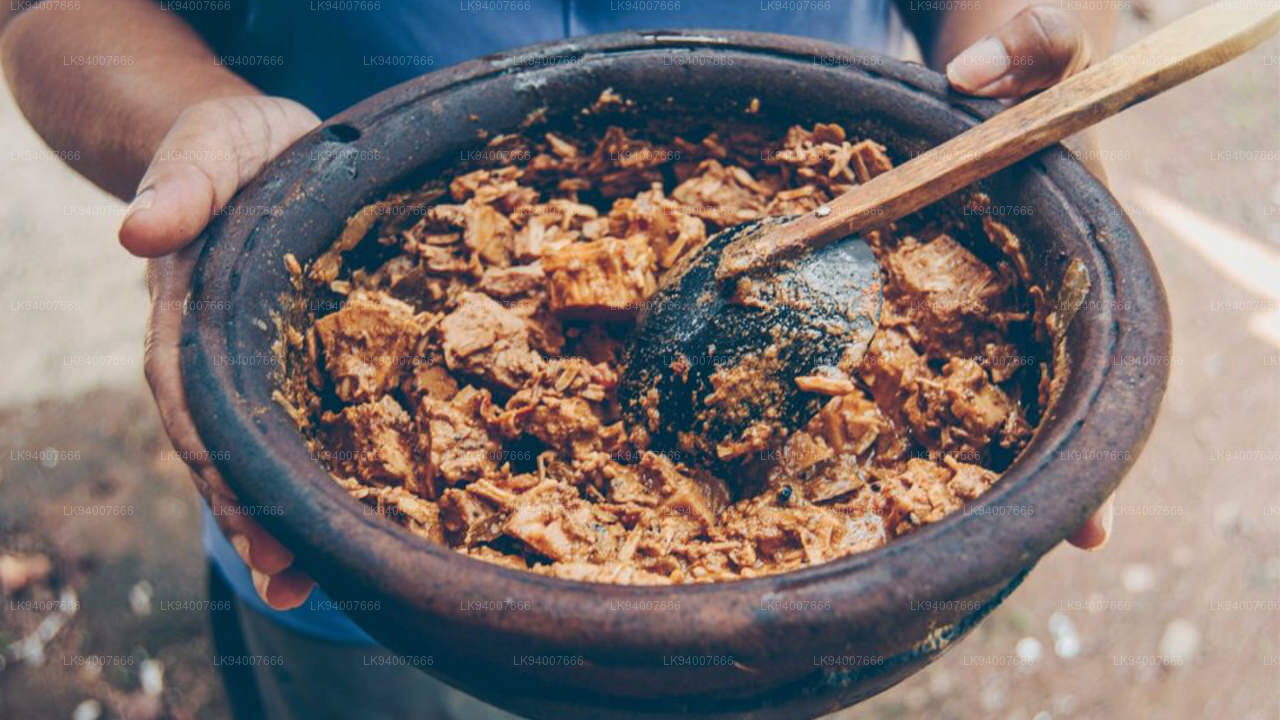
  • Red rice and curry: A spoonful of pol sambol alongside a plate of rice cuts through the richness of meat or vegetable curries.
  • Bread: Plain white bread with pol sambol is a common no-fuss breakfast across Sri Lanka — a combination that surprises many visitors and converts almost all of them.
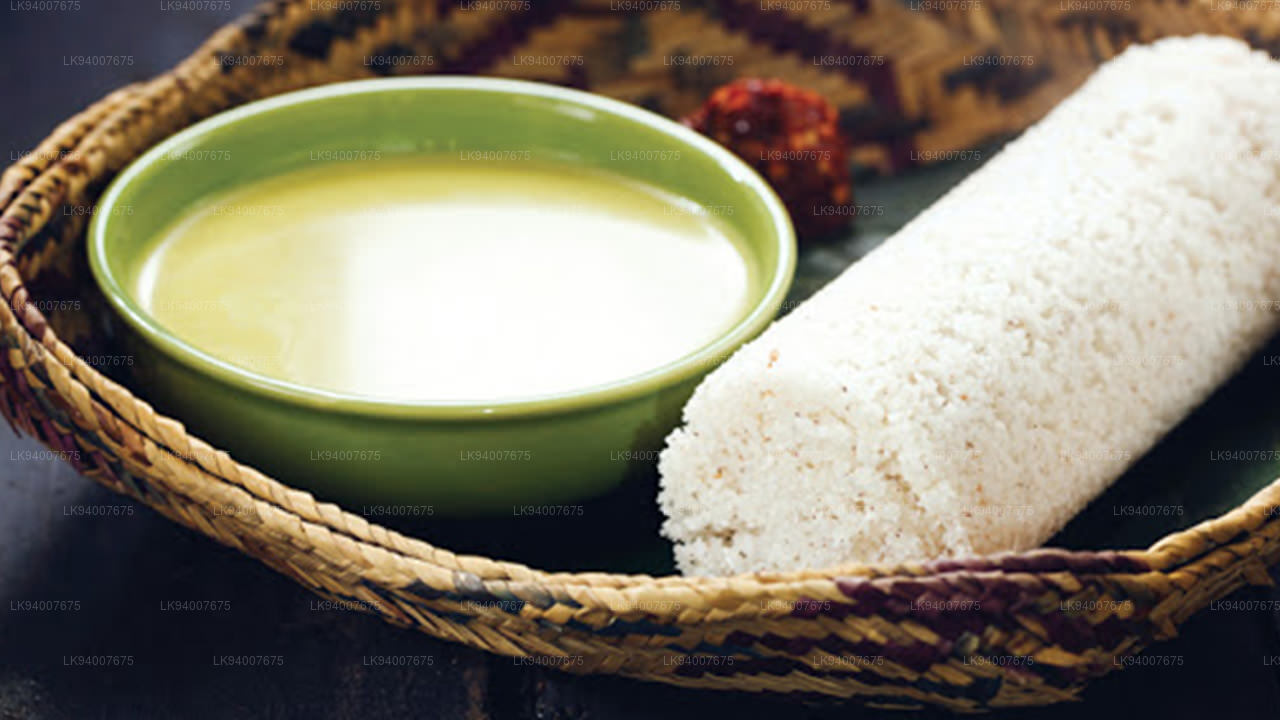
  • Pittu: Steamed cylinders of rice flour and coconut, typically eaten with pol sambol and coconut milk.

How does pol sambol differ from lunu miris?

Visitors sometimes confuse pol sambol with lunu dehi, another classic Sri Lankan relish. The distinction is straightforward: pol sambol is coconut-based and relatively mild in texture; lunu miris is a sharper, wetter paste of red onion, dried chilli, and Maldives fish, with no coconut. Both appear at a Sri Lankan breakfast table, but they serve different purposes — pol sambol adds body and creaminess, lunu miris adds raw intensity.

A third variation worth knowing is seeni sambol, a caramelised onion relish that is cooked slowly until sweet and jammy, offering a completely different flavour profile to the raw freshness of pol sambol.

Can you buy ready-made pol sambol to take home?

Several Sri Lankan producers package pol sambol in shelf-stable formats — useful if you want to recreate the flavour without sourcing fresh coconut overseas. Quality varies considerably: look for versions that list coconut as the primary ingredient and that include Maldives fish for authentic depth. Refrigerated fresh versions, available at Sri Lankan supermarkets and specialty food shops, are closer to the home-made result.

Tips for making pol sambol outside Sri Lanka

Fresh coconut is the single hardest ingredient to source abroad, but it is not impossible. Look for whole brown coconuts at South or South-East Asian grocery stores — crack them, drain the water, and grate the flesh on a box grater or in short pulses of a food processor before you begin. Frozen grated coconut, available in many Asian grocery stores, is a reasonable substitute. Avoid sweetened desiccated coconut entirely.

For the chilli, Sri Lankan recipes typically use a moderately hot dried red chilli. Kashmiri chilli powder gives a good colour without excessive heat; add a pinch of cayenne if you want more fire. Fresh lime juice is non-negotiable — bottled lime cordial will not replicate the clean acidity the dish needs.

Book this experience with Lakpura

Curated by our local team. Direct booking, instant confirmation.

Ask Lakpura® Agent