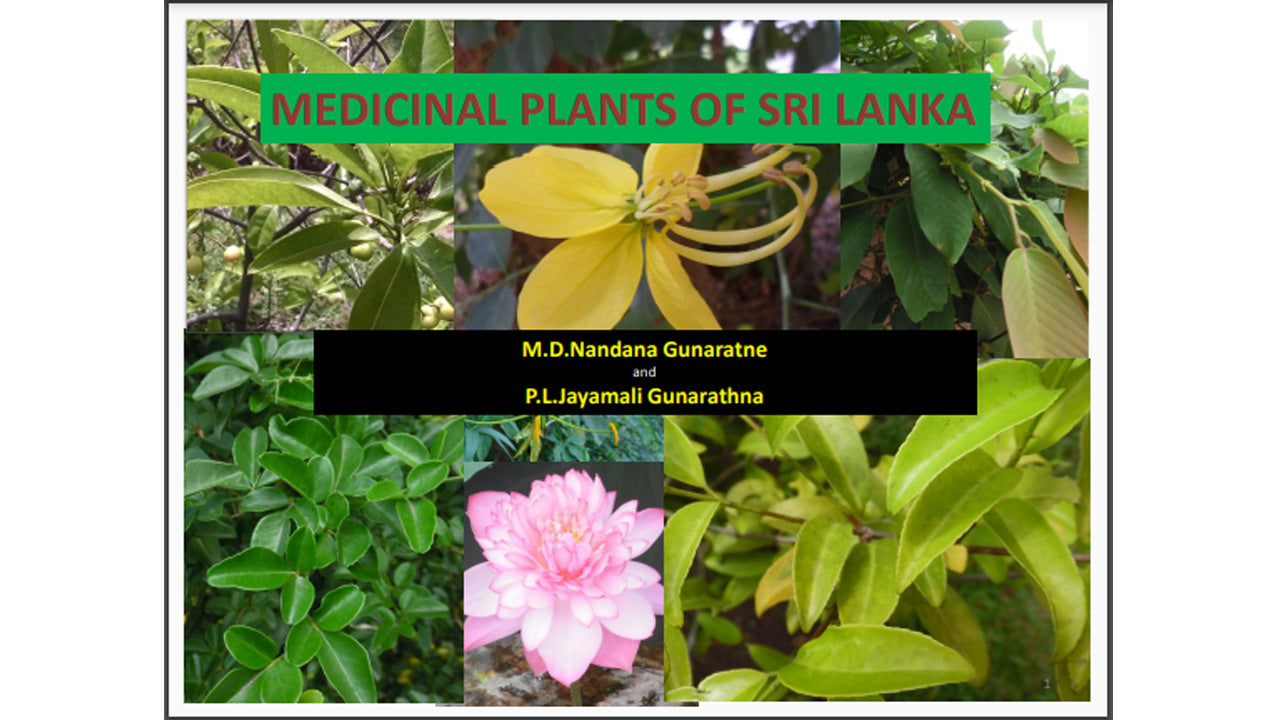


Theobroma cacao, the tropical tree whose seeds give us cocoa and chocolate, is far more than a confectionery crop. In Sri Lanka, it holds a recognised place in the island's catalogue of ayurvedic medicinal plants, valued for properties that traditional healers have documented over centuries. Though its origins lie in the Americas, cacao has adapted comfortably to Sri Lanka's humid, low-country climate, and small-scale cultivation is found across the wet zone and parts of the hill country.
What is Theobroma cacao?
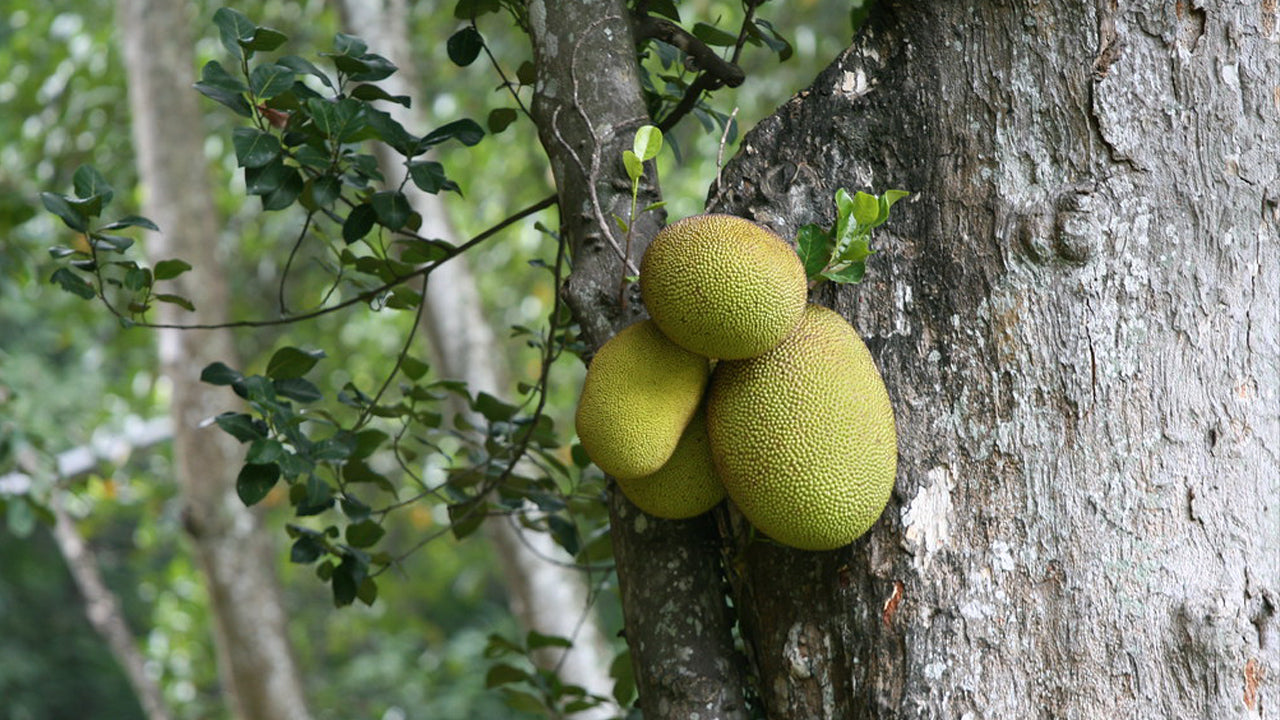
Theobroma cacao belongs to the family Malvaceae. The genus name, coined by the Swedish botanist Carl Linnaeus, translates roughly from Greek as "food of the gods" — a reflection of how highly Mesoamerican civilisations regarded the plant. The tree grows to around 4–8 metres in height and is notable for its cauliflory: flowers and pods emerge directly from the trunk and older branches rather than from the tips of new growth.
Each pod contains 20–50 seeds (commonly called cacao beans) surrounded by a sweet white pulp. It is these seeds, once fermented, dried, and processed, that yield cocoa solids, cocoa butter, and ultimately chocolate. The pulp itself is edible and used locally in juices and beverages.
What is the ayurvedic significance of cacao in Sri Lanka?
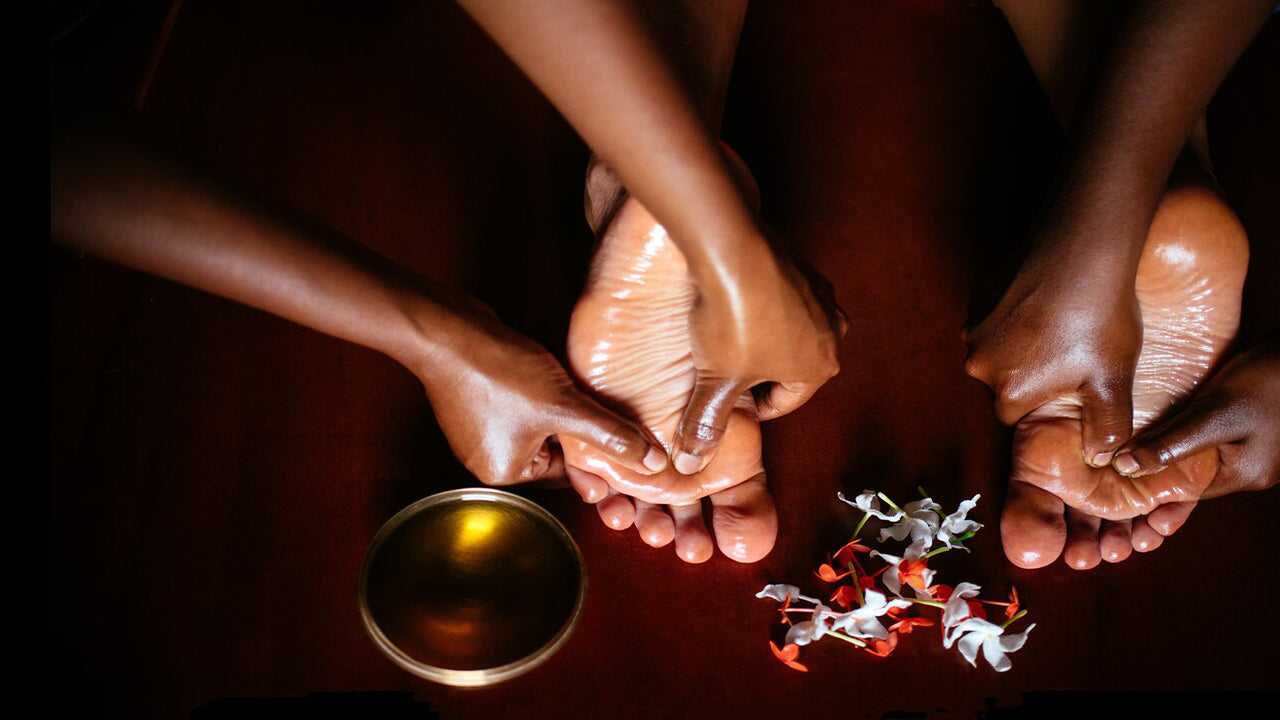
Sri Lanka's traditional medicine systems — principally Ayurveda, but also Sinhala indigenous medicine — have incorporated Theobroma cacao into their pharmacopoeia. The seeds and their fat (cocoa butter) are acknowledged for their mild stimulant properties, attributed largely to theobromine and small amounts of caffeine. In ayurvedic practice, cocoa butter is used as an emollient in topical formulations, valued for its skin-nourishing and wound-healing qualities.
Theobromine, the primary alkaloid in cacao, has been studied for bronchodilatory effects, and traditional preparations have used cacao-based components to ease respiratory complaints. The plant is listed among Sri Lanka's documented ayurvedic medicinal species, a designation that reflects both its ethnobotanical history on the island and its continued relevance in integrative wellness contexts.
Other plants in Sri Lanka's rich medicinal flora share a similar dual identity — cultivated both commercially and for traditional therapeutic use. Syzygium aromaticum (cloves), for instance, occupies a comparable niche as both a spice crop and an ayurvedic remedy.
Where is Theobroma cacao grown in Sri Lanka?
Cacao thrives in humid tropical conditions with well-distributed rainfall, filtered shade, and rich loamy soils — conditions found across much of Sri Lanka's wet zone. The plant grows best at elevations below roughly 700 metres, making the low country and intermediate zone most suitable. Home gardens and small estates in the Galle, Matara, Kalutara, and Ratnapura districts cultivate cacao alongside other spice and fruit crops.
Larger-scale commercial interest in Sri Lankan cacao has grown in recent years, partly driven by demand for single-origin, fine-flavour cocoa from craft chocolate makers. The island's biodiversity and distinct terroir — shaped by monsoon patterns and mineral-rich soils — give Sri Lankan cacao a flavour profile that commands attention in specialty markets.
How is cacao harvested and processed?
Harvesting is done by hand: ripe pods are cut from the trunk with a machete or harvesting knife, taking care not to damage the flower cushions that will produce future pods. Inside each opened pod, the seeds and surrounding white pulp are scooped out and piled together for fermentation.
- Fermentation — Seeds are placed in wooden boxes or heaped under banana leaves for 5–7 days. Microbial activity generates heat and breaks down the pulp, developing the complex flavour precursors essential to good cocoa.
- Drying — Fermented beans are spread on raised drying racks or mats under the sun for 7–14 days, reducing moisture content to around 6–7%.
- Sorting and grading — Dried beans are inspected, cleaned, and graded before sale or further processing.
- Roasting and grinding — Roasting develops the characteristic cocoa aroma; grinding the nibs produces cocoa liquor, which separates into cocoa solids and cocoa butter.
What are the key botanical characteristics of Theobroma cacao?
| Characteristic | Detail |
|---|---|
| Family | Malvaceae |
| Origin | Tropical Americas (Upper Amazon basin) |
| Height | 4–8 m (cultivated trees often kept shorter) |
| Flowering | Cauliflorous — flowers on trunk and main branches |
| Fruit (pod) | 20–30 cm long; yellow, red, or purple when ripe depending on variety |
| Seeds per pod | Typically 20–50 |
| Primary alkaloid | Theobromine |
| Climate requirement | Humid tropical; elevation below ~700 m |
What varieties of cacao are found in Sri Lanka?
The three broad genetic groups of cacao — Criollo, Forastero, and Trinitario — are all present to varying degrees in Sri Lankan cultivation. Trinitario, a hybrid of the other two, dominates most small-scale gardens. It balances the fine-flavour characteristics of Criollo with the hardiness and yield of Forastero, making it a practical choice for farmers. Research institutions have also introduced improved planting material suited to local conditions.
What health properties are associated with Theobroma cacao?
Modern nutritional science has confirmed several properties long recognised in traditional medicine. Cacao seeds are rich in flavanols — a class of polyphenols associated in research with cardiovascular benefits, including improved endothelial function and antioxidant activity. Theobromine acts as a mild stimulant and smooth-muscle relaxant, and early research has examined its potential in managing coughs and mild bronchospasm.
Cocoa butter, extracted from the seeds, is widely used in pharmaceuticals and cosmetics as a stable, skin-compatible fat. In ayurvedic external preparations, it serves as a base for herbal ointments. Raw cacao and minimally processed cocoa retain higher concentrations of these bioactive compounds than heavily processed chocolate.
Sri Lanka's interest in its medicinal plant heritage extends to other species similarly documented in traditional systems. Ceylon black pepper, for example, is another crop with well-established ayurvedic credentials and global culinary significance.
How does Theobroma cacao fit into Sri Lanka's spice and botanical tourism?
Spice gardens and estate visits are an established part of travel across the island's wet zone, particularly around Matale, Kandy, and the southern lowlands. Many spice gardens include cacao trees among their displays alongside cinnamon, cloves, cardamom, and pepper. Visitors can observe the distinctive pod-bearing trunks, taste the fresh pulp, and learn how raw cacao is fermented and dried before export. These visits offer a tangible connection between the island's agricultural heritage and the foods encountered daily across the world.
For travellers keen to take a piece of Sri Lanka's botanical diversity home, cacao seeds from locally grown stock make a considered and compact souvenir or culinary ingredient.