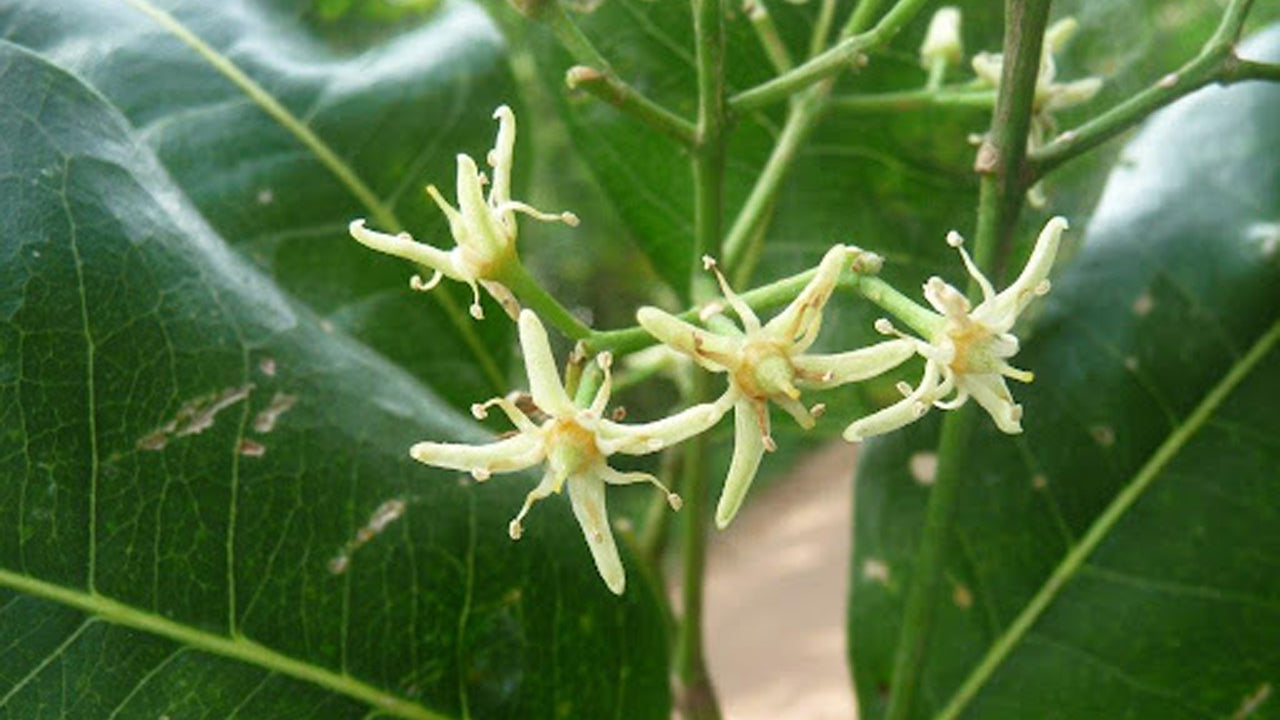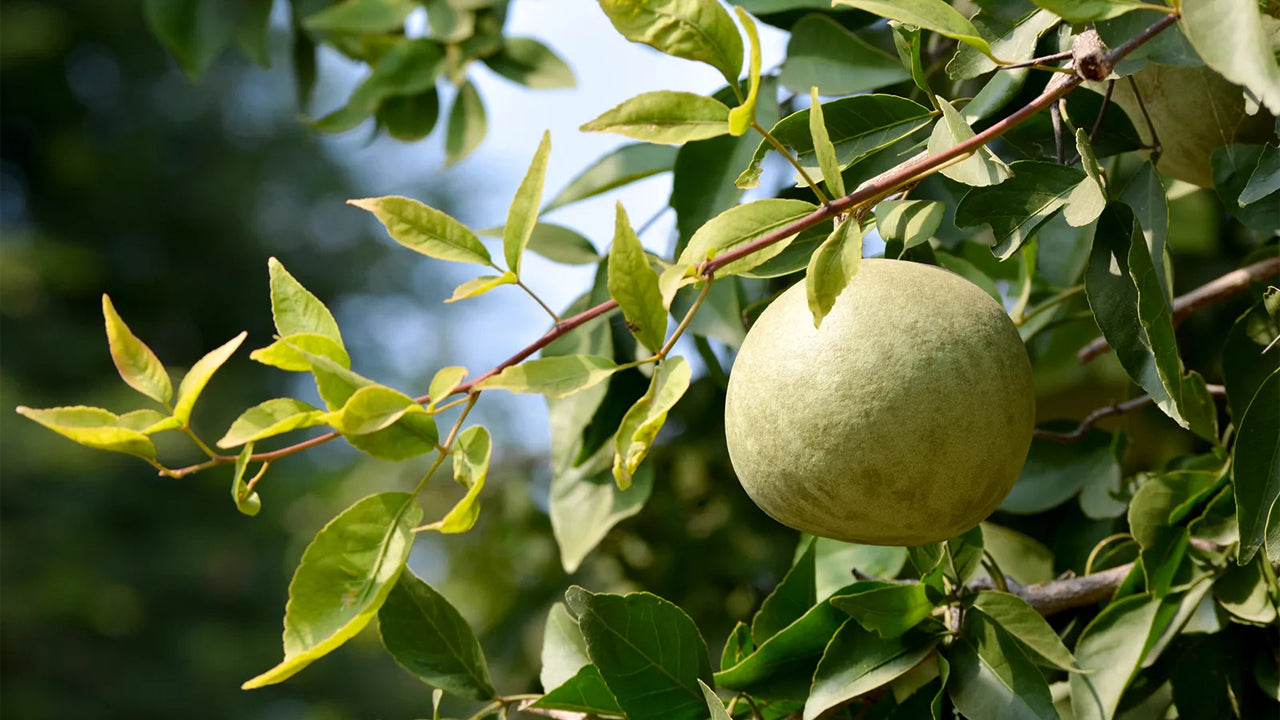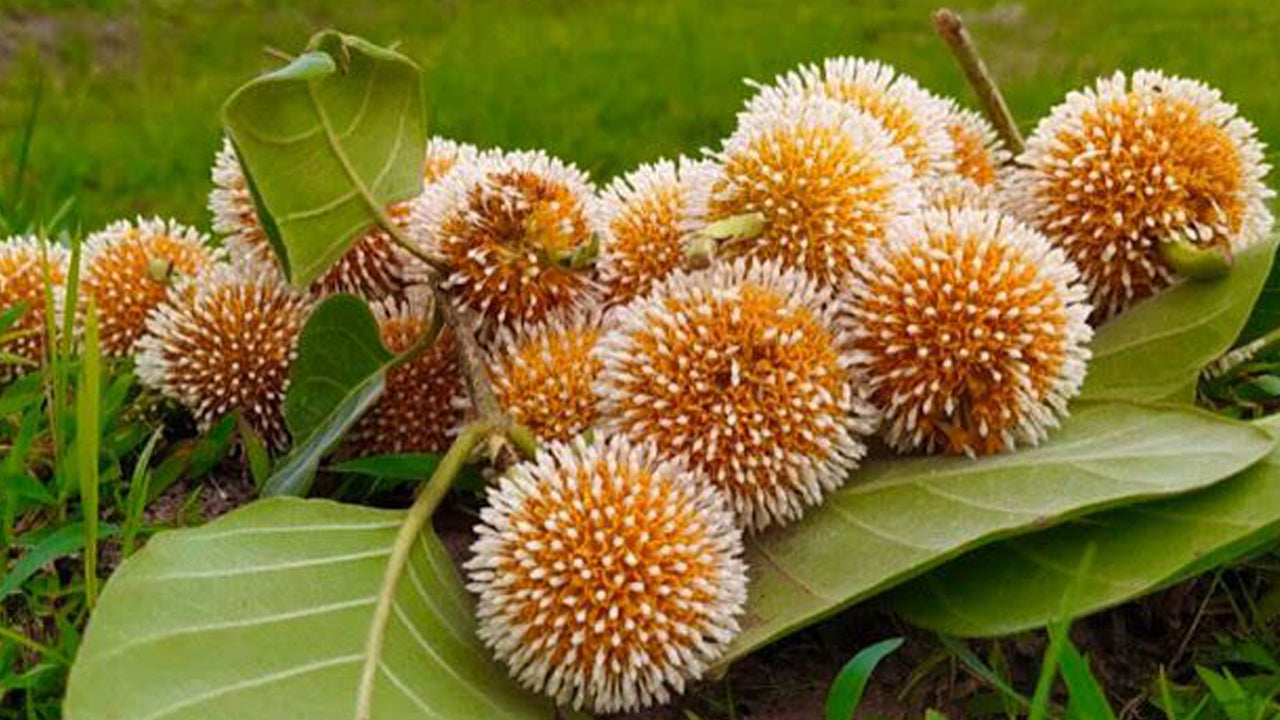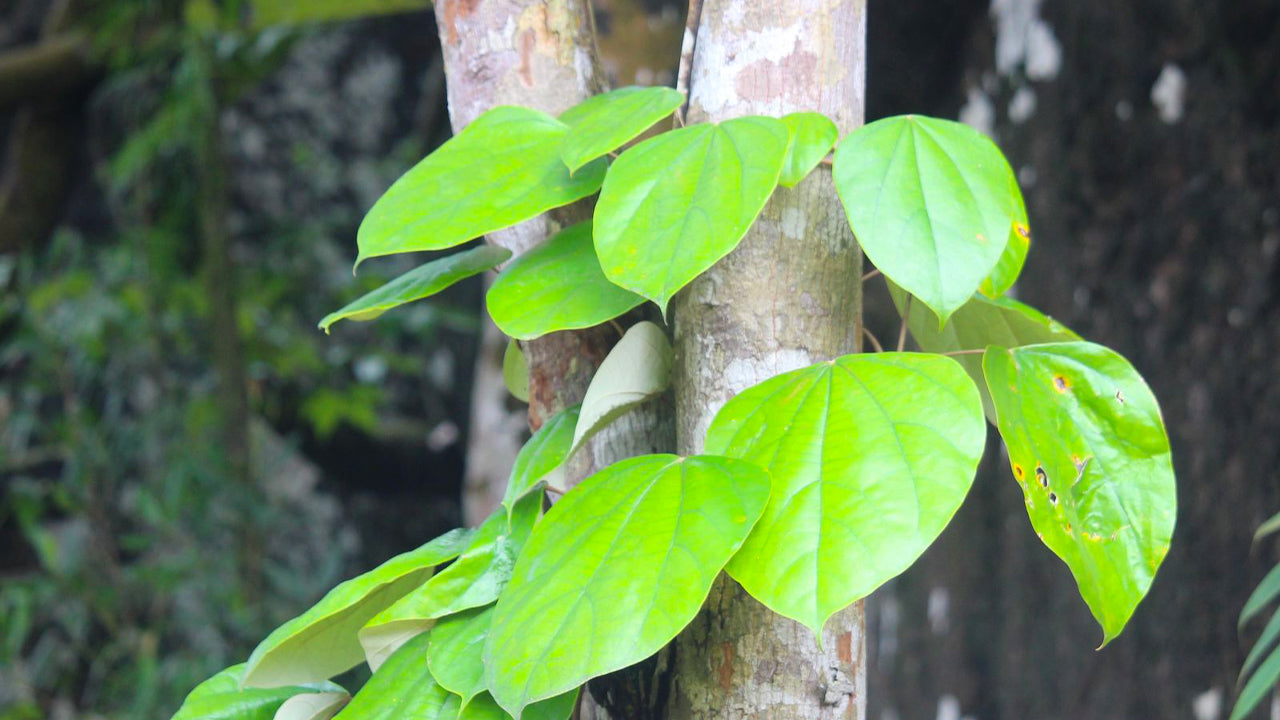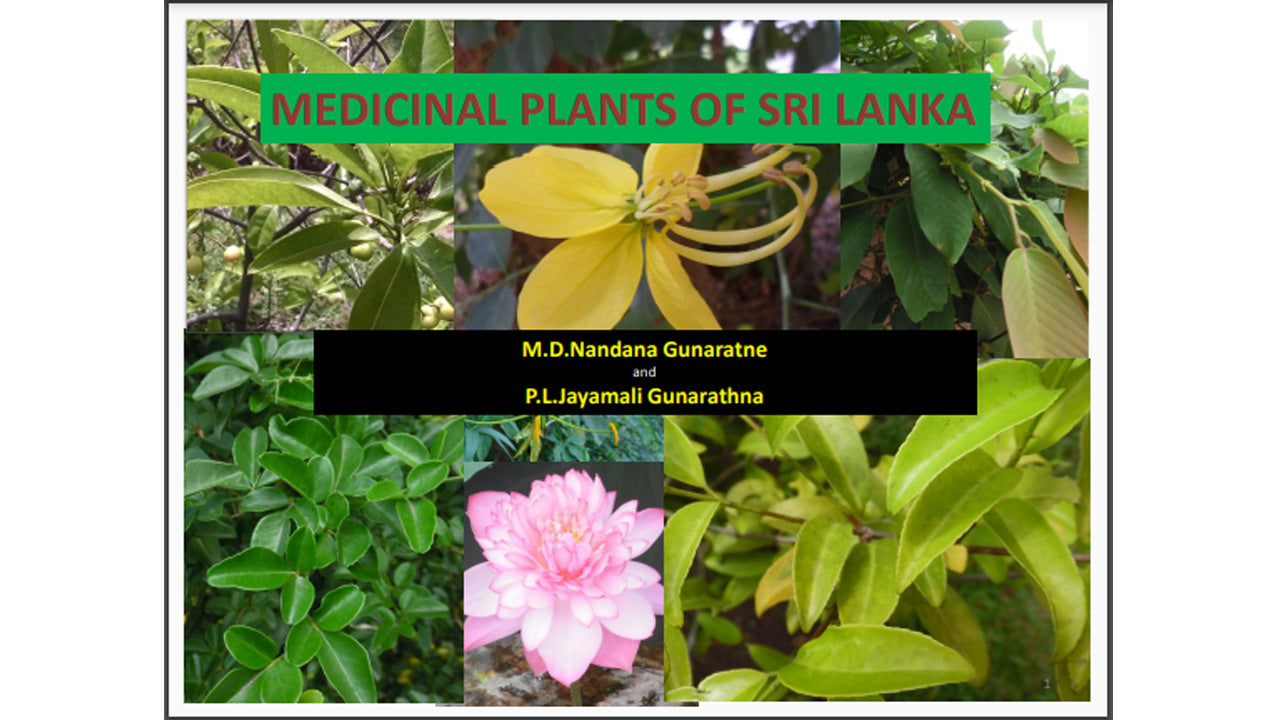
Cardiospermum halicacabum, known in Sri Lanka as Welpenela (වැල්පෙනෙල), is a slender perennial vine that grows quietly along roadsides, hedgerows, and the edges of cultivated land across the island's low country. Outside Sri Lanka it is commonly called the balloon plant or love-in-a-puff — names that refer to the inflated, papery seed pods that are among its most recognisable features. While it may look like an ordinary weed, traditional Ayurvedic and indigenous medicine have drawn on this plant for several centuries, and modern botanical research continues to investigate the properties recorded in those older texts.
What is Welpenela and where does it grow in Sri Lanka?
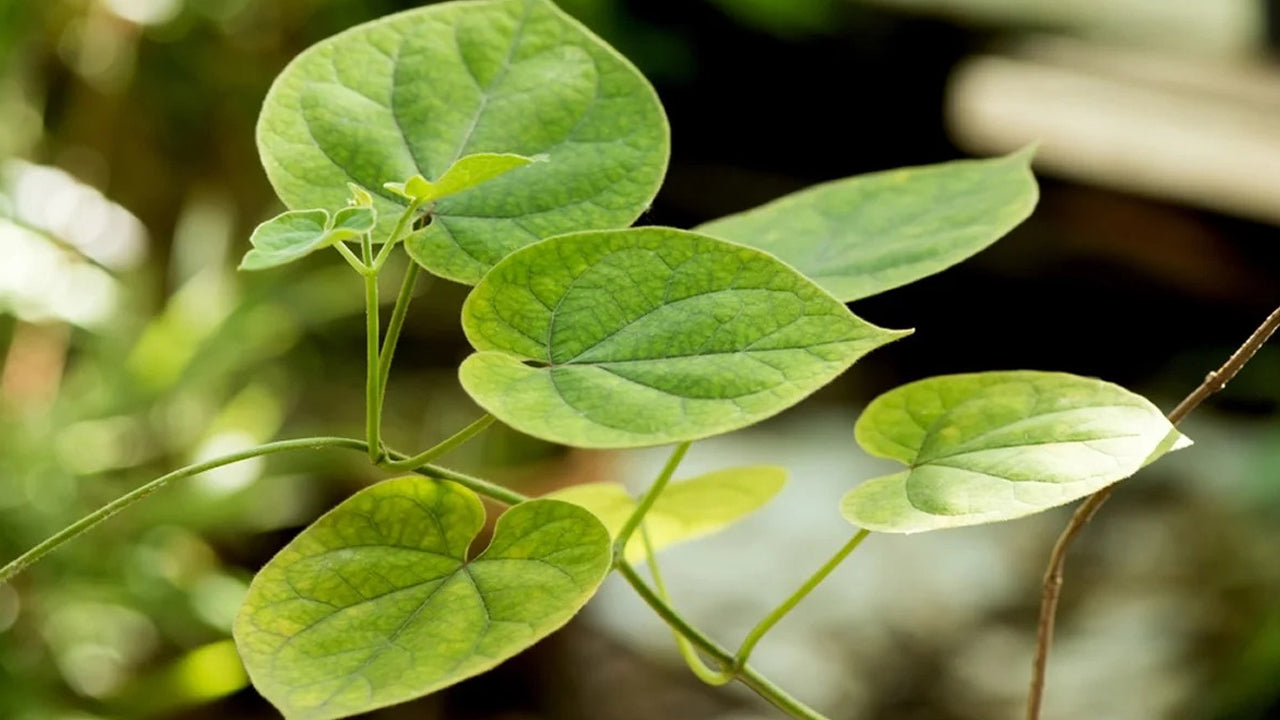
Cardiospermum halicacabum belongs to the family Sapindaceae. It is a fast-climbing vine that uses tendrils to scramble over shrubs and fences, and it typically reaches two to three metres in length. The leaves are bi-pinnate with serrated leaflets, the flowers are small and white, and the seed pods — the balloon-like structures that give the plant its English name — turn papery and pale green as they mature, each holding three round black seeds marked with a small white heart-shaped spot.
In Sri Lanka the plant is most commonly found in the warm, humid lowlands — particularly in the Western, North Western, and Southern provinces — where it self-seeds readily along agricultural land, forest margins, and disturbed ground. Although it is widespread throughout tropical Africa, Asia, and Australia, in Sri Lanka it has increasingly been collected for medicinal use, which has made it less common in certain areas than it once was.
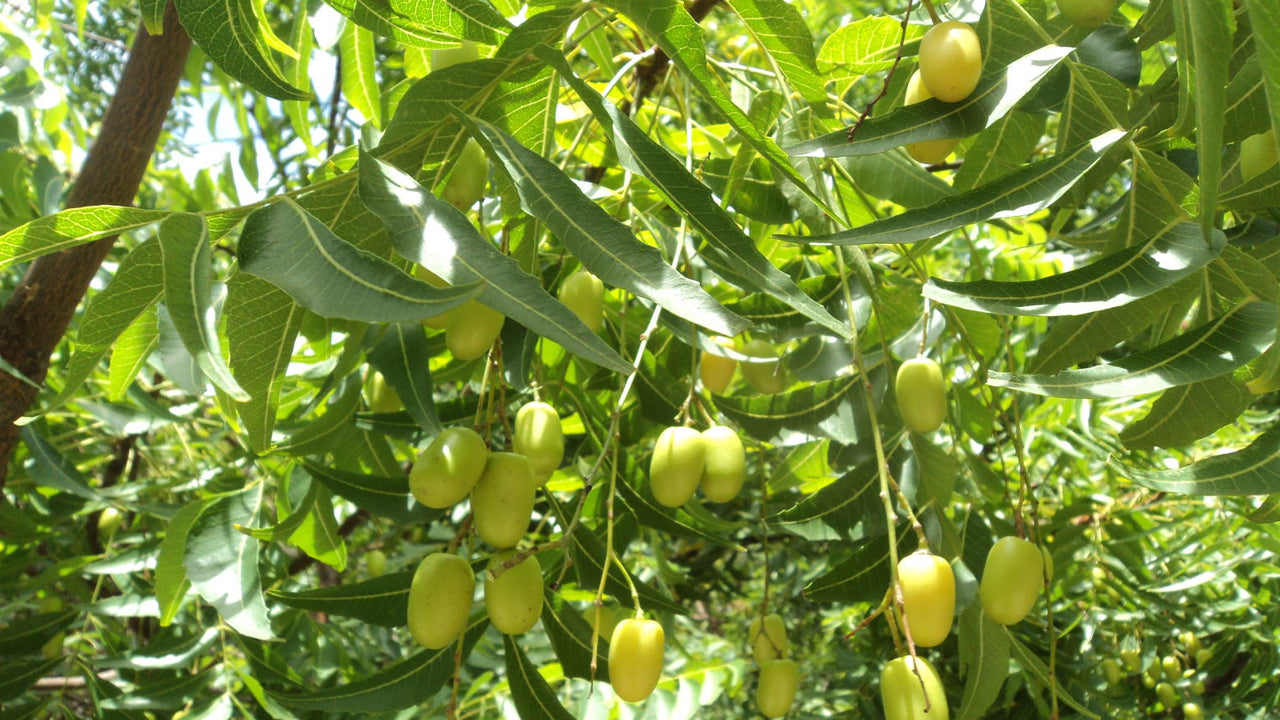
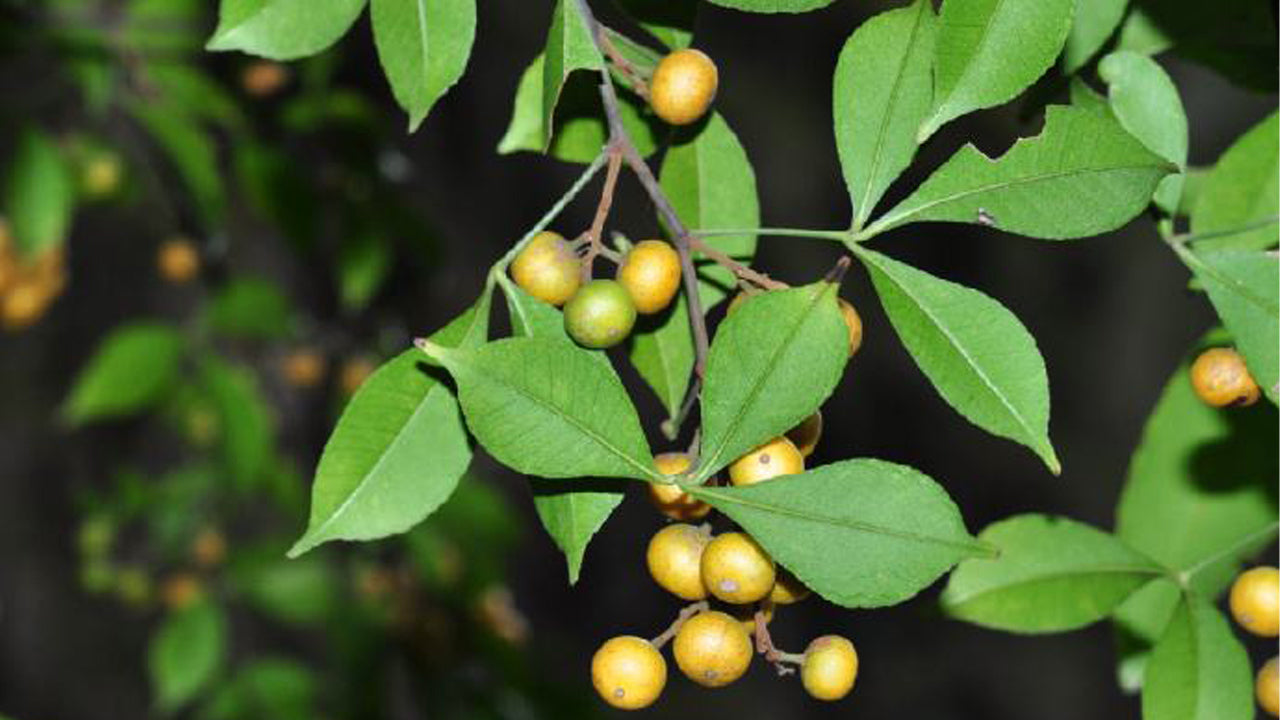
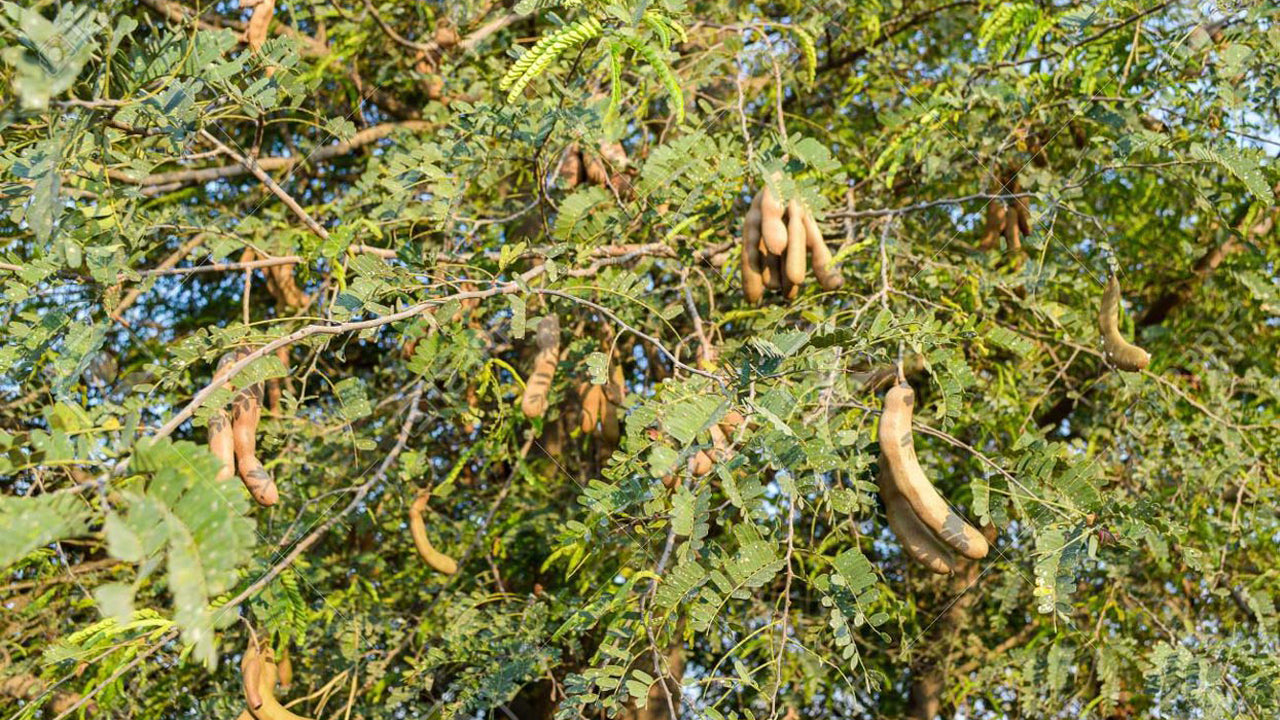
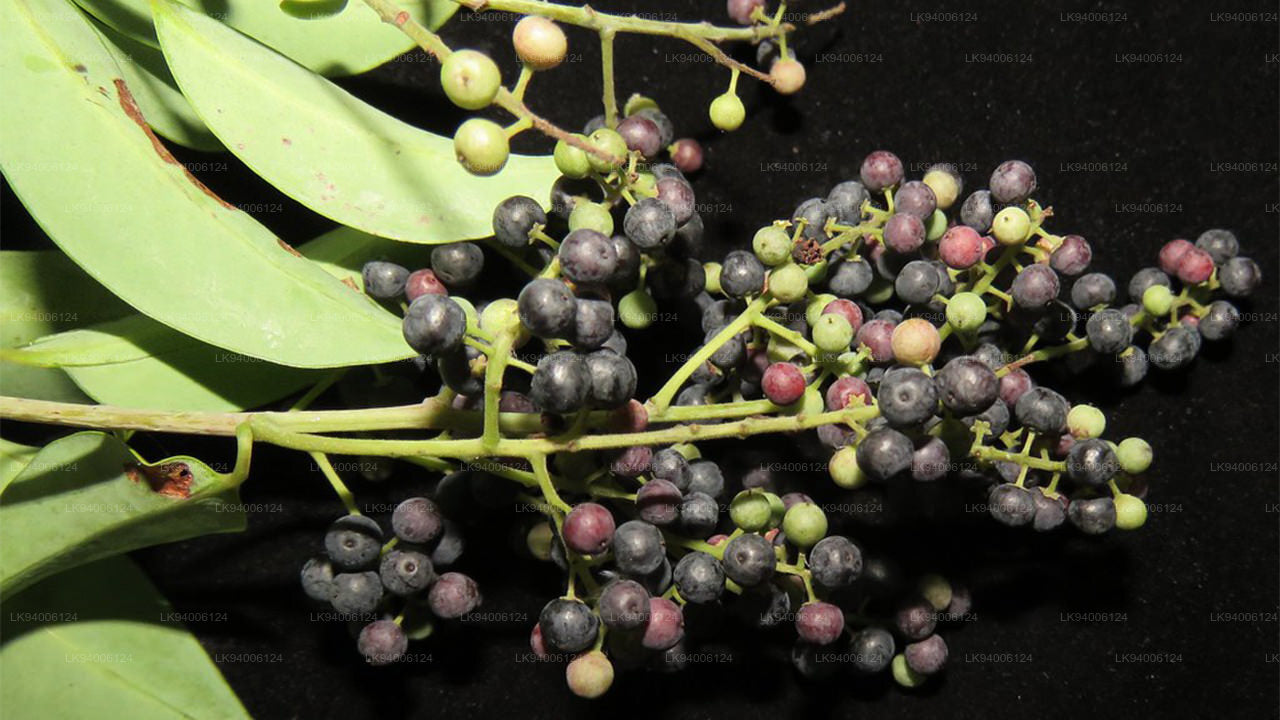
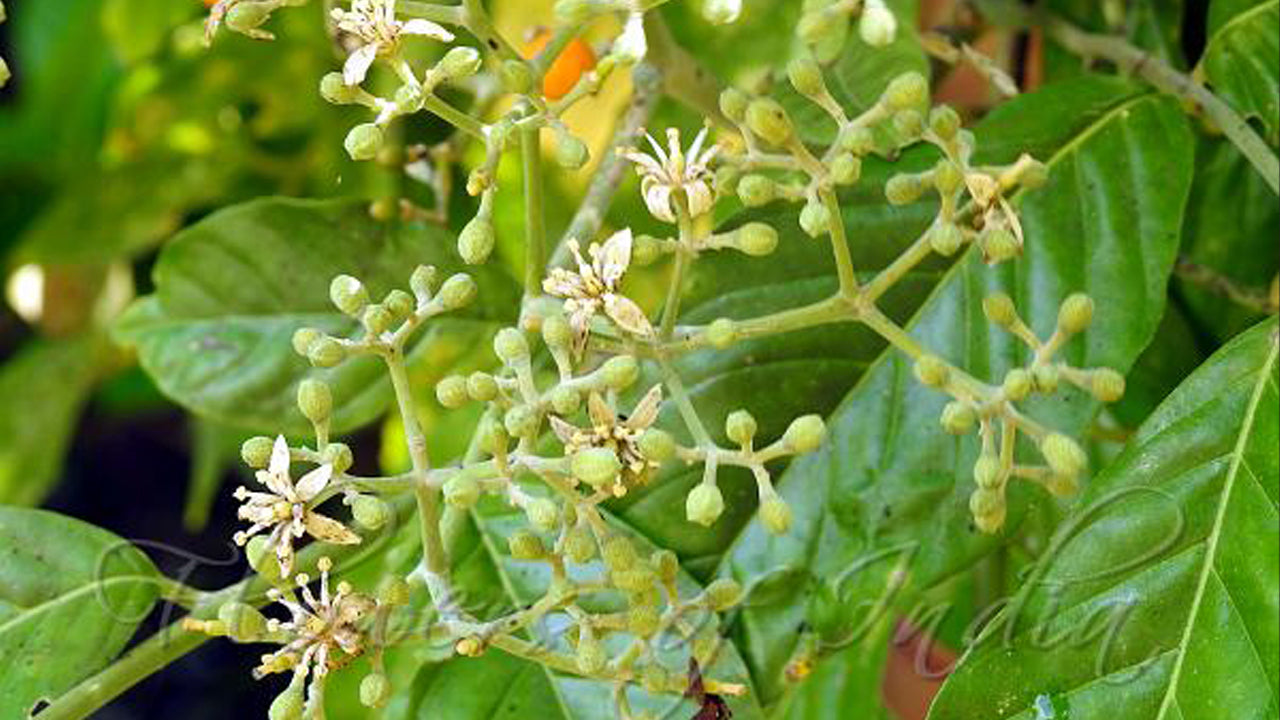
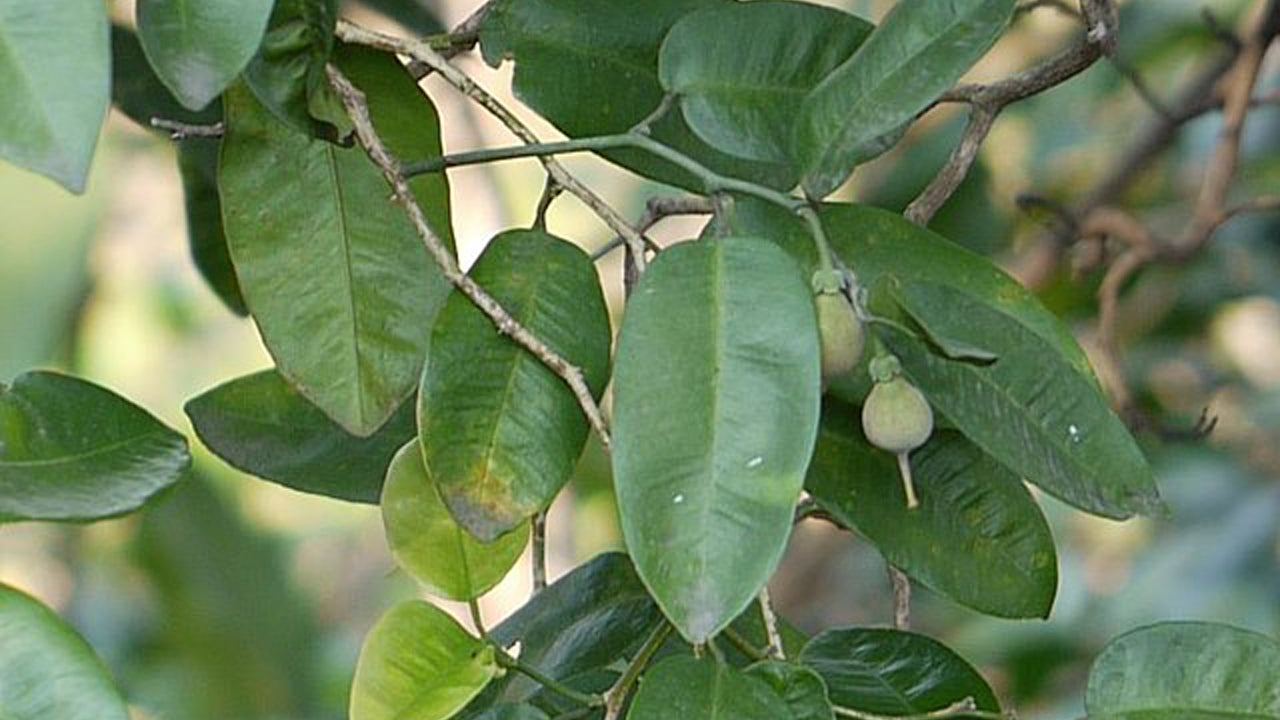
Welpenela shares the ecological and cultural landscape with other well-documented Sri Lankan medicinal plants such as Acacia chundra and Pongamia pinnata, both of which are used in overlapping Ayurvedic preparations.
What are the traditional medicinal uses of Cardiospermum halicacabum?
Sri Lanka's traditional medical systems — principally Ayurveda and Deshiya Chikitsa (indigenous medicine) — have used different parts of the Welpenela plant for a range of conditions. The roots, leaves, stems, and seeds each carry distinct therapeutic properties, and preparations include fresh juices, decoctions, poultices, and dried powders.
- Rheumatism and joint conditions: Root decoctions are among the oldest recorded uses of the plant, applied to ease joint stiffness, rheumatic pain, and gout. Regular consumption is believed to reduce inflammation in the joints over time.
- Skin care: Soaking the leaves overnight and using the resulting water as a facial wash is a traditional practice said to reduce skin discolouration, combat acne, and promote an even complexion. Applied topically, the plant can cause mild redness, which is considered a sign of increased local circulation.
- Digestive health: The leaves and roots are used in preparations for diarrhoea and haemorrhoids. The plant is also noted for stimulating appetite, making it useful in recovery from illness.
- Women's health: The juice extracted from the vine has been used in traditional practice to address menstrual irregularities.
- Urinary tract support: Preparations from the leaves are traditionally associated with easing urinary discomfort and supporting bladder health.
- Wound care and infection: The plant carries documented antiseptic properties, and leaf or root preparations have been used on minor wounds and infections.
- Snakebite: Historical texts reference Welpenela as part of compound remedies applied after snakebite, though this should never be substituted for modern emergency medical care.
What parts of the plant are used, and how are preparations made?
Every part of Cardiospermum halicacabum finds use in one preparation or another, though the roots and leaves are the most frequently cited in traditional texts.
| Plant part | Common preparation | Traditional application |
|---|---|---|
| Roots | Decoction, dried powder | Rheumatism, gout, haemorrhoids, worms |
| Leaves | Juice, poultice, infused water | Skin care, diarrhoea, urinary complaints |
| Whole vine | Herbal porridge, tea | Appetite stimulation, general tonic |
| Seeds | Volatile oil extraction, dried powder | Hernia support, hormonal balance, medicines |
Herbal porridges (kola kanda) incorporating Welpenela remain part of everyday wellness culture in rural Sri Lanka, and the plant appears in compound Ayurvedic formulas alongside other botanicals. The seeds contain a volatile oil that is extracted for use in pharmaceutical preparations and dehydrated herbal powders sold in Ayurvedic pharmacies.
What does current research say about Welpenela?
Scientific interest in Cardiospermum halicacabum has grown steadily since the 1990s. Studies have identified a range of bioactive compounds in the plant, including flavonoids, alkaloids, and saponins, which may account for some of its anti-inflammatory, antioxidant, and antimicrobial properties observed in laboratory settings. Research published in peer-reviewed journals has explored its potential in managing rheumatoid arthritis-related inflammation, and some preliminary findings suggest regular dietary inclusion may help reduce certain markers associated with arthritic conditions.
Commercial interest has followed: standardised extracts of Cardiospermum halicacabum now appear in European and North American topical creams marketed for eczema and inflammatory skin conditions, a development that has drawn wider attention to a plant long known in South Asian and African traditional medicine. As with most traditional plants, however, robust clinical trials in humans remain limited, and the plant should be regarded as a complement to — not a replacement for — qualified medical advice.
How does Welpenela fit into Sri Lanka's Ayurvedic tradition?
Sri Lanka has one of the longest unbroken traditions of Ayurvedic medicine in the world, with written records dating back more than two thousand years. Plants like Welpenela occupy an important place in this tradition because they are accessible, low-cost, and multi-purpose — qualities that made them indispensable in village-level healthcare long before modern pharmaceuticals existed.
Today, Sri Lanka's Department of Ayurveda regulates the practice of traditional medicine, and Ayurvedic hospitals operate alongside the state health system. Visitors with an interest in traditional healing can encounter these plants in their natural environment at sites such as the Sinharaja Forest Reserve, where guided walks reveal the botanical diversity that underpins the island's medicinal plant heritage.
Compound Ayurvedic formulations that include related plant families are catalogued in references such as Yogaraja Guggulu and Kaishore Guggulu, which offer a window into how traditional practitioners combine multiple botanicals for systemic treatment.
Is Welpenela safe to use, and are there any cautions?
When used in the modest quantities typical of traditional food preparations — herbal teas, porridges, leaf-infused water — Welpenela is generally considered safe by practitioners of Ayurvedic medicine. The plant is noted, however, for having emetic properties at higher doses; that is, it can induce vomiting if consumed in quantity, which historically was sometimes exploited therapeutically but is not desirable in everyday use.
Pregnant women and individuals on prescription medication should consult a qualified Ayurvedic or medical practitioner before using concentrated preparations of the plant. The same caution applies to children and anyone with a known sensitivity to plants in the Sapindaceae family. Self-treating serious conditions — joint disease, menstrual disorders, urinary infections — with Welpenela alone, without professional guidance, is not recommended.