Lakpura
Lakpura®

Nauclea orientalis

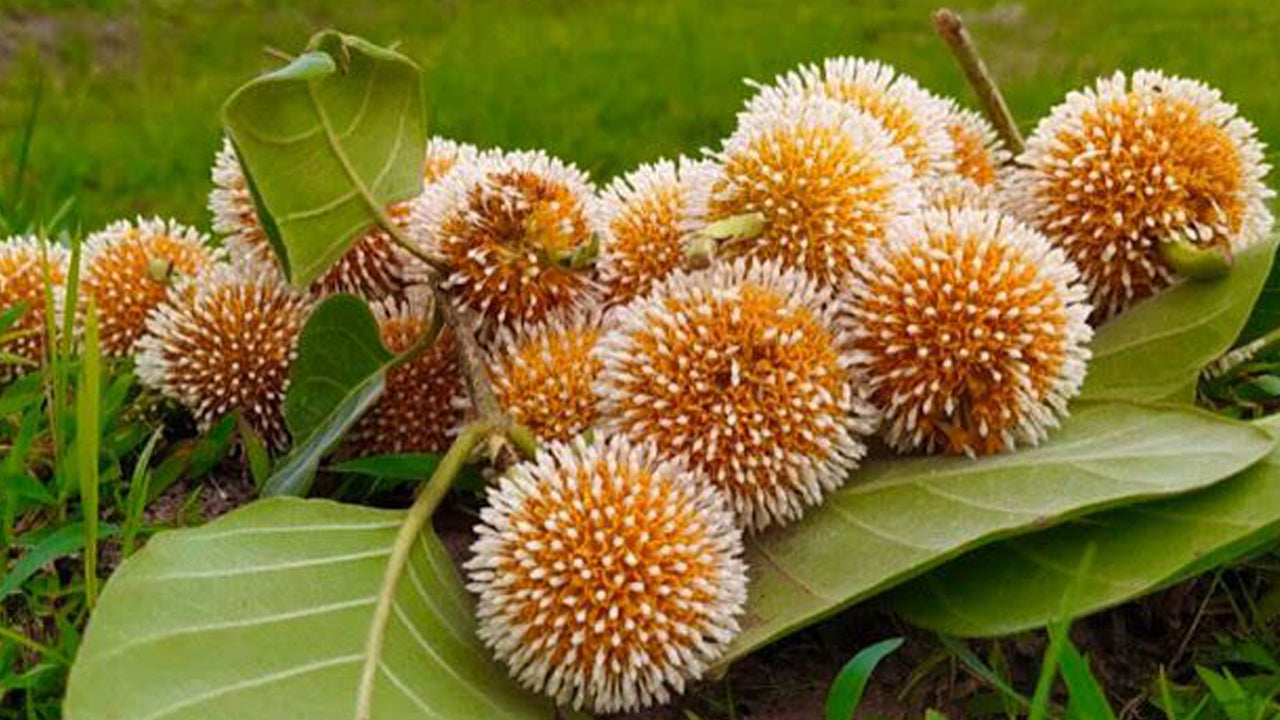
Nauclea orientalis, widely known as the Kadamba tree, is one of Sri Lanka's most recognisable large tropical trees. It thrives in the island's wet and intermediate zones, most often along riverbanks, irrigation tank margins, and the edges of lowland forest. With its broad, spreading canopy and distinctive spherical yellow-orange flower heads, it is a tree that rewards both the patient botanist and the casual nature walker.

What makes Nauclea orientalis botanically distinctive?

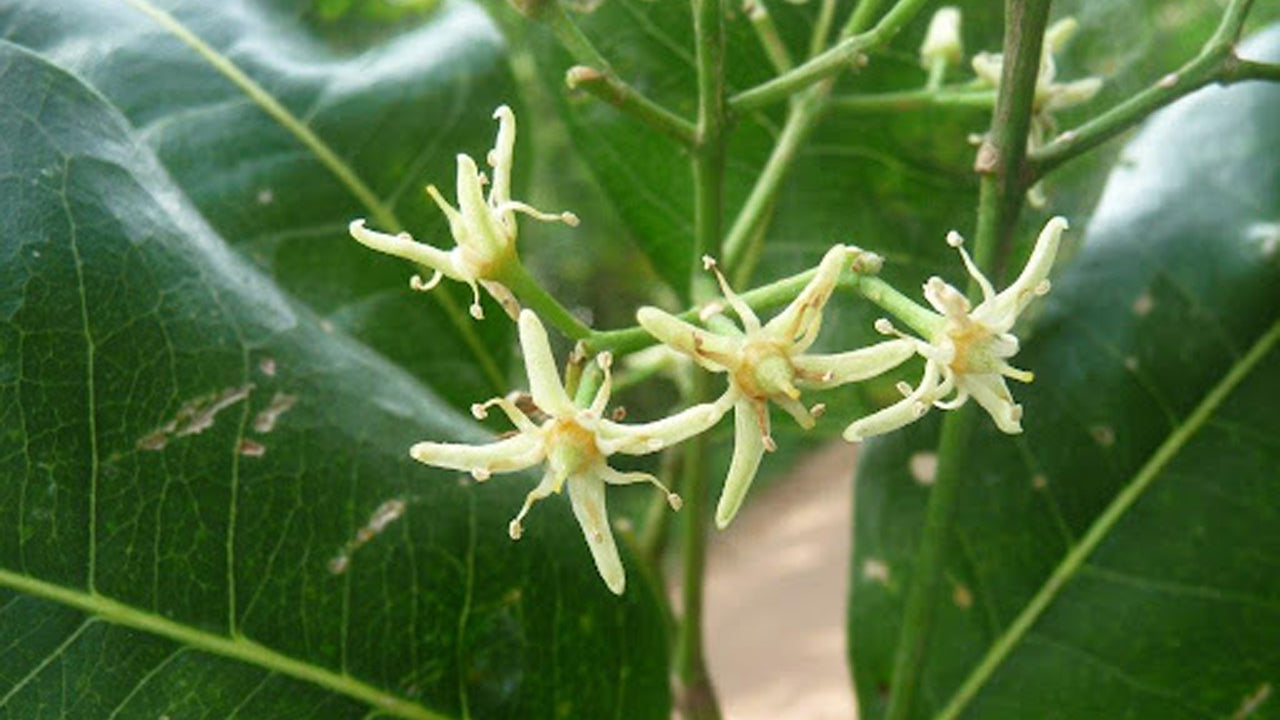
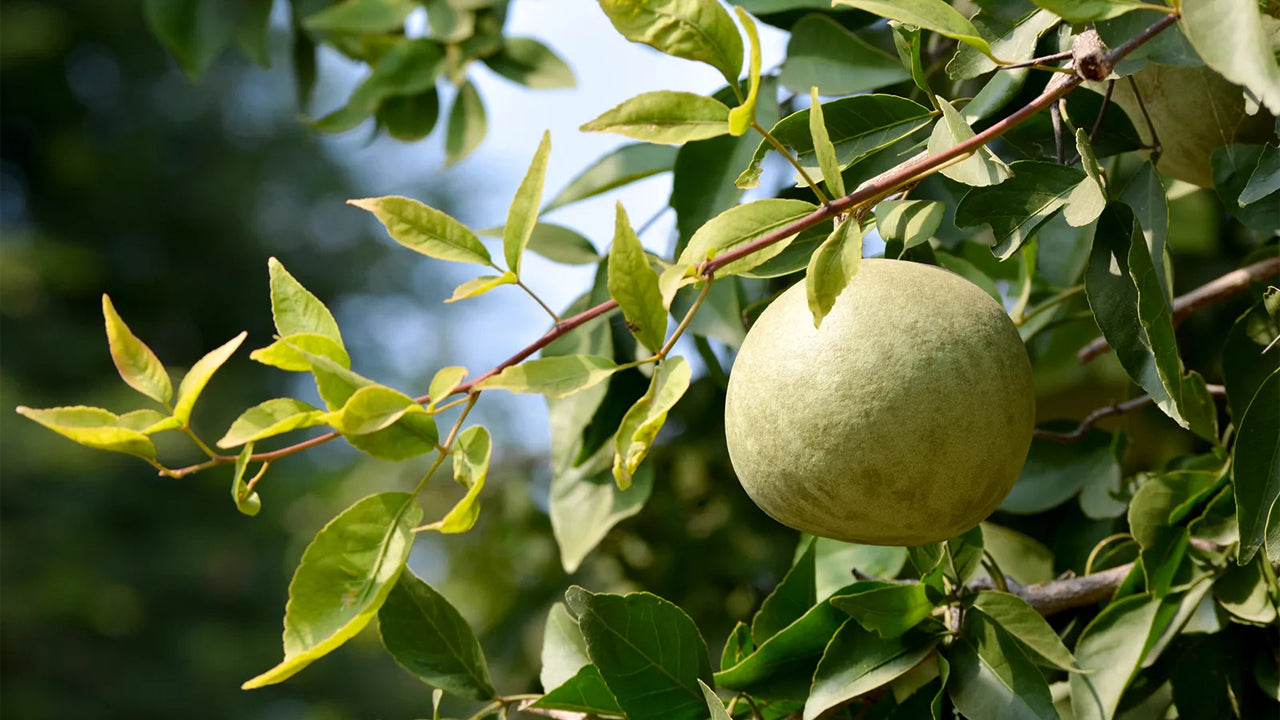
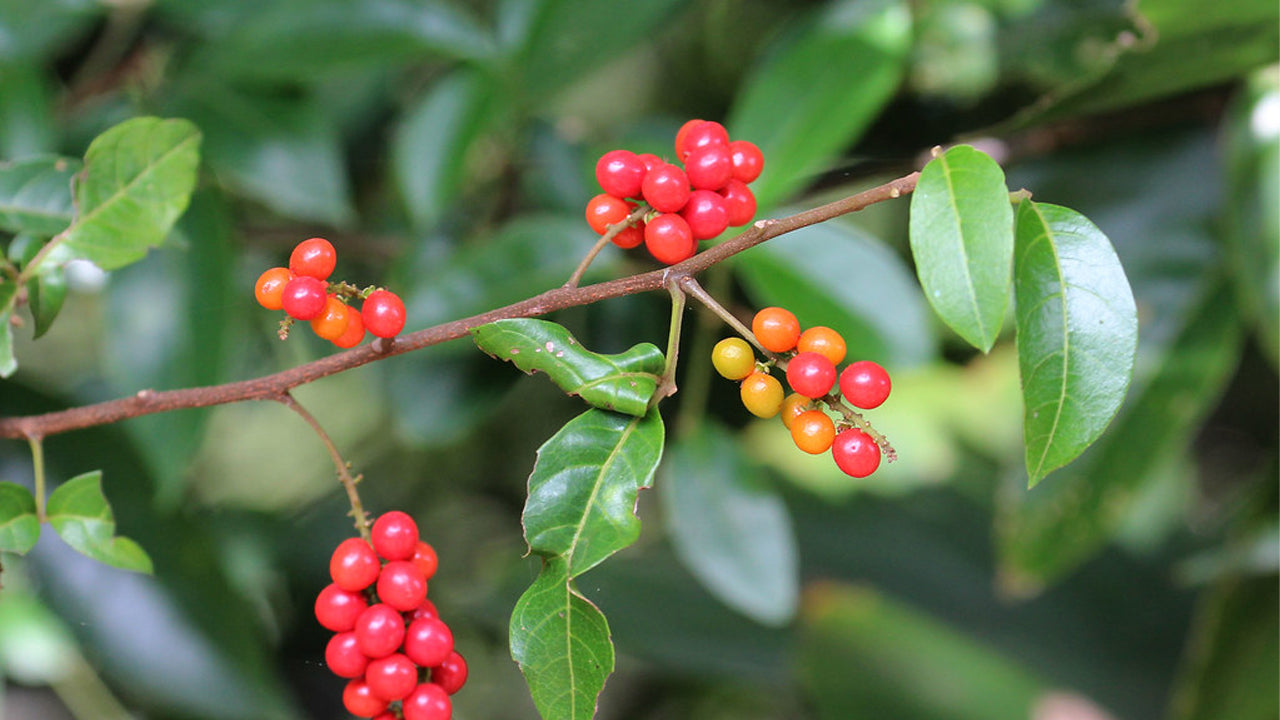
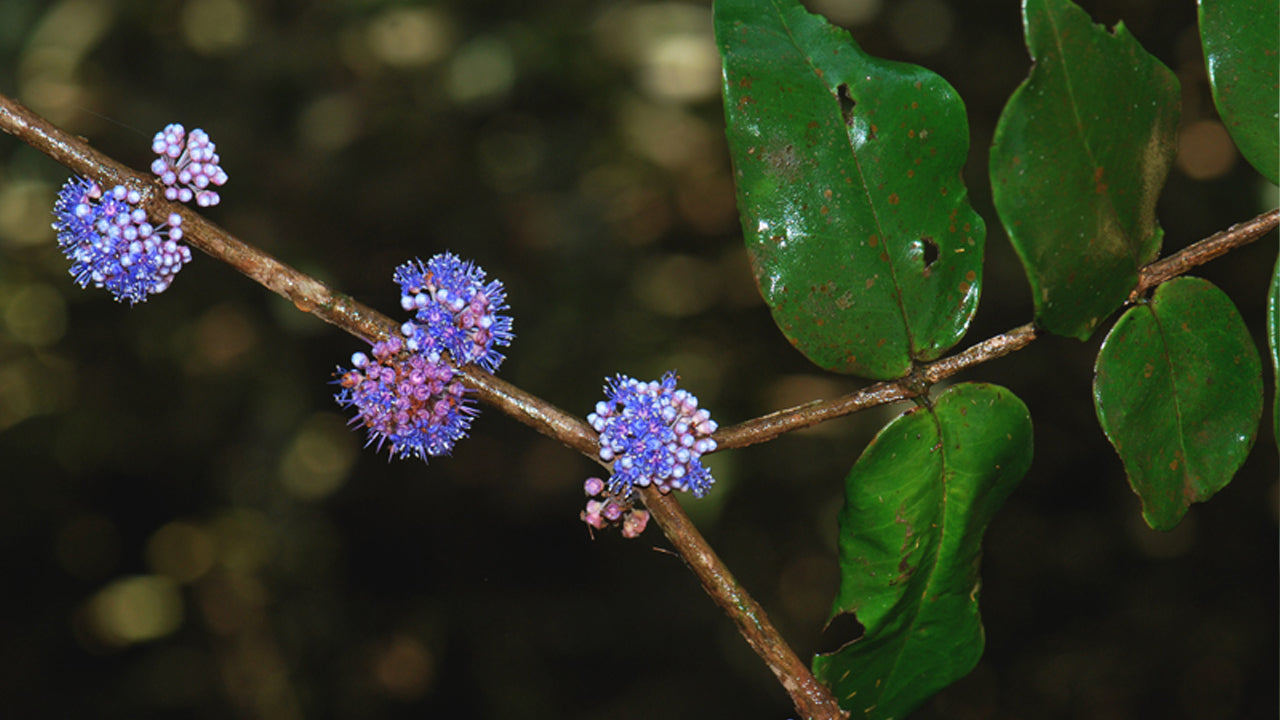
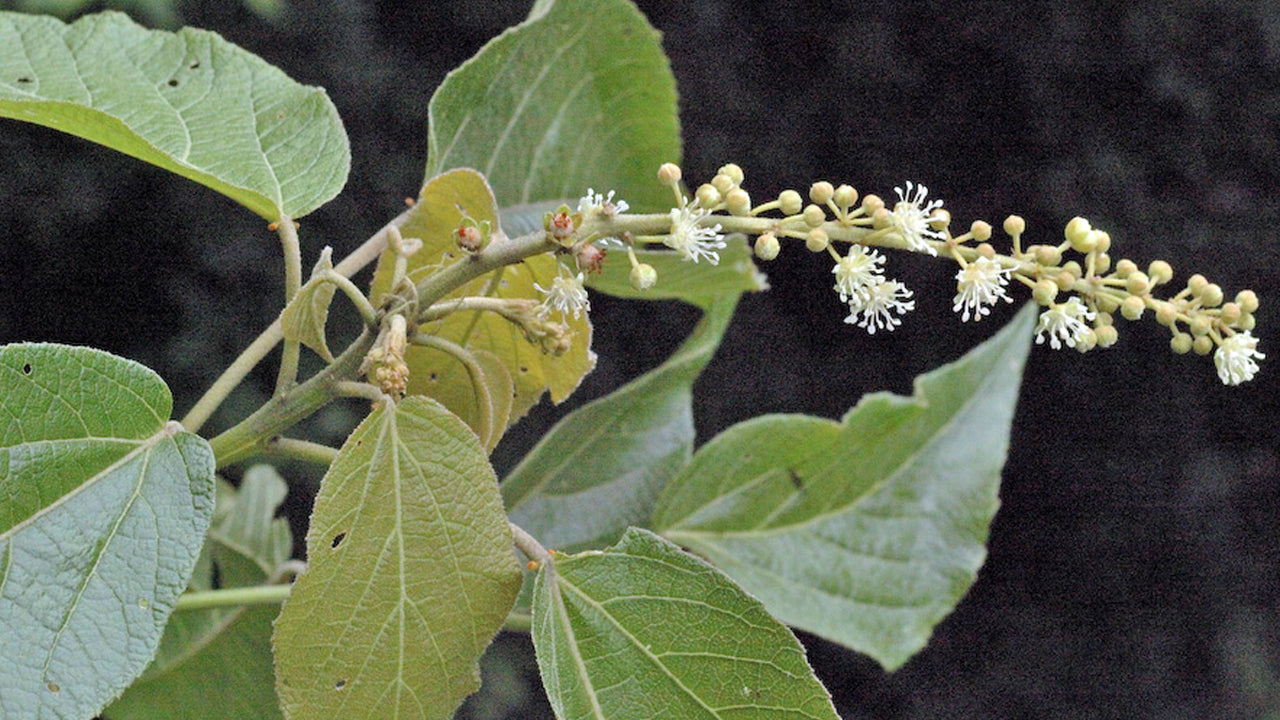
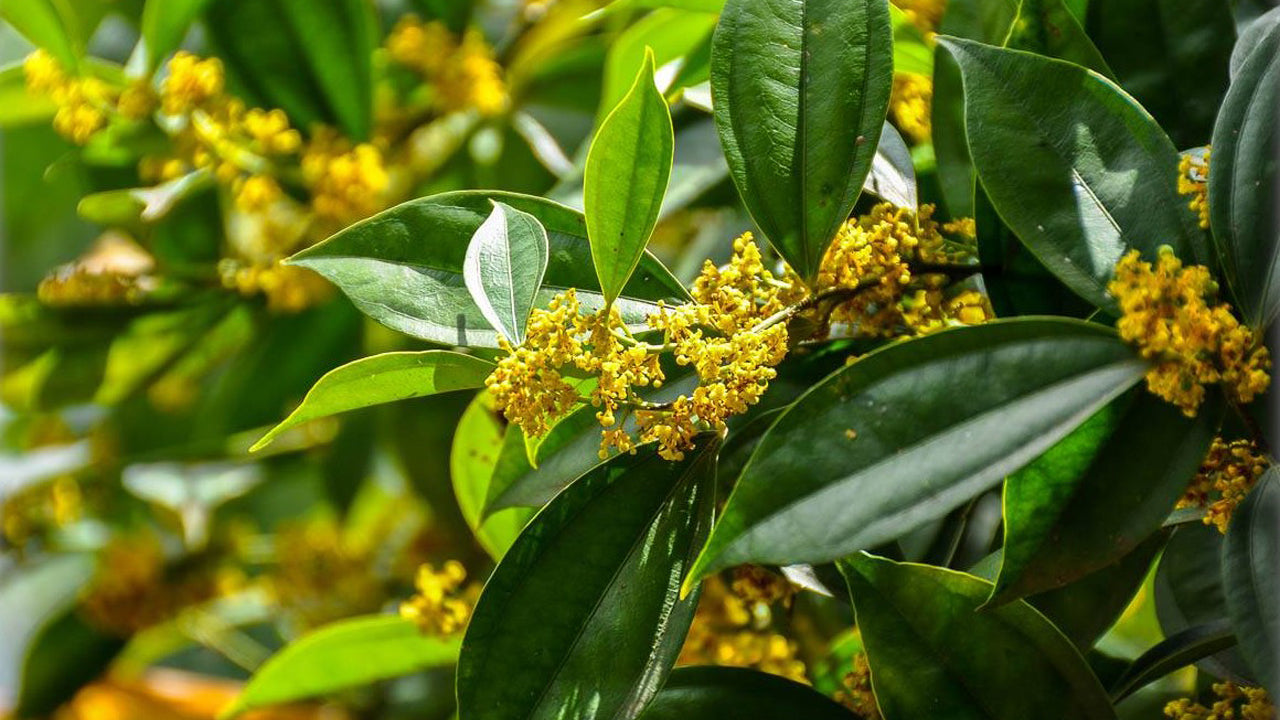
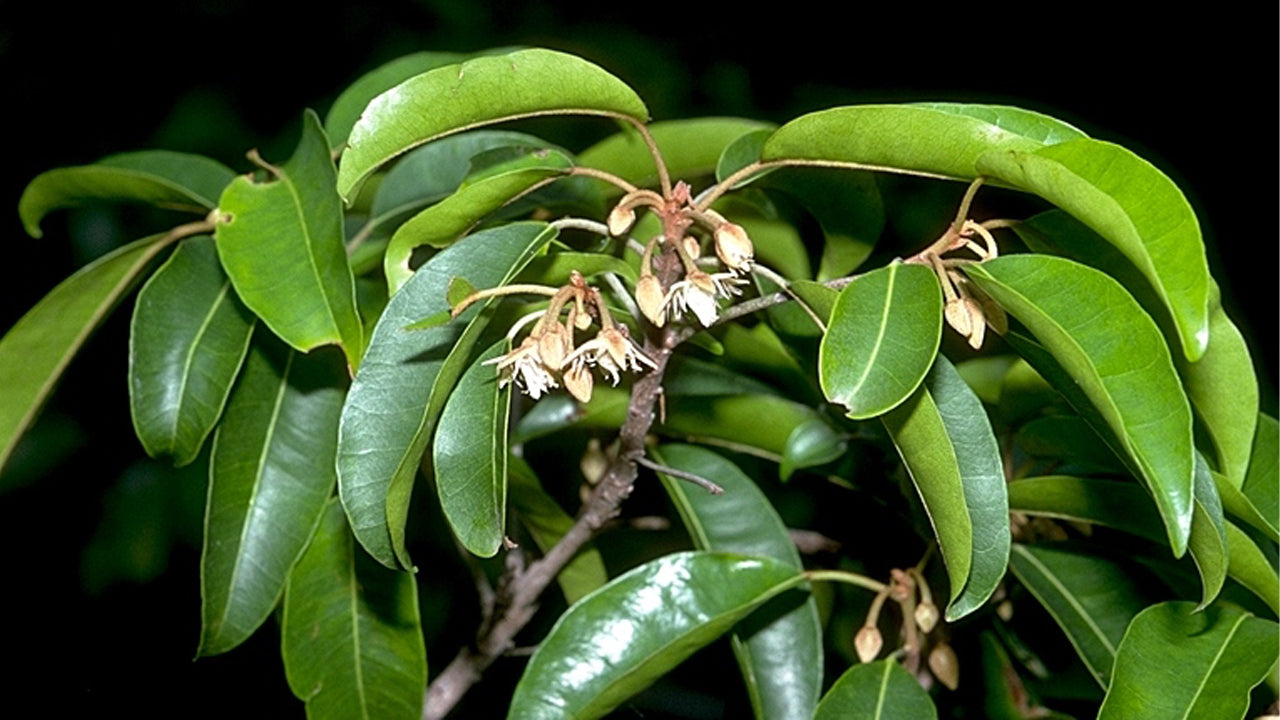
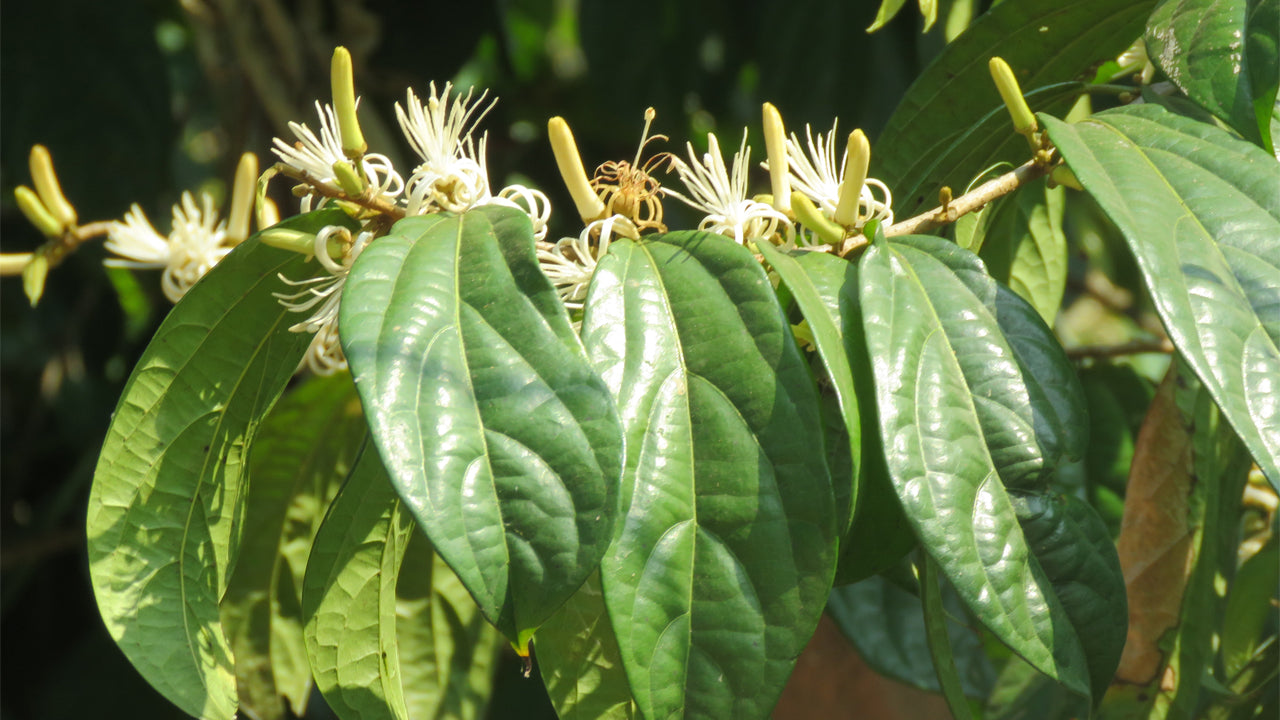
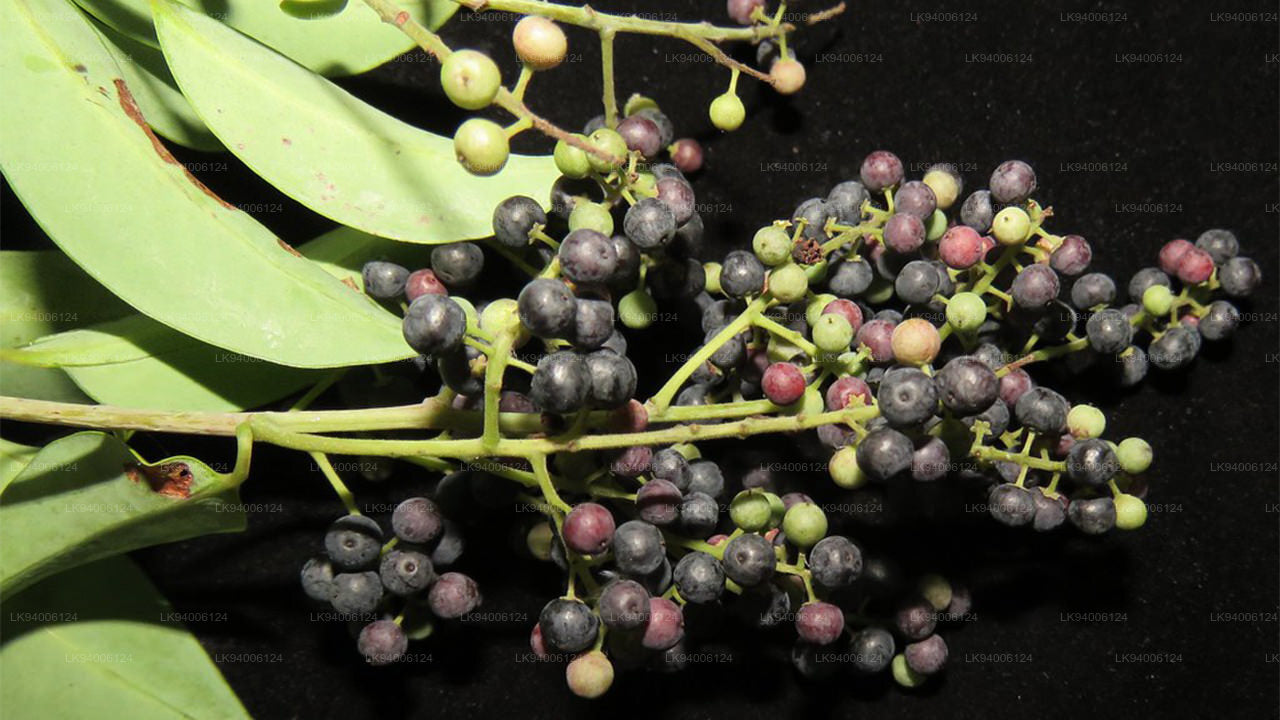
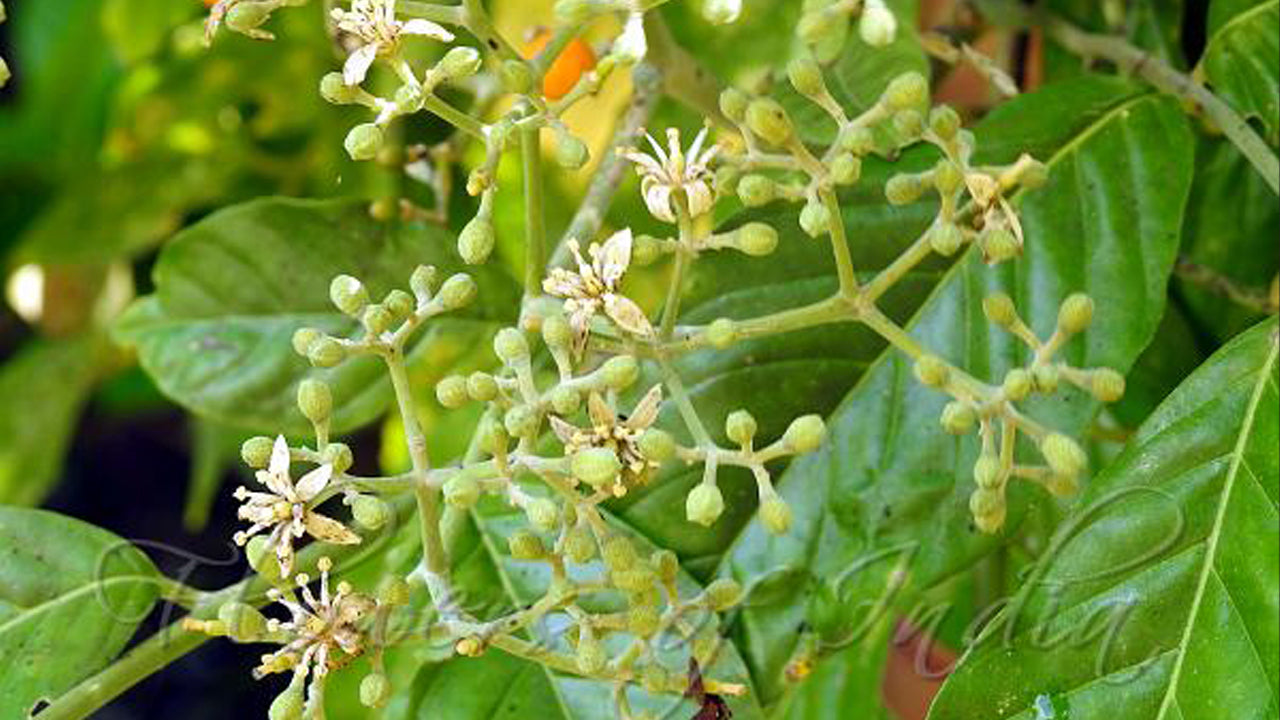
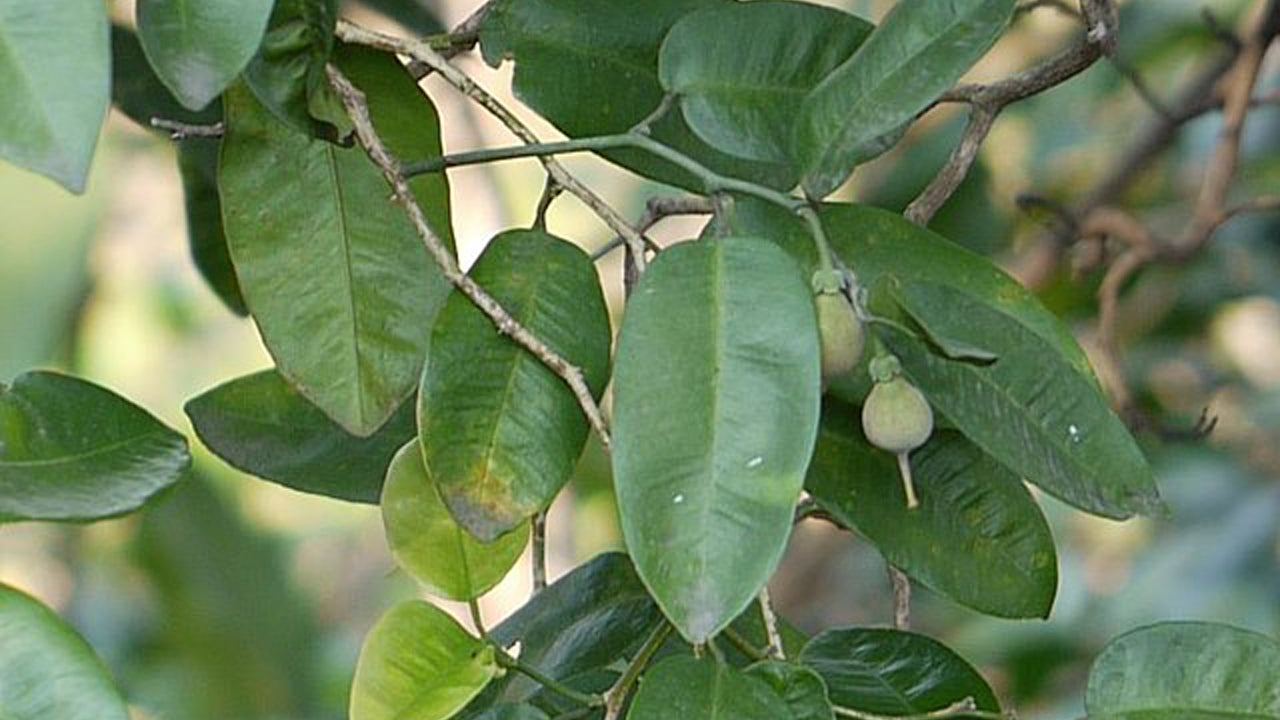
Nauclea orientalis belongs to the family Rubiaceae — the same family as coffee — and can reach impressive heights in mature stands. Its most identifying feature is the round, ball-shaped flower head, which is made up of many small tubular florets packed tightly together. The flowers give way to compound fruit clusters that gradually darken as they ripen. The bark is rough and furrowed on older specimens, while younger trees carry a smoother, greyish surface. Large, broad leaves — glossy and dark green on the upper side — provide dense shade beneath the canopy.

The tree is deciduous to semi-deciduous depending on local rainfall patterns. In drier spells it may shed leaves partially, before flushing again with the onset of monsoon rains. This cycle makes it particularly easy to spot during the dry season, when the spherical flower heads stand out against a sparser backdrop.

Where in Sri Lanka can you find the Kadamba tree?

Nauclea orientalis grows naturally across a wide geographic range within Sri Lanka. It is most commonly encountered in the wet zone and the wetter parts of the intermediate zone — provinces such as Western, Sabaragamuwa, Southern, and parts of Central. Riparian corridors are its preferred habitat: look for it alongside rivers, streams, and the vegetated margins of ancient irrigation tanks.

The Sinharaja Forest Reserve and its buffer zones support populations of Kadamba alongside many other endemic and native tree species. Village home gardens, temple grounds, and forest reserves in the low country also host this species regularly. In the ancient city of Polonnaruwa, tank margins and forest patches surrounding the archaeological zone harbour mature specimens.

It also appears in more accessible settings: roadsides, the edges of paddy land, and the perimeters of wildlife sanctuaries. In and around Udawalawe National Park, riverine woodland fragments support scattered Kadamba trees alongside other moisture-loving species.

When is the best time to see Nauclea orientalis in bloom?

Flowering is most prolific during and immediately after periods of reliable rainfall, typically aligned with the southwest monsoon (roughly May to September in the wet zone). During these months, the spherical flower heads appear in generous numbers, attracting a wide range of pollinators. Bees, butterflies, and certain moth species are particularly active around blooming trees. In the drier inter-monsoon period, flowering may still occur but tends to be less uniform across the population.

For photography or ecological observation, visiting riparian forest margins early in the morning — when pollinators are most active and light is softer — offers the best results. Fruit development follows flowering by several weeks, and the maturing compound fruits attract fruit-eating birds and small mammals through the latter part of the year.

What ecological role does the Kadamba tree play?

Nauclea orientalis is ecologically significant well beyond its visual appeal. Its deep root system stabilises riverbanks and tank bunds, reducing erosion during heavy rainfall — a function that has long been appreciated in Sri Lanka's traditional hydraulic landscapes. The dense canopy moderates soil temperature and contributes to the moisture retention of the surrounding ground, supporting undergrowth and soil organisms.

  • Pollinators: The nectar-rich flowers draw bees, butterflies, and hover flies, making the tree a useful resource in habitats where floral diversity is seasonal.
  • Birds: Frugivorous birds feed on the ripe compound fruits, dispersing seeds to new sites along watercourses.
  • Mammals: Small mammals, including flying foxes in some areas, visit the trees at dusk for fruit and nectar.
  • Riparian stability: The root network anchors soil along watercourses and tank margins, complementing other riparian trees such as Pongamia pinnata.

In managed landscapes, particularly around Sri Lanka's ancient irrigation tanks, the Kadamba was — and in many villages still is — a deliberately preserved species, its shade and root-binding properties recognised by generations of farmers.

What is the cultural significance of the Kadamba tree in Sri Lanka?

The Kadamba holds a place in South Asian religious and literary tradition that extends well beyond Sri Lanka. In Sanskrit literature it is associated with monsoon rains and renewal; its flowers are referenced in classical poetry as a harbinger of the wet season. In Sri Lankan village settings, large old Kadamba trees near tanks and temples are often treated with quiet respect, their shade used as gathering places and their presence seen as a marker of a healthy water body nearby.

Ayurvedic traditions across the region have recorded uses of various parts of the tree, though these applications are part of broader ethnobotanical scholarship rather than standardised modern medicine. The wood, while not a premier timber species, has historically found use in lightweight construction and the making of everyday implements in rural communities.

How can I observe Nauclea orientalis on a visit to Sri Lanka?

No specialist expedition is required. The tree is common enough that a road journey through the wet-zone lowlands — particularly in the southern and western provinces — will produce multiple sightings. For a more deliberate encounter, plan visits around riparian nature walks. The boardwalks and boat routes of Madu Ganga pass through mangrove and riverine forest where Nauclea orientalis and related species grow along the water's edge.

Community-based nature walks around forest reserve buffer zones also offer guided encounters with this and other native trees. Local naturalist guides can identify individual specimens, explain flowering phenology, and point out associated bird and insect life — context that greatly enriches what might otherwise be a passing glance at a large tree.

Is Nauclea orientalis the same as the Indian Kadamba (Neolamarckia cadamba)?

This is a common point of confusion. Neolamarckia cadamba — the species celebrated widely in Indian literature and temple iconography as the Kadamba of Krishna — is a related but distinct species in the same family. Nauclea orientalis shares the same common name in parts of Sri Lanka and Southeast Asia, and both produce the characteristic round flower heads that give the group its popular appeal. In Sri Lankan botanical literature and conversation, both names sometimes circulate for trees of this general type. Careful identification using leaf shape, bark texture, and fruit structure is needed to distinguish the two in the field.

Ask Lakpura® Agent