Yala National Park is Sri Lanka's most visited wildlife reserve and one of the best places in Asia to observe leopards in the wild. Covering a mosaic of dry-zone scrubland, rocky outcrops, lagoons, and coastal wetlands in the deep south of the island, it rewards patient visitors with sightings that few other destinations can match. Whether you're a first-time safari-goer or a seasoned wildlife photographer, Yala offers an experience that is both accessible and genuinely wild.
Where is Yala National Park?
The park lies approximately 305 km south of Colombo, within the Hambantota district of Sri Lanka's Southern Province. The nearest service town is Tissamaharama, around 264 km from Colombo, which serves as the practical base for most visitors. From Tissamaharama, the main park entrance at Palatupana is a further 27 km.
Yala shares its northern boundary with Udawalawe National Park, another major wildlife destination, and together they form an important wildlife corridor across Sri Lanka's dry south.
What animals will I see at Yala?
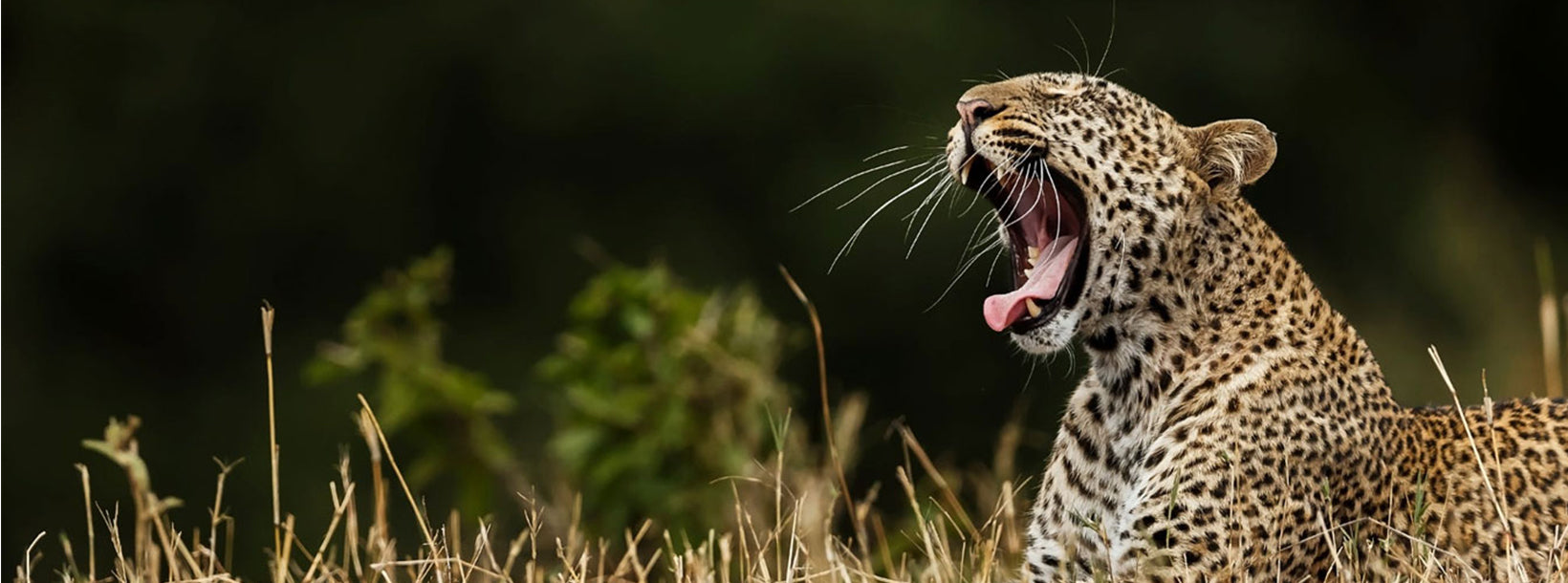
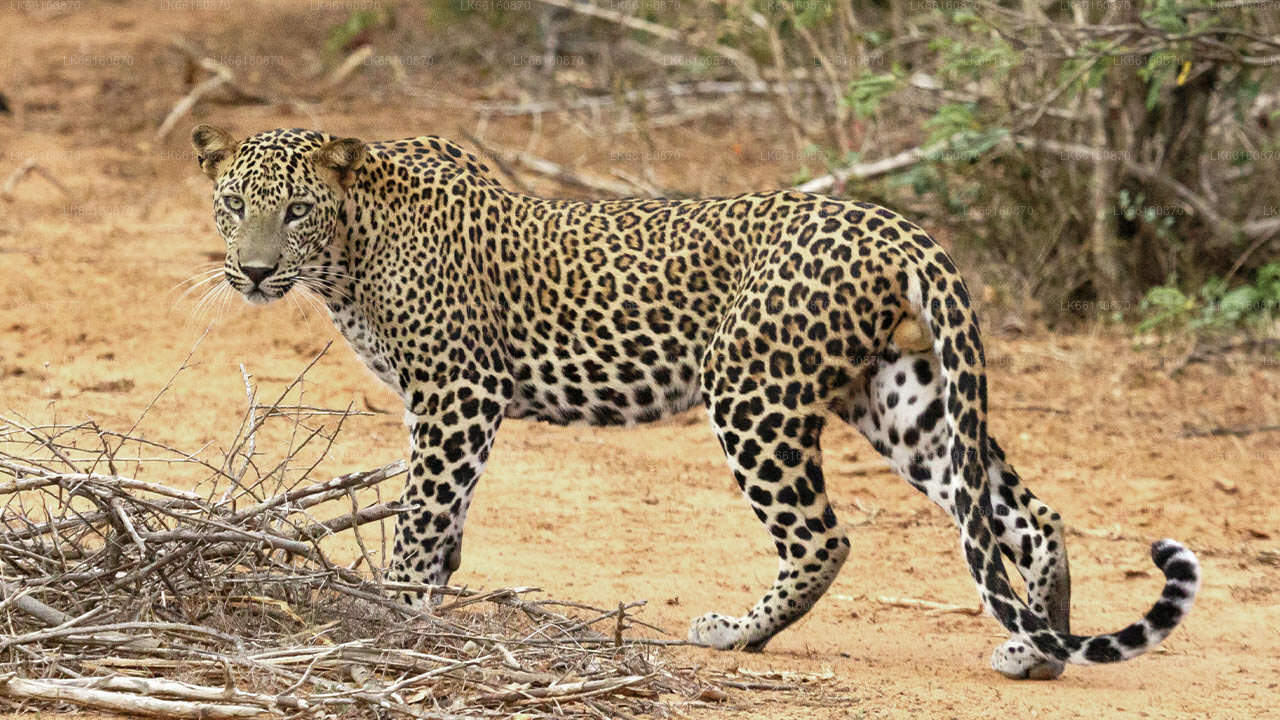
Yala is home to one of the highest densities of Sri Lankan leopards (Panthera pardus kotiya) in the world, making Block I — the zone open to most tourists — arguably the best leopard-watching habitat on the island. While sightings are never guaranteed, late morning and late afternoon drives in the dry season consistently produce results.
Other resident mammals include:
- Sri Lankan elephant — present year-round; seen in large herds near waterholes during the dry months
- Sloth bear — more commonly spotted in the early morning near rocky terrain
- Wild buffalo — often found grazing around lagoons and open grassland
- Wild boar, spotted deer, sambar deer
- Jackal, mongoose, porcupine, pangolin, and wild cat
- Toque macaque and grey langur monkeys
- Mugger crocodile — frequently seen basking on lagoon banks
Marine turtles nest on the beaches near the park's coastal boundary, and the Elephant Transit Home at Udawalawe — a rehabilitation centre for orphaned calves — is a worthwhile detour on the way south.
What birds can I see at Yala?
Yala has recorded over 200 bird species, making it a compelling destination for birdwatchers as well as mammal-watchers. The park holds resident breeding populations of painted stork, black-necked stork, Indian peafowl, crested serpent eagle, and Sri Lanka junglefowl — the national bird. Lagoons and tanks attract egrets, herons, pelicans, and spoonbills throughout the year.
Between October and March, thousands of migratory birds arrive from the northern hemisphere to escape the winter, swelling the species count considerably. Waders, ducks, and raptors from Central Asia and Europe can be seen alongside year-round residents, making this period particularly rewarding for birders.
When is the best time to visit Yala National Park?
The peak wildlife-viewing season runs from February through July, when the dry weather concentrates animals around shrinking waterholes and open clearings. Elephant herds gather visibly from May to August, and leopard activity near water sources is reliably high during this period.
From August, vegetation thickens and animals disperse, reducing sighting rates. The park closes annually — typically from 1 September to 15 October — for ecological recovery, so it is not possible to visit during this window.
The period from November to January can be wet in the south, and while wildlife is still present, thick cover and muddy tracks make game drives less predictable.
| Month | Conditions | Wildlife Highlights |
|---|---|---|
| Feb – Apr | Dry, warm | Good leopard sightings; birdlife active |
| May – Aug | Very dry, hot | Elephant herds at waterholes; peak mammal viewing |
| Sep – Oct | Park closed | No access |
| Nov – Jan | Inter-monsoon/wet | Migratory birds peak Oct–Mar; fewer mammals visible |
How do I get to Yala from Colombo?
Most visitors travel by road. The drive from Colombo to Tissamaharama takes roughly five to six hours depending on traffic, following the Southern Expressway (E01) to Mattala and then local roads south. A private driver is the most comfortable and flexible option, and allows stops along the coast or at sites such as Galle en route.
From Tissamaharama, licensed jeeps with trained naturalist guides depart for the park gates at Palatupana early each morning. Half-day and full-day safari circuits are available; most operators offer morning departures to maximise wildlife-activity windows.
What are the park blocks and entrance arrangements?
Yala is divided into five blocks, of which Block I receives the majority of tourist traffic. Block I contains the highest leopard density and the most developed track network. Blocks II through V are accessible only through special permits and are largely used for research and controlled visits.
Entry to the park requires a government-issued ticket, which covers conservation and vehicle fees. All tourists must be accompanied by a licensed tracker or guide inside the park. Lakpura can arrange an entrance ticket and jeep hire as part of a wider Sri Lanka itinerary.
Where should I stay near Yala?
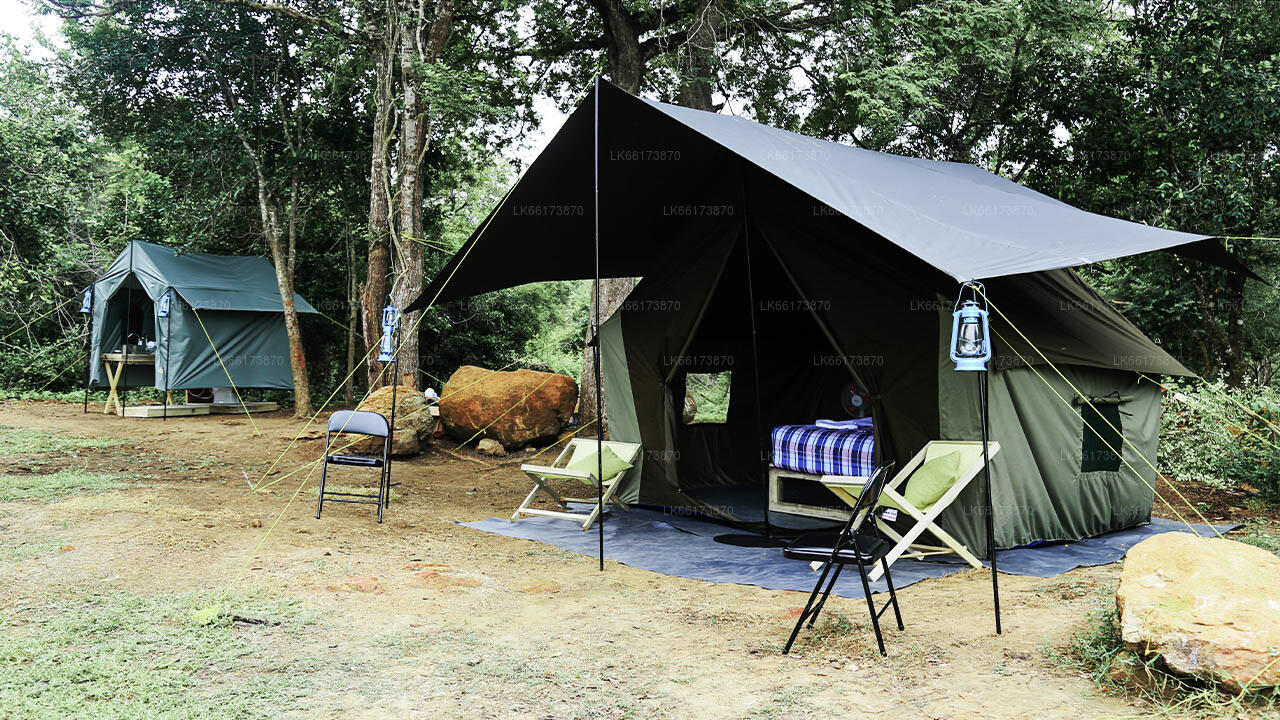
Accommodation clusters around Tissamaharama and in the buffer zone immediately outside the Palatupana gate. Options range from simple guesthouses in Tissa town to eco-lodges and tented camps positioned within earshot of the park itself. Staying as close to the gate as possible allows for very early morning entry — which is when wildlife activity peaks — without a long pre-dawn road transfer.
For those interested in combining south-coast attractions, the fishing town of Tangalle lies roughly 50 km west of Tissamaharama, and the ancient stupa complex at Kirinda is just minutes from the park entrance.
What else is worth seeing in the area?
The Yala region sits within a historically rich part of Sri Lanka. The Kirinda temple and stupa, perched on coastal rocks overlooking the Indian Ocean, is associated with the legend of Princess Vihara Mahadevi. Bundala National Park — a designated Ramsar wetland — lies between Hambantota and Tissamaharama and is outstanding for migratory shorebirds. It can be combined with a Yala visit for birders seeking variety.
Further inland, the Sinharaja Forest Reserve — Sri Lanka's UNESCO-listed lowland rainforest — is accessible from the Deniyaya side on a day trip from the south, though an overnight stop makes the journey far more rewarding.