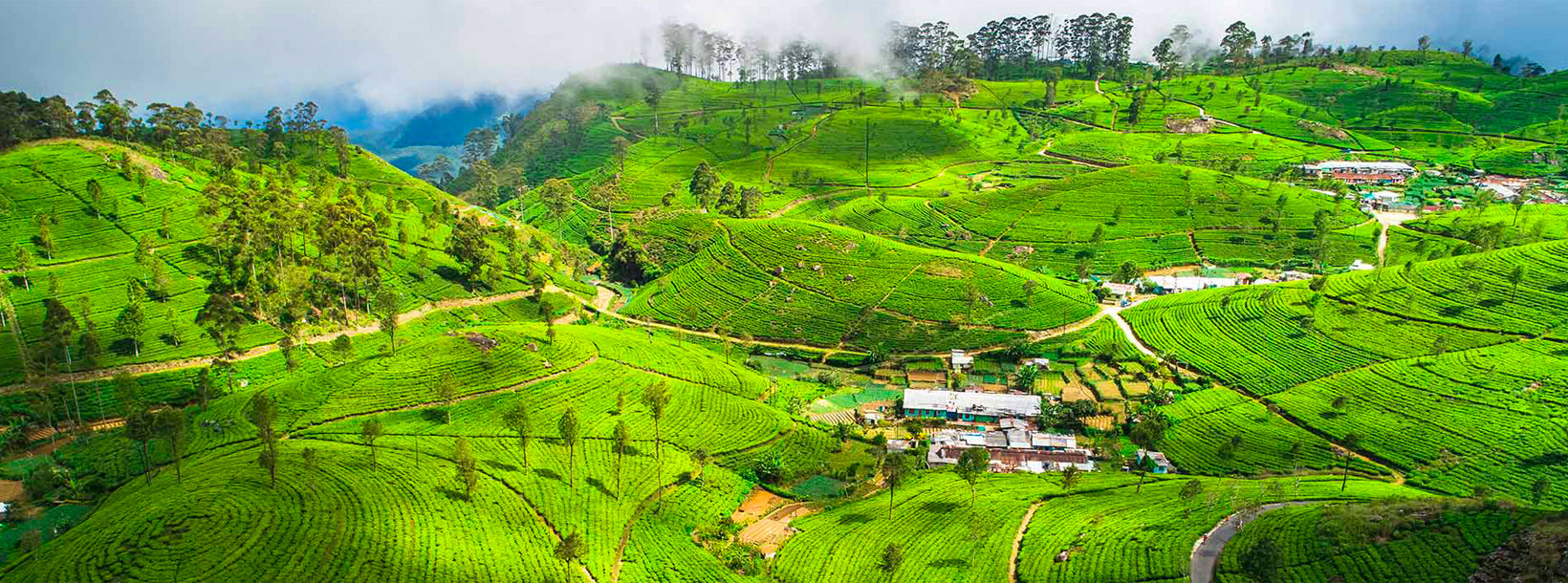
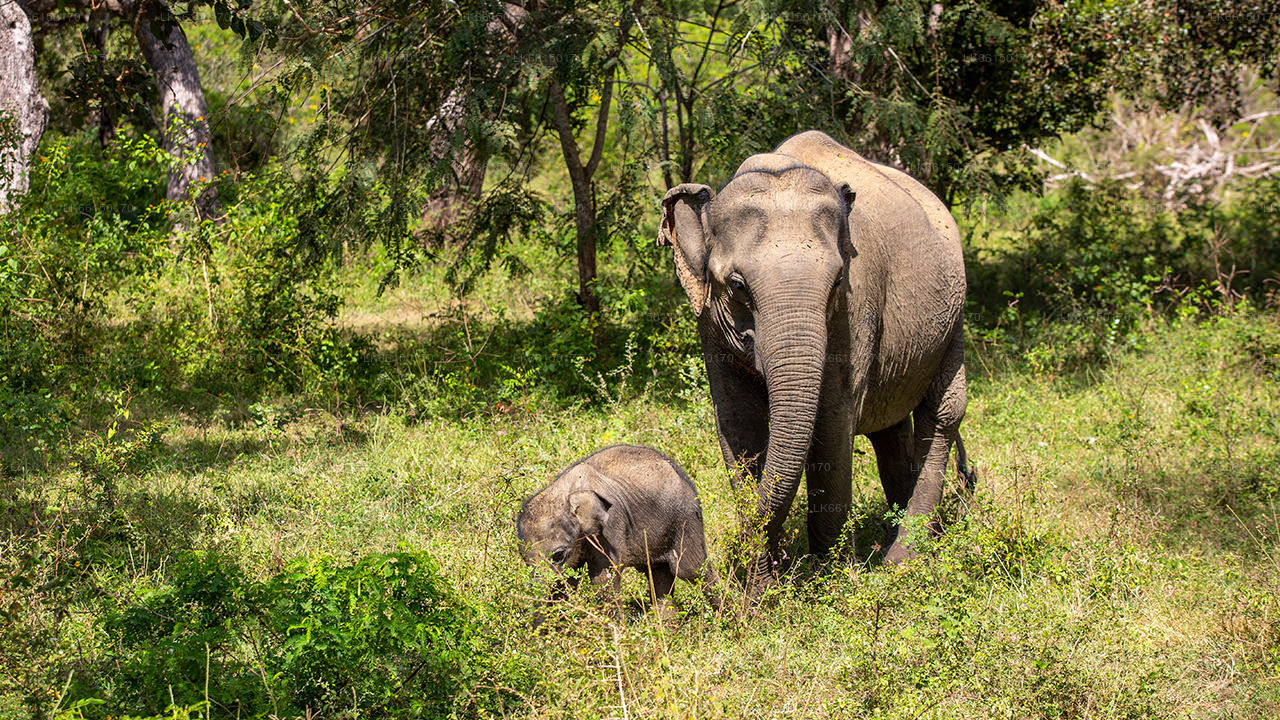
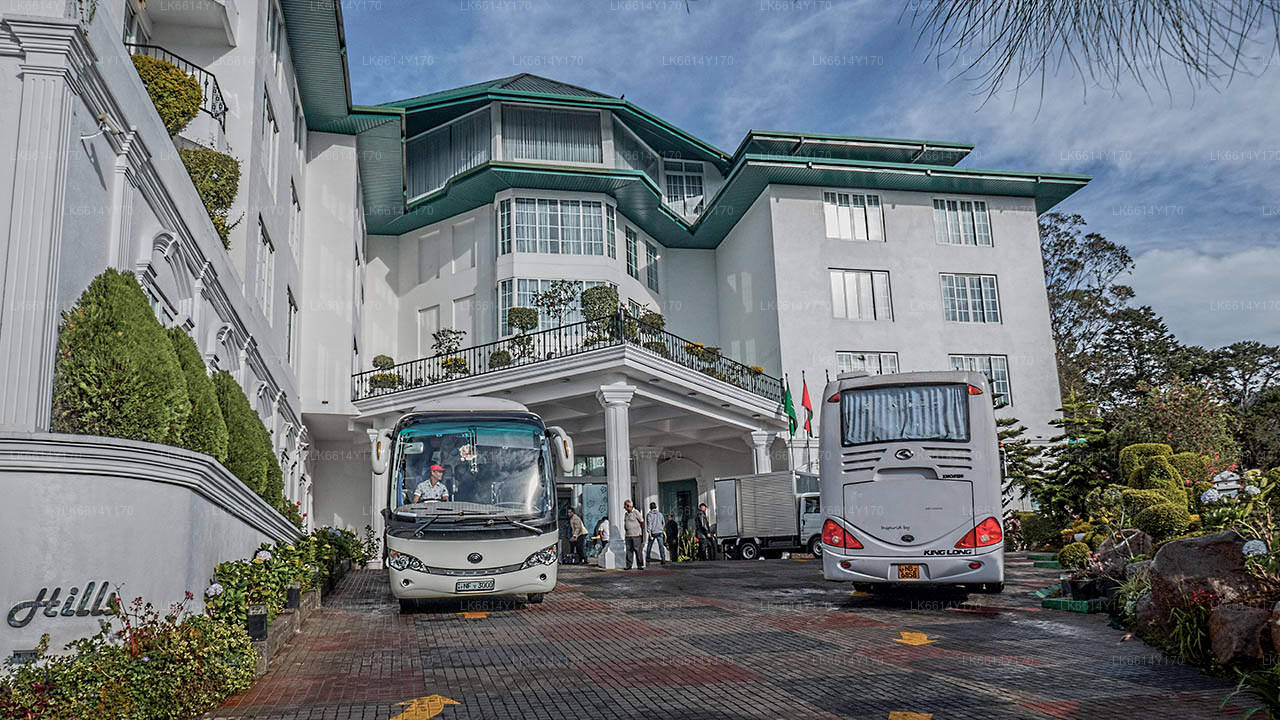
Haputale, nestled in Sri Lanka's lush highlands, offers breathtaking vistas of tea plantations and misty mountains. This charming town invites adventurers with its scenic hikes, cascading waterfalls, and a tranquil ambiance. Discover nature's splendor and immerse yourself in the serenity of Haputale.
Lipton’s Seat is a high observation point in the hills of Poonagala. Located on the top of the town’s namesake, Poonagala Hill, it is also near the Dambatenne Tea Factory. Lipton’s Seat is so named because the famed Scottish baron and tea planter Sir Thomas Lipton used it as the seat to survey his empire in a time long gone but not forgotten.
The point of Lipton’s Seat is reached by climbing for around 7km surrounded by peaceful green tea plantations and an occasional colorful tea plucker. There are two routes available; one from the Nayabedda estate in Bandarawela, and the second through the Dambatenna estate in Haputale. Both routes have entrances marked with sign boards and narrow paved roads. Some parts of the road even have some of the original stone constructions from the British era of Ceylon, and hence are worth seeing from a historical point of view. The climb takes about two and a half hours on average, after a visitor reaches the hill top.
For those who wish for even more stunning view or photographers wishing to snap a picture of nature at its best, Lipton’s Seat is best visited early in the morning before sunrise. The change of colors as the sun shows its face, as the thick mist flees the heat revealing the carpet of greens and browns spread out below, is a spectacular sight. There is also a very good chance to see basket bearing tea pluckers making their way to work. However, for those visitors who find it hard to wake early, making the hilltop before 10 am should be sufficient to get a reasonably clear view.
Visiting Lipton’s Seat is free for all, in contrast with World’s End which requires a payment. In addition there are a few other attractions along the way including Catherine’s Seat and Lemathota waterfall. Catherine’s Seat is in the Nayabedda estate and provides an excellent view of Bandarawela,Diyatalawa and the Uva valley all the way to the Namunukula mountain range, Lemathota waterfall is on the Dambatenna route, though it is not exactly a major attraction. Lipton’s Seat in Sri L
Badulla is the capital of Uva Province in Sri Lanka. Badulla is located on the southeast of Kandy, almost encircled by the Badulu Oya River, about 680 meters (2200 ft) above sea level and is surrounded by tea plantations. The town is overshadowed by the Namunukula range of mountains. Badulla is about 230km away from Colombo towards the eastern slopes of central hills of Sri Lanka. Badulla and surroundings are highly recommended for eco-tourists as Horton Plains National Park and the Knuckles mountains are few hours away. Special places in Badulla: Muthiyangana Temple, Dhowa Temple, Bogoda ancient wooden bridge, Rawana water falls.
About Uva Province
The Uva Province is Sri Lanka's second least populated province, with 1,187,335 people, created in 1896. It consists of two districts called Badulla and Moneragala The provincial capital is Badulla. Uva is bordered by Eastern, Southern and Central provinces. Its major tourist attractions are Dunhinda Falls, Diyaluma Falls, Rawana Falls, the Yala National Park (lying partly in the Southern and Eastern Provinces) and Gal Oya National Park (lying partly in the Eastern Province). The Gal Oya hills and the Central Mountains are the main uplands, while the Mahaweli and Menik rivers and the huge Senanayake Samudraya and Maduru Oya Reservoirs are the major waterways in Uva province.