Las deszczowy Kanneliya


Kanneliya-Dediyagala-Nakiyadeniya, czyli KDN, to rezerwat leśny w prowincji południowej na Sri Lance. Uznawany za jedno z najbardziej florystycznie bogatych miejsc w Azji Południowej; ten obszar leśny jest ostatnim dużym lasem deszczowym na Sri Lance, oprócz Lasu Deszczowego Sinharaja. Las znajduje się 35 km na północny zachód od miasta Galle; i jest głównym obszarem zlewni dla dwóch najważniejszych rzek na Sri Lance, Gin Ganga i Nilwala Ganga. Został wyznaczony jako rezerwat biosfery w 2004 roku przez UNESCO, a rezerwat leśny Kanneliya jest domem dla wielu endemicznych gatunków roślin i zwierząt.
Cecha geograficzna
Rezerwat leśny KDN składa się z szeregu równoległych wzgórz i dolin; o wysokości od 60 m do 425 m nad poziomem morza, i rozciąga się na obszarze około 5306 hektarów. Stanowi zlewnię dla wielu rzek i strumieni; w tym Gin Ganga i Nilwala Ganga, które mają swoje źródła w lesie i płyną odpowiednio na zachód i wschód od lasu. Kanneli (od którego pochodzi nazwa Kanneliya), Nanikiththa i Udugama to mniejsze strumienie, które zaczynają się w Lesie Deszczowym Kanneliya; podczas gdy Homa Dola i Gal Bandi Dola mają swoje źródła w Nakiyadeniya i Dediyagala i przepływają przez las. Las otrzymuje dużą ilość opadów – 3750 mm; średnia roczna temperatura wynosi 27,0°C, z możliwą różnicą około 4°C do 5°C. W tych lasach deszczowych występuje wiele starych grup taksonomicznych z Gondwany. Są one także związane z roślinami i zwierzętami Indo-Malayjskimi.
Flora i fauna
Rezerwat leśny Kanneliya ma dużą liczbę endemicznych roślin i zwierząt; z 17% gatunków roślin endemicznych nizinnych ograniczonych do tego obszaru leśnego, a także 41 gatunków fauny endemicznej żyjących tutaj. Z 319 zarejestrowanych roślin drzewiastych w rezerwacie KDN około 52% to gatunki endemiczne. Roślinność reprezentuje lasy deszczowe nizin Sri Lanki; z roślinnymi wspólnotami dominującymi przez Shorea, Dipterocarpus i Mesua, które są powszechne w warstwie wynurzającej. Las ten jest również domem dla wielu roślin leczniczych i rzadkich roślin; w tym żółtej winorośli (Concinium fenestratum), Salacia reticulata, sercowatej moonseed (Tinospora cordifolia), grubego paproci (Lycopodium Squarrosum) i grubego paproci (Lycopodium phlegmaria). 27% roślinnych gatunków w lesie jest wymienionych jako zagrożone, a 45% należy do kategorii roślin rzadkich.
Kanneliya ma również ponad 220 znanych gatunków fauny; w tym 86 gatunków ssaków, 36 gatunków węży oraz kilka gatunków ptaków i ryb. Wśród ptaków występujących tutaj; 26 gatunków jest endemicznych, z których 20 występuje tylko w kompleksie leśnym KDN. Niektóre z nich to Sri spurfowl Cejlońska, Sri jungle fowl Cejlońska, Sri szary rogaty ptak Cejloński, malkoha z czerwoną twarzą, pomarańczowy bąk i Sri niebieska sroka Cejlońska. Zielonogłowy kuokal, szaro-głowy śmiejący się drozd oraz białotwarzowy szpak to także gatunki ptaków, które są wymienione jako zagrożone. 20% endemicznych słodkowodnych ryb Sri Lanki żyje w wodach rzeki Gin oraz rzeki Nilwala; podczas gdy 17 endemicznych węży należy do herpetofauny Lasu Deszczowego Kanneliya. Łącznie w rezerwacie KDN zarejestrowano 23 gatunki jaszczurek.
Warunki społeczno-ekonomiczne i ochrona
Więcej niż 10 000 osób mieszka w 78 wioskach wokół Lasu Deszczowego Kanneliya. Wiele działań; takich jak leśnictwo, zbieranie produktów nieleśnych, uprawa ryżu, herbata, plantacje kauczuku i cynamon, hodowla zwierząt oraz inne formy rolnictwa i przemysłu ludowego; są prowadzone przez tych wiejskich mieszkańców wokół lasu, stanowiąc ich źródło utrzymania. Klasztory Nugegoda, Rajagala i Dediyagala znajdują się w spokojnych polanach w samym lesie. Kiedy ludzie osiedlili się w tym regionie, kompleks leśny był narażony na wycinkę przez kilka dziesięcioleci; aż do 1988 roku, kiedy wprowadzono przepisy zakazujące tego. Na szczęście różnorodność gatunków roślin i zwierząt pozostała w dużej mierze nienaruszona, mimo tej zniszczenia. Obecnie planuje się korytarz leśny między Rezerwatem Leśnym Sinharaja a KDN, aby ułatwić przemieszczanie się zwierząt między tymi dwoma lasami.
Atrakcje
Odwiedzający Kanneliya powinni najpierw odwiedzić budynek Departamentu Leśnictwa, który znajduje się w lesie. Budynek ten posiada również sypialnię z łóżkami piętrowymi, gdzie odwiedzający mogą wybrać, czy chcą zostać na noc. Oferują również tradycyjne posiłki w kafeterii, przygotowane z świeżych lokalnych produktów. Dlatego warto spędzić cały dzień, zwiedzając atrakcje.
Las Deszczowy Kanneliya ma wiele pięknych miejsc do zobaczenia. Ale cztery z nich są szczególnie ważne. Wodospad Anagimale to niezwykle atrakcyjny biały wodospad, który spada na wiele dużych kamieni rozrzuconych po dnie strumienia, a znajduje się tylko 2 km od bramy na szerokim szlaku. To sprawia, że jest bardzo dostępny. Strumienie straciły większość swojej zdolności do zatrzymywania wody z powodu wycinki lasów w latach 70-80, więc prawdziwa uroda tych wodospadów jest dzisiaj rzadko widoczna. Jednak sytuacja poprawia się, ponieważ las odzyskuje delikatną równowagę natury, która kiedyś została zakłócona. Przechodząc jeszcze 200 metrów wzdłuż głównego szlaku od wodospadu Anagimale, można dotrzeć do gigantycznej rośliny pnącej. Ta stara, skręcona roślina pnąca jest prawie tak wysoka jak człowiek i jest jednym z cudów Kanneliya.
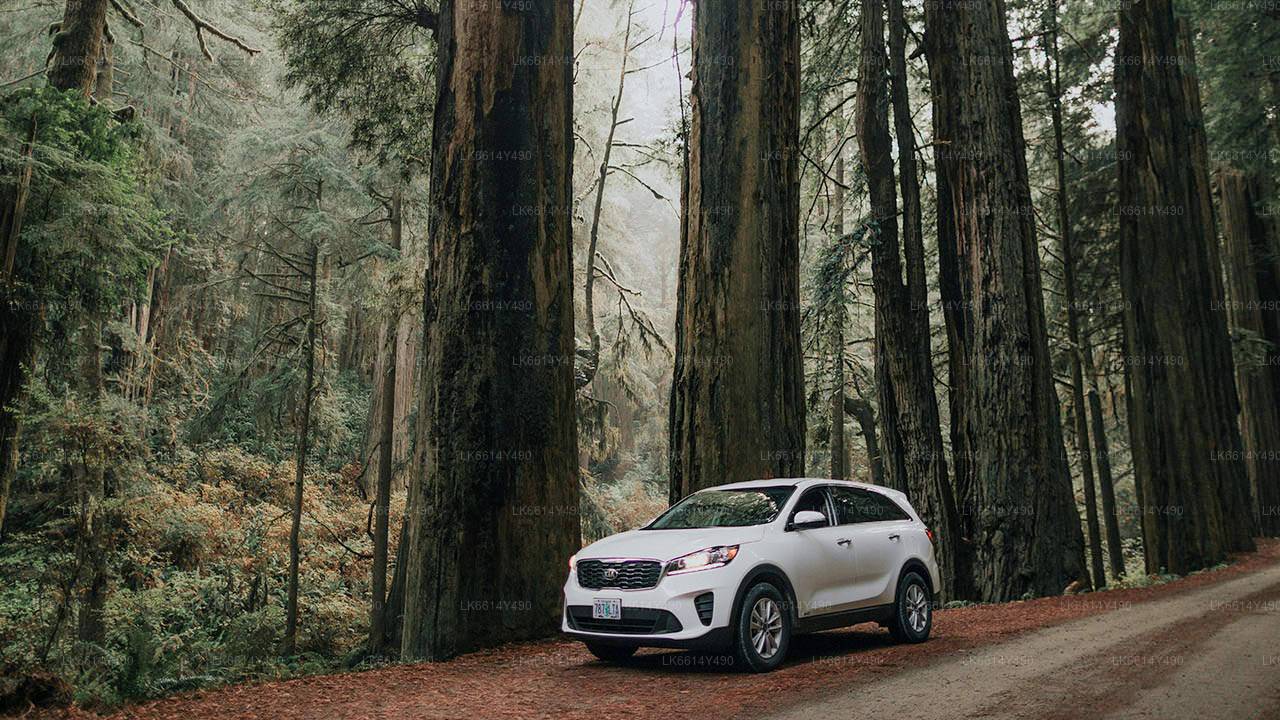
Pozostałe dwie atrakcje znajdują się głęboko w lesie, dostępne przez śliskie szlaki i mosty linowe. Jedną z tych atrakcji jest Narangas Ella, uroczy mały wodospad, który spada z pionowej ściany skały na kilka płaskich półek, zanim kontynuuje swój bieg. To bardzo piękny widok. Drugą atrakcją jest gigantyczne drzewo Nevada, które znajduje się na krótkim objazdowym szlaku. Na pniu drzewa zbudowano platformę obserwacyjną, dzięki czemu odwiedzający mogą podziwiać cuda Kanneliya z wysoka.
Kanneliya to mało znany las deszczowy, którego nie należy przegapić.