Proszek curry


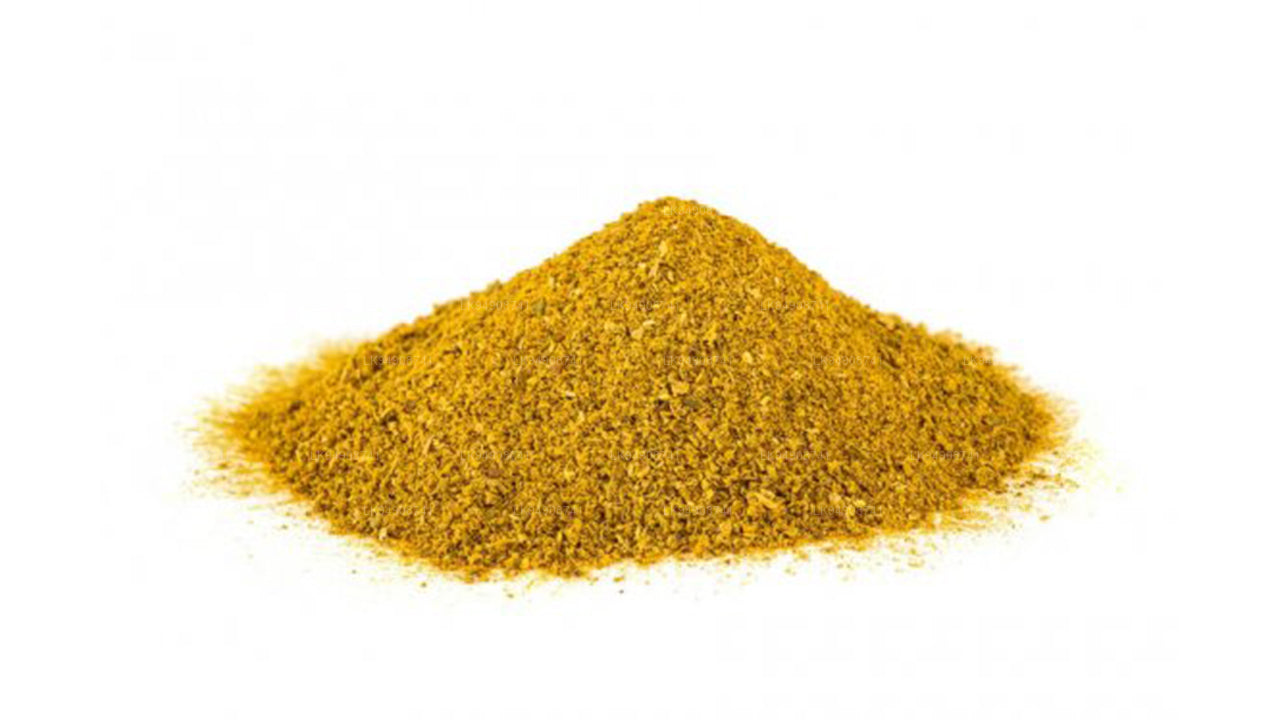
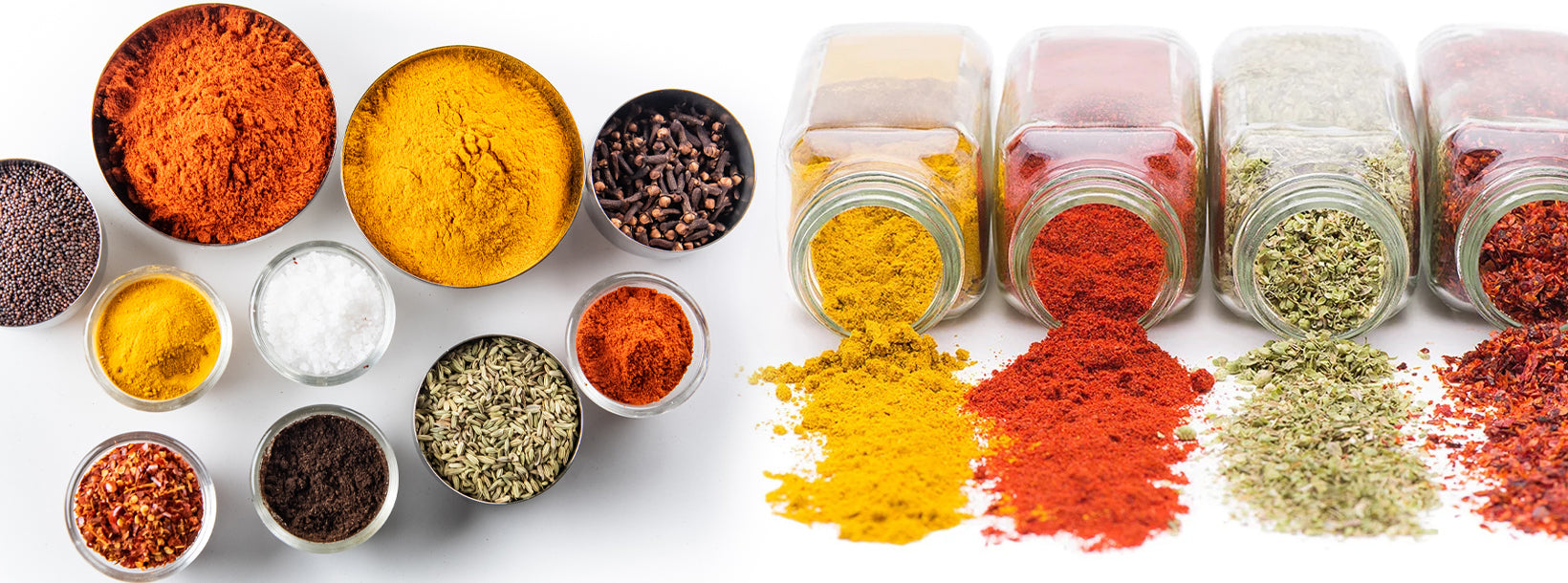
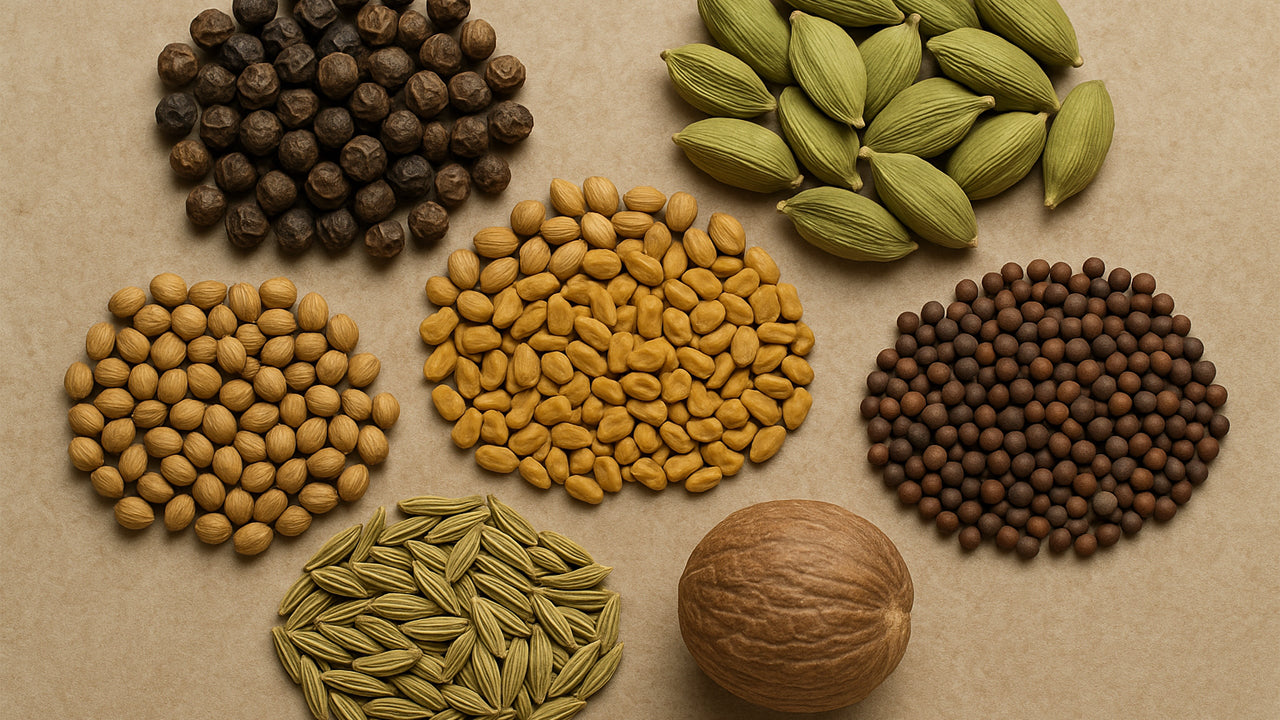
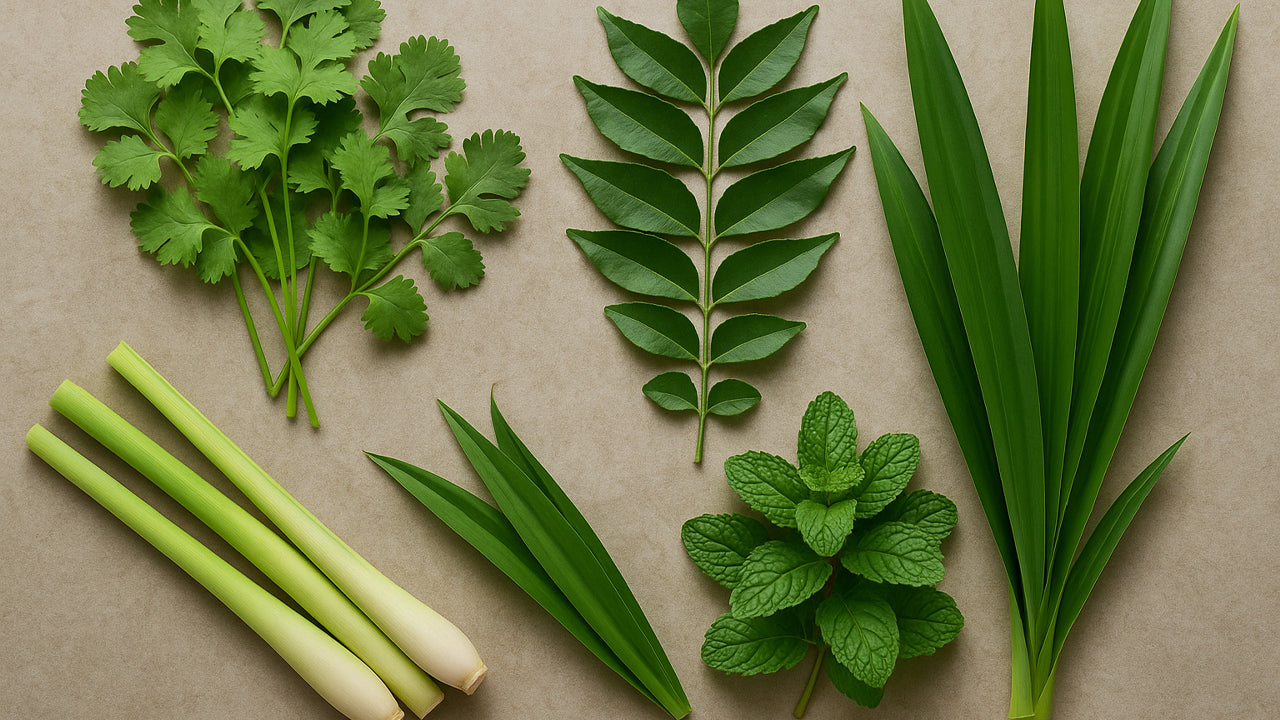
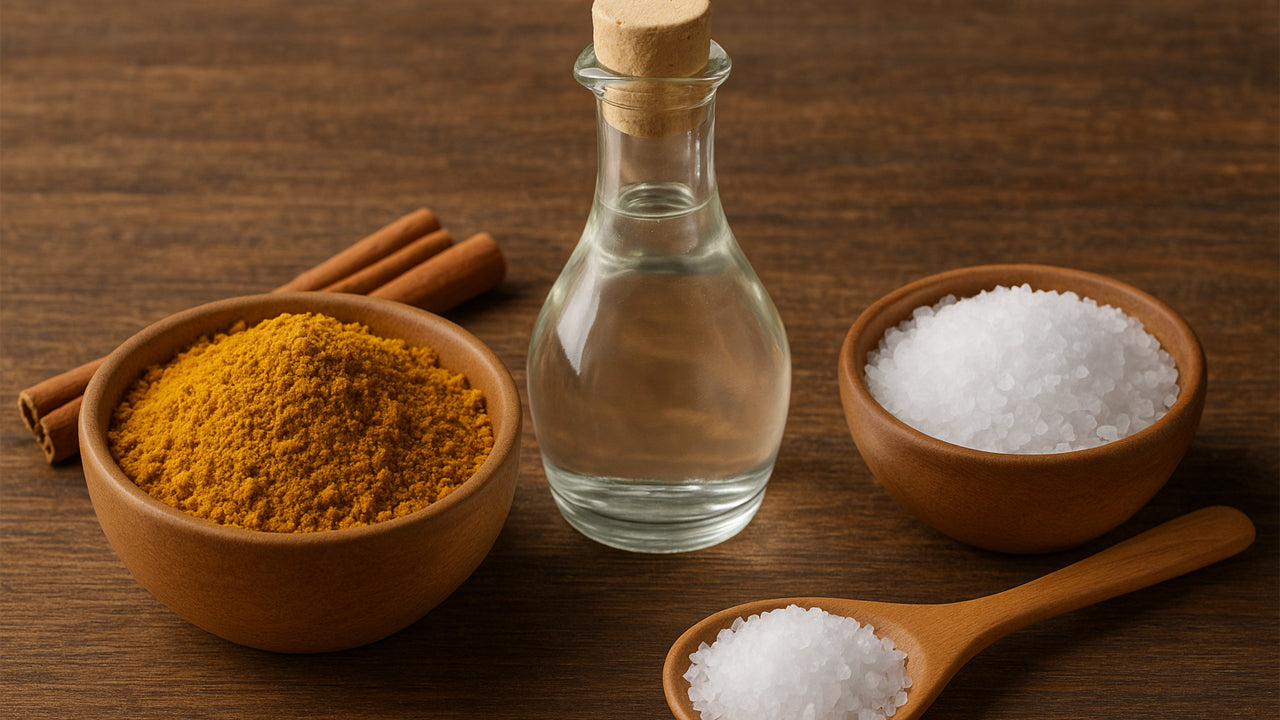
Proszek curry to jeden z najważniejszych składników kuchni Sri Lanki, stanowiący aromatyczną bazę wielu tradycyjnych potraw. Znany lokalnie jako „thuna paha” lub po prostu proszek curry, to starannie skomponowana mieszanka prażonych przypraw, która nadaje curry ze Sri Lanki ich charakterystyczny smak, kolor i aromat. Chociaż dokładny skład może się różnić w zależności od gospodarstwa domowego, proszek curry zazwyczaj zawiera takie przyprawy, jak nasiona kolendry, kmin rzymski, koper włoski, czarny pieprz, suszone papryczki chili, kozieradka, nasiona gorczycy, goździki, kardamon i cynamon. Przyprawy te są zazwyczaj prażone przed zmieleniem, co pogłębia ich smak i nadaje bogaty aromat, który charakteryzuje kuchnię Sri Lanki.
Na Sri Lance zazwyczaj stosuje się dwa główne rodzaje proszku curry: prażony i nieprażony. Prażona przyprawa curry ma ciemniejszy kolor i silny, dymny aromat, wynikający z procesu prażenia. Jest powszechnie stosowana do curry mięsnych, rybnych i drobiowych, gdzie pożądany jest głębszy smak. Nieprażona przyprawa curry ma natomiast jaśniejszy kolor i łagodniejszy smak. Często używa się jej do curry warzywnych, dahlu (curry z soczewicy) i potraw wymagających delikatniejszego zbalansowania przypraw. Wiele lankijskich gospodarstw domowych przygotowuje te mieszanki w domu, starannie prażąc i mieląc przyprawy zgodnie z tradycjami rodzinnymi, przekazywanymi z pokolenia na pokolenie.
Samo przygotowanie przyprawy curry jest ważnym rytuałem kulinarnym. Przyprawy są zazwyczaj prażone na sucho na patelni, na delikatnym ogniu, aż uwolnią aromat. Proces ten wymaga uwagi i doświadczenia, ponieważ każda przyprawa praży się w innym tempie. Po ostygnięciu prażone przyprawy są mielone na drobny proszek za pomocą młynka do przypraw lub tradycyjnego młynka kamiennego. Na obszarach wiejskich niektóre rodziny nadal zabierają prażone przyprawy do lokalnych młynów, gdzie mieszanka jest mielona na drobny, aromatyczny proszek, który przy odpowiednim przechowywaniu może zachować świeżość przez kilka miesięcy.
Proszek curry odgrywa kluczową rolę w bogatym i zróżnicowanym krajobrazie kulinarnym Sri Lanki. Jest używany w szerokiej gamie dań, takich jak curry z kurczakiem, ambula thiyal z rybą, curry ziemniaczane, curry z jackfruitem i wielu innych potrawach podawanych z ryżem i tradycyjnymi dodatkami. Mieszanka przypraw nie tylko wzmacnia smak, ale także odzwierciedla historię wyspy jako centrum handlu przyprawami, gdzie od wieków uprawia się takie składniki jak cynamon i pieprz.
Dziś proszek curry pozostaje symbolem domowej kuchni i tożsamości kulturowej Sri Lanki. Niezależnie od tego, czy jest przygotowywany w wiejskiej kuchni, czy kupowany na targu, jego ciepły aromat natychmiast przywołuje na myśl kojące smaki lankijskich posiłków spożywanych z rodziną i przyjaciółmi.



-
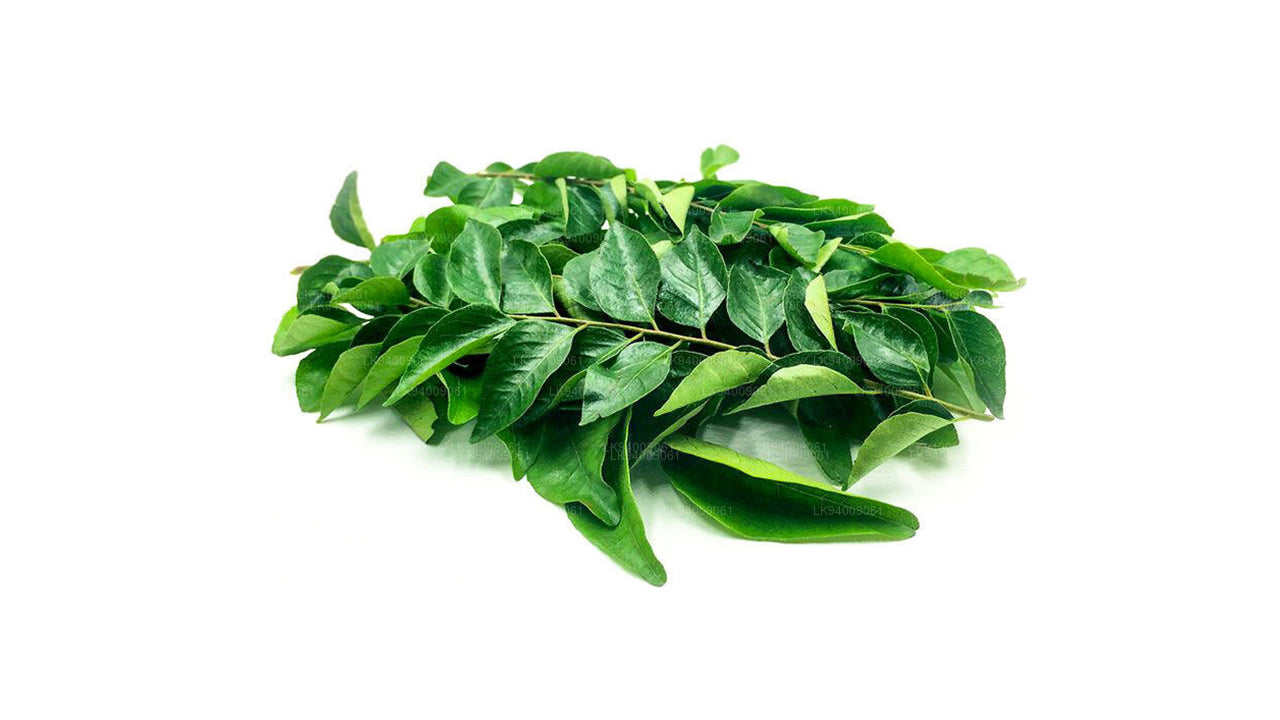 Curry Leaves
Murraya koenigii
-
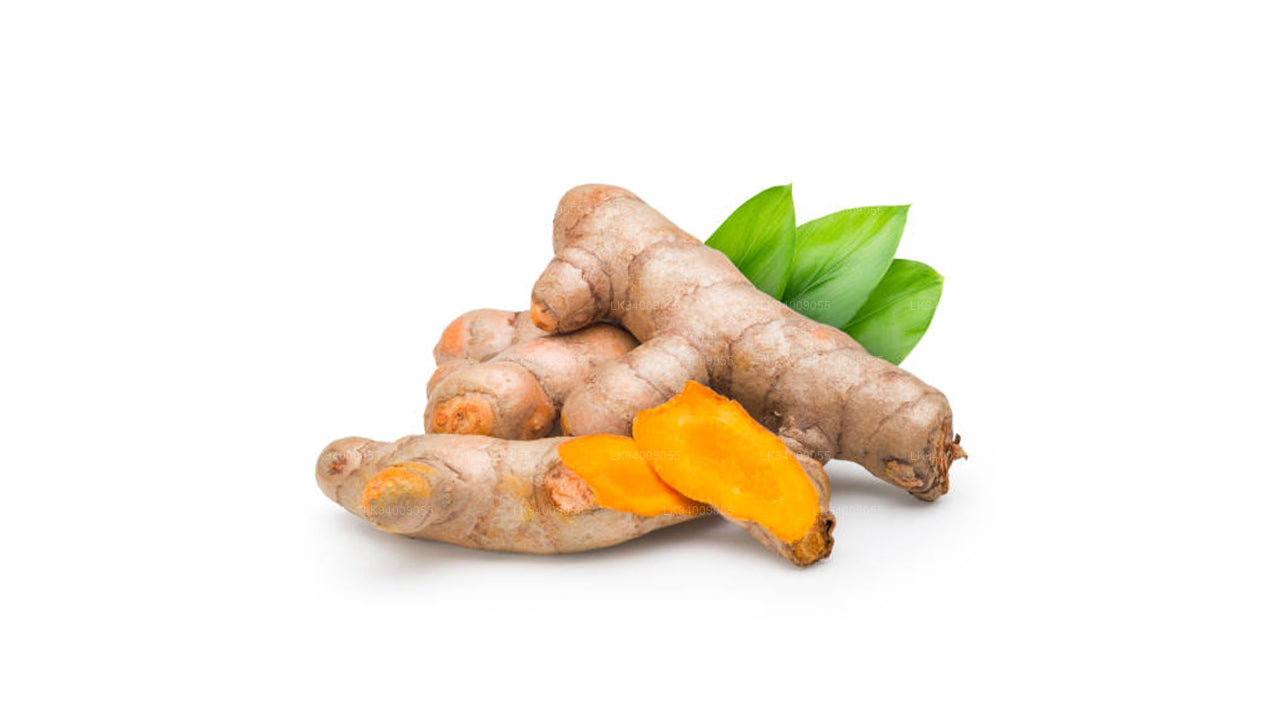 Turmeric
Curcuma longa
-
 Cloves
Syzygium aromaticum
-
 Cinnamon
Cinnamomum zeylanicum
-
 Black Pepper
Piper nigrum
-
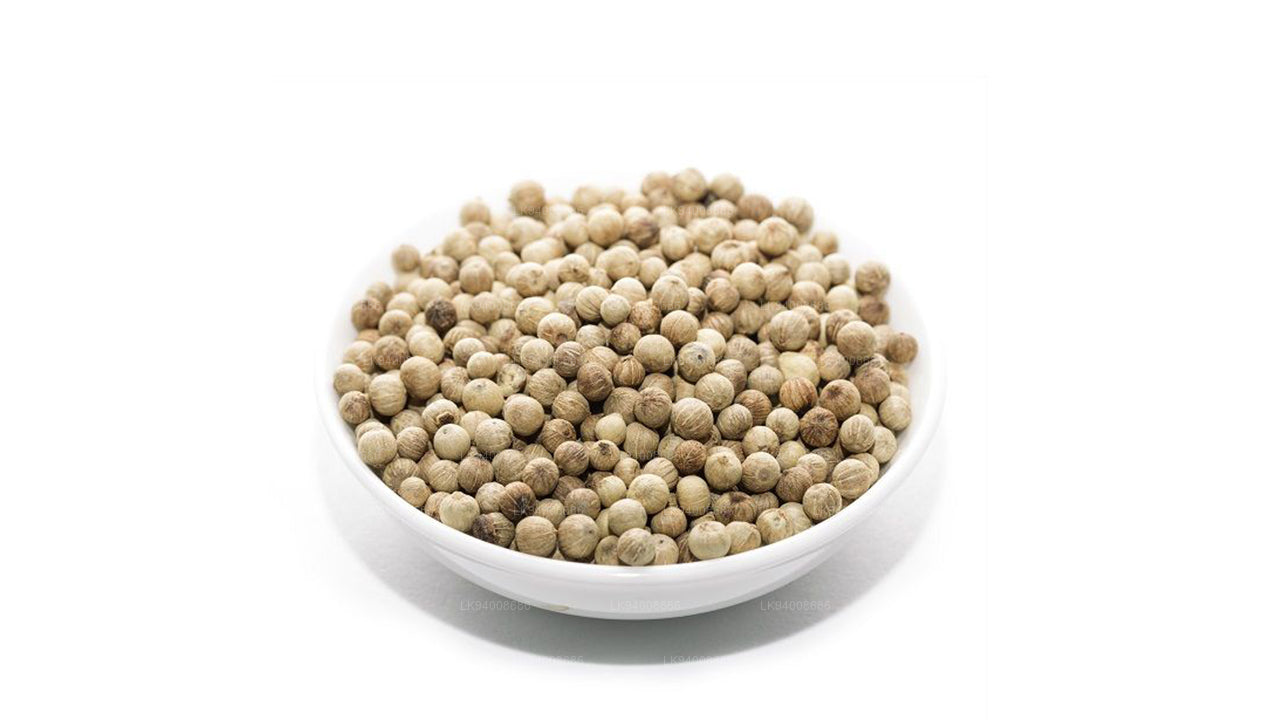 White Pepper
Piper nigrum
-
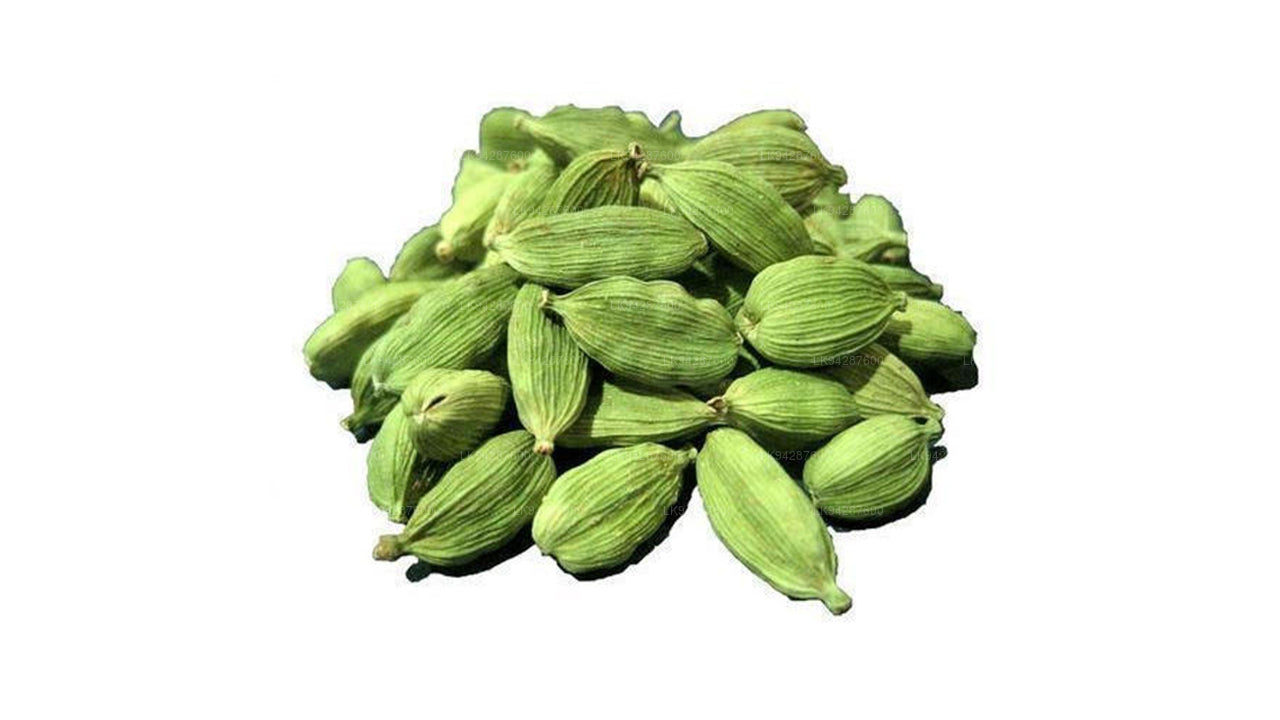 Cardamom
Elettaria cardamomum
-
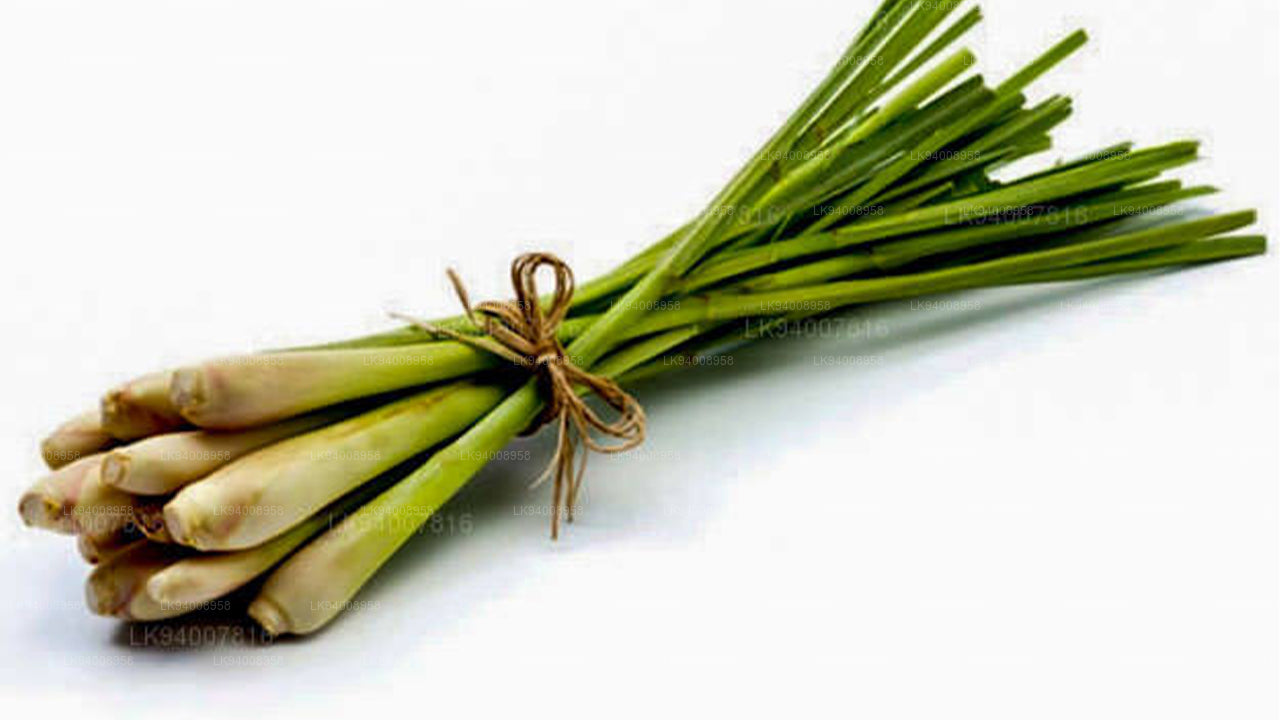 Lemongrass
Cymbopogon citratus
-
 Nutmeg
Myristica fragrans
-
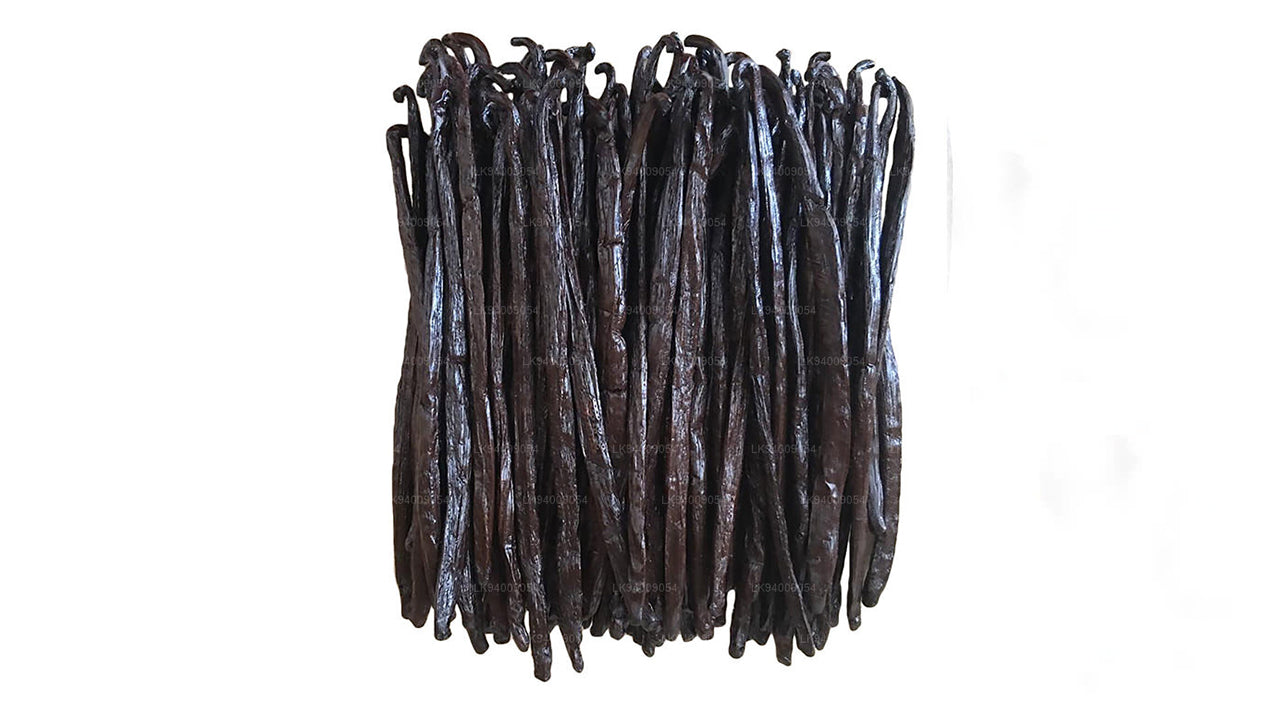 Vanila
Vanilla planifolia
-
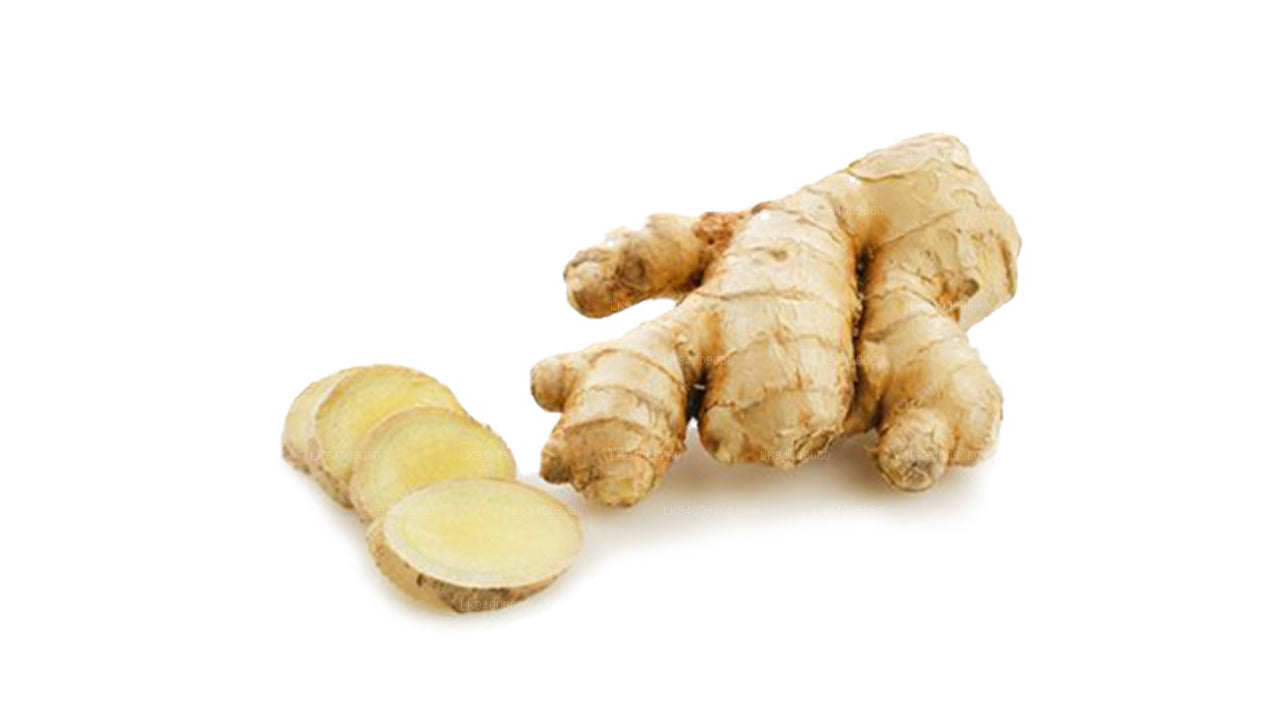 Ginger
Zingiber officinale
-
 Chives
Allium schoenoprasum
-
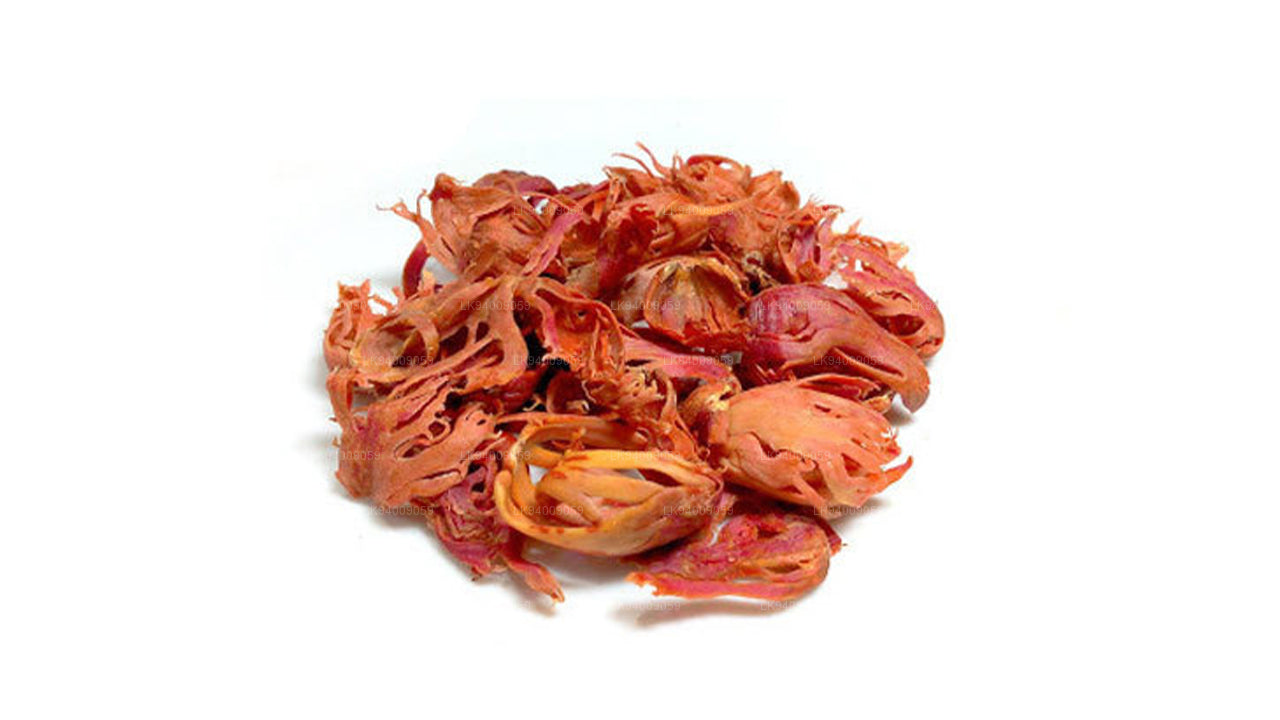 Mace
MaceMyristica fragrans
-
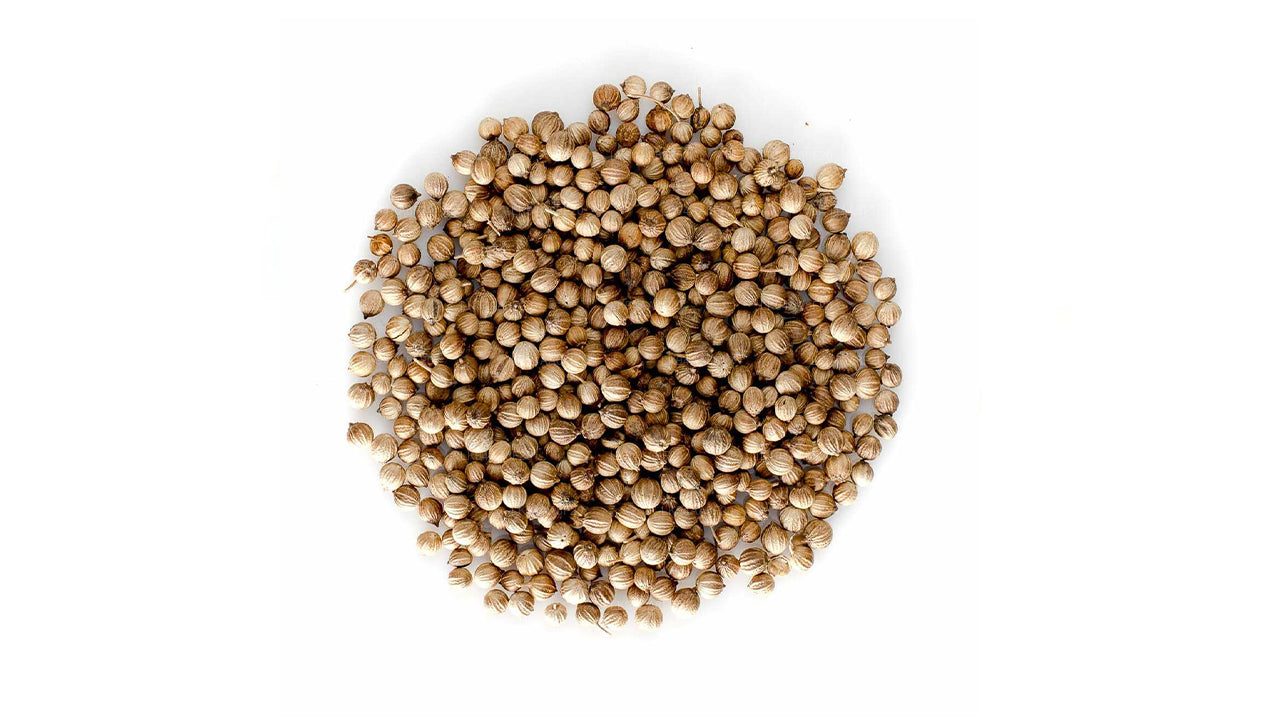 Corinder
Coriandrum sativum
-
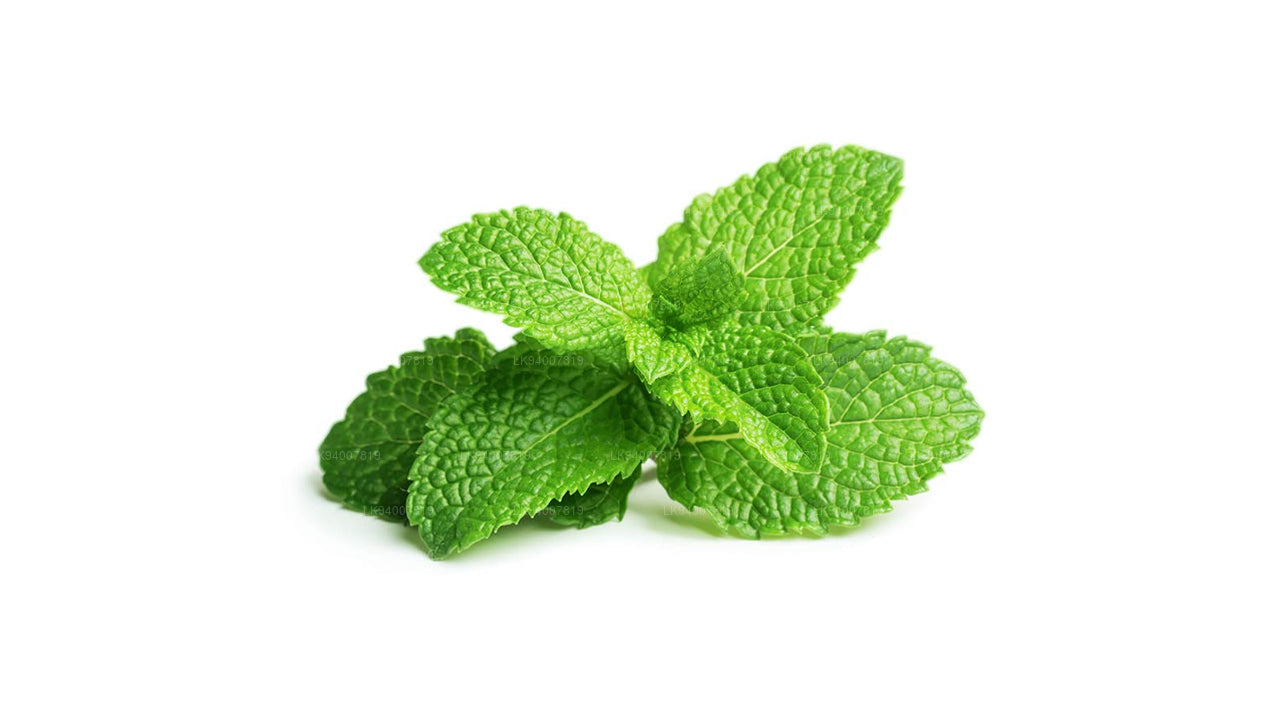 Mint
MintMentha
-
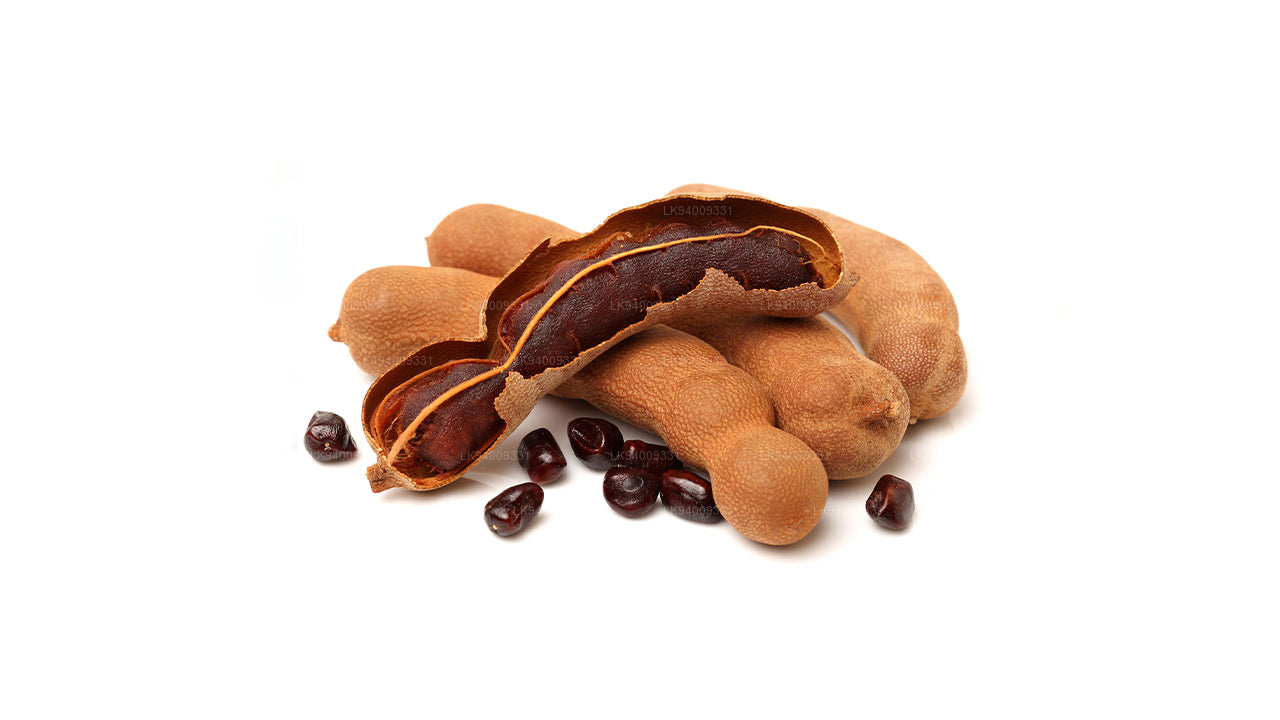 Tamarind
Tamarindus indica
-
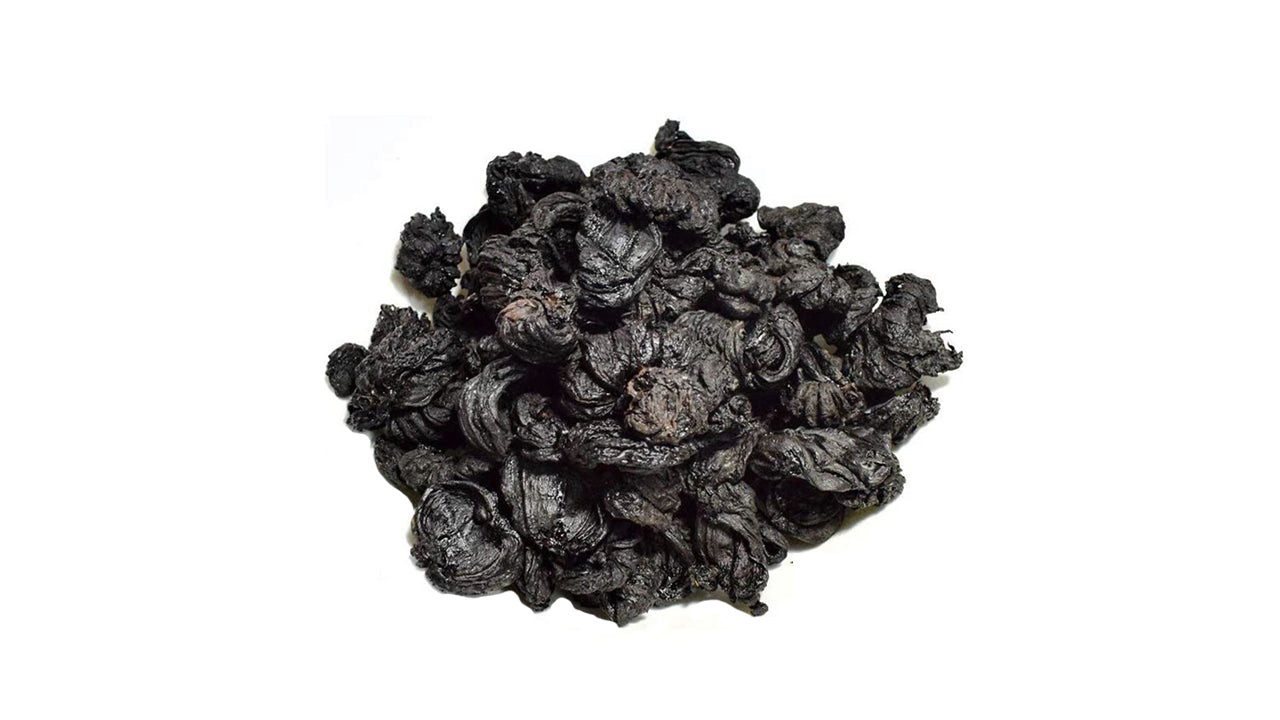 Brindleberry
Garcinia quaesita
-
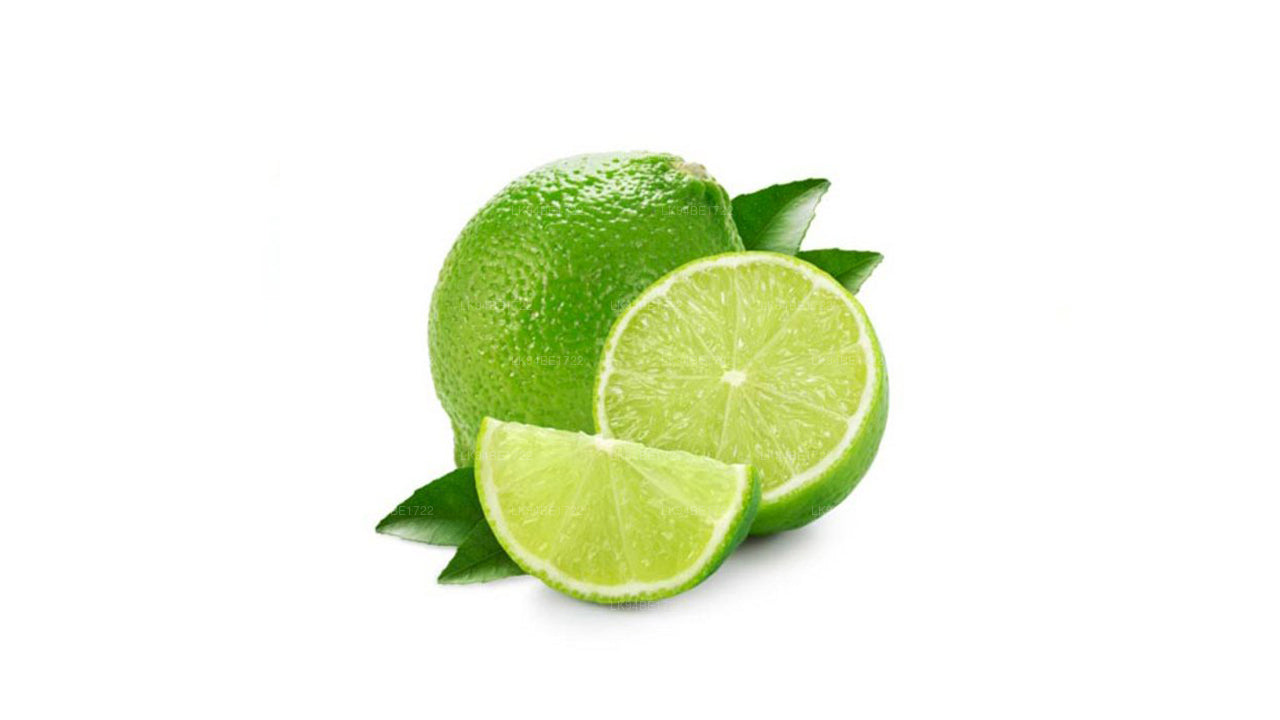 Lime
LimeCitrus aurantifolia
-
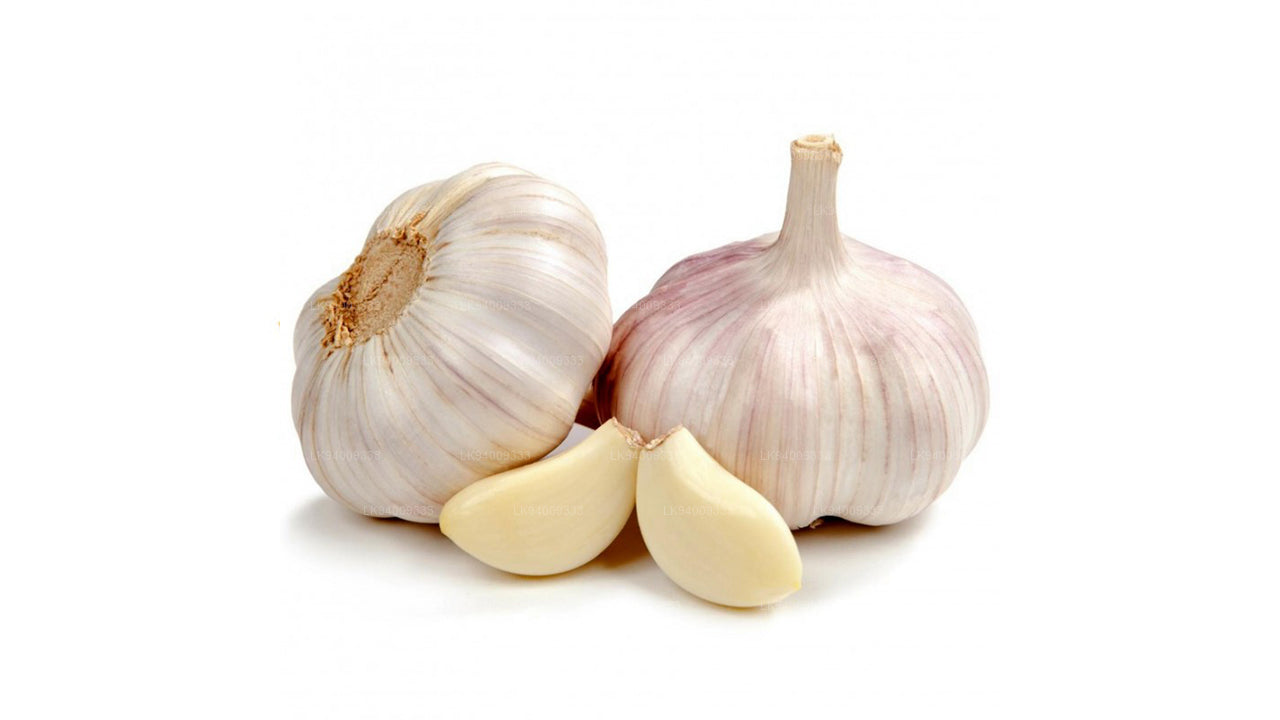 Garlic
Allium sativum
-
 Parsely
Petroselinum crispum
-
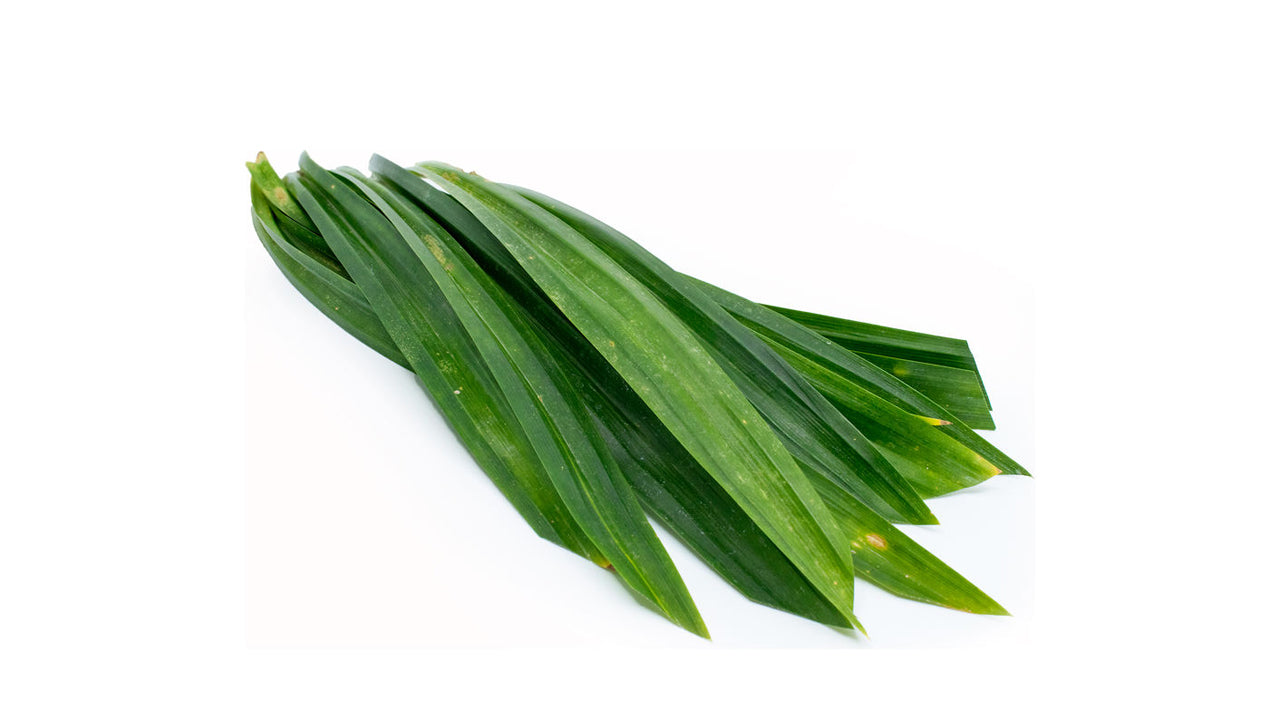 Pandan
Pandanus amaryllifolius
-
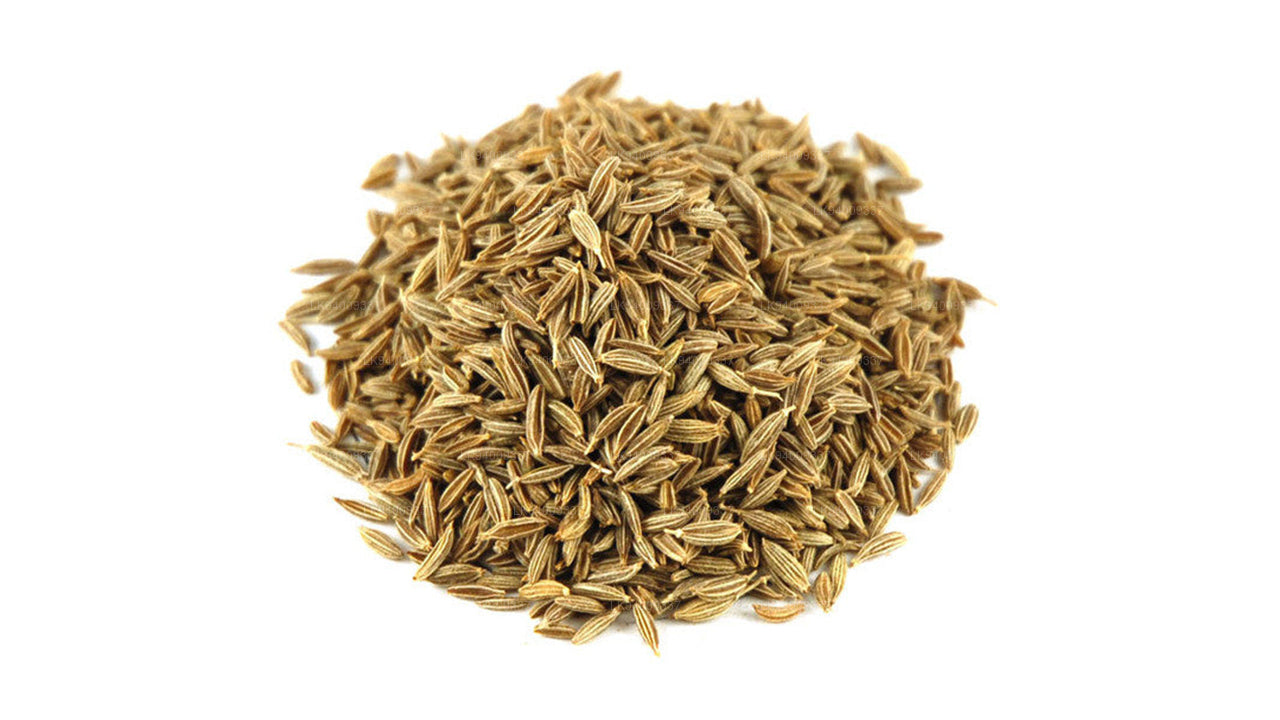 Cumin
CuminCuminum cyminum
-
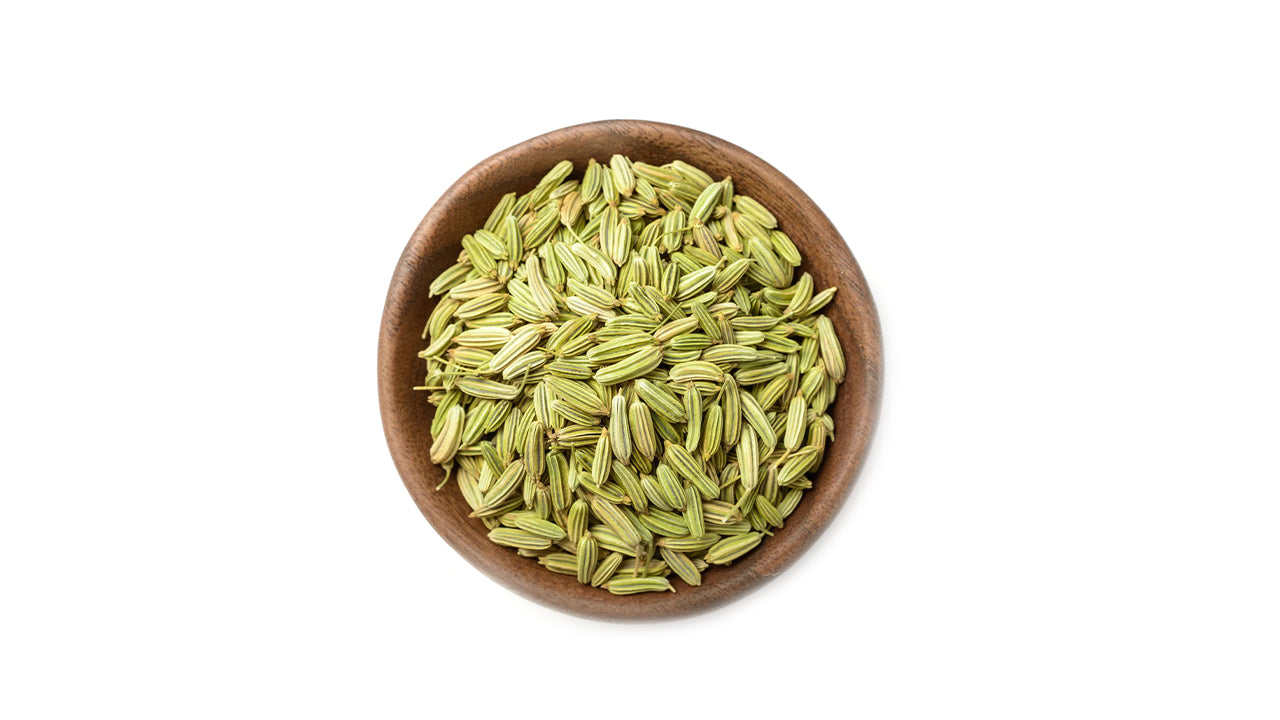 Fennel
Foeniculum vulgare