Lakpura
Lakpura®

Milk Rice (කිරි බත්)

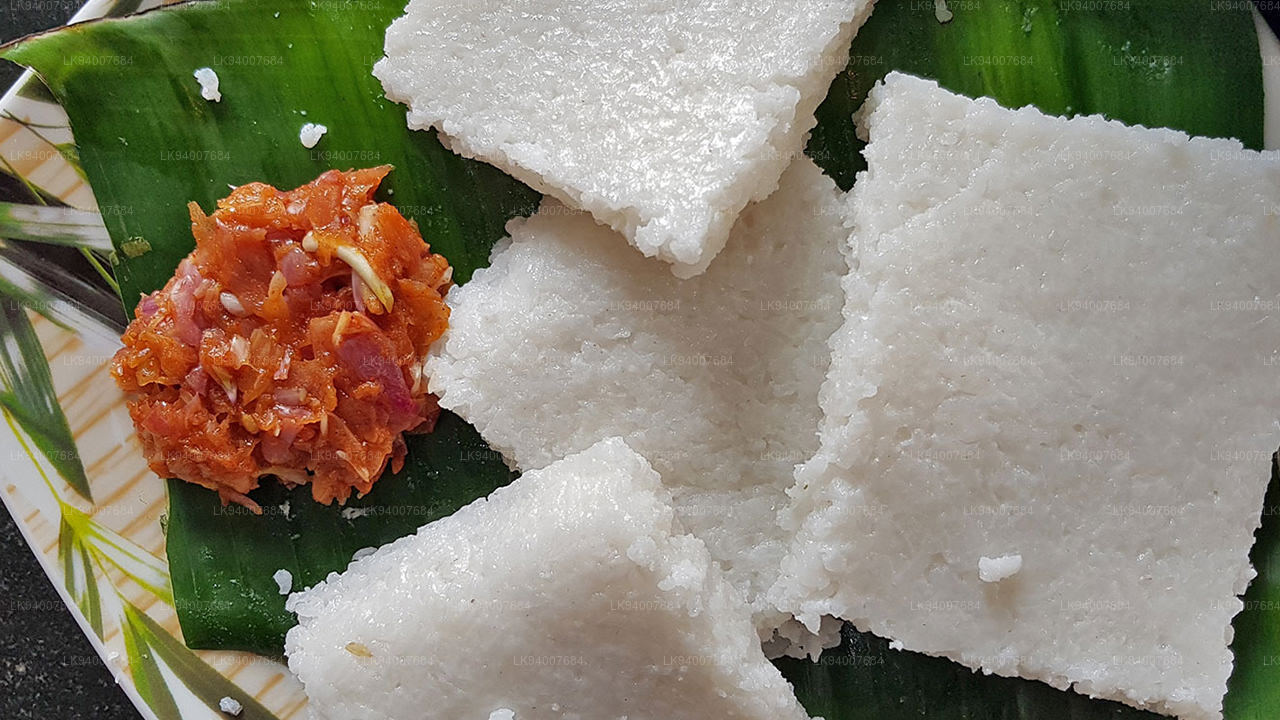
Kiribath — literally "milk rice" in Sinhala — is one of the most quietly significant foods in Sri Lankan life. Served at Sinhalese New Year celebrations, first days of the month, wedding feasts, and the birth of a new child, this creamy rice cake carries centuries of meaning in every diamond-shaped slice. For visitors to Sri Lanka, tasting Kiribath is often a genuine cultural encounter rather than simply a meal.

What is Kiribath and why is it important in Sri Lanka?

Kiribath is a firm, coconut-milk-enriched rice cake made from short-grain or raw white rice cooked until the liquid is fully absorbed and the grains bind together into a dense, sliceable mass. Once cooled slightly, it is turned onto a flat plate and cut into diamond or square portions — a presentation that is itself considered auspicious.

In Sri Lankan culture, rice and milk together symbolise prosperity, abundance, and good fortune. This association means Kiribath appears at almost every milestone event: the Sinhalese and Tamil New Year in April, exam results, promotions, housewarming ceremonies, and the first day of a child's formal education. Many Sri Lankan households also prepare it on the first morning of each calendar month, a tradition rooted in the belief that beginning a new cycle with an auspicious meal sets a positive tone for the weeks ahead.

The dish connects closely to Sri Lanka's deep relationship with rice cultivation — a crop that has shaped the island's landscape, economy, and identity for millennia. The paddy field remains a defining feature of rural Sri Lanka, and Kiribath is its most ceremonially charged product.

How do you make Kiribath at home?

The recipe is short and forgiving. The key variables are rice variety and coconut milk quality — thick, freshly extracted coconut milk produces the richest result, though canned or packaged alternatives work well. Short-grain raw white rice (sometimes sold specifically as "Kiribath rice") absorbs liquid evenly and gives the dish its characteristic cohesion.

Ingredients

  • 2 cups short-grain white rice
  • 3 cups water
  • 2 cups thick coconut milk
  • 2 teaspoons salt
  • 1 stick cinnamon (optional, but traditional)

Method

  1. Wash the rice thoroughly under cold water until the water runs mostly clear.
  2. Combine the rice and water in a heavy-bottomed pan. Bring to the boil over medium-high heat.
  3. Reduce the heat to medium, cover, and cook for around 15 minutes until the water is absorbed and the rice is just cooked through.
  4. Pour in the coconut milk and add the salt and cinnamon stick. Stir well with a wooden spoon to combine evenly.
  5. Cover the pan again and simmer on the lowest heat for a further 10–15 minutes, until the coconut milk is fully absorbed and the rice takes on a glossy, sticky appearance.
  6. Remove the cinnamon stick. While still warm, turn the mixture onto a lightly oiled flat plate or tray and smooth it into an even layer roughly 2–3 cm thick.
  7. Allow to cool for 10 minutes so the cake sets, then score into diamond or square portions with a sharp knife.

The finished Kiribath should hold its shape cleanly when lifted but remain soft in the centre. If it crumbles, the coconut milk may not have been fully absorbed — a few extra minutes on very low heat, covered, usually resolves this.

What do Sri Lankans eat with Kiribath?

Kiribath is mild and subtly sweet, which makes it versatile across both savoury and sweet accompaniments. The pairing often reflects the occasion: sweet sides at celebrations, savoury sides at everyday breakfasts.

Accompaniment Character Occasion
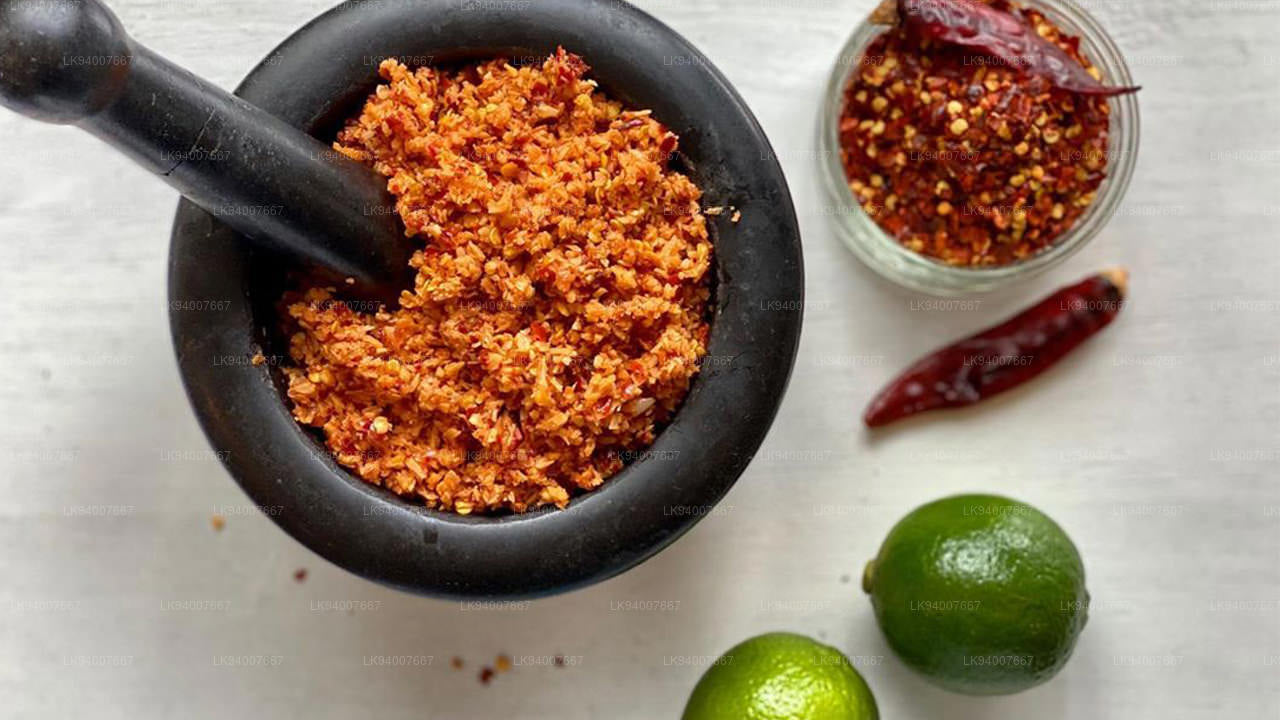
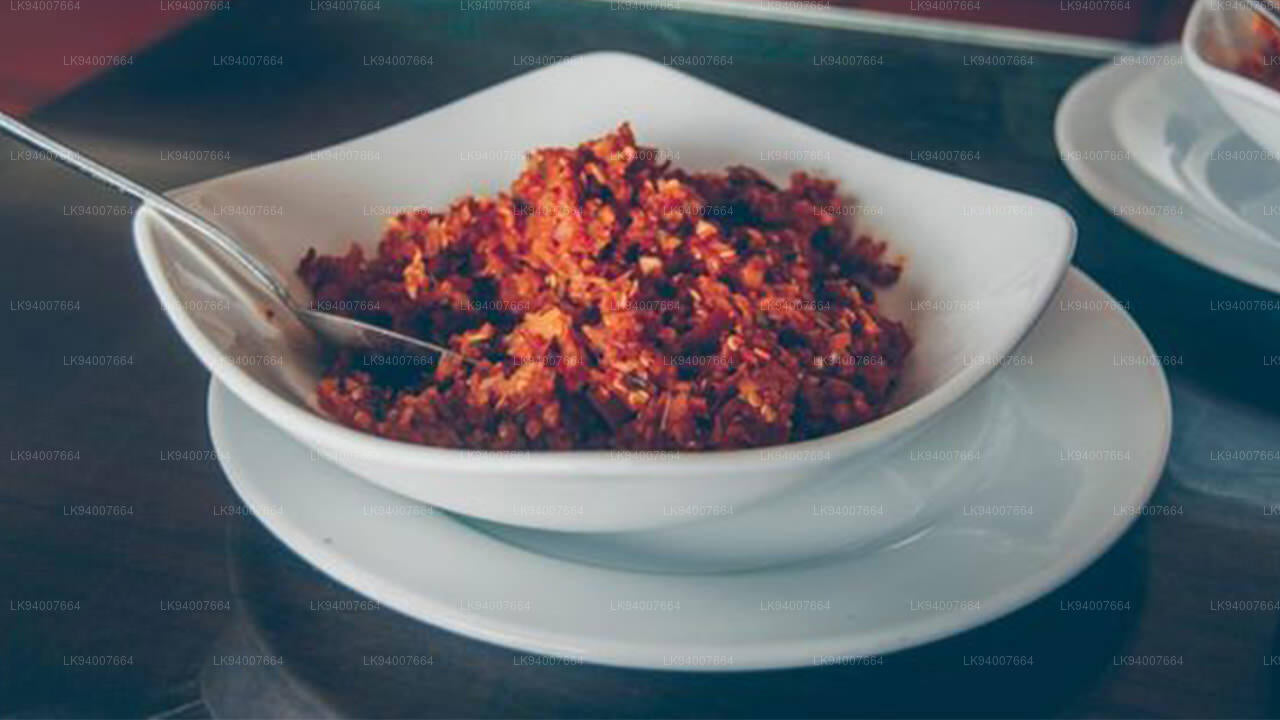
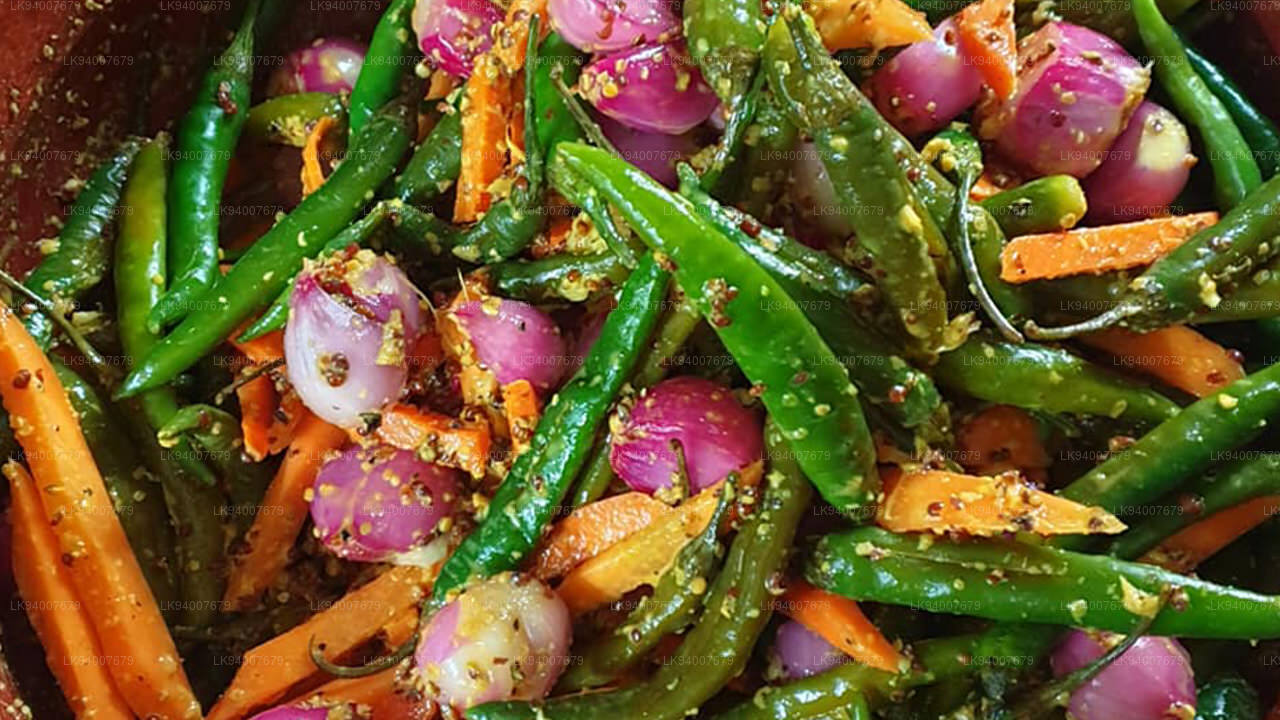
Lunu miris (onion and chilli sambol) Sharp, hot, pungent Everyday breakfast, New Year
Jaggery (palm sugar) Deep caramel sweetness Celebrations, children's portions
Ripe banana Gentle sweetness, soft texture All occasions
Pol sambol (coconut sambol) Spiced, coconut-forward Everyday breakfast
Spicy fish curry Bold, umami-rich Hearty morning meals
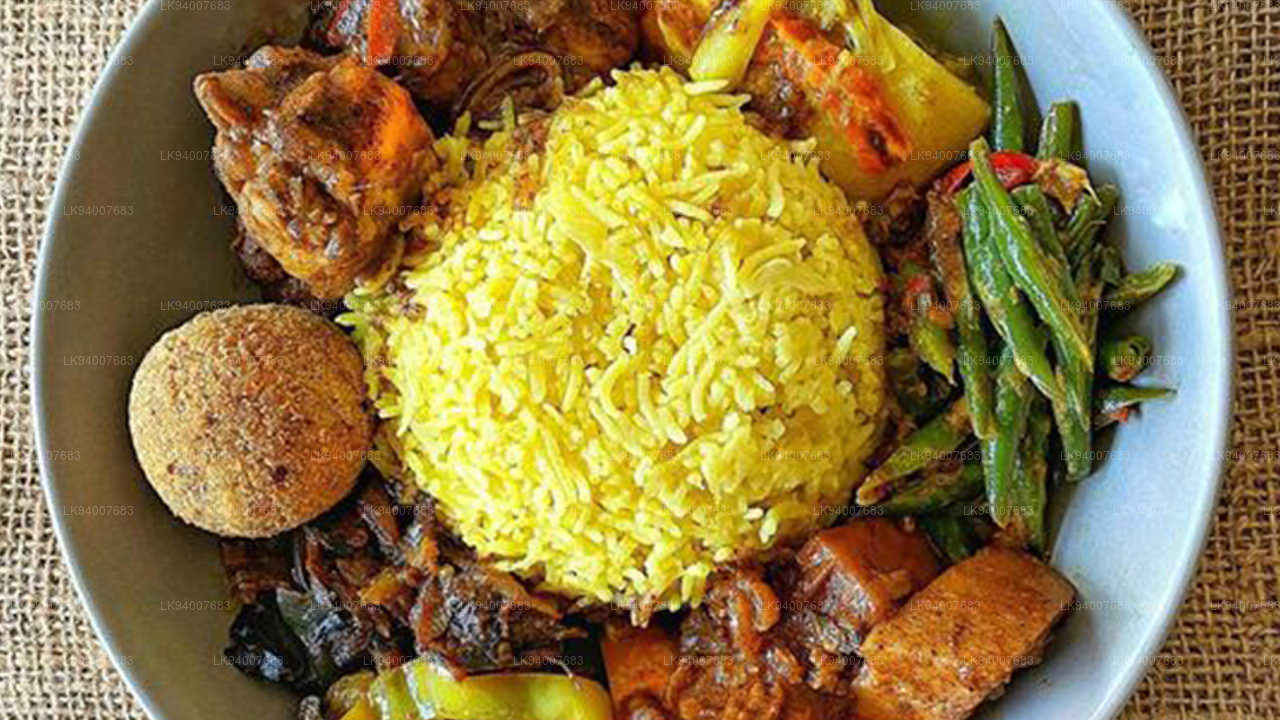
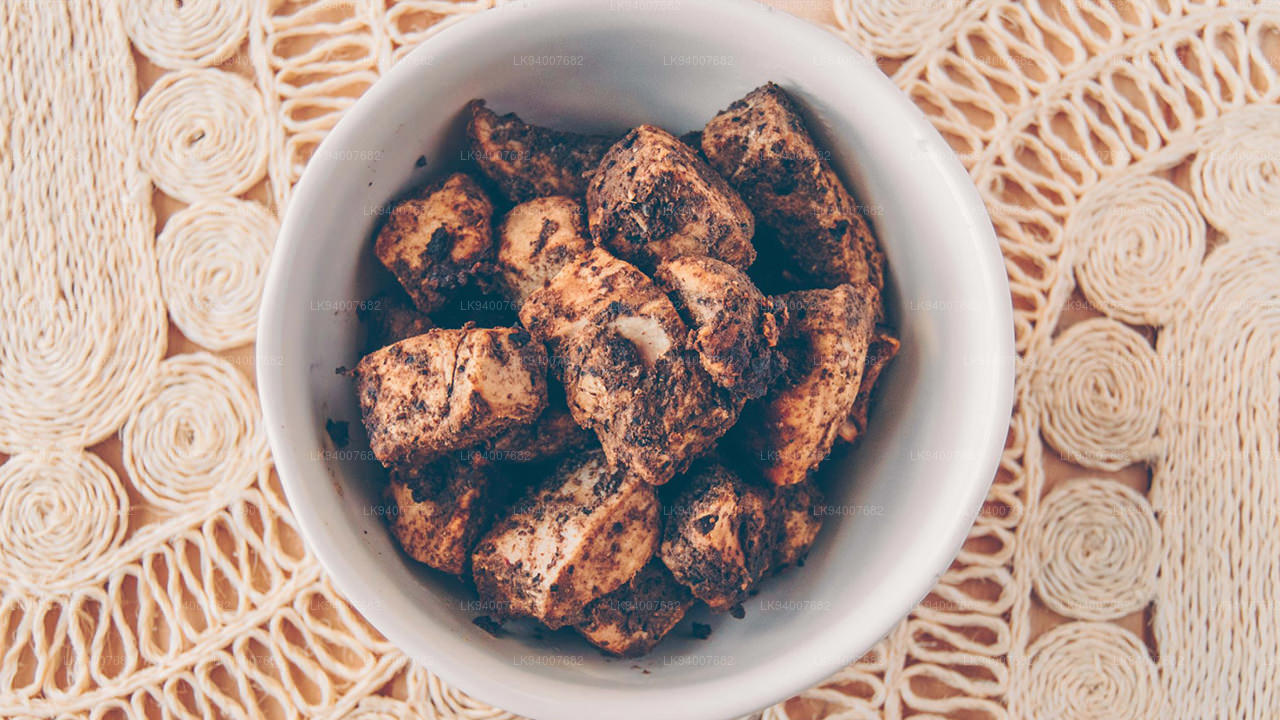
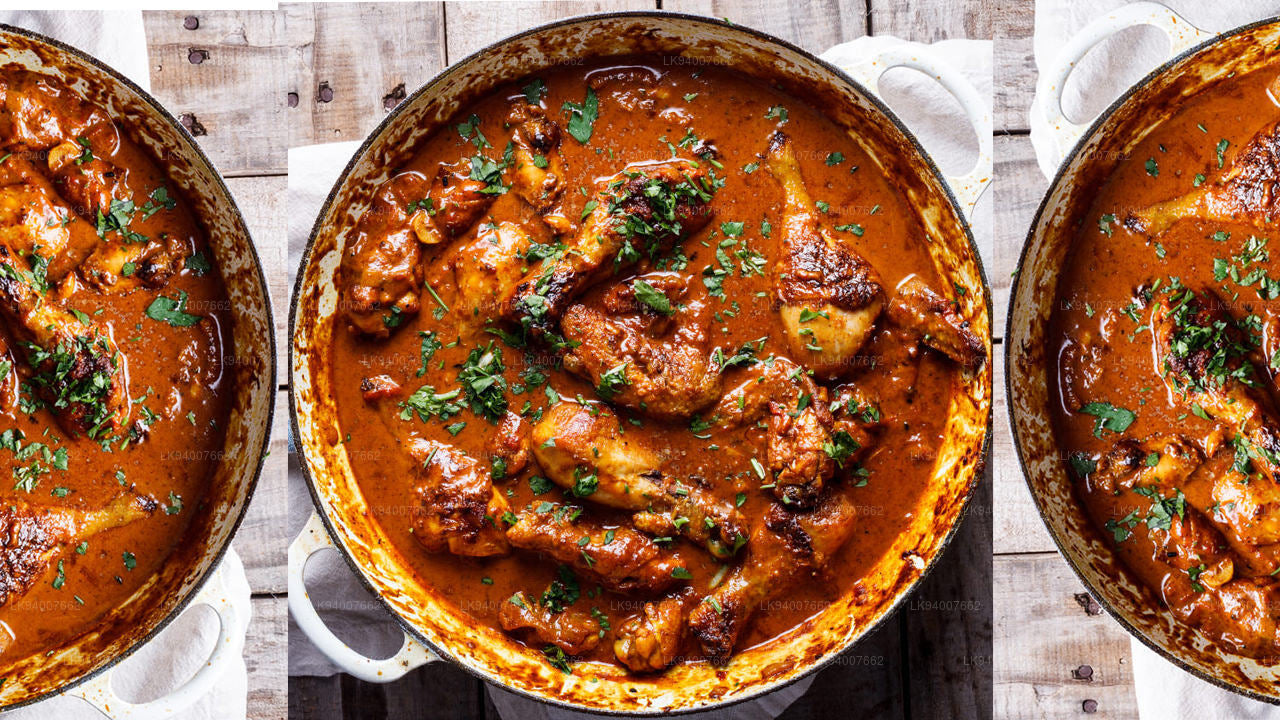
Chicken curry Rich, aromatic Special family meals
Lunu dehi (salted lime pickle) Sour, salty, intense Everyday, cuts through richness

The combination of Kiribath and lunu miris — creamy rice with fiery sambol — is perhaps the most iconic breakfast pairing in Sri Lankan cuisine and is considered the traditional way to open Sinhalese New Year morning.

When is Kiribath served during the Sinhalese New Year?

The Sinhalese New Year falls in mid-April and involves a precise sequence of rituals governed by astrological timing. Kiribath is central to several of these rituals. It is typically cooked at the auspicious time (nakath) designated by the national almanac, often in the early hours of 14 April. The family gathers to eat together at the "auspicious dining time," and the meal is laid out facing a direction considered lucky for that particular year.

The act of cooking Kiribath at New Year is not merely traditional — it is considered essential. Households that skip it would be thought to have neglected an important duty of care towards the family's prosperity in the coming year.

Are there regional or ritual variations of Kiribath?

While the core recipe is consistent across the island, regional ingredients and accompanying dishes vary. In coastal communities, freshly scraped coconut milk from garden trees gives the dish a richer flavour than inland versions made with stored or packaged milk. The coconut palm is so woven into Sri Lankan food culture that the quality of the milk is a genuine point of pride among home cooks.

Some families in the hill country add a small piece of pandan leaf alongside the cinnamon for fragrance. In certain Buddhist households, Kiribath prepared for temple offerings (dana) is made without salt or any savoury element, kept entirely plain as a symbol of purity. The dish also appears at Deepavali in some Tamil Hindu communities, though it is not as central to Tamil New Year rituals as it is to Sinhalese ones.

A related tradition involves the Diya Kepeema water-cutting ceremony, where Kiribath is among the foods prepared and offered at auspicious riverside rituals.

What rice variety works best for Kiribath?

Traditional recipes call for raw white short-grain rice — varieties such as Suwadel, Keeri Samba, or Ponni Samba are commonly used in Sri Lanka. These older varieties absorb liquid steadily and produce a cohesive, slightly sticky cake without becoming mushy. Long-grain rice (such as basmati) tends to stay too separate and produces a looser result that does not hold the classic diamond shape well.

Among local cooks, Suwadel in particular is prized for Kiribath because its naturally shorter grain and mild flavour allow the coconut milk to come through cleanly. Parboiled rice is generally avoided as it does not bind in the same way.

Can Kiribath be made ahead or stored?

Kiribath keeps well at room temperature for several hours after cooking, which is one reason it is practical for large ceremonial gatherings. Once fully cooled, the portions can be covered and refrigerated for up to a day. Reheating gently in a steamer or microwave with a splash of water restores some softness, though freshly made Kiribath is noticeably superior. It does not freeze well — the coconut milk separates and the texture becomes grainy on thawing.

Book this experience with Lakpura

Curated by our local team. Direct booking, instant confirmation.

Ask Lakpura® Agent