Lakpura
Lakpura®

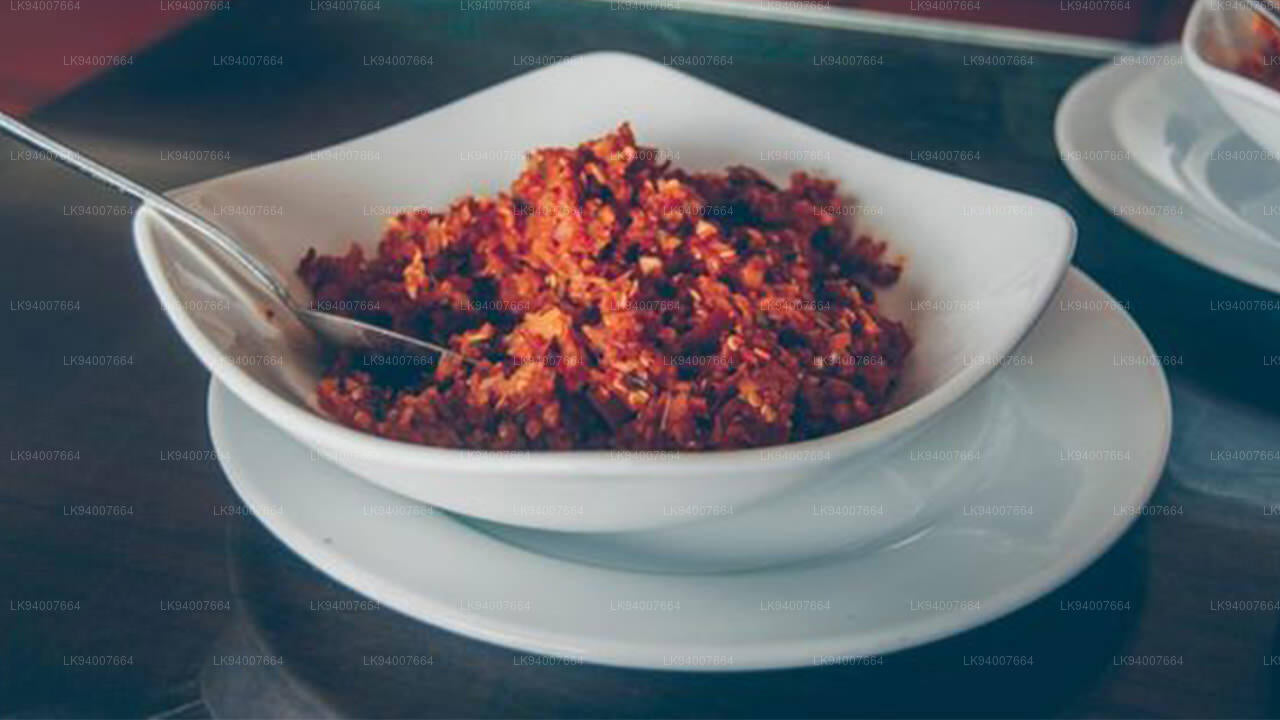
Dried Red Chilli Sambol (ලුණු මිරිස්)

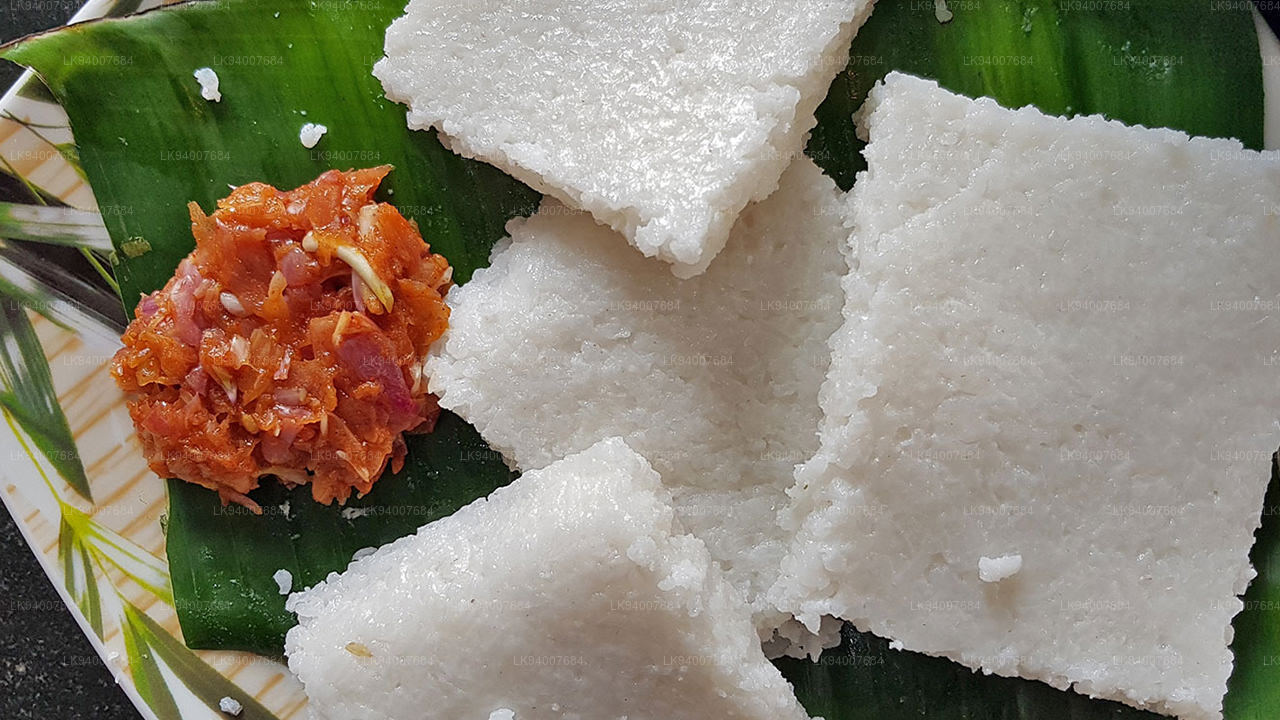
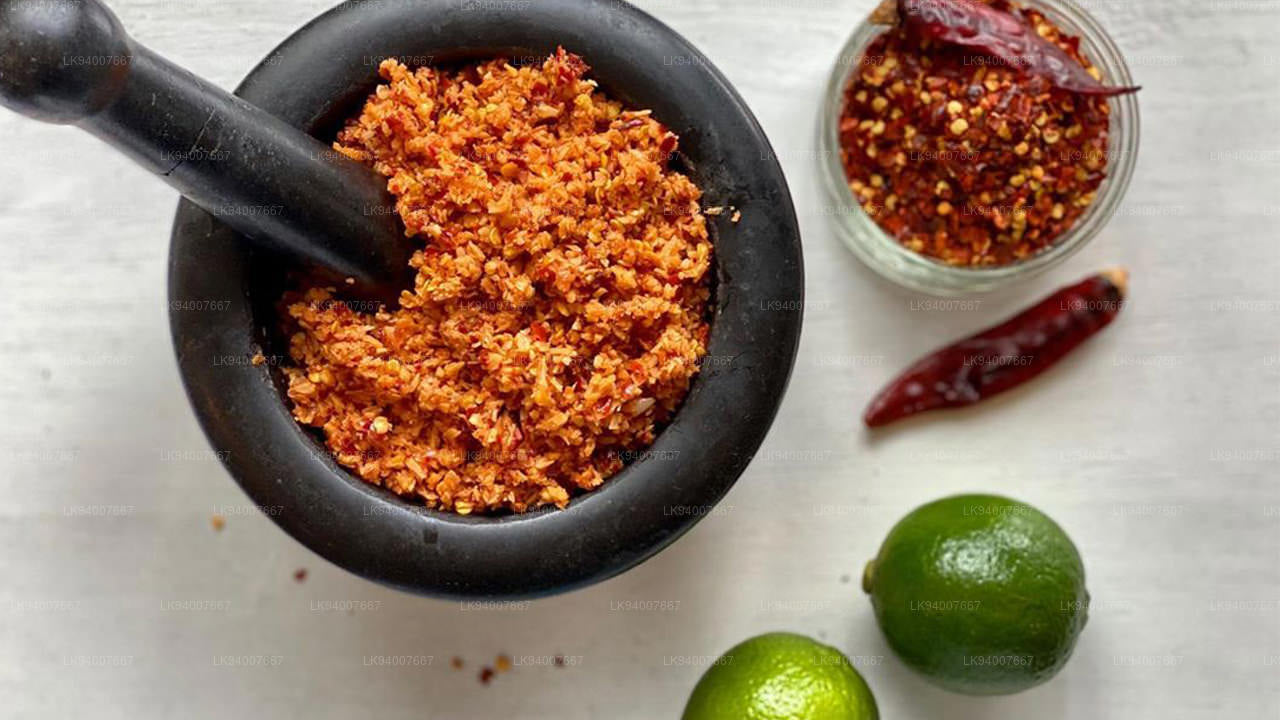
Lunu Miris — literally "salt and chilli" in Sinhala — is one of Sri Lanka's most enduring table condiments. Ground to a rough paste using a traditional stone mortar and pestle, this dried red chilli sambol delivers a punchy combination of heat, tang, and salt that wakes up almost any Sri Lankan meal. You will find a small mound of it alongside string hoppers at roadside kades, spooned onto rice-flour snacks at festive tables, and served as a matter of course with milk rice on Sinhala New Year morning.

What is Lunu Miris and how does it differ from other sambols?

Sri Lankan cuisine features a family of raw and cooked sambols — freshly pounded or mixed condiments served alongside main dishes. Lunu Miris sits at the fierier end of that spectrum. Unlike the coconut-forward pol sambol, Lunu Miris uses no fresh coconut; its base is dried red chilli, so the flavour is more concentrated and the heat more direct. It is also distinct from lunu dehi (salt lime pickle), which relies on preserved citrus rather than chilli for its bite.

The name captures the recipe's essential logic: salt (lunu) and chilli (miris) are the two non-negotiable ingredients. Everything else — onion, Maldive fish, lime juice — adds layers around that core.

What are the traditional ingredients in Lunu Miris?

Regional variations exist across the island, but the core ingredients are consistent. Dried red chilli contributes both heat and colour; red onion (or shallots in some southern households) adds a sharp, slightly sweet counterpoint. A squeeze of lime juice lifts the whole paste just before serving. Maldive fish — umbalakada, a hard, smoked and dried tuna product — is optional but common, deepening the umami base considerably. Those who prefer a fully plant-based version simply leave it out.

The quality of the chilli matters. Sri Lankan varieties such as the Varaniya chilli tend to be moderately hot with good flavour depth, rather than pure incendiary heat. Ceylon black pepper occasionally appears in more complex versions, adding a secondary warmth that lingers differently from chilli heat.

Traditional Lunu Miris recipe

The method below follows the traditional mortar-and-pestle approach, which produces a texture and flavour that a blender cannot fully replicate. A food processor can be used in a pinch, but pulse rather than blend — the paste should remain slightly coarse.

Ingredients

  • 1 large red onion, roughly chopped
  • 2 tablespoons chilli powder
  • 1 tablespoon crushed dried red chilli pieces
  • 1 tablespoon umbalakada (Maldive fish / dried smoked tuna) — optional
  • 2 teaspoons fresh lime juice
  • Salt to taste

Method

  1. Place the dried chilli pieces and chilli powder in the mortar first and pound until they begin to break down into a coarse powder.
  2. Add the umbalakada (if using) and continue pounding until the fish is fully incorporated and the mixture starts to bind.
  3. Add the chopped onion in stages, pounding each addition into the paste before adding more. The onion releases moisture that helps everything come together.
  4. Season with salt and pound once more to combine.
  5. Stir in the lime juice with a spoon rather than pounding it in — this preserves its fresh brightness. Taste and adjust salt or lime.
  6. Serve immediately alongside your chosen dish, or refrigerate for up to two days in a sealed container.

What do Sri Lankans eat Lunu Miris with?

Milk rice (kiribath) and Lunu Miris is one of the most iconic pairings in Sri Lankan food culture — the cooling richness of the coconut-milk rice and the sharp heat of the sambol are genuinely complementary. The combination appears at almost every ceremonial meal, from New Year celebrations to the first day of a new month.

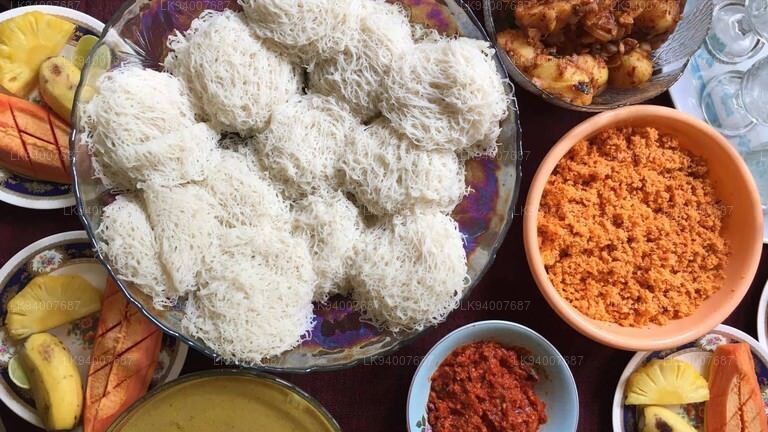
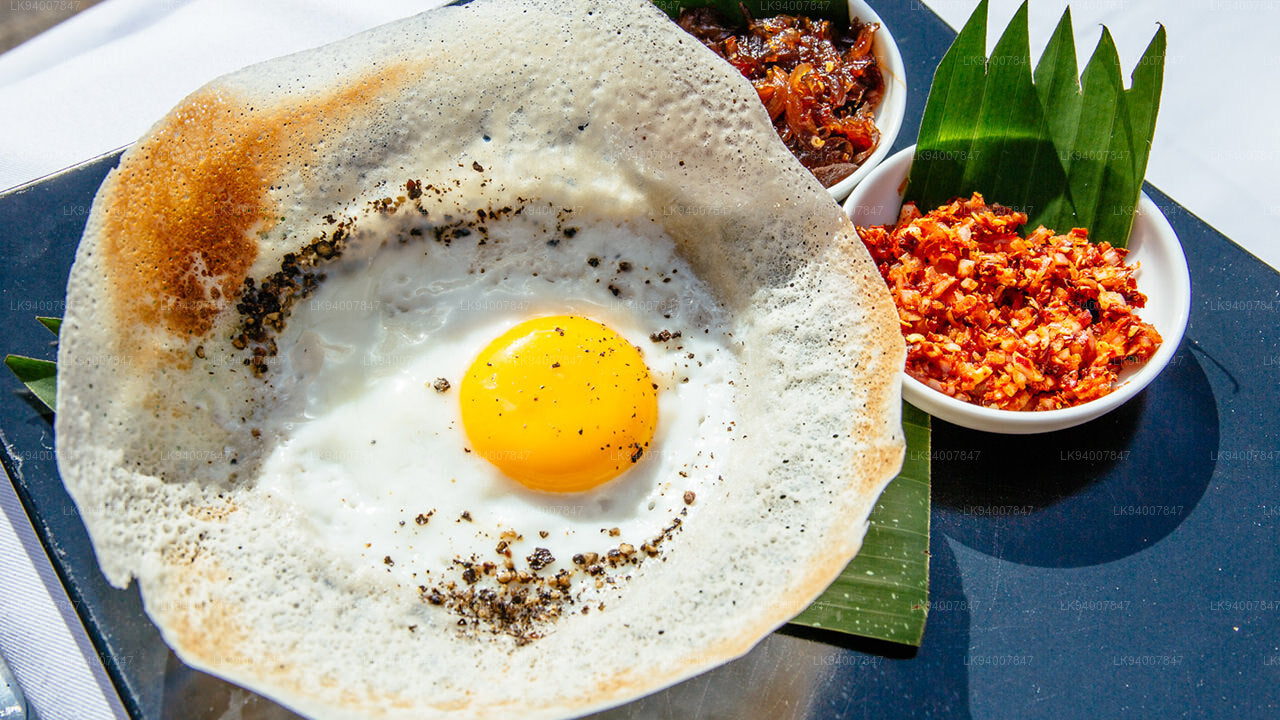
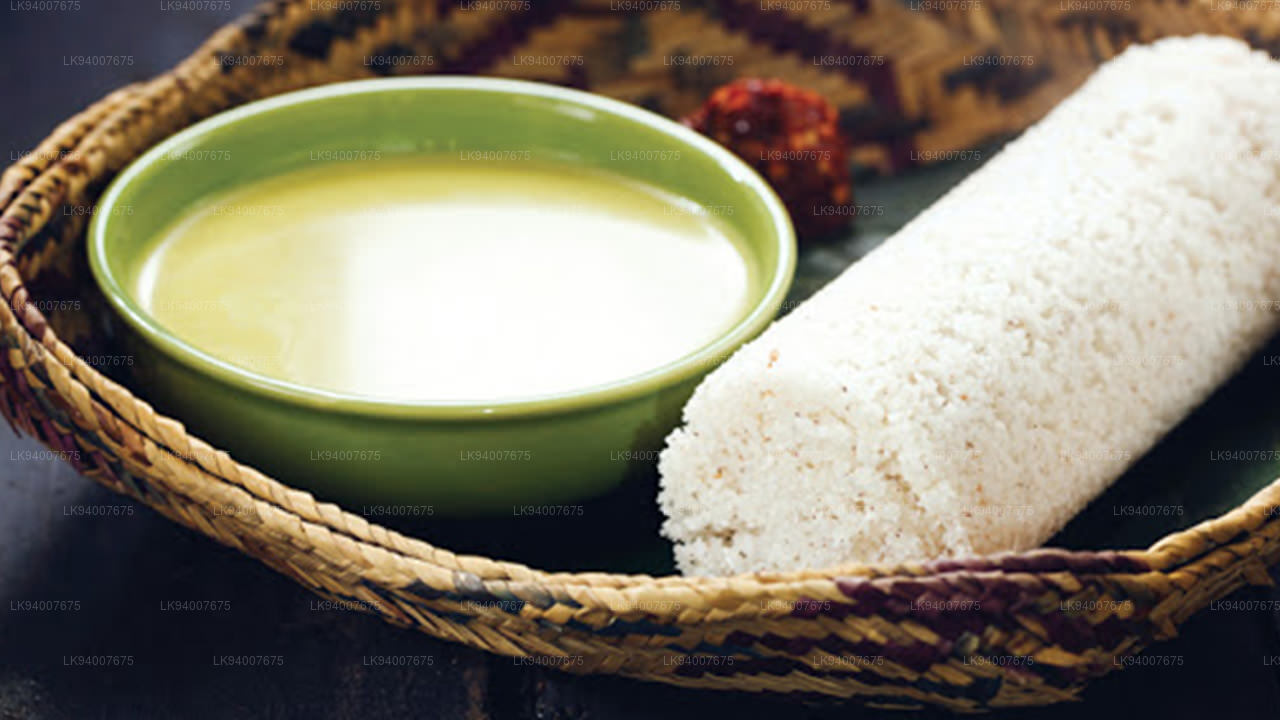
Beyond milk rice, Lunu Miris is a natural partner for hoppers (appa), string hoppers (idiyappa), roti, and plain bread. It also works well alongside rice and curry, where it functions as a palate-sharpening accent rather than a primary flavour. Some households stir a spoonful into a bowl of plain rice with a little coconut oil — a simple, satisfying meal in itself.

Dish Why Lunu Miris works
Milk rice (kiribath) Cuts through the richness of coconut milk rice
Hoppers (appa) Adds heat to the soft, slightly sour hopper bowl
String hoppers (idiyappa) Provides seasoning where the plain noodle discs have none
Roti / bread Acts as a spicy spread replacing butter or other condiments
Plain rice A quick, satisfying accent with coconut oil

How does Lunu Miris vary across Sri Lanka?

In the hill country around Ella and the central highlands, versions tend to be slightly drier and coarser, often without Maldive fish. Along the southern and western coastal belt, the paste is frequently wetter — more onion, sometimes a touch of goraka (a souring agent related to dried gamboge) in place of lime. In the north and east, a similar condiment exists under Tamil names, though the spice balance and the variety of dried chilli used can differ noticeably.

The mortar and pestle itself varies regionally: the heavy stone miris gala (chilli stone) found in traditional kitchens gives a slightly grainier paste than the cylindrical wangediya mortar. Both produce a result that no mechanical appliance quite matches in texture.

Tips for the best results at home

  • Use good-quality dried chilli. Freshly dried chilli with a deep red colour will give a more vibrant paste than old, faded stock.
  • Balance heat and acid carefully. Add lime juice incrementally — a little too much shifts the sambol from sharp to sour.
  • Toast the Maldive fish lightly before adding it to the mortar. This releases the oils and amplifies the smoky umami flavour.
  • Make it fresh when possible. Like most raw condiments, Lunu Miris is at its best within an hour of preparation. The onion mellows and the lime fades overnight.
  • Adjust heat to your guests. Reducing the chilli powder and increasing the chilli pieces (which are milder by weight) lowers the overall heat while keeping the characteristic flavour profile.

Where does Lunu Miris fit in Sri Lankan food culture?

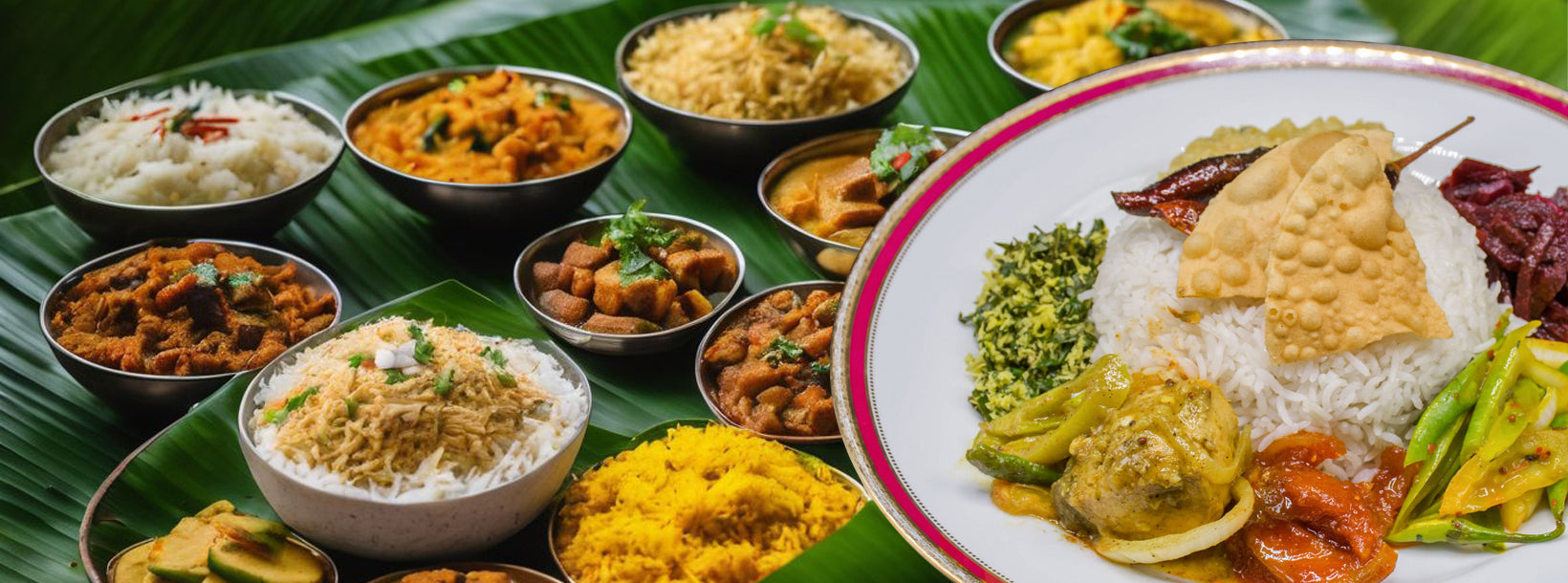
Sri Lankan cuisine is built around the concept of complementary accompaniments: no meal is complete with a single dish. Lunu Miris is part of that logic — a small quantity of something intensely flavoured alongside something mild and starchy. This structural principle runs through the entire cuisine, from the elaborate curry spreads of formal meals to the simplest roadside breakfast. Understanding Lunu Miris is, in a small way, understanding how Sri Lankans think about eating.

The sambol also connects to a broader story about Sri Lanka's spice heritage. The island has cultivated and traded chilli, pepper, and other spices for centuries, and that tradition shapes everyday cooking as much as it shapes export commerce. A dish as simple as Lunu Miris carries that history in every spoonful.

Book this experience with Lakpura

Curated by our local team. Direct booking, instant confirmation.

Ask Lakpura® Agent