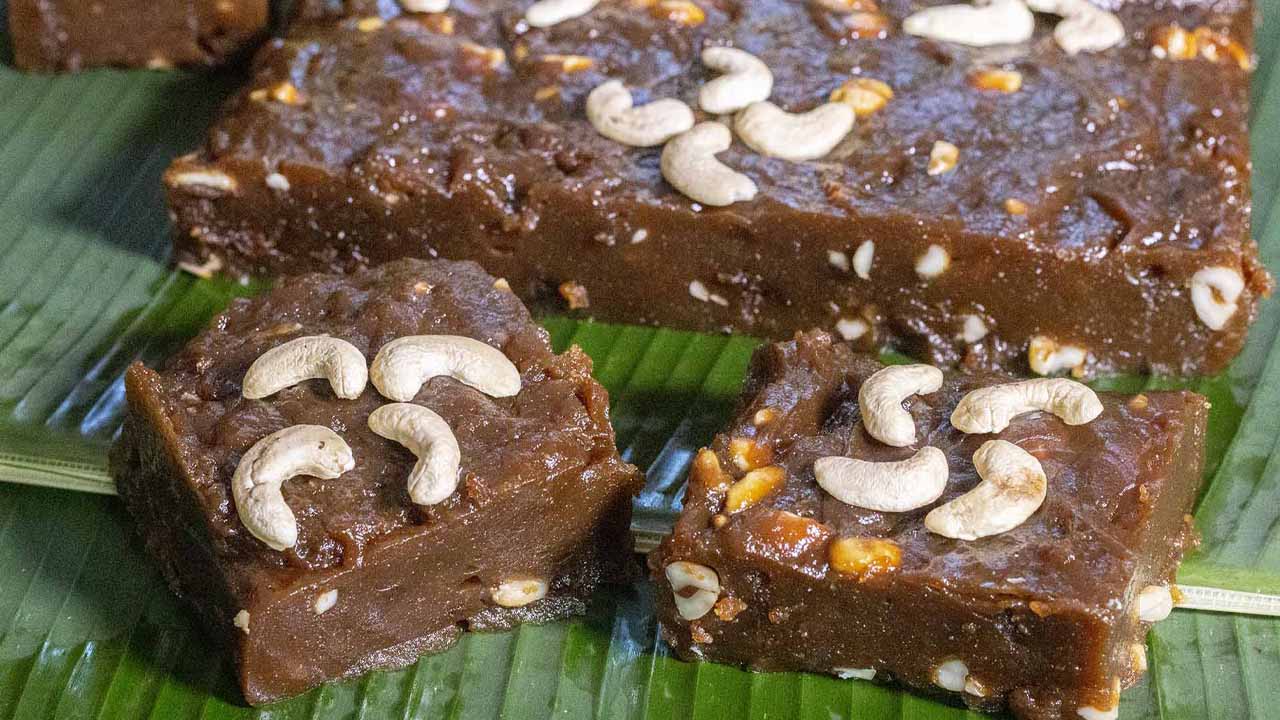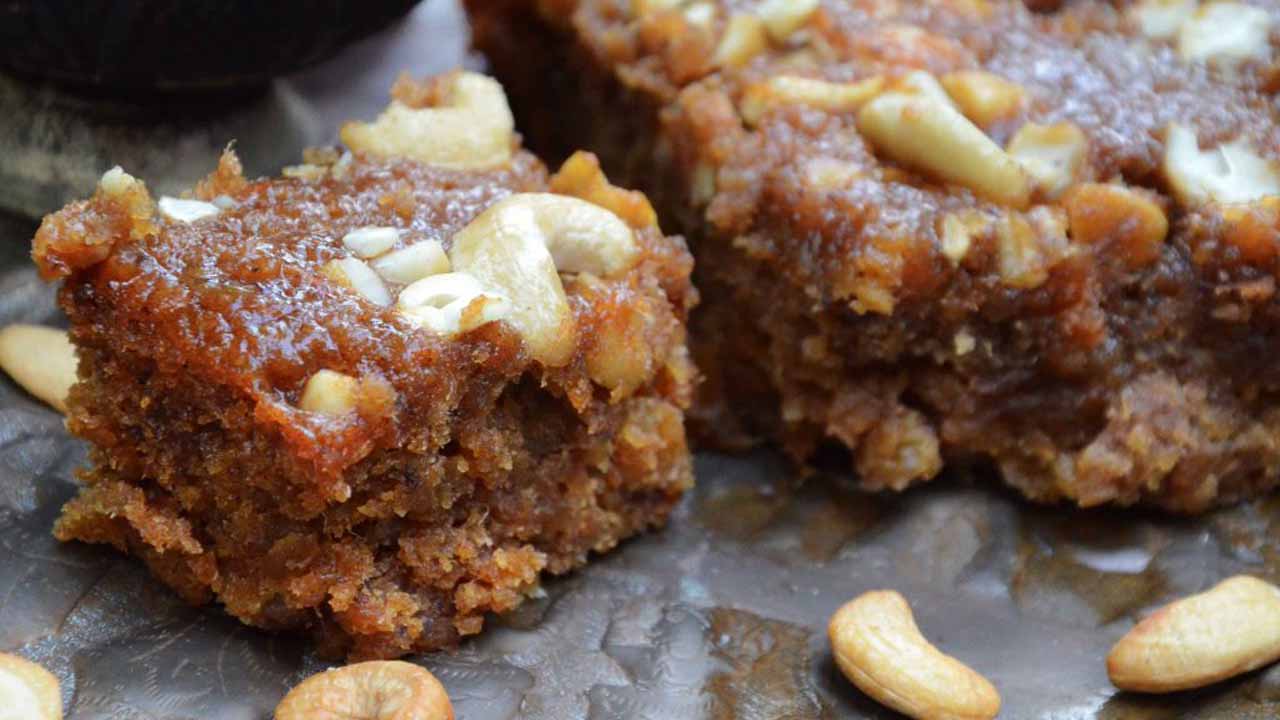
Aluwa is one of Sri Lanka's most recognisable traditional sweets — a firm, lightly fragrant slice made from roasted rice flour, coconut treacle, cashews, and cardamom. Associated closely with the Sinhala and Tamil New Year, it appears on almost every household tray of festive sweetmeats during April, yet it is straightforward enough to prepare year-round whenever the ingredients are to hand.
What is Aluwa and where does it come from?
The word aluwa (අලුවා) broadly refers to a category of dense, fudge-like confections in Sri Lankan cuisine. The version most people recognise is sometimes called the cashew slice or kadju aluwa, distinguishing it from regional variations such as Dumbara Aluwa, which is associated with the Kandy hill country. The sweet has roots in Sinhalese village cooking, where coconut treacle — tapped from kitul or coconut palms — served as the primary sweetener long before refined sugar became widely available.
Unlike many Western confections, aluwa requires no baking and no specialist equipment. Its preparation relies instead on timing and heat control, skills passed from one generation to the next. The result is a pale, slightly chewy block with a gentle nuttiness and a warm cardamom finish.
What are the key ingredients in Aluwa?
A classic aluwa uses only a handful of pantry staples, each playing a distinct role in the final texture and flavour.
- Roasted rice flour — the structural base; roasting drives off moisture and develops a subtle toasty note
- Coconut treacle — provides sweetness and acts as the binding syrup; coconut products are central to Sri Lankan cooking at every level
- Raw cashews — chopped and stirred in for texture and richness
- Cardamom pods — ground and added to the treacle; the aromatic warmth is essential to the classic flavour profile
Some cooks substitute kitul treacle for coconut treacle, which yields a slightly darker colour and a more complex, caramel-like sweetness. A small quantity of rose water is occasionally added for a floral note, though this is a regional preference rather than a standard step.
How do you make Aluwa at home?
The method is short but requires attention — the mixture stiffens quickly once the flour meets the hot treacle, so everything should be measured and ready before you start.
- If using plain rice flour, spread it in a dry skillet over medium-low heat and stir continuously for around five minutes until it smells lightly toasted. Remove from the heat and set aside.
- Pour the coconut treacle into a heavy saucepan and bring to a boil over medium heat, stirring occasionally.
- Once the treacle reaches a steady boil, add the chopped cashews and the ground cardamom and stir to combine.
- Reduce the heat to low. Add the roasted rice flour a little at a time, folding it in quickly. Work fast — the dough thickens within minutes and becomes difficult to incorporate evenly if you pause.
- When the mixture pulls away from the sides of the pan and holds its shape, transfer it immediately onto a surface lightly dusted with rice flour.
- Flatten the dough into a block roughly 2–3 cm thick using the back of a spoon or a flat-bottomed glass.
- Cut into squares, diamonds, or rectangles while still warm. Allow to cool completely before serving; the pieces firm up as they rest.
Standard ingredient proportions
| Ingredient | Quantity | Notes |
|---|---|---|
| Roasted rice flour | 1½ lb (around 680 g) | Plain flour can be dry-roasted at home |
| Coconut treacle | 4 cups | Kitul treacle also works |
| Raw cashews | 25 pieces, roughly chopped | Can be lightly toasted for extra flavour |
| Cardamom pods | 4–5, ground | Freshly ground gives the best aroma |
When is Aluwa traditionally eaten in Sri Lanka?
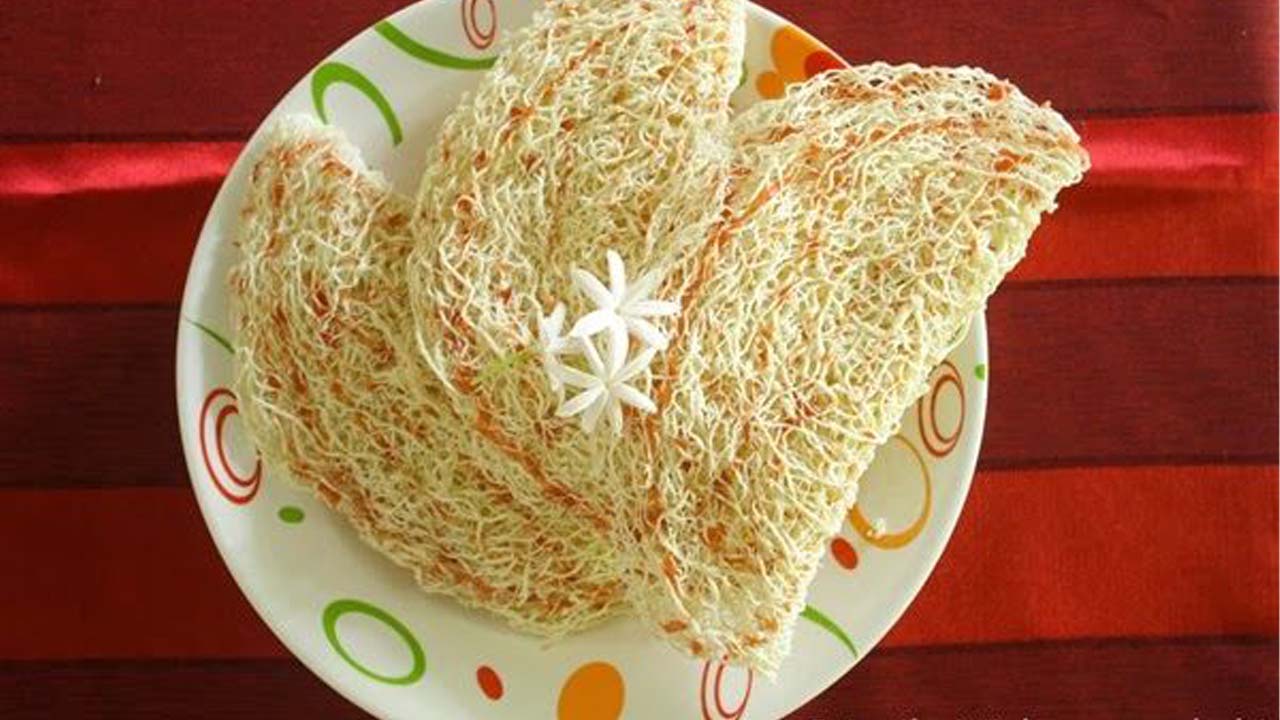
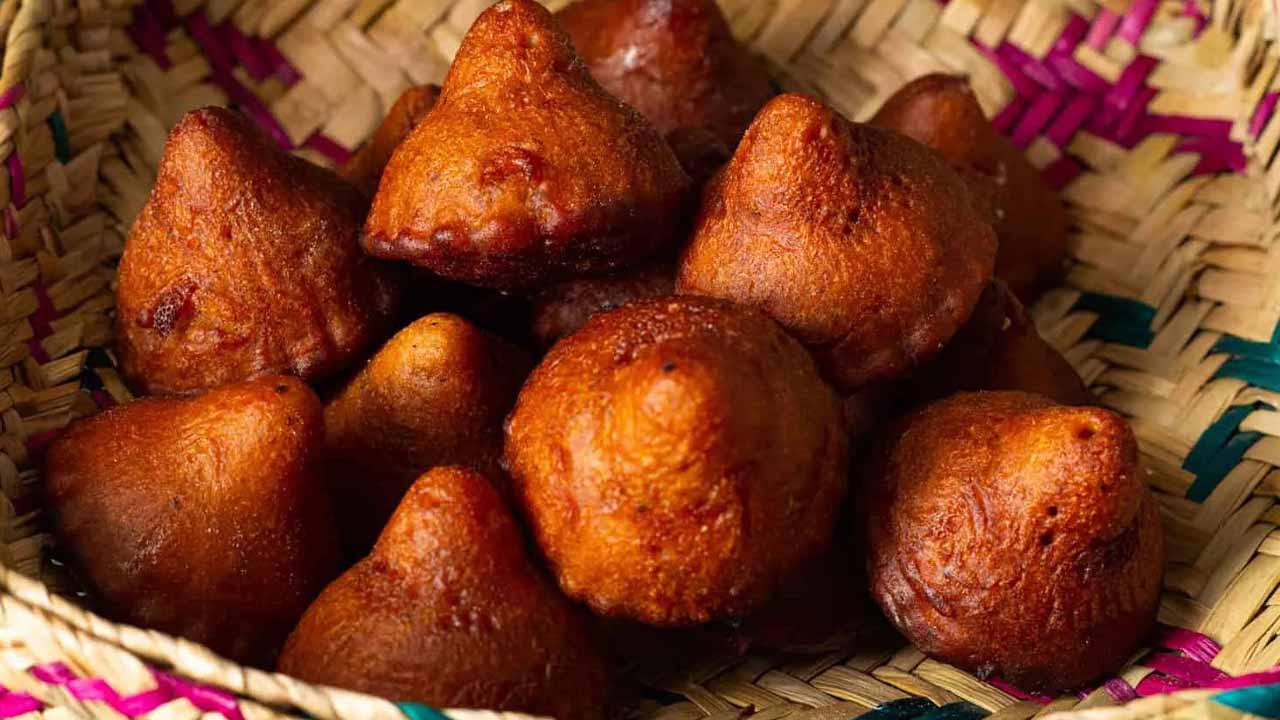
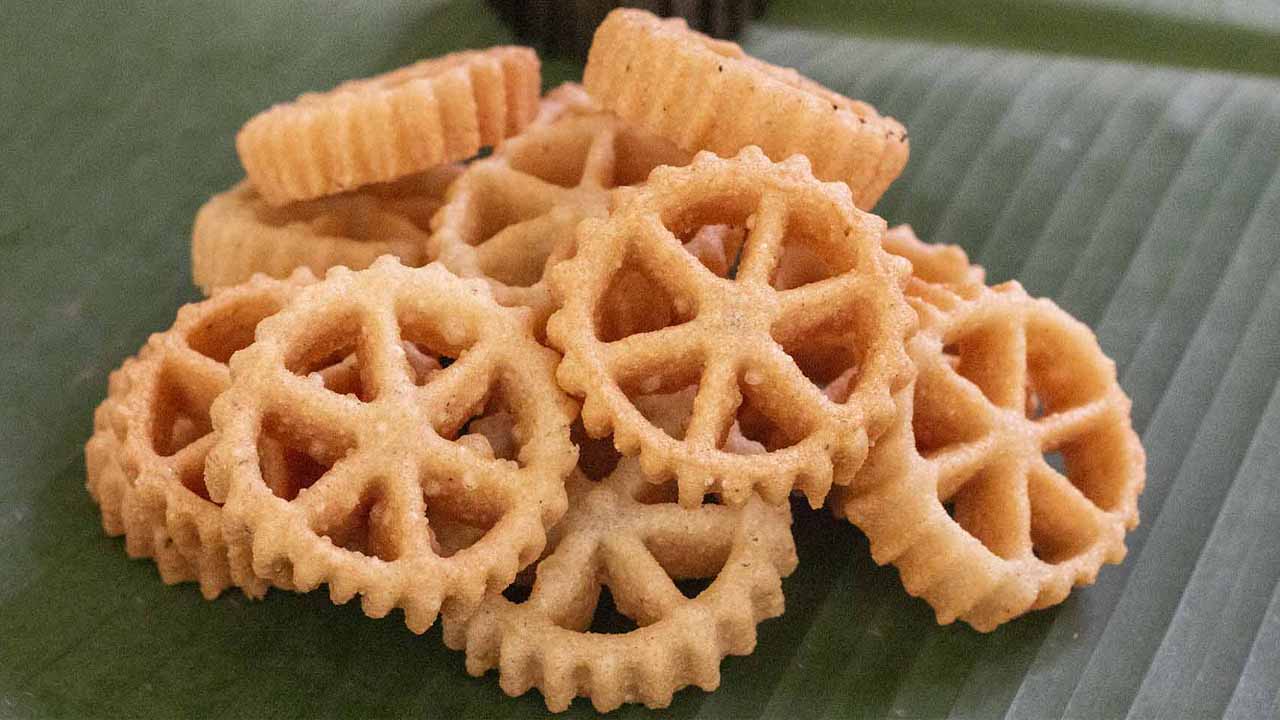
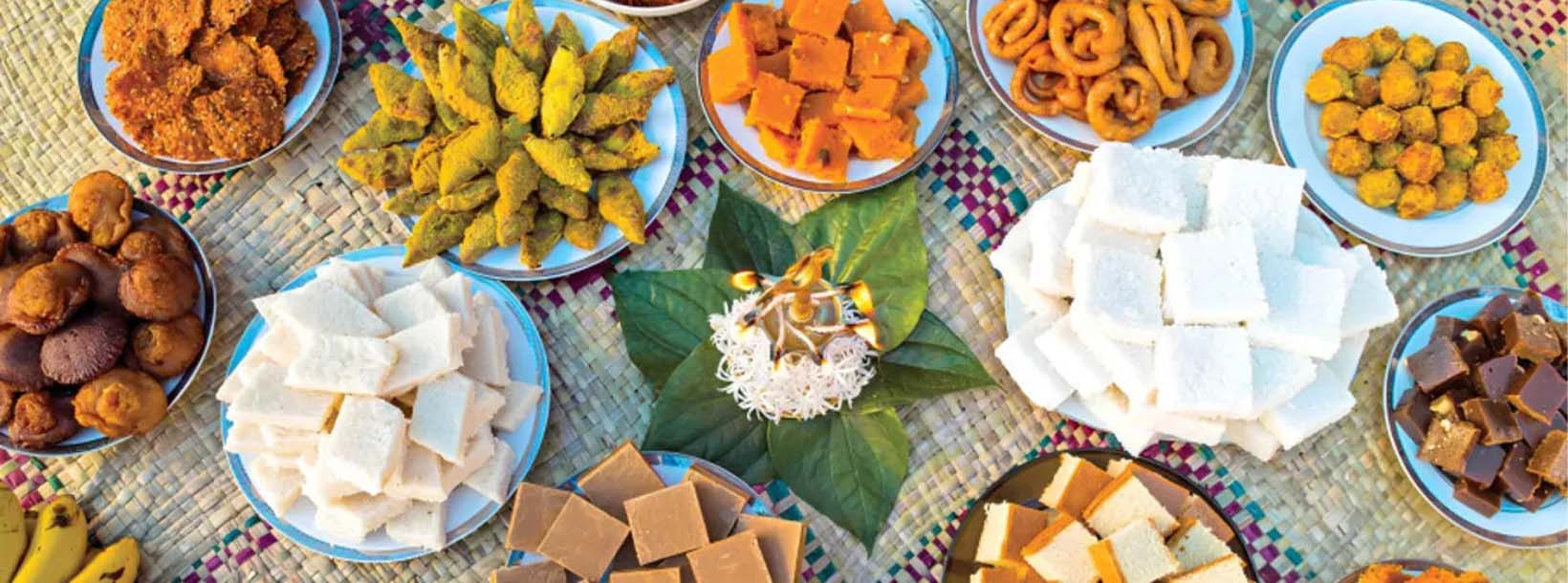
Aluwa is one of several sweets prepared for the Sinhala and Tamil New Year, which falls in mid-April and marks the end of the harvest season. Alongside kokis and pani kadju, aluwa appears on the ritual tray of seven sweetmeats that families share at the auspicious time set by the astrologer. Gifting a tray of home-made sweets to neighbours is a customary part of the celebration, making aluwa both a food and a social gesture.
Outside the New Year season, aluwa is sold at roadside stalls, temple fairs, and market halls throughout Sri Lanka. It keeps well at room temperature for several days, which makes it a practical choice for gifts and travel provisions.
Are there regional variations of Aluwa?
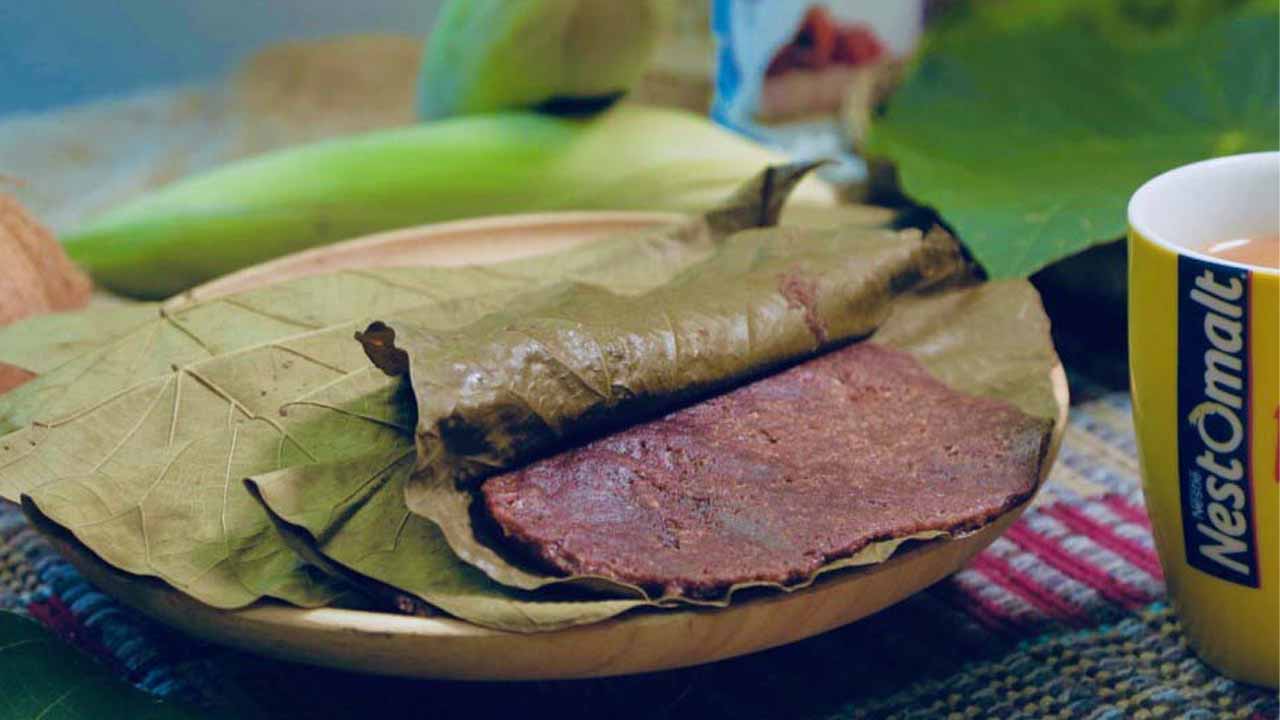
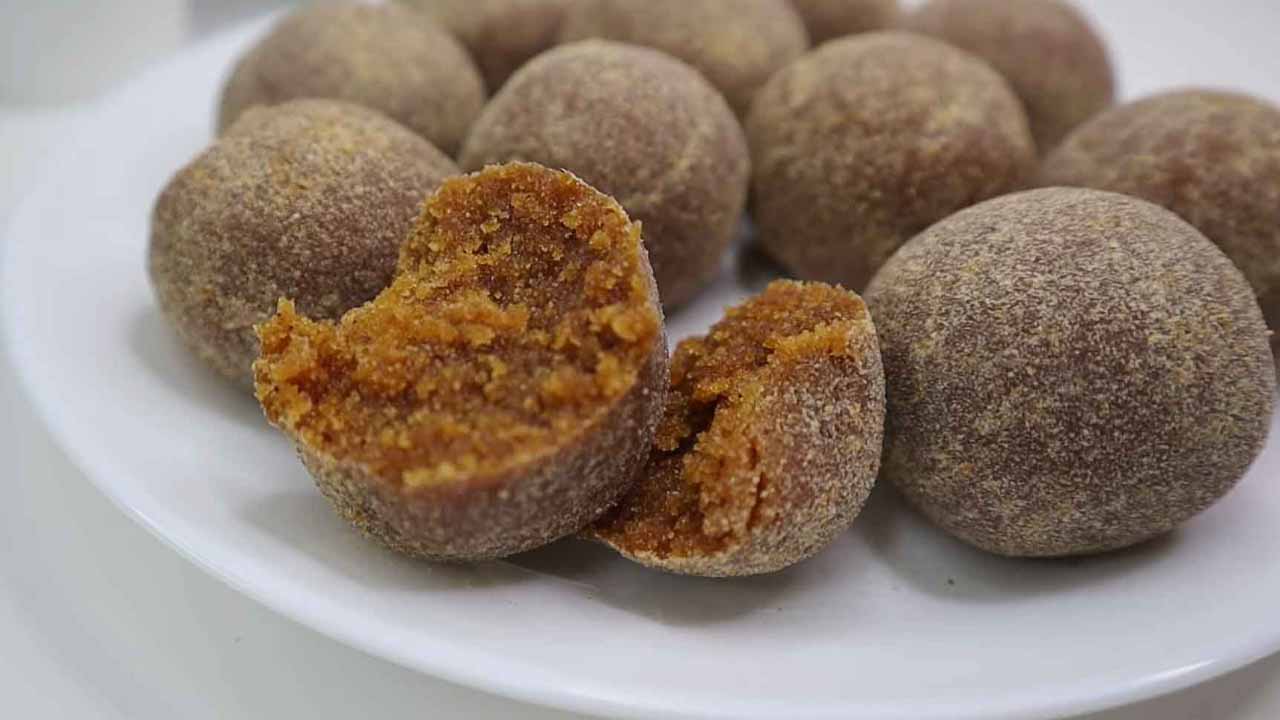
Sri Lanka's different regions each put a slight local stamp on the sweet. Dumbara Aluwa, associated with the villages around Kandy and the Dumbara valley, is denser and often made with a higher proportion of treacle, giving it a darker, more toffee-like quality. Coastal communities sometimes incorporate desiccated coconut into the dough alongside the cashews. In some households the cashews are replaced entirely with peanuts, producing a more affordable everyday version with a coarser texture.
Meegamu Aluwa is a softer, slightly sticky variant that uses a different ratio of treacle to flour and is sometimes pressed into moulds rather than cut into freehand shapes. Lakpura stocks both the classic kadju aluwa and the Meegamu style for those who wish to try either variety without making their own.
What does Aluwa taste like?
The flavour is mildly sweet rather than intensely sugary, with coconut treacle adding a subtle earthiness that refined sugar cannot replicate. The cardamom provides warmth on the finish, and the chopped cashews give small bursts of richness against the floury base. The texture sits between a firm fudge and a dense shortbread — it is not crumbly, and it is not sticky once fully cooled. First-time tasters often find it gentler and less cloying than expected.
Where can you buy authentic Aluwa in Sri Lanka?
Reputable sources include the covered markets in Kandy, Colombo's Pettah district, and the small sweet-shops that cluster around Buddhist temples ahead of poya days and festive seasons. Quality varies considerably between vendors, so it is worth asking whether the treacle used is genuine kitul or coconut treacle rather than a sugar syrup substitute, which produces a flatter flavour. Lakpura ships packaged aluwa internationally for those who want a reliable, consistent product.