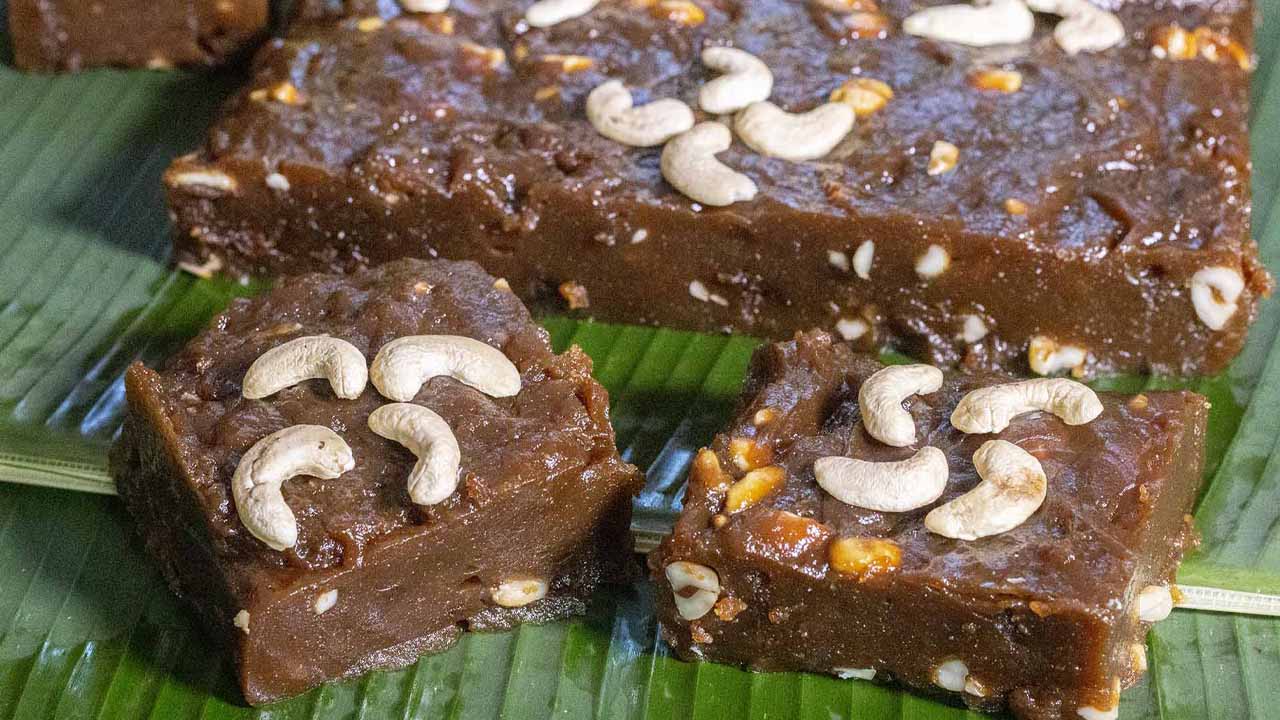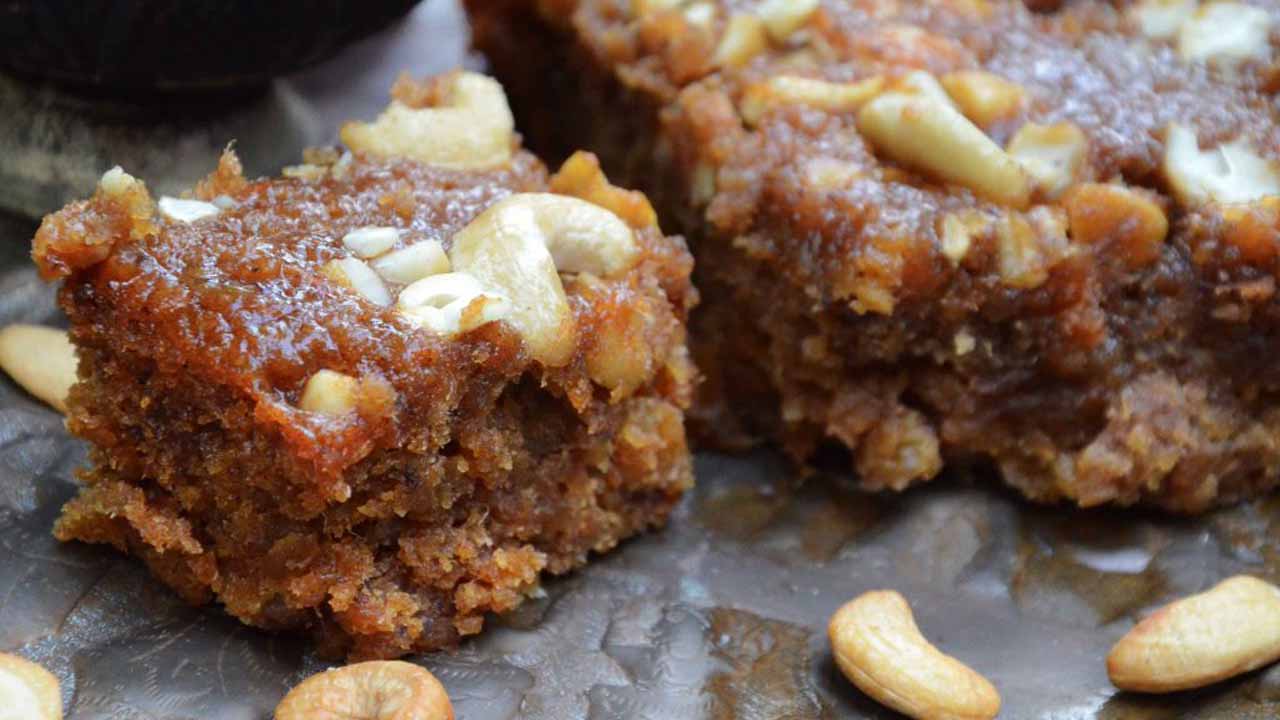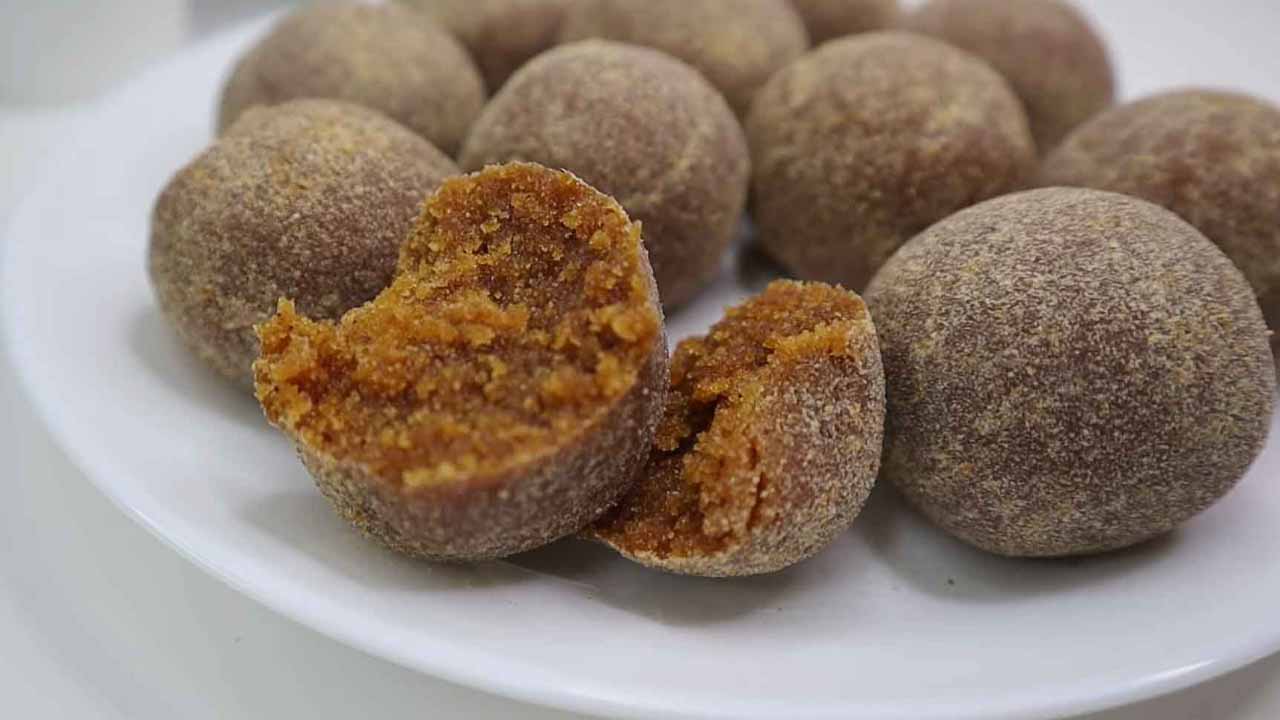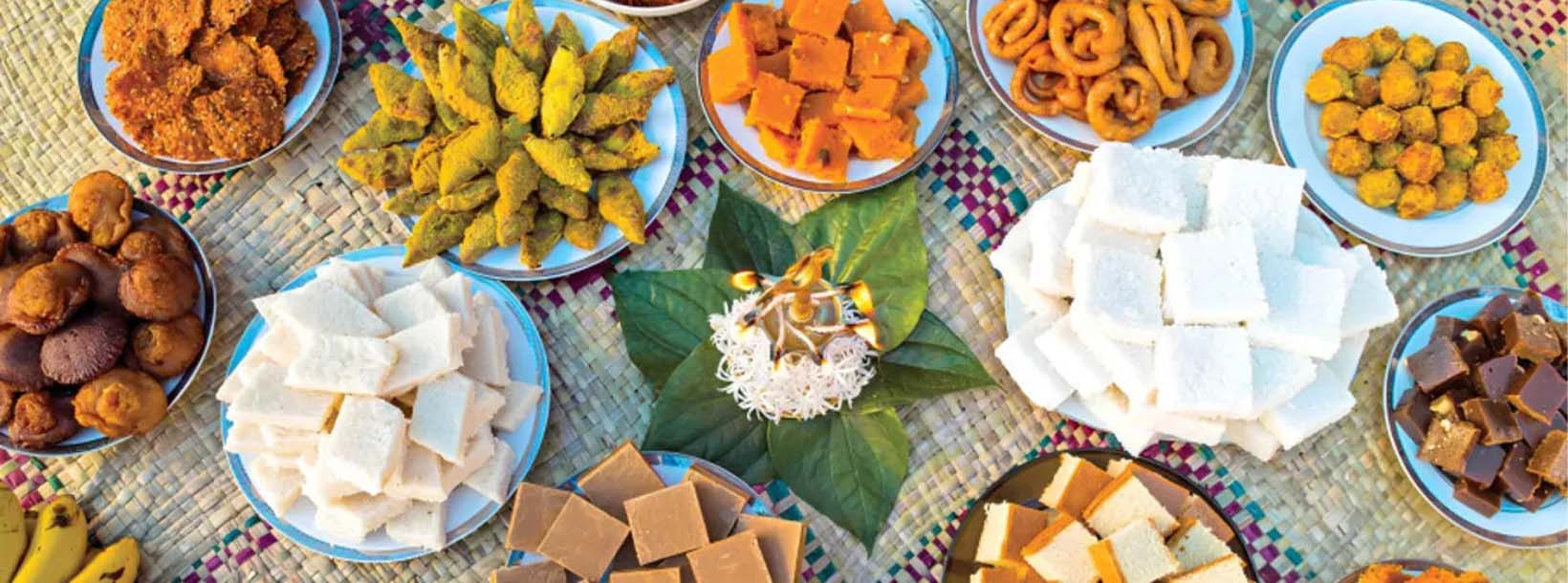
Helapa (also written Halapa, Sinhala: හැලප) is one of Sri Lanka's oldest and most quietly satisfying traditional sweets. Made from earthy kurakkan (finger millet) flour, fresh coconut, and natural sweetener, then steamed inside fragrant kanda leaves, it is a confection shaped by centuries of village life rather than by commercial kitchens. You will find it at temple fairs, Sinhala New Year celebrations, and rural markets — a modest treat that carries genuine cultural weight.
What is Helapa made from?
The core ingredients are few and unprocessed. Kurakkan flour — milled from finger millet, a grain cultivated in Sri Lanka's dry and intermediate zones for millennia — gives helapa its distinctive dark colour and slightly nutty, malty flavour. Freshly grated coconut adds moisture and richness, while treacle or honey provides sweetness without masking the grain. Cardamom is sometimes added to the dough for a gentle warmth.
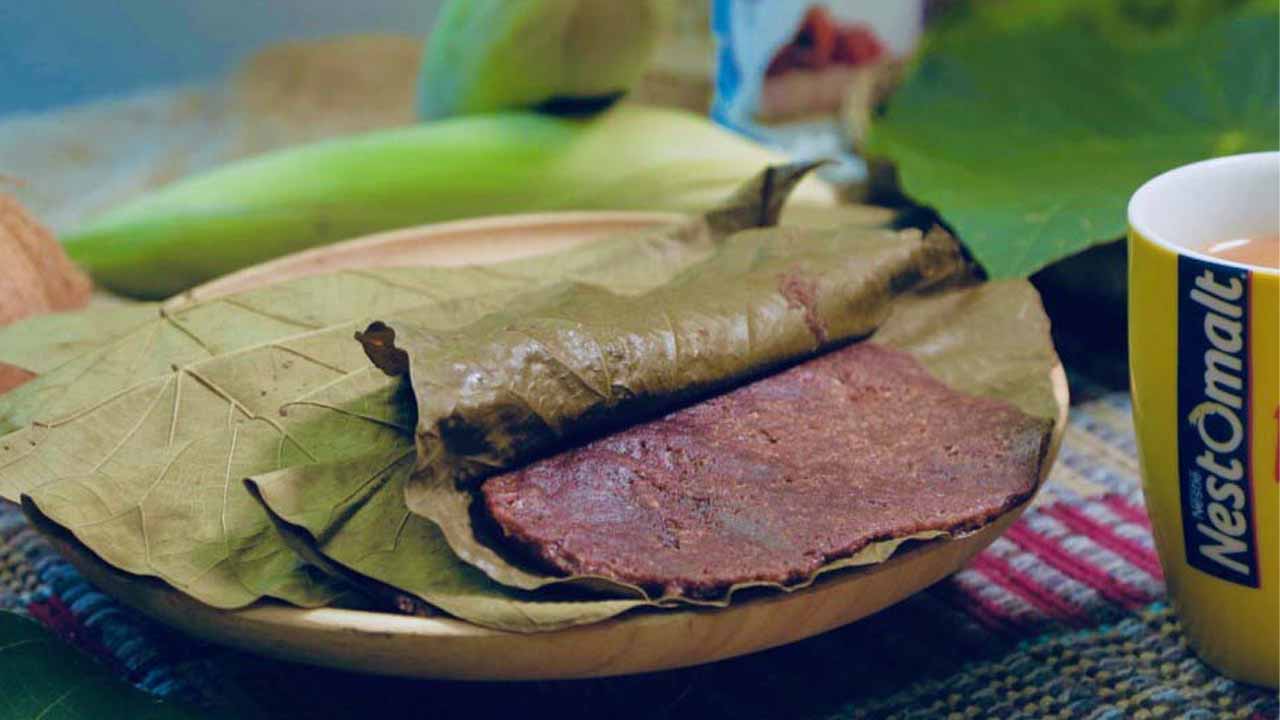
What sets helapa apart from other steamed sweets is the wrapping. Kanda leaves (Phrynium capitatum or similar broad, pliable leaves) are folded around a small portion of dough and pressed flat, so the finished piece holds a distinctive half-moon or rectangular shape. The leaves impart a subtle, grassy aroma to the dough as it steams — an effect that aluminium foil, while a serviceable substitute, does not fully replicate.
How is Helapa prepared?
The method is straightforward but benefits from attention to texture. Below is a practical home recipe based on the traditional approach.
Ingredients
- 1 cup kurakkan flour (ragi / finger millet flour)
- 2 tablespoons freshly grated coconut
- ¼ cup honey or kithul treacle
- Kanda leaves or aluminium foil, for wrapping
- A small amount of water, if needed to bind the dough
Method
- Gently warm the honey or treacle in a pan over low heat. Add the grated coconut and stir until well combined, then remove from the heat.
- Mix in the kurakkan flour while the mixture is still warm. Work it into a soft dough. Add a splash of water only if the dough feels too dry to hold together — it should be pliable but not sticky.
- Clean and dry your kanda leaves. Place a small ball of dough at the centre of each leaf, fold the leaf over, and press the dough flat with your palm so it fills the fold evenly. Aim for a thickness of roughly 1 cm.
- Arrange the wrapped pieces in a steamer. Steam for 10–15 minutes, or until the dough has firmed up and pulls cleanly away from the leaf.
- Allow to cool slightly before unwrapping. Helapa is best eaten warm or at room temperature.
If kanda leaves are unavailable, aluminium foil works as a practical alternative. Cut pieces roughly 20 cm × 15 cm, fold in the same way, and steam as above. The texture will be identical; only the leaf aroma will be absent.
What does Helapa taste like?
The flavour is earthy and mildly sweet — considerably less sugary than many commercial Sri Lankan sweets. Kurakkan has a natural bitterness that the coconut and treacle balance rather than eliminate, so the overall impression is wholesome rather than rich. The texture is dense and slightly chewy, somewhere between a steamed pudding and a firm rice cake.
Tradition suggests serving helapa with a freshly brewed cup of Ceylon tea, and the pairing makes immediate sense: the tea's tannins cut through the sweetness and amplify the grain's nuttiness. A strong, plain black tea from the hill country works particularly well.
When and where is Helapa eaten in Sri Lanka?
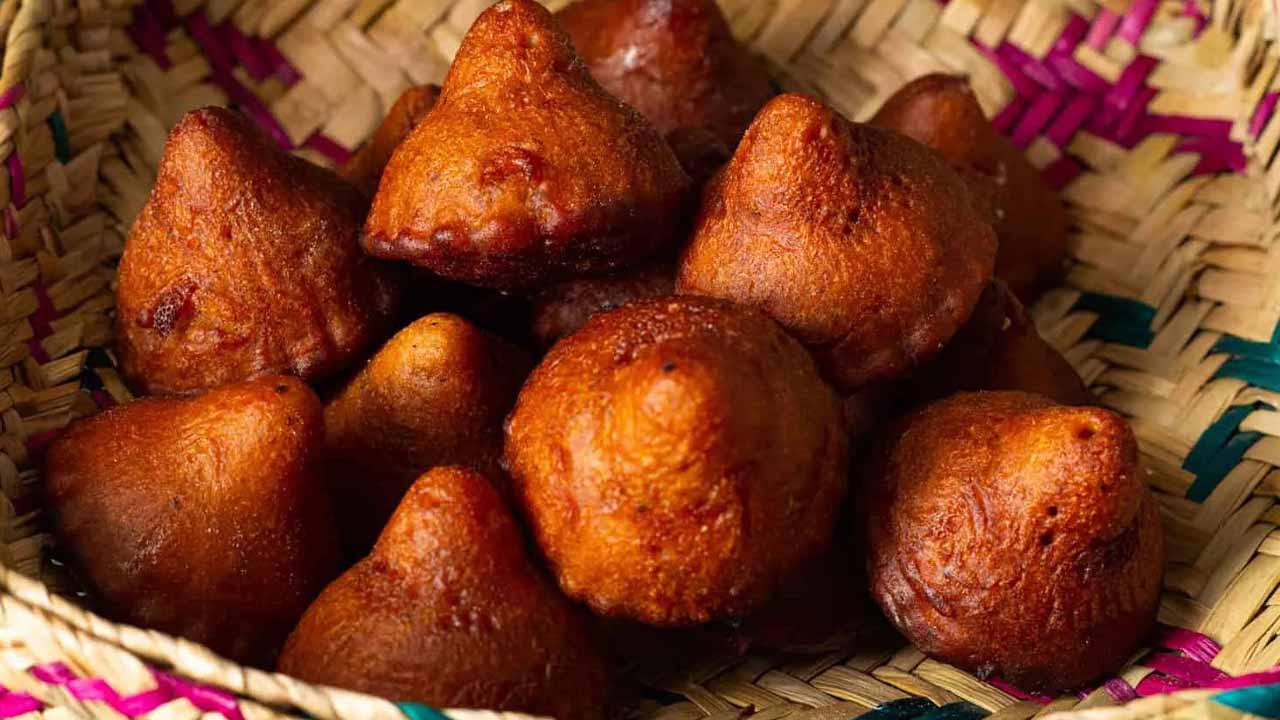
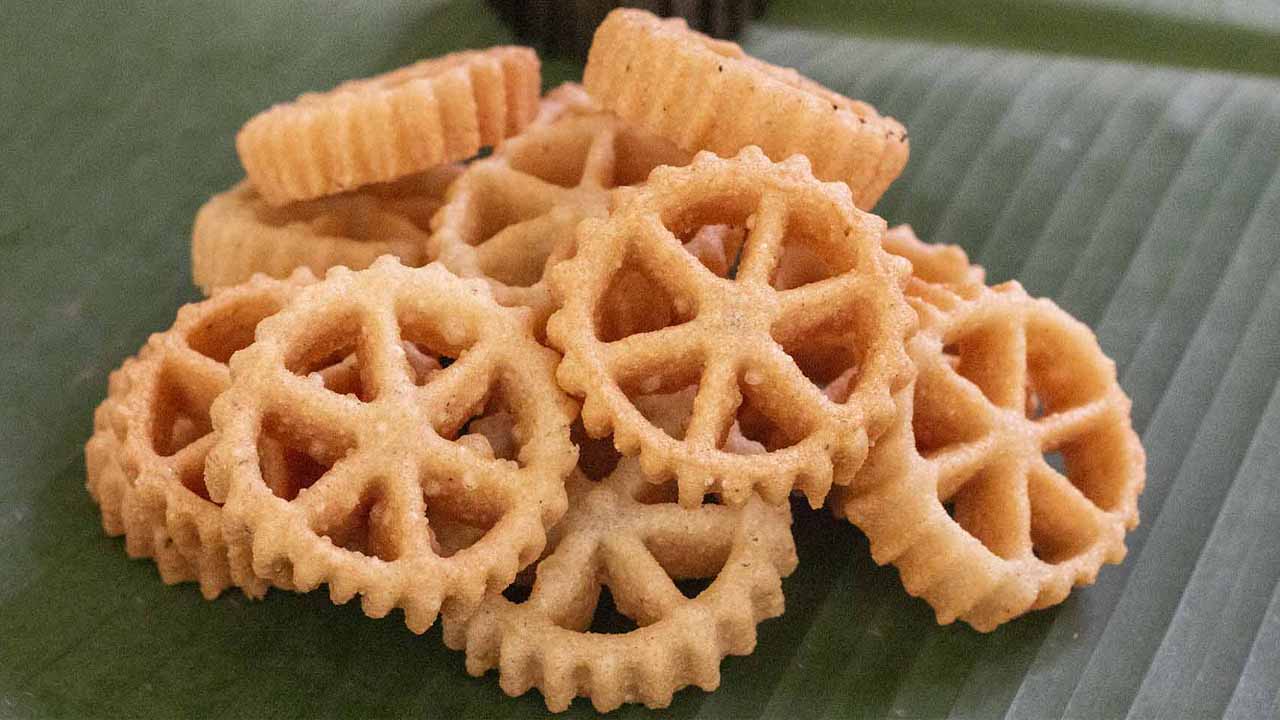
Helapa is strongly associated with the Sinhala Buddhist calendar. It appears at dane (merit-making food offerings), poya day gatherings, and family celebrations. During the Sinhala and Tamil New Year in April, traditional sweets including helapa are prepared alongside kokis and kavum as part of the ritual new year table.
In everyday life, helapa is sold by street vendors and small boutique shops, particularly in the Kandy region and the central highlands where kurakkan cultivation remains active. It is less common in supermarkets, which makes encountering it at a local market a minor but genuine discovery for visitors.
Is Helapa nutritious?
Kurakkan (finger millet) is nutritionally dense by the standards of traditional staple grains. It is relatively high in calcium and dietary fibre, and its iron content is notable compared to polished white rice. As a result, helapa has historically been considered appropriate for young children, nursing mothers, and the elderly — a sweet that functions more as a wholesome food than a simple indulgence.
The absence of refined flour or artificial additives means helapa sits comfortably in contemporary conversations about traditional, minimally processed foods. It is naturally gluten-free when made with pure kurakkan flour, though home preparation environments may vary.
How does Helapa differ from other Sri Lankan steamed sweets?
Sri Lanka has a broader family of leaf-wrapped and steamed preparations. Pittu is steamed in cylindrical moulds; string hoppers (indi appa) are pressed through a mould onto a mat. Helapa is distinctive in being pressed flat inside a leaf fold rather than shaped by any tool, and in using kurakkan rather than rice flour as its primary ingredient. That grain choice gives it a darker colour and a flavour profile quite different from the milder, whiter sweets in the same tradition.
Among leaf-wrapped sweets, kevum is deep-fried rather than steamed, and uses rice flour with treacle in different proportions. Helapa's steaming method keeps it lower in fat and gives it a moister, more bread-like crumb than fried alternatives.
Can visitors try making Helapa in Sri Lanka?
Several village experience programmes and cooking demonstrations in the hill country and cultural triangle regions include traditional sweet-making as part of their itinerary. Participants typically learn to prepare two or three traditional items, with helapa among the most common choices given its straightforward method and the local availability of kurakkan flour. Enquire with your Lakpura guide when planning a rural or cultural day tour — this kind of hands-on activity is easily arranged alongside visits to tea estates or paddy field walks.