Lakpura
Lakpura®

Dried Sprats

Dried sprats hold a quiet but essential place in Sri Lankan cooking. These small, oily fish — sun-cured along the island's Indian Ocean coastline — deliver an intensity of flavor that belies their size. Whether served as a crispy side dish, folded into a sambol, or stirred through a dal, they add a layer of savory depth that few other ingredients can match. Sri Lanka exports dried sprats to communities across South Asia, Southeast Asia, and beyond, where cooks recognize the same qualities that have made them a staple on the island for generations.

What are dried sprats, and what do Sri Lankans call them?

Dried sprats are small, silvery fish belonging to the anchovy and sprat family, typically measuring between four and eight centimeters. In Sinhala they are known as haalmasso (හාල් මාළු), a name that translates loosely as "rice fish" — a nod to their role as the classic accompaniment to a plate of rice. The Tamil term nethili is also widely used, particularly in the north and east of the island, and the same name is familiar in Tamil Nadu across the Palk Strait.

The fish are caught in coastal waters by small-scale fishing communities, then dried in the open sun over one to several days depending on weather and the size of the catch. Traditional drying on woven mats or elevated racks remains common, and the process both preserves the fish and concentrates its natural umami character. Headless varieties — where the fish are cleaned before drying — are increasingly popular for export and home cooking alike.

How are dried sprats used in Sri Lankan cooking?

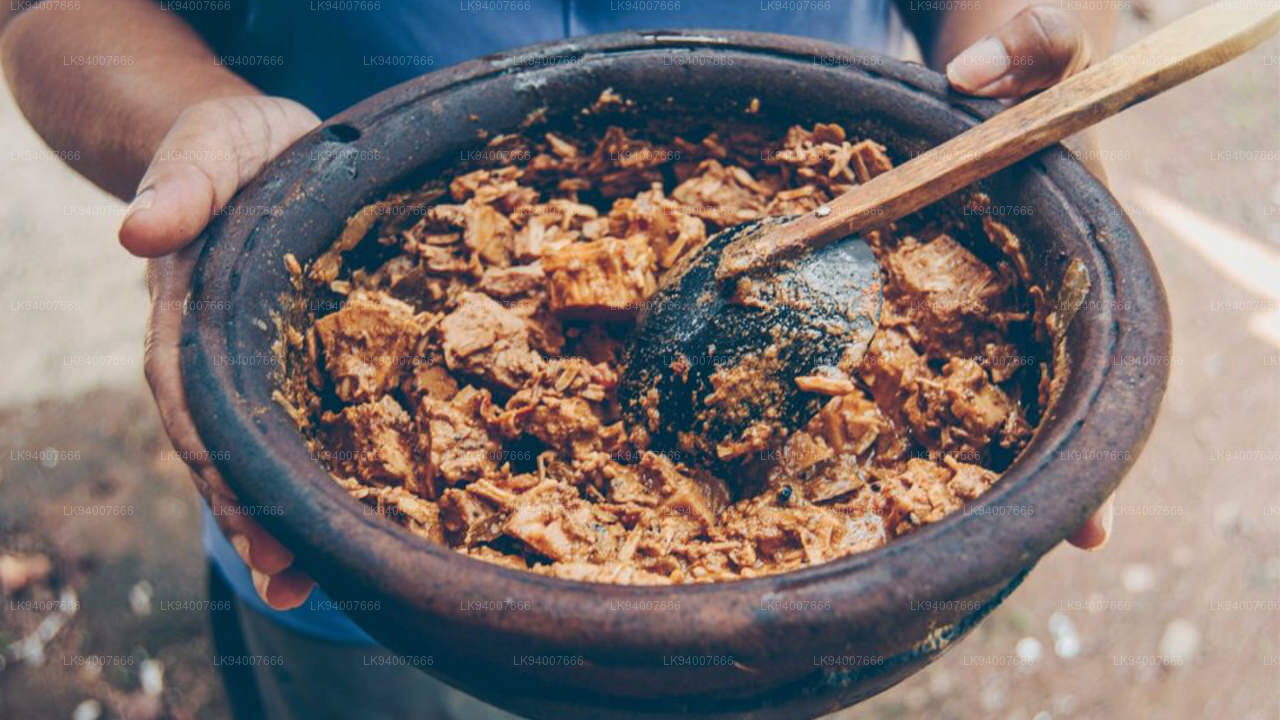
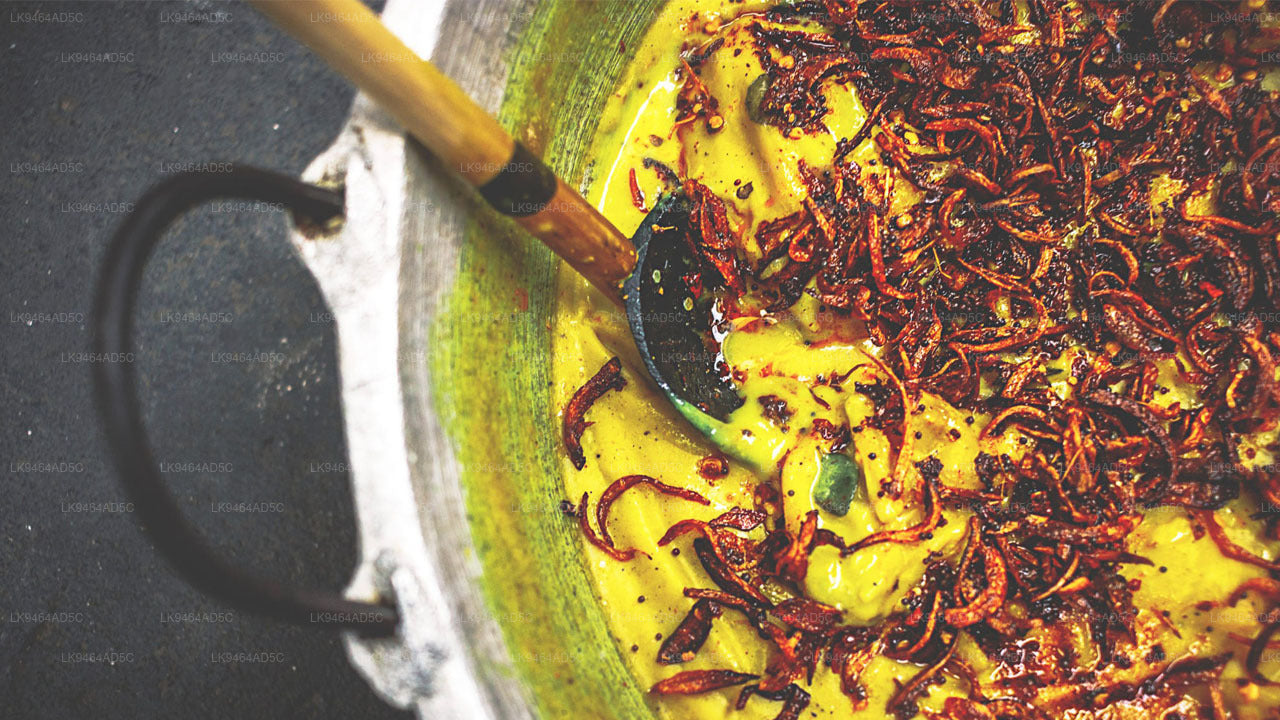
The most familiar preparation is haalmasso badun, a dry-fried dish in which the sprats are tossed in a wok or clay pot with sliced onion, garlic, green chili, dried red chili, and a handful of fresh curry leaves. The fish crisp up quickly and coat themselves in the aromatics, producing something between a condiment and a side dish that pairs naturally with rice and curry. A squeeze of lime added at the end lifts the whole dish.

Beyond badun, dried sprats appear in several other classic recipes:

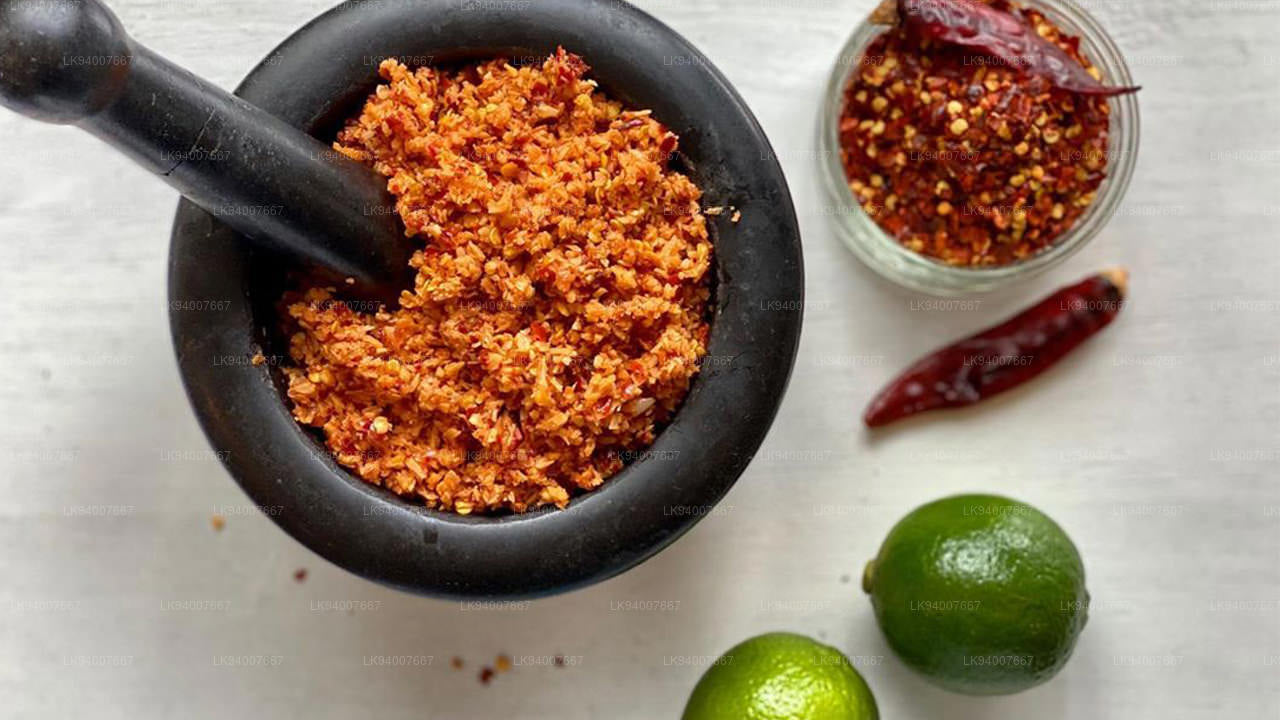
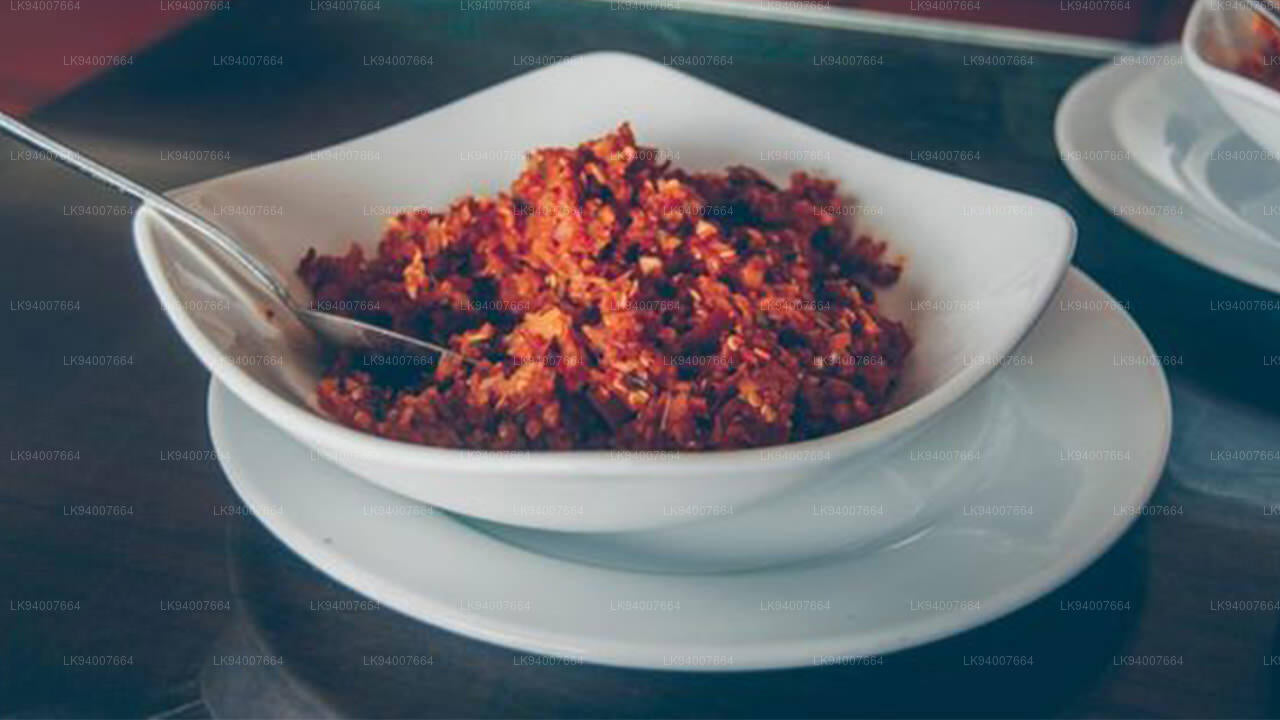
  • Sambol: Sprats are ground or roughly pounded with dried chili, lime juice, and Maldive fish flakes to make a coarse, intensely savory relish.
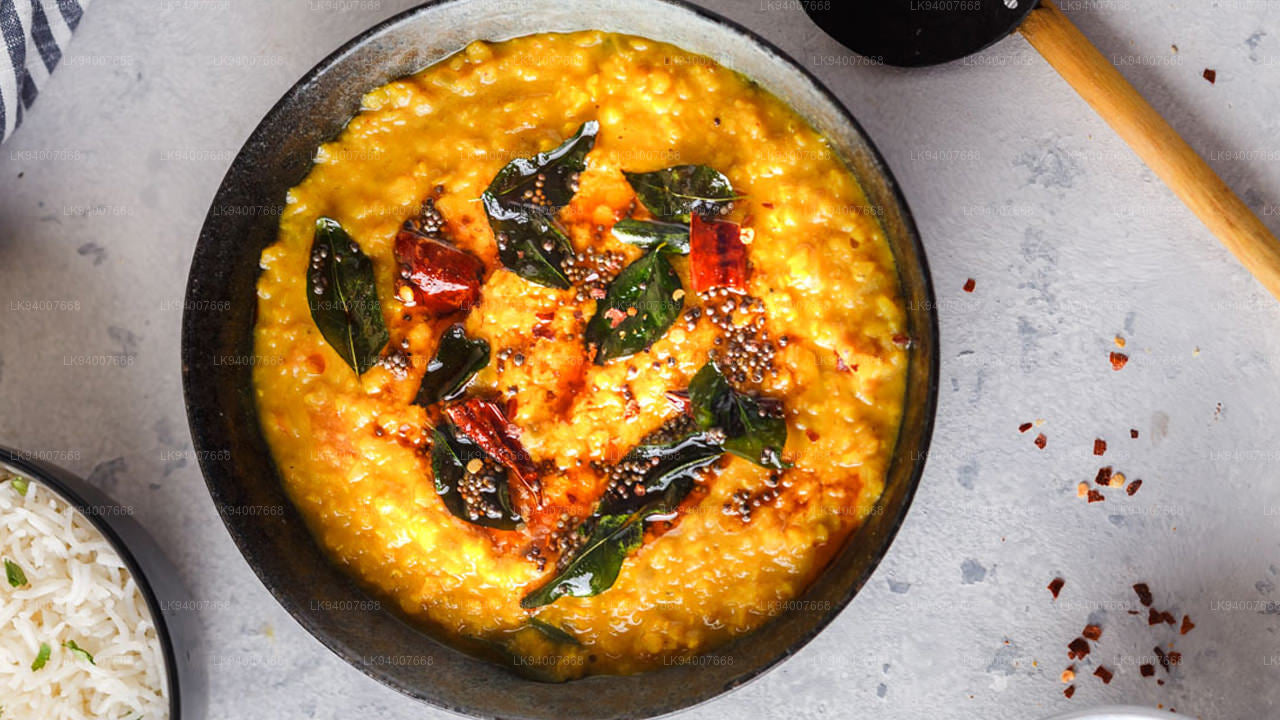
  • Dal and lentil dishes: A small handful of dried sprats added during cooking gives lentil curries a rounded, fishy backbone without overwhelming the legumes.
  • Pol sambol variations: Some cooks stir fried sprats into coconut-based sambols for added protein and crunch.
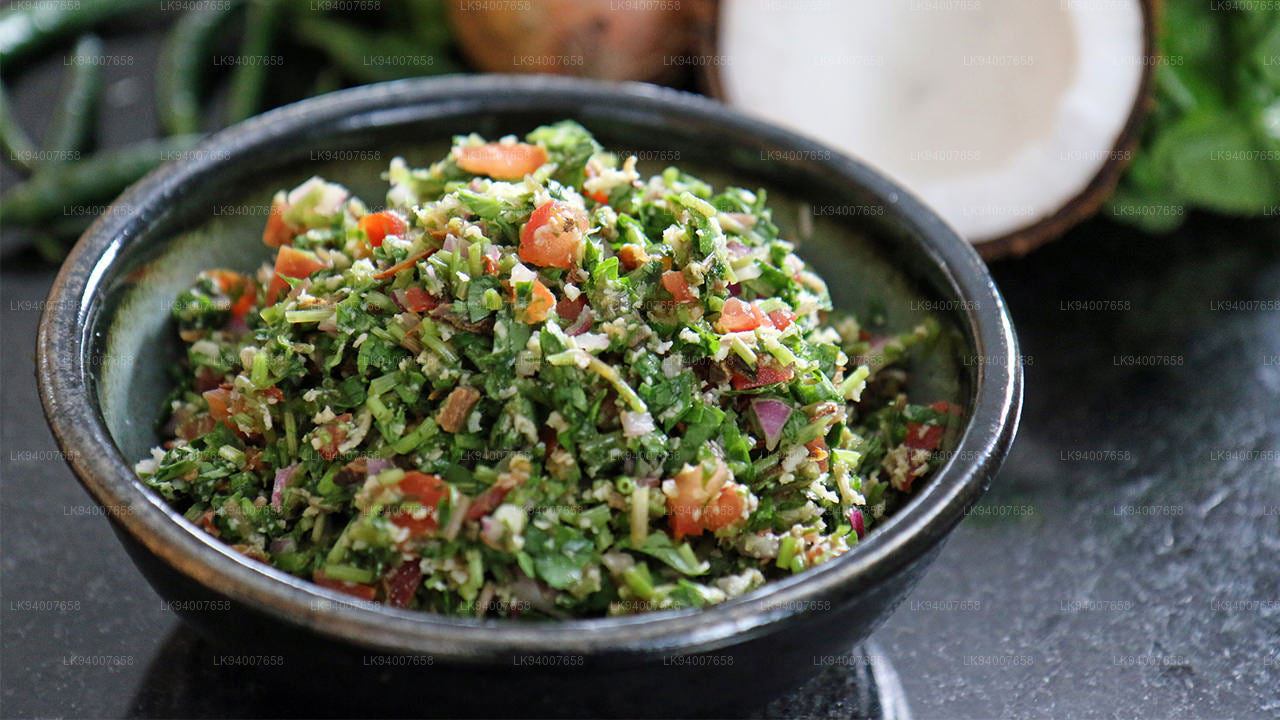
  • Mallum: Chopped and mixed through leafy green mallums, sprats provide a salty counterpoint to the bitterness of greens like gotukola or mukunuwenna.

Because the fish are consumed whole — bones included — even a small serving delivers a dense nutritional hit. This makes dried sprats one of the more efficient protein sources in the traditional Sri Lankan diet, particularly in coastal and rural areas.

What nutritional benefits do dried sprats offer?

Dried sprats are a concentrated source of several key nutrients. The drying process removes water but retains virtually all of the fish's protein, fat, and mineral content, so what remains is remarkably nutrient-dense relative to its weight.

  • Protein: Sprats are a complete protein source, supplying all essential amino acids.
  • Omega-3 fatty acids: As oily fish, they contain EPA and DHA, the long-chain omega-3s associated with cardiovascular and cognitive health.
  • Calcium and phosphorus: Eating the small, softened bones provides calcium in quantities comparable to dairy, which is particularly valuable in diets where dairy is limited.
  • Vitamin D and B12: Both are present in meaningful amounts and are commonly under-supplied in plant-heavy diets.
  • Iron and zinc: These trace minerals support immune function and energy metabolism.

Because they require no refrigeration before opening and have a shelf life of many months, dried sprats are also a practical food-security ingredient — one reason they have remained central to Sri Lankan home cooking long after modern preservation methods became widely available.

Where are Sri Lankan dried sprats produced?

The main production areas are concentrated along the northwest and southern coasts of the island, where small-boat fishing fleets operate close to shore. Districts around Negombo, Chilaw, Mannar, and the southern coast near Matara and Hambantota are traditionally associated with sprat drying. The Madu Ganga lagoon system in the south is part of a broader coastal ecosystem that supports small-scale artisanal fisheries of this kind.

Drying is largely a household or village-scale operation. Fish landed in the morning are cleaned, sometimes lightly salted, and spread to dry by mid-morning to catch peak sun. By late afternoon they are gathered, sorted, and bagged. During the dry season — roughly December to April on the west coast — conditions are ideal, and output is highest. Monsoon weather disrupts drying schedules and can affect both quality and supply, which is why prices sometimes fluctuate seasonally.

How do Sri Lankan dried sprats compare with other dried fish (karawala)?

Sri Lanka produces a wide range of dried and salted fish, collectively referred to as karawala. Sprats sit at the smaller, more delicate end of the spectrum. Unlike large dried fish such as barracuda or mackerel — which require soaking and extended cooking — sprats can go straight into the pan from the packet. Their small size means they cook in minutes, and they are far less salty than heavily cured karawala varieties.

Type Local name Preparation before cooking Typical use
Dried sprats Haalmasso None required (rinse optional) Stir-fry, sambol, dal
Dried sardinella Keeramin Brief soak recommended Curries, rice dishes
Dried mackerel Linna Soak 20–30 minutes Thick curries, slow-cooked dishes
Dried barracuda Jeelawa Soak, then rinse Robust curries, rice accompaniments

How should dried sprats be stored at home?

Properly dried sprats keep well at room temperature in a sealed container, away from direct sunlight and moisture. An airtight glass jar or a zip-lock pouch in a cool cupboard is sufficient for several months. In humid climates — including most of Sri Lanka for much of the year — refrigerating an opened pack is advisable to prevent the residual fat in the fish from turning rancid. Freezing extends the shelf life further without meaningfully affecting flavor or texture.

When buying, look for fish that are uniformly dry, pale gold to light brown in color, and free of any musty or strongly rancid smell. A clean, sea-salt aroma with a pleasant fishiness is the sign of a well-dried batch.

Are Sri Lankan dried sprats available outside Sri Lanka?

Yes. Sri Lankan dried sprats are exported to markets across the Middle East, Europe, Australia, and North America, largely through South Asian grocery networks. The headless variety is more common in export packs, partly for hygiene reasons and partly because it is more convenient for cooking. Interest in dried sprats has grown modestly in recent years alongside broader consumer interest in nutrient-dense, shelf-stable, and sustainably sourced seafood. Sri Lanka's artisanal drying methods — lower energy input, minimal processing, whole-fish utilization — align reasonably well with that consumer interest, even if formal sustainability certifications remain rare at the small-fleet level.

Book this experience with Lakpura

Curated by our local team. Direct booking, instant confirmation.

Ask Lakpura® Agent