Colombo City
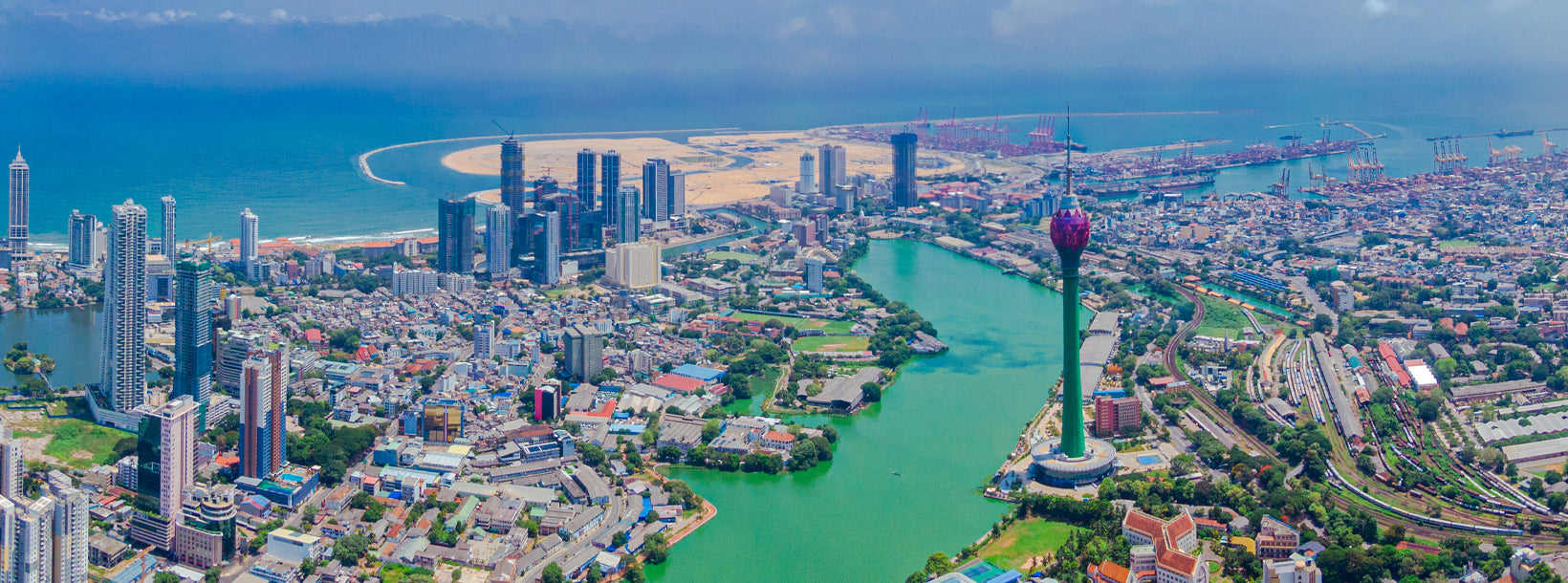
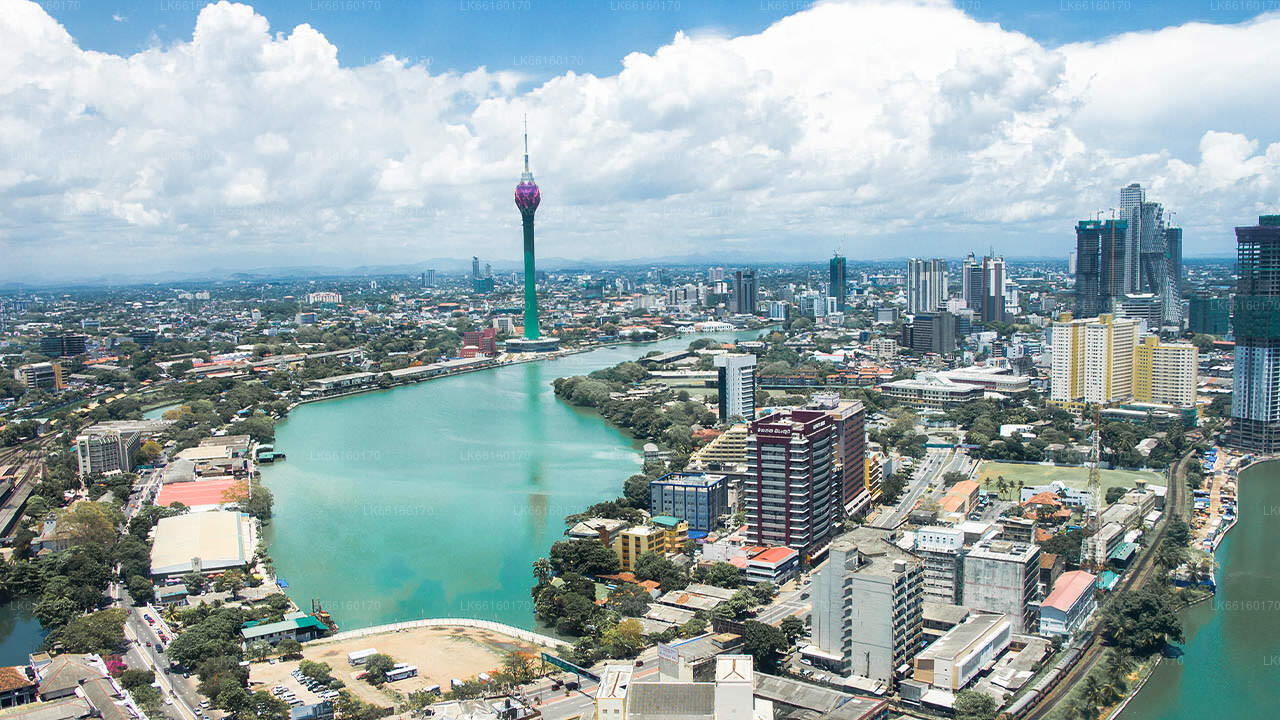
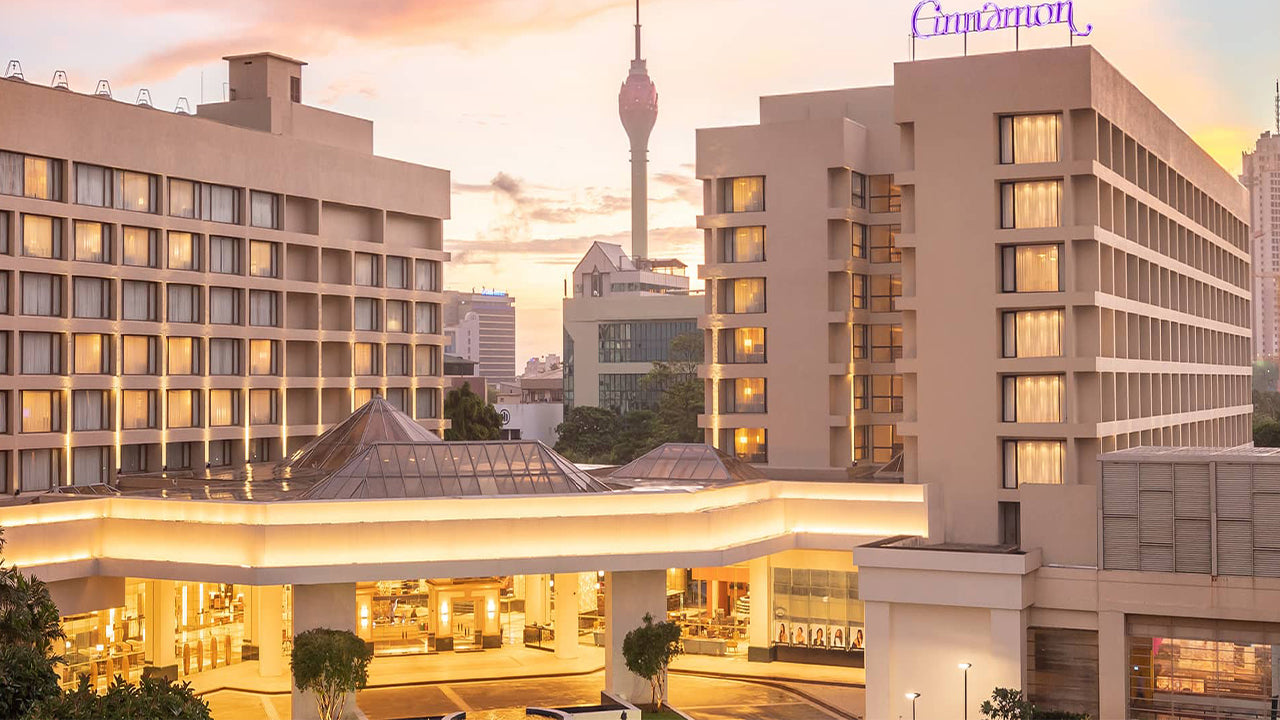
Colombo, the capital of Sri Lanka, is a dynamic city blending tradition and modernity. It showcases colonial architecture, lively markets, and serene Buddhist temples. With diverse cuisine, a growing skyline, and beautiful beaches, it's a vibrant hub for business, culture, and tourism, offering a gateway to explore Sri Lanka's wonders.
Bandaranaike Memorial International Conference Hall
The Backstory
Over half a century ago, Solomon West Ridgeway Dias Bandaranaike (most commonly known as SWRD Bandaranaike) oversaw Sri Lanka as its fourth Prime Minister from 1956 until his assassination in 1959. He brought into effect several new laws. However, his most famous achievement is the foreign policy that he created.
During his career in politics, in 1953 even before he came to power, Mr. Bandaranaike stated that “I say, for heaven’s sake, be friendly with England or America or anybody else, but do not commit yourself to any one of them…….. As far as I can see, the wisest foreign policy that is being followed in the world today by any leading statesman is that of Pandith Jawaharlal Nehru….”. His views continued as he rose into his seat of power. His very first policy change as the Prime Minister of Ceylon, which was read by the Governor-General on April 20, 1956, stated that: “In its foreign policy, my Government will not align with any power blocs. The position of bases at Katunayake and Trincomalee will be reviewed…… consideration will be given to exchange of diplomatic representatives with countries in which Ceylon is not at present represented”. The policy change was not in words only, and over the next three years, the actions of the Prime Minister reflected how such a policy could be achieved. On his death, many foreign countries grieved the loss of such a brilliant personality.
The Construction
In 1970, approximately 10 years after his passing; his wife Sirimavo Bandaranaike, who had gone on to become the first stateswoman in the world, was then in her second term of office as Prime Minister. At that time she decided to honor her late husband, Prime Minister SWRD Bandaranaike, for the excellent foreign policy that he had created which in turn helped protect Sri Lanka and bring it into the international arena. A decision was reached that any monument constructed in honor, should have a direct connection to International Relations. As no conference halls were available in Sri Lanka at the time with international level facilities, this was taken up as the project.
The People’s Republic of China donated LKR 35 Million towards the construction of BMICH as a gift to the people of Sri Lanka. A land of over 40 acres was identified for the construction, right in the center of Colombo. With everything ready and set to go, the construction of BMICH was initiated at 4 pm on November 24th, 1970 under the patronage of the Prime Minister at the time – Mrs. Sirimavo Bandaranaike, Minister of Housing – Mr. Peter Keuneman, and the Ambassador of China. As the construction costs were donated by China; the crew consisted of a joint Sri Lankan and Chinese workforce of 2000 people, with a considerable portion of the building materials being imported from China.
On 17th May 1973, the construction was completed and entrusted to the Sri Lankan Government. It became an iconic landmark in the heart of the city; stretched across a lush plantation of 40 acres with a monumental Convention Centre with the best international facilities in South Asia, beautifully decorated with water fountains and colorful floral gardens.
The Rise of BMICH
Over the years a number of iconic international events were held at the Band
About Colombo District
Colombo is the largest city and commercial capital of Sri Lanka. It is located on the west coast of the island and adjacent to Sri Jayewardenepura Kotte, the capital city of Sri Lanka. Colombo is a busy and vibrant city with a mixture of modern life and colonial buildings and ruins and a city population of 647,100.The Colombo Metropolitan Region, defined by the districts of Colombo, Gampaha and Kalutara, has an estimated population of 5,648,000, and covers an area of 3,694.20 km²
Colombo is a multi-ethnic, multi-cultural city. It is the most populous city in Sri Lanka, with 642,163 people living within the city limits. The population of Colombo is a mix of numerous ethnic groups, mainly Sinhalese, Moors and Tamils. There are also small communities of people with Chinese, Portuguese, Dutch, Malay and Indian origins living in the city, as well as numerous European expatriates.

The great majority of Sri Lankan corporations have their head offices in Colombo. Some of the industries include chemicals, textiles, glass, cement, leather goods, furniture, and jewellery. In the city center is located South Asia's second tallest building - The World Trade Centre.
About Western Province
The Western Province is the most densely populated province of Sri Lanka. It is home to the legislative capital Sri Jayawardenepura Kotte as well to Colombo, the nation's administrative and business center. Western Province is divided into 3 main districts called Colombo (642 km²), Gampaha (1,386.6 km²) and Kalutara (1,606 km²) districts. As Sri Lanka's economic hub, all the major local and international corporations have their presence in the city and so do all the major designer and high street retailers, so be ready to indulge in some retail therapy in western province.
Having the highest population in the all the provinces, the almost all the premier educational institutions in the island are located in western province. Universities in the province include the University of Colombo, the University of Sri Jayewardenepura, University of Kelaniya, Open University, Sri Lanka, Buddhist and Pali University of Sri Lanka, General Sir John Kotelawala Defence University and University of Moratuwa .Western province has the largest amount of schools in the country, which includes National, Provincial, Private and International schools.