Shankari Devi Shakthi Peetam

Shankari Devi Shakthi Peetam Shankari Devi Shakthi Peetam Shankari Devi Shakthi Peetam

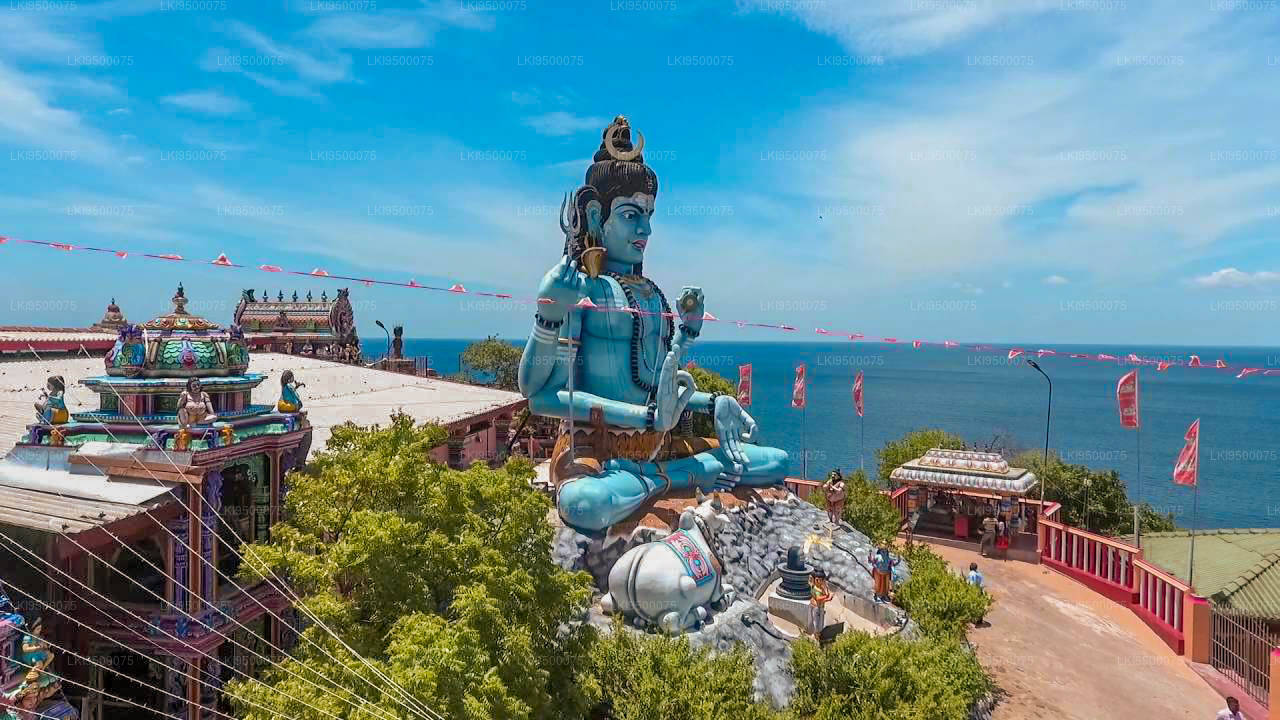
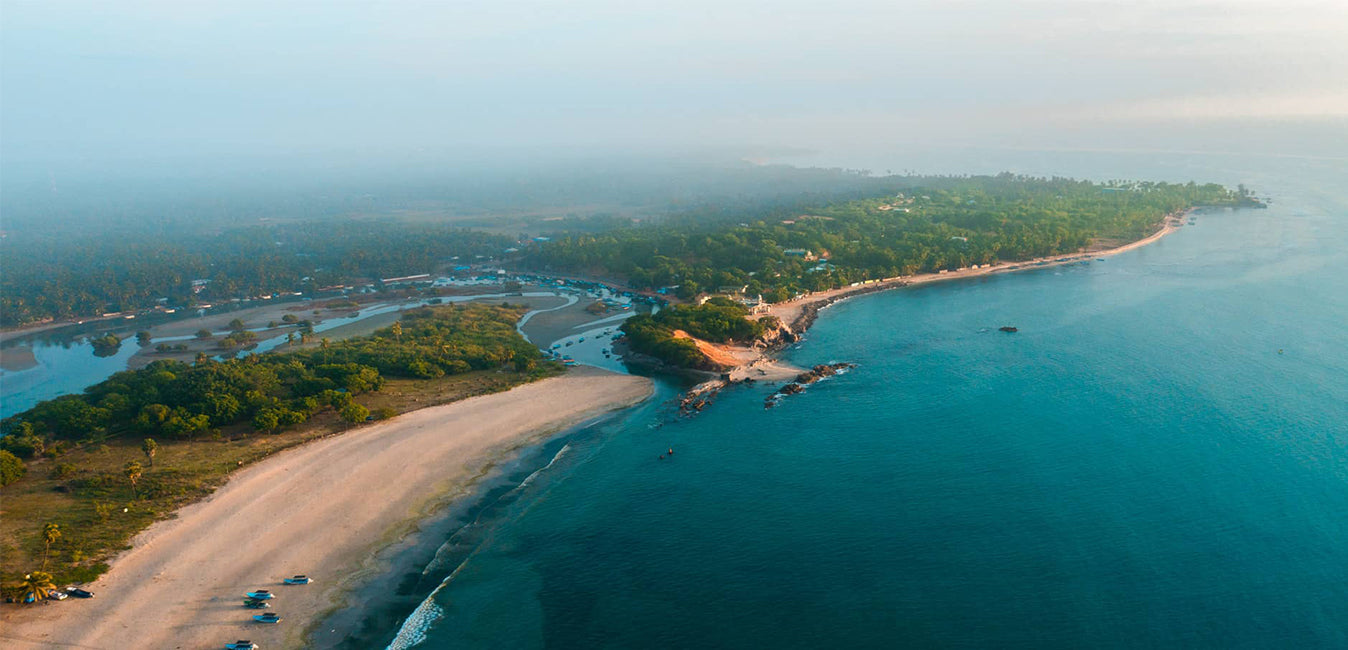
Shankari Devi temple in Tricomalee, Srilanka is a prominent temple for Hindus. But, it is most rarely visited and it is very least popular in all AstavaDasha Shakti peethas. Shanakri Devi Temple is situated in an east coast town of Srilanka, Tricomalee (Tri – Cona – Malai = a triangular hill).

Along with the temple of Shaankari Devi, there is a temple of Lord Shiva – TRIKONESHWARA Temple.

Portuguese people demolished these temples in 17th century.

About Temple

Koneswaram temple also Thirukoneswaram is a Hindu temple which is located in the town Trincomalee, Sri Lanka. It is dedicated to main deity in Shaivism namely Lord Siva and is one of the five ancient Sivan templearound the island.

Trincomalee is a natural deep-water harbor that attracted great sea farers like Marco Polo, Ptolemy and sea traders from China and East Asia from the ancient times. The local name Thirukonamalai means "Holy East Hill". Kona is a derivative of the 1st Century Tamil word Kuna meaning East. Trinco as it is commonly called has been a sea port since the days of the ancient Kings and one of the British Empire's most important ports in Asia during the second world war. From 1941-45, Trinco had been the headquarters of Lord Louis Mountbatten Allied Southeast Asia commander. The Koneswaram temple is believed to have been a major religious shrine since before the arrival of Prince Vijaya 2500 years ago. Many inscriptions found in the surrounding area speak of Indian Pallava, Chola and even Pandya kings making contributions to the upkeep of the temple indicating an origin in antiquity. Local legend has it that it was renovated by a Tamil Chola king from South India named Kulakottan. This temple is one of the four important Saivite temple connected to the revival of Hinduism in Sri Lanka. The other three temples are situated in Ketheeswaram, Munneswaram and Galle

There is evidence that indicates at least some of the later Sinhalese Buddhist kings too maintained the temple although Buddhist King Mahasena was reported to have destroyed it and built a Buddhist temple and Dagoba in its place.

This shrine was demolished in 1622 by the Portuguese (who called it the Temple of a Thousand Columns), who fortified the heights with the materials derived from its destruction. Some of the artefacts from the demolished temple were kept in the Lisbon Museum. The stone inscription by Kulakottan has a dual fish emblem and is engraved with a prophesy stating that after 1500s, westerners with different eye colors will rule the country for the ensuing 500 years and at the end of it, the rule will revert back to Vadugus. Trincomalee was next held by the Dutch and subsequently by them and the French alternately, till the capture of Sri Lanka by the British in 1795.

The hill face is rugged and is called 'Ravanan Veddu'. As Trinco is full of seismic and volcanic activity as seen in Kanniya Hot Springs area, this rugged face of rock is a reminder of the movement of Earth's crust in this ar

Over het district Trincomalee

Trincomalee is een havenstad aan de oostkust van Sri Lanka. De haven van de Baai van Trincomalee staat bekend om zijn grote omvang en veiligheid; in tegenstelling tot alle andere havens in de Indische Zee is deze toegankelijk voor alle soorten vaartuigen, ongeacht het weer. De stranden worden gebruikt om te surfen, duiken, vissen en walvissen te spotten. De stad heeft ook het grootste Nederlandse fort van Sri Lanka. Het herbergt grote Sri Lankaanse marinebases en een Sri Lankaanse luchtmachtbasis.

De meeste Tamils ​​en Singalezen geloven dat deze plek heilig voor hen is en dat zij de inheemse bevolking van het gebied zijn. Trincomalee en omgeving hebben zowel hindoeïstische als boeddhistische historische locaties. Deze locaties zijn heilig voor zowel hindoes als boeddhisten.

Over de Oostelijke Provincie

De Oostelijke Provincie is een van de 9 provincies van Sri Lanka. De provincies bestaan ​​al sinds de 19e eeuw, maar hadden pas in 1987 een wettelijke status toen het 13e amendement op de grondwet van Sri Lanka uit 1978 provinciale raden instelde. Tussen 1988 en 2006 werd de provincie tijdelijk samengevoegd met de Noordelijke Provincie om de Noordoostelijke Provincie te vormen. De hoofdstad van de provincie is Trincomalee. De Oostelijke Provincie telde in 2007 1.460.939 inwoners. De provincie is de meest diverse provincie van Sri Lanka, zowel etnisch als religieus.

De Oostelijke Provincie heeft een oppervlakte van 9.996 vierkante kilometer (3.859,5 vierkante mijl). De provincie wordt in het noorden omringd door de Noordelijke Provincie, in het oosten door de Golf van Bengalen, in het zuiden door de Zuidelijke Provincie en in het westen door de provincies Uva, Centraal en Noord-Centraal. De kust van de provincie wordt gedomineerd door lagunes, waarvan de grootste de lagunes van Batticaloa, Kokkilai, Upaar en Ullakkalie zijn.