Districts
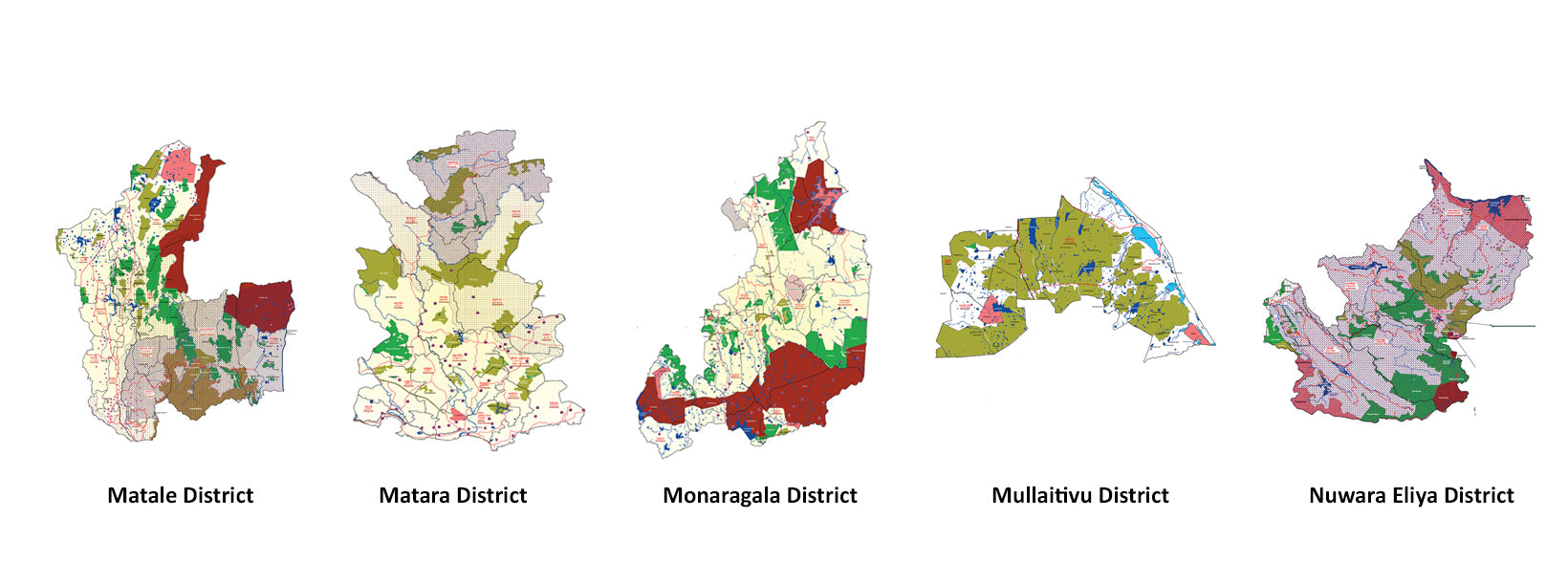
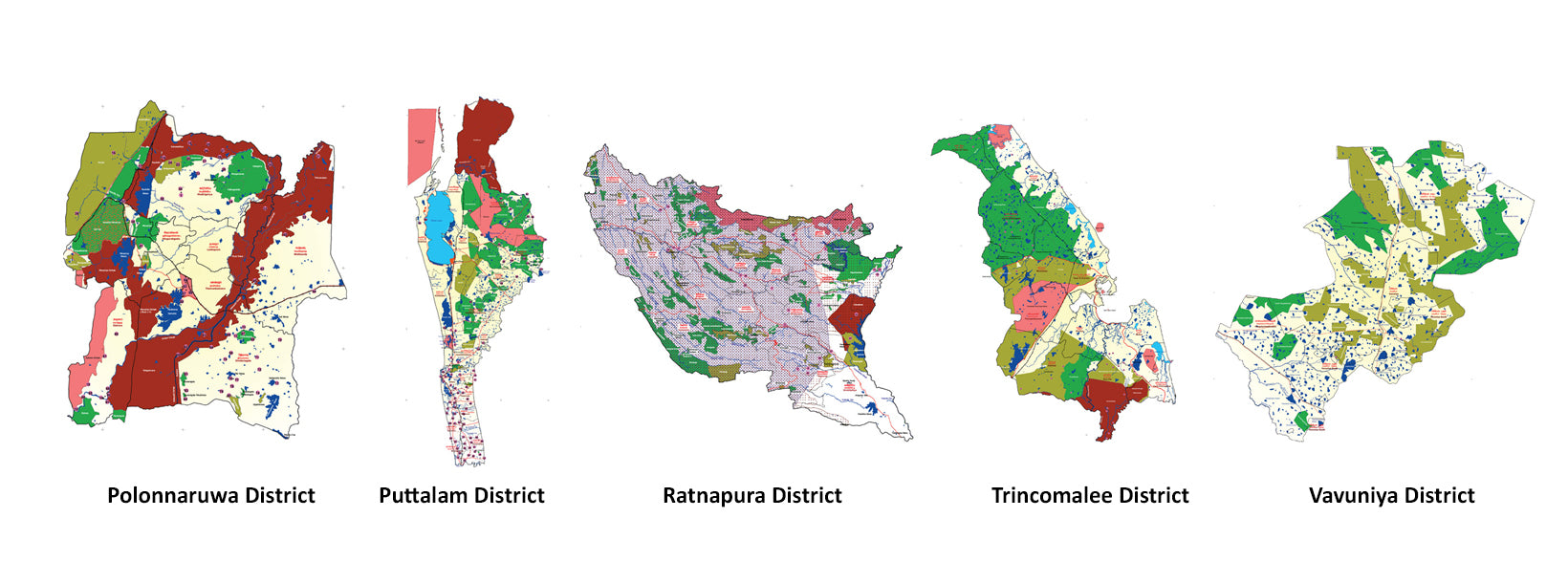
Sri Lanka is divided into 25 districts, each governed by a District Secretary and further subdivided into Divisional Secretariats and Grama Niladhari Divisions. These districts are organized into nine provinces, reflecting the island’s rich cultural and geographical diversity.
Districts
Sri Lanka is divided into 25 districts, each governed by a District Secretary and further subdivided into Divisional Secretariats and Grama Niladhari Divisions. These districts are organized into nine provinces, reflecting the island’s rich cultural and geographical diversity.
Districts
Sri Lanka is divided into 25 districts, each governed by a District Secretary and further subdivided into Divisional Secretariats and Grama Niladhari Divisions. These districts are organized into nine provinces, reflecting the island’s rich cultural and geographical diversity.
Districts
Sri Lanka is divided into 25 districts, each governed by a District Secretary and further subdivided into Divisional Secretariats and Grama Niladhari Divisions. These districts are organized into nine provinces, reflecting the island’s rich cultural and geographical diversity.
Districts
Sri Lanka is divided into 25 districts, each governed by a District Secretary and further subdivided into Divisional Secretariats and Grama Niladhari Divisions. These districts are organized into nine provinces, reflecting the island’s rich cultural and geographical diversity.
Galle district
Galle is een district in de Southern Province van Sri Lanka. Het is een van de 25 districten van Sri Lanka, de administratieve indeling op het tweede niveau van het land. Het district wordt bestuurd door een districtsecretariaat onder leiding van een districtsecretaris (voorheen bekend als een regeringagent), die wordt benoemd door de centrale overheid van Sri Lanka.
Het heeft een oppervlakte van 1.652 km² (638 vierkante mijl): 35 km² (14 vierkante mijl) is water en 1.617 km² (624 vierkante mijl) is land. Het district Galle wordt aan de noordkant begrensd door de Bentara-rivier, aan de zuid- en westkant door de Indische Oceaan en aan de oostkant door de districten Matara en Ratnapura. De topografie van het district Galle is zeer gevarieerd. Het klimaat van Hiniduma Patthuwa is erg vergelijkbaar met dat van de centrale berggebieden van Sri Lanka. Dit gebied bestaat uit regenwouden, die het wateropvanggebied zijn voor de meeste rivieren en meren die door het district Galle stromen. Het Sinharaja Forest Reserve is daar een van. Het district Galle ligt in een gematigd klimaatgebied.
De jaarlijkse neerslag ligt tussen de 2000 en 2500 mm. De Gin-rivier ("Gin Ganga") begint bij Gongala Hill in Hiniduma Patthuwa en stroomt in zijn lange reis van 113 km (70 mijl) door de gebieden van Neluwa, Thawalama, Nagoda Baddegama en Thelikada. De rivier voedt het land op een oppervlakte van 922 km² (356 vierkante mijl). De rivier stroomt uit in de Indische Oceaan in het Ginthota-gebied van Galle district. De Madu Ganga-rivier begint bij Polathu Kanda en stroomt naar de zee vanaf Balapitiya en helpt het ecologische evenwicht in het district Galle te behouden.
In het oude Sri Lanka had het district Galle een belangrijke plaats in de gevechten tegen vijanden als de hoofdstad van de Zuidelijke Provincie. Oude legendes onthullen dat koning Vijayabahu I in 1072 na Christus zijn strijd tegen de "Soli" begon in Thambalagamuwa van Hiniduma Patthuwa. Volgens de legendes, tijdens het bewind van koning Dambhadeniya Parakramabahu, voerde hij zijn strijd tegen koningin Sugala in het district Galle. Galle was een zeer belangrijk gebied tijdens het bewind van koning Maha Parakramabahu en het hielp de Nederlanders, Portugezen en Engelsen bij het vestigen van hun koninkrijken.
Galle werd "Gimhathitha" genoemd. De Singalese uitspraak "Gaala" is afgeleid van het woord "gala" (steen). Gala betekent de ontmoetingsplaats van oskarrets. Later werd het uitgesproken als "Gaala" omdat er grote rotsen en heuvels in het district waren.
Verschillende individuen uit het district Galle hebben belangrijke bijdragen geleverd aan de Singalese literatuur. Thotagamuwa Vijayaba pirivena, dat een beroemd onderwijsinstituut was in de Kotte periode, produceerde een groot aantal beroemde geleerden. Hikkaduwe Sri Sumangala Thera, Migettuwatte Gunananda Thera, Martin Wickramasinghe, Nandadasa Kodagoda, Edwin Ariyadasa, M. B. Ariyapala, Gunadasa Amarasekera, D. J. Wimalasurendra, Senarath Paranavithana, A. T. Ariyaratne en Ariyapala Gurunnanse zijn enkele van de beroemde bewoners van Galle.
Het Galle Literary Festival trekt elk jaar 3.000 mensen naar Galle in januari, en trekt schrijvers uit heel Zuid-Azië aan.
Districts of Sri Lanka
-
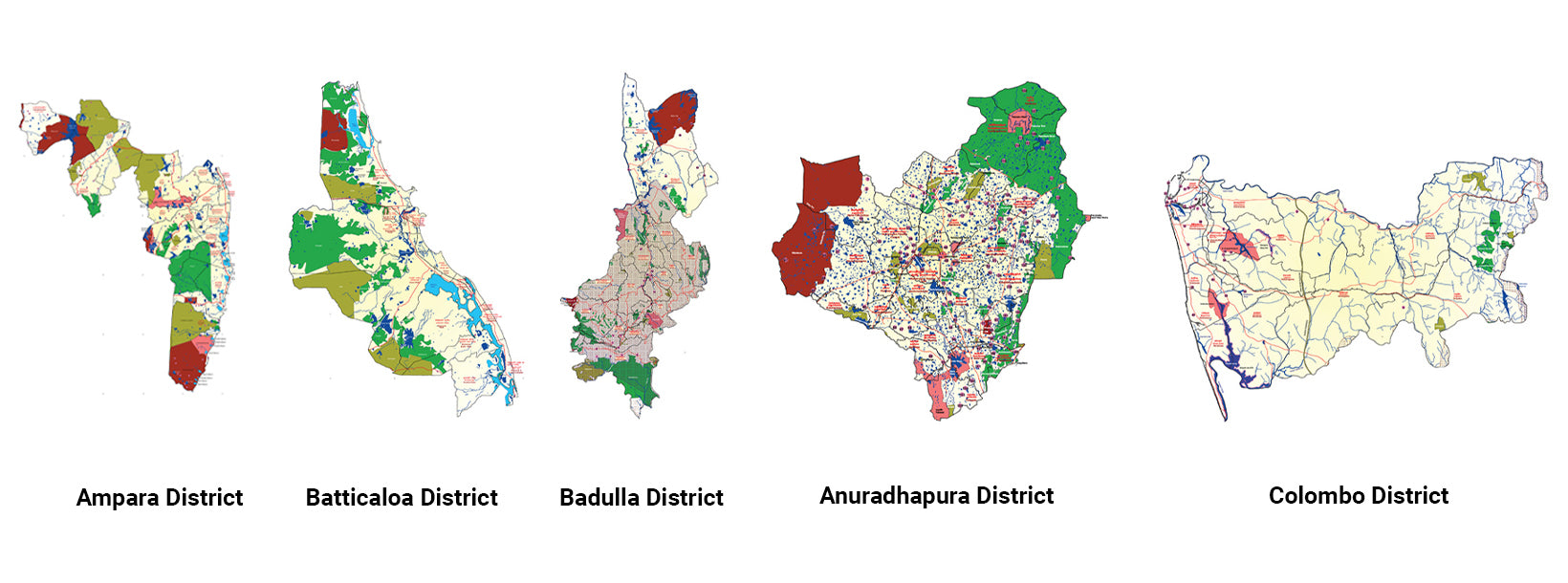
Ampara DistrictA district rich in agriculture, Ampara offers pristine beaches, historical Buddhist sites, and a diverse cultural landscape.
-
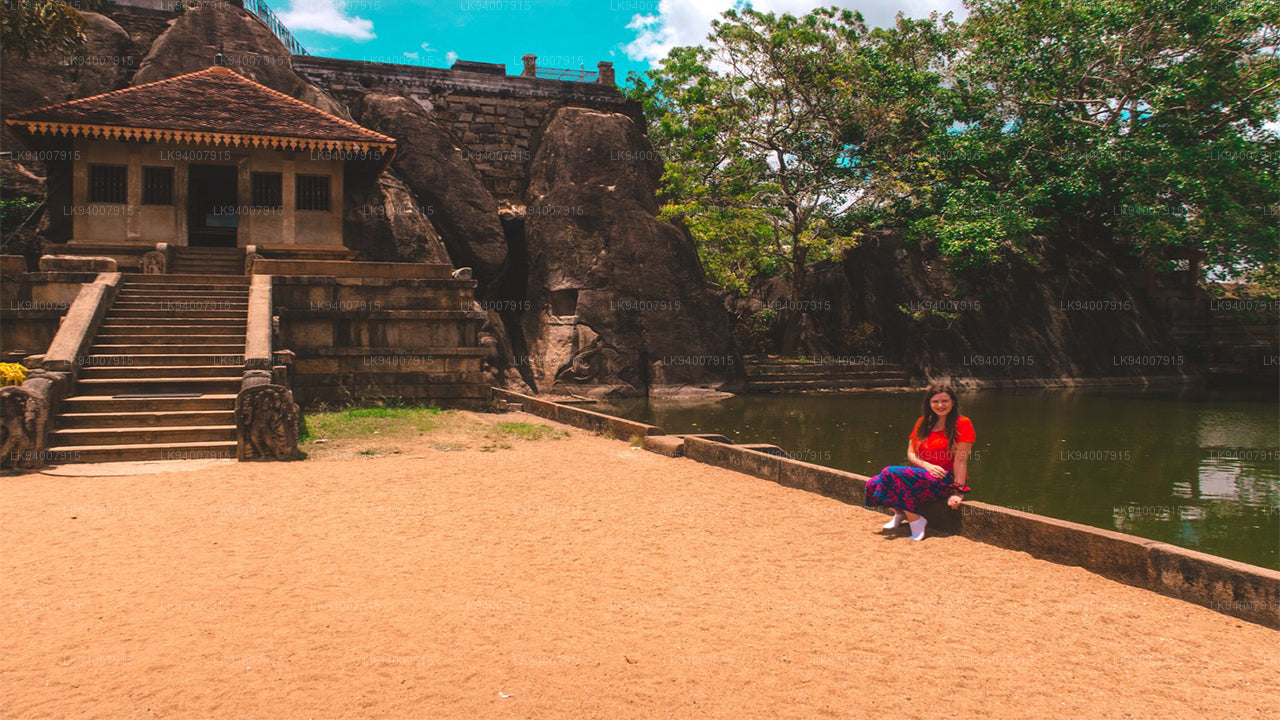
Anuradhapura DistrictOne of the ancient capitals, Anuradhapura is a UNESCO World Heritage Site, rich with historic Buddhist monuments and temples.
-
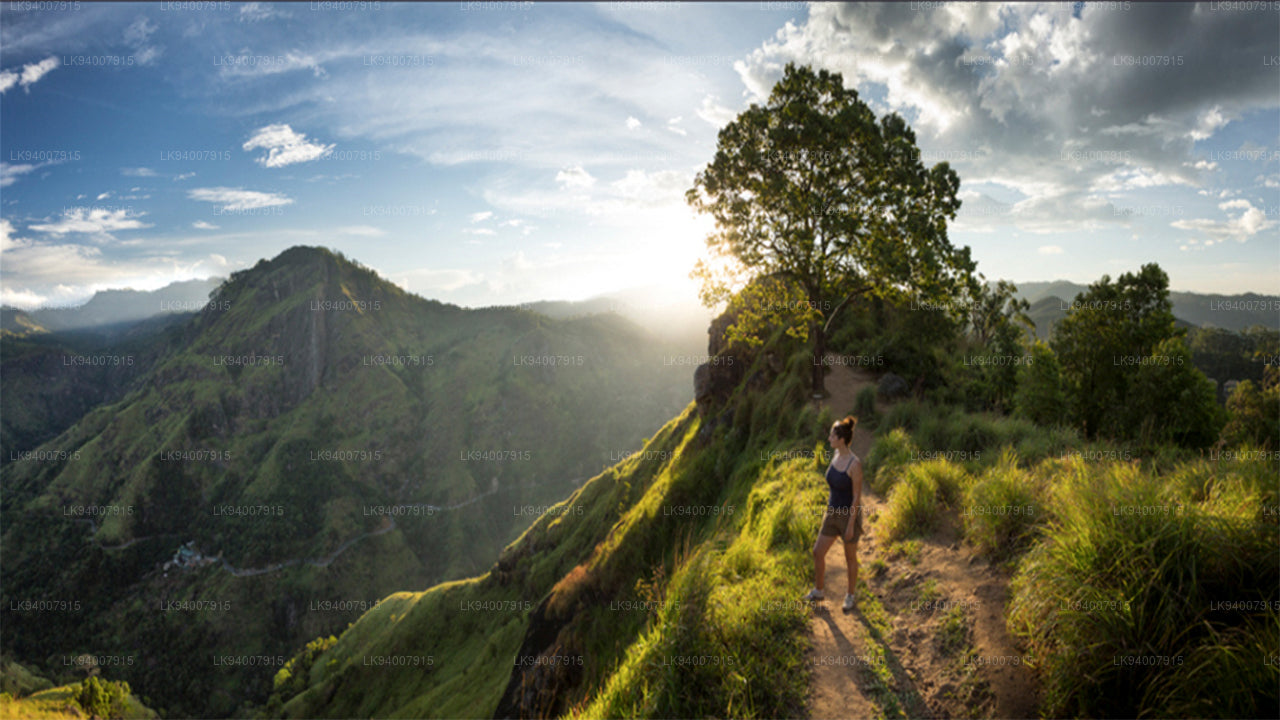
Badulla DistrictBadulla is a scenic district surrounded by mountains, tea plantations, and stunning waterfalls, offering a peaceful retreat.
-
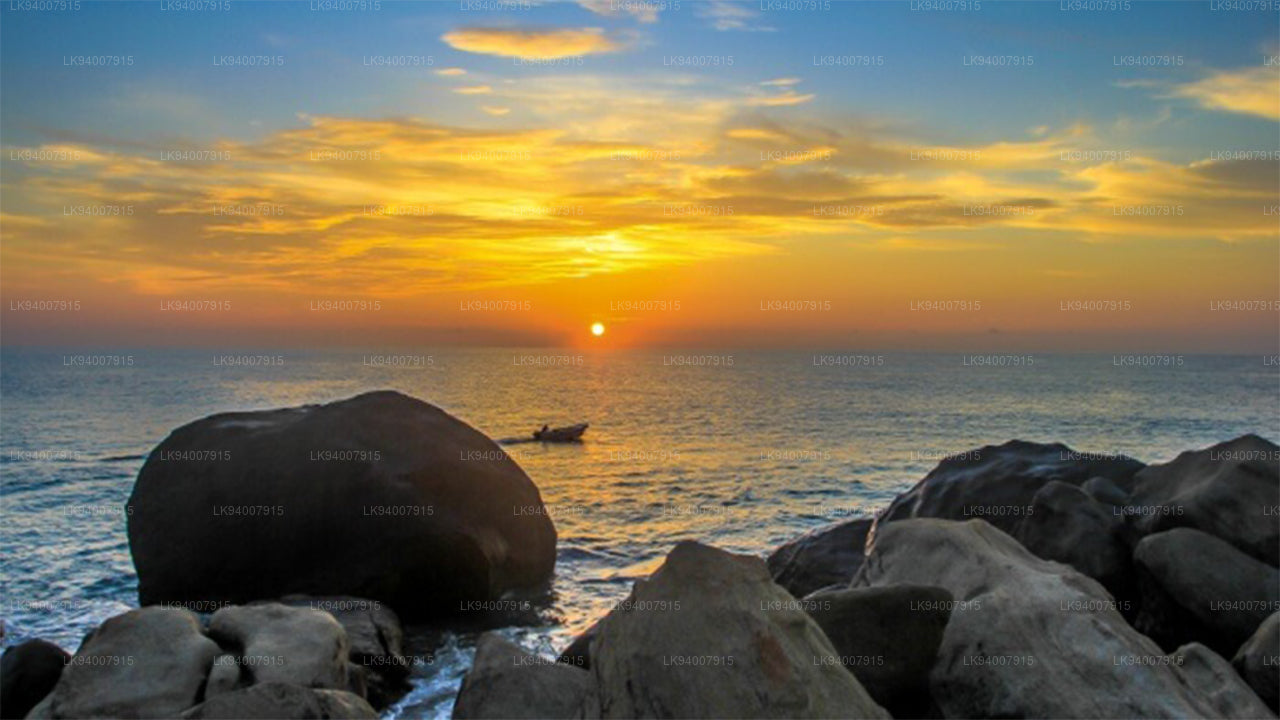
Batticaloa DistrictKnown for its lagoons and beaches, Batticaloa is a serene district with a rich blend of Tamil and Muslim culture.
-
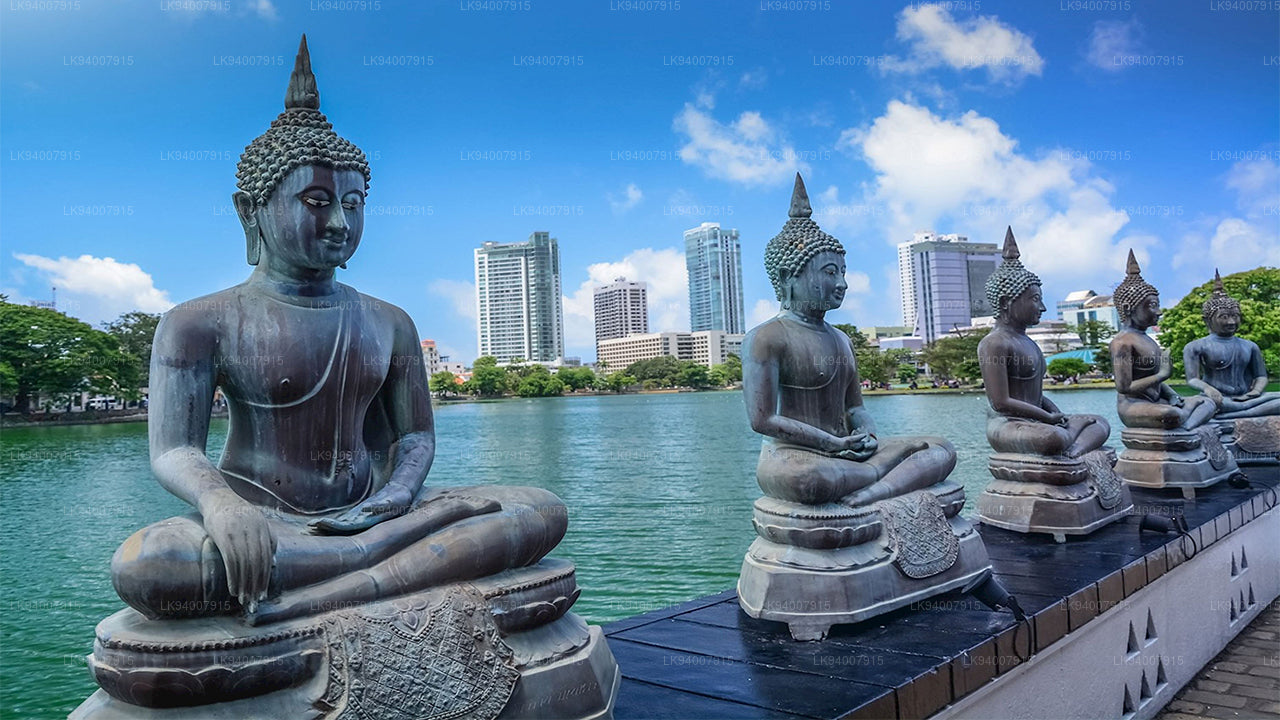
Colombo DistrictSri Lanka’s bustling commercial capital, Colombo is a vibrant metropolis known for its urban landscape, colonial architecture, and coastal beauty.
-
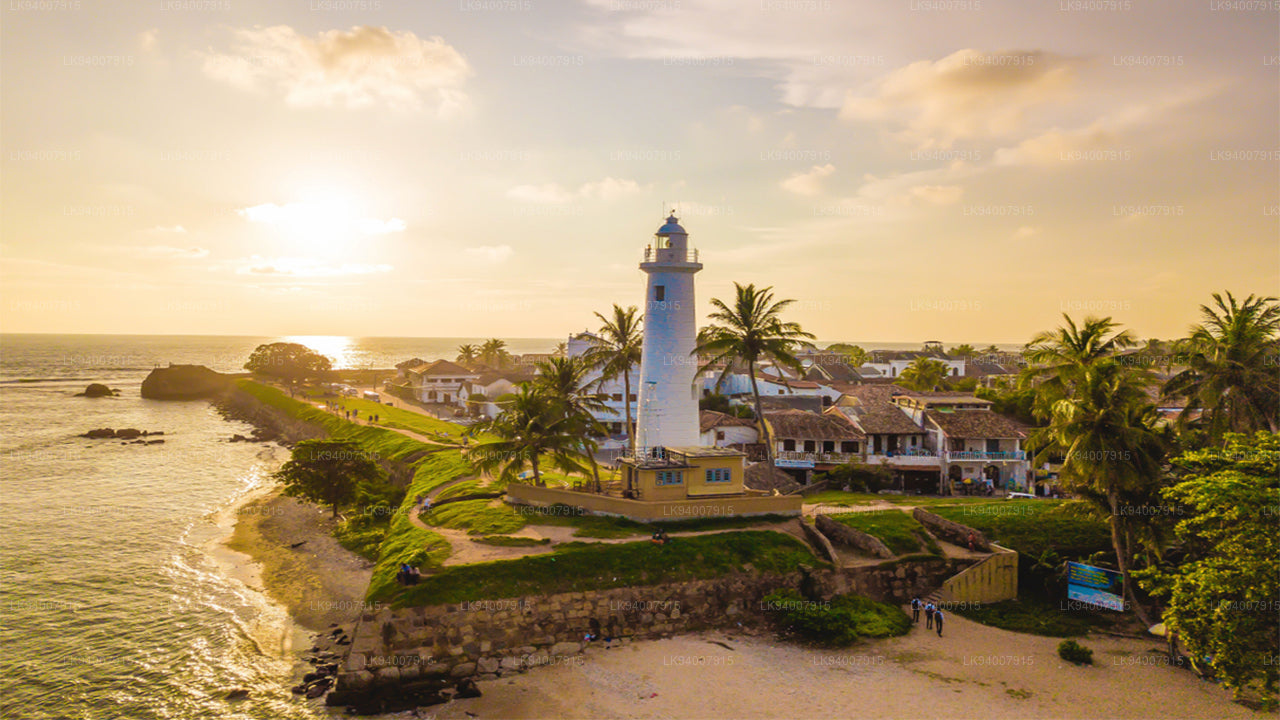
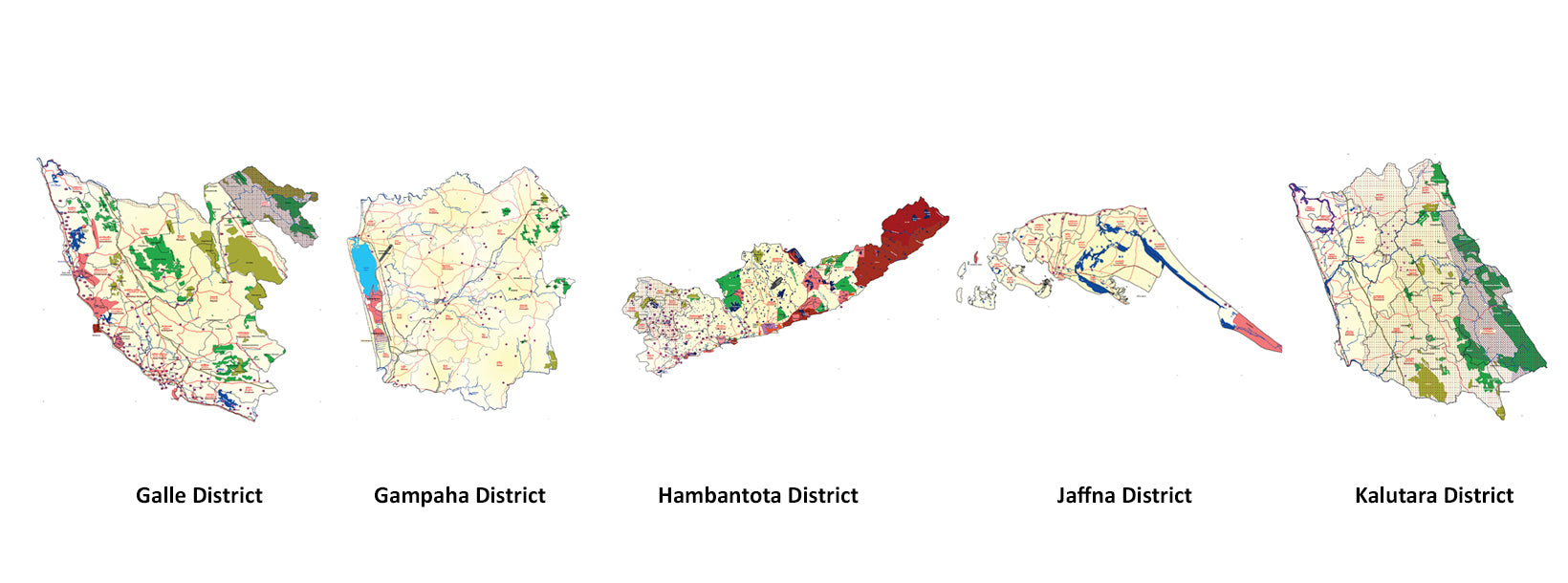
Galle DistrictA historic coastal district, Galle is famous for its UNESCO-listed Dutch Fort, pristine beaches, and rich colonial history.
-
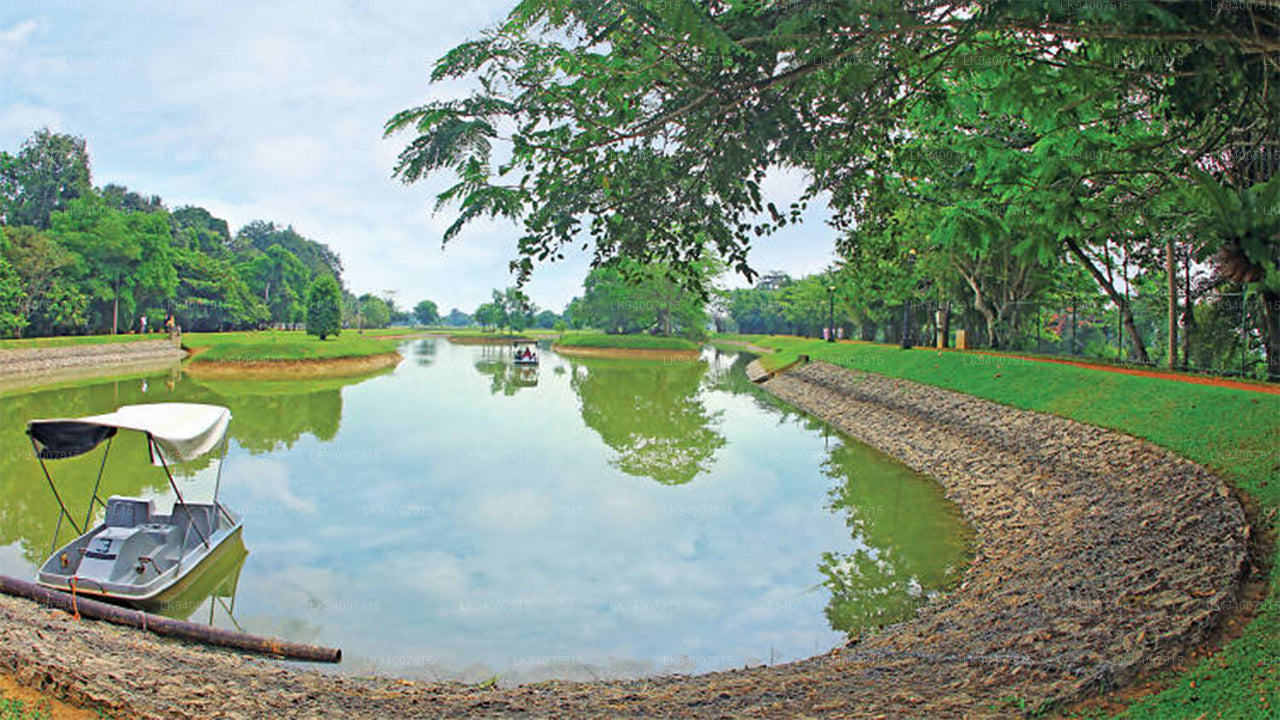
Gampaha DistrictA district blending urban and rural life, Gampaha is home to the Katunayake Airport and scenic beaches.
-
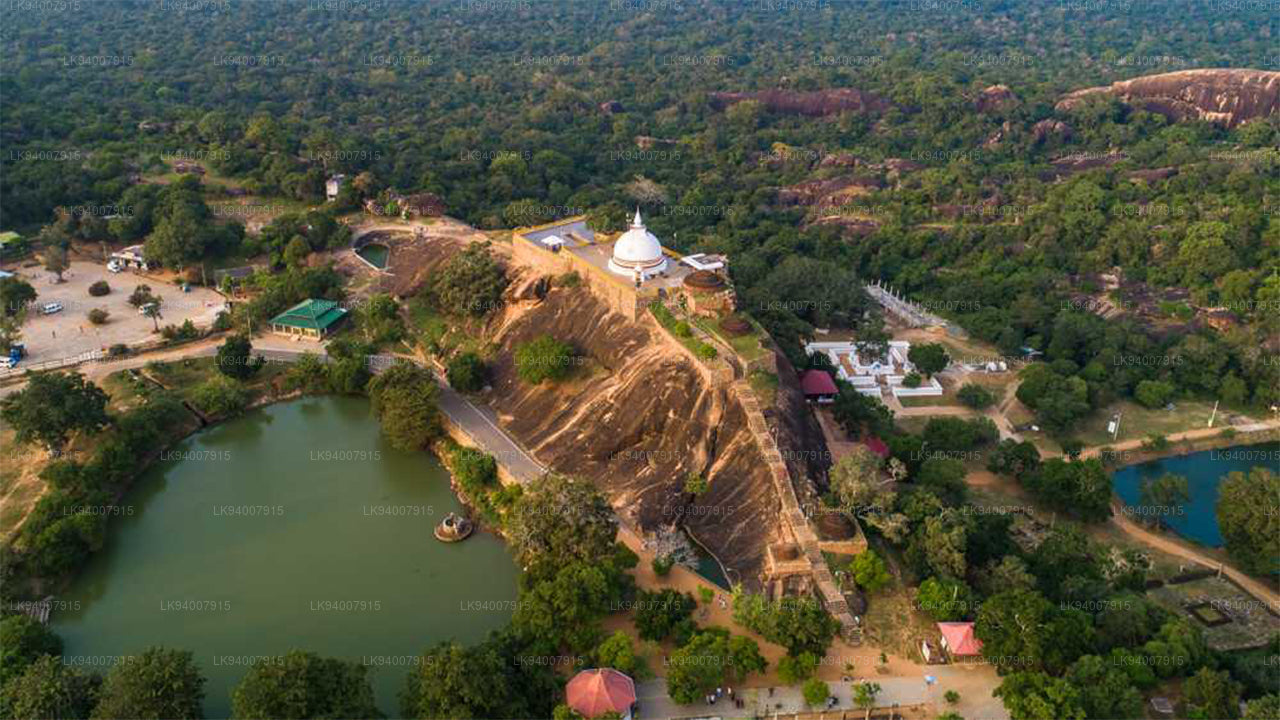
Hambantota DistrictKnown for its wildlife parks, including Yala and Bundala, Hambantota is a growing hub of development and eco-tourism.
-
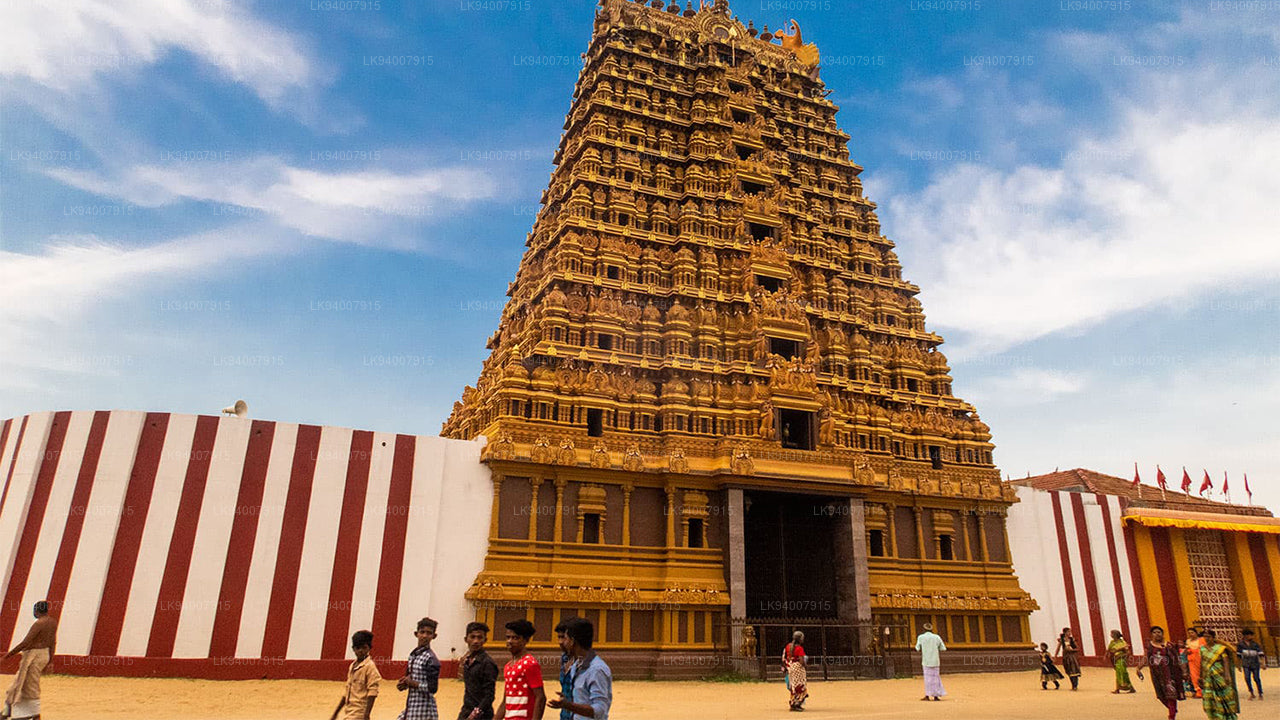
Jaffna DistrictThe cultural center of Tamil heritage, Jaffna is known for its historic temples, vibrant culture, and rich history.
-
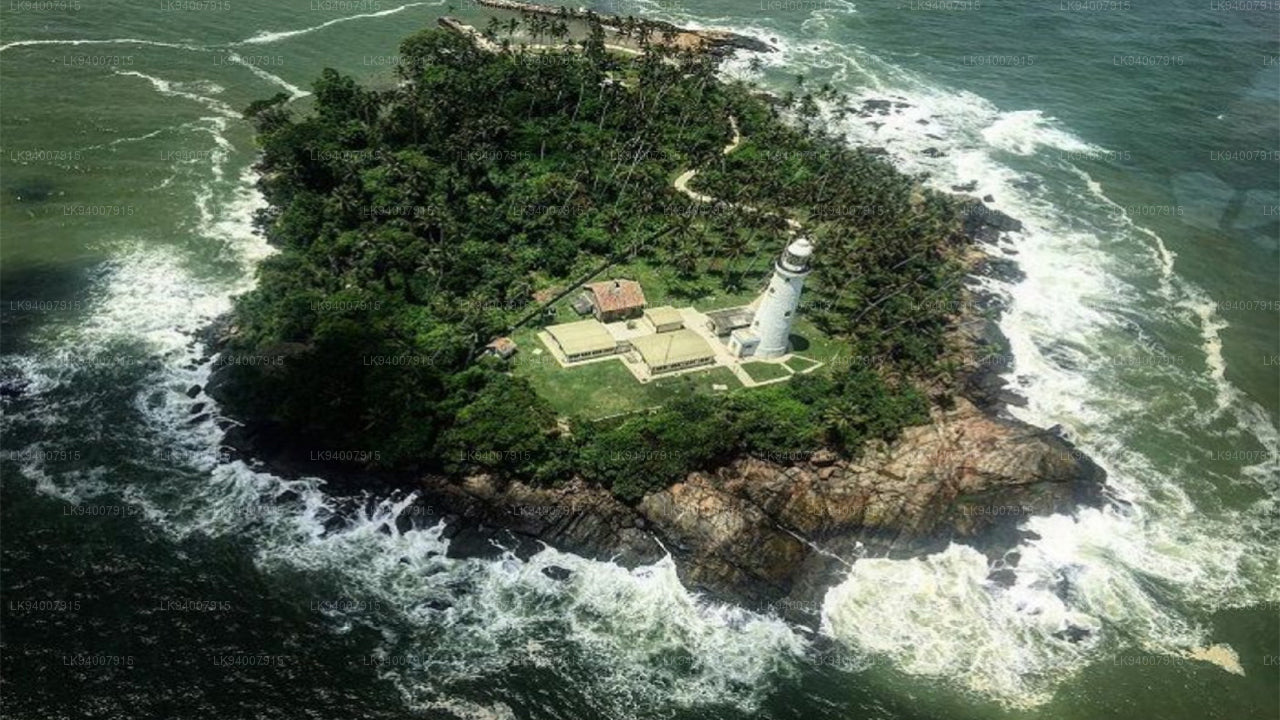
Kalutara DistrictKnown for its historic Kalutara Bodhiya and beautiful beaches, Kalutara offers coastal charm and religious significance.
-
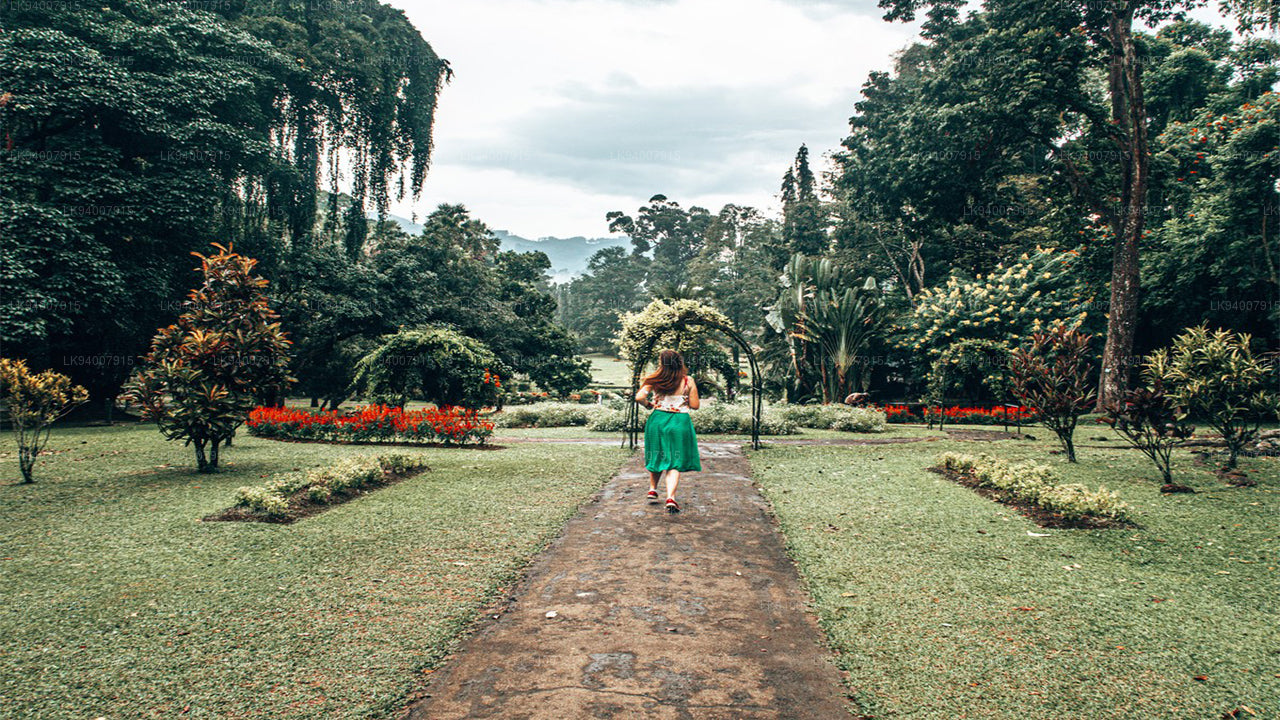
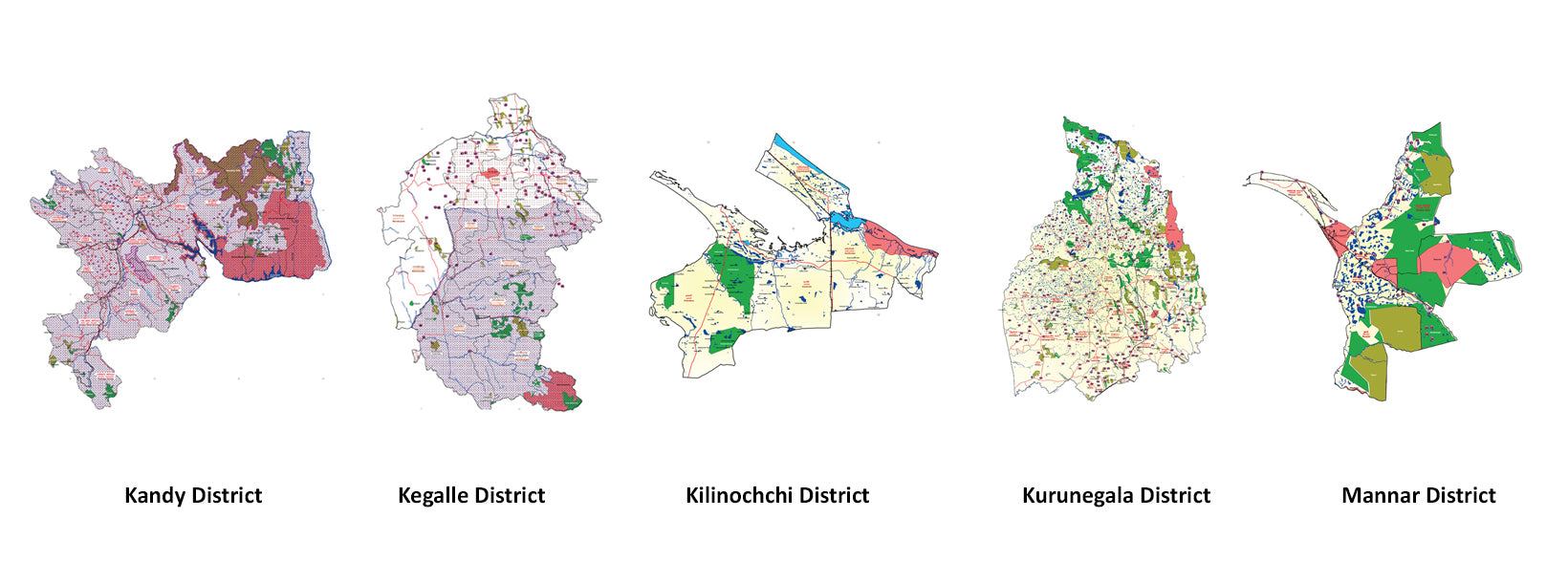
Kandy DistrictFamous for the Temple of the Tooth and its stunning lake, Kandy is the cultural heart of Sri Lanka and a UNESCO World Heritage Site.
-
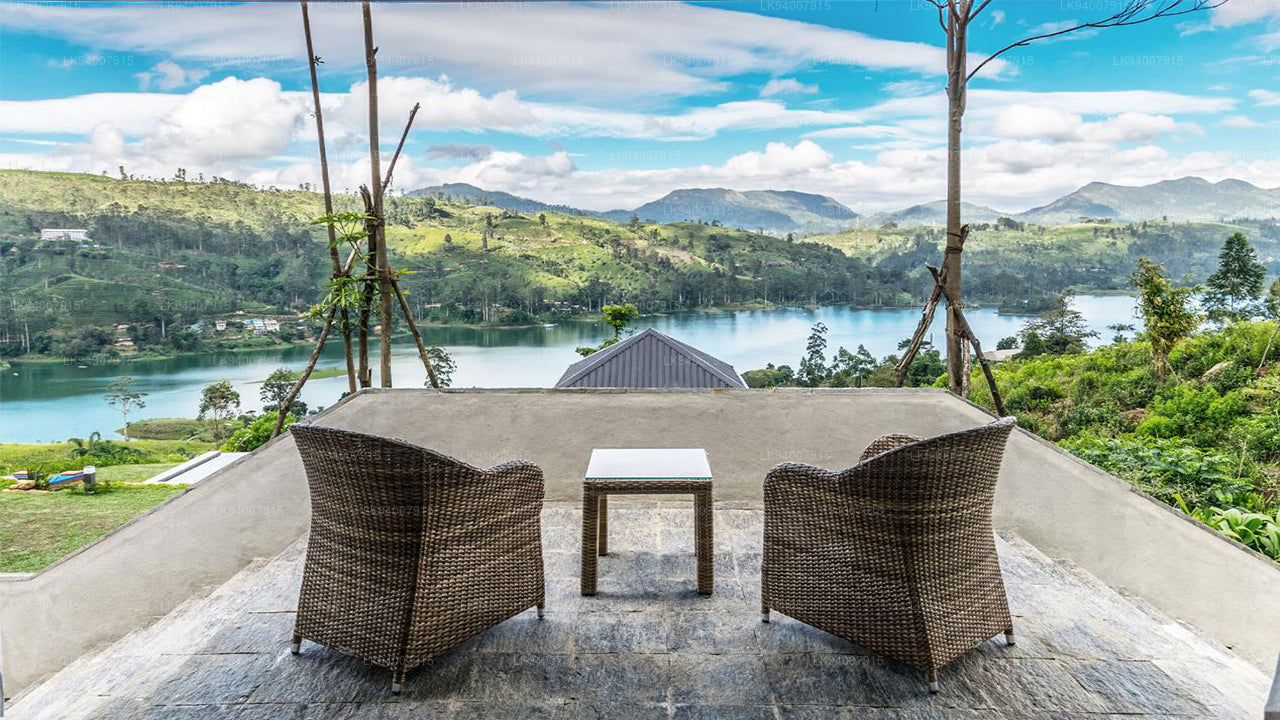
Kegalle DistrictKegalle is known for its rubber plantations and the Pinnawala Elephant Orphanage, a popular tourist attraction.
-
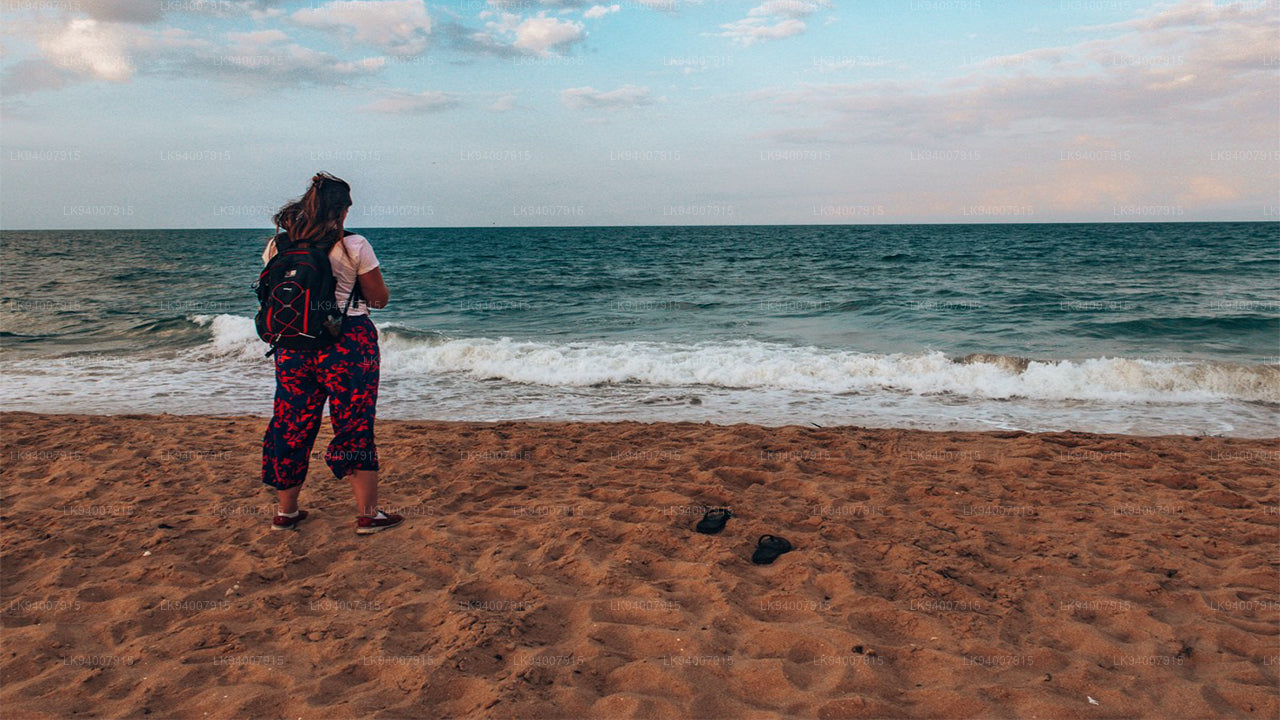
Kilinochchi DistrictA primarily agricultural district, Kilinochchi has seen rapid post-war development and is home to numerous water resources.
-
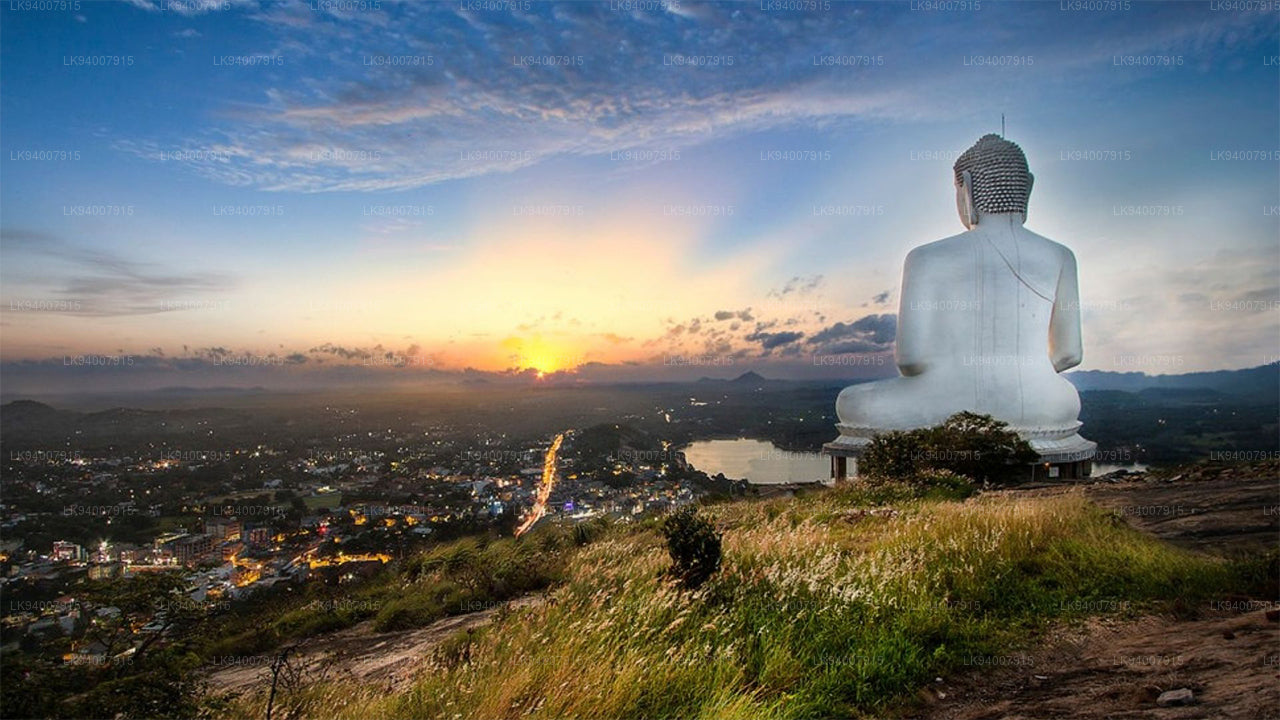
Kurunegala DistrictFamous for its elephant rock, Kurunegala is an agricultural hub surrounded by historic ruins and religious sites.
-
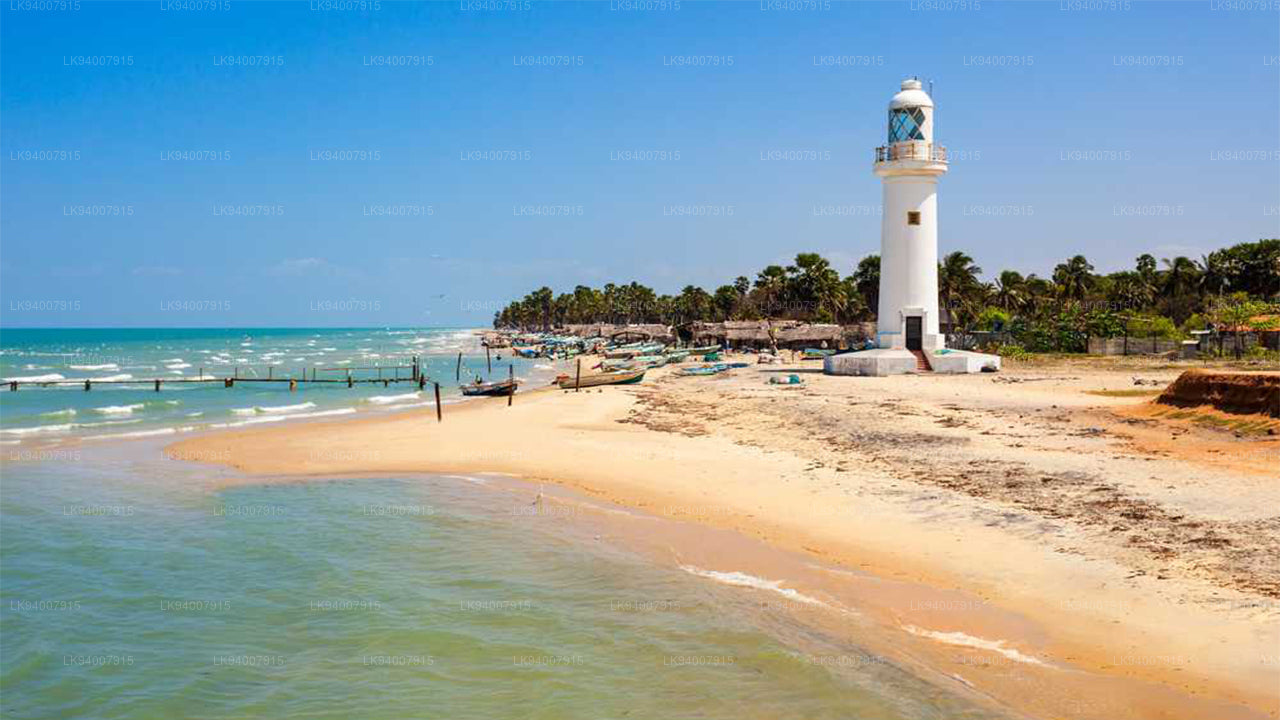
Mannar DistrictFamous for its unique landscapes, pearl fisheries, and the historic Mannar Fort, this district has a rich maritime history.
-
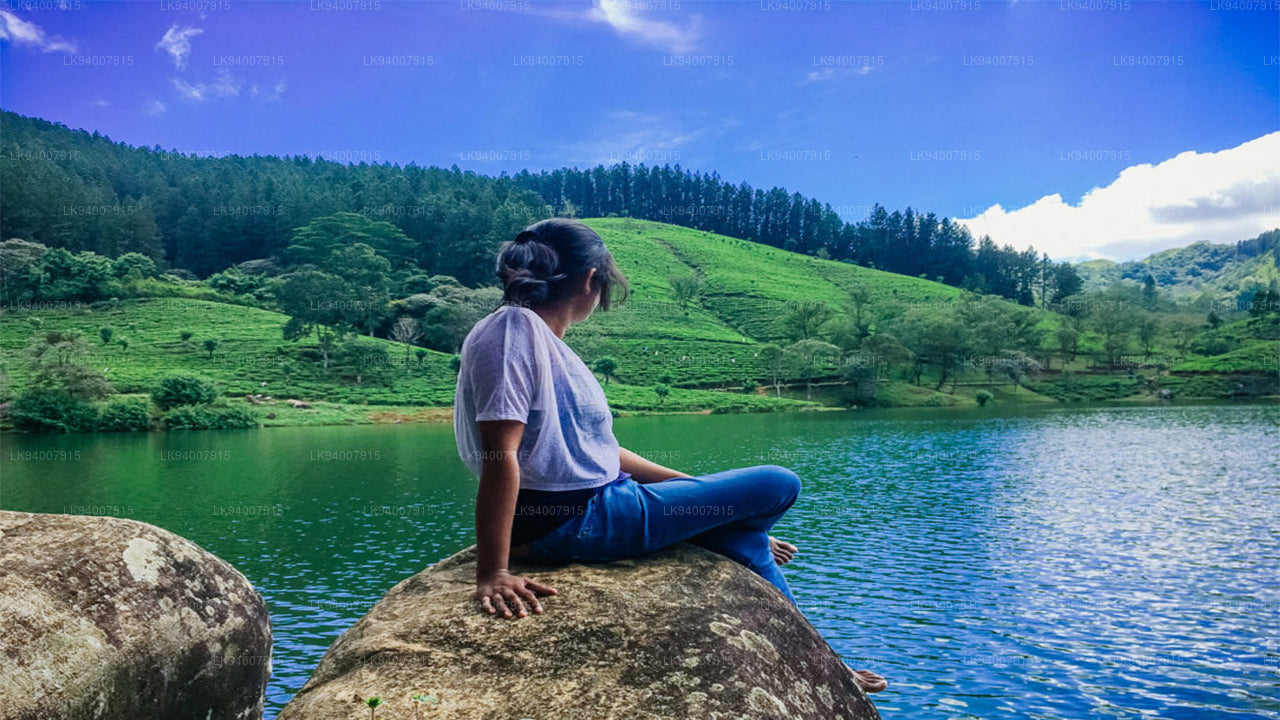
Matale DistrictA district filled with spice plantations, waterfalls, and historic temples, Matale offers scenic natural beauty.
-
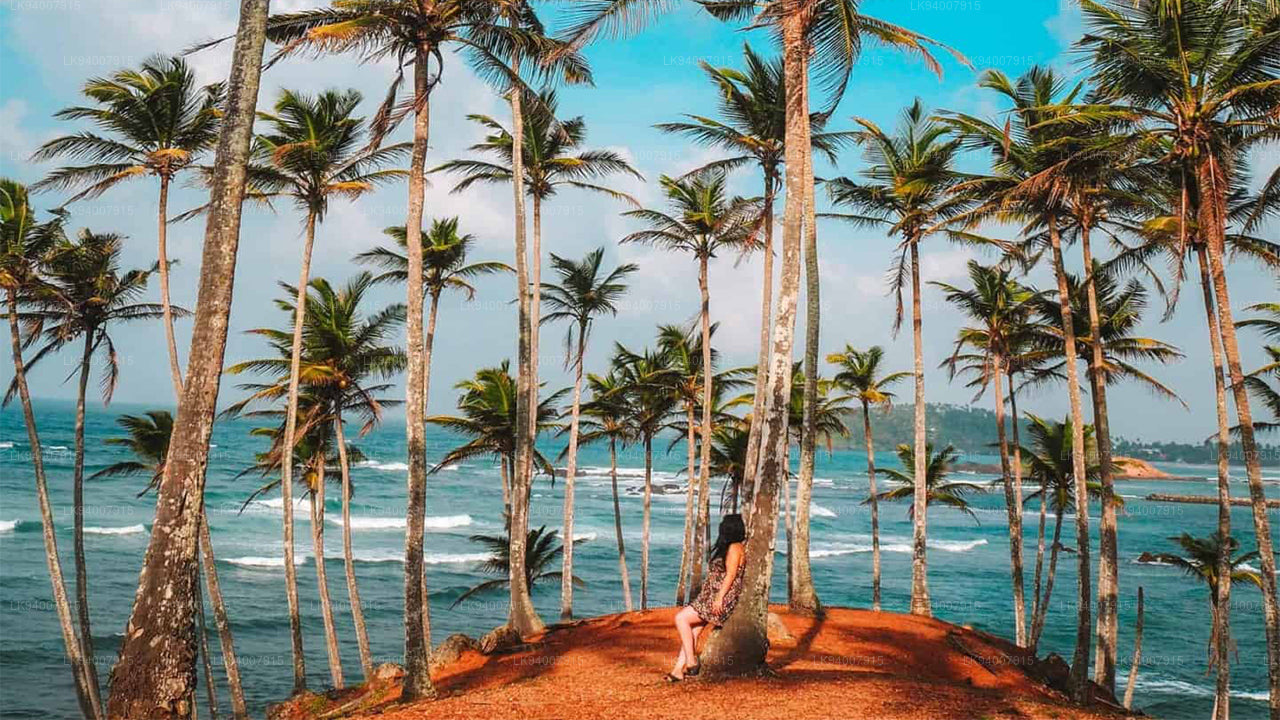
Matara DistrictMatara boasts stunning beaches, the Dondra Head lighthouse, and a mix of coastal and cultural attractions.
-
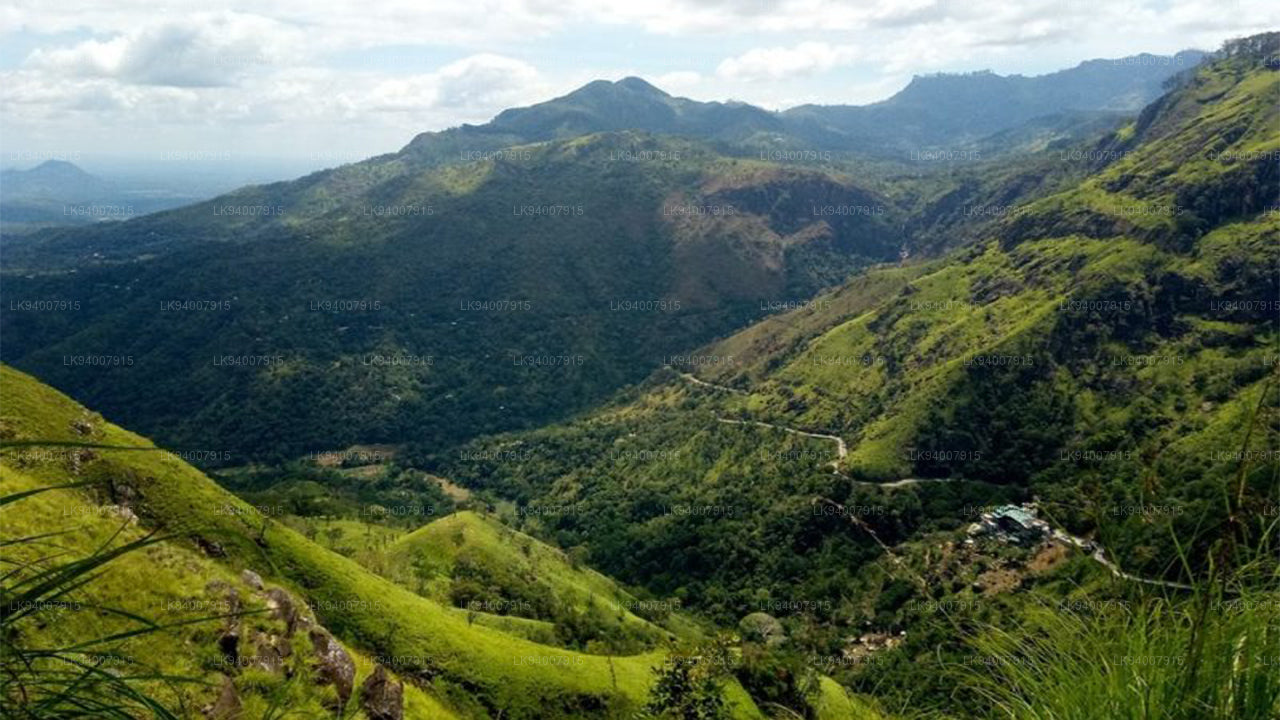
Monaragala DistrictKnown for its rugged landscapes and rich biodiversity, Monaragala is an agricultural district with vast natural beauty.
-
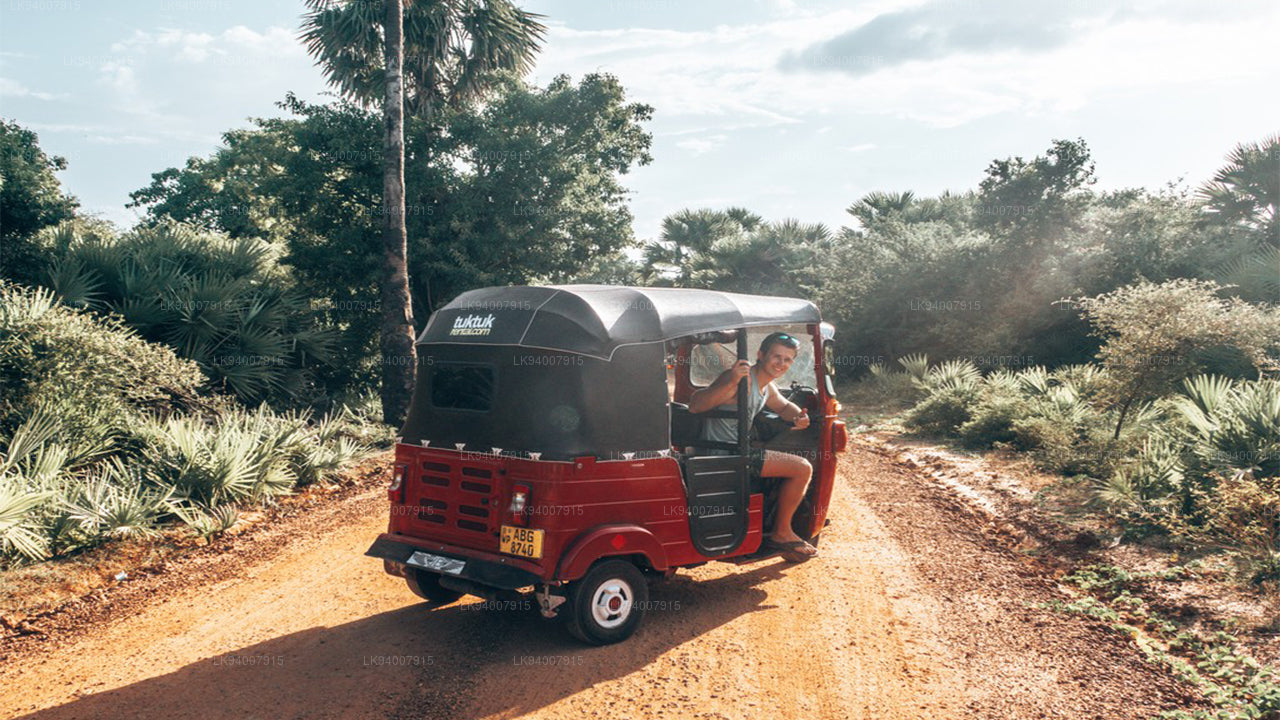
Mullaitivu DistrictA largely rural and coastal district, Mullaitivu is known for its beaches and significant history during the civil conflict.
-
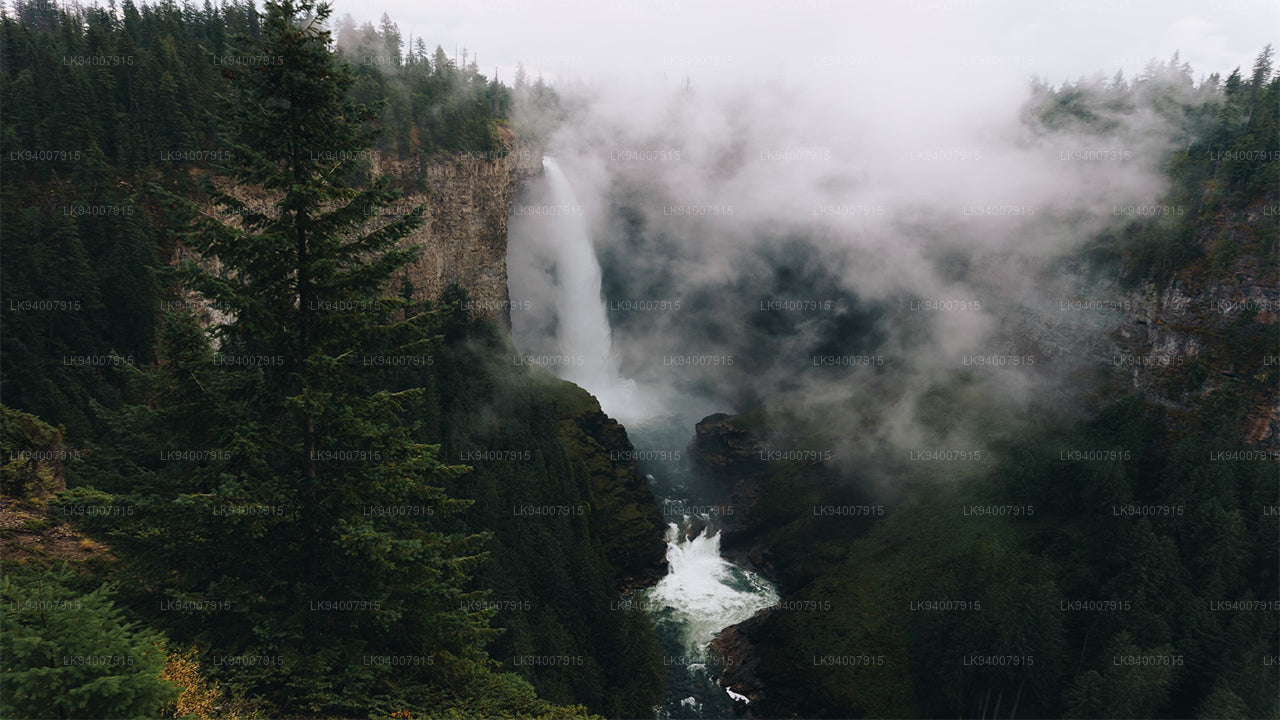
Nuwara Eliya DistrictOften called "Little England," Nuwara Eliya is renowned for its cool climate, tea plantations, and colonial architecture.
-
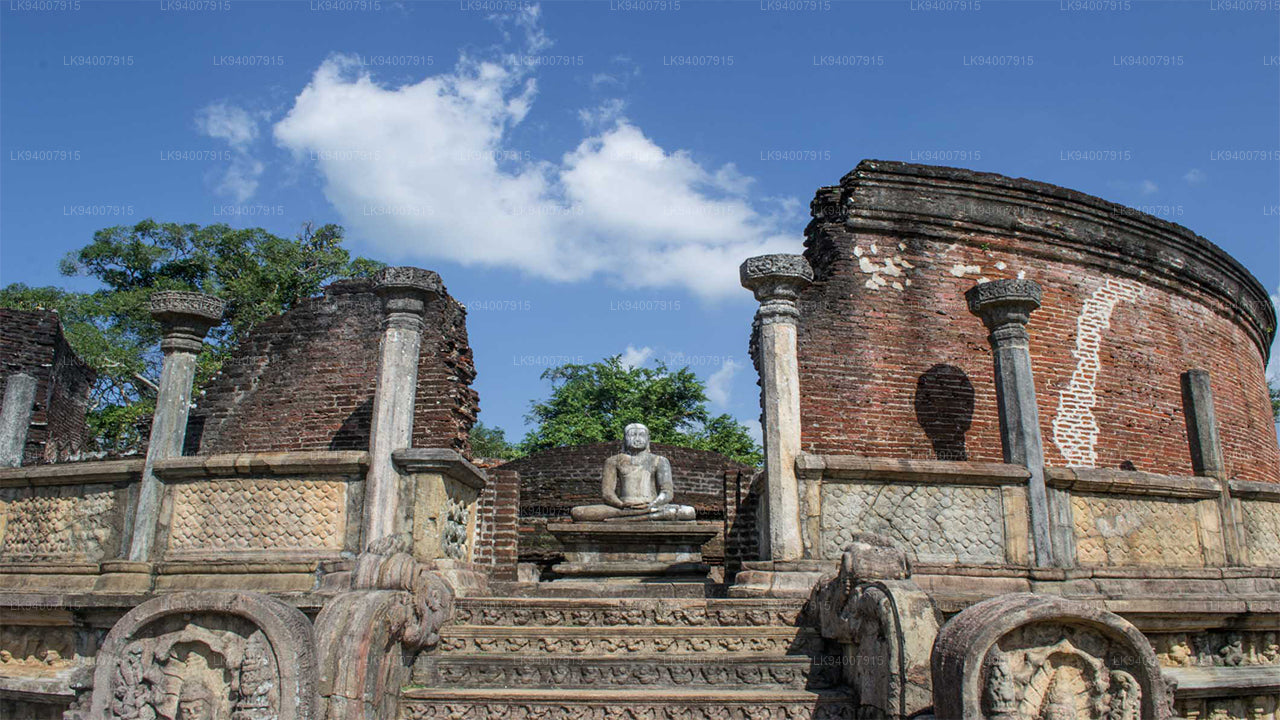
Polonnaruwa DistrictPolonnaruwa is a treasure trove of ancient ruins, including the famous Gal Vihara, and a key archaeological site.
-
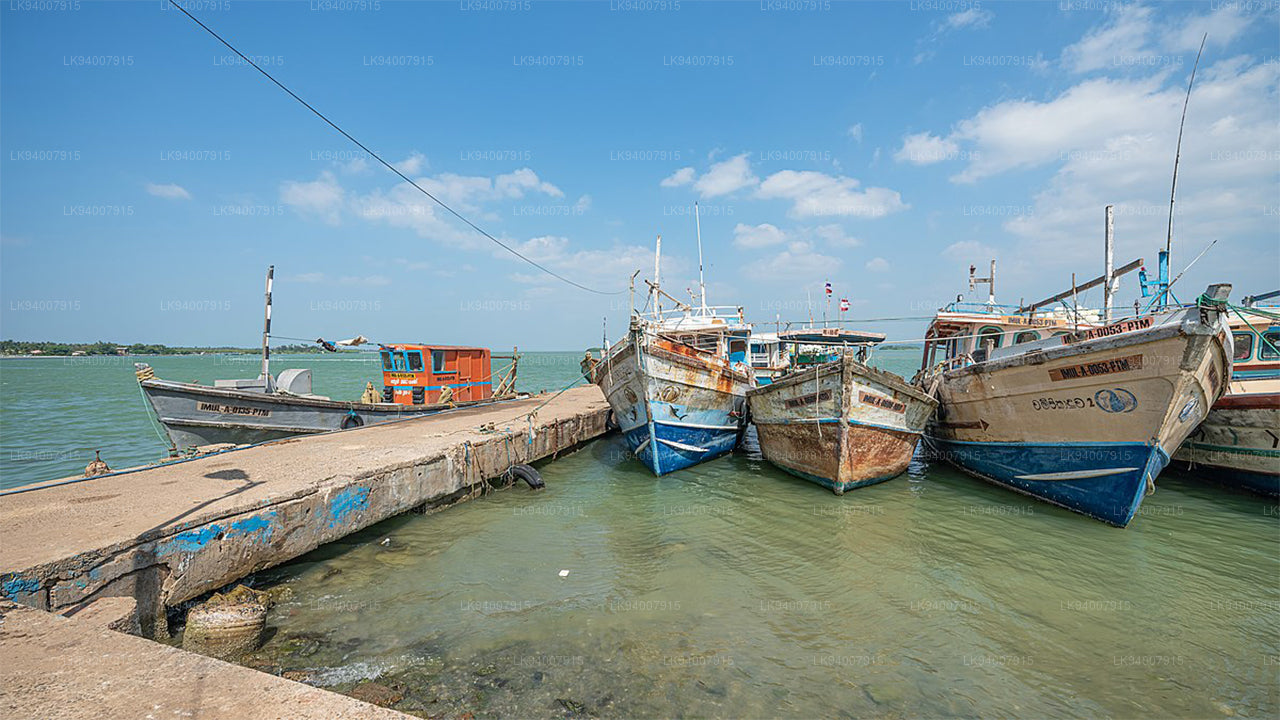
Puttalam DistrictPuttalam is known for its coastal lagoons, wildlife sanctuaries, and salt production, along with a growing wind energy sector.
-
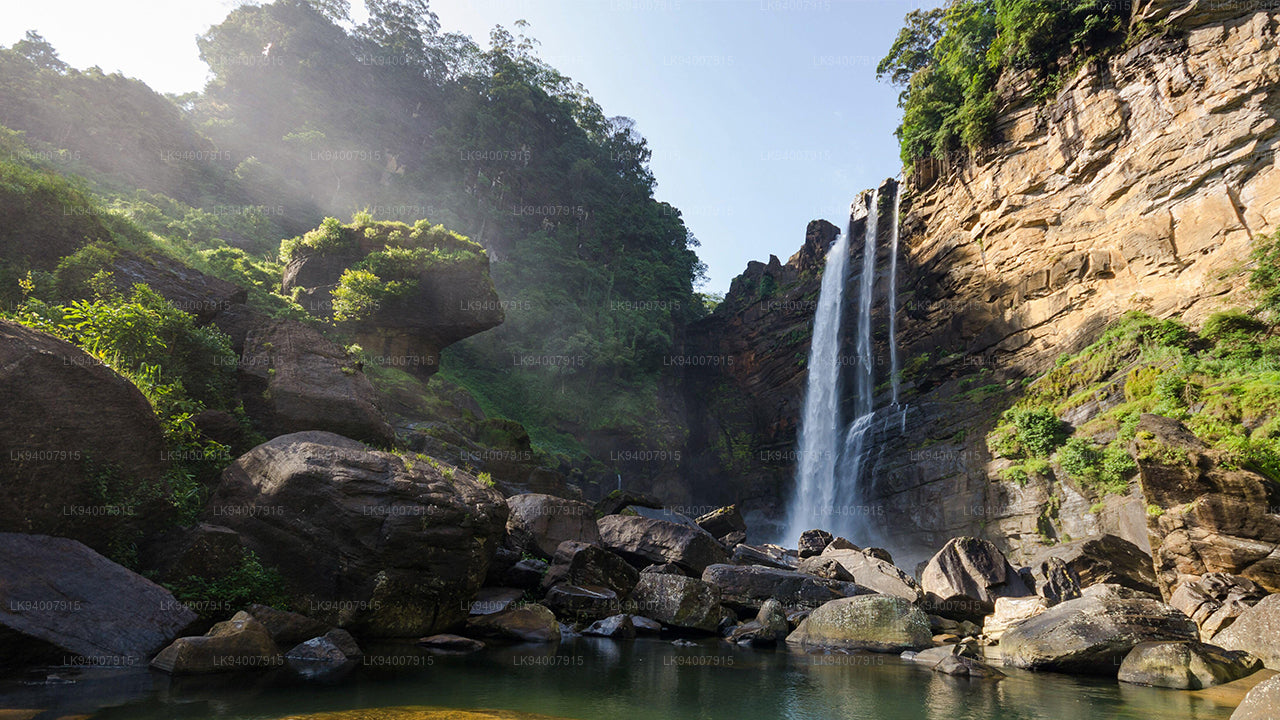
Ratnapura DistrictThe "City of Gems," Ratnapura is famous for its gem mining and lush green landscapes filled with waterfalls and tea estates.
-
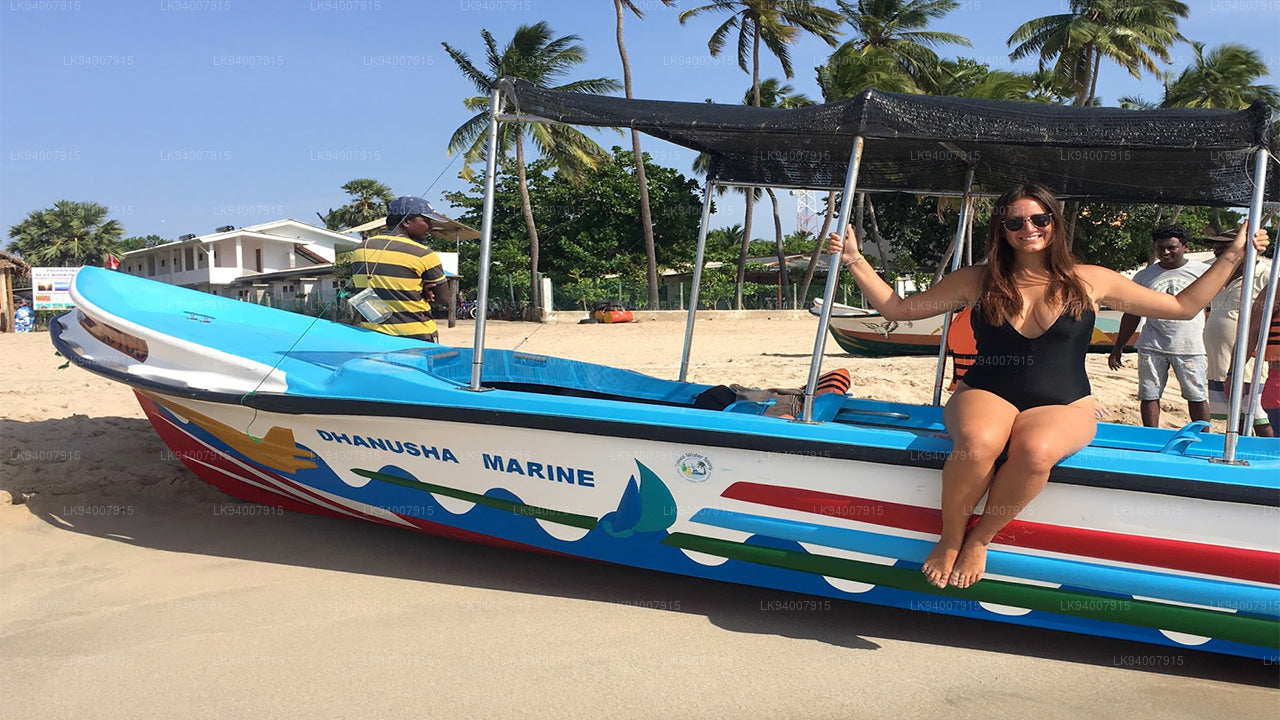
Trincomalee DistrictA coastal gem, Trincomalee is home to beautiful beaches, historic Hindu temples, and one of the world’s finest natural harbors.
-
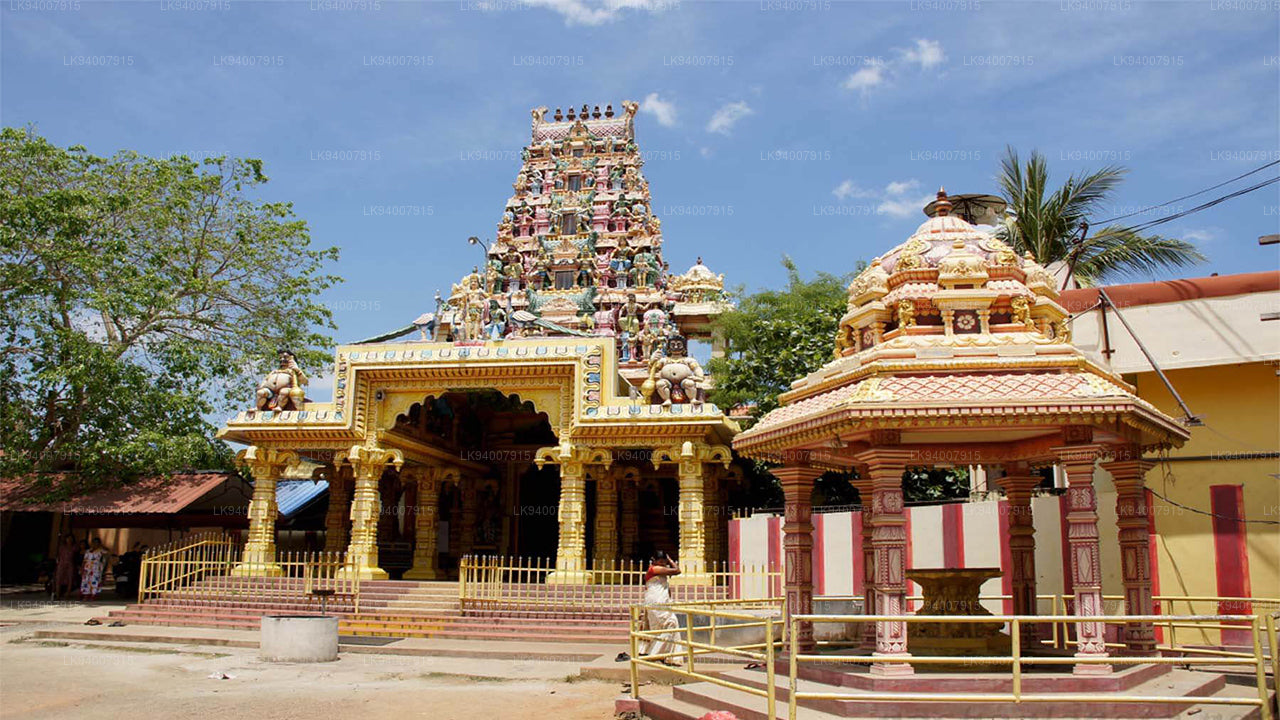
Vavuniya DistrictA key transit hub between the north and south, Vavuniya is known for its agriculture and growing urbanization.