Kegalle sits roughly halfway along the A1 highway that connects Colombo to Kandy, at the point where the flat Western Province plains begin their climb toward the Central Highlands. This geographical position gives the district a transitional character — neither the bustle of the coast nor the cool altitude of the hills, but a richly textured middle ground of forested ridges, river valleys, and working plantations. For travellers making the journey inland, Kegalle is often the first indication that the landscape is about to change dramatically.
What is Kegalle known for?
The district is best recognised internationally as the home of the Pinnawala Elephant Orphanage, one of Sri Lanka's most visited wildlife experiences. Established on the banks of the Maha Oya River, Pinnawala cares for orphaned and injured elephants and gives visitors the rare opportunity to observe a large herd bathing and feeding at close range. Visitor numbers remain consistently high throughout the year, so arriving early in the morning or late afternoon tends to offer a calmer experience.
Beyond its flagship attraction, Kegalle is an agricultural district of quiet importance. Rubber is the dominant crop and covers considerable stretches of the lowland areas, with the orderly rows of tapped trees forming a canopy that filters the afternoon light into long corridors. Alongside rubber, smallholders cultivate a range of spice and export crops — black pepper, cocoa, coffee, cloves, and nutmeg all thrive in the district's humid, fertile conditions.
What industries drive the Kegalle economy?
Agriculture forms the backbone of local livelihoods, but Kegalle also contributes to Sri Lanka's industrial output in an unusual way. The Bogala graphite mine, located within the district, is considered one of the most productive sources of vein graphite in the world. Sri Lankan graphite — prized for its high carbon content and lump form — has been exported for over a century, and Bogala remains central to that trade. The mine is not typically open to tourists, but its presence adds a layer of industrial heritage to a district otherwise defined by its green landscapes.
How do I get to Kegalle from Colombo?
Kegalle lies approximately 80 kilometres northeast of Colombo along the A1 road. By private vehicle or taxi, the journey typically takes around two hours depending on traffic, which can be heavy on weekday mornings leaving the capital. The train line between Colombo Fort and Kandy also passes through the district, with a station at Kegalle town itself — a scenic and relaxed alternative to road travel. Most visitors arriving by rail continue to Kandy and include Kegalle as a stop on a circular route rather than a standalone destination.
What natural landscapes can I explore around Kegalle?
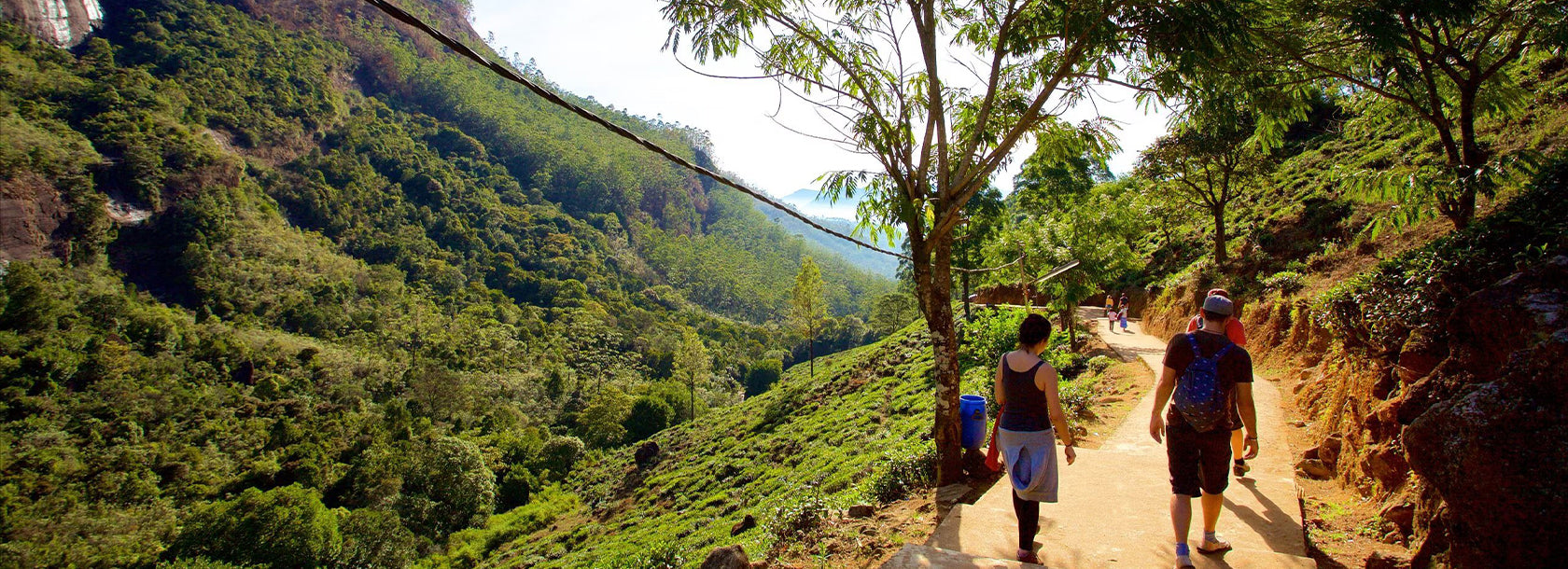
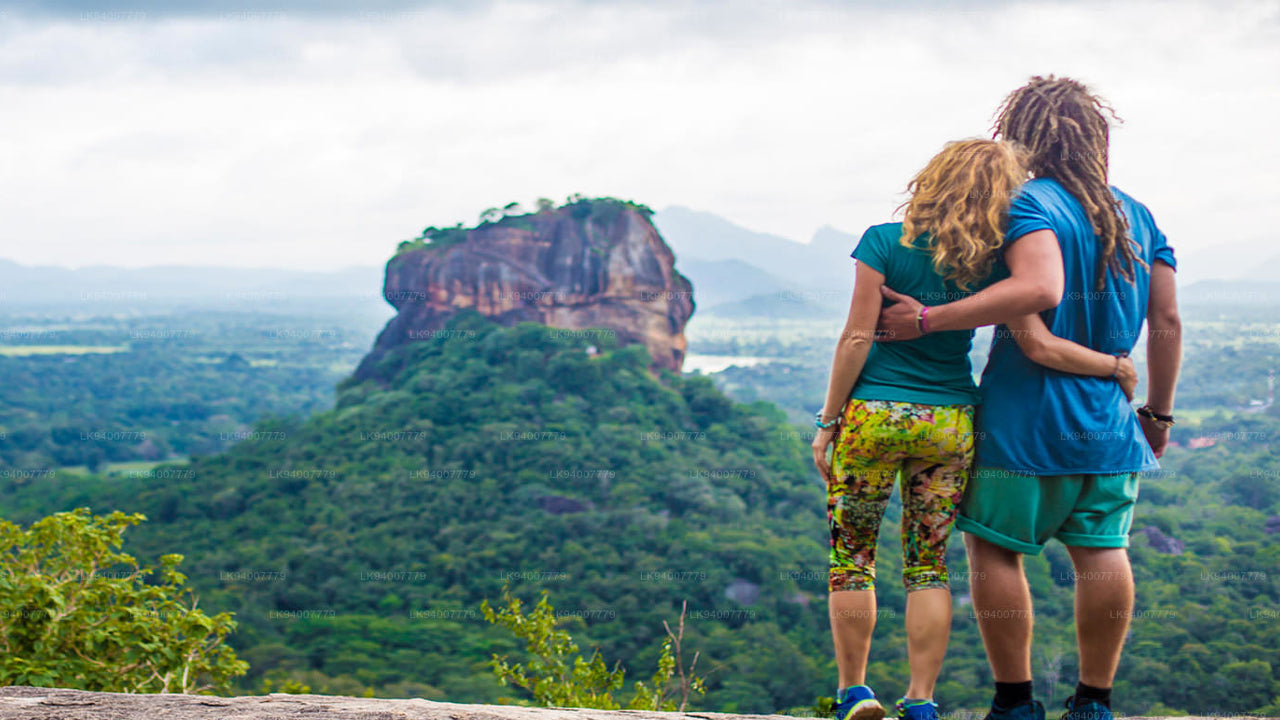
The district is threaded with rivers and hillside terrain that rewards those willing to leave the highway. Bible Rock — known locally as Bathalegala — is a prominent granite outcrop that rises sharply above the surrounding countryside and offers a moderately challenging hiking route with sweeping views across the Mawanella valley. The Makandawa Rainforest reserve near Kithulgala, on the western edge of the district, protects a remnant patch of lowland wet-zone forest and is popular for white-water rafting on the Kelani River.
The Kelani River itself runs through the heart of Kegalle district, and the riparian landscape along its banks supports a range of birdlife. Early-morning walks near the river during the northern winter months can yield sightings of migratory species alongside resident kingfishers, herons, and forest raptors.
What cultural and heritage sites are worth visiting in Kegalle?
Kegalle district holds several temples and historical landmarks that rarely appear in standard itineraries but are meaningful to visitors interested in Kandyan-era culture. The district falls within the sphere of influence of the last Kandyan kingdom, and a number of old dagobas and rock inscriptions are scattered across the hills. Local festivals tied to the agricultural calendar — particularly those around the planting and harvest seasons — offer an unforced glimpse into rural Sinhalese life.
The town of Kegalle itself is a working market hub rather than a tourist centre, but its covered market and surrounding streets are lively in the early morning hours when produce from surrounding estates arrives for sale.
When is the best time to visit Kegalle?
Because Kegalle lies in the wet zone of Sri Lanka, it receives rainfall from both the southwest monsoon (typically May to September) and the inter-monsoon periods. The driest and most reliably pleasant months for visiting are generally January through April. That said, the district's greenery is largely a product of its rainfall, and even during wetter months the landscape is rewarding — travellers should simply carry rain gear and plan outdoor activities for the mornings. Pinnawala's bathing sessions run year-round and are not significantly affected by weather.
Is Kegalle suitable as a base for exploring the surrounding region?
Kegalle works well as an overnight base for travellers who want to explore both the Western Province and the Kandyan region without committing to the higher-altitude climate of Kandy itself. Distances are manageable: Kandy is around 40 kilometres to the east, while Colombo and the airport at Bandaranaike are within two hours by road. Several estate bungalows and eco-resorts in the surrounding hills offer a quieter alternative to the larger hotels in Kandy or Colombo, with rubber and spice plantations as an immediate backdrop. The Elephant Transit Home at Udawalawe and other wildlife destinations in the south are reachable as longer day trips or as part of a multi-day circuit.