Kandy City
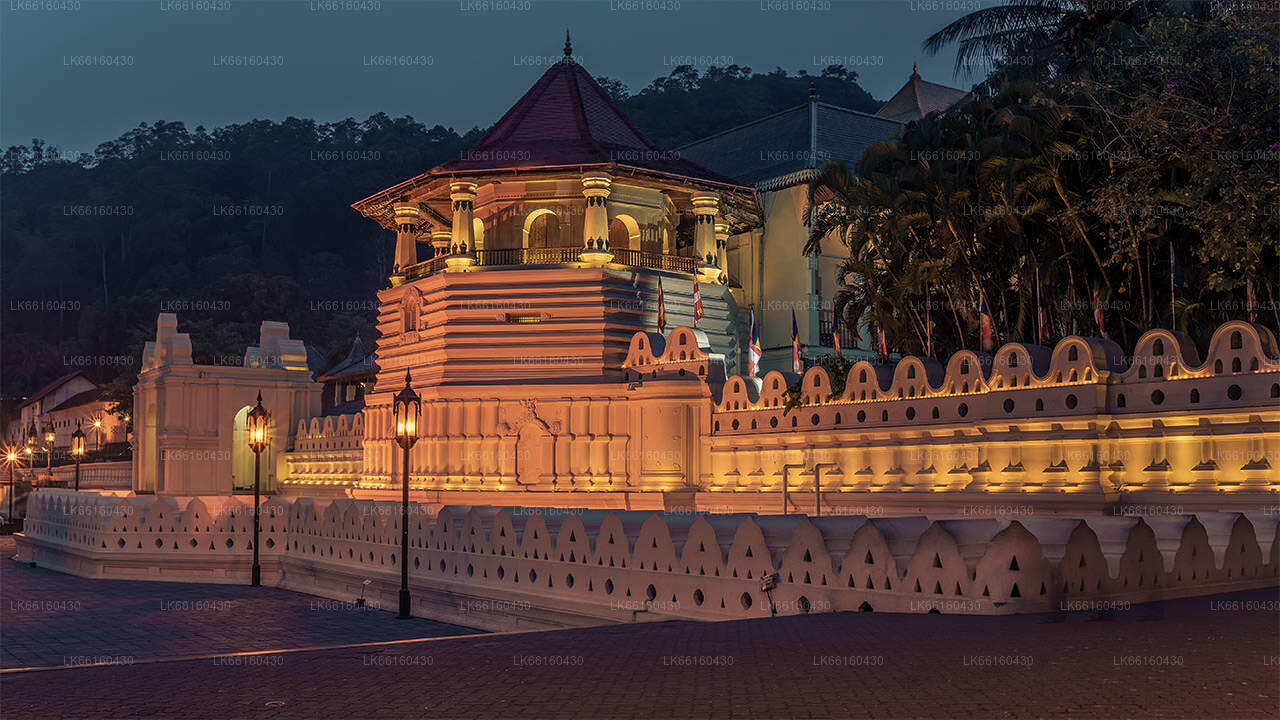
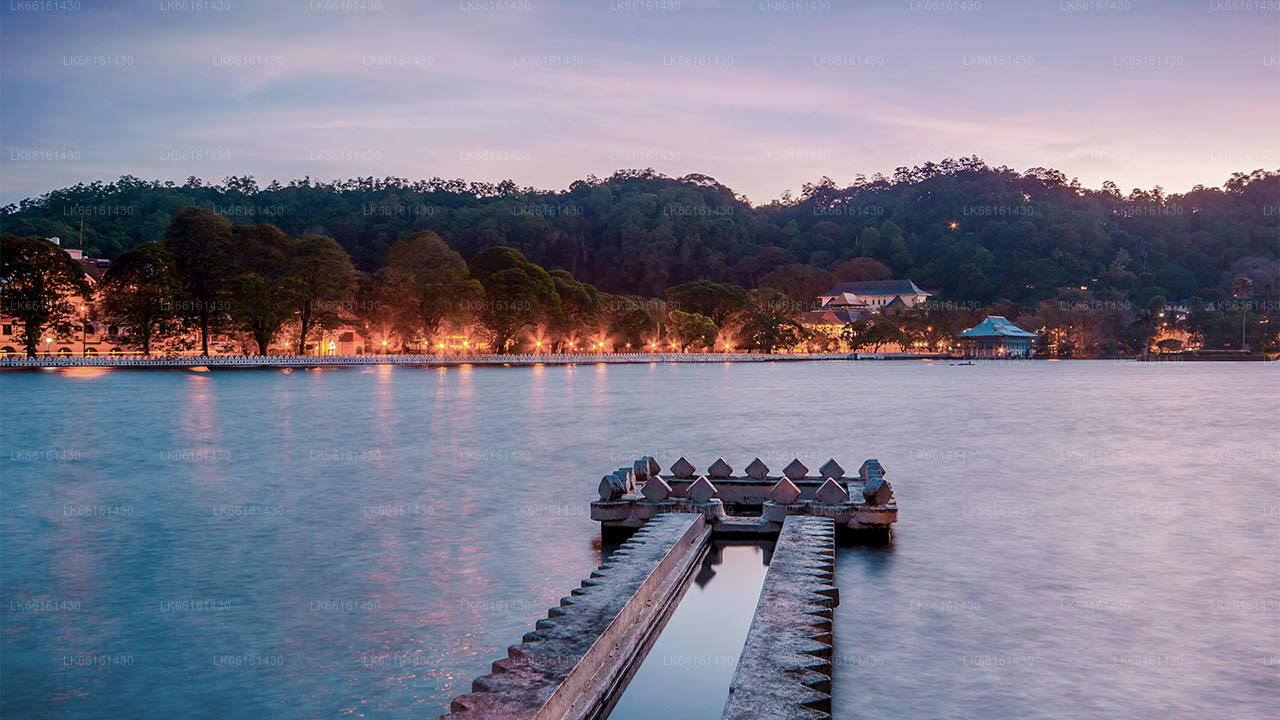
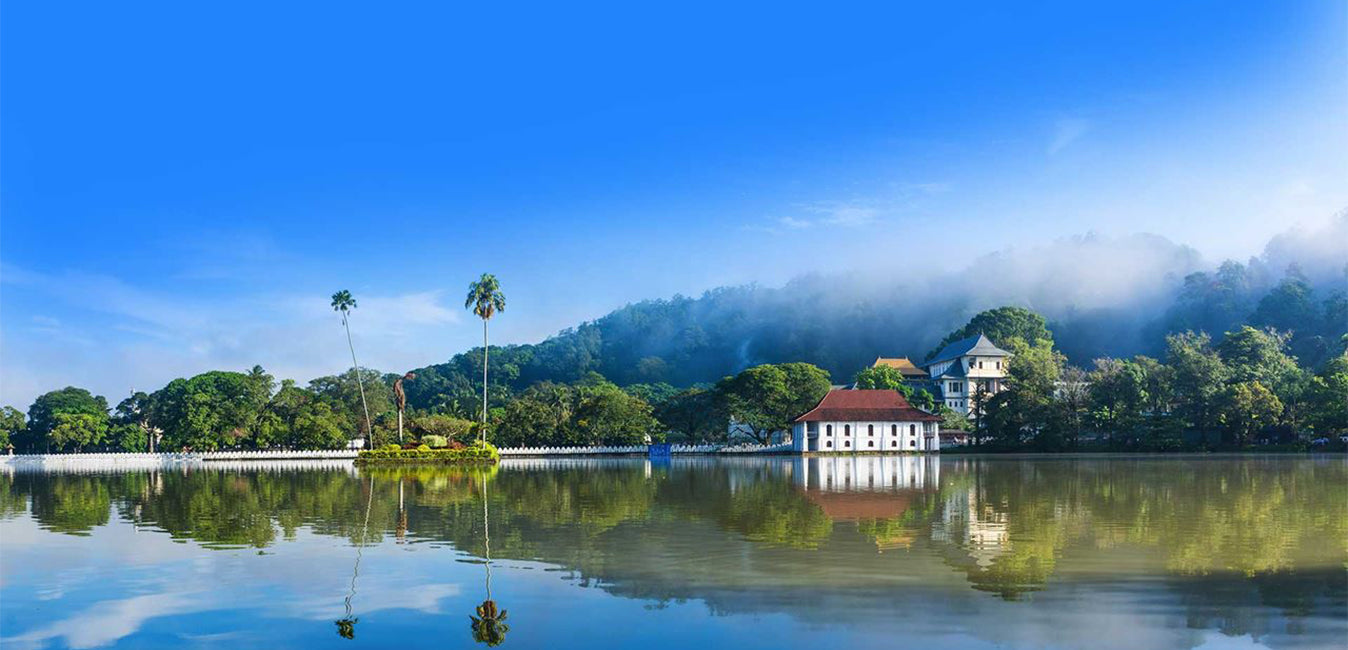
Kandy, a picturesque city in central Sri Lanka, is renowned for its rich cultural heritage, vibrant festivals, and scenic beauty. Nestled amidst lush hills, it is home to the Temple of the Tooth Relic, a UNESCO World Heritage Site, and offers a captivating blend of history and natural splendor.
Embekka Devalaya (Tempel)
Embekke Tempel in Sri Lanka: Een plek met een van het beste houtwerk ter wereld
In het Udu Nuwara-gebied van het district Kandy ligt een tempel met een geschiedenis van meer dan zes eeuwen. Gebouwd tijdens de regering van koning Wickremabahu III (1371-1394 n.Chr.), die regeerde over het koninkrijk Gampola, is de tempel praktisch bedekt met houtsnijwerk. Het houtwerk wordt door de UNESCO bevestigd als een van de beste en meest gedetailleerde ter wereld. De tempel is gewijd aan de god die door de hindoes bekend staat als 'Murugan' en door de boeddhisten als 'Katharagama-godheid'.
Het Verhaal
De legende vertelt dat de gemalin van koning Vickramabahu III, Henakanda Biso Bandara, ontwaakte uit een vreemde droom waarin de god verscheen en haar vroeg een tempel voor hem te bouwen. Toen ze ontdekte dat een drummer, Rangama, dezelfde droom had gehad, beschouwden ze dit als een voorteken en bouwden samen een tempel. De oorspronkelijke tempel zou een gebouw van drie verdiepingen zijn geweest dat de tand des tijds helaas niet heeft doorstaan.
De Structuur
De tempel bestaat uit drie hoofdgebieden. De eerste is het Heiligdom van Garagha, het innerlijke heiligdom waar de beelden van de god zich bevinden. Vervolgens is er de Danszaal of Digge, die de gemalin van de koning, Henakanda Bandara, vertegenwoordigt en waar dansactiviteiten werden gehouden in de tijd van de koningen. Het laatste gedeelte is de Drummers' Hall, die de drummer Rangama vertegenwoordigt en waar ooit muzikale evenementen werden gehouden.
Het Houtwerk
Met uitzondering van het Heiligdom is de rest van de tempel bijna geheel van hout gemaakt. Van gebeeldhouwde houten zuilen in de Zalen met open zijkanten tot het prachtig vervaardigde dak, het hele gebied is bedekt met houtsnijwerk. De basis van de zuilen is achthoekig van vorm, terwijl hun toppen eindigen in de vorm van vier bladeren die in een vierkant zijn gestapeld. De zuilen hebben verschillende afbeeldingen die in de zijkanten van de basis zijn gesneden. Daarnaast sieren houtsnijwerken de balken, spanten en deurposten.
Opmerkelijke houtsnijwerken onder deze meesterwerken zijn onder meer verstrengelde zwanen, dubbelkoppige adelaars, verstrengelde touwontwerpen, een borstvoedende afbeelding, een soldaat die te paard vecht, vrouwelijke dansers, worstelaars, vrouwen die uit een ader komen, vogel-mens-hybriden, olifant-stier-hybriden, olifant-leeuw-hybriden en nog veel meer. Het houtsnijwerk van de hele tempel omvat 125 series decoraties, 256 liyawela-ontwerpen, 64 lotusontwerpen, 30 decoratieve patronen en dakontwerpen, wat resulteert in 514 unieke ontwerpen.
Het dak van de tempel is een uitstekend voorbeeld van oude houtarchitectuur, waarbij de 26 spanten worden ondersteund door een enkele houten pin.
Gerelateerde Ruïnes
Ongeveer een achtste mijl van de tempel verwijderd, liggen enkele ruïnes met een groep stenen zuilen. Het snijwerk op de zuilen is identiek aan dat van de Embekke-tempel. Er wordt gezegd dat er ooit een houten dak op deze zuilen rustte, maar nu zijn ze vervallen tot ruïnes.
Zowel de Embekke Tempel als de nabijgelegen ruïnes zijn een bezoek waard voor liefhebbers van zowel geschiedenis als kunst.
About Kandy District
Kandy district is situated in the centrel province of Sri Lanka. One of the seven World Heritage Sites in Sri Lanka, Kandy was once home to the Kandyan Kings of yore in the 16th-century and a fountainhead for all the music, arts, crafts and culture in the country. About 129 km away from Colombo, Kandy is ensconced amongst a hilly terrain and all eyes are drawn to the centre of the city, where the Kandy Lake forms a charming feature. Kandy retains great religious significance for Sri Lanka, because it is in this charming city that the Dalada Maligawa or "Temple of the Tooth" is located, within which the sacred tooth relic of Lord Buddha lies well guarded.
The Royal Botanical Garden, Peradeniya is situated about 5 km to the west of the city centre at Peradeniya and is visited by 1.2 million people per year. It is the largest botanical garden on the island. The Udawatta Kele (Udawatta Forest) is a protected sanctuary situated in the heart of the city, just north of Temple of the Tooth.
Kandy is a Sinhala majority city; there are sizeable communities belonging to other ethnic groups, such as Moors and Tamils. Kandy is second only to Colombo the center of the Sri Lankan Economy. Many major co operations have large branch officers in Kandy and many industries include textiles, furniture, Information Technology and jewellery are found here. Many agriculture research centers are located in the city.
And a fountainhead for all the music, arts, crafts and culture in the country. About 129 km away from Colombo, Kandy is ensconced amongst a hilly terrain and all eyes are drawn to the centre of the city, where the Kandy Lake forms a charming feature. Kandy retains great religious significance for Sri Lanka , because it is in this charming city that the Dalada Maligawa or Temple of the Toothis located, within which the sacred tooth relic of Lord Buddha lies well guarded.
About Central Provincce
The Central Province of Sri Lanka consists primarily of mountainous terrain. The province has an area of 5,674 km², and a population of 2,421,148. Some major towns include Kandy, Gampola (24,730), Nuwara Eliya and Bandarawela. The population is a mixture of Sinhalese, Tamil and the Moors.
Both the hill capital Kandy and the city of Nuwara Eliya are located within the Central Province as well as Sri Pada. The province produces much of the famous Ceylon tea, planted by the British in the 1860s after a devastating disease killed all the coffee plantations in the province. Central Province attracts many tourists, with hill station towns such as Kandy, Gampola, Hatton and Nuwara Eliya. Temple tooth or Dalada maligawa is the main sacred place in Centrel province.
The climate is cool, and many areas about 1500 meters often have chilly nights. The western slopes are very wet, some places having almost 7000 mm of rain per year. The eastern slopes are parts of the mid-dry zone as it is receiving rain only from North-Eastern monsoon. The Temperatures range from 24°C at Kandy to just 16°C in Nuwara Eliya, which is located 1,889 m above sea level. The highest mountains in Sri Lanka are located in the Central Province. The terrain is mostly mountainous, with deep valleys cutting into it. The two main mountain regions are the central massif and the Knuckles range to the east of Kandy.