Raksha Natuma


Raksha Natuma, also known as the 'Dance of the Demons,' is a traditional Sri Lankan dance form that is deeply rooted in the island's folklore and cultural rituals. Originating from the ancient ritualistic practices, Raksha Natuma is performed primarily to ward off evil spirits and to invoke protection and blessings. This dance is often featured in the traditional exorcism rituals known as 'tovil,' which are still practiced in various parts of Sri Lanka to cure illnesses and dispel bad luck.
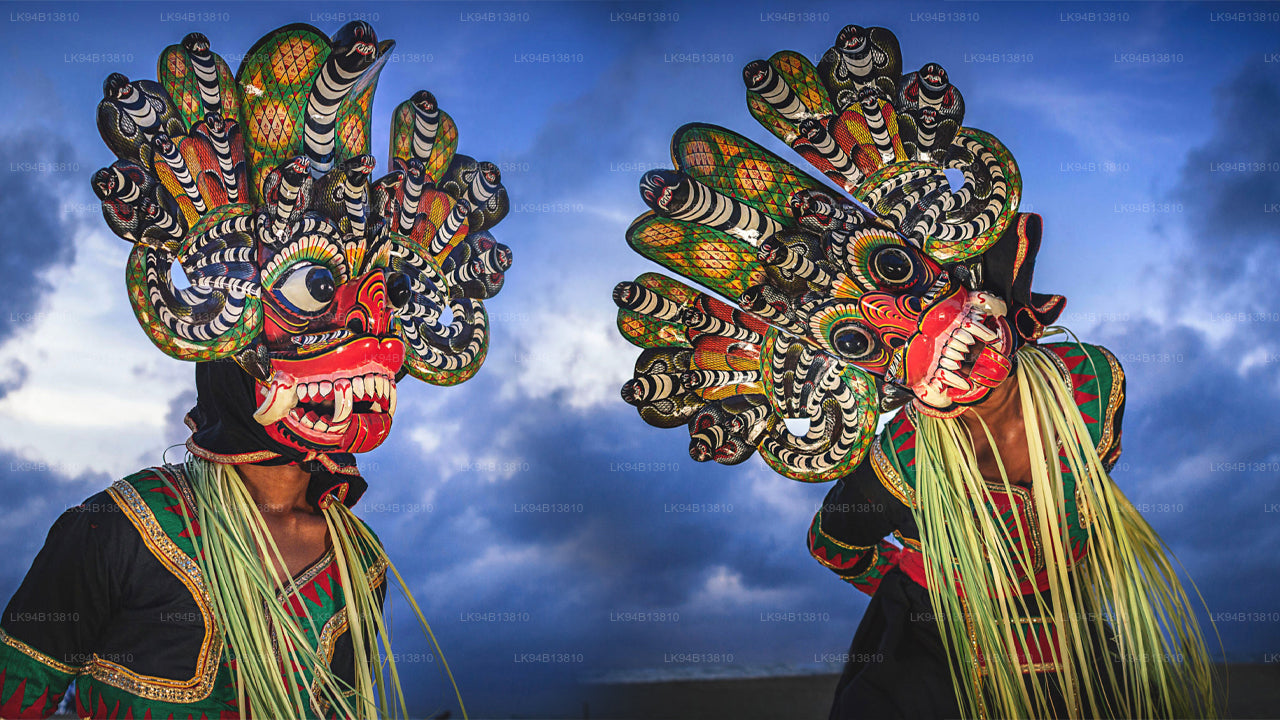
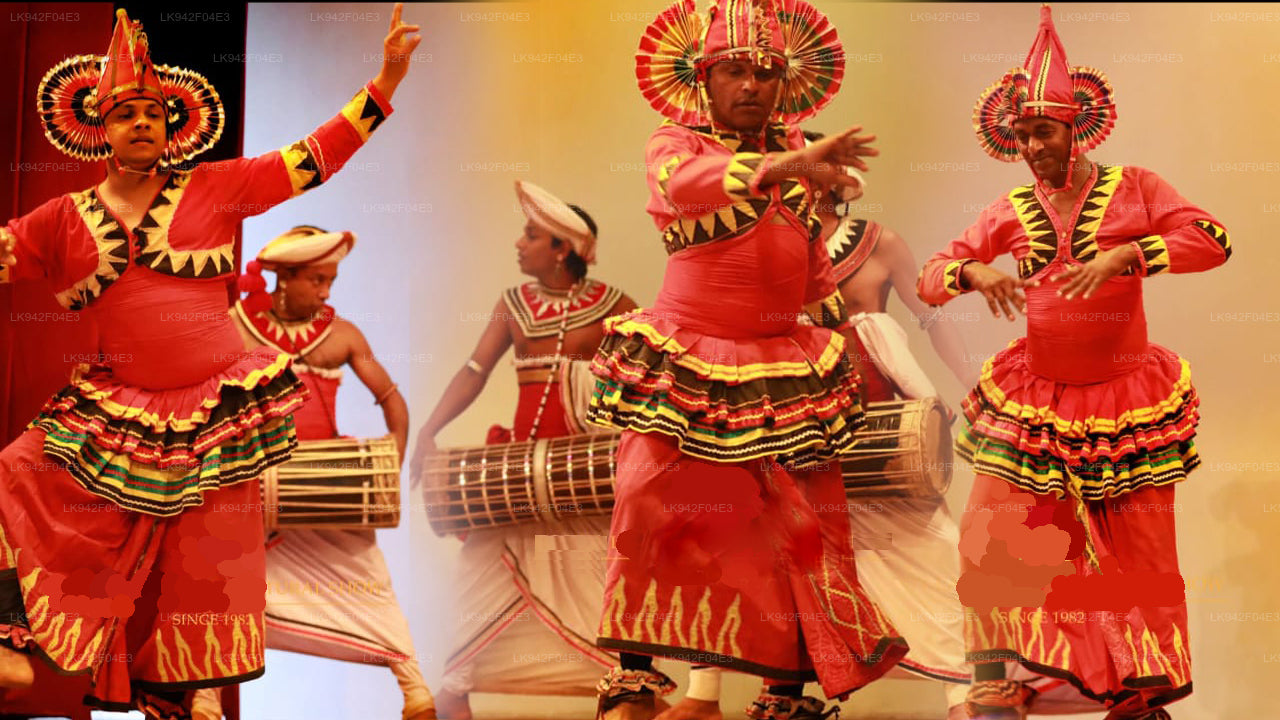
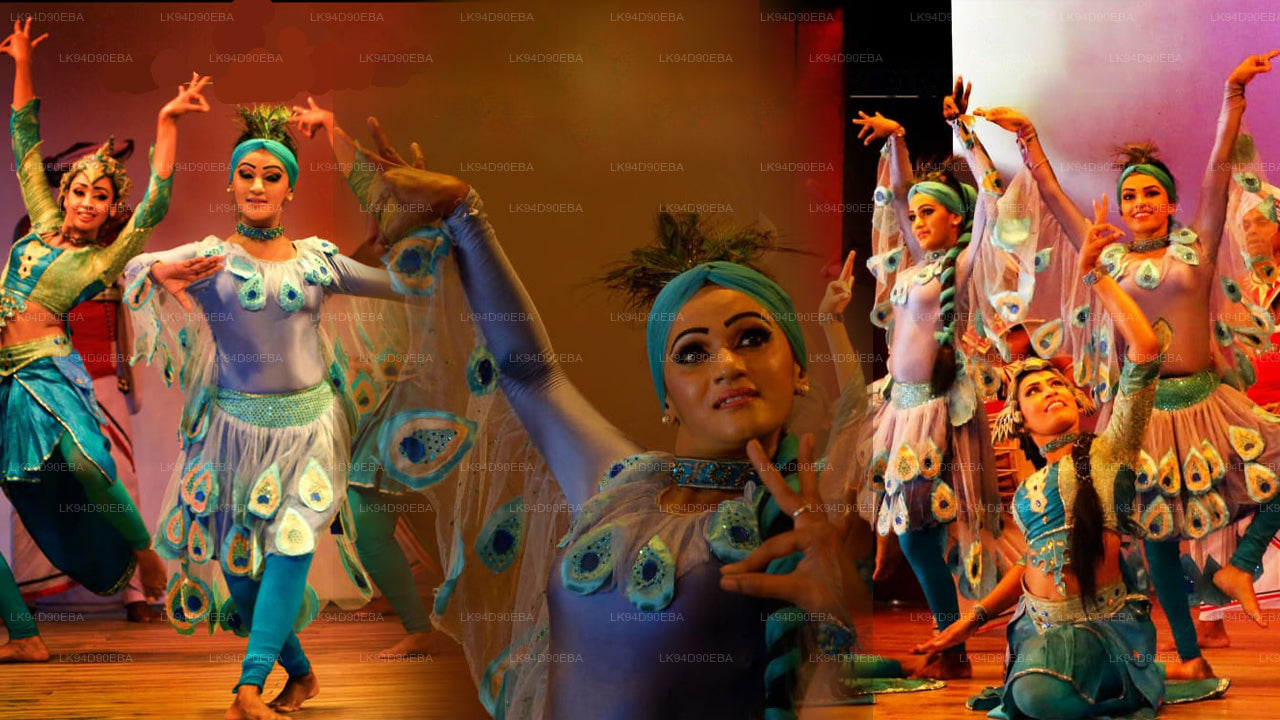
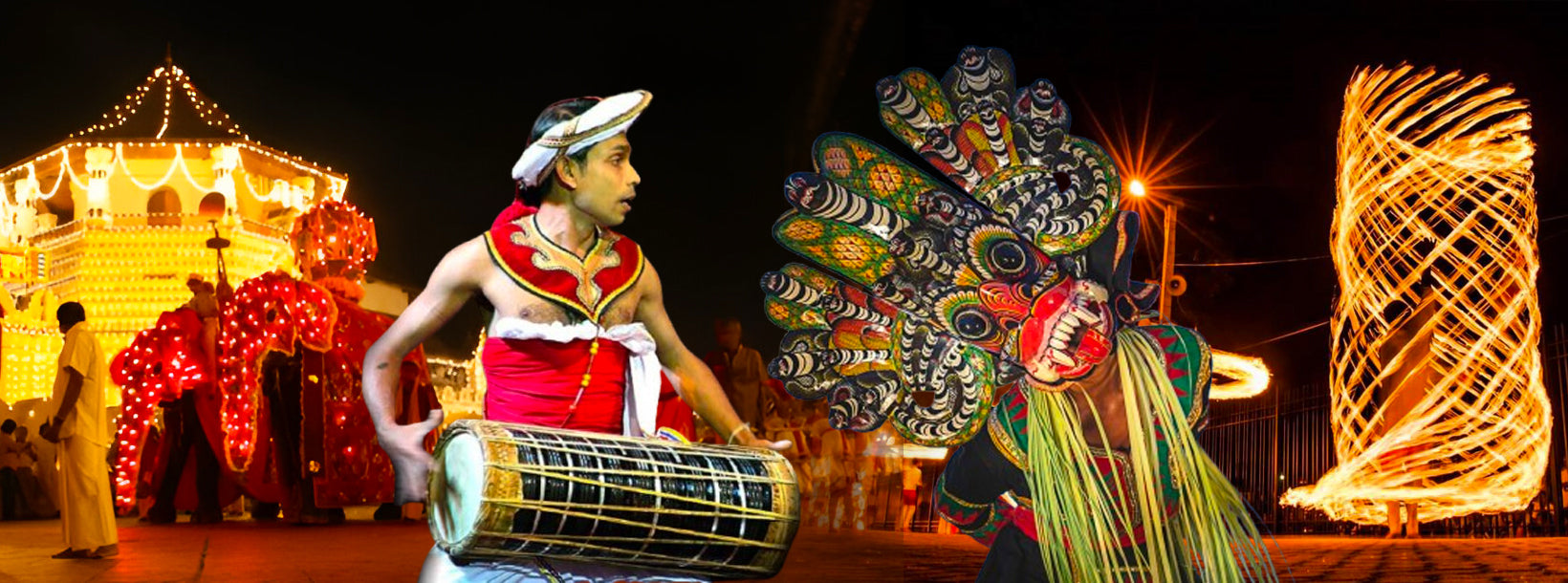
The dancers in Raksha Natuma wear elaborate masks, each representing different characters from Sri Lankan mythology, primarily demons and mythical creatures. These masks are vividly painted and intricately designed to reflect the characteristics of the demons they represent, such as anger, ferocity, or mischief. The costumes are equally dramatic, with layers of colorful fabric and ornaments that enhance the supernatural appearance of the dancers.
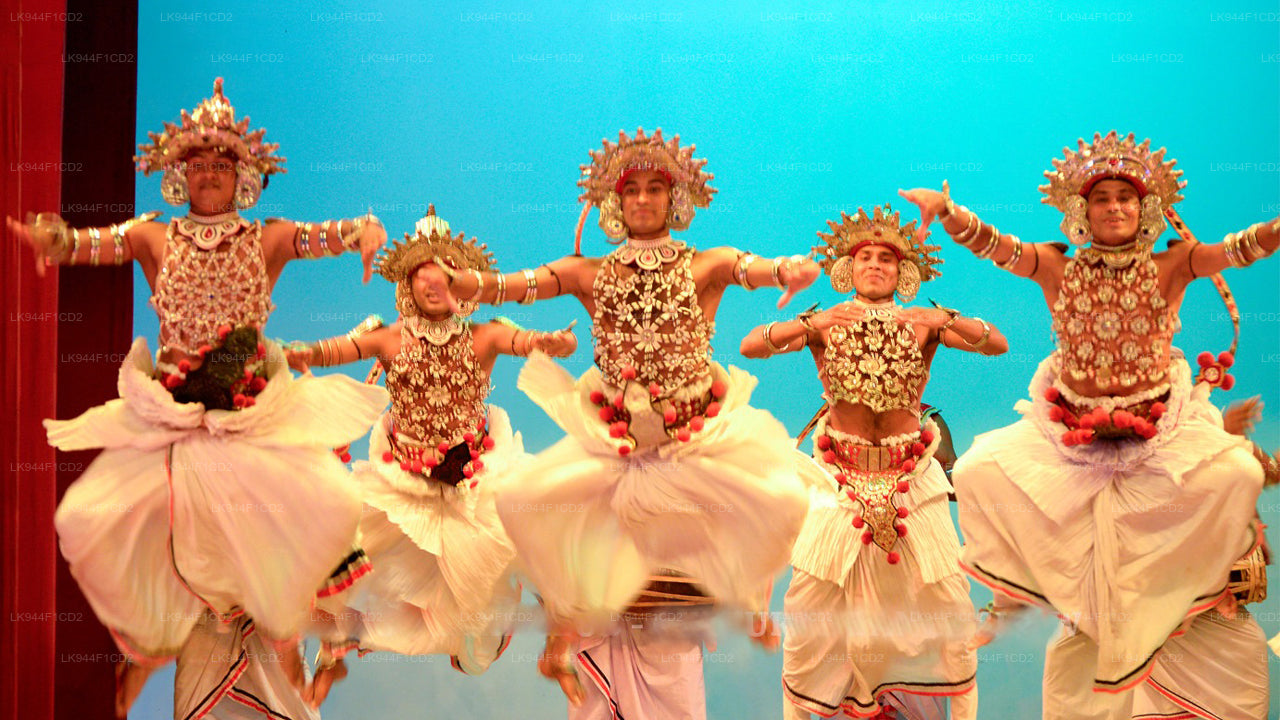
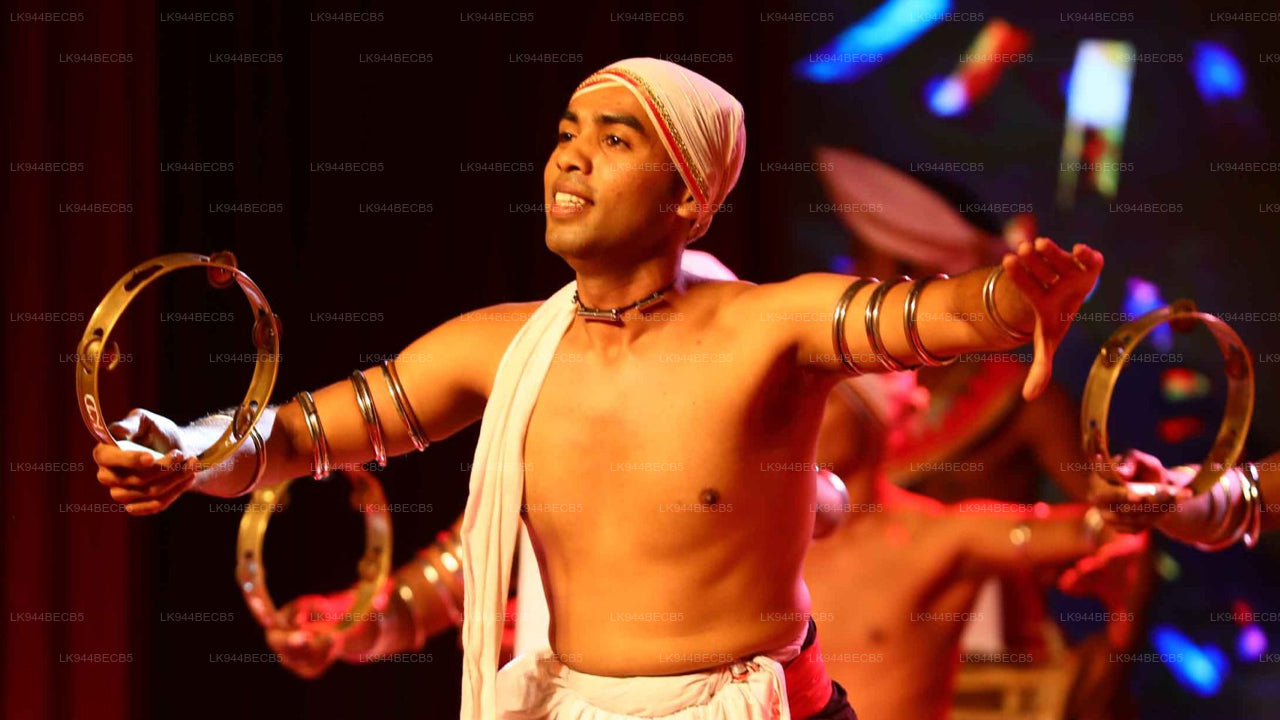
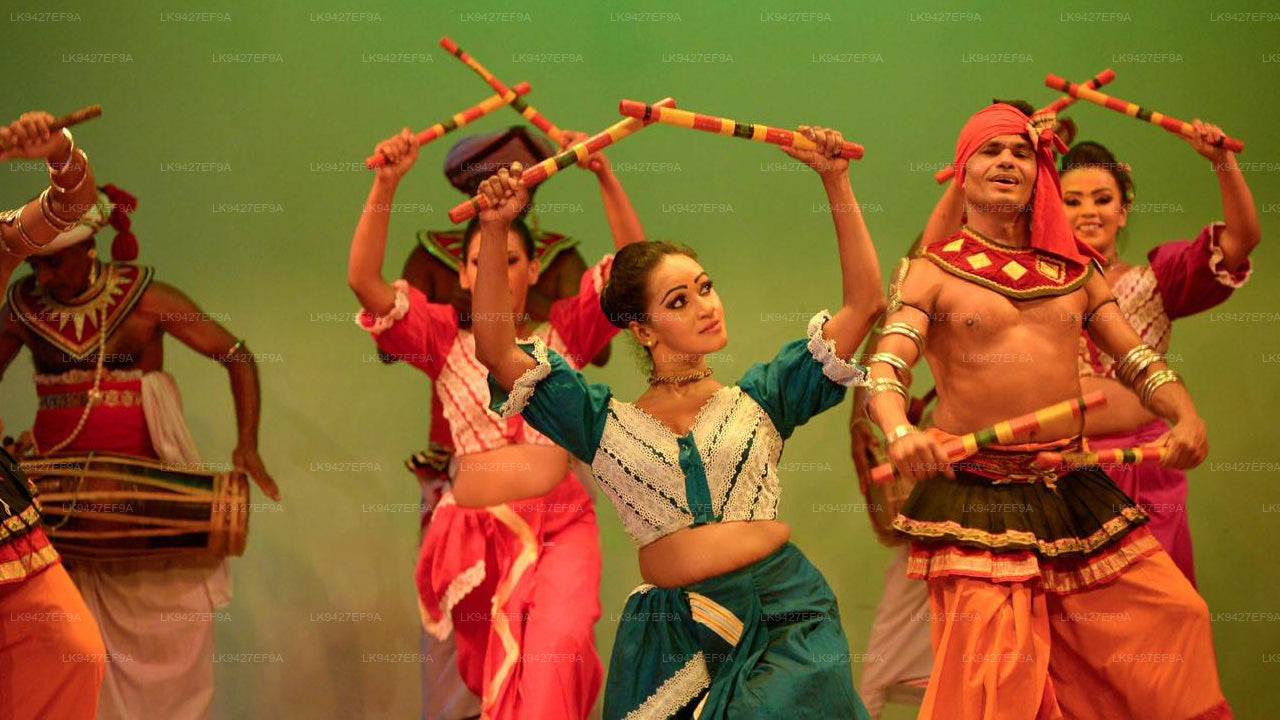
The dance itself is intense and dynamic, with vigorous movements that mimic the actions of the demons. The choreography includes leaps, spins, and aggressive gestures that are synchronized with powerful drum beats. The rhythm is provided by traditional drums, which play an integral part in setting the tempo and atmosphere of the performance.
Raksha Natuma is not only a form of entertainment but also a spiritual and cultural ceremony that holds significant importance in Sri Lankan society. It serves as a means of connecting with the spiritual world, and its performance is believed to have the power to influence spiritual energies and bring about healing and protection. The dance is also an educational experience for viewers, providing insight into the rich tapestry of myth and folklore that influences many aspects of Sri Lankan culture.
Overall, Raksha Natuma is a captivating dance that combines art, spirituality, and cultural history, offering a unique glimpse into the traditional practices and beliefs of Sri Lanka. It remains a vital part of the island’s cultural heritage, cherished for its dramatic expression and profound significance.