Devol Natuma


Devol Natuma is a traditional Sri Lankan dance form associated with the worship of Devol Deviyo, a deity revered for his power over water and the weather. This dance is primarily performed in the southern coastal regions of Sri Lanka, where fishing is a predominant livelihood, and the community's well-being is closely tied to the sea. Devol Natuma is an integral part of rituals meant to appease Devol Deviyo, seeking his blessings for good catches, protection from storms, and overall community prosperity.
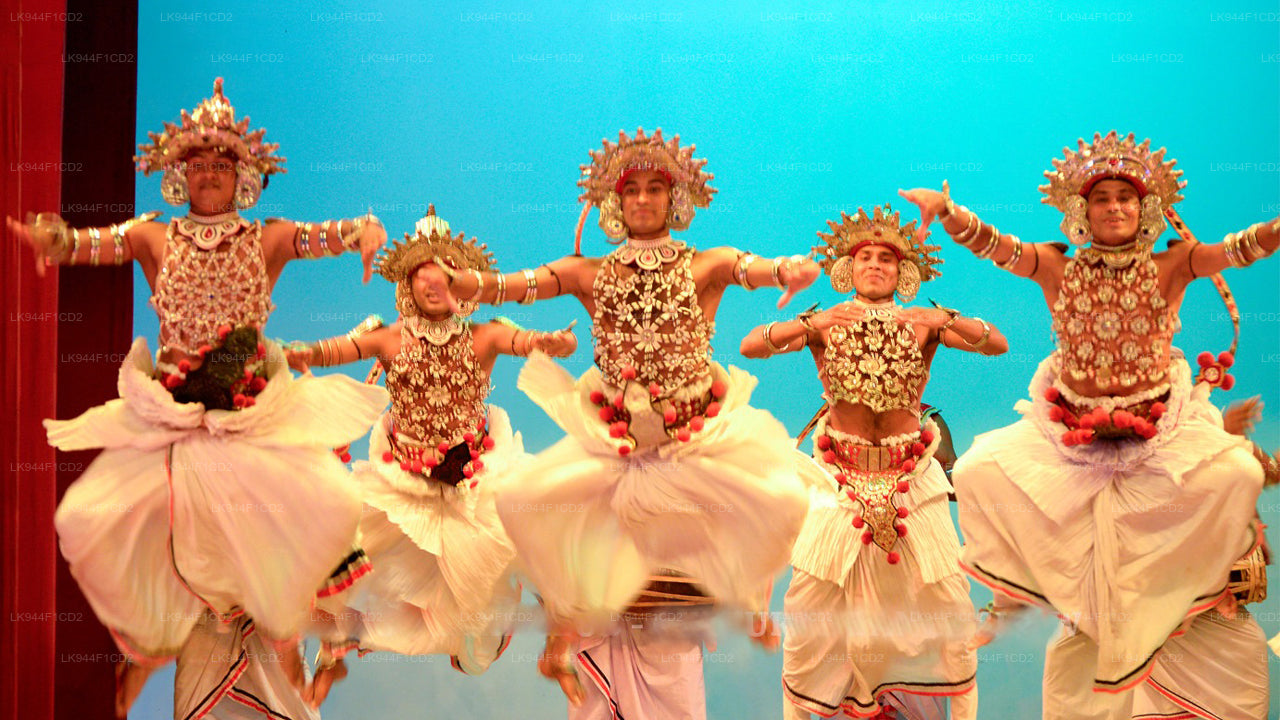
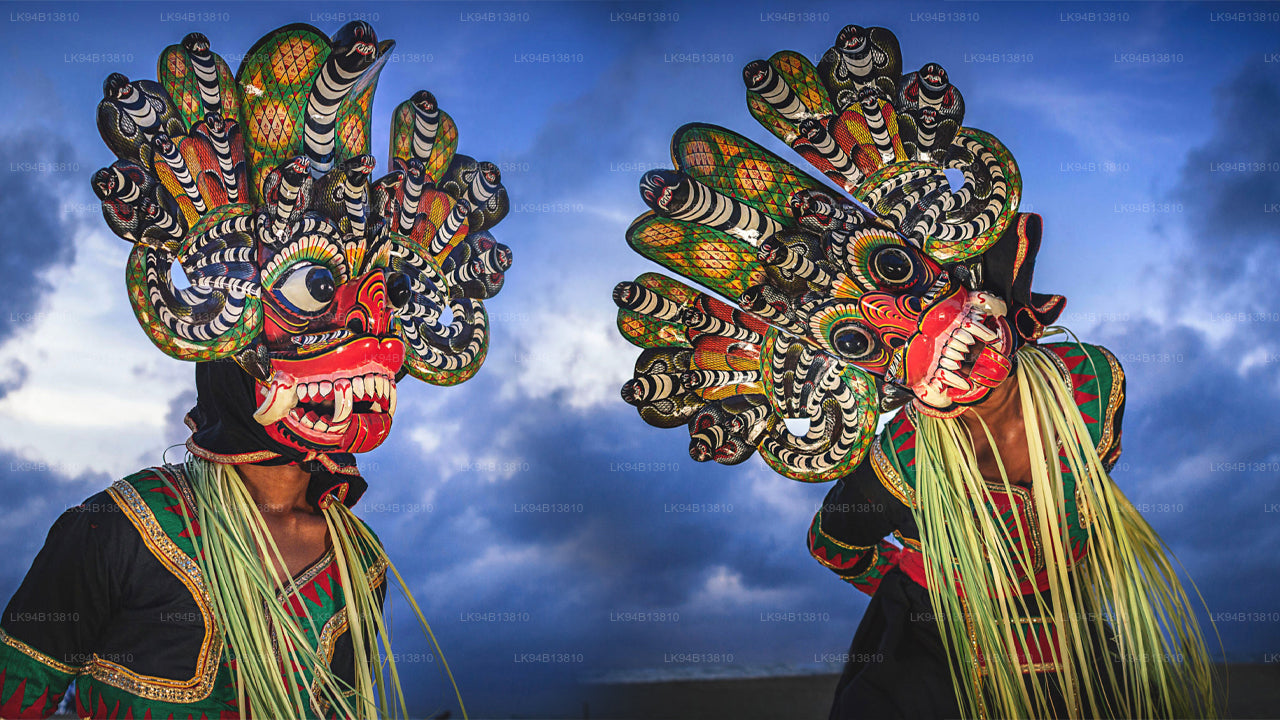
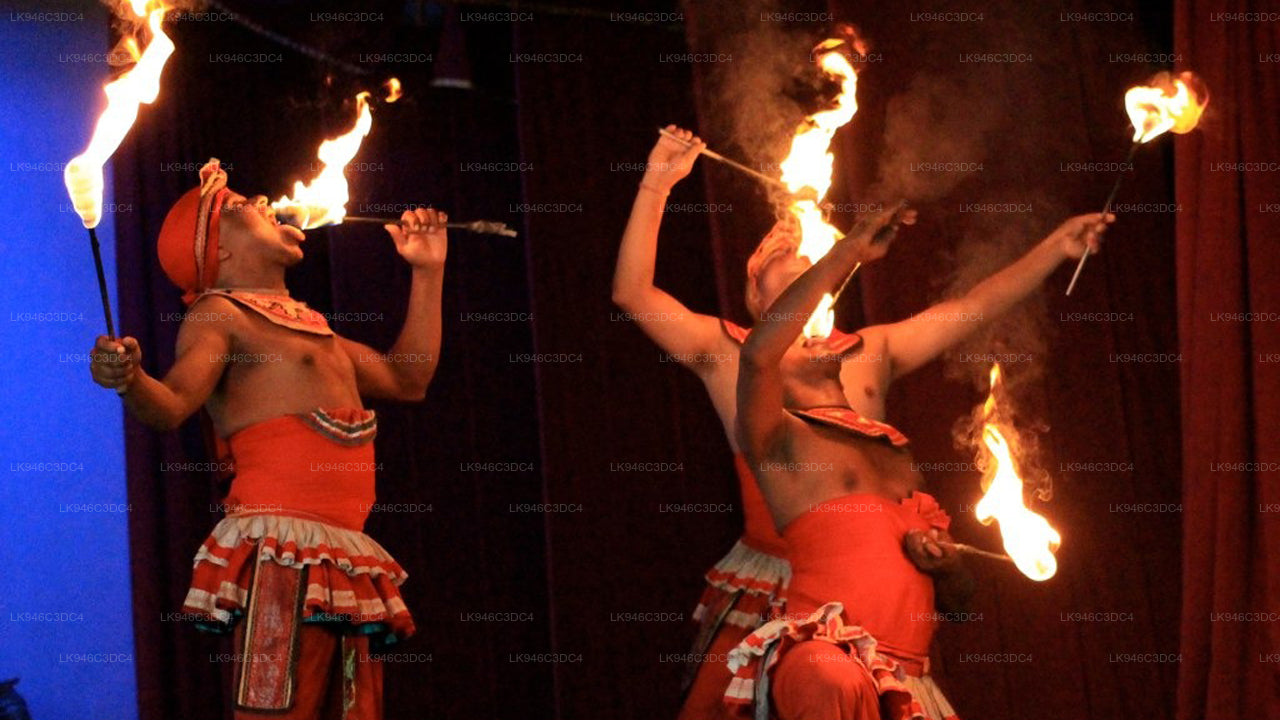
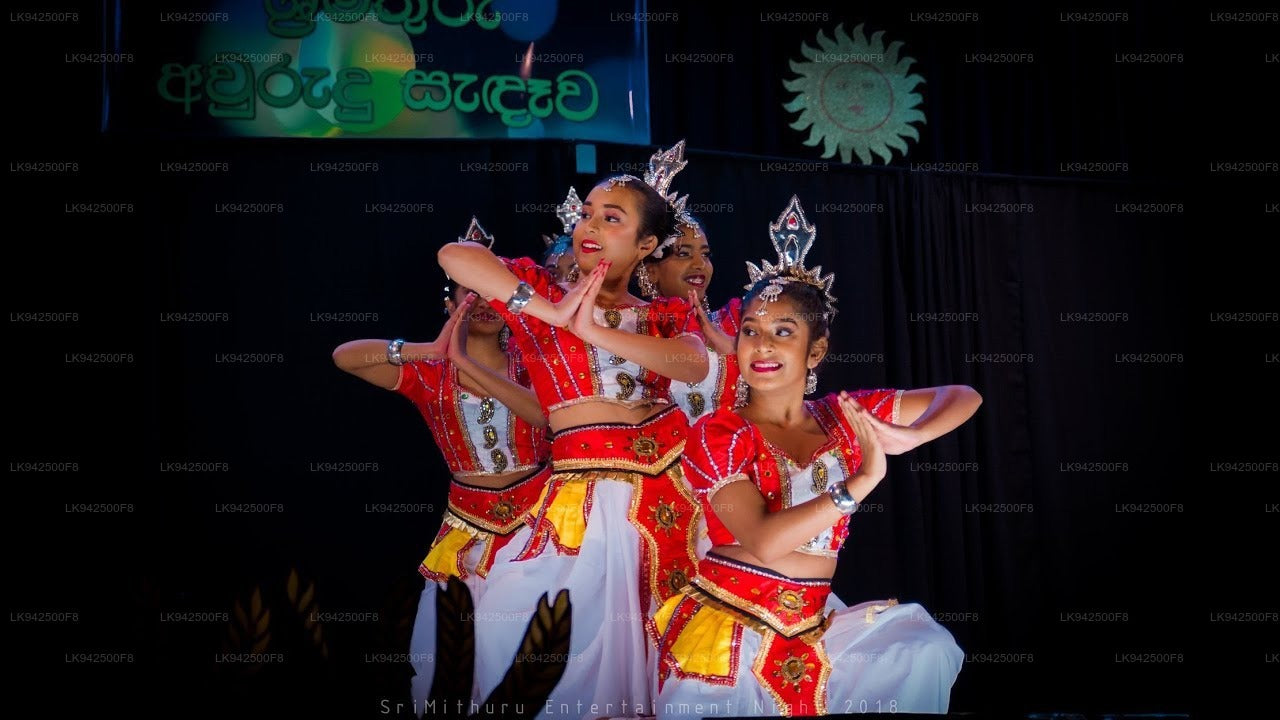
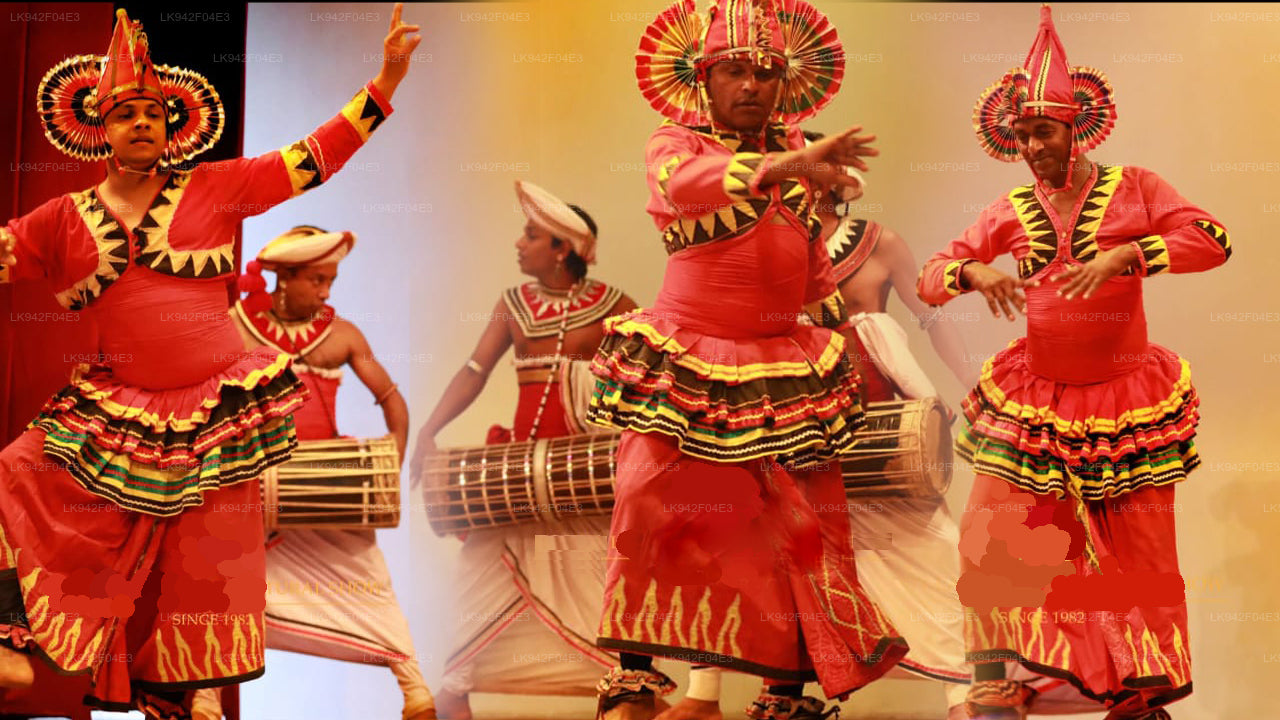
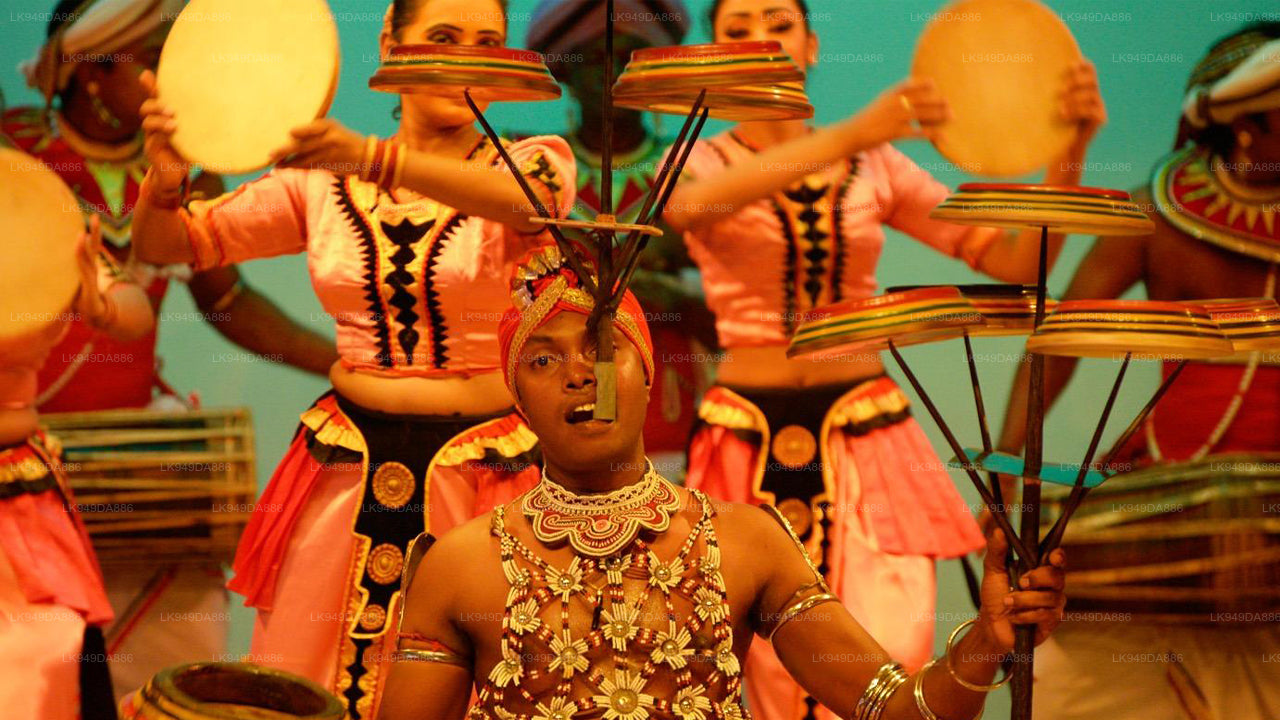
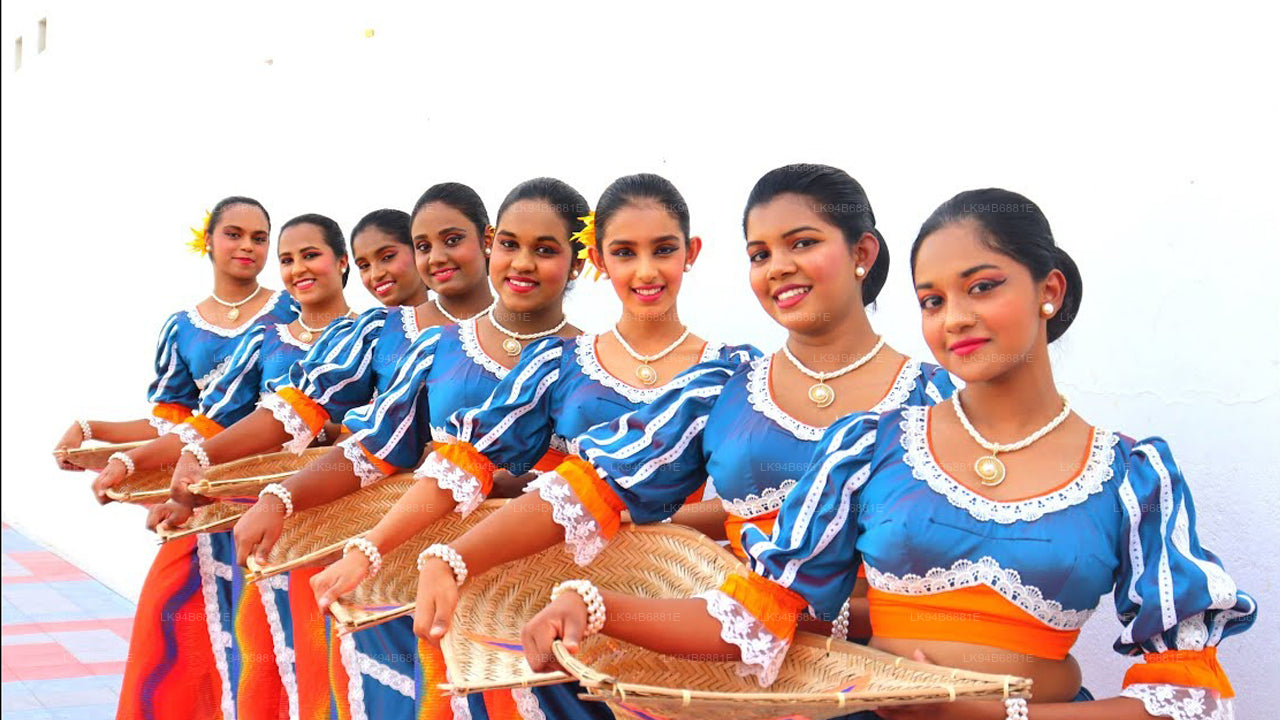
The dance is characterized by vigorous movements and rhythmic footwork that mirror the dynamic and unpredictable nature of the sea. Dancers, usually male, wear traditional costumes that include colorful cloths and elaborate headdresses. These costumes are designed to be striking and robust, enabling free movement that complements the energetic and sometimes acrobatic dance sequences.
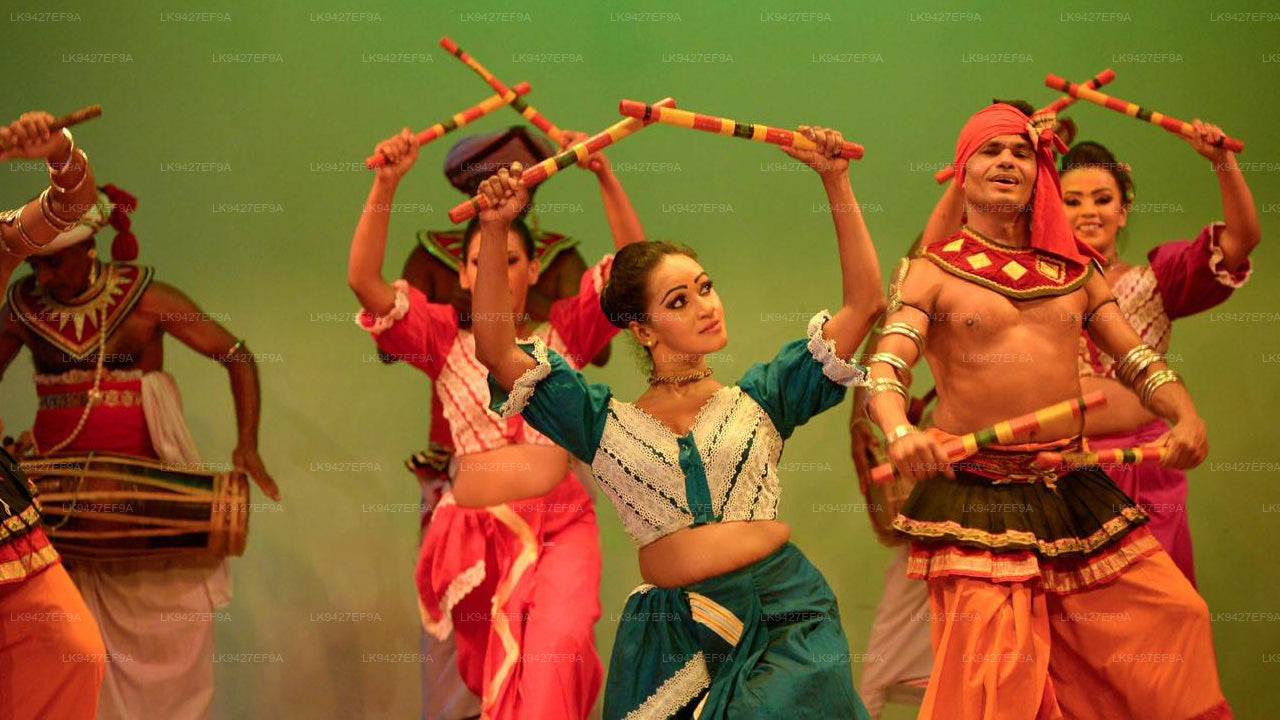
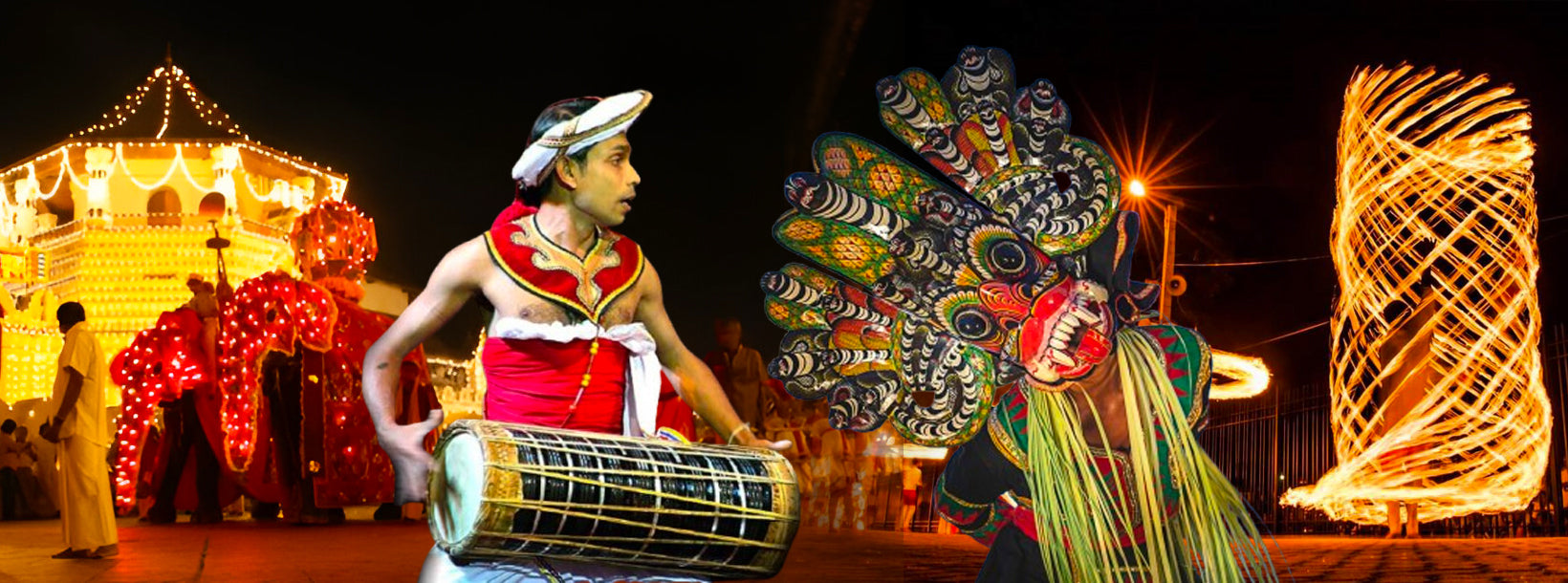
Devol Natuma is performed to the accompaniment of traditional drums, such as the 'Davula,' a large double-headed drum that is central to the performance. The drummers play complex rhythms that not only guide the dancers but also serve to invoke the deity's spirit, creating a powerful auditory experience that enhances the ritualistic aspect of the dance.
This dance form serves both a cultural and functional purpose, being a spectacle of performance art as well as a deeply spiritual practice. It is a communal activity, often performed during festivals and special occasions related to the sea, such as the launching of a new boat or at the beginning of the fishing season. Through Devol Natuma, the community comes together to celebrate and reinforce their age-old connections to the sea and the divine, preserving a tradition that has been passed down through generations.