Feeding Baby Elephants


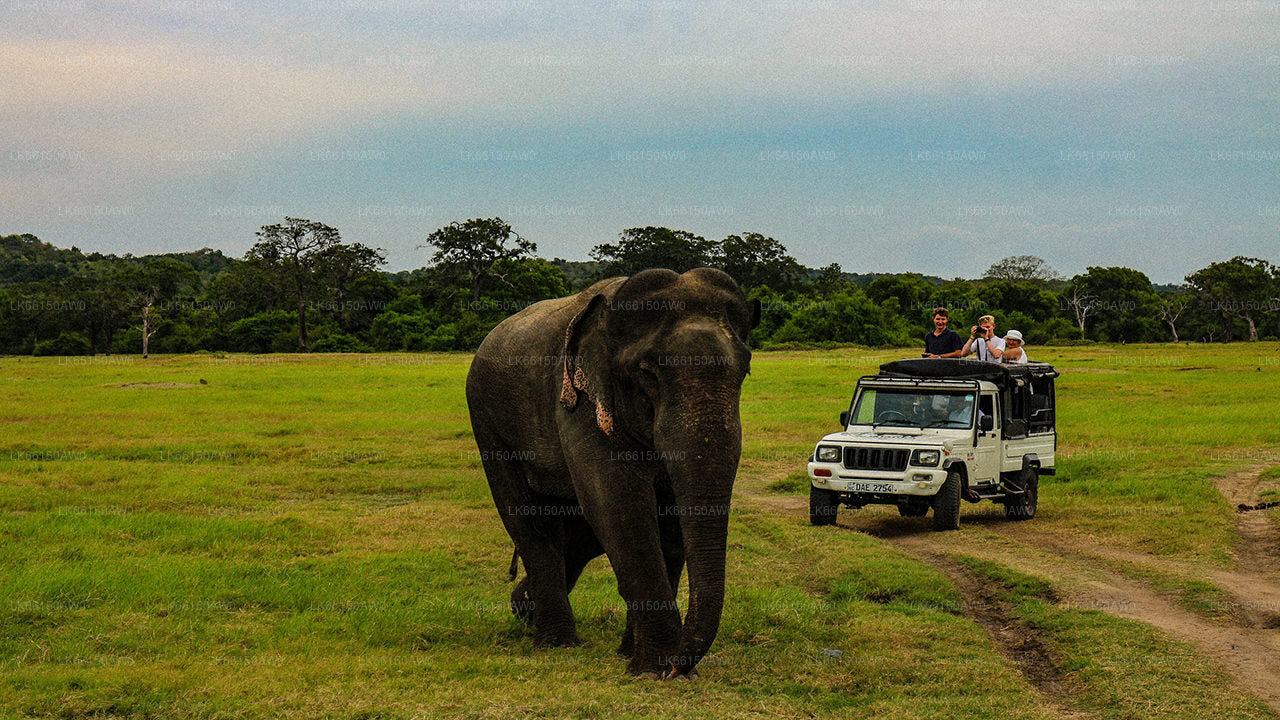
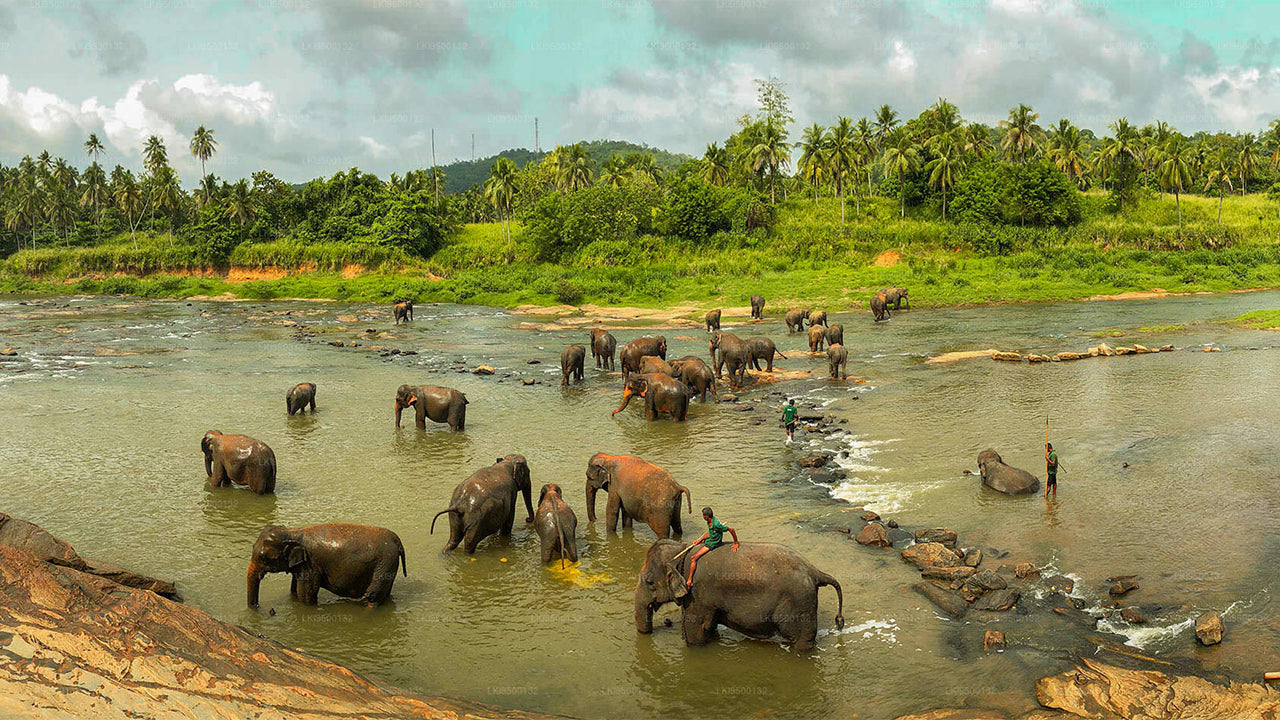
An iconic constituent of the country’s wildlife, Elephants have over thousands of years been living in Sri Lanka where they have been revered for centuries. What’s more, it is Sri Lanka that cares for the world’s largest herd of orphaned Elephants.
So, if you have planned a trip to Sri Lanka, you will without a doubt take home fond memories of these gigantic yet gentle mammals.
Globally there are mainly two extant species of Elephants – the African elephant (Loxodonta) and the Asian elephant (Elephas maximus), but after recent extensive studies and DNA testing, the African elephant was further subdivided into two distinct species called African bush elephant (Loxodonta africana) and African forest elephant (Loxodonta cyclotis). The Asian elephant falls into three distinct subspecies: Elephas maximus maximus (living in Sri Lanka), Elephas maximus indicus (living in mainland Asia), and Elephas maximus sumatranus (living in the island of Sumatra). All these species of Elephants are of the Elephantidae family and The Proboscidea order.
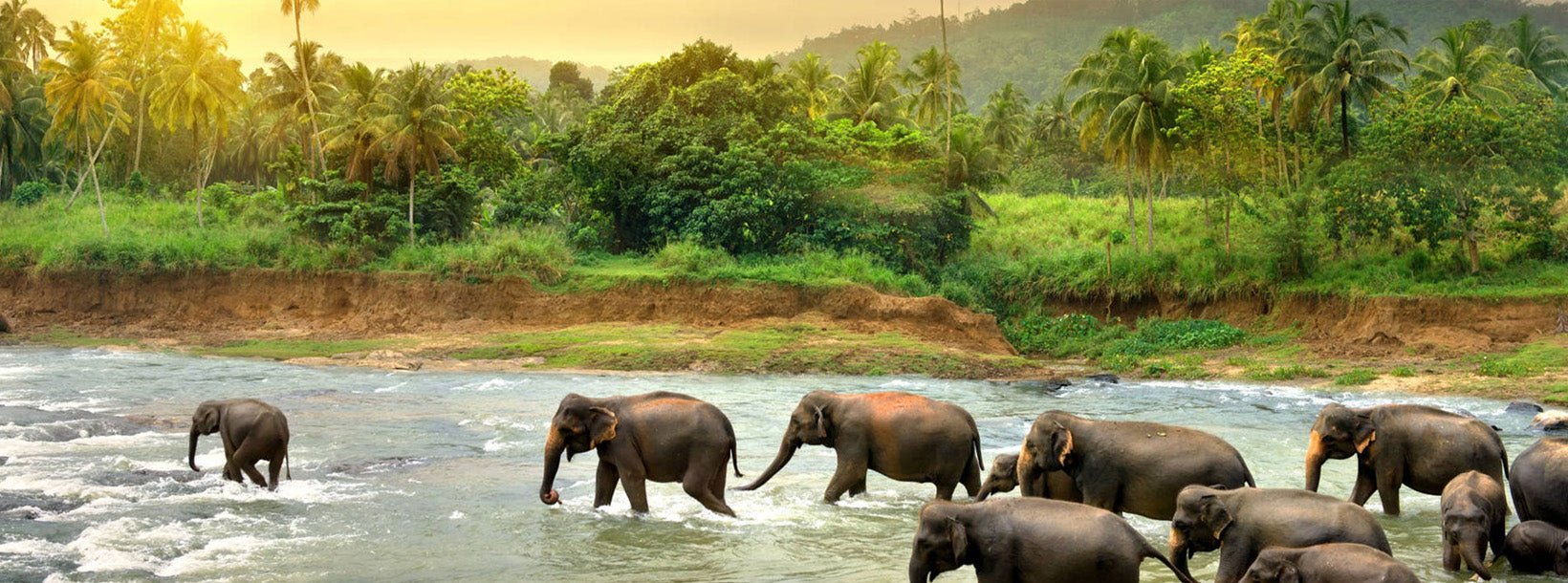
Inhabiting tropical forests of the island, mainly lowland dry deciduous woodlands, scrubs etc. and frequenting nearby grasslands and cropped lands, the Sri Lankan Elephants, whose lifespan lies between 55 and 70 years, travel in cohesive herds that consist of about 8-12 individuals especially female adults and their offspring headed by the matriarch, but herd sizes can vary. Anyway, males who leave natal herds when they reach sexual maturity can be sighted wandering on their own or in temporary bachelor herds. Their cohesiveness is enforced by a complex communication system. A range of vocalizations, from low rumblings to high-pitched screams and trumpets, along with assorted visual signals is employed when they are close to each other.
Some of their rumbling, growling, bellowing, and moaning sounds of varied low frequency may travel long distances. These herbivorous proboscideans, that wander miles a day mostly in search of food and water, feed on a wide variety of vegetation including grasses, leaves, climbers, shoots, barks, roots, fruits, nuts and seeds and a large number of plant species have been identified to be fed on by Elephants in Sri Lanka.
Furthermore, Sri Lankan Elephants are highly intelligent, self-aware, social, emotional as well as strong. It is reported that they move to safer places when natural disasters occur. A classic example is that in 2004 when the tsunami hit the island, Elephants that were roaming in the coastal areas at the time had moved inland moments before the tsunami reached after sensing the looming calamity. These emotional beasts express their emotions using their trunk, ears, head, and tail. Also these species can easily be tamed and is capable of working under human instructions. In Sri Lanka, Elephants have been domesticated and used for various purposes over thousands of years. These powerful beasts have been used for transportation of people on their back, carrying, hauling and lifting logs a