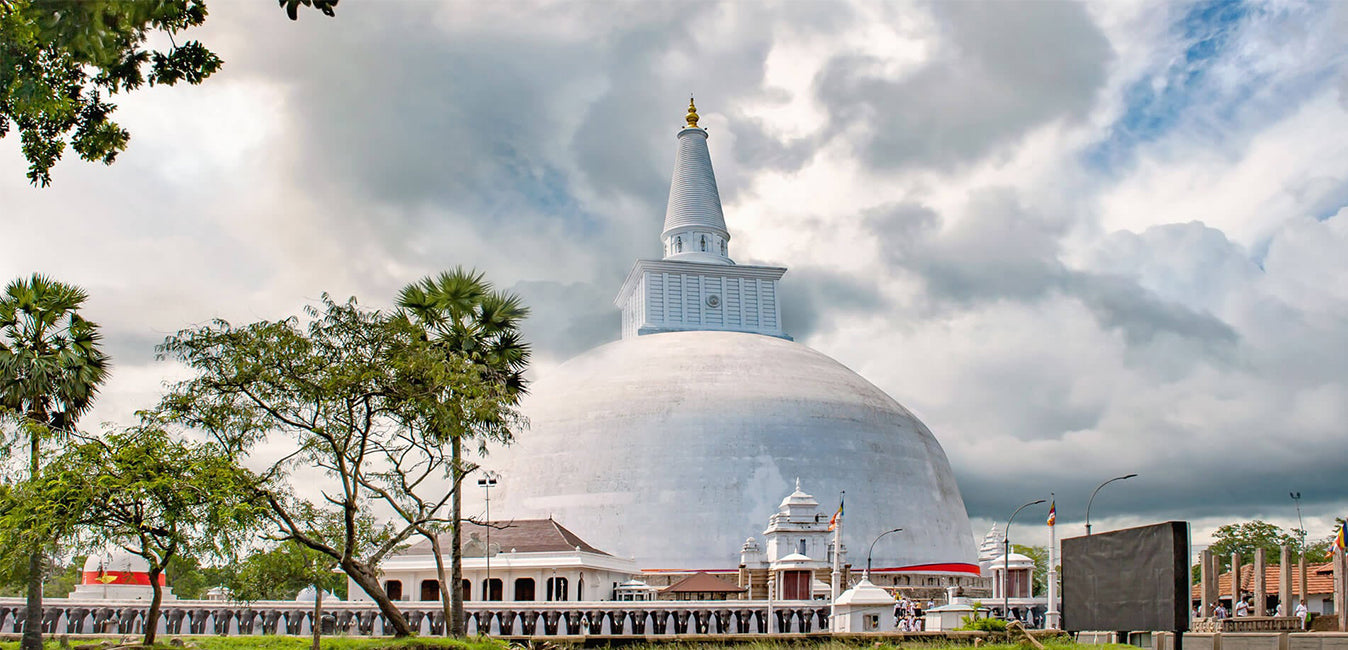
ティッサ・ウェワ ෴ තිස්ස වැව
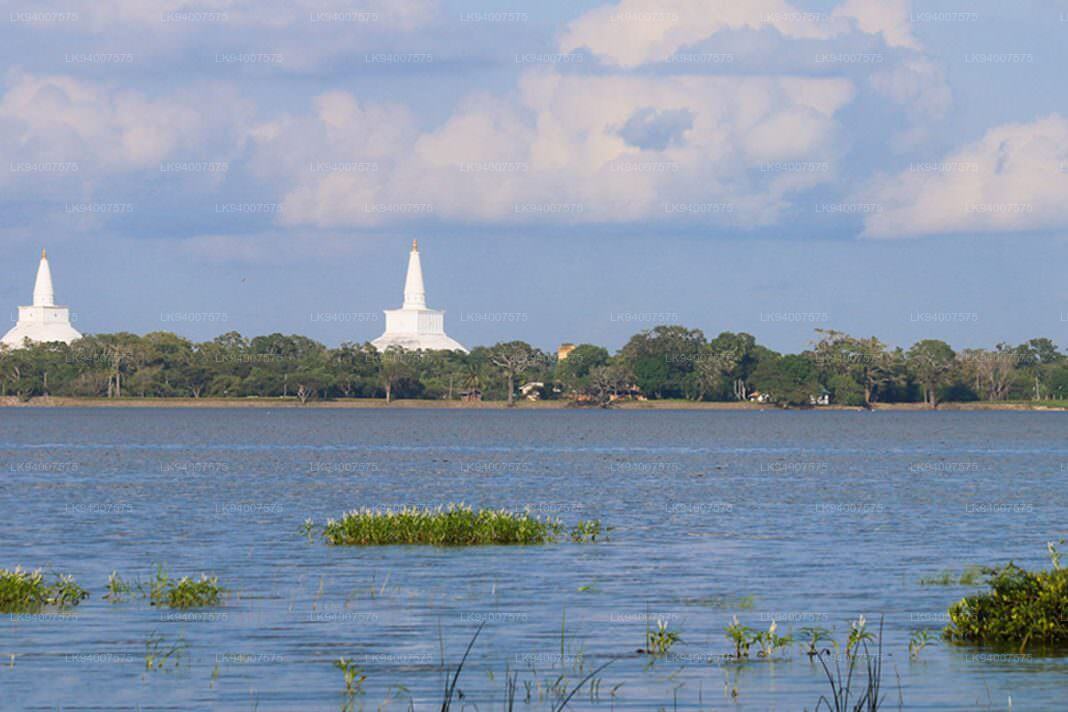
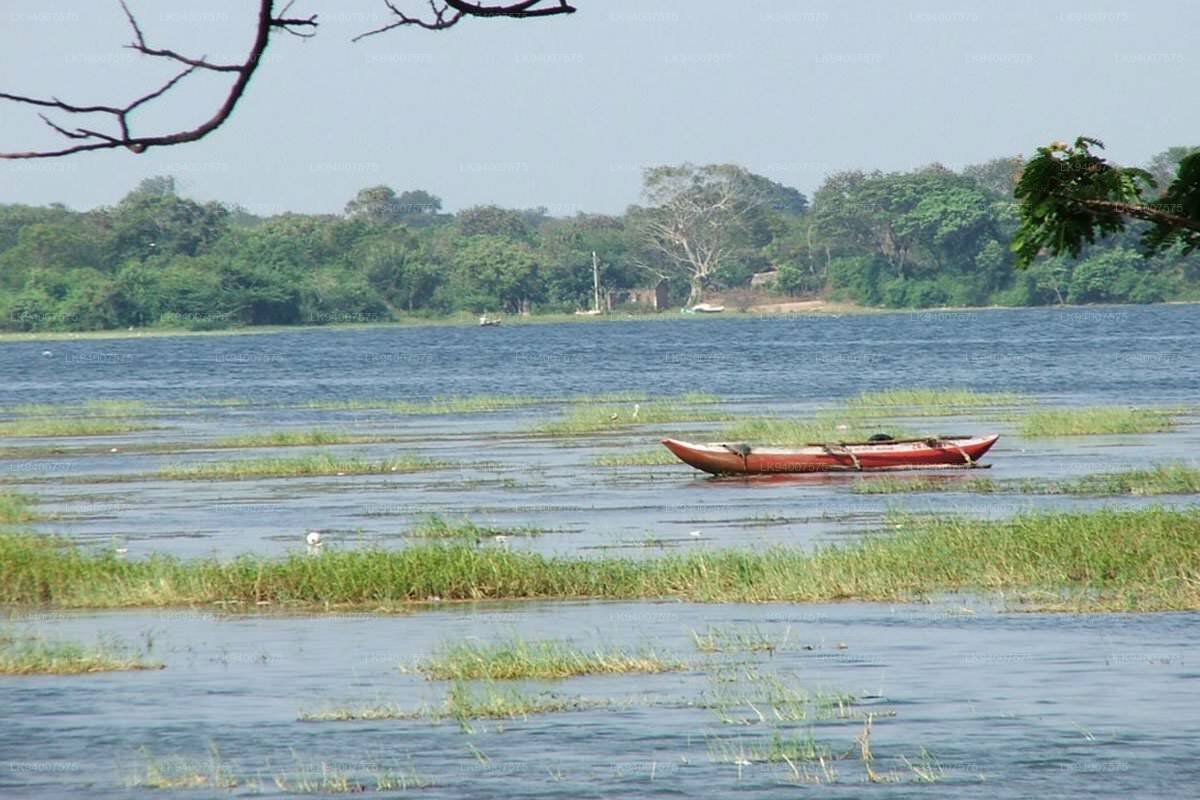
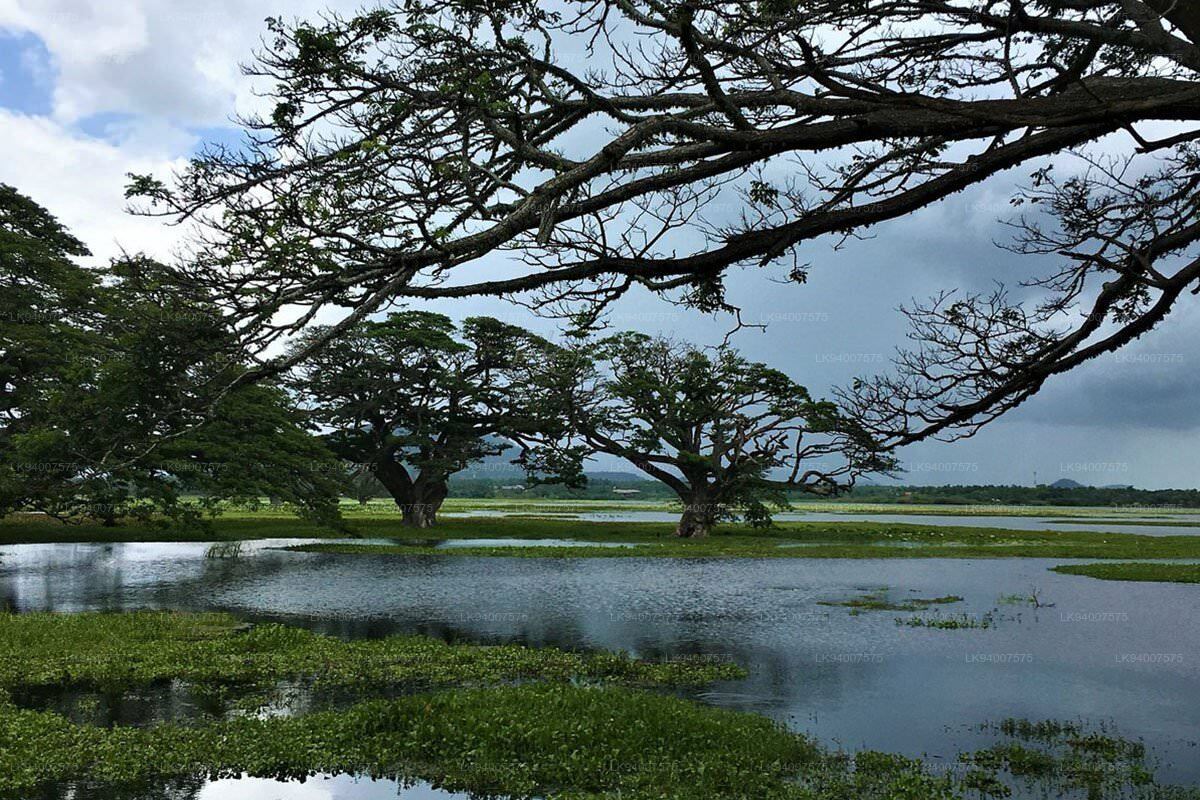
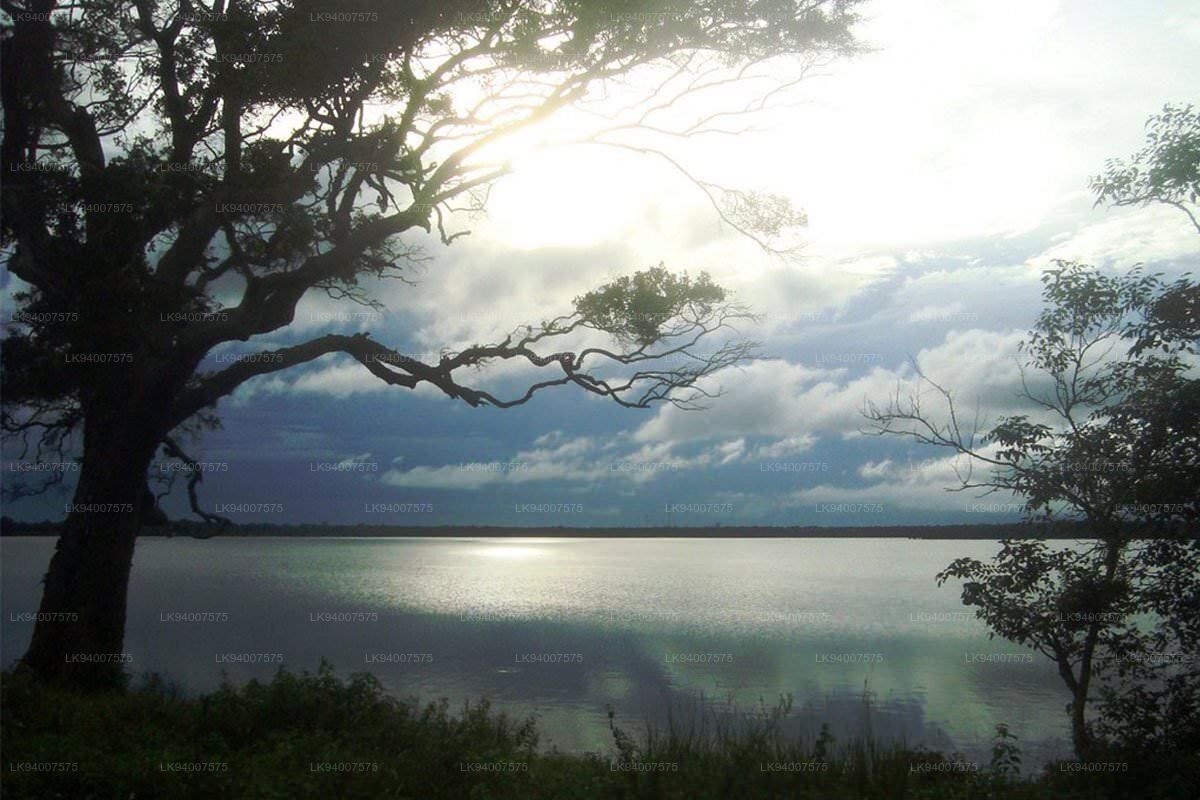
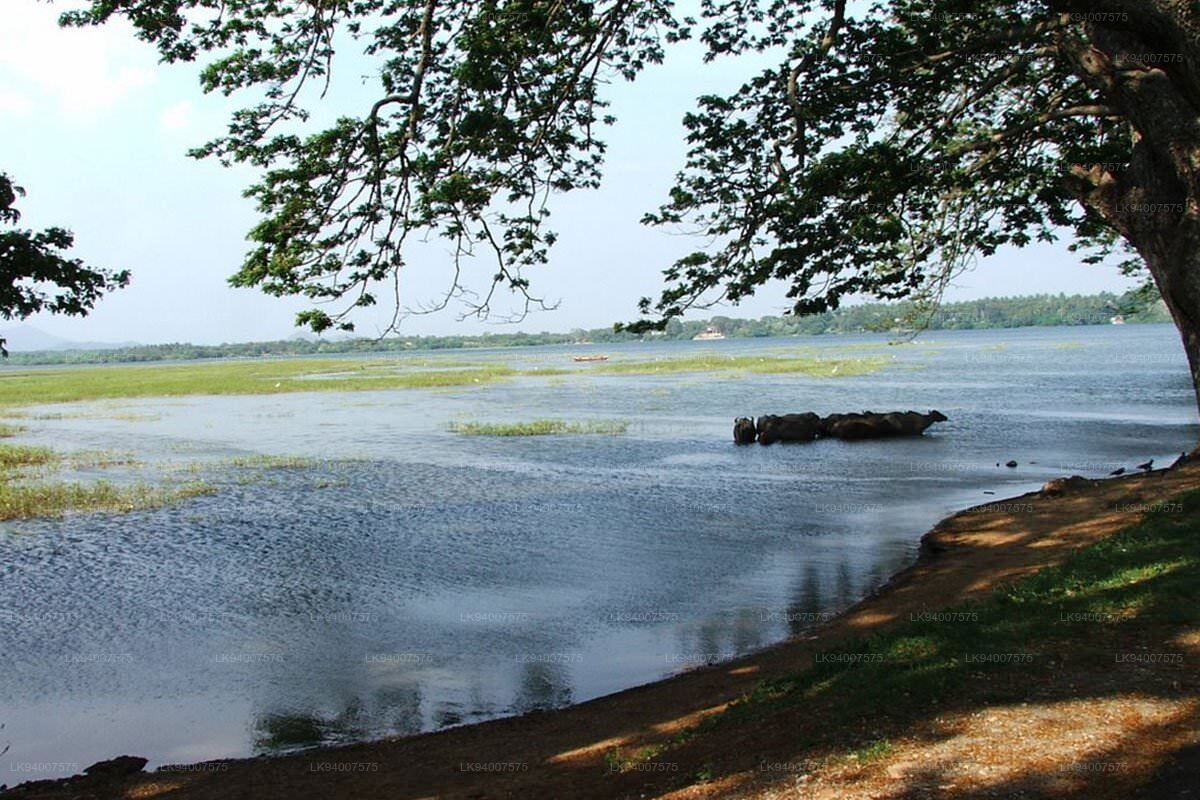
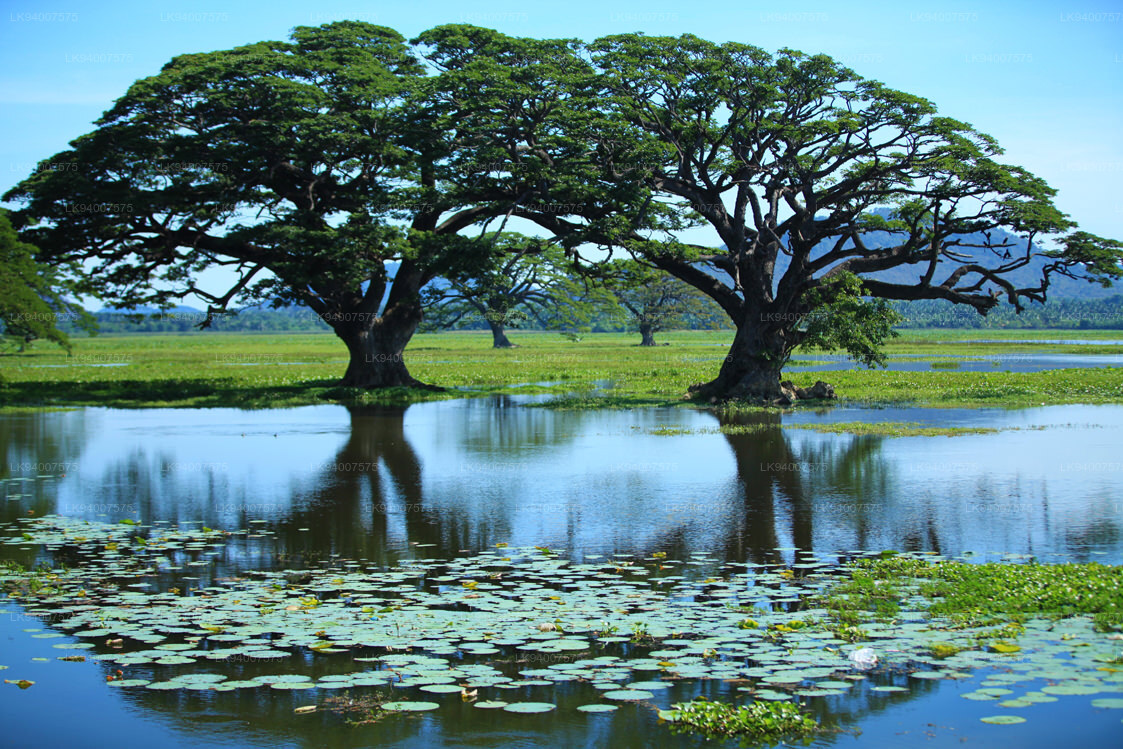
ティッサ ワピまたはティッサ ウェワは、観光客が肉体的にも精神的にもリラックスして知識を得ることができるもう 1 つの目的地です。これはスリランカの古代灌漑システムの象徴です。また、バサワックラマ (アバヤギリ ウェワ) とヌワラ ウェワ以外に、アヌラーダプラにある男性によって造られた貯水池の 1 つです。アバヤ・ウェワとパンダ・ウェワのみがこれより古いと考えられています。 3 世紀にスリランカ文明に仏教を確立した先駆者であるデヴァナム ピヤティッサ王 (紀元前 150 ~ 210 年) によって建てられました。バントの距離は約 11,000 フィート、深さは 25 フィートです。ティサ ウェワの面積は約 550 エーカーです。マハワンサは、偉大な王ドゥトゥゲムヌが残忍なドラヴィダ王エララを破って王位に就く前に、儀式を行うためにティッサ・ウェワに行き、水に囲まれた伝統を観察したことを明らかにした。湖はアヌラーダプラ市の南西に位置します。
この大規模な灌漑システムは老朽化しました。しかし、イギリス政府によってさえ何度も修復されました。 H.パーカーのレポートに規定されているように、バントは元の状態で厚く構築されており、メンテナンスの必要がない可能性があると彼は述べています。実際のところ、ティッサ ウェワは今でもアヌラーダプラ地域でサービスを提供しています。ちなみに、石で作られた古代ビソコトゥワはコンクリートで埋められていました。ティッサ ウェワは、カラ ウェワから得た水で栄養を与えられました。水はヨダエラ運河を通じて供給されました。 Yodha Ela は、古代建築の素晴らしい創造物でもあります。建築家は、運河をジグザグ形の運河に移動すると、運河内の水の速度が低下する可能性があることを知っていました。
したがって、彼らはこの理論を低地地域に水を供給するために利用しました。運河はアヌラーダプラの乾燥地帯全域をカバーすることができました。彼らは、デヴァナム王ピヤ・ティッサによってティッサ・ウェワを建設するのに適した場所を選ぶための調査を検討しました。それはいくつかの目的の下で行われました。大地から水を吸収し、自然水源から水を集めて確保するための調和した地形、タンクのダム建設の容易さ、地震や浸水への適応性などを徹底的に考慮しました。このように、スリランカ人の古代の田舎の生活スタイルは、水文明と深く結びついていました。王たちは、タンク、湖、貯水池の維持と開発に細心の注意を払いました。彼らは人々に一滴の水を無駄にすることを決して許しませんでした。
-
 Sri Maha Bodhiya
Jaya Sri Maha Bodhi is a sacred bo tree in the Mahamewna Gardens, Anuradhapura, Sri Lanka. It is the southern branch from the historical Sri Maha Bodhi at Buddha Gaya in India under which Buddha attained Enlightenment. It was planted in 288 BC, and is the oldest living human-planted tree in the world with a known planting date.
-
 Ruwanweliseya
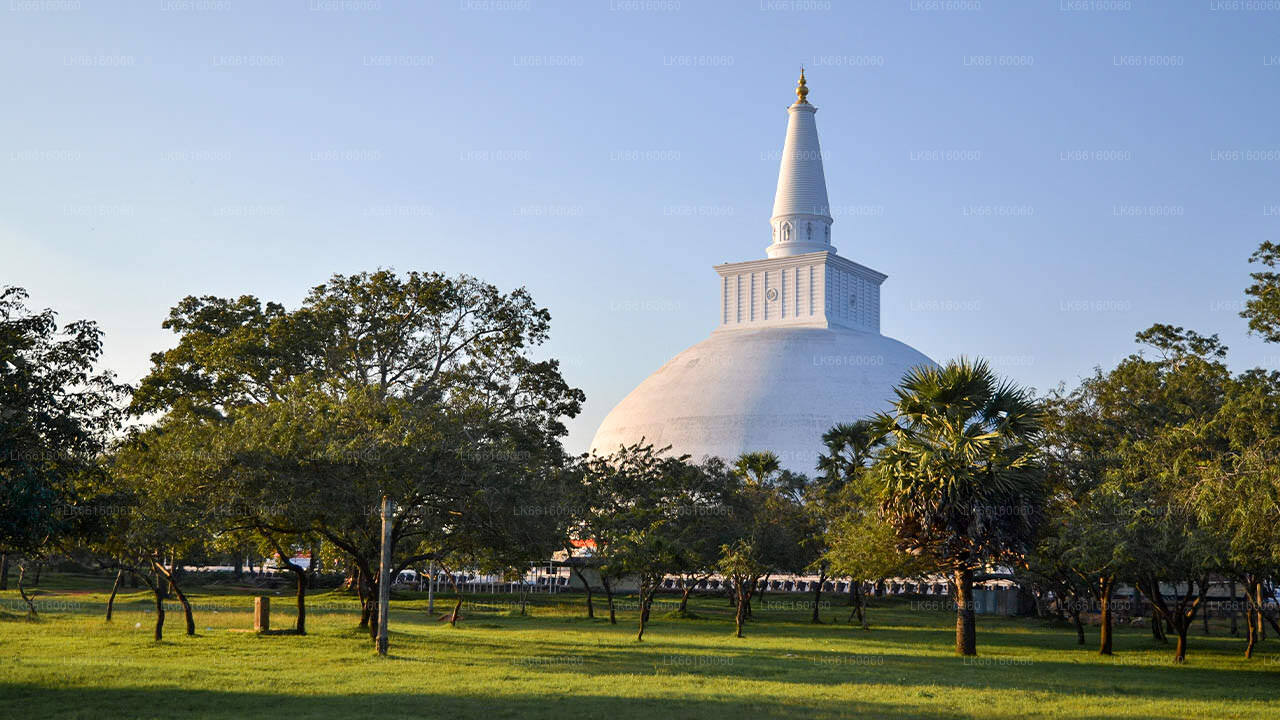
The Ruwanweli Maha Seya, also known as the Mahathupa (the Great Thupa) is a stupa (a hemispherical structure containing relics) in Anuradhapura, Sri Lanka. Two quarts or one Dona of the Buddha's relics are enshrined in the stupa, making it the largest collection of his relics anywhere. It was built by Sinhalese King Dutugemunu in c. 140 B.C., who became king of Sri Lanka after a war in which the Chola King Elāra (Ellalan) was defeated.
-
 Thuparamaya
Thuparamaya is the first Buddhist temple that was constructed, after the arrival of mahinda thero(mahindagamanaya) in Sri Lanka. Located in the sacred area of Mahamewna park, the Thuparamaya Stupa is the earliest Dagoba to be constructed in the island, dating back to the reign of King Devanampiya Tissa (247-207 BC). The temple has been formally recognised by the Government as an archaeological site in Sri Lanka.
-
 Lovamahapaya
Lovamahapaya is a building situated between Ruwanweliseya and Sri Mahabodiya in the ancient city of Anuradhapura, Sri Lanka. It is also known as the Brazen Palace or Lohaprasadaya because the roof was covered with bronze tiles. In ancient times, the building included the refectory and the uposathagara (Uposatha house).
-
 Abhayagiri Stupa
Abhayagiri Vihāra was a major monastery site of Mahayana, Theravada and Vajrayana Buddhism that was situated in Anuradhapura, Sri Lanka. It is one of the most extensive ruins in the world and one of the most sacred Buddhist pilgrimage cities in the nation.
-
 Jetavanaramaya
The Jetavanarama stupa or Jetavanaramaya is a stupa, or Buddhist reliquary monument, located in the ruins of Jetavana monastery in the UNESCO world heritage city of Anuradhapura, Sri Lanka. At 122 metres (400 ft), it was the world's tallest stupa, and the third tallest structure in the world when it was built by King Mahasena of Anuradhapura (273–301).
-
 Mirisawetiya Stupa
The Mirisaweti Stupa is a memorial building, a stupa, situated in the ancient city of Anuradhapura, Sri Lanka. King Dutugamunu (161 BC to 137 BC) built the Mirisaveti Stupa after defeating King Elara. After placing the Buddha relics in the sceptre, he had gone to Tissa Wewa for a bath leaving the sceptre.
-
 Lankarama
Lankarama is a stupa built by King Valagamba, in an ancient place at Galhebakada in the ancient kingdom of Anuradhapura, Sri Lanka. Nothing is known about the ancient form of the stupa, and later this was renovated. The ruins show that there are rows of stone pillars and it is no doubt that there has been a house built encircling the stupa (vatadage) to cover it.
-
 Isurumuniya
Isurumuniya is a Buddhist temple situated near to the Tissa Wewa (Tisa tank) in Anuradhapura, Sri Lanka. There are four carvings of special interest in this Vihara. They are the Isurumuniya Lovers, Elephant Pond and The Royal Family. The ancient Meghagiri Vihara or Meygiri Vihara is presently identified as the Isurumuni Vihara.