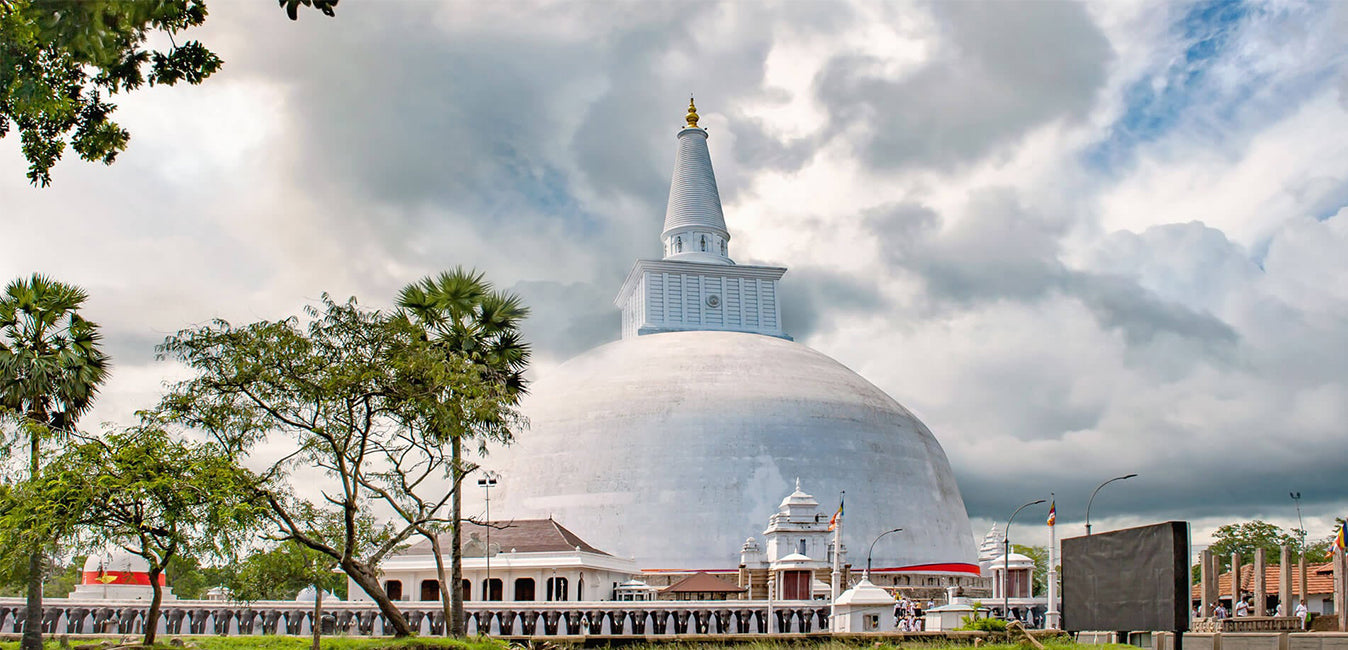
ジェータヴァナラーマヤ・ストゥーパ


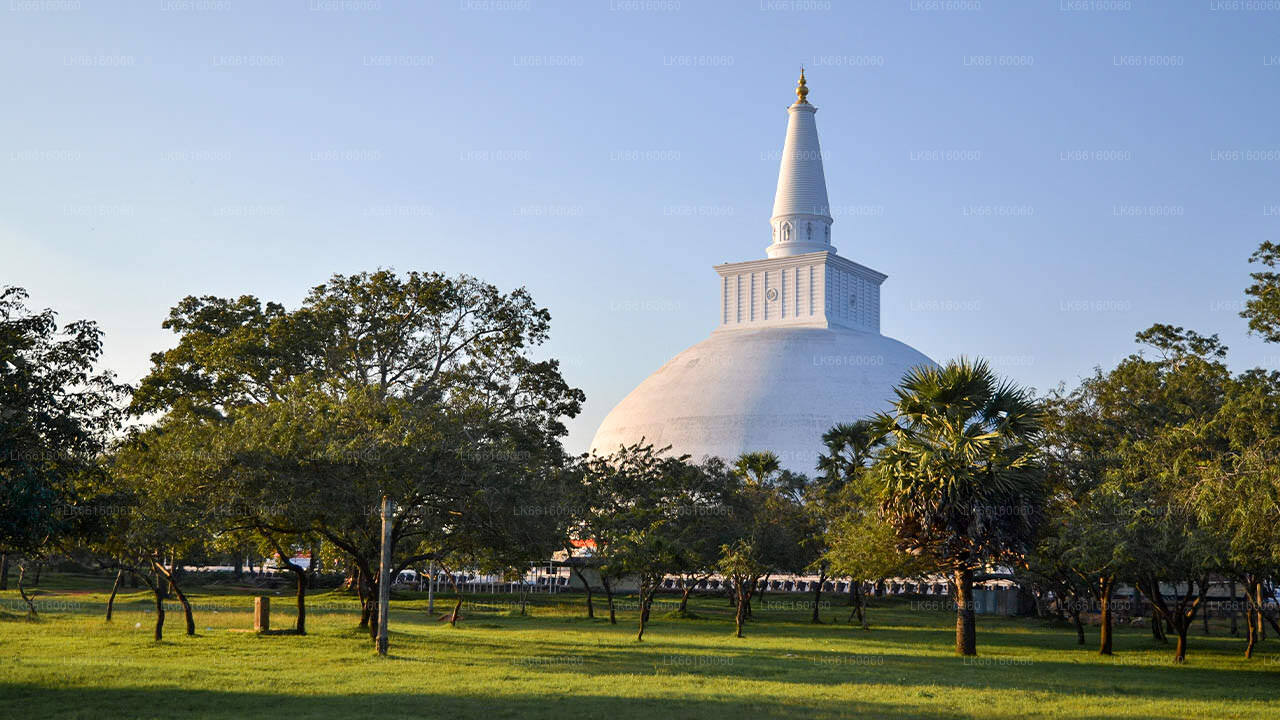
ジェタヴァナラマ ストゥーパまたはジェタヴァナラマヤは、アヌラーダプラの遺跡にある仏教の遺物を収めるためのストゥーパで、スリランカのユネスコ世界遺産都市に位置しています。122メートル(400フィート)の高さで、建設当初、世界で最も高いストゥーパであり、また、世界で3番目に高い建造物でもありました。アヌラーダプラのマハセナ王(273年–301年)によって建てられました。彼は、アヌラーダプラのマハヴィハラヤの破壊後に、このストゥーパの建設を開始しました。彼の息子であるマガヴァンナI世がストゥーパの建設を完成させ、ポロンナルワのパラクラマバフ1世によって再建されました。ここに安置されているのは、仏陀が結んだ帯の一部であると信じられています。
この建物は、島の歴史において重要です。なぜなら、それはテラヴァーダ派とマハーヤーナ派の仏教の対立を象徴しているからです。さらに、この建物は古代の世界における最も高い建物の一つとして、記録された歴史においても重要であり、最も高い非ピラミッド型の建造物でもあります。ストゥーパの高さは122メートル(400フィート)で、古代世界で最も高いストゥーパとして知られていました。11世紀にアヌラーダプラ王国が破壊され放棄された後、このストゥーパはジャングルに覆われました。12世紀にパラクラマバフ王はこのストゥーパを再建し、現在の高さに修復されましたが、元の高さよりも低くなっています。今日、ストゥーパは71メートル(233フィート)の高さで立っています。
この複合施設は約5.6ヘクタールの広さで、約10,000人の仏教僧が住んでいたと推定されています。ストゥーパの一辺は176メートル(576フィート)で、四方の階段はそれぞれ9メートル(28フィート)の幅を持っています。ストゥーパの中庭にある聖堂の扉の柱は8メートル(27フィート)の高さです。ストゥーパの基礎は8.5メートル(28フィート)の深さで、岩盤の上にあります。
この構造はもはや最も高いものではありませんが、それでも最も大きいものであり、基底面積は233,000平方メートル(2,508,000平方フィート)です。その建設には約9330万個の焼き固めたレンガが使用されました。この構造の建設における工学的な巧妙さは、島の歴史における重要な発展を示しています。


-
 Sri Maha Bodhiya
Jaya Sri Maha Bodhi is a sacred bo tree in the Mahamewna Gardens, Anuradhapura, Sri Lanka. It is the southern branch from the historical Sri Maha Bodhi at Buddha Gaya in India under which Buddha attained Enlightenment. It was planted in 288 BC, and is the oldest living human-planted tree in the world with a known planting date.
-
 Ruwanweliseya
The Ruwanweli Maha Seya, also known as the Mahathupa (the Great Thupa) is a stupa (a hemispherical structure containing relics) in Anuradhapura, Sri Lanka. Two quarts or one Dona of the Buddha's relics are enshrined in the stupa, making it the largest collection of his relics anywhere. It was built by Sinhalese King Dutugemunu in c. 140 B.C., who became king of Sri Lanka after a war in which the Chola King Elāra (Ellalan) was defeated.
-
 Thuparamaya
Thuparamaya is the first Buddhist temple that was constructed, after the arrival of mahinda thero(mahindagamanaya) in Sri Lanka. Located in the sacred area of Mahamewna park, the Thuparamaya Stupa is the earliest Dagoba to be constructed in the island, dating back to the reign of King Devanampiya Tissa (247-207 BC). The temple has been formally recognised by the Government as an archaeological site in Sri Lanka.
-
 Lovamahapaya
Lovamahapaya is a building situated between Ruwanweliseya and Sri Mahabodiya in the ancient city of Anuradhapura, Sri Lanka. It is also known as the Brazen Palace or Lohaprasadaya because the roof was covered with bronze tiles. In ancient times, the building included the refectory and the uposathagara (Uposatha house).
-
 Abhayagiri Stupa
Abhayagiri Vihāra was a major monastery site of Mahayana, Theravada and Vajrayana Buddhism that was situated in Anuradhapura, Sri Lanka. It is one of the most extensive ruins in the world and one of the most sacred Buddhist pilgrimage cities in the nation.
-
 Jetavanaramaya
The Jetavanarama stupa or Jetavanaramaya is a stupa, or Buddhist reliquary monument, located in the ruins of Jetavana monastery in the UNESCO world heritage city of Anuradhapura, Sri Lanka. At 122 metres (400 ft), it was the world's tallest stupa, and the third tallest structure in the world when it was built by King Mahasena of Anuradhapura (273–301).
-
 Mirisawetiya Stupa
The Mirisaweti Stupa is a memorial building, a stupa, situated in the ancient city of Anuradhapura, Sri Lanka. King Dutugamunu (161 BC to 137 BC) built the Mirisaveti Stupa after defeating King Elara. After placing the Buddha relics in the sceptre, he had gone to Tissa Wewa for a bath leaving the sceptre.
-
 Lankarama
Lankarama is a stupa built by King Valagamba, in an ancient place at Galhebakada in the ancient kingdom of Anuradhapura, Sri Lanka. Nothing is known about the ancient form of the stupa, and later this was renovated. The ruins show that there are rows of stone pillars and it is no doubt that there has been a house built encircling the stupa (vatadage) to cover it.
-
 Isurumuniya
Isurumuniya is a Buddhist temple situated near to the Tissa Wewa (Tisa tank) in Anuradhapura, Sri Lanka. There are four carvings of special interest in this Vihara. They are the Isurumuniya Lovers, Elephant Pond and The Royal Family. The ancient Meghagiri Vihara or Meygiri Vihara is presently identified as the Isurumuni Vihara.