Tempio Maruthanamadam Anjaneyar


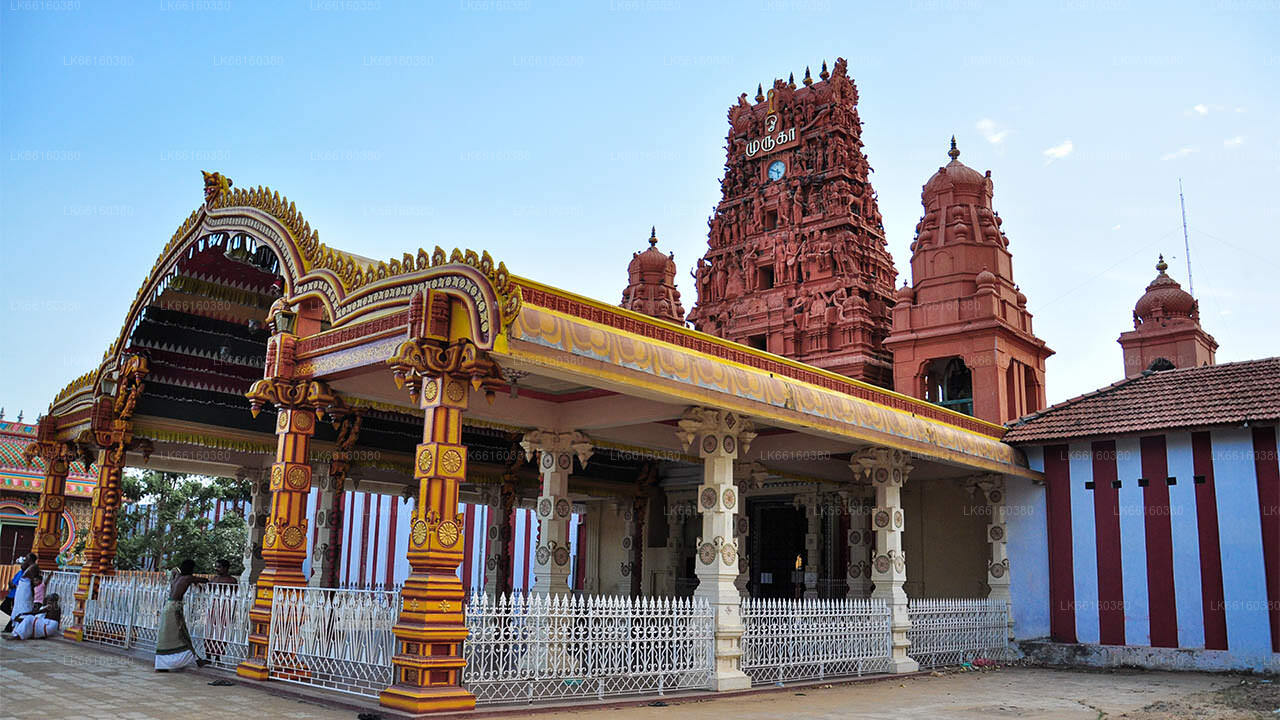
Il tempio Maruthanar Madam Anjanajar è un venerato santuario induista situato nel distretto di Mannar nel nord di Sri Lanka, profondamente legato alla tradizione Ramayana e alla venerazione di Lord Anjaneya (Hanuman). Situato in un paesaggio rurale sereno, il tempio ha un significato spirituale, culturale e storico per i devoti di tutta l'isola, in particolare all'interno della comunità induista tamil induista. Il suo ambiente pacifico e le sue associazioni sacre lo rendono non solo un luogo di culto, ma anche un sito di riflessione e devozione.
Secondo la tradizione, Maruthanar Madam è considerato uno dei luoghi dove Lord Hanuman si fermò durante il suo viaggio verso Lanka alla ricerca della dea Sita. Il nome stesso riflette questa credenza, con “Maruthanar” che si riferisce a Hanuman, il figlio del dio del vento. Questa associazione colloca il tempio saldamente nel più ampio percorso Sri Lanka della Ramayana, che collega vari siti sacri in tutta l'isola a episodi dell'antico poema epico. Per i devoti, visitare il tempio è sia un atto religioso che un modo per connettersi a un patrimonio culturale condiviso che si estende per secoli.
La divinità principale, Lord Anjaneya, è venerata come simbolo di forza, devozione, lealtà e coraggio. Molti devoti visitano il tempio per cercare benedizioni per la protezione, il successo, la buona salute e per liberarsi dagli ostacoli. Preghiere speciali e offerte vengono comunemente fatte il sabato, che è considerato un giorno propizio per la venerazione di Hanuman, così come durante i periodi festivi legati alla tradizione Ramayana. L'atmosfera durante questi periodi è caratterizzata da canti, osservanze rituali e un forte senso di fede comunitaria.
Nel contesto srilankese, il tempio Maruthanar Madam Anjanajar rappresenta anche la resilienza delle tradizioni religiose nella provincia settentrionale, specialmente in una regione che ha subito significativi sfide storiche. Il tempio continua a servire come un ancoraggio spirituale per le comunità locali, accogliendo al contempo i pellegrini provenienti da altre parti del paese. La sua semplicità, i rituali incentrati sulla devozione e le forti associazioni mitologiche lo distinguono dai templi urbani più grandi, offrendo ai visitatori un'esperienza radicata nell'umiltà e nel rispetto.
Oggi, il tempio si erge come un importante punto di riferimento nel panorama religioso di Sri Lanka, riflettendo le tradizioni spirituali pluralistiche dell'isola. Il tempio Maruthanar Madam Anjanajar non è solo un luogo legato alla leggenda, ma uno spazio vivo di culto dove la fede, la storia e la cultura si uniscono in armonia tranquilla.