Tendonitis


Tendonitis is the inflammation or irritation of a tendon, the thick fibrous cords that attach muscle to bone. It commonly affects areas like the shoulders, elbows, wrists, knees, and heels.
Common Symptoms
- Pain or tenderness at the joint
- Swelling
- Stiffness, especially in the morning
- Difficulty in movement
- Warmth and redness over the affected area
Conventional Management
Typical treatments include:
- Rest and avoiding overuse
- Ice packs
- NSAIDs for pain relief
- Physical therapy
- Steroid injections for severe cases
Ayurvedic Perspective on Tendonitis
Ayurveda considers tendonitis a Vata disorder, sometimes with Pitta involvement due to inflammation and heat.
Causes in Ayurvedic Terms
- Aggravation of Vata dosha
- Ama (toxins) accumulation
- Poor lifestyle and overexertion
Ayurvedic Management
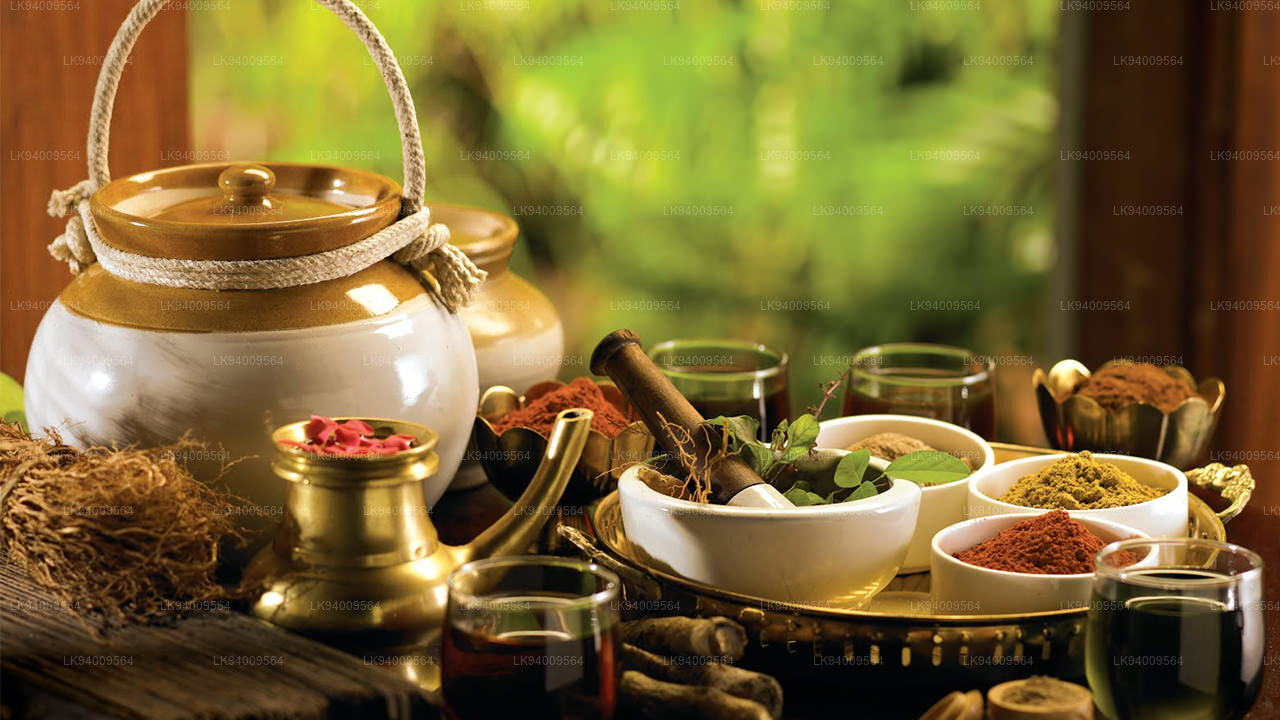
1. Herbal Remedies
- Ashwagandha – Anti-inflammatory, strengthens tendons
- Guggulu – Reduces inflammation, detoxifies joints
- Shallaki – Natural anti-inflammatory
- Eranda (Castor oil) – Soothes Vata when used internally/externally
2. Panchakarma Therapies
- Abhyanga – Medicated oil massage
- Swedana – Herbal steam therapy
- Basti – Medicated enema for Vata balance
- Patra Pinda Sweda – Leaf bundle massage
3. Dietary Recommendations
- Warm, moist, nourishing foods
- Avoid dry, cold, and processed foods
- Use turmeric, ginger, garlic
- Drink warm water with ginger or cumin
4. Lifestyle Practices
- Gentle yoga and stretching
- Adequate rest and proper posture
- Regular sleep patterns
Conclusion
Tendonitis can be effectively managed with a natural, holistic Ayurvedic approach. Personalized care, guided by a qualified practitioner, helps restore balance and strengthen the body naturally.