Namal Uyana


Jathika Namal Uyana au Sri Lanka est la plus grande forêt de bois de fer et la montagne de quartz rose en Asie. L'arbre de fer est endémique au Sri Lanka et la forêt replantée s'étend sur plus de 260 acres. Selon les découvertes des archéologues, le quartz rose dans ce site historique a plus de 550 millions d'années. Namal Uyana est une forêt extrêmement rare replantée avec des arbres de fer au VIIIe siècle de notre ère, commencée sous le règne du roi Devanampiyatissa et se terminant sous celui du roi Dappula IV. Namal Uyana a été un sanctuaire pour les moines bouddhistes sous le règne du roi Devanampiyatissa au VIIIe siècle. Plus tard, il a été utilisé comme un camp de prisonniers où la punition était de planter des arbres Na. Sous le règne du roi Dappula, il a été déclaré sanctuaire pour les humains. Ce lieu naturel unique a été porté à l'attention du monde il y a presque 15 ans par un moine bouddhiste, le Vénérable Wanawasi Rahula Thero.
Jathika Namal Uyana est situé à 7 km du carrefour de Madatugama sur la route Colombo-Anuradhapura au Sri Lanka. La forêt de bois de fer est une forêt unique au Sri Lanka où les arbres de fer dominent la végétation des 260 acres de forêt. Namal Uyana est situé dans la zone sèche du Sri Lanka. Dans la forêt d'arbres Na ou Namal Uyana, les arbres protègent la chaleur du soleil et offrent de l'ombre à toutes les petites plantes médicinales vivant à son ombre, ce qui donne aux visiteurs l'impression d'être dans une zone fraîche, comme le lieu le plus frais du Sri Lanka. Botaniquement, l'arbre Na est appelé Mesua Ferara et en anglais, il est appelé Iron Wood Tree. Toute la partie de l'arbre Na est également utilisée pour la méditation à base de plantes au Sri Lanka. Cet arbre significatif est originaire du Sri Lanka, de l'Inde, de la Malaisie, de la Birmanie, de la Thaïlande et de la Papouasie-Nouvelle-Guinée. Il a été nommé l'arbre national du Sri Lanka. Les bouddhistes et d'autres religions attribuent une grande valeur religieuse à l'arbre Na.
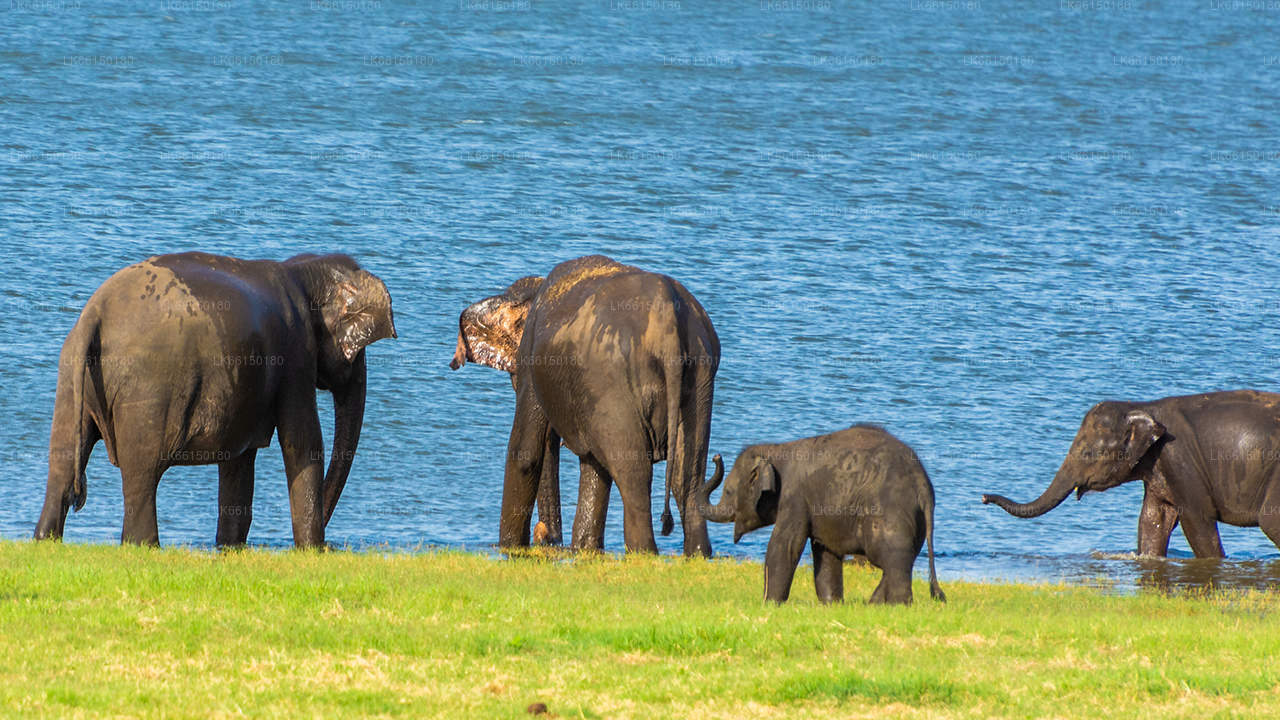
Selon les biologistes, l'importance de Namal Uyana réside dans le fait qu'il abrite 102 espèces de plantes tropicales, dont 82 sont des plantes médicinales, sur les 260 acres de jardin et de forêt environnante. 18 espèces d'oiseaux et plusieurs mammifères, y compris des éléphants, des léopards, des singes et des cerfs, vivent également dans le parc et ses environs.
La forêt de Na et la biodiversité ne sont pas la seule distinction de cet endroit. La chaîne de montagnes de quartz rose dans Namal Uyana est la plus grande chaîne de montagnes de quartz rose en Asie. Bien que Namal Uyana ait récemment été déclaré un site du patrimoine national sous le Département de la conservation de la faune (DWLC), il est devenu populaire parmi les Sri Lankais ces dernières années. La rangée de 7 montagnes se situe entre 180 et 300 mètres au-dessus du niveau de la mer. Selon les découvertes archéologiques, le quartz rose a plus de 550 millions d'années. D'un point de vue global, la partie supérieure semble brumeuse, et avec sa couleur rose mélangée à la brume blanche, elle vous offrira une vue saisissante qui différencie cette montagne des autres. Et si vous allez plus loin pour explorer les diversités que cette chaîne de montagnes possède, ce sera une expérience incroyable.
Il existe quelques anciens sites qui montrent la longue histoire de Jathika Namal Uyana.
- Purana Namal Seya.
- Bodhigaraya.
- Pilimageya.
- Awasageya.
- Simamalakaya.
- Padhanagara.
- Galphana.
- Galpath